


Press Release

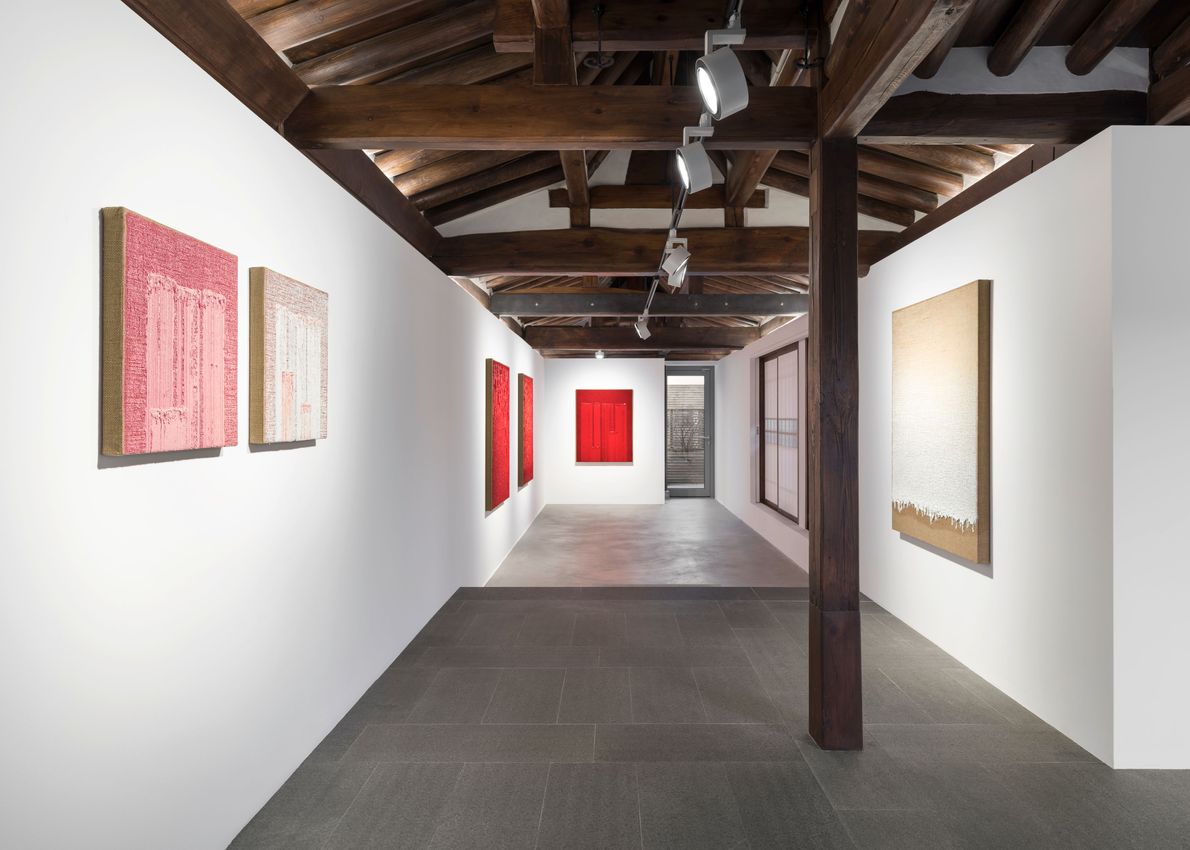
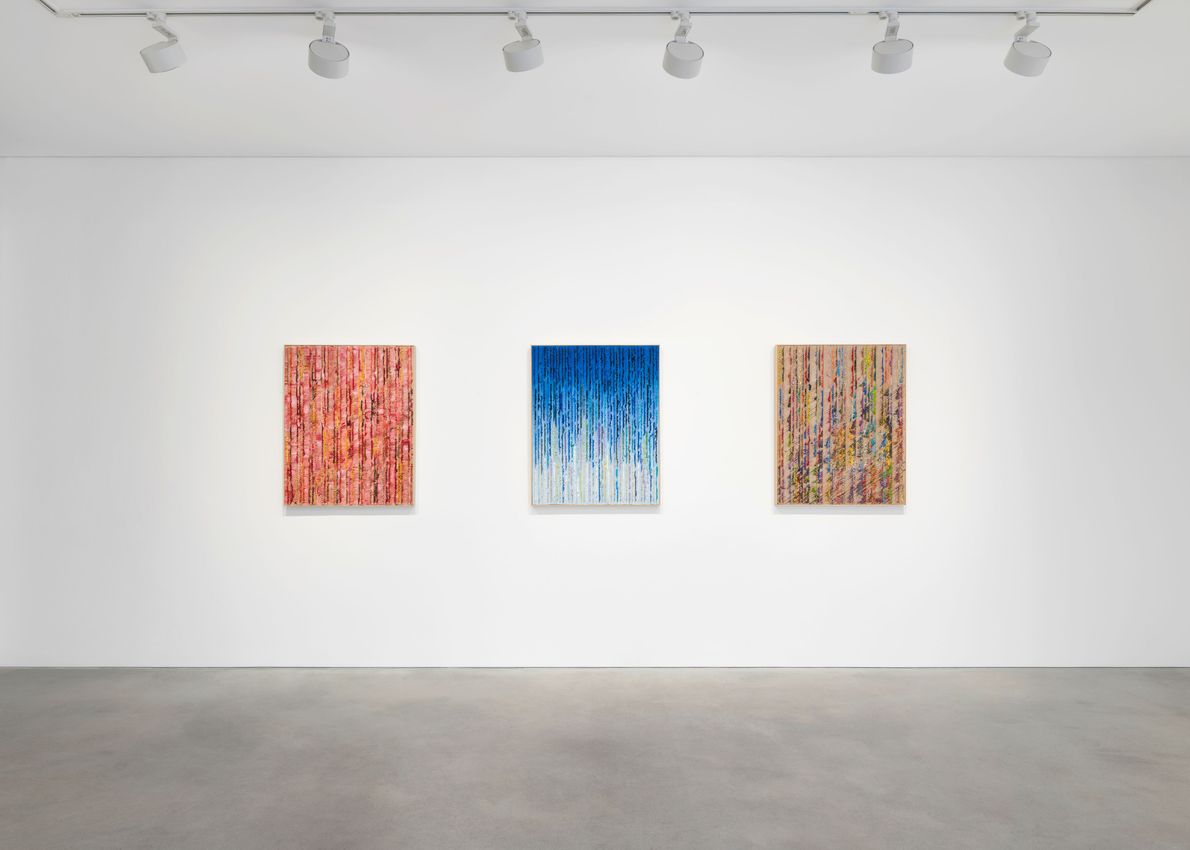
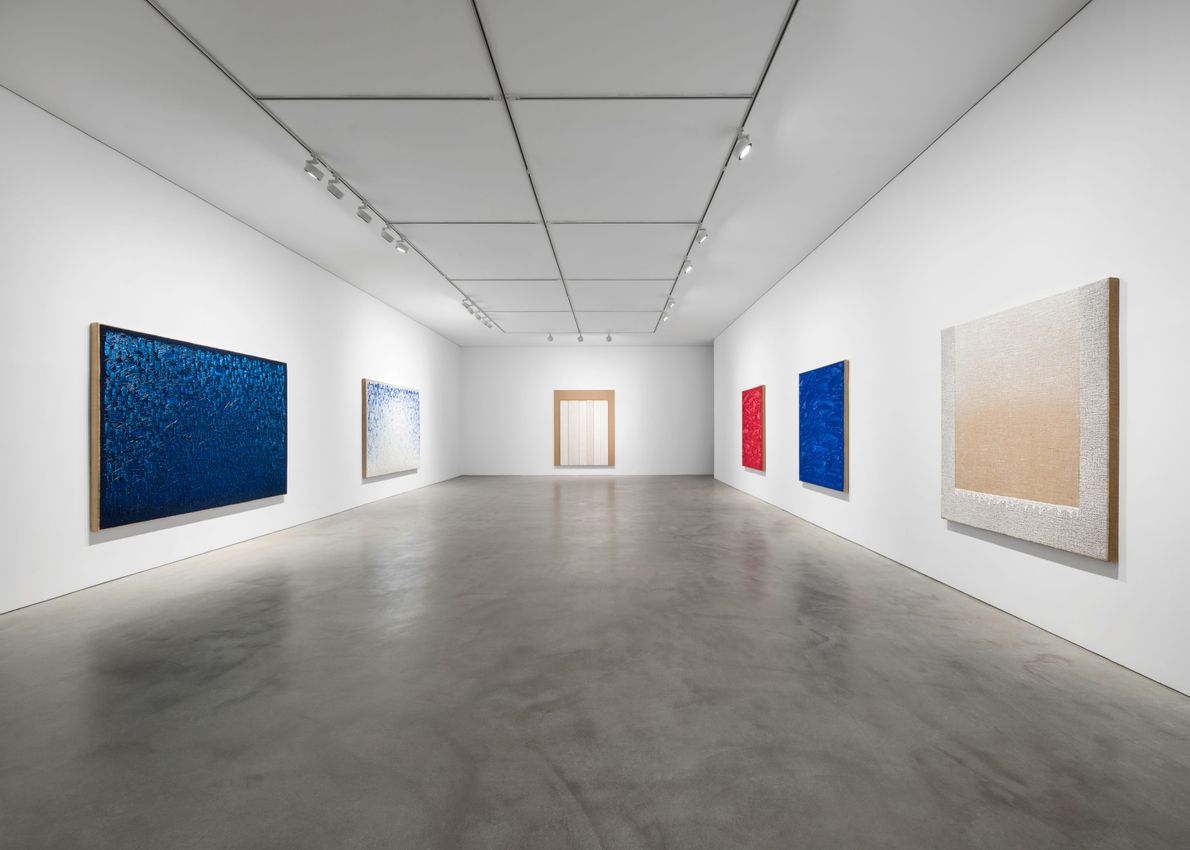
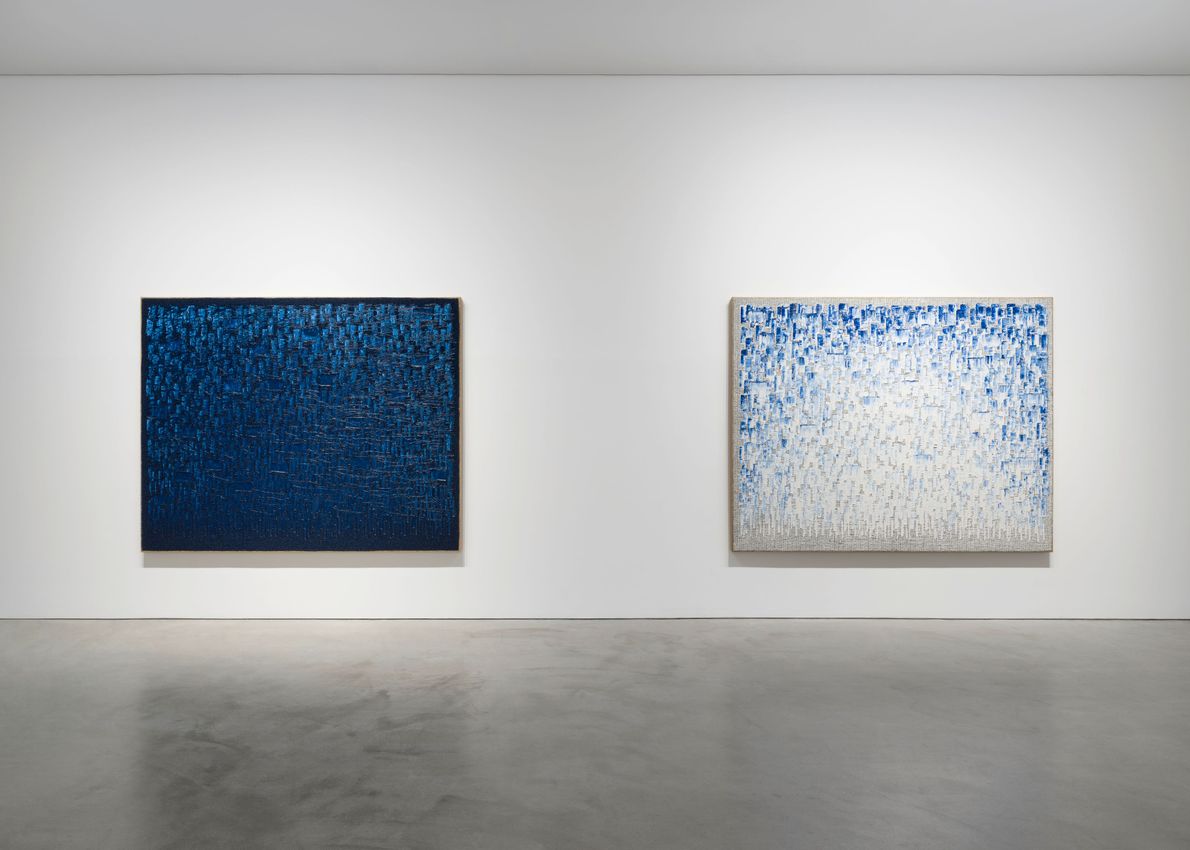
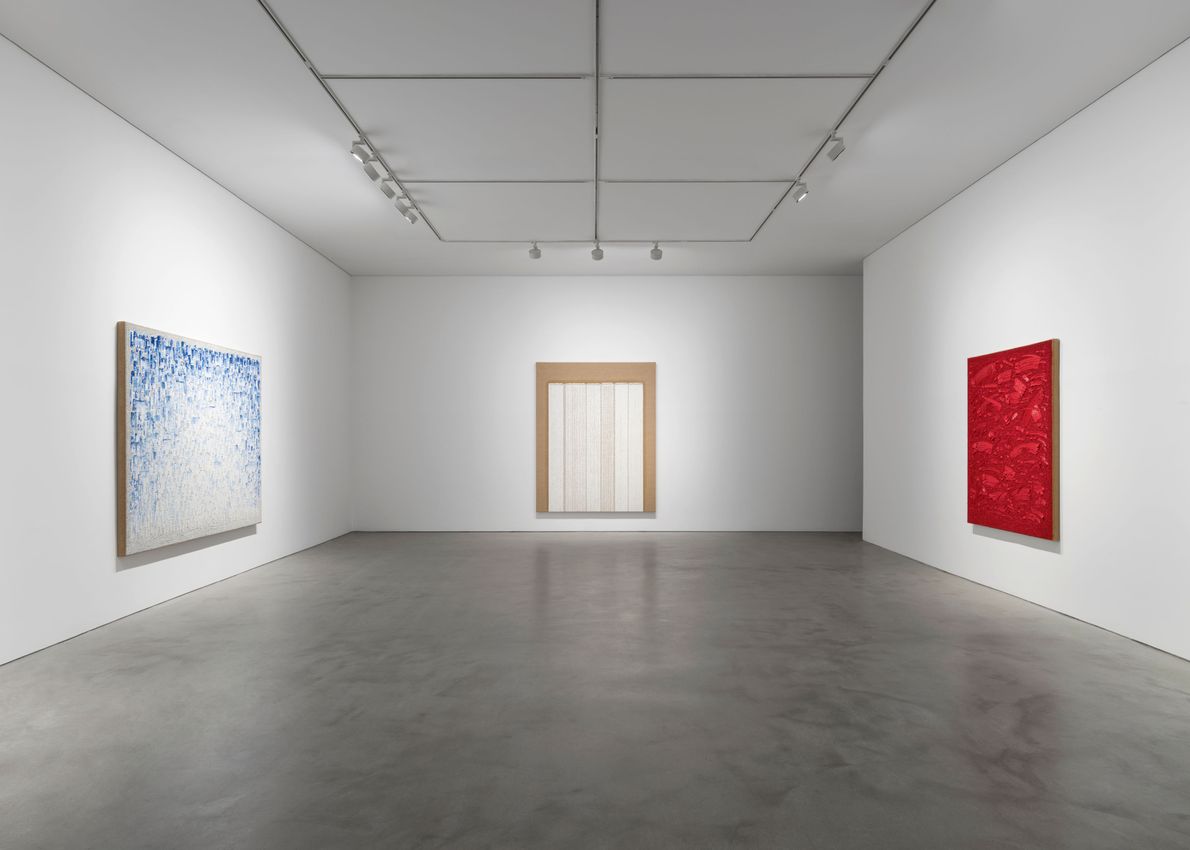
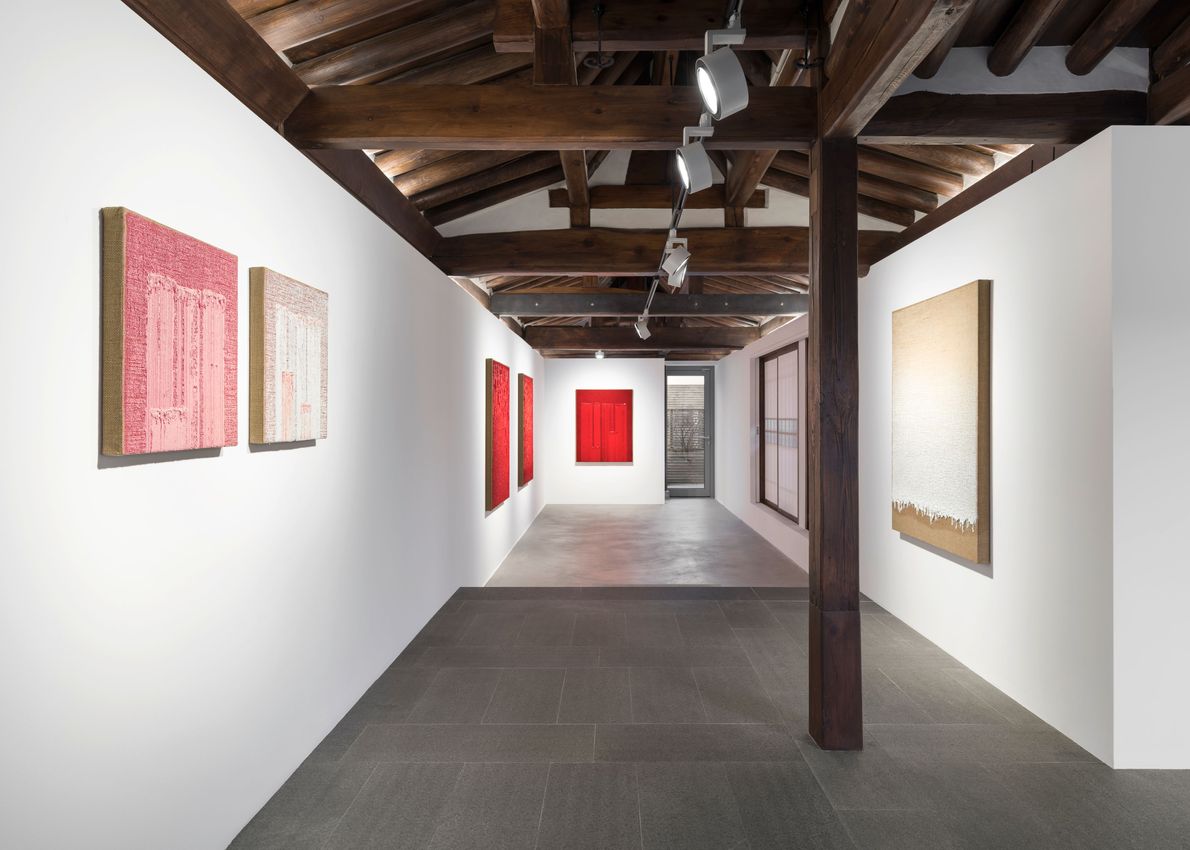
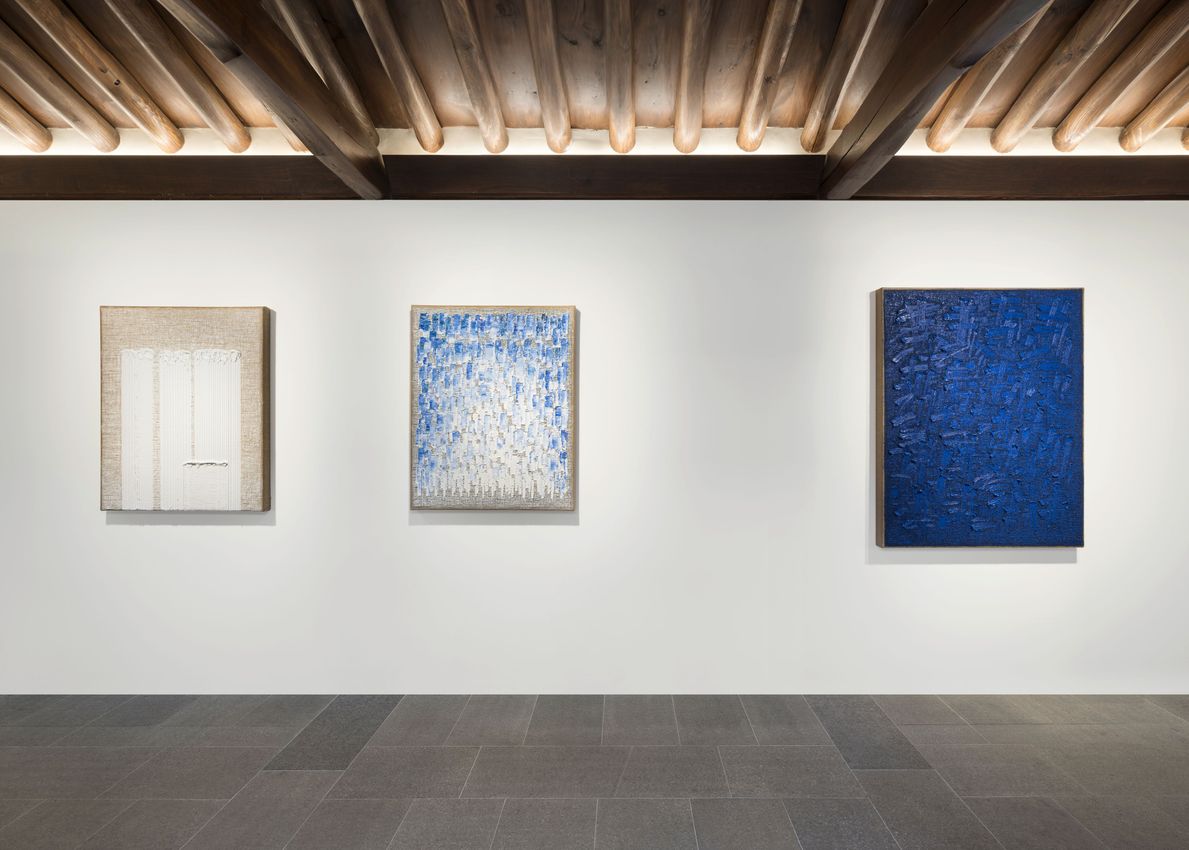
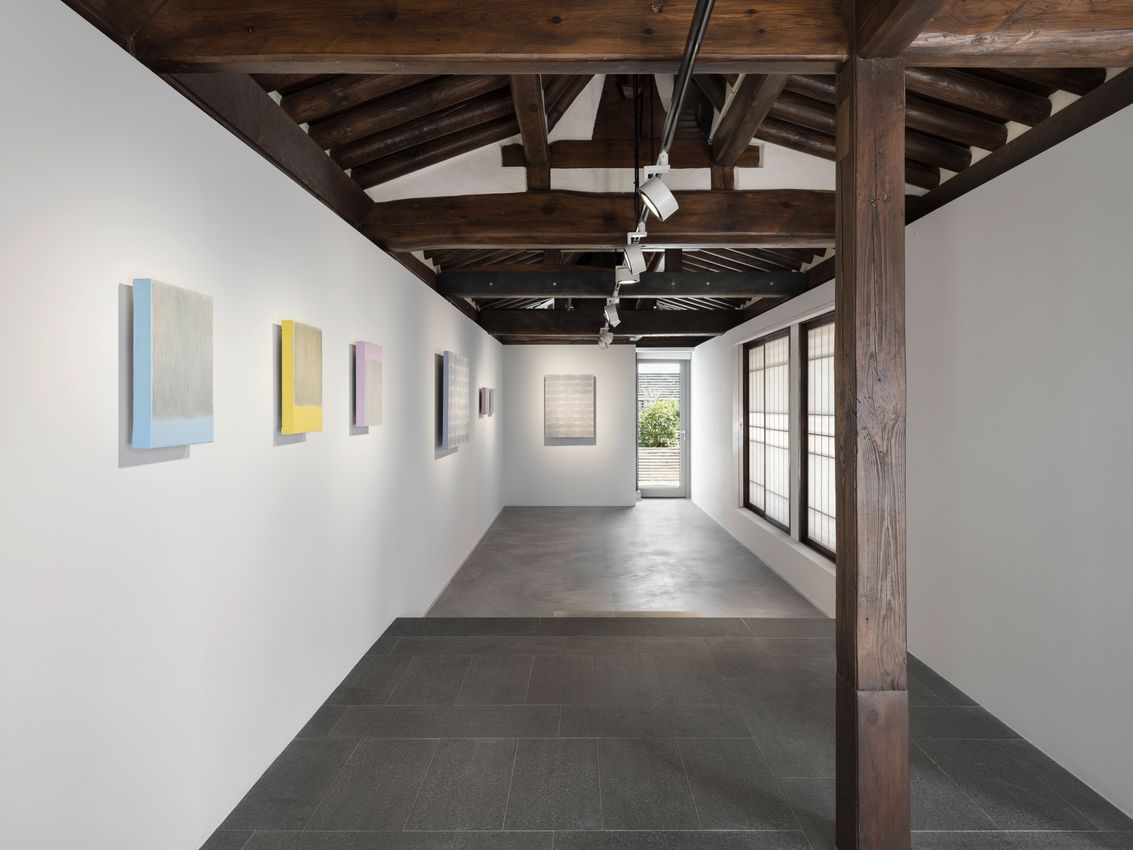
Kukje Gallery is pleased to present Ha Chong-Hyun, a solo exhibition of the pioneering Korean modernist, from 20 March to 11 May 2025 at K1 and Hanok. Marking Ha Chong-Hyun’s fourth solo exhibition at the gallery—his first in three years following shows in 2015, 2019, and 2022, this exhibition examines the artist’s continuous experimentation with oil paint and his commitment to exploring the materiality of painting over the past half-century. The foundation for this rigorous commitment is Ha’s ongoing inquiry into the fundamental question: “What is painting?” Through a selection of approximately 30 works created between 2009 and the present, the exhibition includes various iterations of his renowned ‘Conjunction’ s__eries—from his original monochromatic works to more recent works characterised by colourful adaptations, vibrant gestures, and naturalism. It also features major works from his ‘Post-Conjunction’ series, initiated in 2009, bringing together two continuously evolving and expanding pillars of Ha’s storied artistic practice.

Beginning in the 1970s, Ha’s ‘Conjunction’ series evolved to become his most significant body of work, sustaining his disciplined inquiry over the last 50 years. For this ongoing series, he developed his labor-intensive practice called bae-ap-bub (背押法, ‘back pressure method’), wherein he applied thick paint to the back side of paintings before pressing the pigment through the coarse hemp cloth to the front, imbuing a spatial quality to the flat canvas. As an artist who became active in the post-war period, his choice of hemp cloth (commonly used to store grain), along with flour and barbed wire, reflected the historical context of that time, as these were readily available materials. Moreover, he has worked with self-made tools and experimental methods, highlighting his desire to use every possible strategy to overturn conventional ideas and customary practices around painting.

This exhibition presents Ha’s latest works from the ‘Conjunction’ series that introduce new variations in methodology and meaning while maintaining his signature method of bae-ap-bub and form. As an example, in the recent ‘Conjunction’ works, the artist highlights gradations mixed between the brush strokes made on the back of the canvas and bright colours added to the front, reflecting his renewed focus on colour. Unlike the original ‘Conjunction’ series, which often employed the hues commonly found in traditional Korean objects such as roof tiles or white porcelain, these newer paintings adopt a more contemporary palette inspired by our everyday surroundings, firmly distancing the work from any symbolic associations. Ha’s new painting, Conjunction 24-52 (2024), also recalls his early works where the paint was allowed to drip down naturally on the front of the canvas once pushed from the back of hemp cloth. Rather than using the earthy hues from his early works, however, this new piece employs a subtle gradient to achieve a more refined white tone, further emphasising the materiality of paint by accentuating its viscosity as it flows and congeals on the canvas.

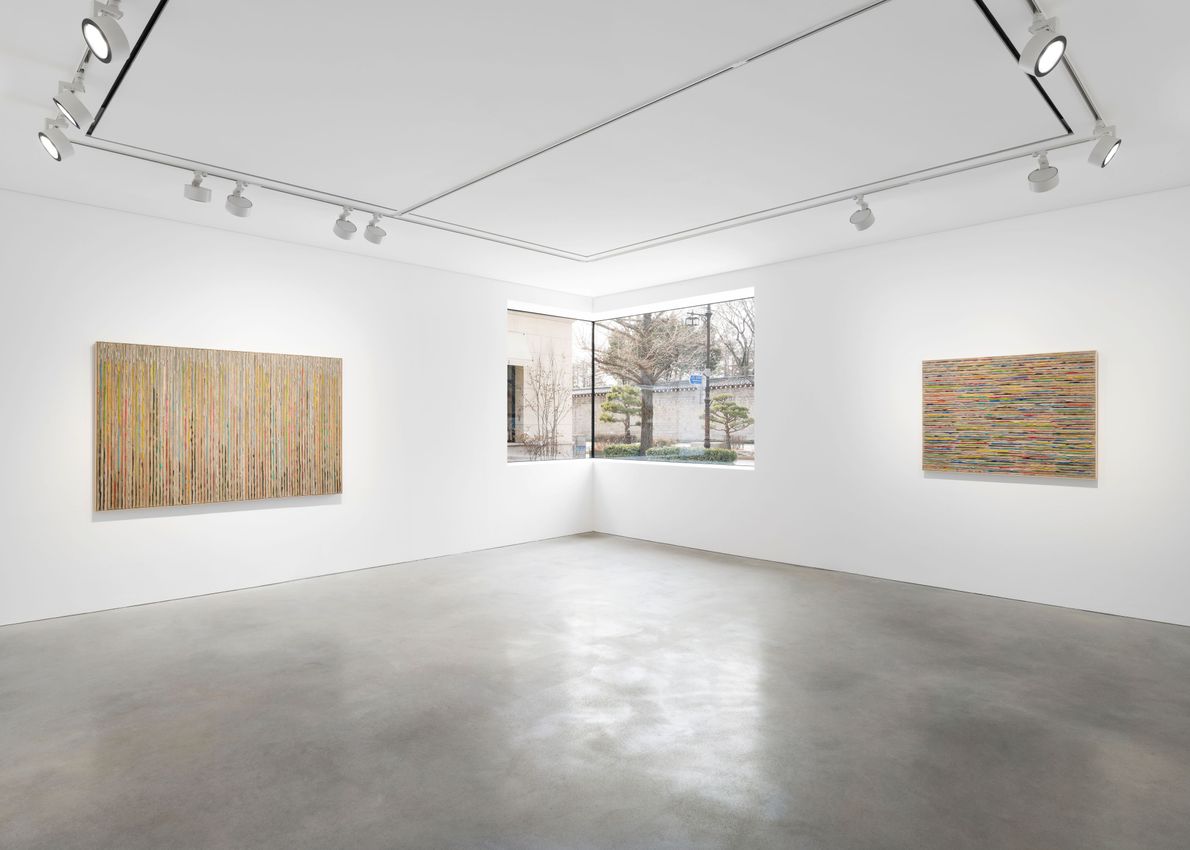
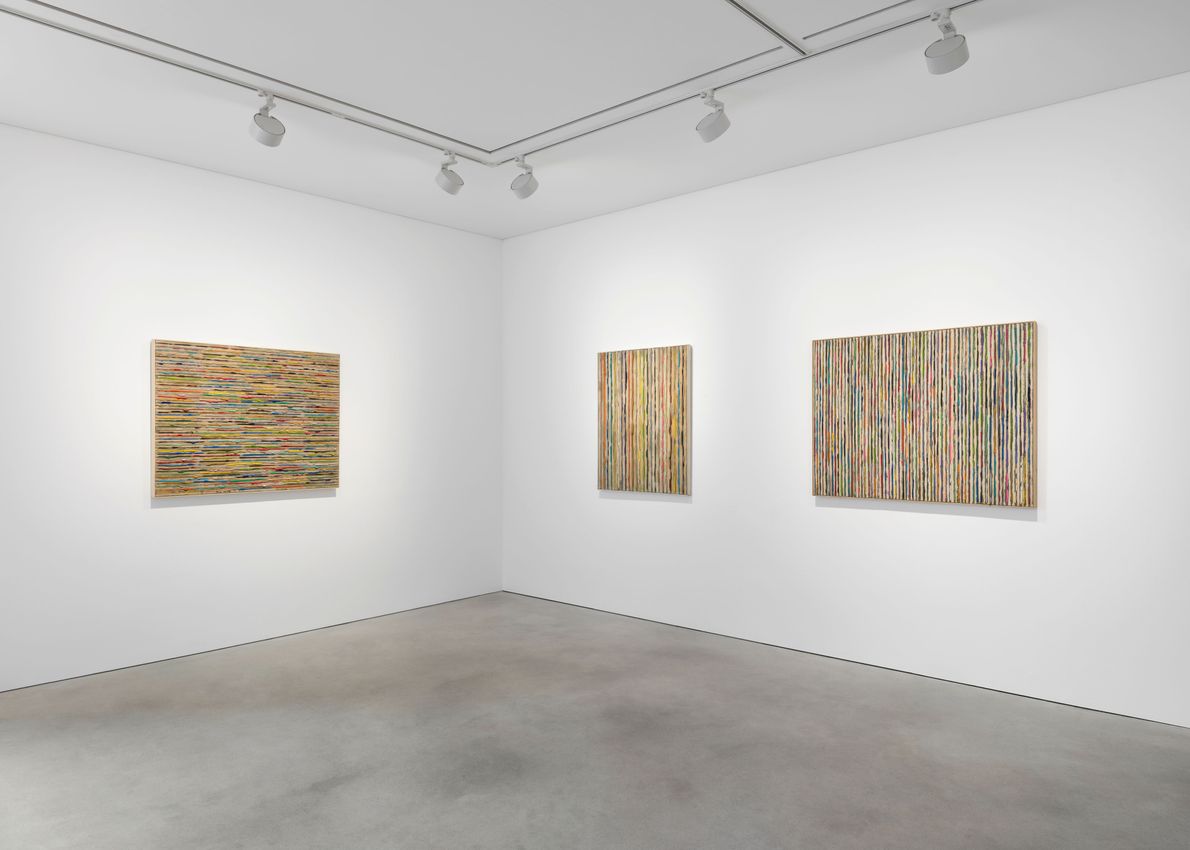
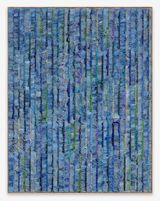
In addition to his ongoing dialogue with colour, Ha Chong-Hyun has also attempted to reinterpret his long-standing relationship with mark-making. A striking example of this is Conjunction 23-74 (2023), a work being shown to a Korean audience for the first time. While his earlier ‘Conjunction’ series featured mostly vertical, column-like gestures, this painting is filled with energetic, yet somewhat calculated diagonal brushstrokes. This subtle shift demonstrates Ha’s continued pursuit of formal transformation in response to the changing times, while also reflecting his belief that the expression made by the material properties of paint defines the essence of painting, and ensuring that such painterly expression remains only within the painting’s surface.The exhibition also presents works from his ‘Post-Conjunction’ series that, according to the artist, embody vibrant, primary colours akin to the ‘joy of a fully loaded ship’—a phrase referencing the exhilaration of abundance. In these pieces, Ha not only expands upon the method of bae-ap-bub essential to his ‘Conjunction’ series but also delves into reinterpreting his attitude and approach towards colour, form, and pictorial space within painting. To do so, he begins by cutting thin wooden slats into uniform strips and wrapping each strip with hanji (traditional Korean paper), cotton, hemp, or canvas fabric that has been painted with ink or paint. After that, the artist arranges them orderly one by one on the canvas: he places one wooden strip, and then oil paint is applied to the side of the strip in the middle so that the paint seeps through the gaps when another wood strip is placed next to it. Ha Chong-Hyun diversifies his use of repetitive form and nuance by adding these dynamic rhythms and liveliness to the painting’s surface through scraping and layering new paint over the paint that has squeezed out. Ha’s ‘joy of a fully loaded ship’ can be considered to underlie his achievement as an artist, expanding the boundaries of the ‘Conjunction’ series through the convergence of flat framed canvas and the paint’s sculptural elements, as well as broadening his material choices beyond its historical and cultural constraints.

Throughout his artistic career, Ha Chong-Hyun has resisted being confined to a single category, focusing instead on exploring materials and their inherent properties, thus expanding the definition of painting. Not only has he resisted traditional definitions, but he also liberated himself from his own established methods and techniques. It is in the same vein that, although Ha has been recognised as a major figure alongside Park Seo-Bo, Lee Ufan, and Kwon Young-Woo, his recent explorations—including the ‘Post-Conjunction’ and colourful ‘Conjunction’ series—extend beyond the traditional boundaries of Dansaekhwa, embracing contemporary idioms. In other words, Ha Chong-Hyun’s ‘Conjunction’ is not merely a reference to a specific artistic style but an overarching methodology, which includes, but is not limited to, an active intersection of ground and paint, a conjunction of flatness and object, and the conjunction of painterly materials and cultural context.

A parallel exhibition,Ha Chong-Hyun 5975, is currently on view at Art Sonje Center, focusing on the artist’s early career, spanning from 1959, when he graduated from Hongik University, to 1975, when he first developed his ‘Conjunction’ series. This exhibition highlights not only how Ha’s paintings reflect his artistic attitude towards experimentation with new possibilities of material and medium, but also how his ideas and material techniques were developed in direct response to the cultural upheaval of postwar Korea followed by massive industrialism and urbanisation. Instead of conforming to the binaries of tradition and modernity or Western technique and Eastern spiritualism, Ha Chong-Hyun has remained focused on the larger question of ‘What is Painting?’ through an enduring investigation into the materiality of materials—pushing beyond simple binaries. For Ha, painting is an absolute compilation of his artistic journey. This essential exhibition, offering a glimpse into the early stages of Ha’s lifelong artistic journey, is on view until 20 April.

Read More

Installation Views

About the Artist

A leading figure of Tansaekhwa (the Korean Monochrome Movement), Ha Chonghyun (b. 1935, Sancheong, Korea) is best known for his practice of pushing paint through the back of thickly woven stretched canvas, smearing it across the front of the canvas as it appears through the gaps in the weave. He has been highly praised for his manipulation of the materiality of paint and his incorporation of the canvas structure into the creation of his works.

View Artist Profile

Also Exhibiting at Kukje Gallery

About the Gallery

Established in the heart of Seoul in 1982, Kukje Gallery is a leading Korean gallery dedicated to showcasing works by Korean and international artists and promoting modern and contemporary art. At 54 Samcheong-ro, Jongno-gu, the gallery has 3 key exhibition spaces, respectively named K1, K2, and K3. In 2018, the gallery opened a second location in F1963, a cultural complex housed in a former wire factory in Suyeong-gu, Busan.

View Gallery Profile
Address
54, Samcheong-ro
Jongno-gu
Seoul
South Korea
Opening Hours
Monday – Saturday
10am – 6pm

Sunnday
10am – 5pm

National Holidays
10am – 5pm
(1)
Seoul 54, Samcheong-ro, Jongno-gu
Kukje Gallery
54, Samcheong-ro, Jongno-gu, Seoul, South Korea

Opening hours
Monday – Saturday
10am – 6pm

Sunnday
10am – 5pm

National Holidays
10am – 5pm
The art world in focus
