Press Release

Kukje Gallery is pleased to present Nature Rules, a solo exhibition by Jae-Eun Choi, in the gallery’s K2 (spanning both floors) and K3 spaces from 20 March to 11 May 2025. Marking the artist’s third solo presentation at the gallery, the exhibition presents works that explore themes revolving around the origin of life, temporality, birth and extinction, as well as the complex dynamic between nature and humanity. Across disciplines encompassing sculpture, installation, architecture, photography, video, and sound, Nature Rules is a major introduction to the multi-hyphenate artist who, having moved to Tokyo, Japan, in the mid-1970s, was trained at the Sogetsu Art Center in the avant-garde interpretation of ikebana (生け花). In 1986, Choi presented Earth, an installation where she covered Isamu Noguchi’s interior garden,Heaven, with thirteen tons of topsoil and sowed seeds, manifesting her unique philosophy concerning the cycle of life and spatio-temporality. In World Underground Project, an ongoing series that also began in 1986, Choi examined concepts of vitality and cycles by burying specially made papers in the ground and then unearthing them to analyse traces of accumulated time. Expanding upon this seminal project, Choi has also experimented with new approaches combining art and science, including works involving the magnification of the miniature universe of micro-organisms within paper itself. In particular, starting with the Dreaming of Earth project which has evolved since 2015, she has developed a complex collaborative art project as a means of restoring the Demilitarized Zone (DMZ)‘s fragile ecosystems grounded in in-depth professional research.

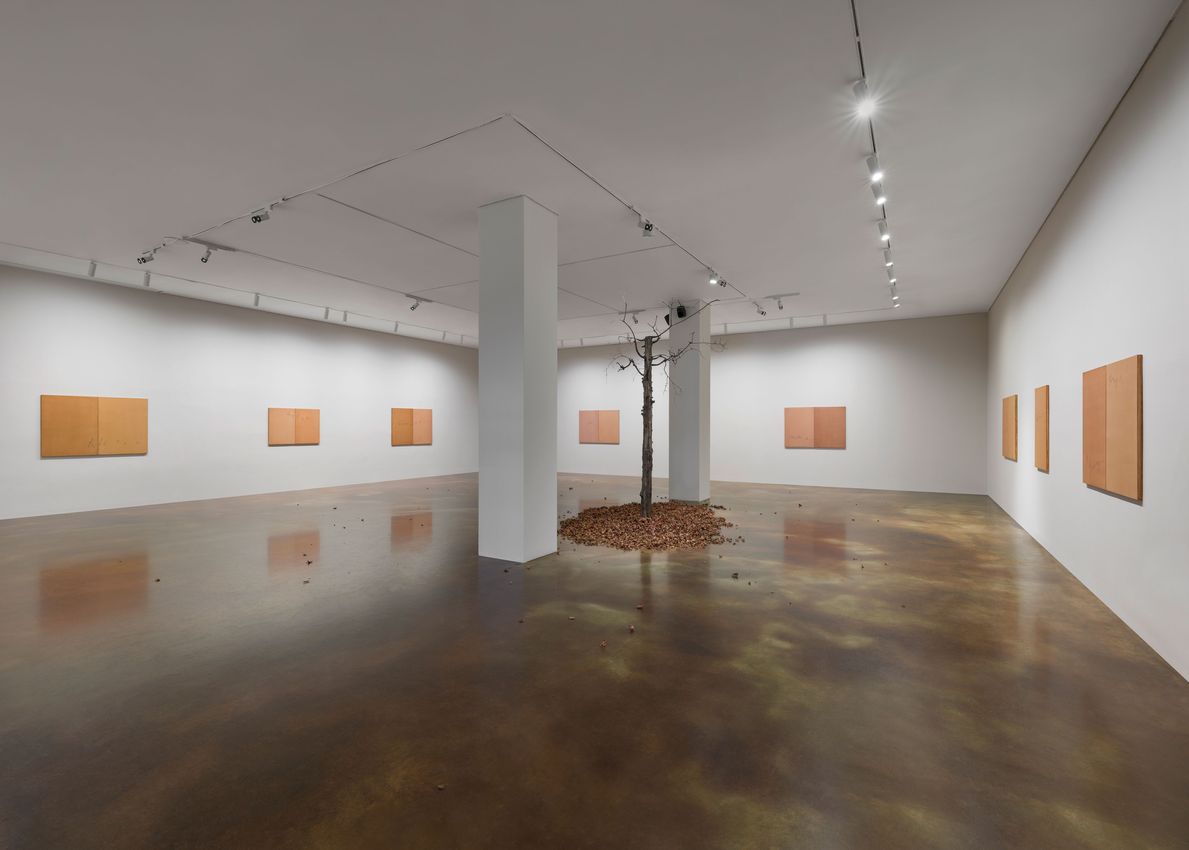
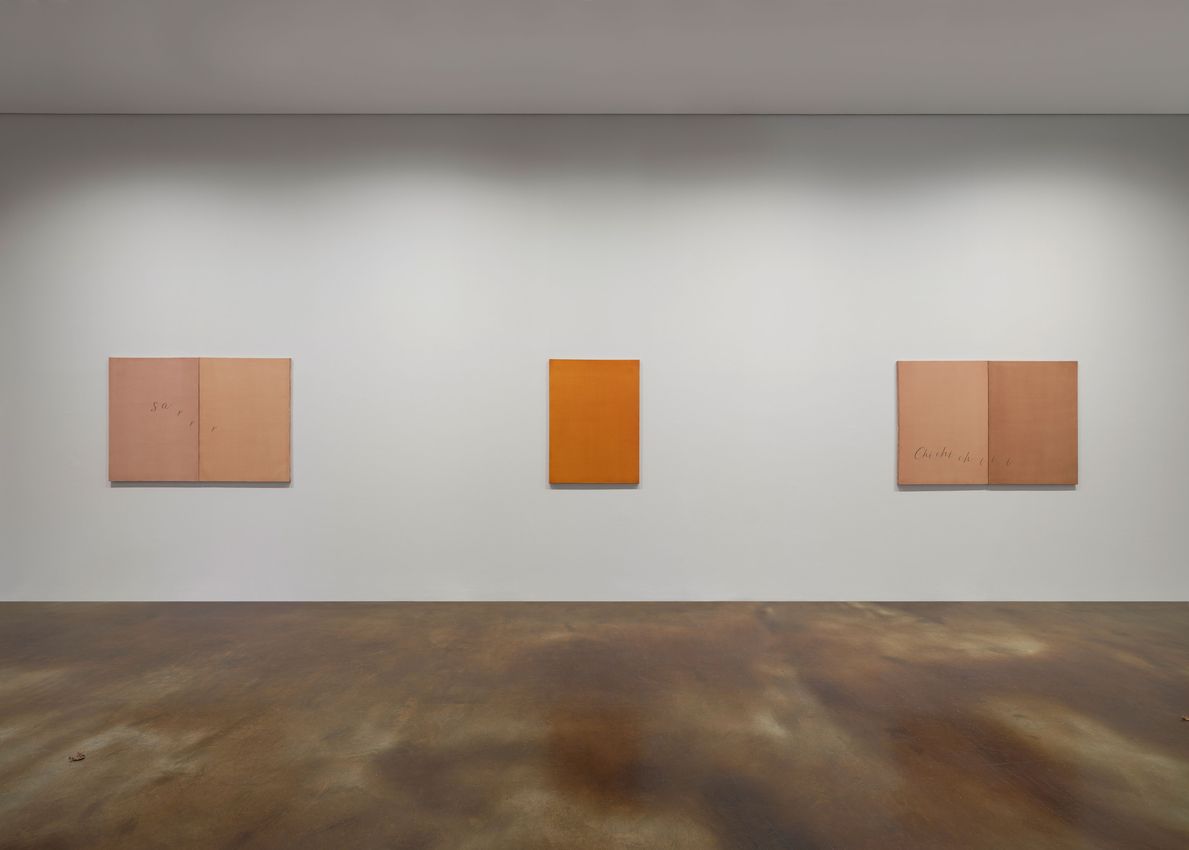
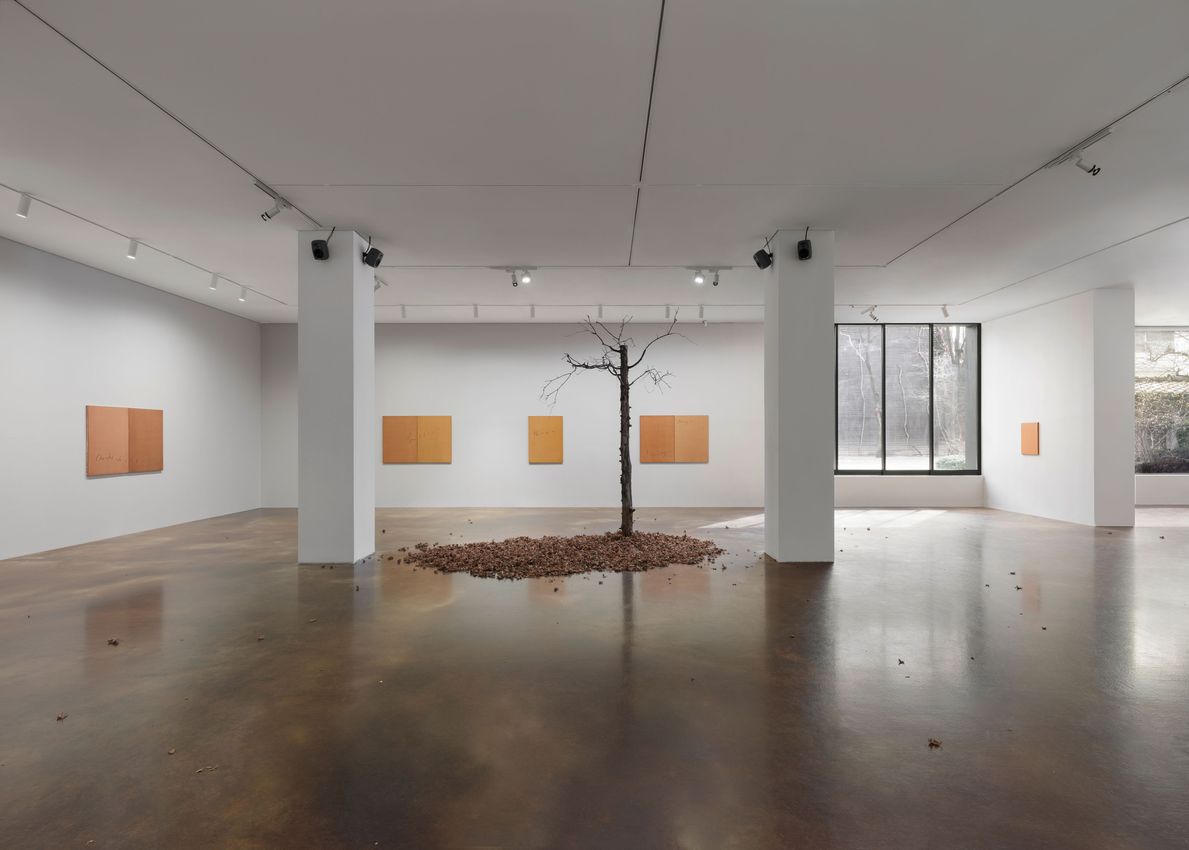
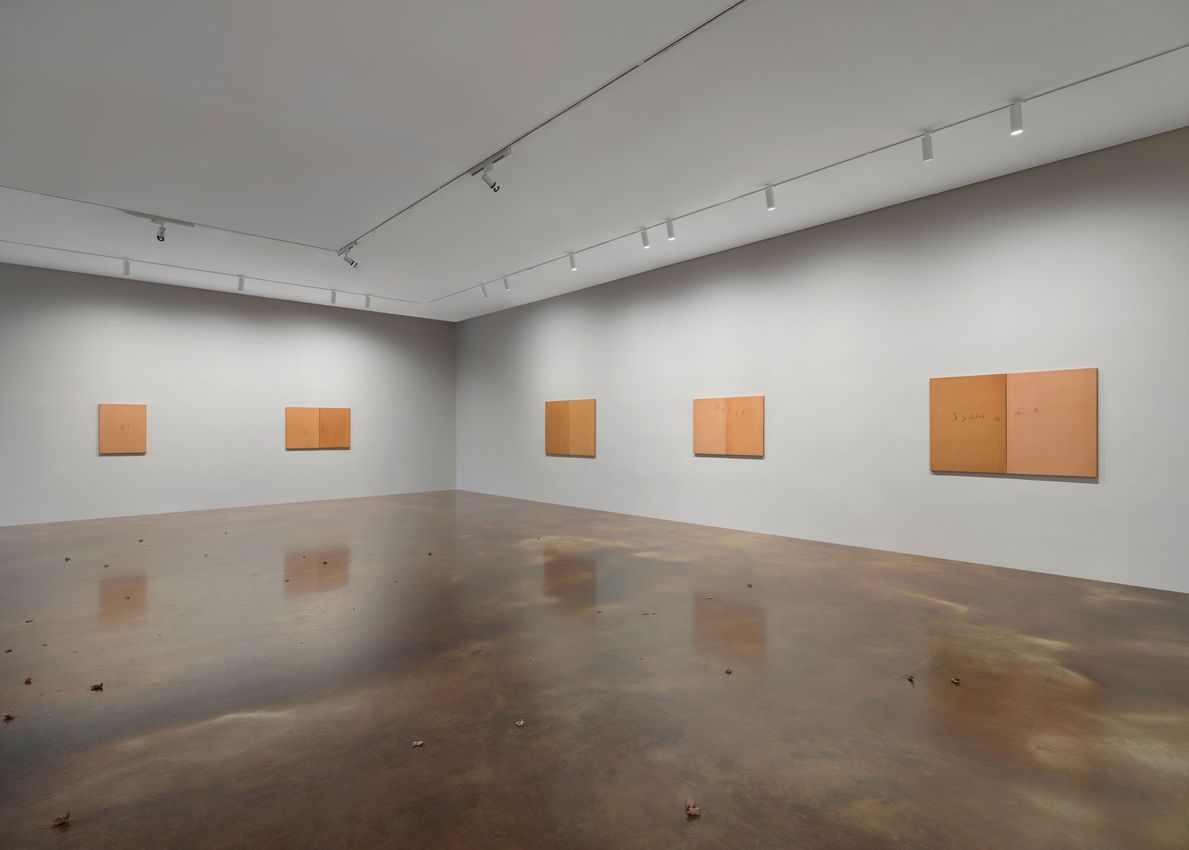
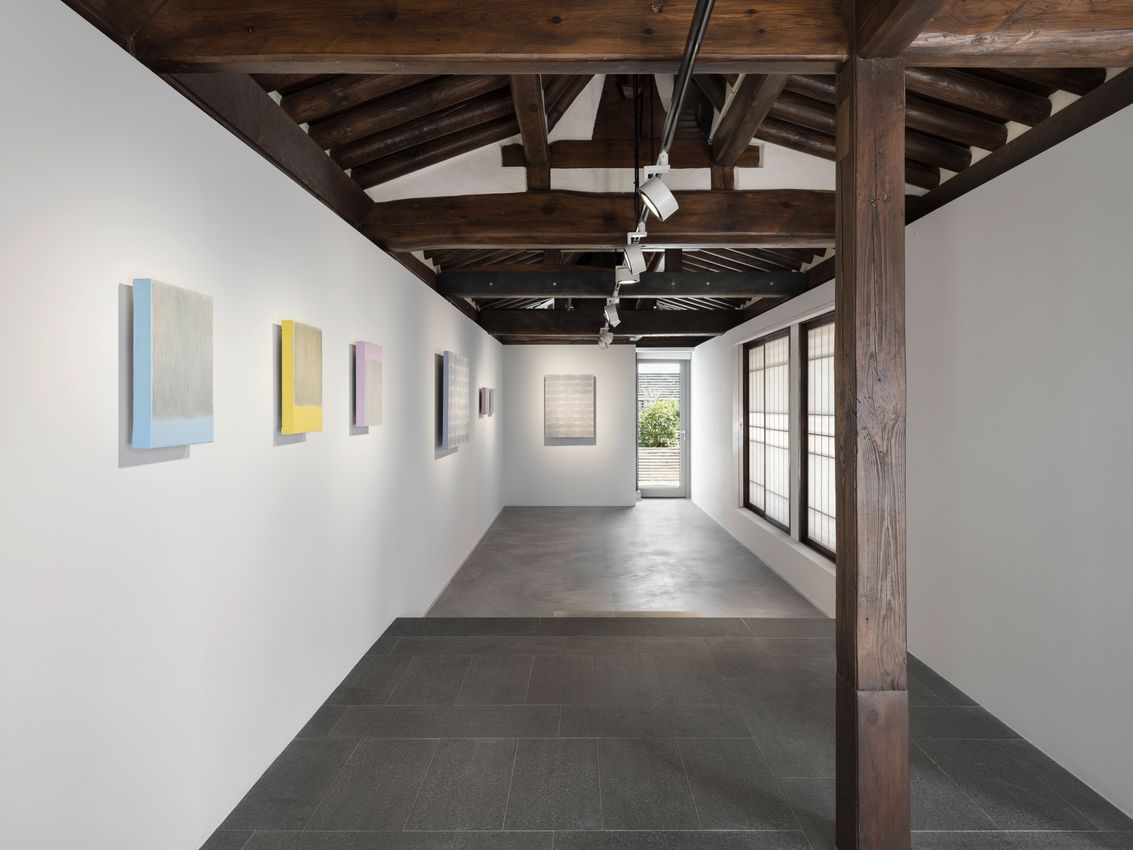
Throughout the exhibition, Choi suggests multifaceted interpretations and reimaginations of the ‘forest,’ a subject of persistent interest in her oeuvre. Strewn across the first floor of K2, the series of paintings titled From the Forest draws from the artist’s daily experience of strolling in wooded ecologies. Collecting various autumn leaves and flower petals during her walks through the forest located in the neighbourhood of Kyoto where she currently resides, the artist utilized these natural materials as pigments for paint, applying them onto her canvases. Consisting of chromatic variations ranging from coral to earthy and light brown hues, each pictorial plane is characterised by a singular palette that eschews representation but can be described as a faithful portrait of the forest in which the artist walked. Inscribed on the surface of the paintings are graphite transcriptions of ambient sounds—such as whistling of the wind, bird song, and rainfall—that Choi encountered while strolling. For instance, Sar r r r r (2025) refers to the sonic translation of the falling leaves in late autumn, while Hu u u u (2025) is based on the sound of a mountain echo from distant mountains beyond the forest.

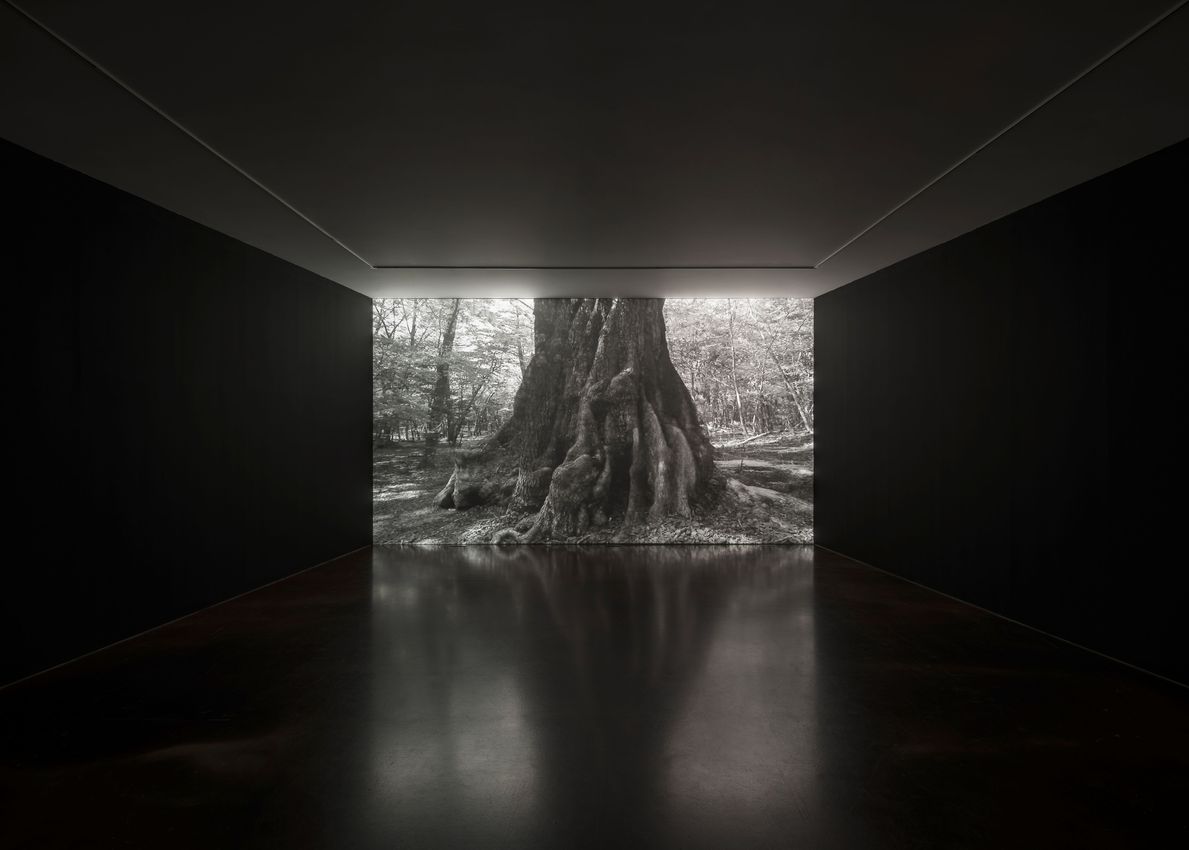
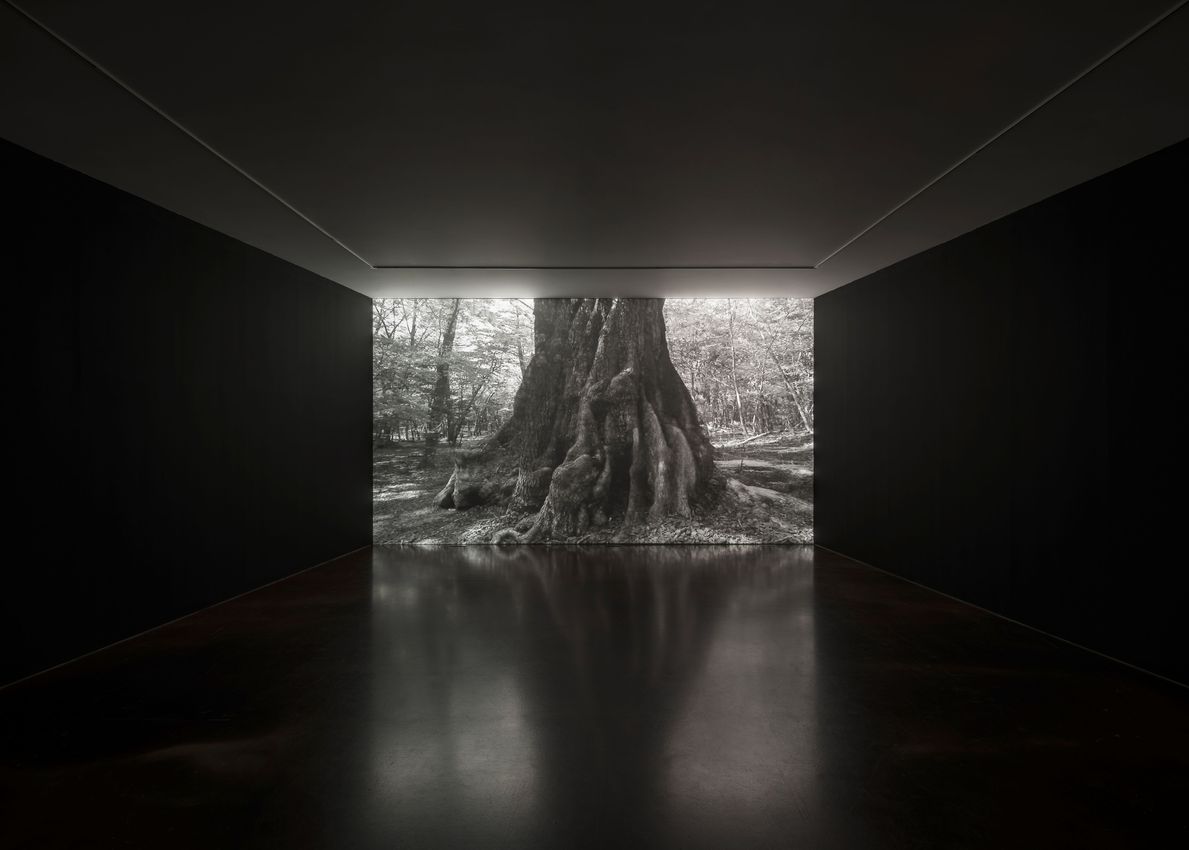
Choi’s sensory analysis of the light and sound of the forest continues on the second floor of K2 through multidisciplinary experiments including text-based work, sculpture, and video. Installed on the floor of K2 is Monologue of a Tree (2025), a poem written by Choi, which conveys an intimate story of trees that she encountered in the forest. Forming a visual harmony with the body of sculptures that include gold leaves on twigs, the poem provides a multivalent narrative of the forest. Meanwhile, the video work Flows (2010) is on display further inside the exhibition space. Depicting the base of a giant, old tree in a slow 360-degree rotation, the work invites the viewer to confront the sublime manifestations of the epic flow of time in the form of complex inscriptions on the bark.

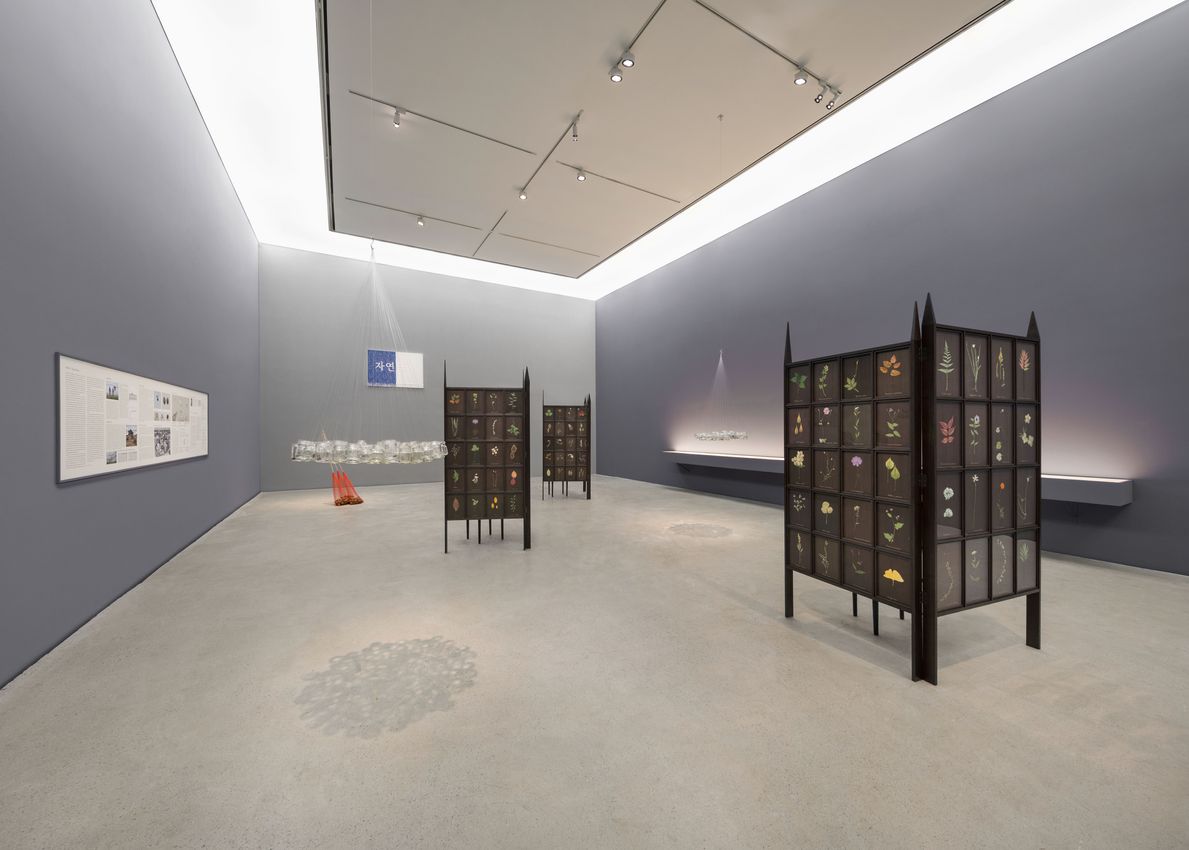
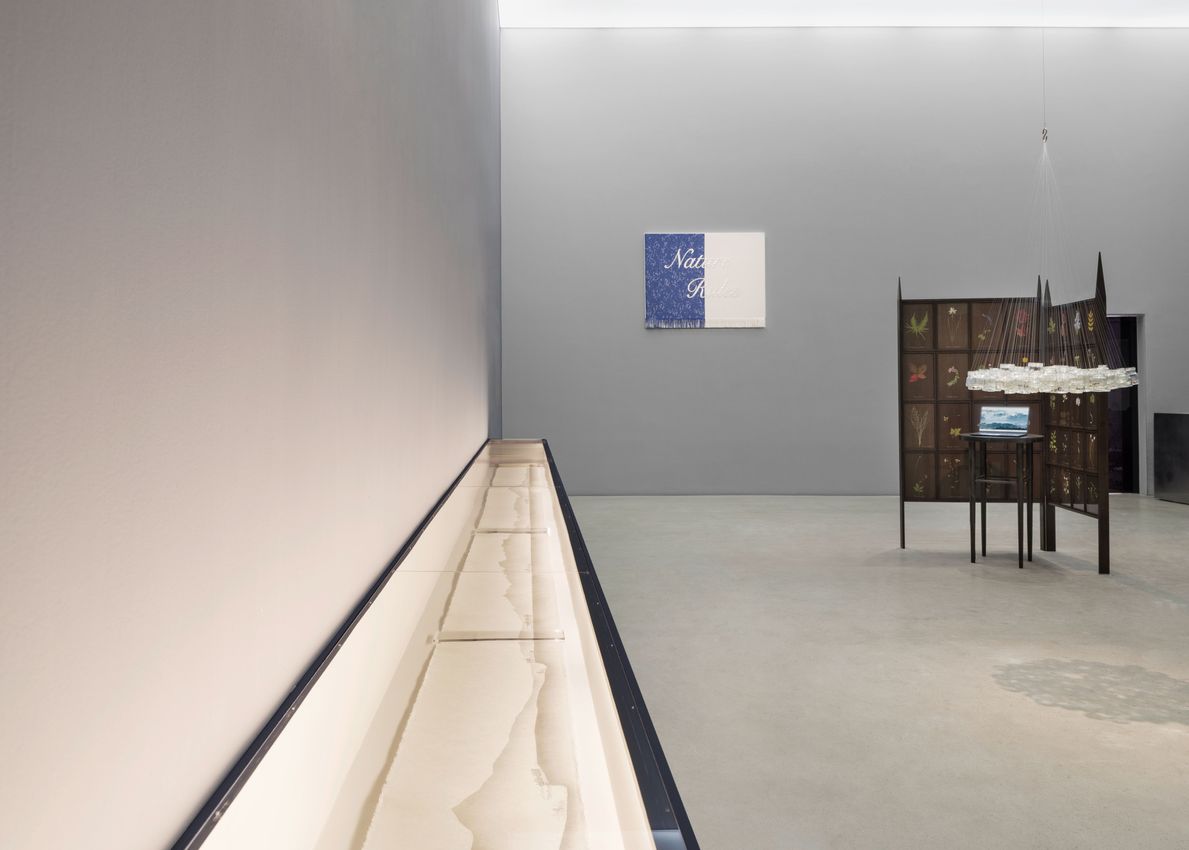
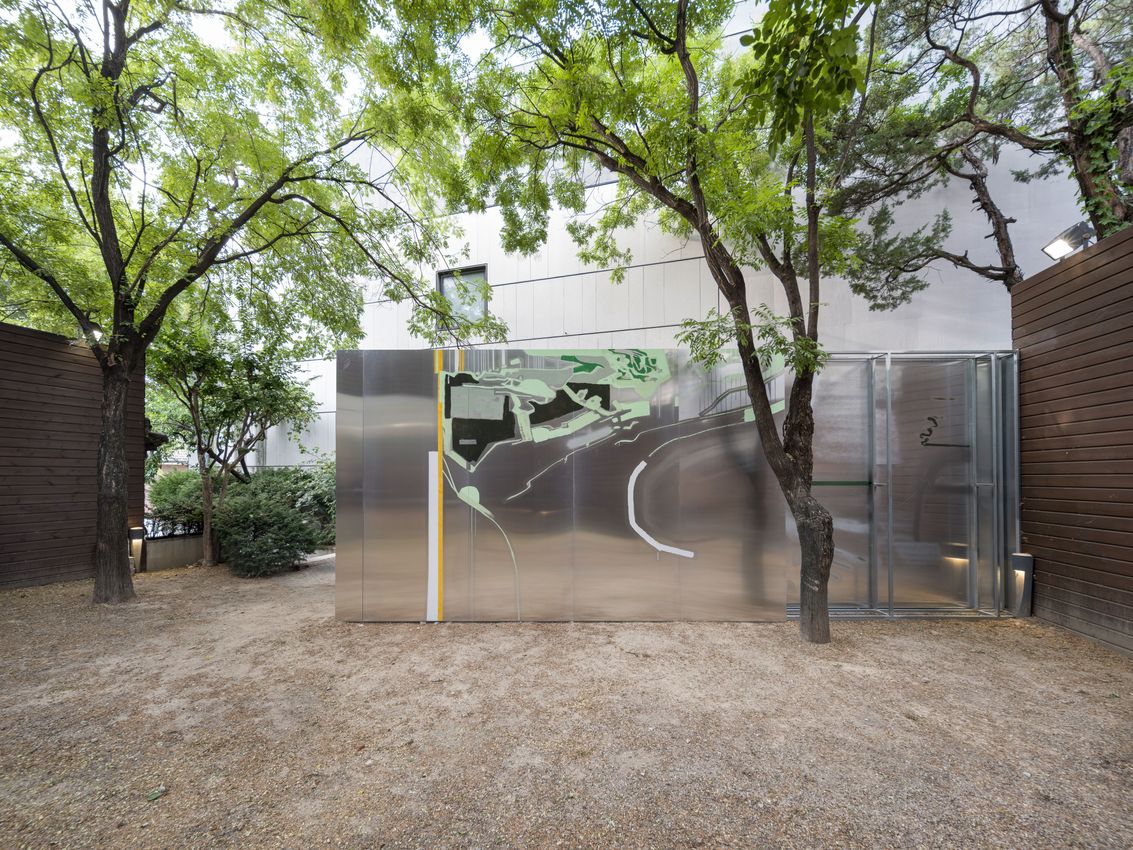
K3 introduces the DMZ Project that the artist has developed over the past decade. Initially conceived under the title of Dreaming of Earth, Choi’s DMZ Project has been recategorised under a new title Nature Rules, in which the artist has undertaken more structured research into the ecological recovery of the DMZ in the Korean peninsula. A culmination of years of dedication, the project involves an in-depth analysis of the ecological conditions of the DMZ and an organisation of data concerning the types and quantity of plant species required for the ecological restoration of each region. The artist has proposed a ‘dream’ solution consisting of making small seed bombs—measuring three to five centimetres in diameter that contain tree seeds—and sowing them from the air via drones, over the DMZ, where millions of landmines remain buried. Through this project, Choi seeks to promote a collective dream for the future of this contested land, a dream that searches for potential and actual collaborators who can help materialise this vision.

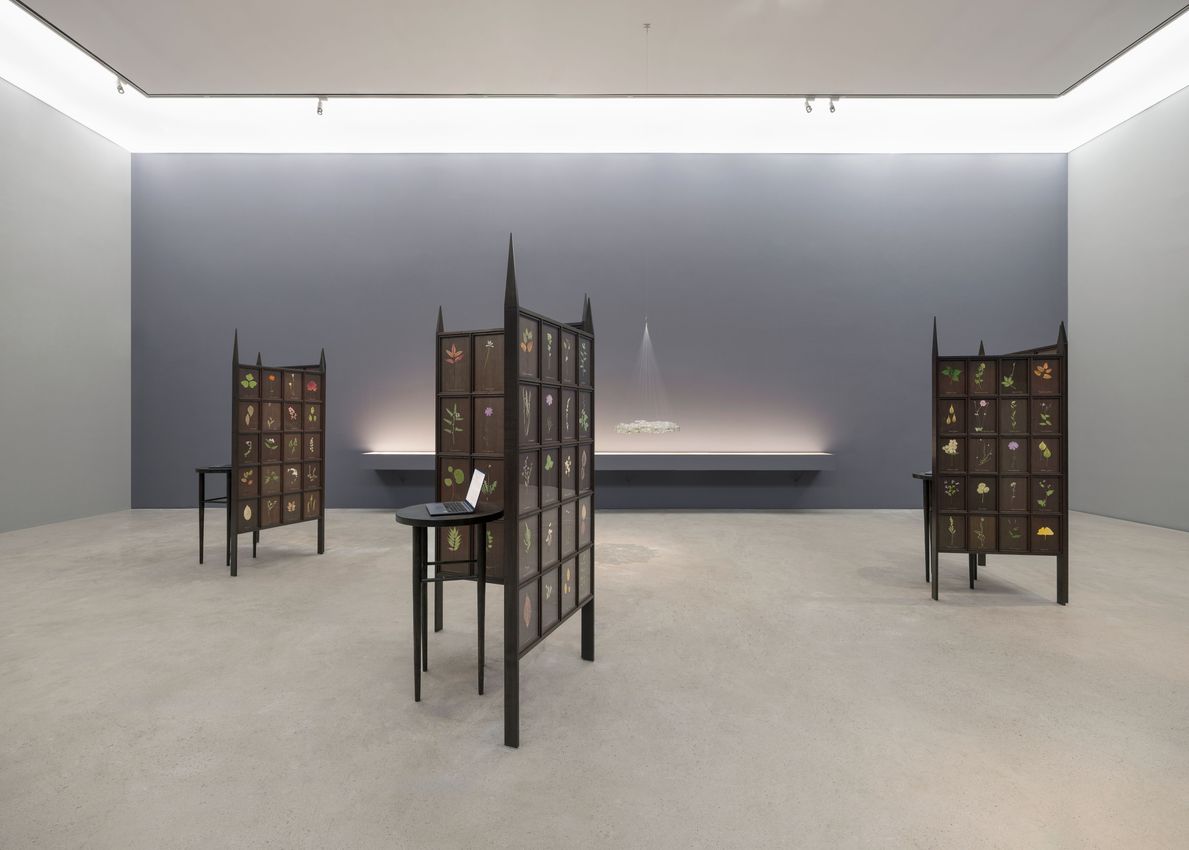
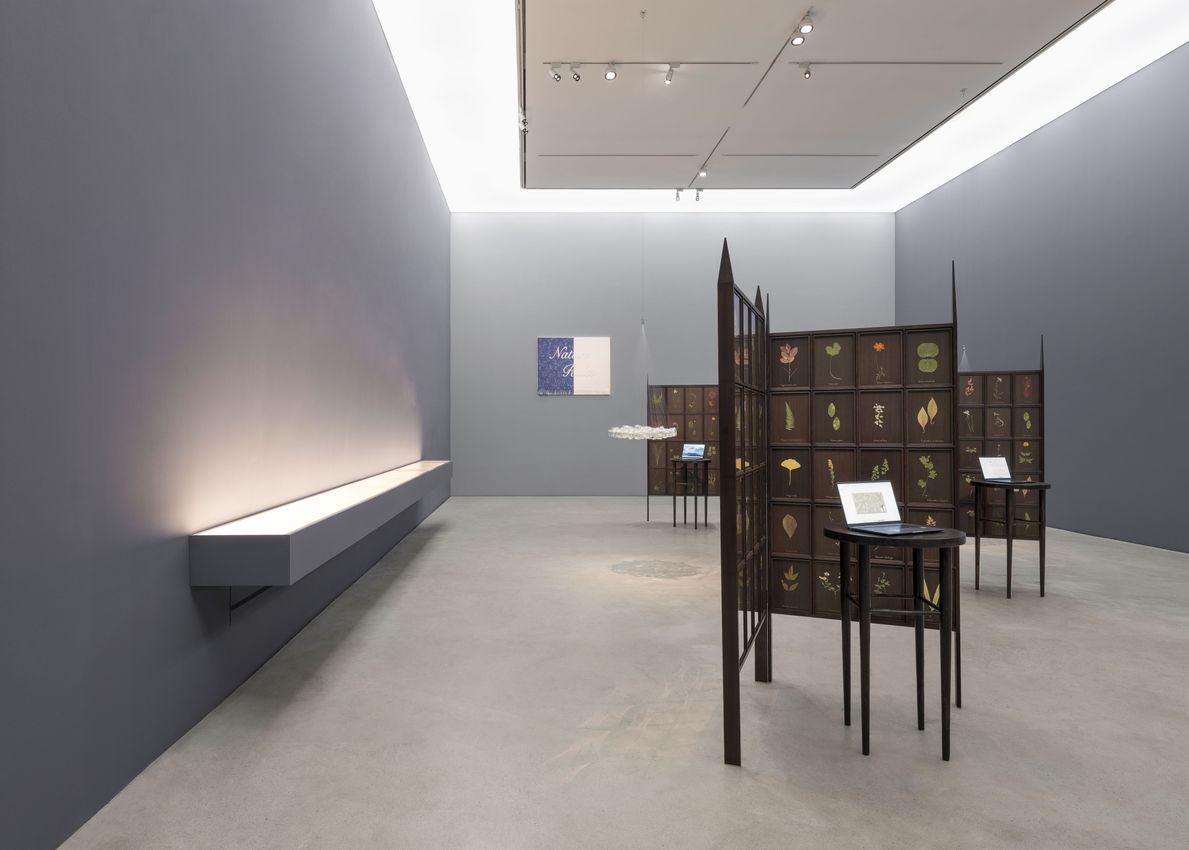
On the computer installed inside each folding screen, produced with dried flower petals that Choi collected during her daily forest walks, the viewer can access the website for Nature Rules and register to make a ‘promise’ of seed bomb donations in the desired region by browsing the map of the DMZ. In this project designed to allow visitors to make a donation at the cost of KRW 100 per bomb, the seed bomb serves not only as a specific method, but also as an intermediary network that connects participants to each other in the process of recovering the forest of the DMZ. The artist named this platform and initiative New Alliance, a concept forged by the renowned Belgian physical chemist Ilya Prigogine, which implies a harmonious existence of men within the natural order. Contrary to Choi’s initial expectation, the ecological environment inside the DMZ was undergoing severe degradation. As revealed in the process of carrying out the ‘DMZ Ecological Forest Plan,’ the artist realised that the fragmentation of the DMZ’s ecosystem was more intense than the public’s perception as a result of prolonged military interventions by both South and North Korea. Through this project—open to anyone across the globe without the constraint of boundaries—Choi envisions the recovery of nature’s sovereignty as well as the establishment of a foundation for a new hope built on universal consensus and shared values.

Read More

Installation Views

About the Artist

Known for her intense visual imagery based in architectural-scale grandeur and meticulous aesthetic sensibility, Jae-Eun Choi’s oeuvre spans diverse disciplines including sculpture, installation, architecture and film. Choi’s work springs from an innovative interpretation of space and the relationship between life and nature and has since expanded its parameters through an experimental approach that combines art and science. She continues to utilize an array of techniques to explore issues of time and existence. In 2016, Choi participated in the 56th Venice Architecture Biennale with her recent project “Dreaming of Earth,” which aims for the eternal and sustainable peace in the De-militarized Zone in Korea and the reunification of the Korean Peninsula. Jae-Eun Choi’s work is widely collected by the world’s prestigious museums, including Leeum, Samsung Museum of Art, Seoul and National Gallery in Prague, Czech Republic.

View Artist Profile

Also Exhibiting at Kukje Gallery

About the Gallery

Established in the heart of Seoul in 1982, Kukje Gallery is a leading Korean gallery dedicated to showcasing works by Korean and international artists and promoting modern and contemporary art. At 54 Samcheong-ro, Jongno-gu, the gallery has 3 key exhibition spaces, respectively named K1, K2, and K3. In 2018, the gallery opened a second location in F1963, a cultural complex housed in a former wire factory in Suyeong-gu, Busan.

View Gallery Profile
Address
54, Samcheong-ro
Jongno-gu
Seoul
South Korea
Opening Hours
Monday – Saturday
10am – 6pm

Sunnday
10am – 5pm

National Holidays
10am – 5pm
(1)
Seoul 54, Samcheong-ro, Jongno-gu
Kukje Gallery
54, Samcheong-ro, Jongno-gu, Seoul, South Korea

Opening hours
Monday – Saturday
10am – 6pm

Sunnday
10am – 5pm

National Holidays
10am – 5pm
The art world in focus