




DAVID HOCKNEY
b. 1937, United KingdomDavid Hockney (born 1937, Bradford) is a British painter, draughtsman, printmaker, photographer, and stage designer whose work has shaped the look and language of post‑war painting. His luminous California pool scenes, psychologically sharp double portraits, and expansive Yorkshire landscapes—anchored by works such as A Bigger Splash (1967) and Portrait of an Artist (Pool with Two Figures) (1972)—have become touchstones for generations of painters.
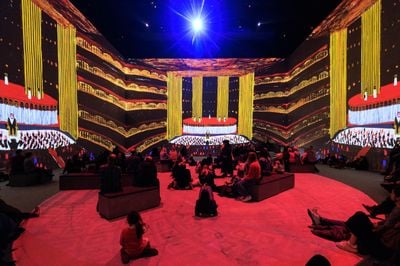
Over seven decades Hockney has been the subject of landmark retrospectives at institutions including Tate Britain and Tate Modern in London and, most recently, at the Fondation Louis Vuitton in Paris, which surveyed his practice from the 1950s through the mid‑2020s. His restless embrace of new media—from Polaroid collages to iPad drawings and multi‑screen, immersive walk‑in landscapes—has kept his work in active dialogue with contemporary image‑making.
In 2026 Serpentine North, London, opened a solo show dedicated to the artist, A Year in Normandie and Some Other Thoughts about Painting (12 March—23 August 2026), the institution’s first dedicated exhibition with the artist, underscoring his continuing relevance within 21st‑century art.
Early life and Career
Hockney was born in Bradford, West Yorkshire, in 1937, the fourth of five children in a working-class family. He studied at Bradford School of Art from 1953 to 1957, receiving a traditional training in drawing and painting before undertaking national service as a conscientious objector, working in hospitals. In 1959 he entered the Royal College of Art in London, where his talent was quickly recognised; he graduated in 1962 with a gold medal and emerged as a key figure in a generation associated with British Pop art.
Works, series and Methods
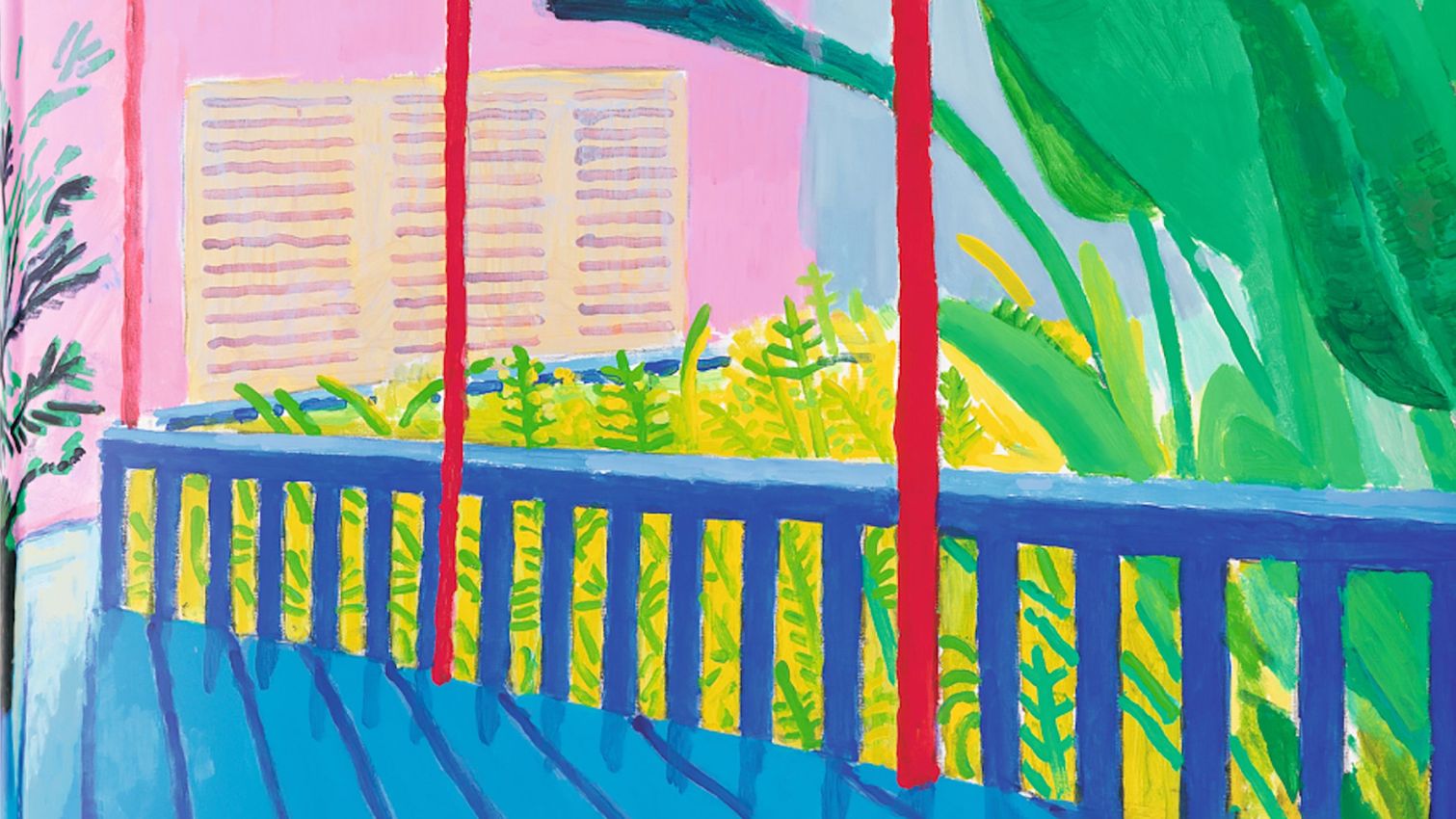
In the early 1960s Hockney travelled widely and began to explore themes of sexuality, domestic intimacy, and modern life, often informed by his experience as a young gay man in a period when homosexuality was still criminalised in Britain. A formative visit to the United States in 1961, and his subsequent move to Los Angeles in 1964, reshaped his palette and iconography, introducing the intense light, modernist architecture, and swimming pools that would become hallmarks of his work.
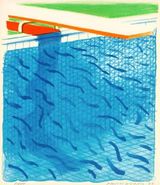
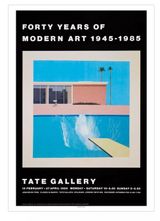
Hockney’s iconic pool paintings, including A Bigger Splash (1967) and Portrait of an Artist (Pool with Two Figures) (1972), use flat planes of saturated colour and precise geometry to stage moments of suspended time. In A Bigger Splash, the carefully constructed composition of house, pool, and palm trees is disrupted by the explosive splash of an unseen diver, crystallising his interest in capturing fleeting moments through slow, deliberate painterly labour. These works, executed in acrylic on canvas, helped define his public image and are frequently cited among the best known paintings of the post-war period.
Alongside the pools, Hockney developed a distinctive body of double portraits in the late 1960s and 1970s, depicting couples and friends in carefully staged domestic interiors. These compositions, often life-size, juxtapose emotional intensity with a restrained, almost theatrical use of space, exploring the dynamics of relationships, intimacy, and looking. His portraits of parents, lovers, and artistic peers reinforce his reputation as a sharp observer of social and psychological nuance.
Photography, ‘joiners’ and Experimental space
From the late 1970s and early 1980s, Hockney began to question single-point perspective more overtly, using photography as both tool and subject. His photographic ‘joiners’—composite Polaroid and 35mm grids built from multiple viewpoints—break scenes into overlapping fragments, proposing a more time-based, participatory form of looking. These experiments fed directly back into his painting and drawing, encouraging multi-panel formats, shifting viewpoints, and an ongoing critique of conventional Western perspective.
Hockney has also worked extensively as a stage designer for opera and ballet, creating sets and costumes that transpose his interests in colour, flatness, and spatial illusion onto the theatre stage. Projects for institutions such as the Royal Court Theatre and Glyndebourne helped broaden his audience and demonstrated his ability to translate pictorial ideas into immersive environments.
Landscapes, iPad drawings and recent work
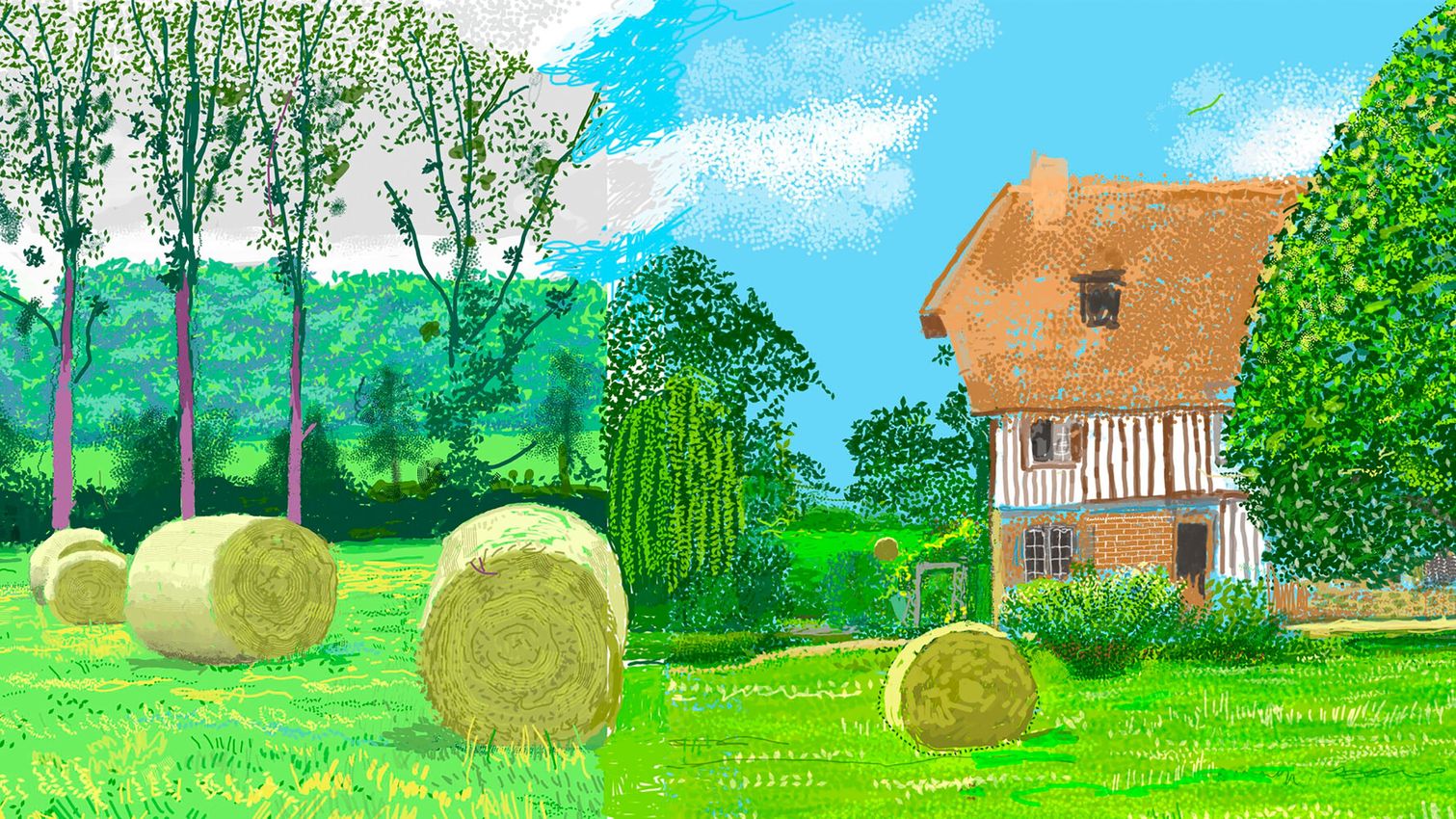
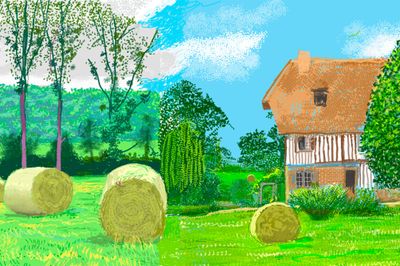
From the late 1990s and 2000s, Hockney returned frequently to Yorkshire, producing expansive landscape series that record country lanes, woods, and changing seasons in vivid, sometimes multi-panel compositions. Works such as his large canvases of Woldgate Woods and the panoramic frieze A Year in Normandy extend his interest in time and movement into large-scale, immersive formats. These landscapes often combine on-site observation with studio invention, underscoring his belief in sustained looking as a vital, contemporary act.
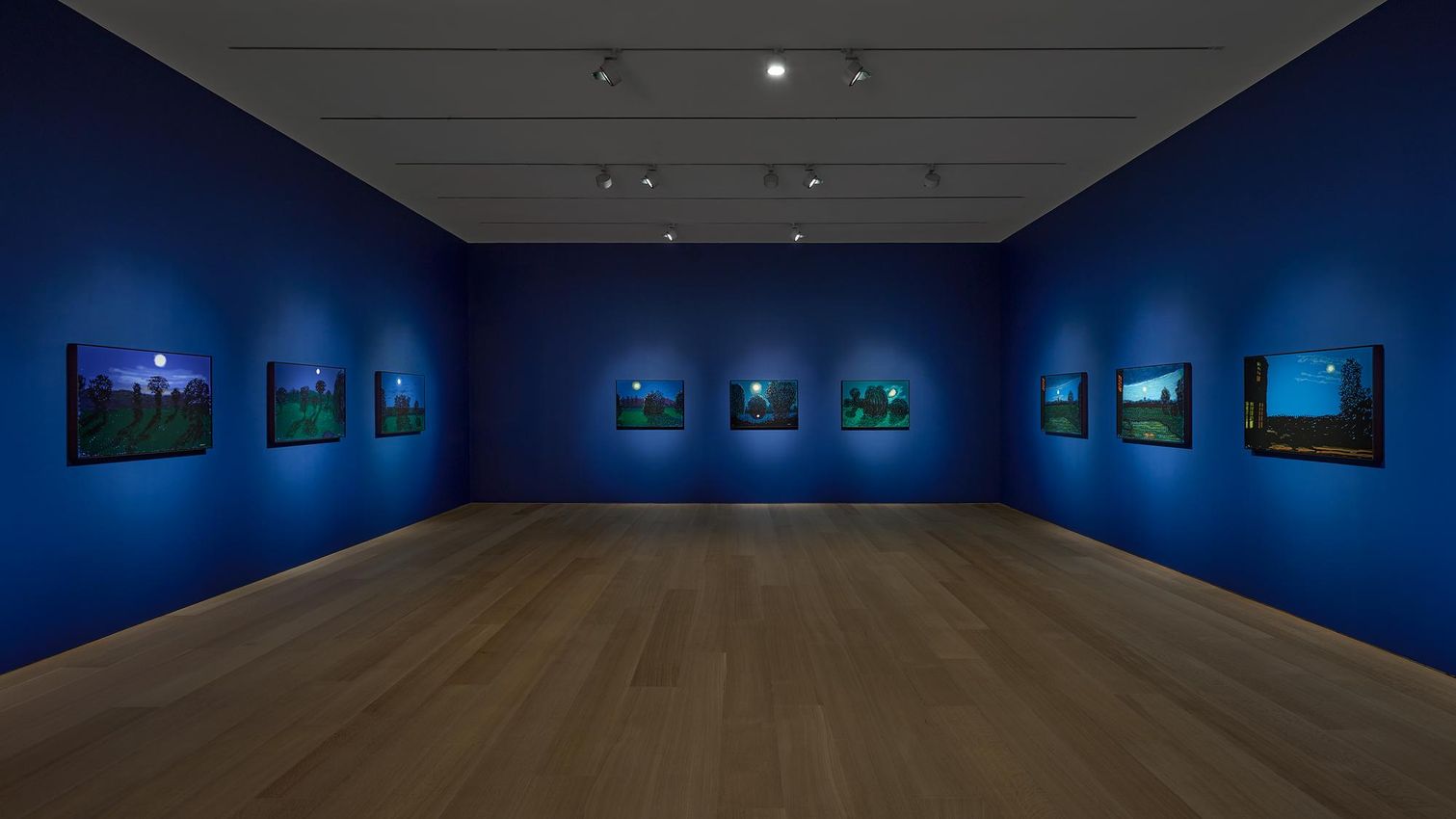
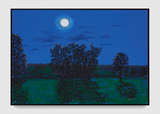
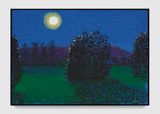
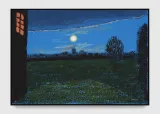
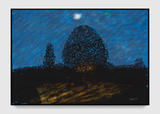
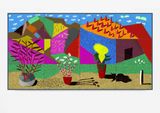
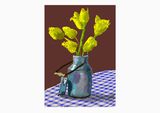
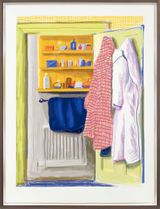
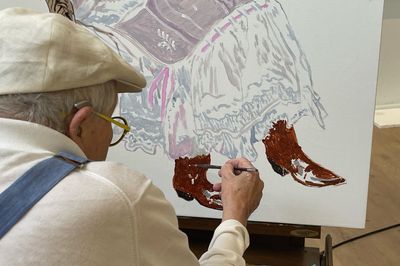
Hockney has been an early and enthusiastic adopter of digital tools, producing drawings on iPhones and iPads from the late 2000s onward. These works, many of them depicting dawns, interiors, and still lifes, exploit the luminosity of screens to explore light, colour, and the everyday, and have been exhibited both as prints and as projected installations. The forthcoming Serpentine exhibition in 2026 will foreground these digital paintings, including new ‘Sunrise’ and ‘Moon Room’ series that continue his lifelong exploration of the changing cycles of light and time.
Themes and Context
Across six decades, Hockney’s work has consistently addressed how we see: how space is constructed, how time is registered in images, and how intimate relationships can be pictured. Although often linked to Pop art through his bright colours and engagement with contemporary life, his practice is equally rooted in the history of painting, from perspective experiments to portraiture and landscape traditions. His open treatment of gay relationships from the early 1960s onward made him an important figure in the visual articulation of queer life in Britain and beyond.
Hockney’s ongoing experiments with photography, digital drawing, and immersive formats position him within broader conversations about technology and image-making. Rather than treating new media as a break with painting, he uses them to test how images can still hold attention in an image-saturated world, reinforcing his conviction that the act of looking remains central to both art and everyday experience.
Exhibitions, Collections and Recognition
Hockney has been the subject of major retrospectives at institutions including the Tate, the Centre Pompidou, and Fondation Louis Vuitton, which presented more than 400 works spanning from 1955 to 2025. His paintings, prints, photographs, and drawings are held in public collections such as Tate, the National Galleries of Scotland, and numerous museums in Europe, North America, and Asia. In 2026, his exhibition at Serpentine North underscores his status as one of Britain’s most celebrated living artists.
David Hockney FAQs
What is David Hockney best known for?
David Hockney is best known for his California swimming pool paintings, such as A Bigger Splash (1967) and Portrait of an Artist (Pool with Two Figures) (1972), which combine flat planes of colour with precise, cinematic compositions. He is also widely recognised for his intimate double portraits, Yorkshire landscapes, and more recent iPad drawings.
What themes does David Hockney explore in his work?
Hockney’s work explores perception, space, and the passage of time, often through the lens of domestic life, landscape, and queer intimacy. He repeatedly returns to questions of how we look at the world and how painting and images can register movement, memory, and emotional relationships.
Where can I see David Hockney’s work?
d works are held in major public collections, including Tate in London, the National Galleries of Scotland, and museums across Europe and North America. In 2026, visitors will be able to see a substantial presentation of new and recent works at Serpentine North in London, running from 12 March to 23 August.
How does David Hockney use technology in his art?
Hockney uses photography, digital cameras, and tablet devices to test new ways of constructing images, from photographic ‘joiners’ to luminous iPad drawings. He treats these tools as extensions of drawing and painting, using them to rethink perspective, colour, and the experience of looking rather than as purely technological novelties.
Why is David Hockney’s Serpentine exhibition a must-see?
Visitors can expect an immersive presentation of recent and new works, including large-scale digital friezes and vivid iPad drawings that explore changing light, seasons, and landscape. The exhibition brings together series such as his Normandy landscapes and new ‘Sunrise’ and ‘Moon Room’ works, offering an accessible overview of how Hockney is still reinventing painting in the digital age. Arriving on the heels of his blockbuster show at Fondation Louis Vuitton that surveyed more than 400 works from 1955 to 2025. It offers a rare chance to see how the artist’s iconic pools, portraits, and landscapes have evolved into ambitious digital panoramas, positioning the show as a key cultural event in London’s 2026 calendar.
Ocula | 2026

Explore David Hockney's Exhibitions On Now


View David Hockney's Artworks
























David Hockney in Ocula Magazine







Explore and Follow Artists Shaping Contemporary Art
A respected voice in contemporary art discourse.
Focusing on ambitious storytelling and insightful art-world commentary. Ocula Magazine publishes in-depth interviews, critical essays and timely analysis on the artists, exhibitions and ideas driving the global art world.
Learn more about Ocula Magazine
Showcasing the best of the art world.
Ocula partners with galleries from around the world to highlight their artists, artworks and exhibitions. Gallery membership is by application and invitation, with each member vetted by an independent panel.
Learn more about Ocula Membership
Specialises in the sale of major artworks.
Led by a team with deep ties to the world’s leading auction houses, galleries and collectors. Ocula’s advisory team offers bespoke services to high-net-worth clients from around the world who are looking to acquire the best of contemporary and modern art.
Learn more about our team and services