Press Release

Marian Goodman Gallery is very pleased to announce a forthcoming exhibition of works by the acclaimed Ukrainian photographer Boris Mikhailov which will be on view from 10 January to 22 February 2025.

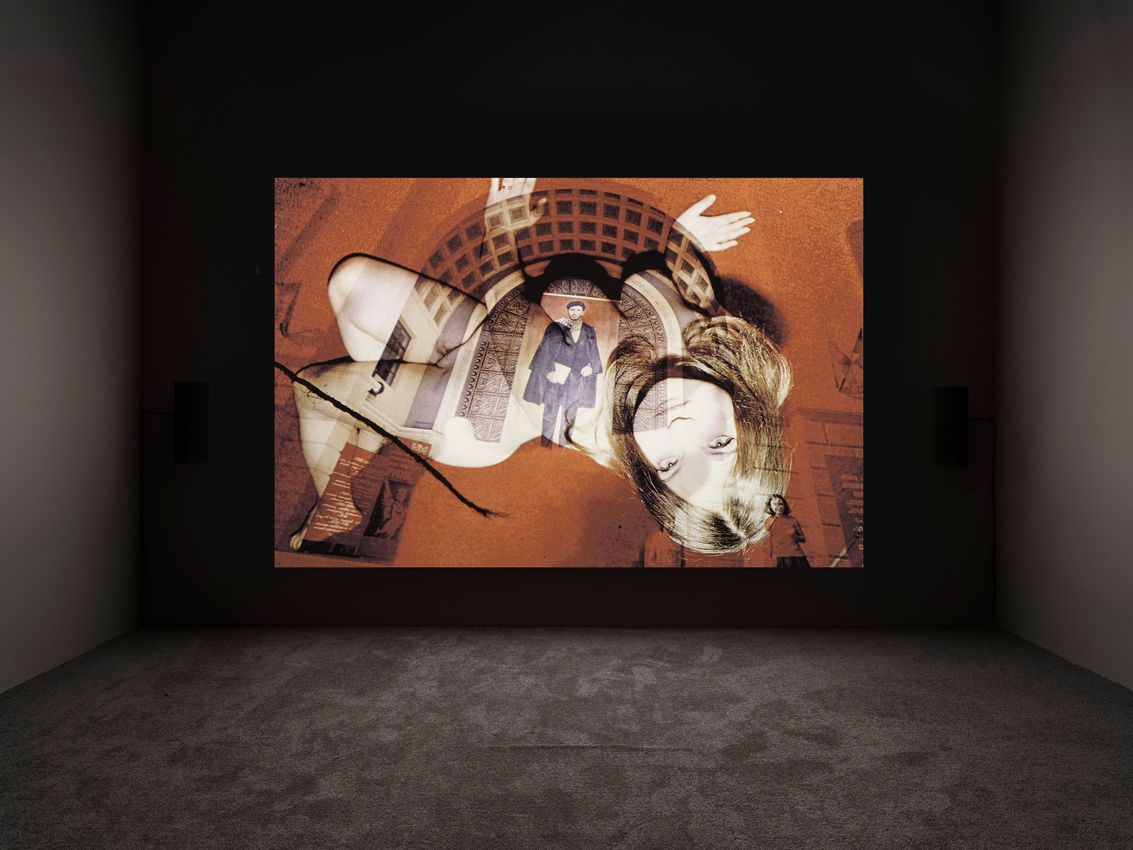
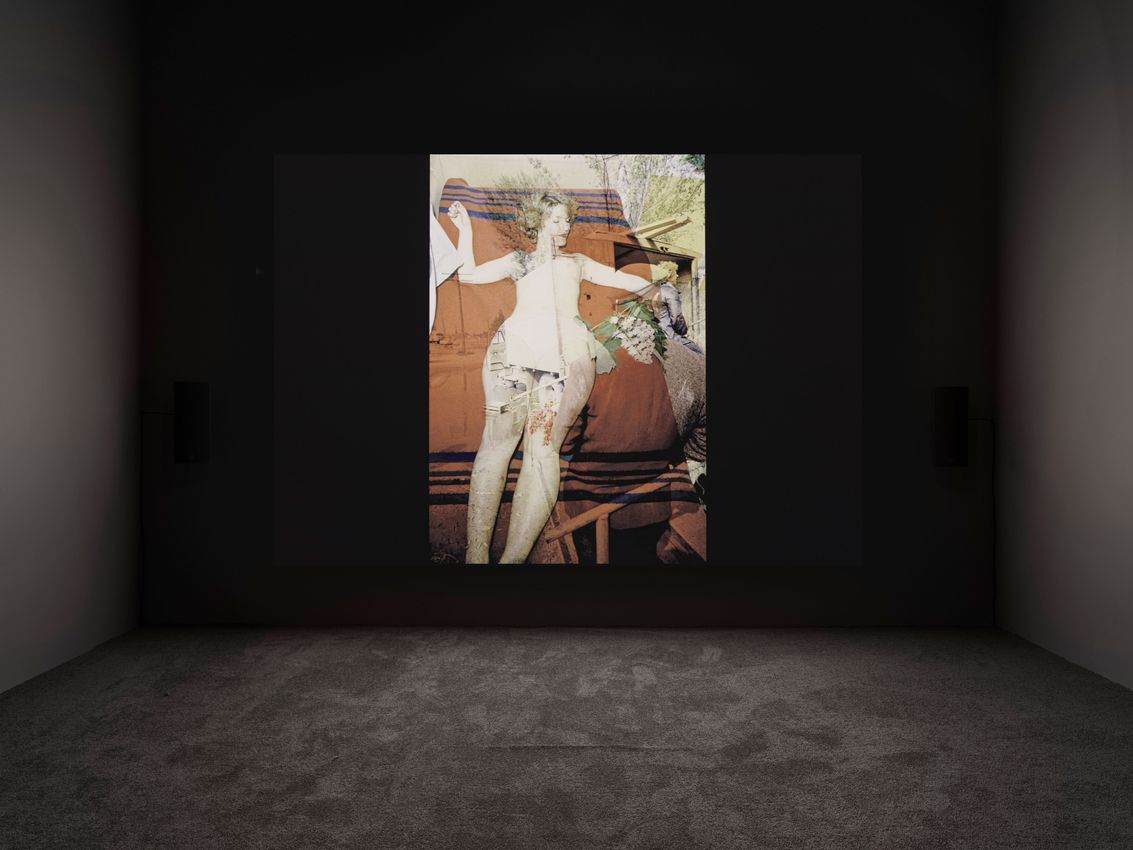
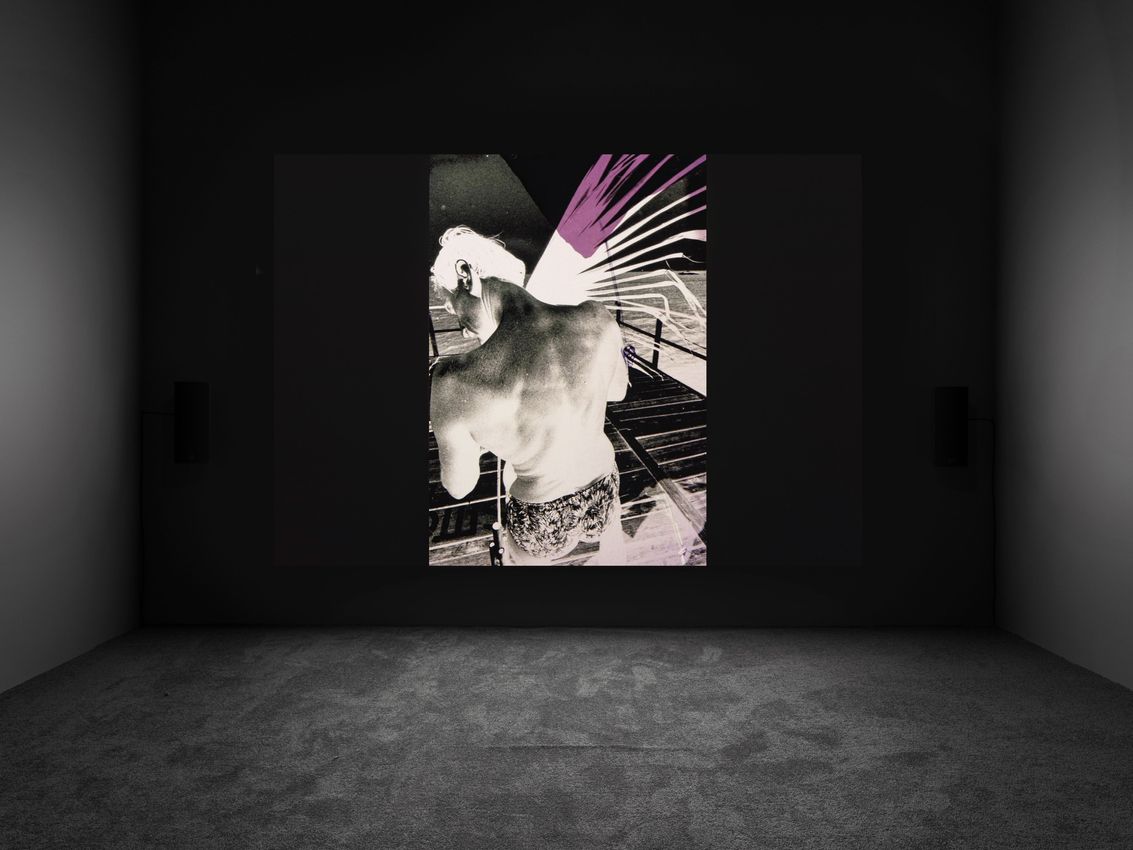
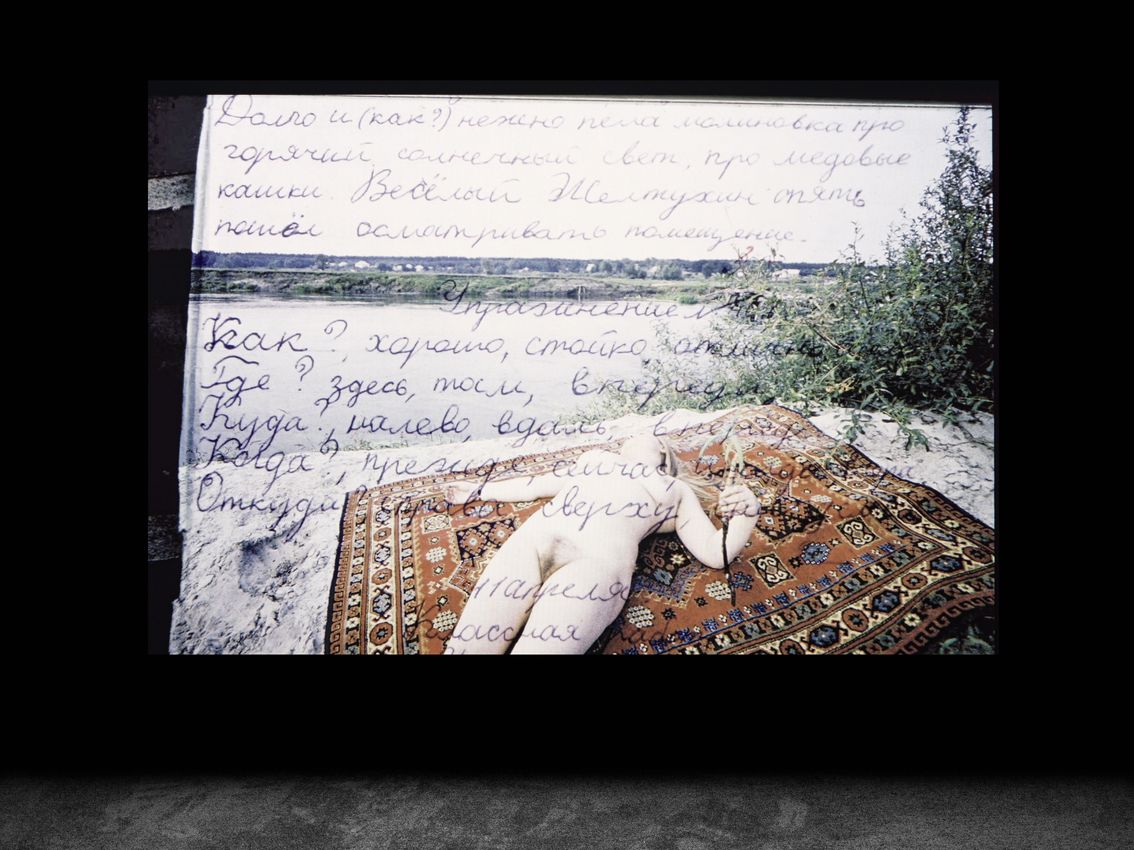
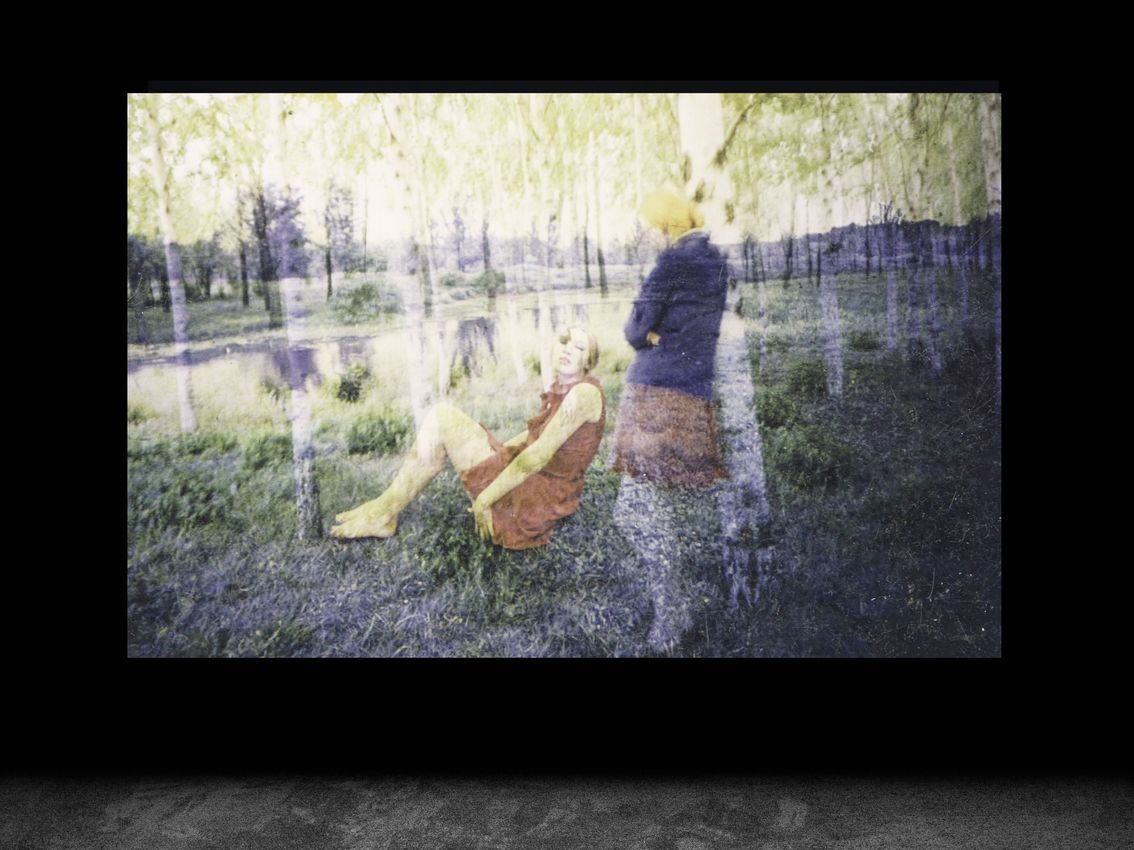
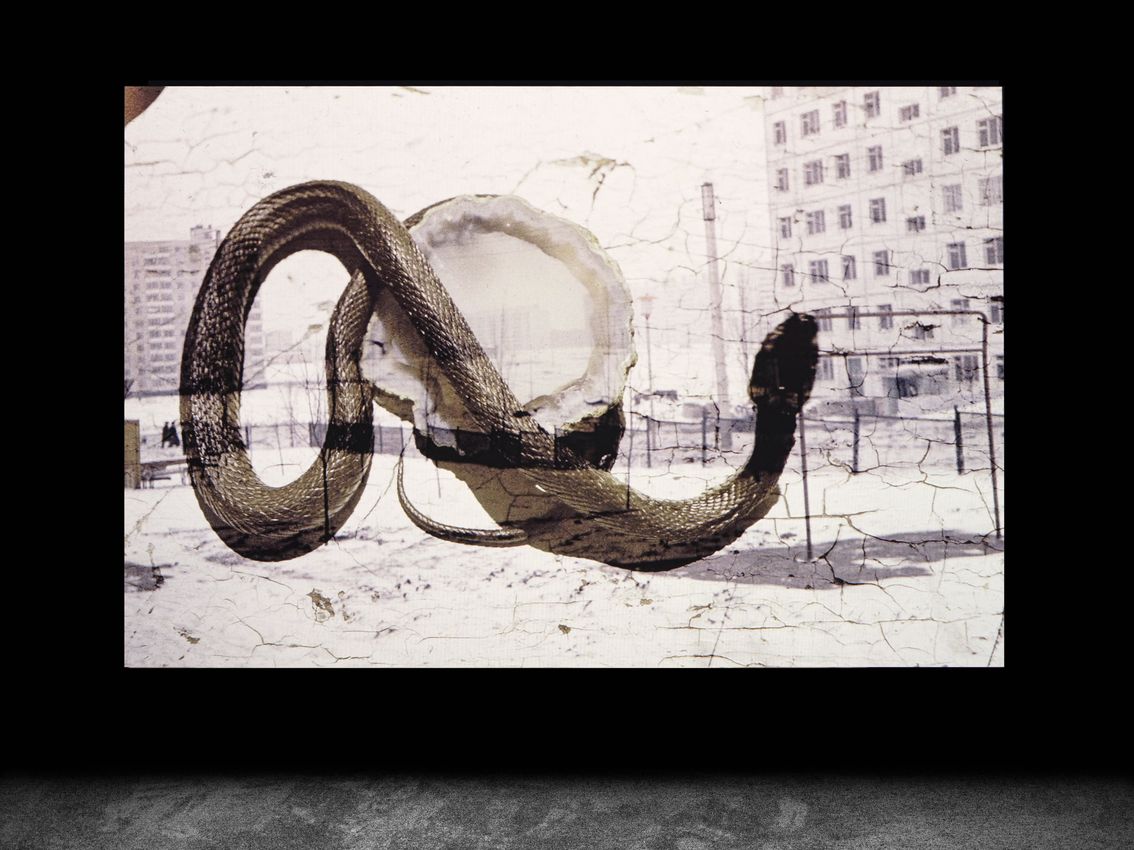
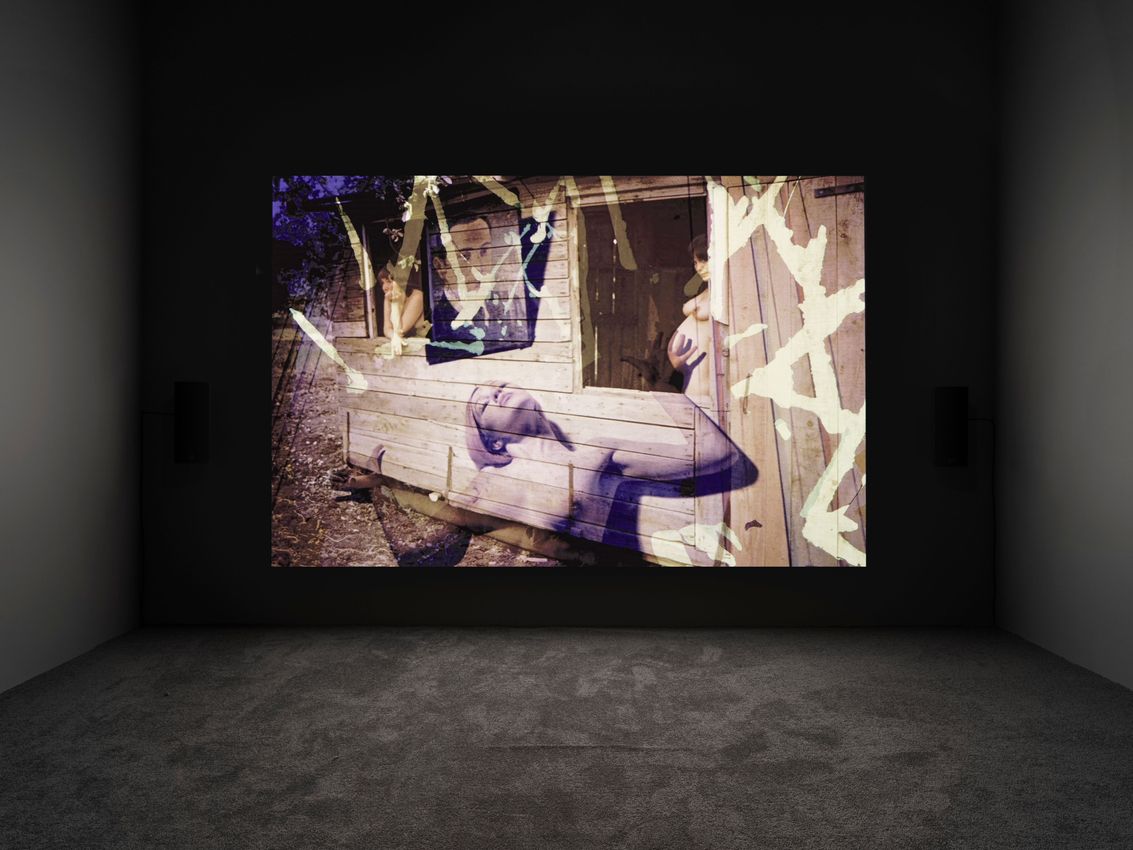
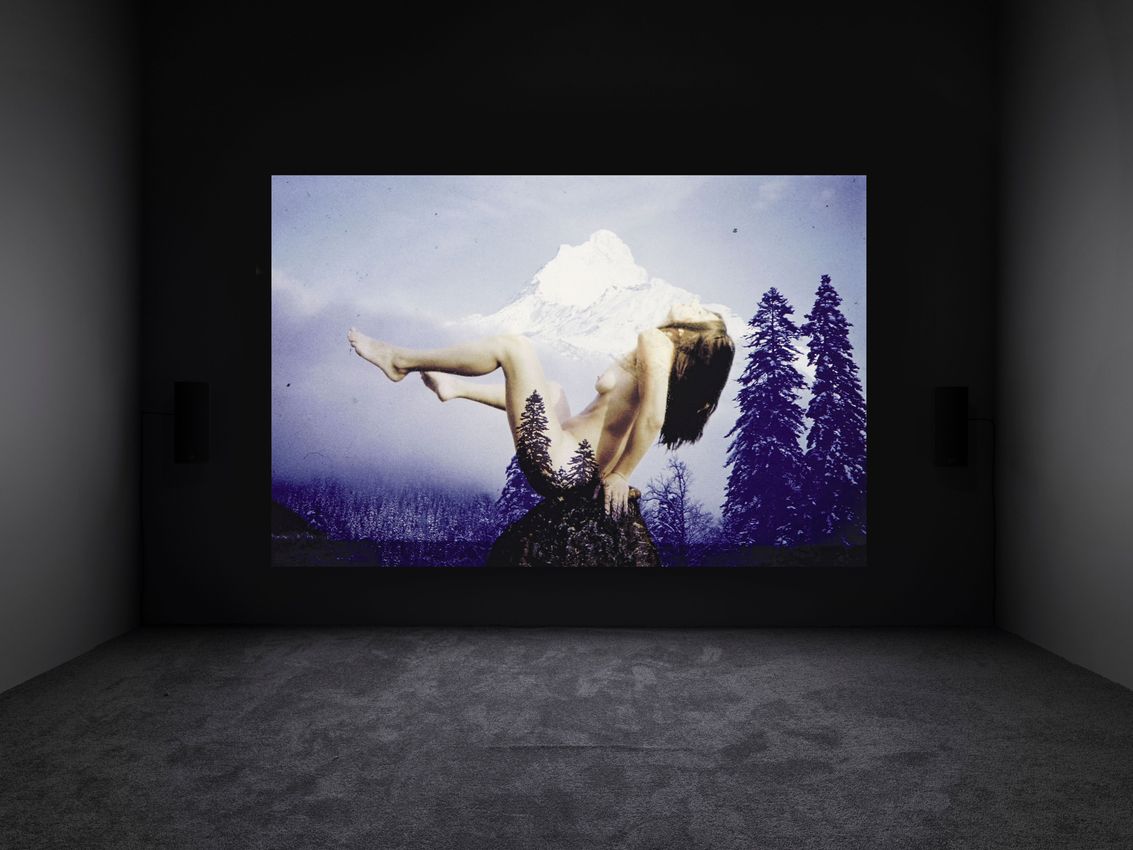
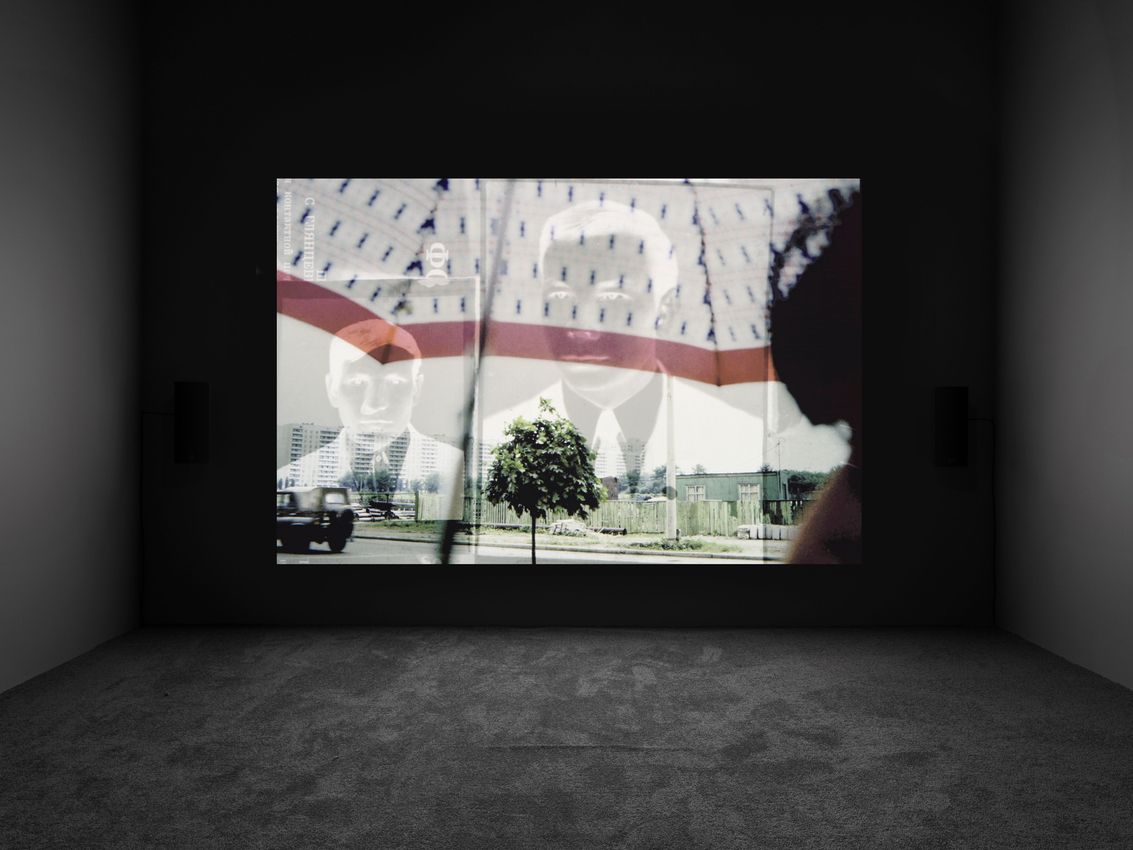
Known for his groundbreaking photographic practice which combines his interest in cinema, documentary, per- formance, and writing, Mikhailov has been an inventive, tender but uncompromising witness to the changing fate of his native Ukraine and the consequent experiences of war and displacement. The exhibition explores his rethinking and reworking of the photographic image by including two video works – one from the late ‘60s-‘70s, Yesterday’s Sandwich, and the most recent, Our Time is Our Burden, 2024 – as well as showcasing three iconic photographic series from the ‘80s and ‘90s. One of the most acclaimed photographers of the former USSR, he represented Ukraine at the Venice Biennale in 2007 and 2017, and debuted his work in the United States at the Carnegie International in 1991.

Mikhailov was born in 1938 in Kharkhiv, Ukraine, and has spent his life living between Kharkhiv and Berlin. Educated as an engineer, he encountered photography as an art form quite by chance. Through his raw pictures which offer an unequivocal critique of everyday life, he has represented the collective unconscious of Ukraine for over five decades. His embrace of social truths often involves the incorporation of deliberate accidents in his image construction to allow the abject to surface. His work is known also for specific aesthetic innovations, such as hand coloration as part of his conceptual practice, and the superimposition of images as a metaphor for the duality of Soviet life, as first seen in Yesterday’s Sandwich (1960s-70s).

Alongside the videos, three seminal sets of photographs will be presented, taken between 1986-1993, which reflect on the changing conditions and inevitable contradictions of Ukrainian life. Operating in a society in which pre- scribed portrayals of idealized Soviet life were part of the era, these pictures represent the complex scrutiny, irony, and dissent that Mikhailov brought to his work. From the mid eighties, operating behind the ideological façade of the times, just as ‘glasnost’ was on the horizon, to the social upheavals that followed the downfall of the Soviet Union in 1991, he seeks to represent everyday humanity, questioning legacies of heroic identity.

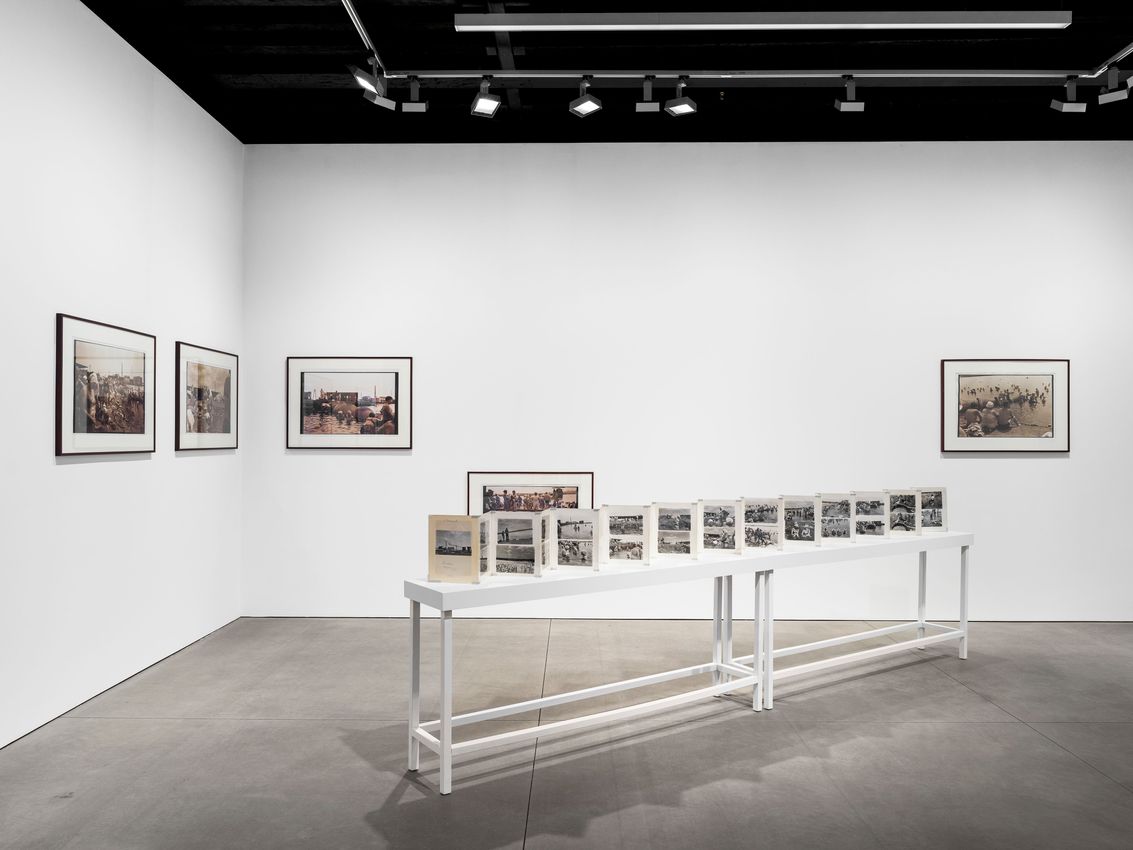
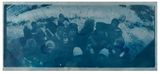
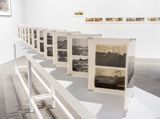
The earliest of the series on view is a set of black & white works, Salt Lake, 1986, in which we see bathers around a body of water in Southern Ukraine, recalling as Mikhailov says, ‘times gone by post-revolution, where seem- ingly, like in the 1920’s and 1930’s people bathed naked, believing in the healing properties of waters.’ This everyday portrayal of a lakeside idyll, with people mingling and socializing in regenerative spirit, actually depict the ‘underside of a proselytized utopia’ taking place against an industrial landscape with a factory looming in the distance, that was known to pollute the waters with waste. “It seemed to be the quintessence of the life of an average person in the Soviet context; despite the atrocious, polluted, humane environment, the people were relaxed, calm and happy ... families, old men, and women lying down like odalisques or Greek statues.”

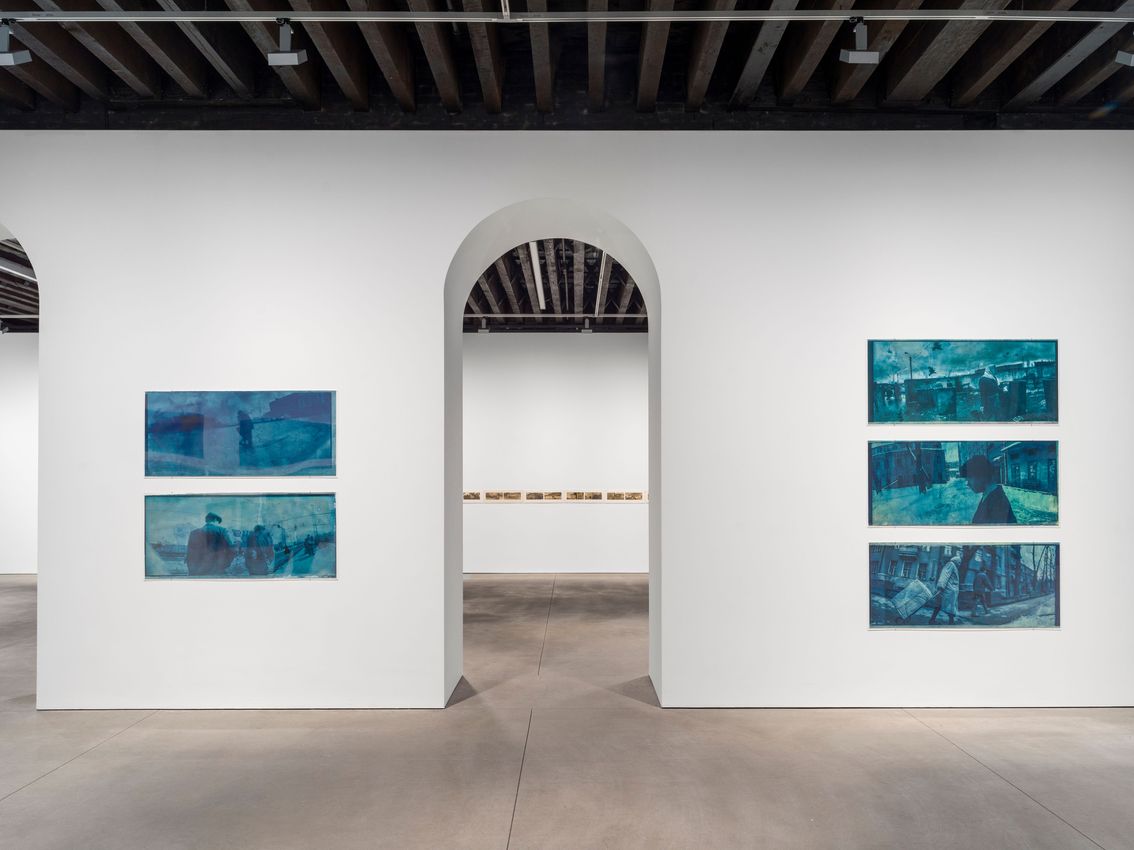
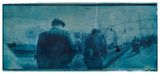
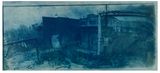
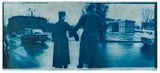
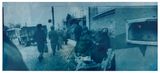
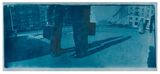
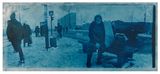
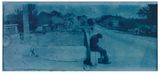
By the Ground, 1991, a series made five years later, was created the same year as the fall of the Soviet Union. Through a horizon camera that featured a panoramic point of view on his subjects in a novel sepia tone, a des- titute reality emerged, reflecting life of the people at ‘ground level.’ Shot from hip height, solitary figures are captured against an urban landscape, leaving the easy idyll behind. Having depicted subjects in a purposefully nostalgic manner through sepia tones, Mikhailov writes of these images: “Things were beginning to fall apart, the country was breaking up. This was life beyond the collapse. This series begins with a photo of a man lying on the ground... Suddenly I thought of Maxim Gorky’s play “The Lower Depths,” and this inspired the title of the series.”

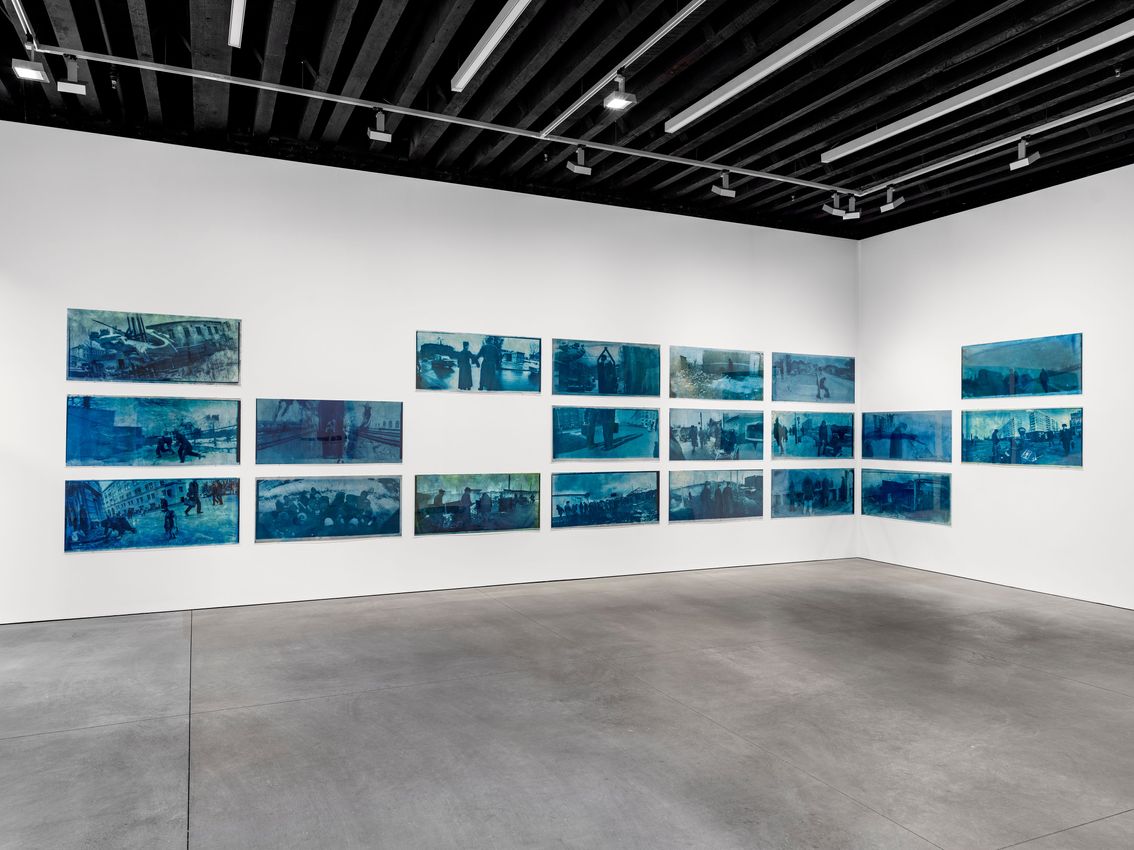
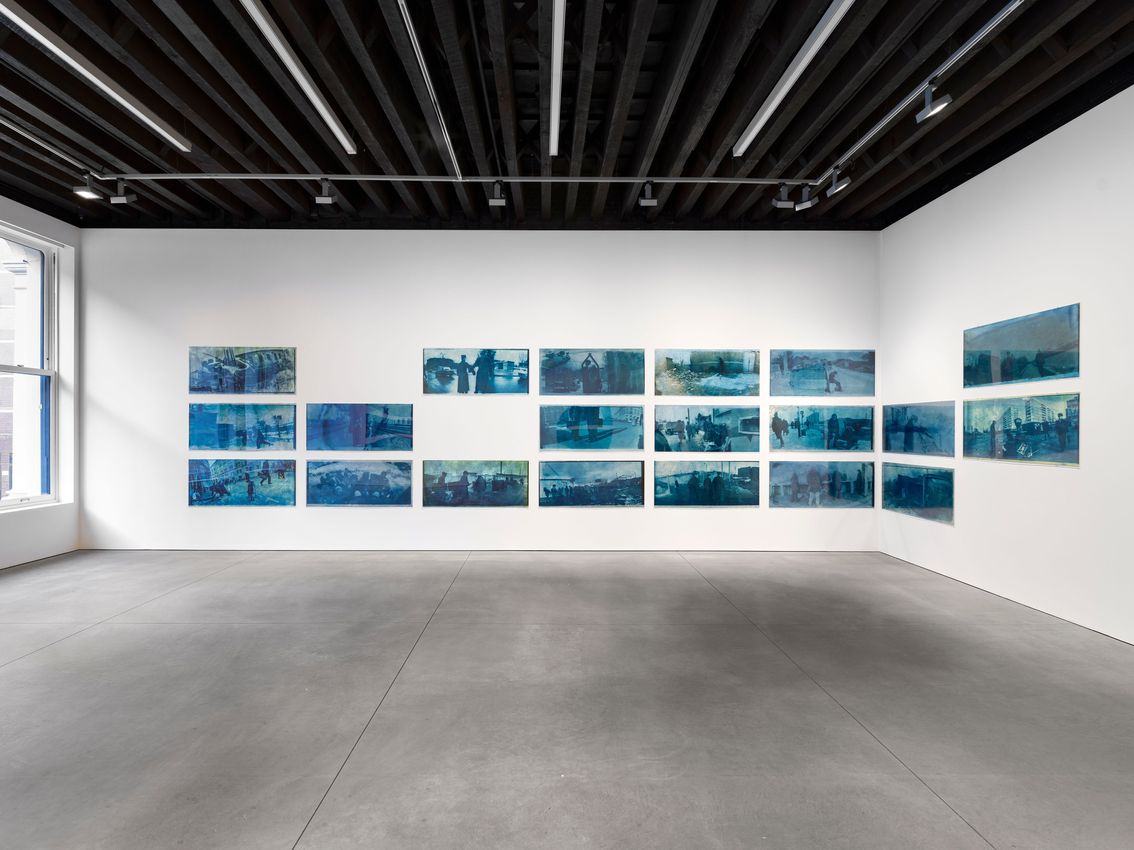
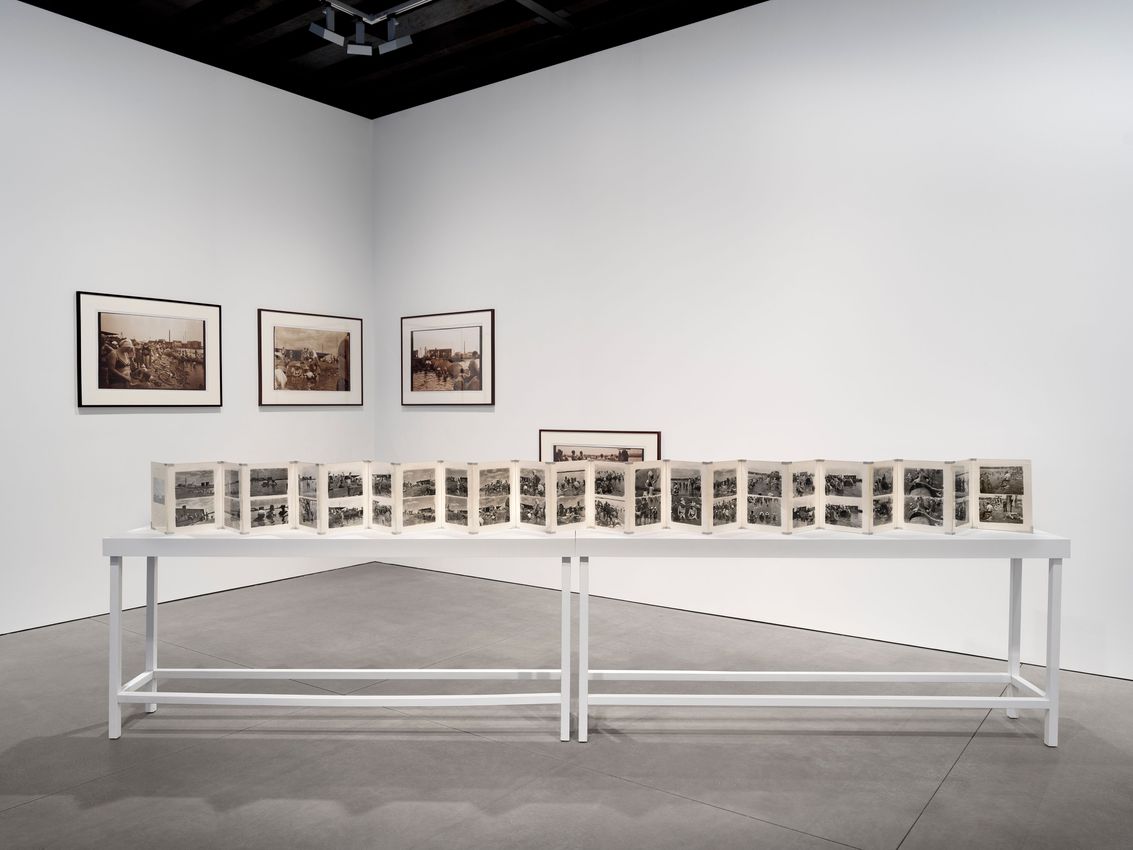
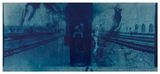
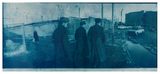
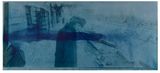
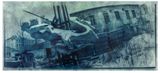
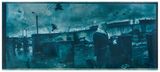
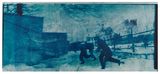
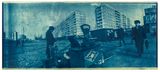
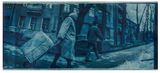
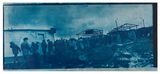
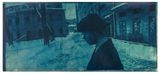
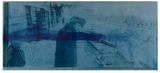
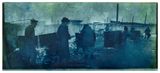
Two years later, Mikhailov continued his experiment with color, returning to the street with his series At Dusk, 1993. Evoking memory and war, At Dusk continues to document a worsening condition in Ukraine, following independence and collapse of the USSR. Using a horizon panoramic camera again, the images are hand-colored cobalt blue, recalling a complex beauty but also the foreboding of the night sky, which Mikhailov remembers having fled as a young boy from ‘sirens, searchlights, and bombs’ in 1941 Kharkhiv, during the advance of World War II. Mikhailov writes, “Blue for me is the color of the blockade, hunger and war.”

In his documentation of Soviet life, there’s an underlying tone of dark humor, which serves a means to subvert the status quo, and as commentary to denote the failure of the prevailing systems of communism and capitalism. The narrative that he captures is in stark contrast to the reality and expectation from society and its government, then and especially now, in light of current events.

In 1971, Mikhailov co-founded the Vremya group, an underground art collective exploring experimental forms of photographic techniques and methods, which later formed the basis of the Kharkiv School of Photography. He was the head of the photography department of Panorama, the Ukrainian Union of Experimental Photography, from 1987 until 1991. His work was included in the Carnegie International in 1991; and his series By the Ground was included in a show of New Photography at MOMA in 1993. In 1993, he spent a year in Berlin, sponsored by the German Academic Exchange Organisation (DAAD). He was a visiting professor at Harvard University in 2000 and a professor at the Leipzig Academy in 2002-2003.

Mikhailov has received many prestigious awards, including the Coutts Contemporary Art Award (1996), the Al- bert Renger-Patzsch Prize (1997), the Goslarer Kaiserring Award (2015), the Hasselblad Foundation Internation- al Award in Photography (2000), the Deutsche Börse Photography Foundation Prize (2001). In 2000, his book “Case History” won the prize for best photography book at the Rencontres Internationales de la Photographie in Arles, France, and the Kraszna Krausz Book Award in London. In 2021, his slideshow installation Temptation of Death (2017-2019) was awarded the Shevchenko National Prize, the first official recognition of Mikhailov’s work in Ukraine.

Mikhailov’s work has been shown in numerous solo exhibitions at such institutions as the Ukrainian Pavilion at Venice Biennale (2007 and 2017), Tate Modern, London (2010), MoMA, New York (2011), Berlinische Gal- erie (2012), Sprengel Museum, Hannover (2013), PinchukArtCentre, Kyiv (2019), Staatliche Kunsthalle, Baden- Baden (2020), Maison Européenne de la Photographie, Paris (2022), Palazzo Esposizioni, Rome (2023), and Fotomuseum Den Haag, The Hague (2024), and the Royal Danish Library, Copenhagen (2024).

Marian Goodman Gallery champions the work of artists who stand among the most influential of our time and rep- resents over five generations of diverse thought and practice. The Gallery’s exhibition program, characterized by its caliber and rigor, provides international platforms for its artists to showcase their work, foster vital dialogues with new audiences, and advance their practices within nonprofit and institutional realms. Established in New York City in 1977, Marian Goodman Gallery gained prominence early in its trajectory for introducing the work of seminal European artists to American audiences. Today, through its exhibition spaces in New York, Los Angeles, and Paris, the Gallery maintains its global focus, representing some 50 artists working in the U.S. and internationally.
Read More

Installation Views

Selected Works

Loading...
About the Artist

Boris Mikhailov is one of the most prominent photographers from the former Soviet Union. Active for over 30 years, his work has explored the individual within the collective ideology of communism. His photographs are raw depictions of fallen ideals in post-communist Europe, sparsely populated with grotesque and humourous figure. Lust, vulnerability, death and social poverty are revealed as profoundly embedded within the human psyche. His well know Case History series (1997-98) explore the immense dislocation of people following the colapse of the Soviet Union. The unflinching images of dissolution, madness and decaying human wreckage present a dismal portrait of humanity. Mikhailov does not avoid the moral complexities of the new Russia, paying his models to pose in ambiguous situations that displaces the images from the purely documentary. Published in 1999, the series won the Krazna-Krausz Photography Book Award.

View Artist Profile

Also Exhibiting at Marian Goodman Gallery

About the Gallery

For over forty years, Marian Goodman Gallery has played an important role in helping to establish a vital dialogue among artists and institutions working internationally. Marian Goodman Gallery was founded in New York City in late 1977. In 1995 the Gallery expanded to include an exhibition space in Paris – with an additional exhibition space and bookshop added in 2016 - and in 2014 an exhibition space in London. The London space transitioned to Marian Goodman Projects in 2021, a new initiative to present exhibitions and artist projects in London and other select cities around the world.

View Gallery Profile
Address
385 Broadway
New York
United States
Opening Hours
Tuesday – Saturday
10am – 6pm
(1)
New York 385 Broadway
Marian Goodman Gallery
385 Broadway, New York, United States

Opening hours
Tuesday – Saturday
10am – 6pm
The art world in focus