Press Release
Yamaguchi Akira’s prolific pace of solo museum exhibitions in recent years has encompassed Contemporary Art Gallery Art Tower Mito, the Kirishima Open Air Museum, the Equine Museum of Japan and now the Ehime Museum of Art (continuing until November 20th).

Further, in 2013 he won the Kobayashi Hideo Prize upon the publication of Hen-na Nihon Bijutsu-shi, a close analysis of Japanese art from Yamaguchi’s unique perspective. This year he has continued to enjoy flourishing success with a commission to complete a 5.4 x 7.7 metre mural, as the symbolic central painting of the newly-opened Fujisan World Heritage Center in Yamanashi Prefecture.

Yamaguchi’s singular means of artistic expression, often stylistically compared with classical Japanese Yamato-e painting, originated during his time as an art school student. He felt unable to discover an intrinsic, self-directed motivation in the context of the painting course on which he was enrolled, which enforced the aesthetic standards and methods of Western-derived painting.

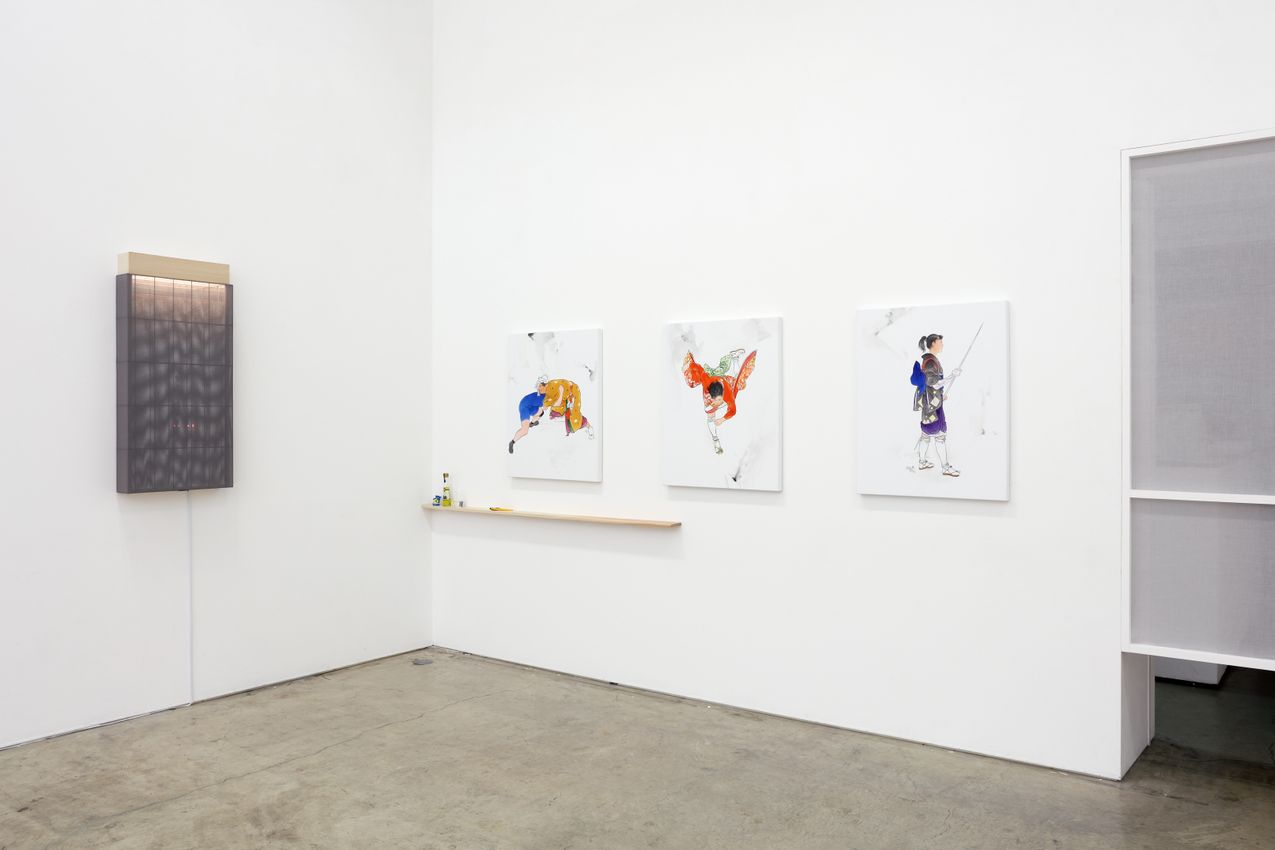
Within Japan’s long history, the borrowed notion of the ‘oil painting’ technique exists as a discontinuous entity. This led the artist to wonder what, if anything, it would be possible for him to create with such a method. That impasse became a catalyst for Yamaguchi’s encounter with classical Japanese art. He felt great admiration for such pioneering figures within Japanese art history and the finesse of their powers of expression, which led him to think - ‘This, surely, is what I should study; this is the lineage of which I would like to my work to become a descendant.’ Through continuous ‘case-study practice’ of the formal qualities of traditional Japanese painting, Yamaguchi began to gain an understanding of the dispositions of the classical painters. He then wondered whether he could accede to their legacy using painting materials and subject matter that were both contemporary. His work has thus become another successor to the lineage of traditional Japanese styles - working with oil paint.

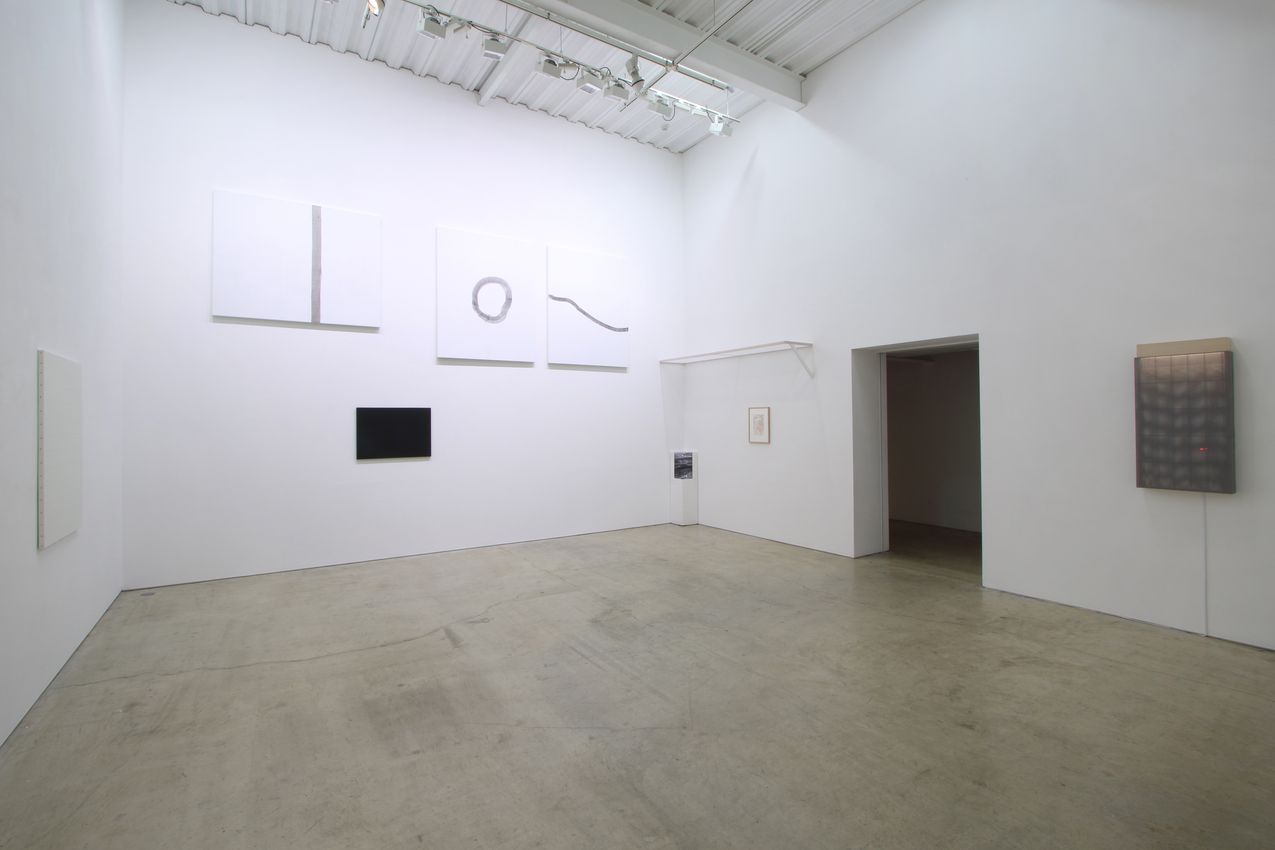
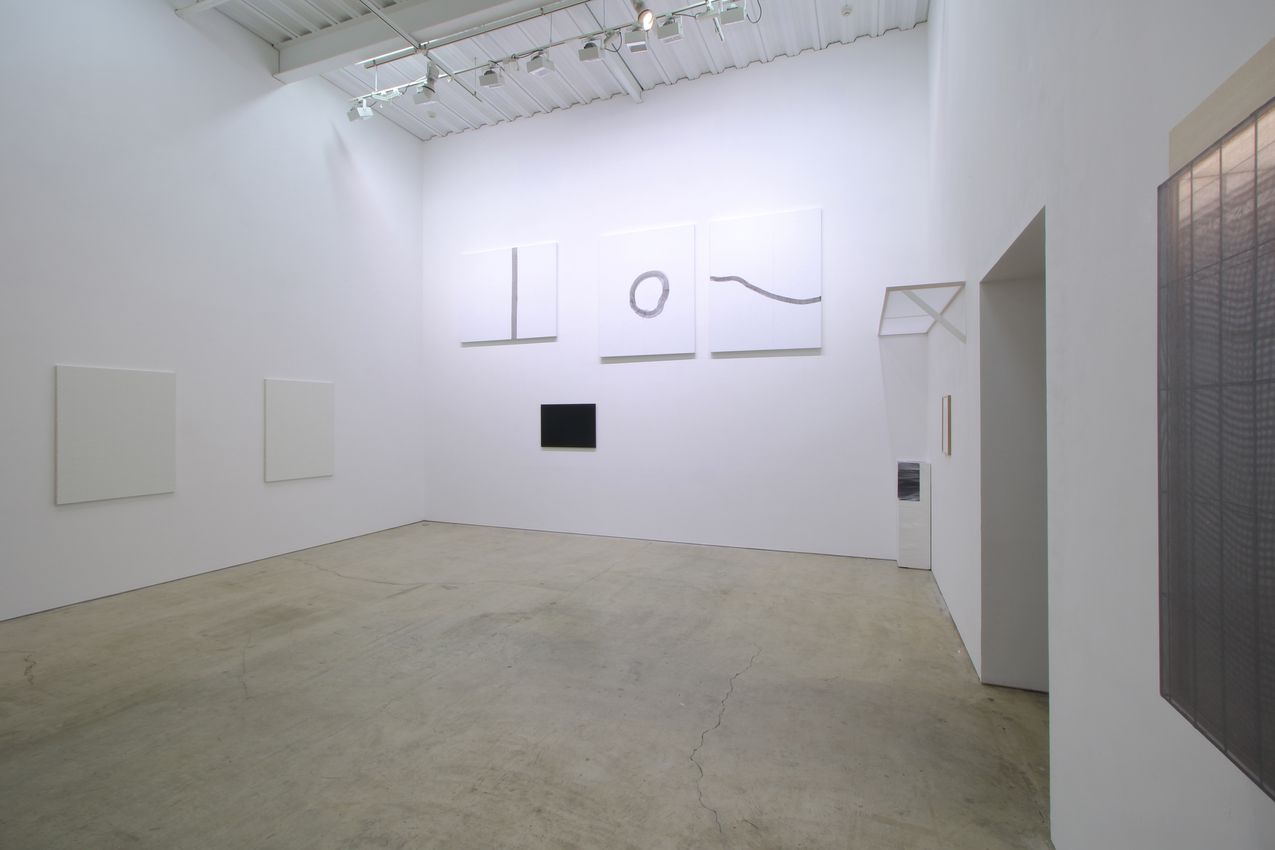
As such, Yamaguchi Akira has for many years been pursuing a personal artistic investigation of the construction and formal qualities of Japanese classical painting. In this exhibition, he presents new work created from a perspective of exploring resonances between the flow of contemporary art from the 20th century onwards, and that of traditional Japanese painting from the Muromachi Period (1338-1573) until the start of the Meiji (1868).

Please find below some key concepts with regard to the new artworks.

- A sense of depth created by a multi-stratification of the planar motifs of Sesshū (Sesshū Tōyō, 1420-1506).
- Work that possesses a sense of rapture toward the potential spatial effects embodied by the use of gold leaf, as seen in fusuma-e (folding screen) works of the Kanō school.
- A strong awareness of the paintings of Cezanne, through personal perceptive experience.
- A fixation with structures the artist has glanced upon while walking, such as construction sites, electricity poles, etc. - A compositional focus on the features of various mechanisms, the seats of the Tokyo Monorail, and Kyoto’s Katsura Imperial Villa, amongst others.

The above may appear to be scattered or haphazard notions, but for Yamaguchi they all possess an equal significance. For all of them, if one is not consciously aware of them they seem to be in a state of resonance with nature. The paintings, sculptures and installation works shown in this exhibition are manifestations of the resonance of such pluralistic elements.

Yamaguchi has heretofore been exploring the question of how to pursue the act of painting within contemporary Japan. We warmly invite you to experience it yourself in this exhibition, where even direct opposites come to seem aligned.

Read More

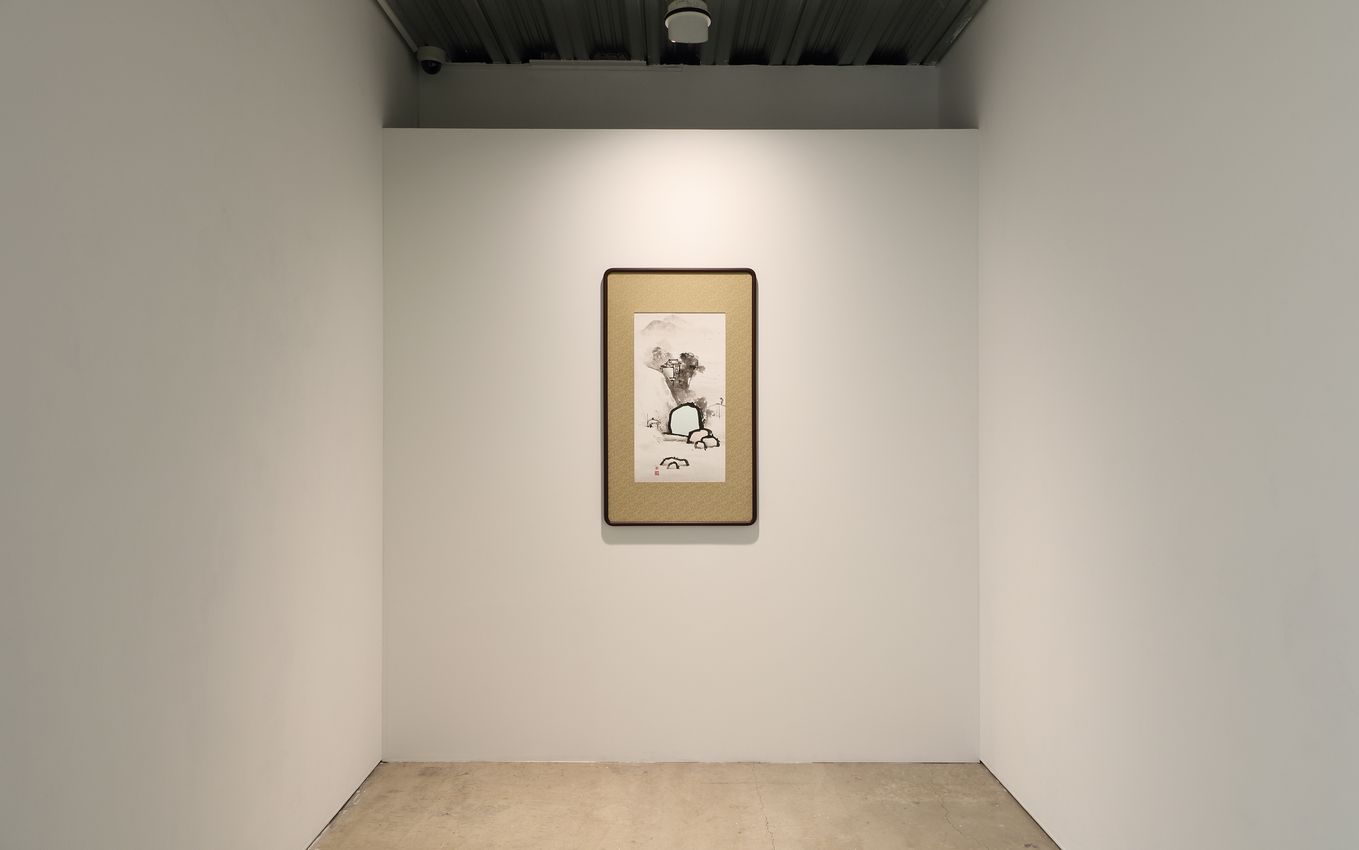
Installation Views

About the Artist

Born in Tokyo in 1969, Yamaguchi was raised in Gunma Prefecture and earned an MA in Oil Painting from Tokyo University of the Arts in 1996. In 2017, he was appointed the first Artistic Ambassador of his hometown, Kiryu City. Working primarily in oil while drawing on traditional Japanese pictorial styles, Yamaguchi is best known for his bird’s-eye views of cities and dynamic depictions of historical battlefields. His multidisciplinary practice extends to sculpture, manga, and installation, and includes major public artworks at sites such as Narita International Airport and Nihonbashi Station on the Tokyo Metro. In addition, he has produced illustrations and cover art for serialized newspaper features and novels, maintaining an exceptionally prolific and wide-ranging body of work. He also created the official art poster for the Tokyo 2020 Paralympic Games.

View Artist Profile

Also Exhibiting at Mizuma Art Gallery

About the Gallery

Executive Director Sueo Mizuma established Mizuma Art Gallery in Tokyo in 1994. Since then, the gallery has continuously presented artists from Japan and, increasingly, from the surrounding region whose works demonstrate distinctive sensibilities, unaffected by fleeting stylistic trends.

View Gallery Profile
Address
2F Kagura Building
3-13 Ichigayatamachi
Shinjuku-ku
Tokyo
Japan
Opening Hours
Tuesday – Saturday
12 – 7pm

Closed Sunday, Monday and National holidays
(1)
Tokyo 2F Kagura Building, 3-13 Ichigayatamachi
Mizuma Art Gallery
2F Kagura Building, 3-13 Ichigayatamachi, Shinjuku-ku, Tokyo, Japan

Opening hours
Tuesday – Saturday
12 – 7pm

Closed Sunday, Monday and National holidays
The art world in focus