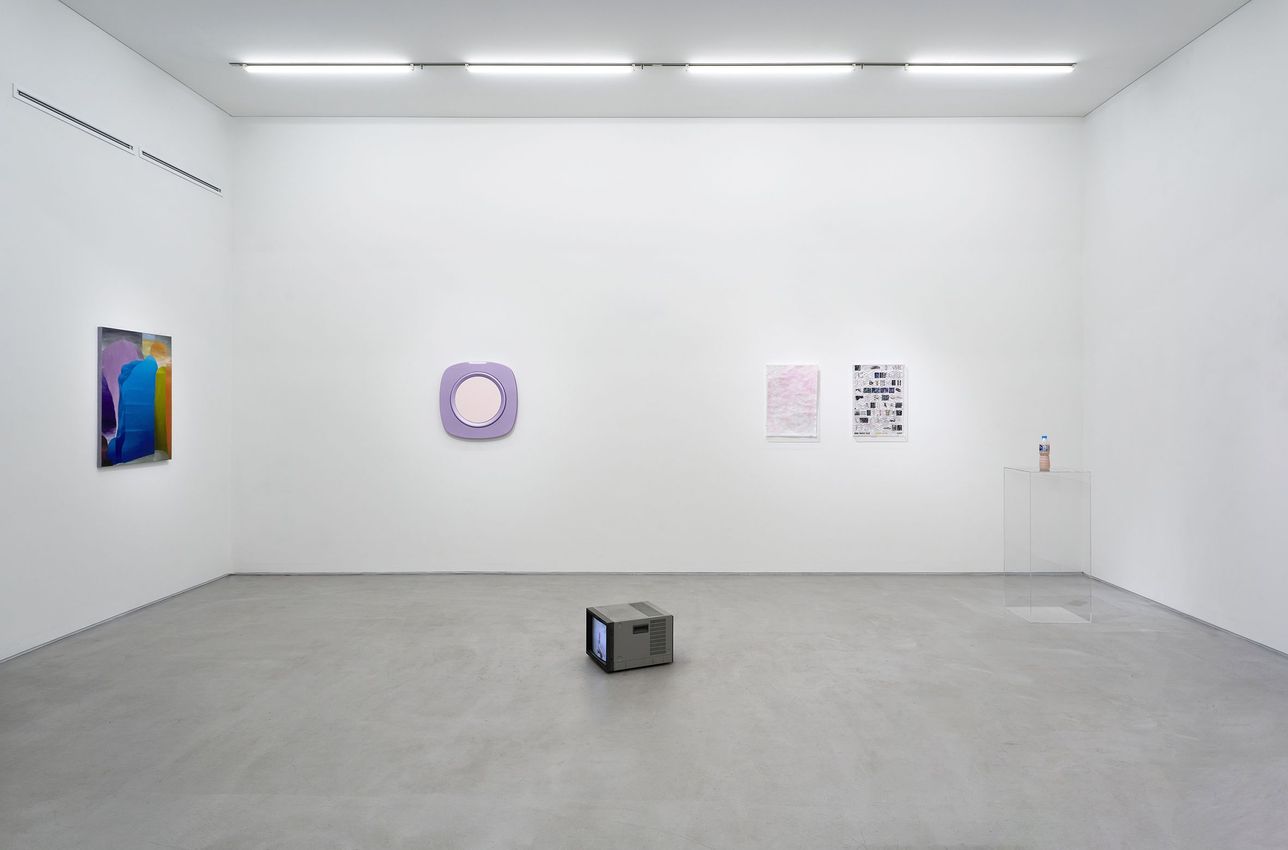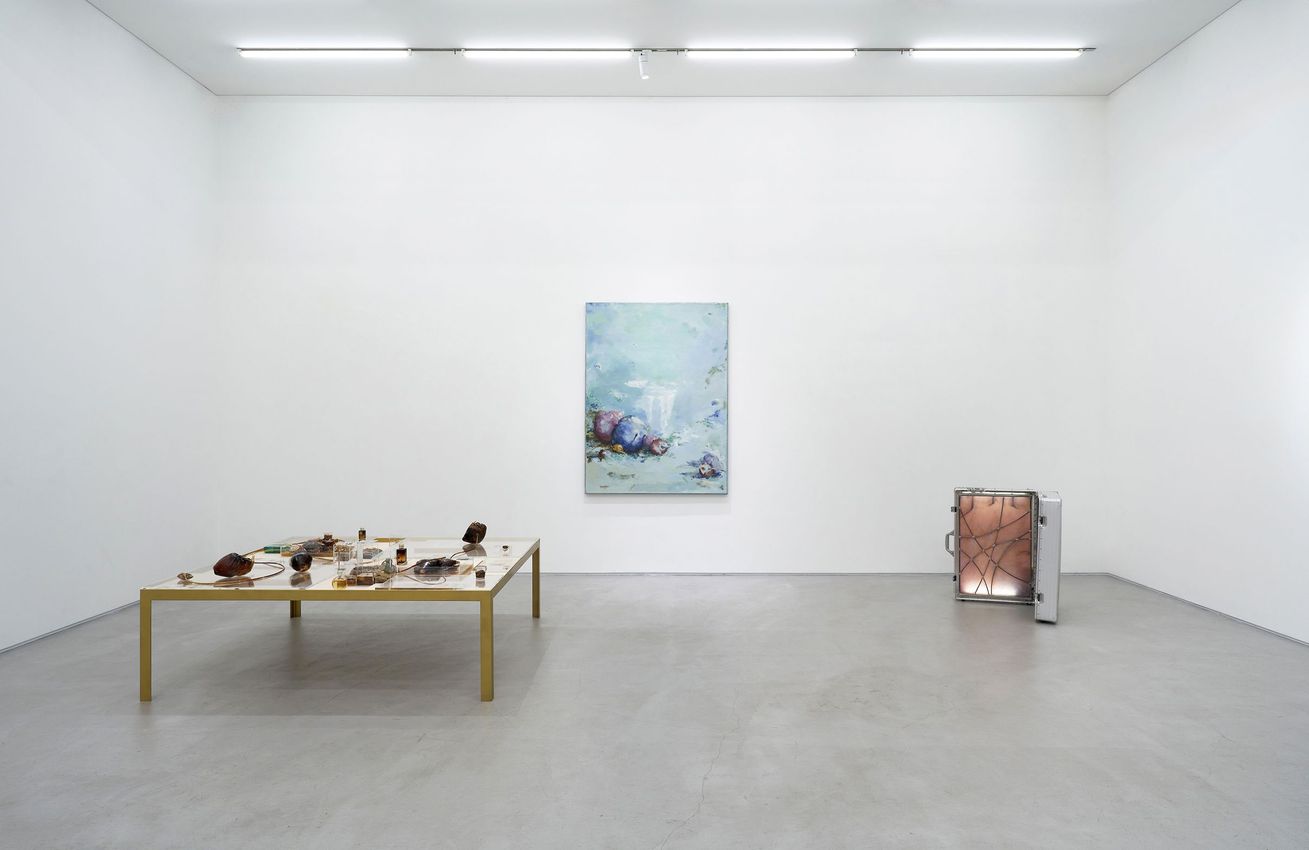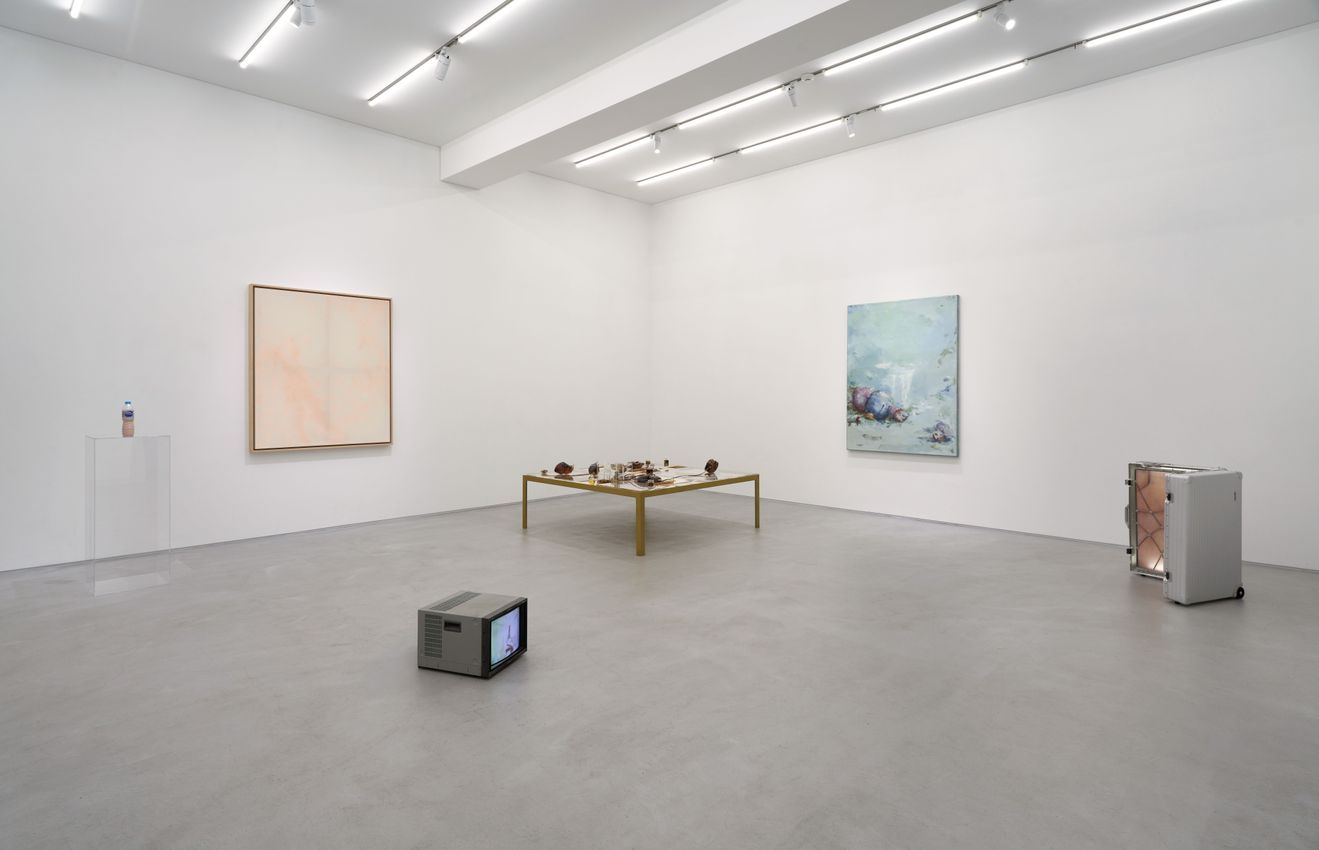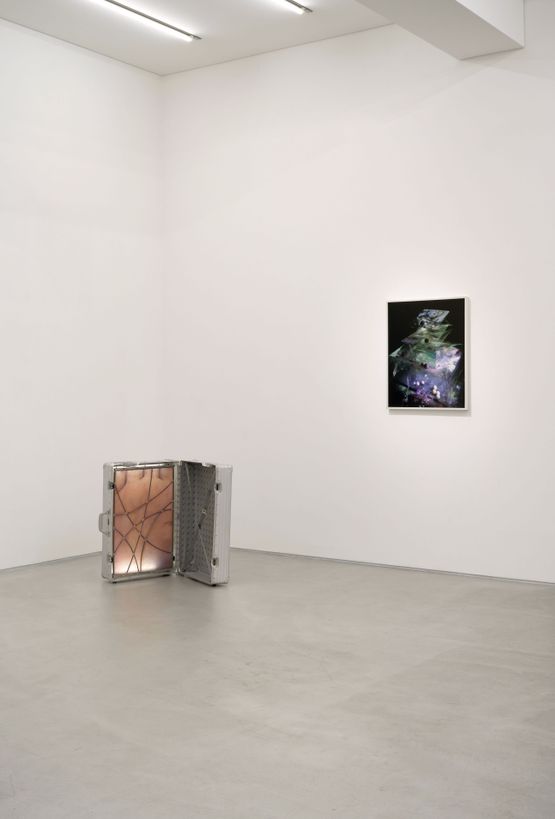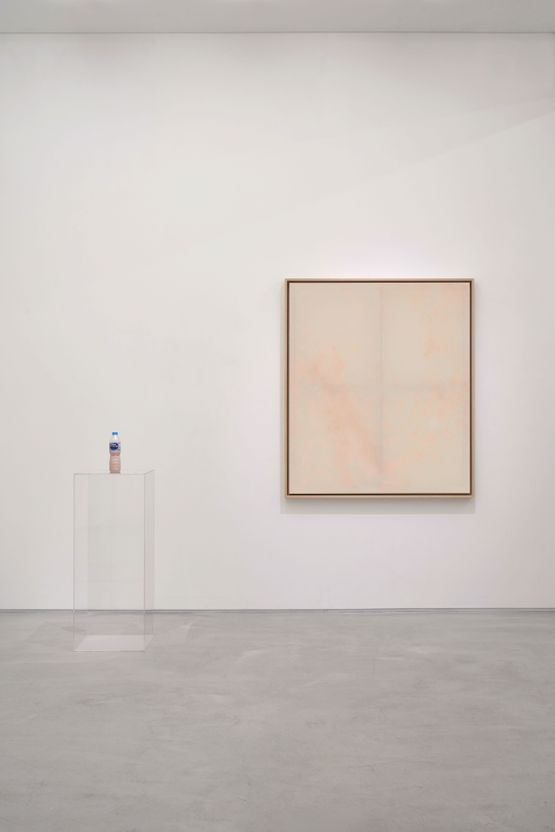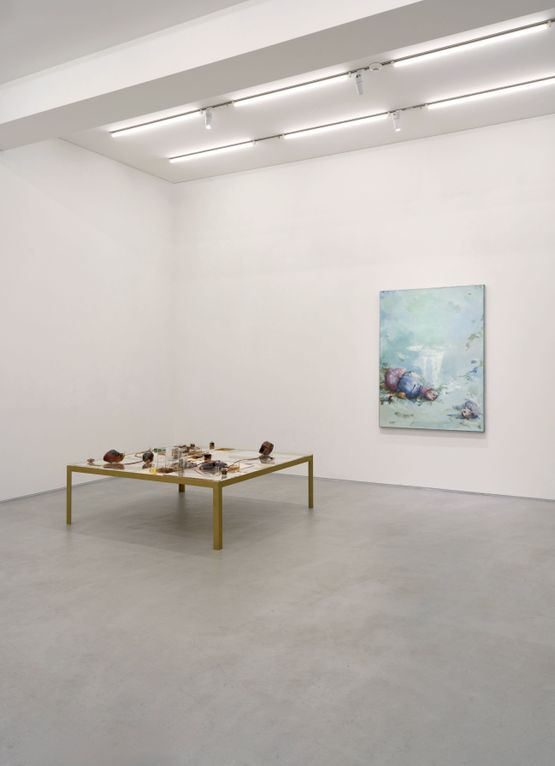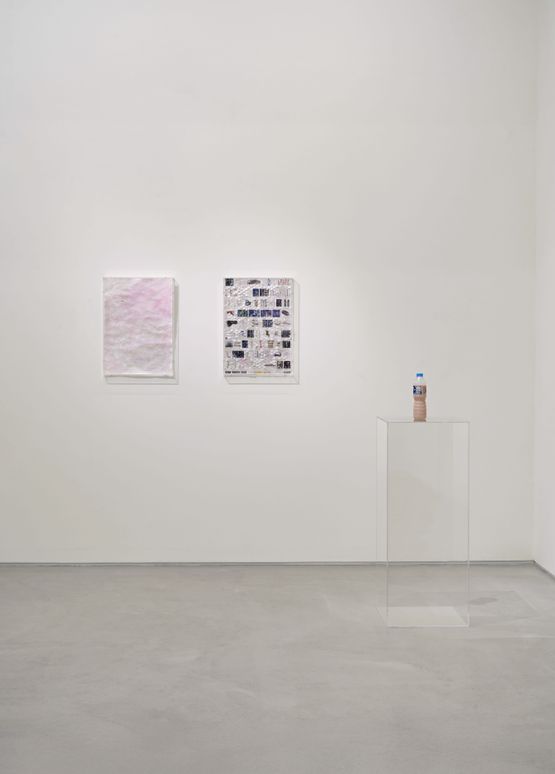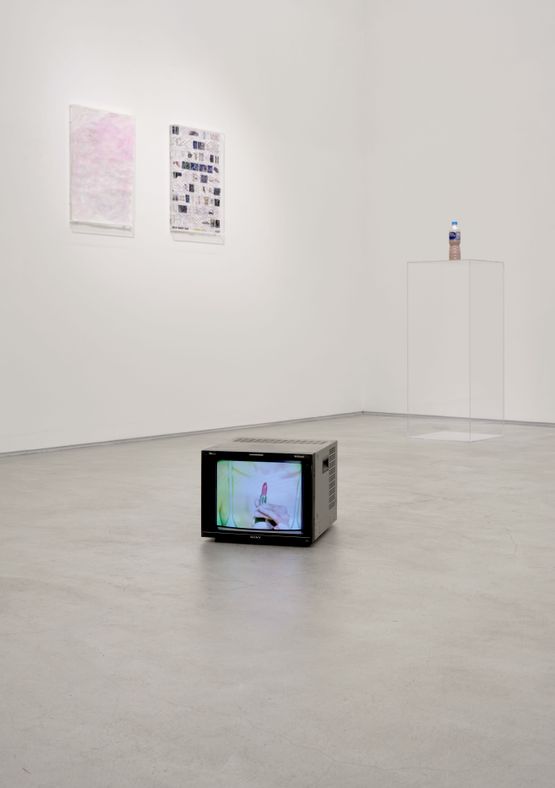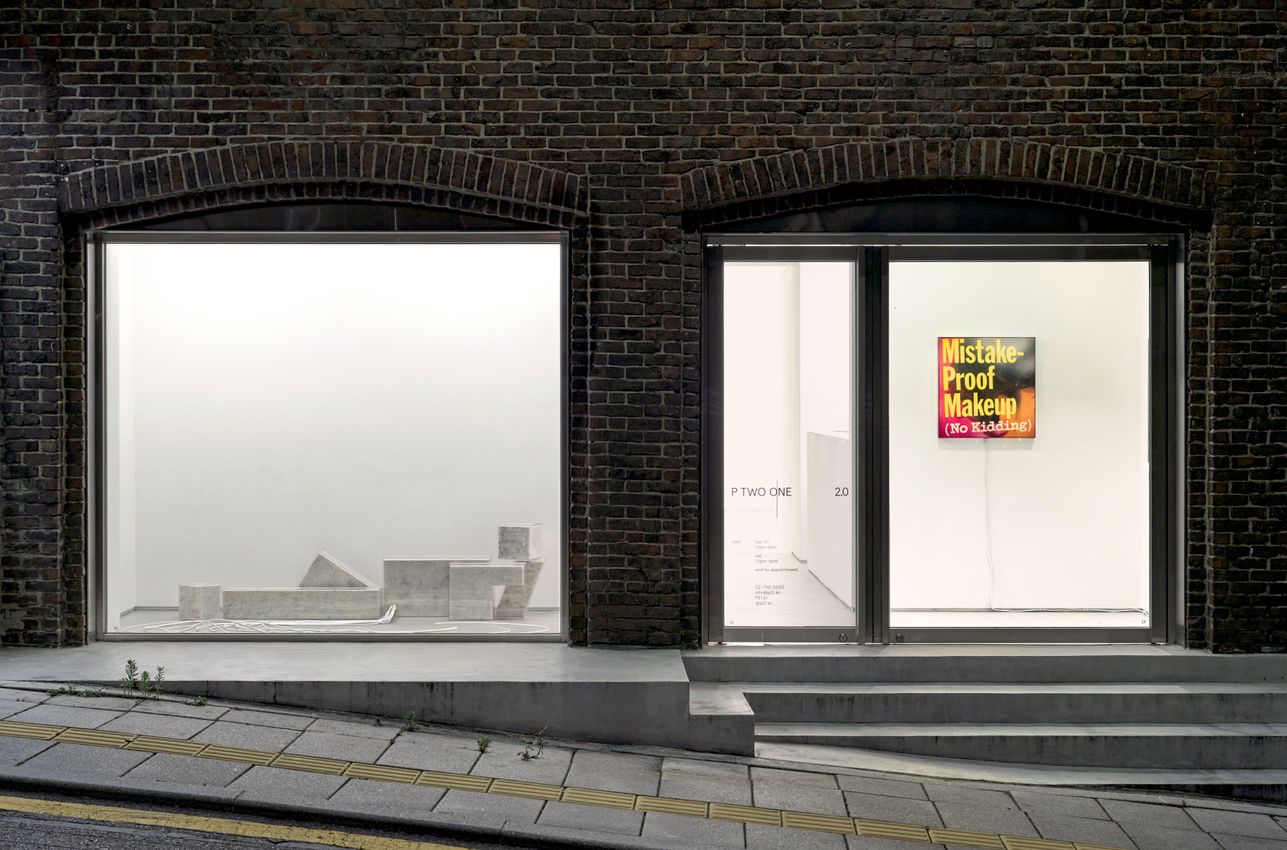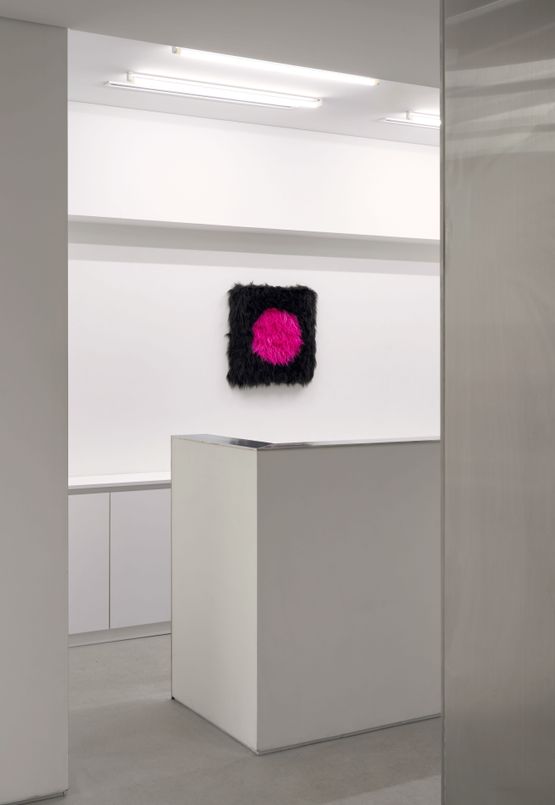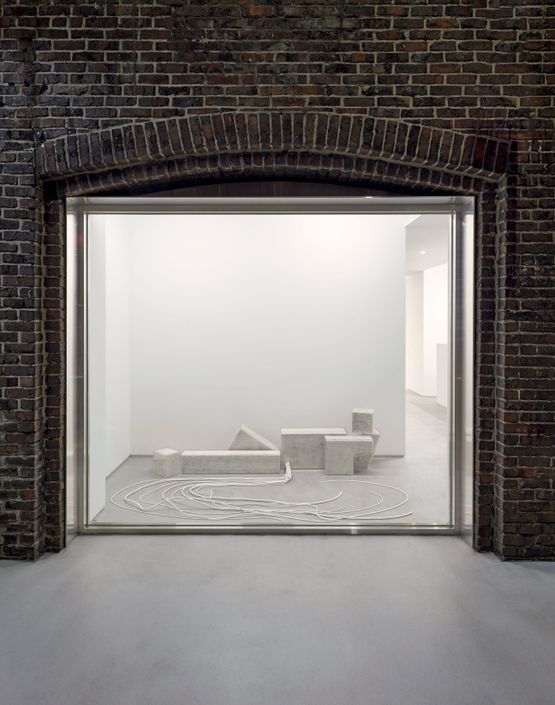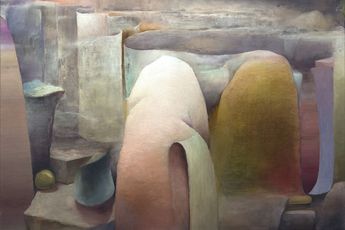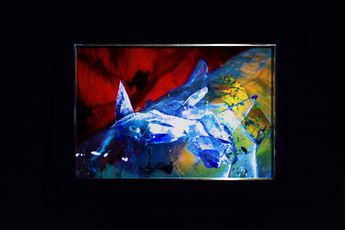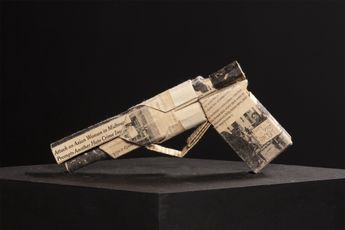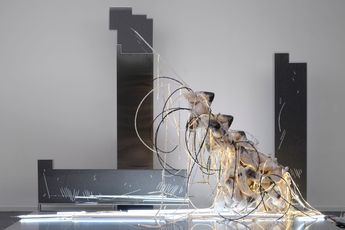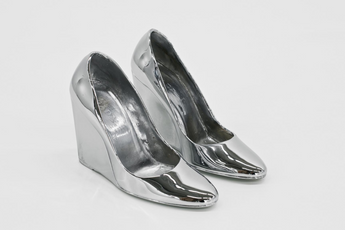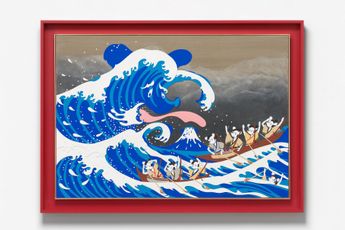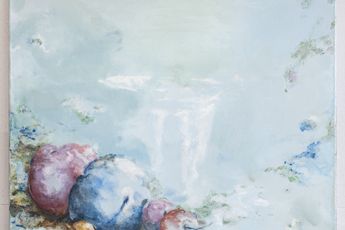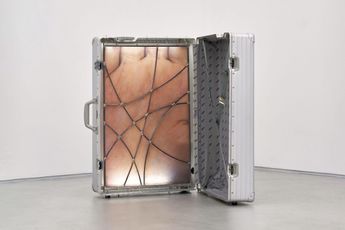




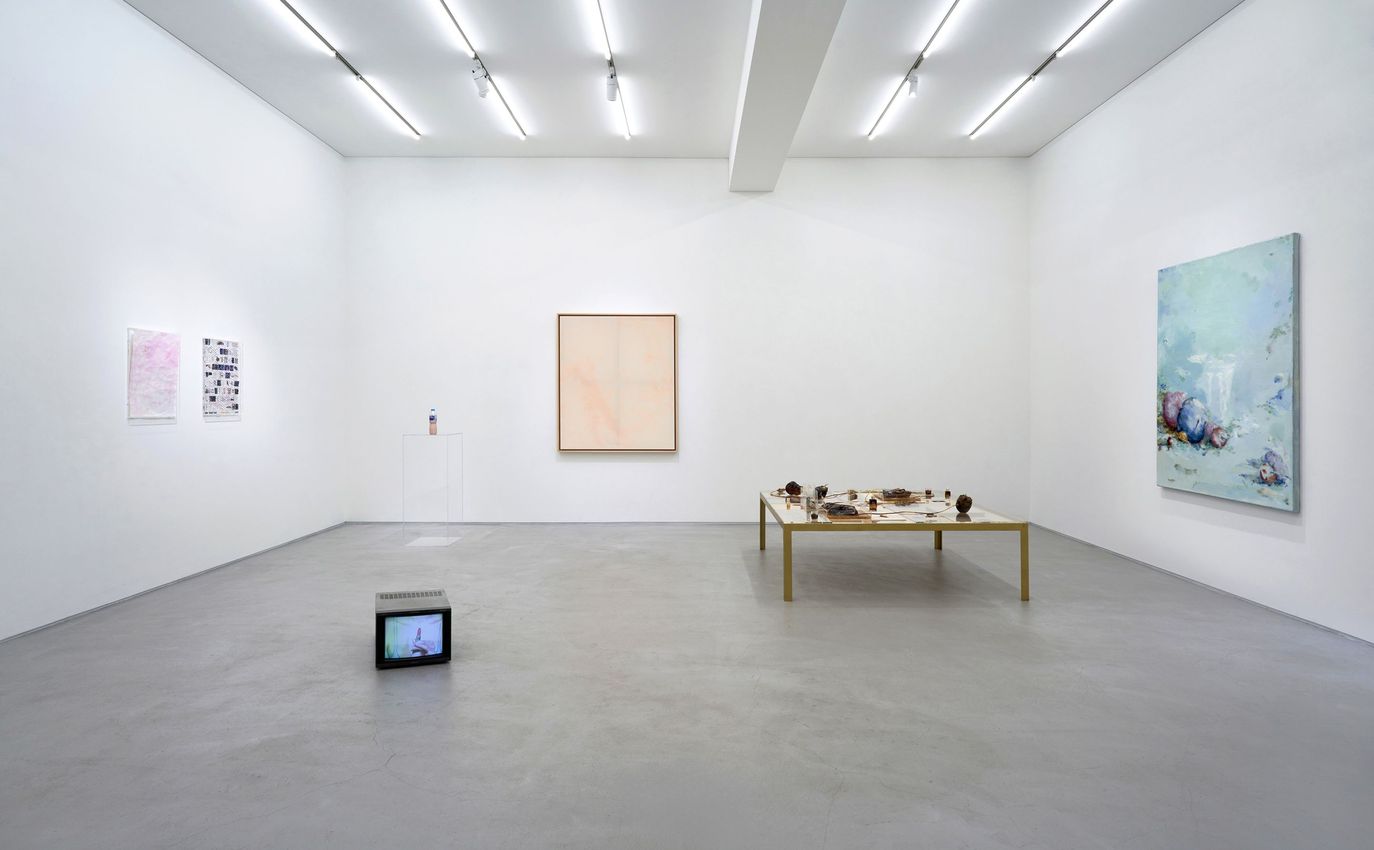
Pigment Compound surveys artists’ engagement with the material world of cosmetic consumerism. A century-old international industry, beauty capitalism has in the last decade reached a new zenith, thanks to the successful global export of South Korean brands and a series of novel chemical compounds. The exhibition brings together works across four decades that highlight the affective intensities of cosmetics and make-up, revealing the allegorical ways in which body, skin, and psyche are reworked by ever-growing markets of consumer goods that derive their power from users’ improvised ritual responses to trauma. The exhibition eludes simple representations of beauty in favor of a more psychological, atmospheric, and materialist aesthetic—one concretely made up of powders, lotions, sprays, and plastic packaging.
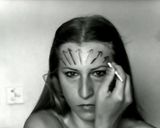
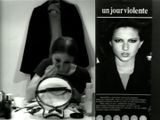
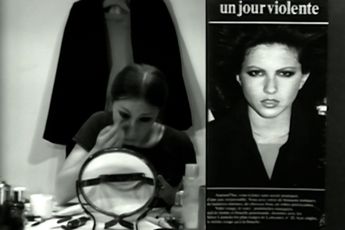
In 2001, Swiss artist Sylvie Fleury (b. 1961) staged a ‘make-up performancea’ t Art Sonje in Seoul by renting a sports car and repeatedly driving it over piles of eyeshadows, lip glosses, foundations, and nail polishes. The destructive exercise, sponsored by a major international cosmetics firm, produced a disaster landscape of cracked glass and splattered liquids, soiling the art institution from within. As a symbolic ritual, it offered a sense of cathartic release—not only from the deadpan seriousness of the white cube art space, but from the products themselves: their intensifying grip on visual culture and the fashioned female body of the new millennium, poignantly identified by Fleury. Twenty-five years prior, the Yugoslavian artist Sanja Ivekovic (b. 1949) had already understood the cruel optimism of make-up products—the way they package gendered fantasies of self-improvement in delicious little bottles that promise happiness, even as they simultaneously monumentalise human decay and our capitulation to superficial solutions. Her retort was a series of conceptual video artworks showing the young artist at work—or at war—with her beauty cabinet, patiently exposing the labor of sensually chemical post-production required to look young, to look beautiful, to successfully look ‘girl.’ As with Fleury, the point was never to renounce these fetishistic commodities outright but rather to technically map their disproportionate effect on our senses of self—so outsized that even simple ritualistic destruction or subversion of these goods can feel like an act of political and psychic rebellion. In today’s maelstrom of YouTube make-up tutorials, Ivekovic’s ritual feels uncannily prophetic. Viral viewers around the world take pleasure not in the final illusion of beauty—‘the look’ itself—but in the arduous, desperate, yet highly creative labor of constructing it. By freely exposing the tools and techniques of cosmetic deception, by reveling in ‘the hack’ of contemporary standards of beauty, we mistake beauty products and their professional spokespeople as our allies, hoping that the ideology of artifice can somehow be socially redemptive. Parents, teachers, and rearguard feminists never managed to respect (let alone understand) that a ‘face of stone,’ as Proust once described one of his characters—to look like a ‘crumbling goddess statue in a park’—can be socially vindicating.
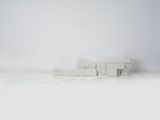
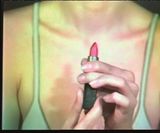
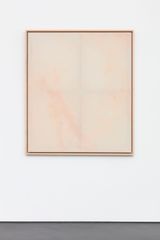
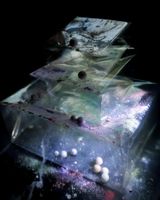
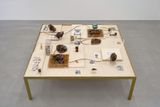
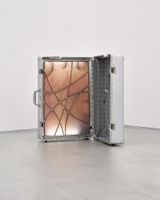
As the artists in Pigment Compound prove, everyone has since subscribed to regimes of chemical self-improvement— even our moms (Haena Yoo, b. 1990), our politicians (Simon Fujiwara, b. 1982), and our artists. The material innovations in make-up in the industrial age far surpass that of paint, so artists can choose either to employ its enchanted pigments directly (Anna Munk, b. 1994; Pamela Rosenkranz, b. 1979) or subliminally evoke them (So Young Park, b. 1971). The consumer packaging of beauty—a sensual ecology of plastic casings and other artfully protective shells—becomes an object of intense commodity fetishism (Diane Severin Nguyen, b. 1990). In our minds and visual culture, consumer products often stand in for bodies and skins quite literally, but also psychologically (Haneyl Choi, b. 1991; Ju Young Kim, b. 1991). Beauty commodities constitute an allegorical world of their own, where material, affective, biological, and fantastical logics are brought into dynamic and absurd play—often to dialectically deal with unnamed sensations of being a body, or trying to take care of one.
Cosmetics today are found everywhere, in every shape, for every problem—and yet we continue to suffer. This consumerist dilemma is particular in being felt so closely on the body, in the most specific materiality: powders, serums, lotions, and sprays communicate their esoteric promises not through images, but through their cakiness, oiliness, mattness, and sheen. They speak to us about improved selves in terms of pigment—about nothing less than ‘perfect skin’ as both a surface and a prosthetic sensation. Beauty capitalism renders the epidermis the theater of all our achievements and aspirations, our fears and shame. This dermatological battleground has a long cultural history: beauty practices have historically emerged from imperial, medical, and military entanglements with female bodies, and blend biopolitical intervention with aspirational regimes of pleasure centered around logics of cleanliness, youth, and health. ‘Skin,’ writes Thuy Linh Nguyen Tu, ‘becomes the terrain where the residue of war and empire is both visible and effaced.’ But these derma-logical ideas have proliferated explosively in the past decade of photographic social media and have notably changed tone—toward something more brutal. Retinols, exfoliants, alpha and beta hydroxy acids: at the core of the so-called ‘new skincare era’ is the allegory of chemical violence, a kind ambivalently cushioned by a therapeutic language of treatment, healing, and care. Violence is packaged for every corner of the vanity cabinet: a tragedy of self-presentation by way of erosion.
Curated by Jeppe Ugelvig
P21 was established in 2017 by Soo Choi. Located in Itaewon district, a cultural hub in Seoul, the gallery opened with an inaugural exhibition by Choi Jeong Hwa and continues to promote compelling and original examples of international contemporary art. P21 is known for its unique exhibition space with two separate facades, respectively named P1 and P2, that enable artists to create site-specific works.

A respected voice in contemporary art discourse.
Focusing on ambitious storytelling and insightful art-world commentary. Ocula Magazine publishes in-depth interviews, critical essays and timely analysis on the artists, exhibitions and ideas driving the global art world.
Learn more about Ocula Magazine
Showcasing the best of the art world.
Ocula partners with galleries from around the world to highlight their artists, artworks and exhibitions. Gallery membership is by application and invitation, with each member vetted by an independent panel.
Learn more about Ocula Membership

Specialises in the sale of major artworks.
Led by a team with deep ties to the world’s leading auction houses, galleries and collectors. Ocula’s advisory team offers bespoke services to high-net-worth clients from around the world who are looking to acquire the best of contemporary and modern art.
Learn more about our team and services