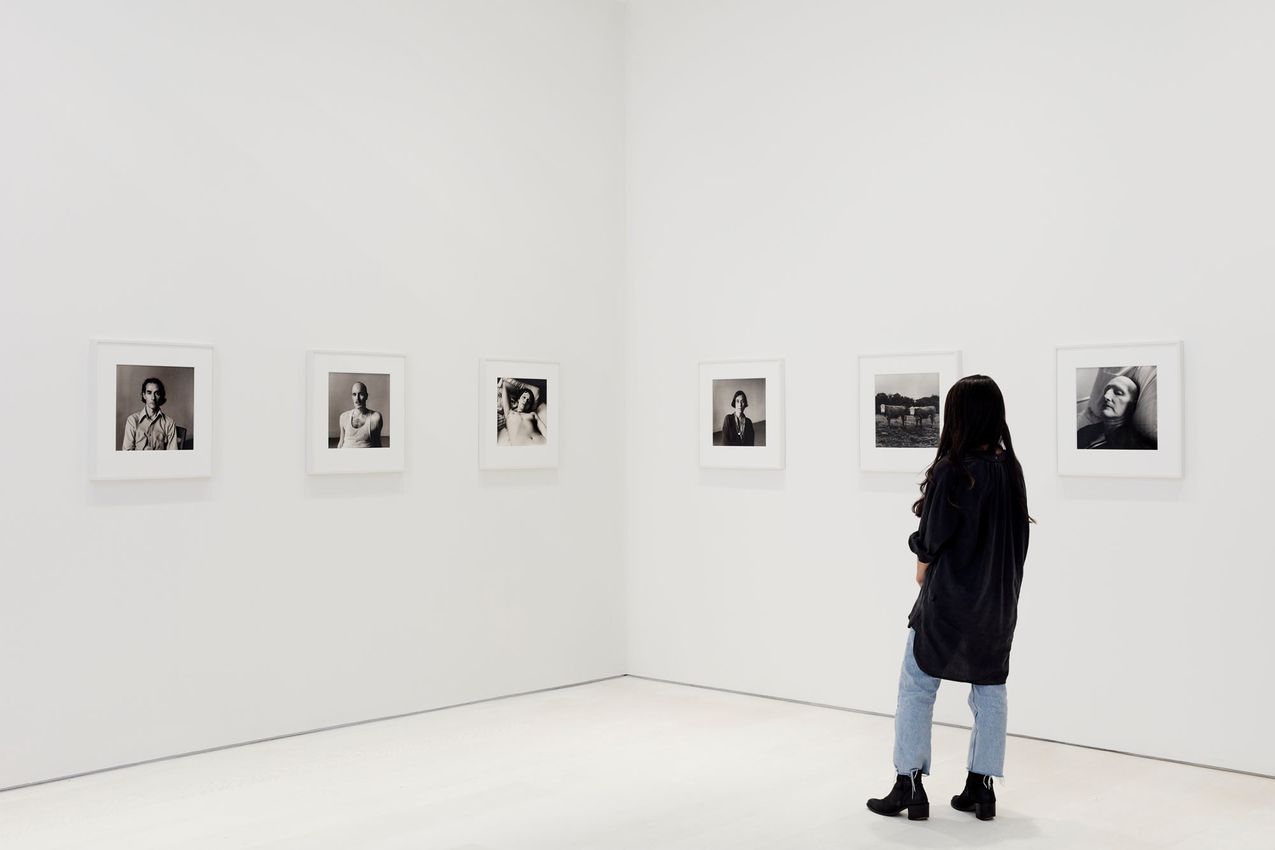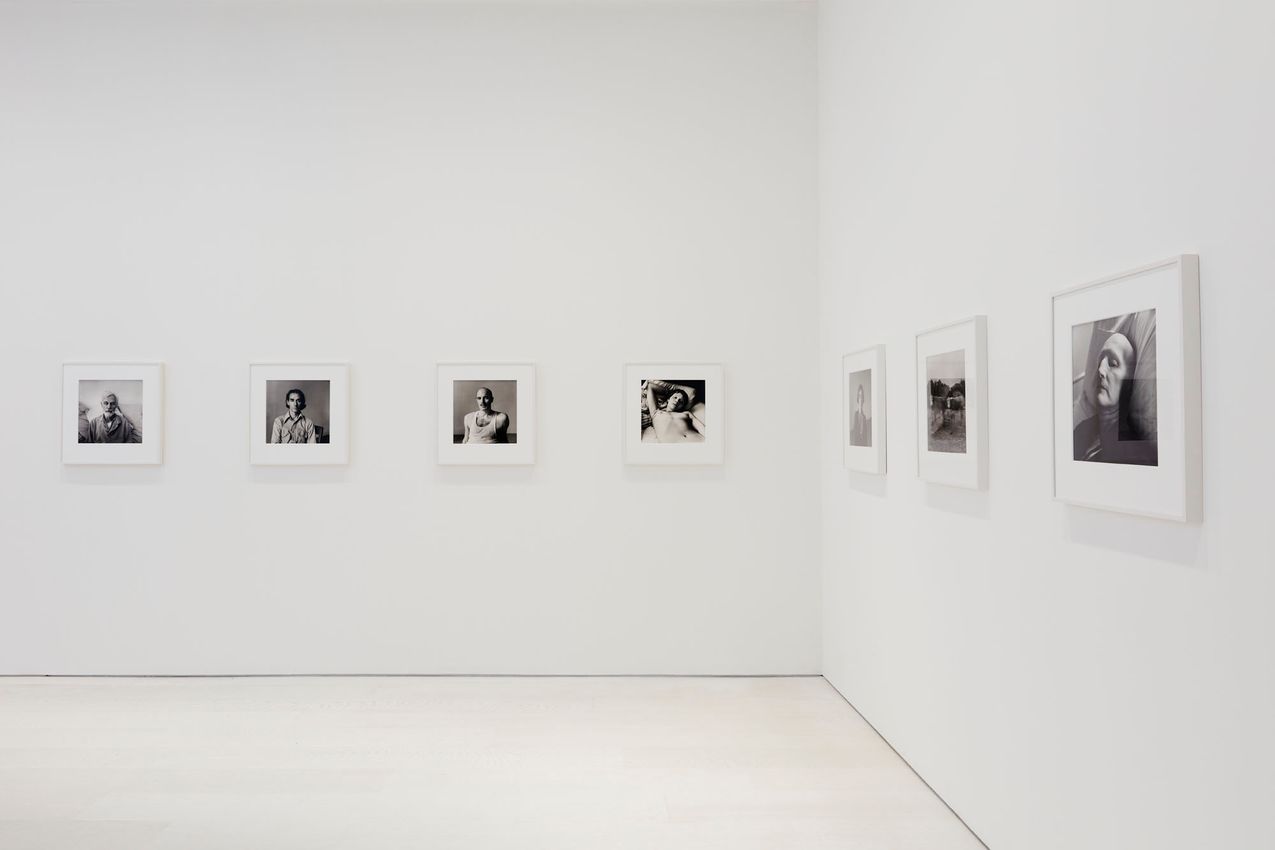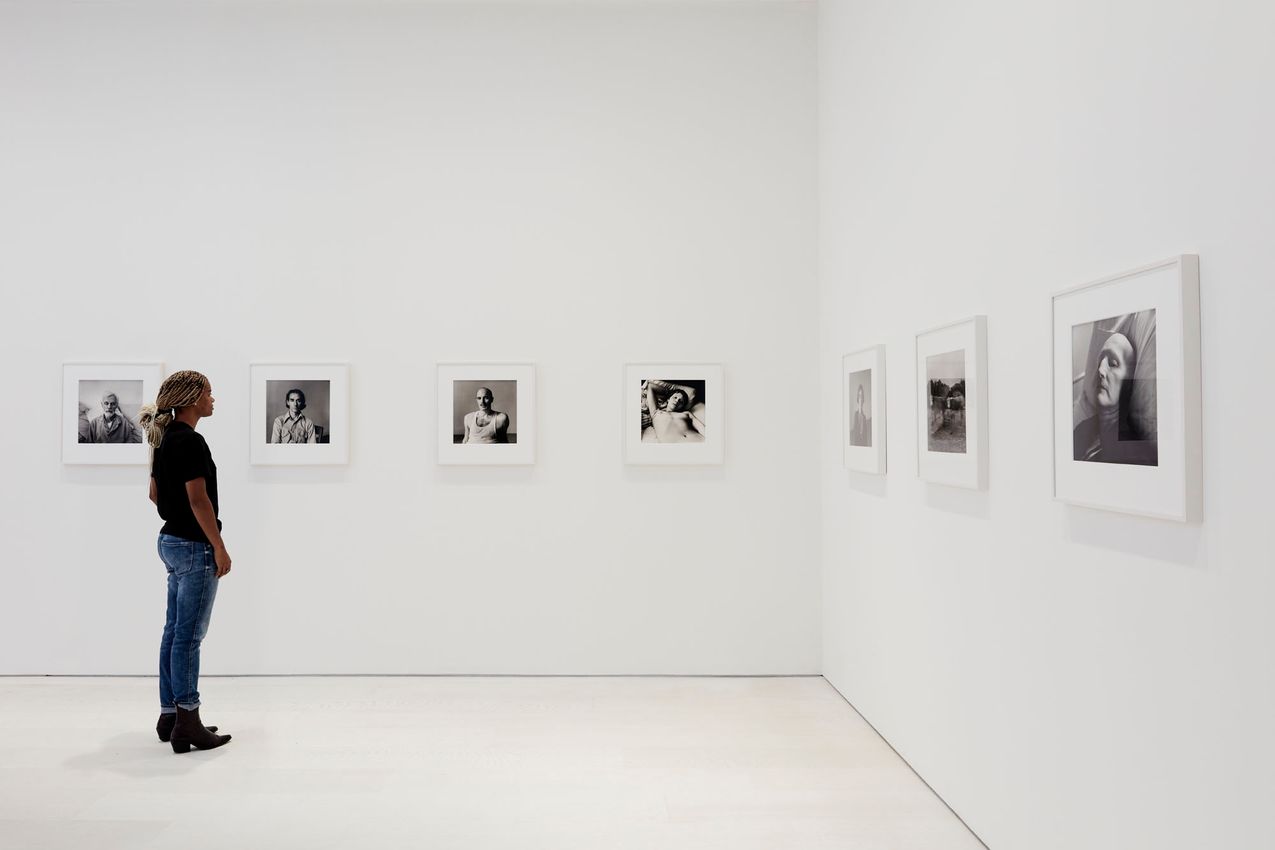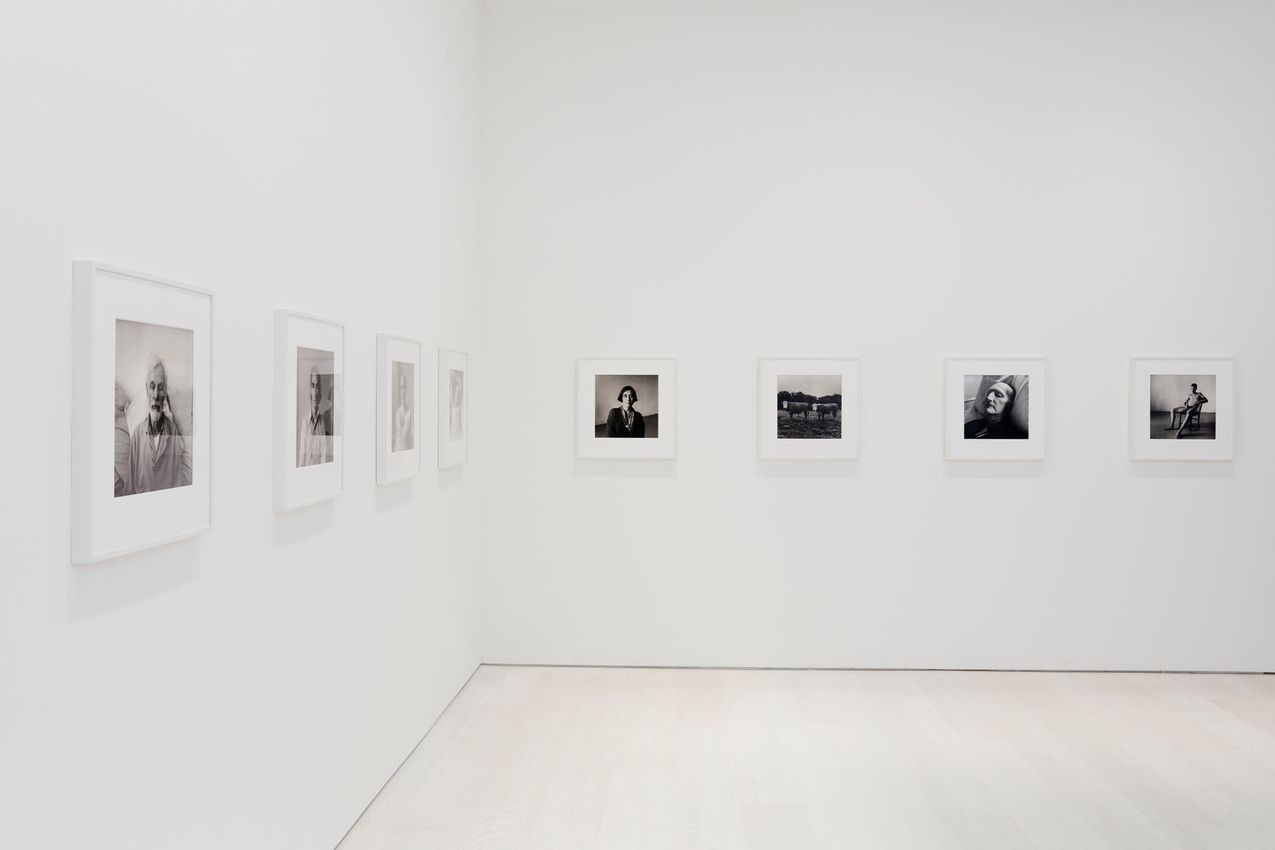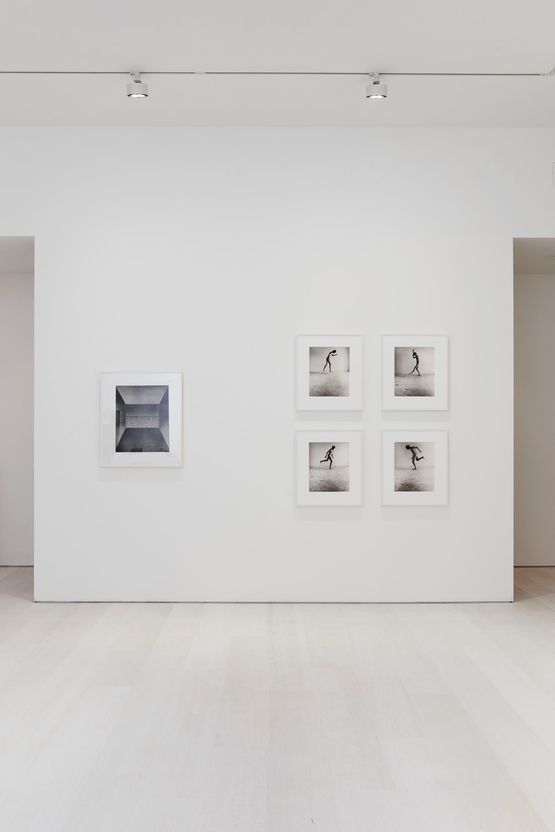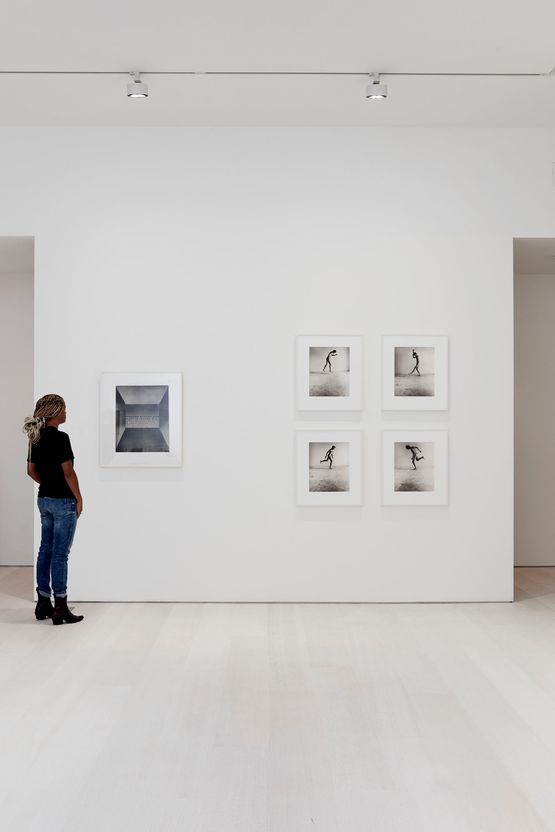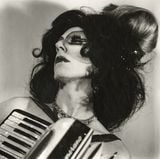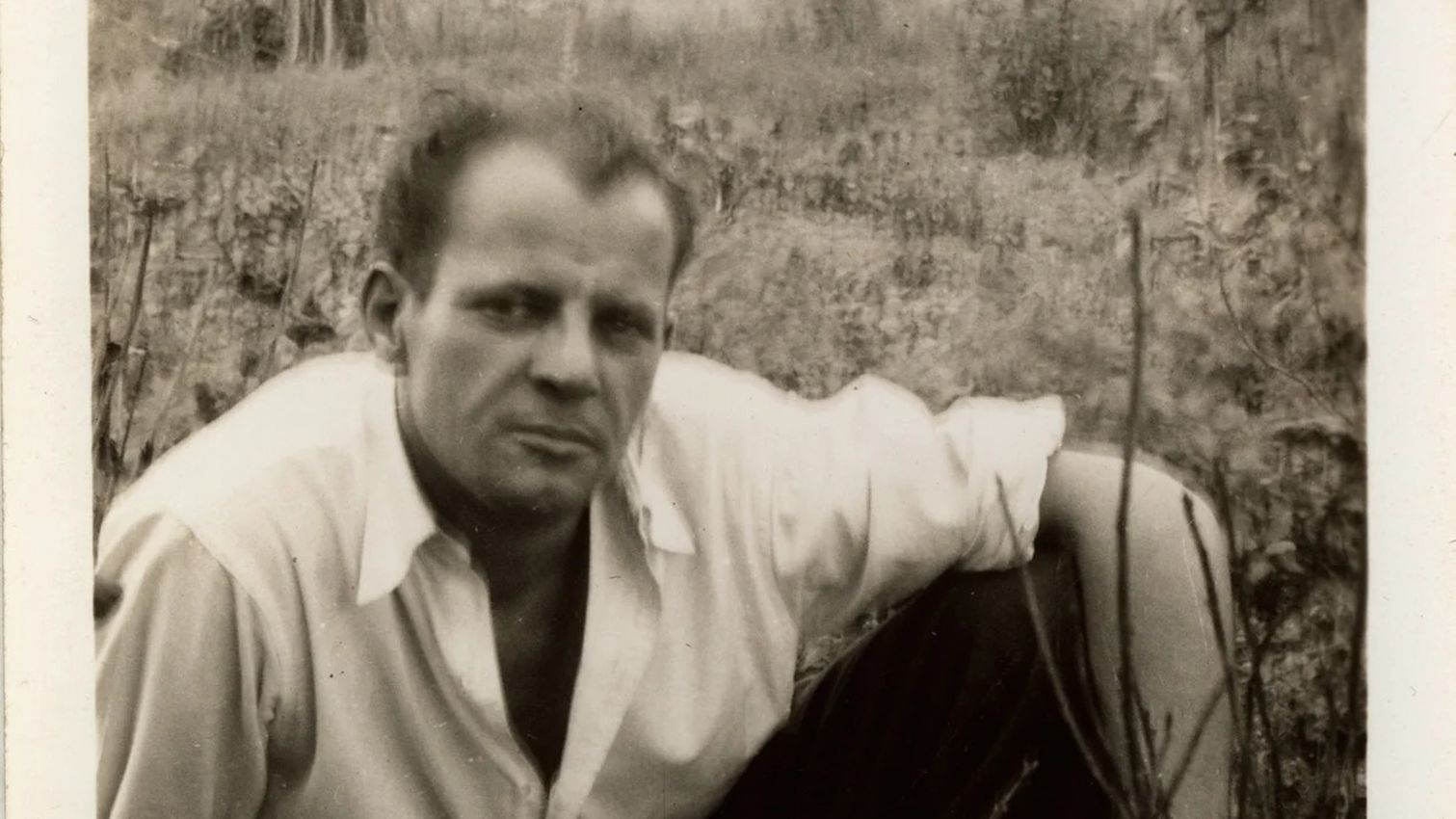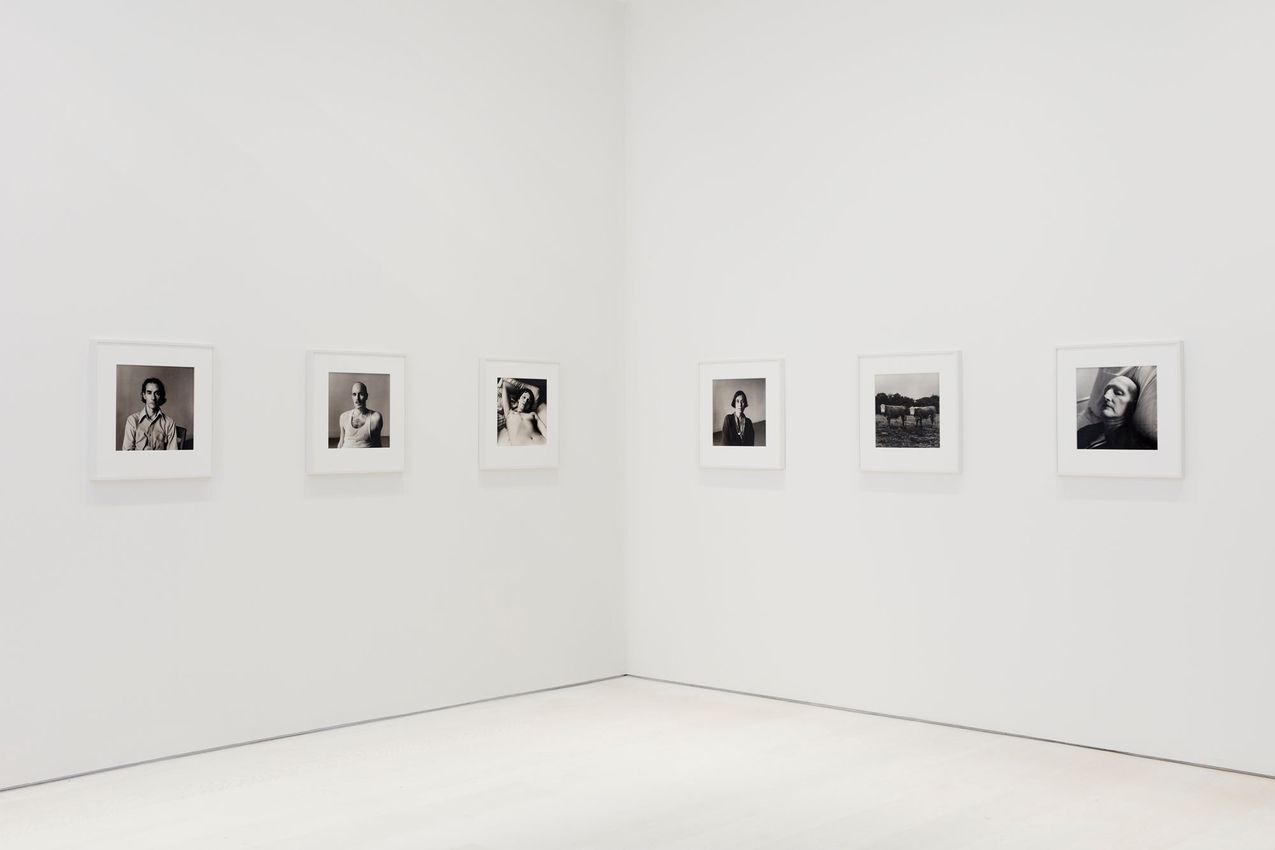
Featuring a selection of Peter Hujar’s black-and-white portraits acquired by Richard Avedon in the 1970s, Master Class examines the photographer’s idiomatic approach to portraiture that treated each photograph as a stand-alone object, capable of evoking complex emotions and expressions.
The influence of Avedon’s acclaimed Master Class, a weekly seminar taught by Avedon and art director Marvin Israel at Avedon’s New York City studio and in which Hujar was enrolled in 1967, will also be examined through scholarly research. The Master Class included visiting speakers such as Diane Arbus and Lucas Samaras, and opened doors for a number of young photographers.
Avedon and Hujar remained friends following the workshop’s close and, over time, Avedon acquired the eight superb prints on view, each of which deftly captures Hujar’s avant-garde circle with penetrating sensitivity and psychological depth. The exhibition will also include Hujar’s four-part work made during the Master Class, ‘Nude Self-Portrait Series #1, #2, #3, #4’ (1967).
Peter Hujar (1934–1987) was born in New Jersey and moved to Manhattan as a teenager. He studied at the High School of Art and Design and shortly thereafter worked as a photographer’s assistant. Throughout the 1960s, Hujar served as an apprentice for a number of commercial photographers and did a large amount of fashion work for Harper’s Bazaar. He was a leading figure in the group of artists, musicians, writers, and performers at the forefront of downtown New York’s cultural scene in the 1970s and early ‘80s, and died of AIDS at the age of 53, leaving behind a complex and profound body of work. His photographs have been the subject of solo exhibitions throughout the United States and Europe, and are held in the permanent collections of institutions worldwide, including the Art Institute of Chicago; The Metropolitan Museum of Art, New York; The Morgan Library and Museum, New York; the Museum of Fine Arts, Boston; The Museum of Modern Art, New York; the San Francisco Museum of Modern Art; and Tate Modern, London.
Peter Hujar’s poignant photography captured life, death, sexuality and the New York City scene of the 1960s and 1970s. His patience as a photographer led to honest portraits and unfiltered images of the world outside his East Village apartment—however, it was only after his death that his work became widely known and admired.


Pace is a global art gallery of and for the future, modeled on a set of core values established during its founding in 1960 and designed to serve its artists, estates, and collectors in a way that is focused, responsive, and aligned with its enduring mission.

A respected voice in contemporary art discourse.
Focusing on ambitious storytelling and insightful art-world commentary. Ocula Magazine publishes in-depth interviews, critical essays and timely analysis on the artists, exhibitions and ideas driving the global art world.
Learn more about Ocula Magazine
Showcasing the best of the art world.
Ocula partners with galleries from around the world to highlight their artists, artworks and exhibitions. Gallery membership is by application and invitation, with each member vetted by an independent panel.
Learn more about Ocula Membership

Specialises in the sale of major artworks.
Led by a team with deep ties to the world’s leading auction houses, galleries and collectors. Ocula’s advisory team offers bespoke services to high-net-worth clients from around the world who are looking to acquire the best of contemporary and modern art.
Learn more about our team and services