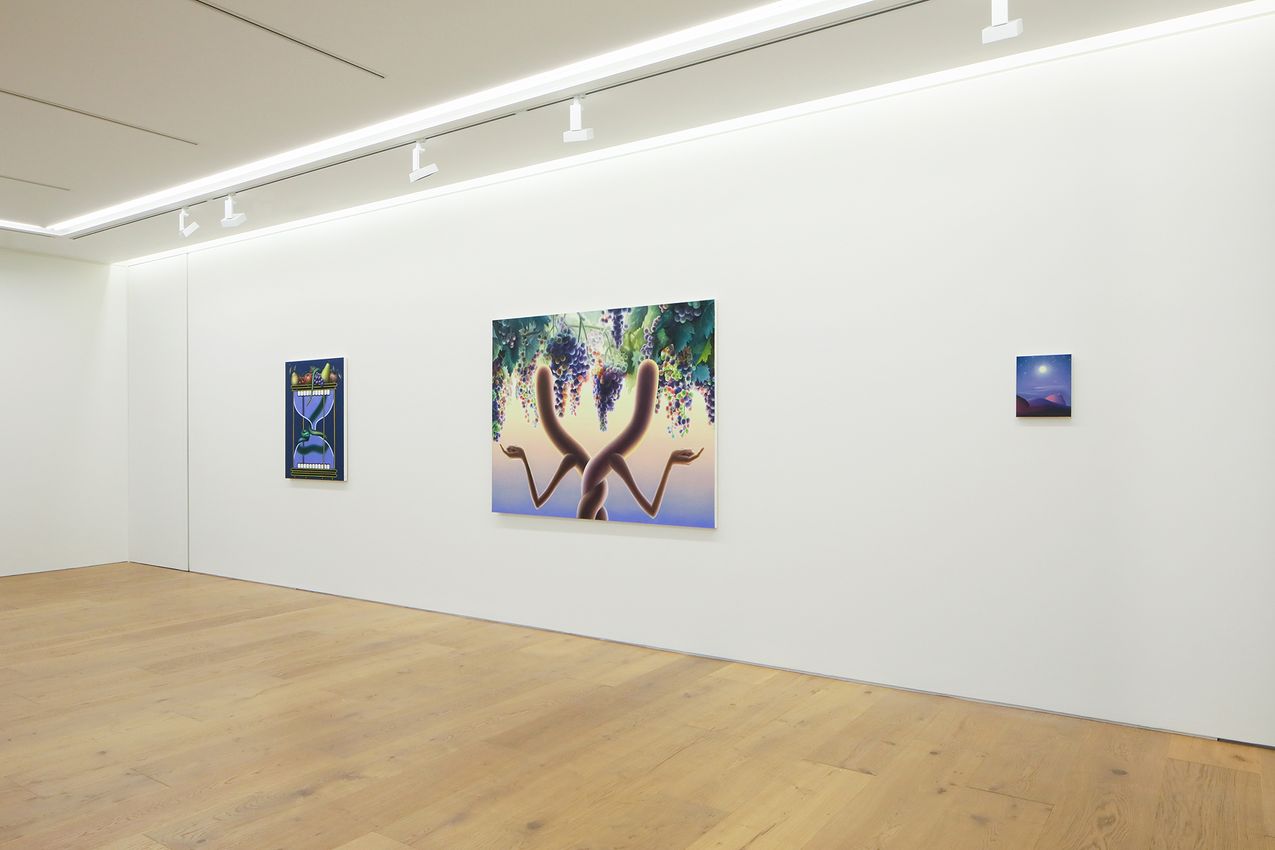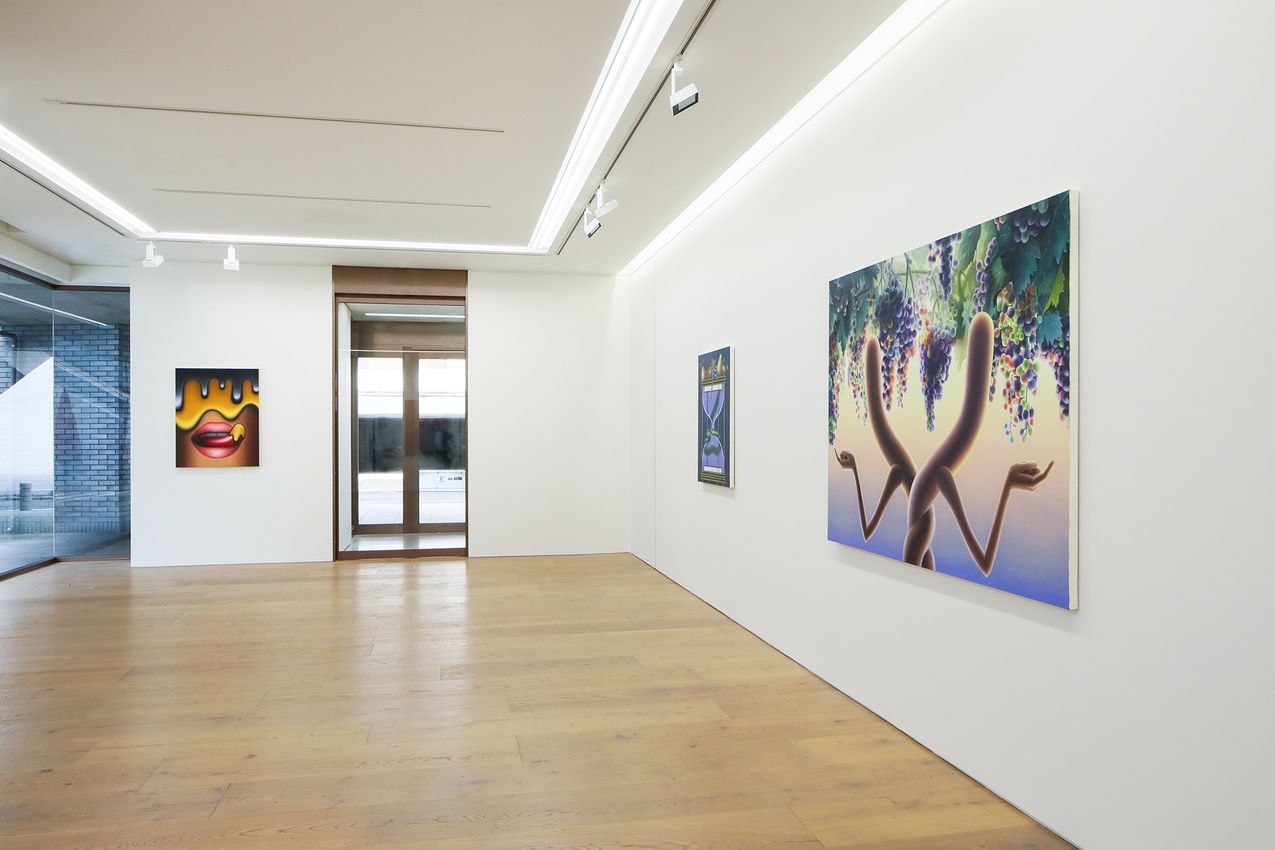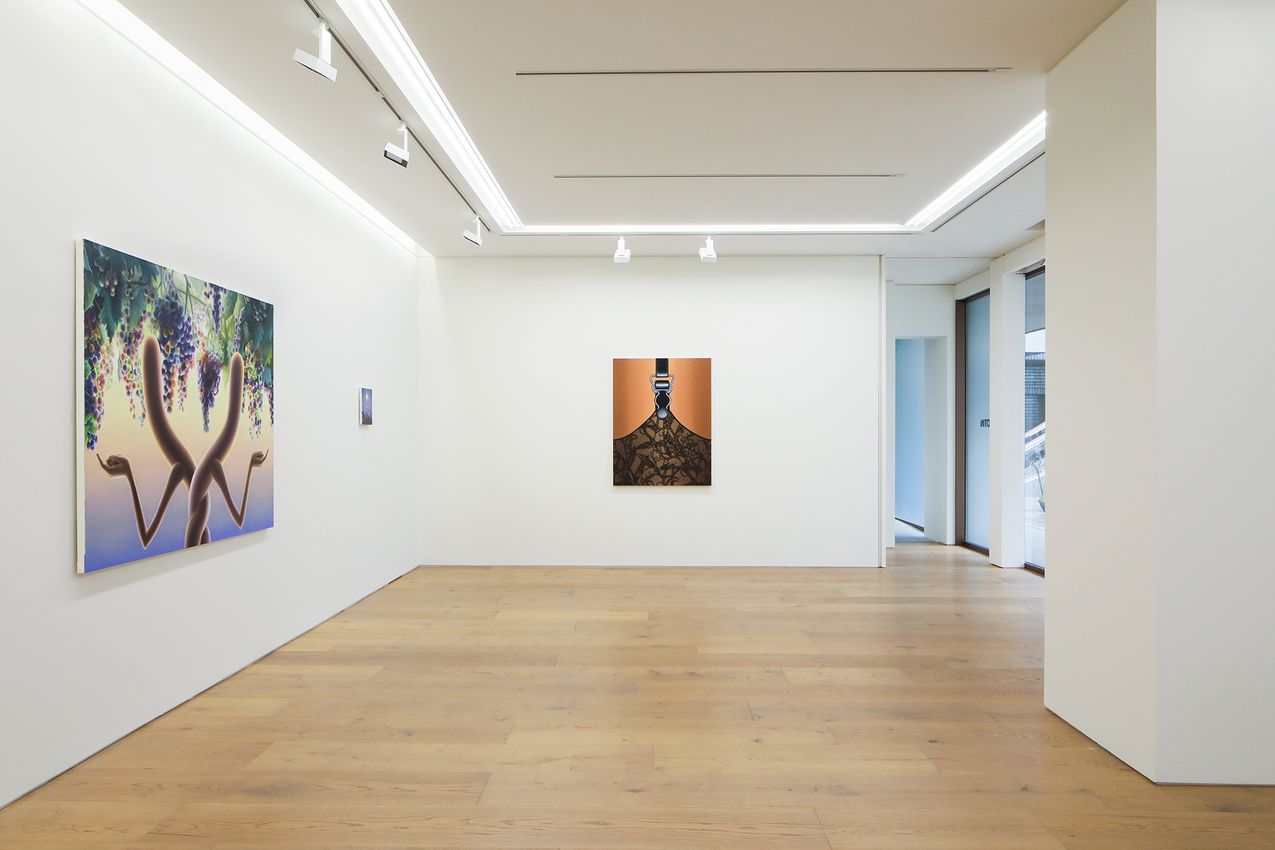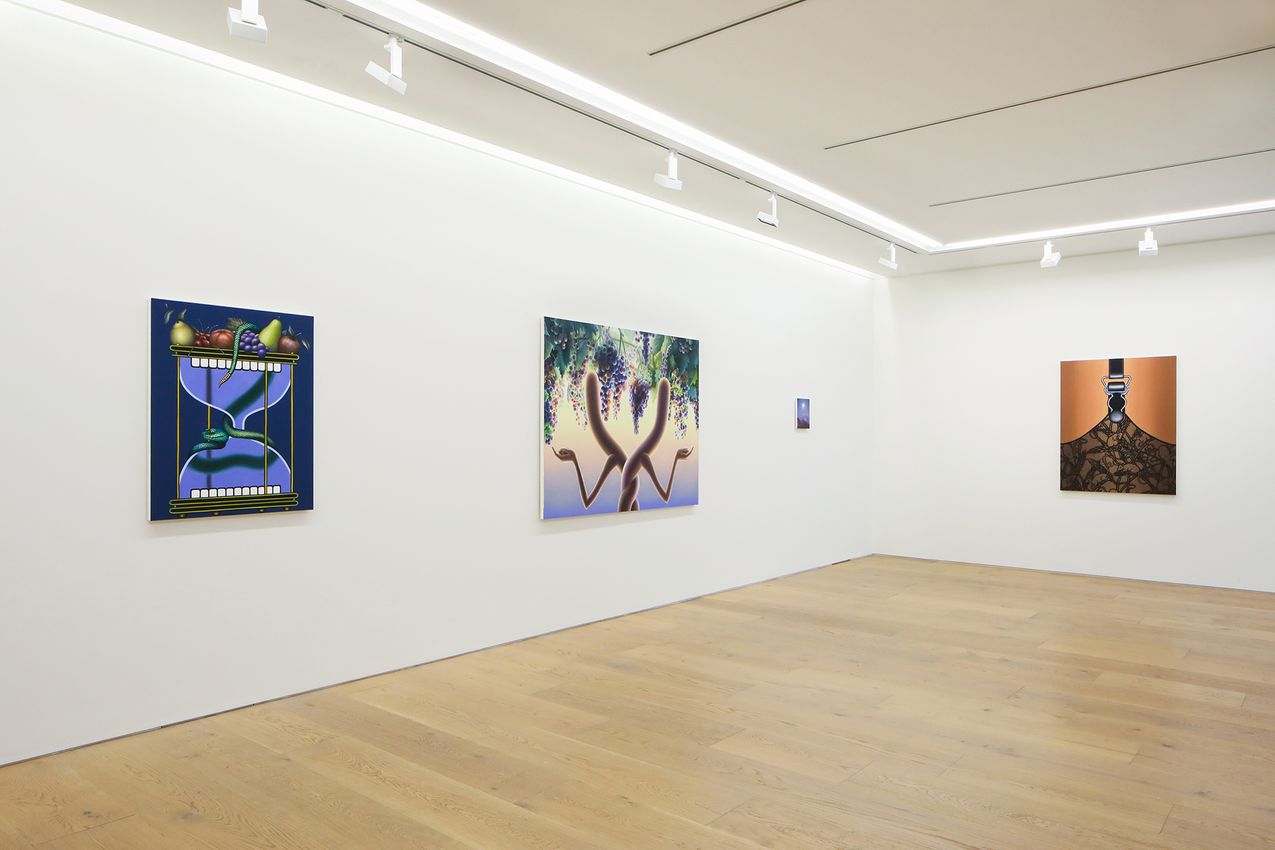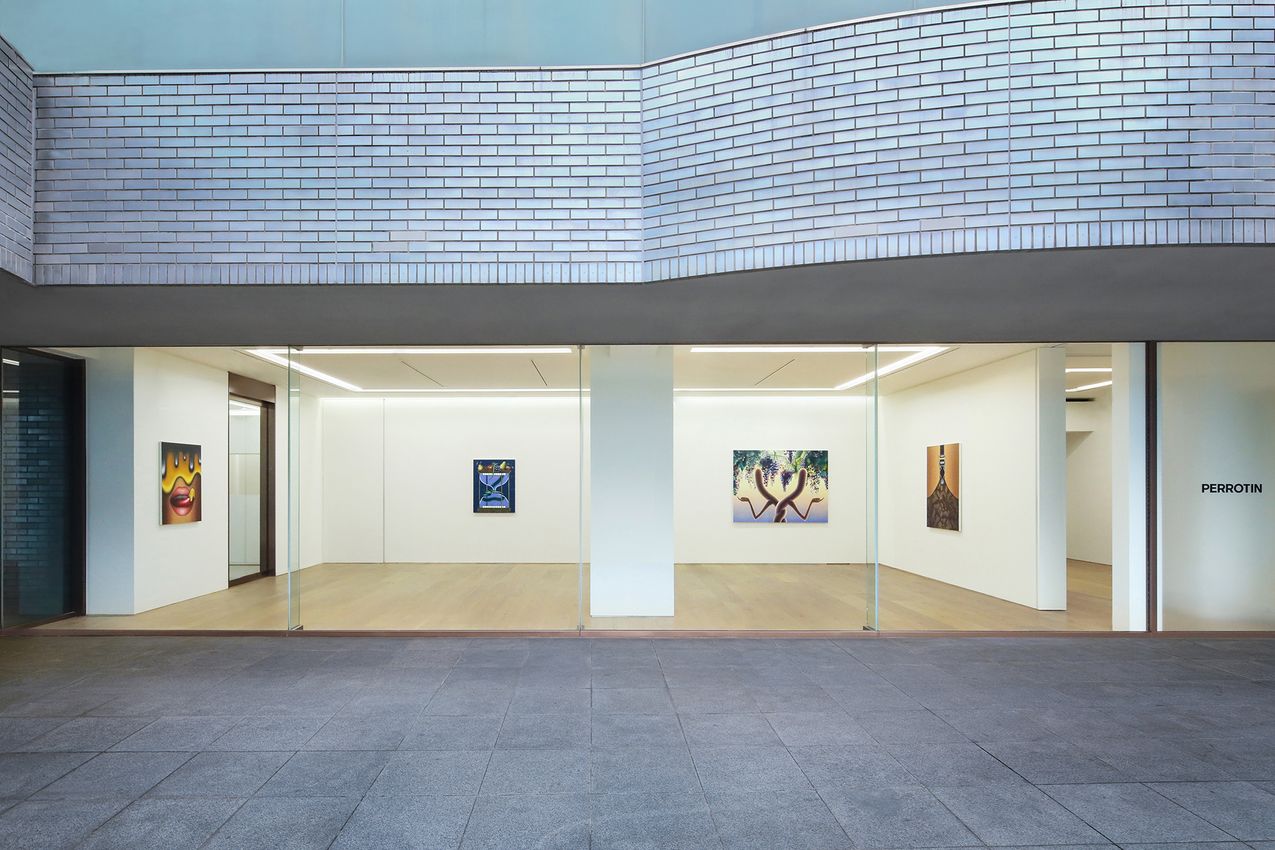
Perrotin is pleased to announce a solo exhibition by New York-based artist Emily Mae Smith, marking the artist’s first exhibition in Japan.
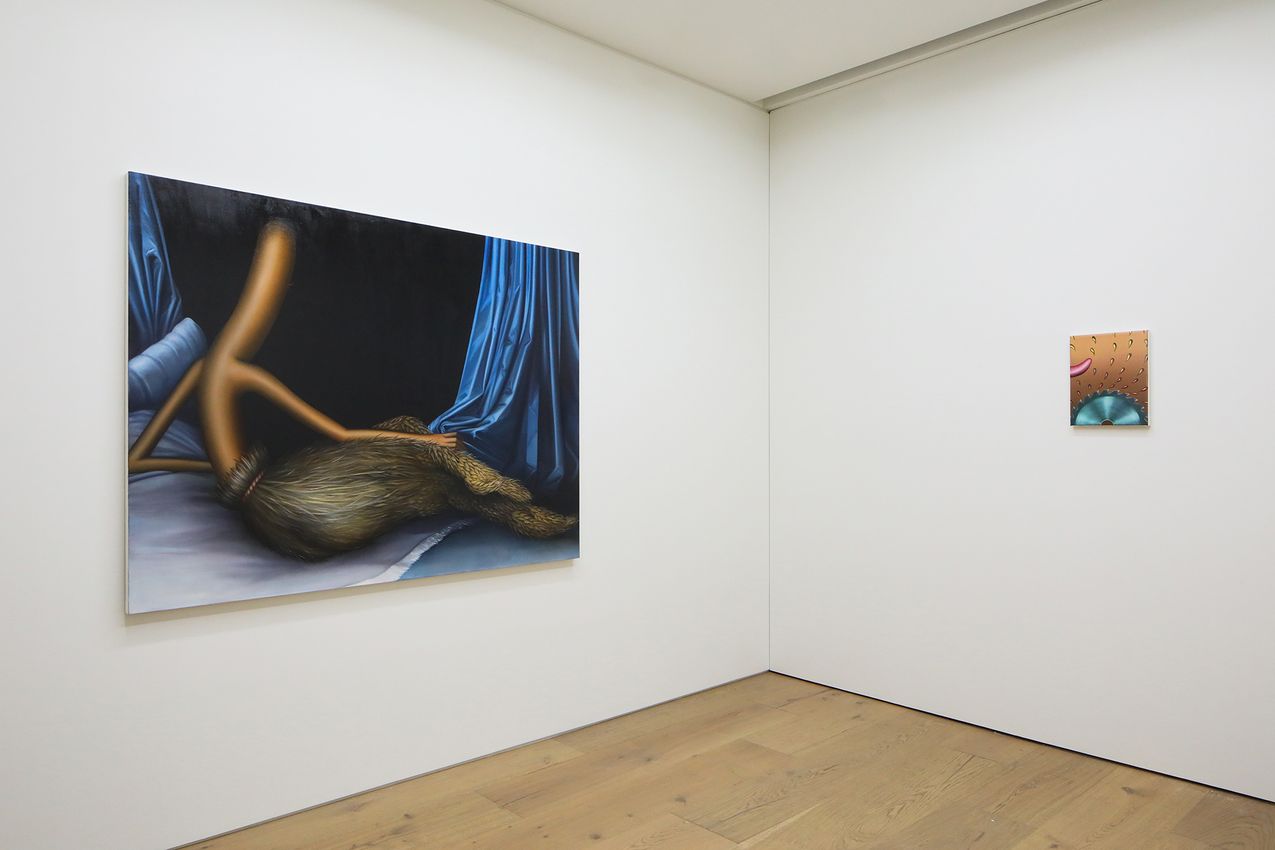
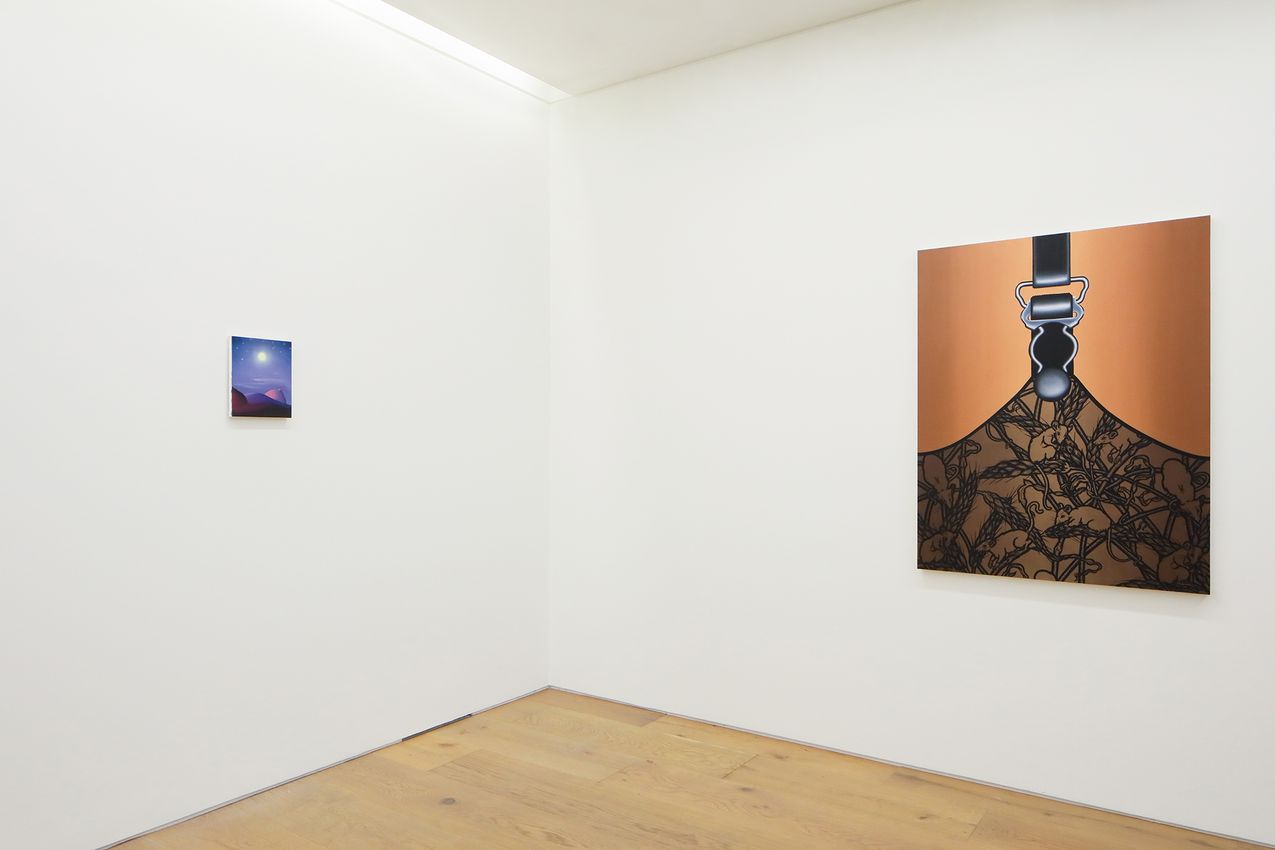
Emily Mae Smith doesn’t mind pointing out that while she’s been painting for some twenty years, her art really began to come into focus around 2013. That tells you a lot—about why her work can have the freshness, energy, and go-for-broke ingenuity of an emerging artist relishing her process of self-discovery, while still also showing the impeccable technical fluency and conceptual sophistication that usually only develop with considerable experience. And Smith has evidently been looking as long as she’s been painting: her references encompass a big chunk of the history of Western painting, including often-overlooked episodes like nineteenth-century Symbolism, as well as a vast swath of the popular or commercial arts, from Art Nouveau graphics through Disney animation to the psychedelic posters of the Summer of Love.
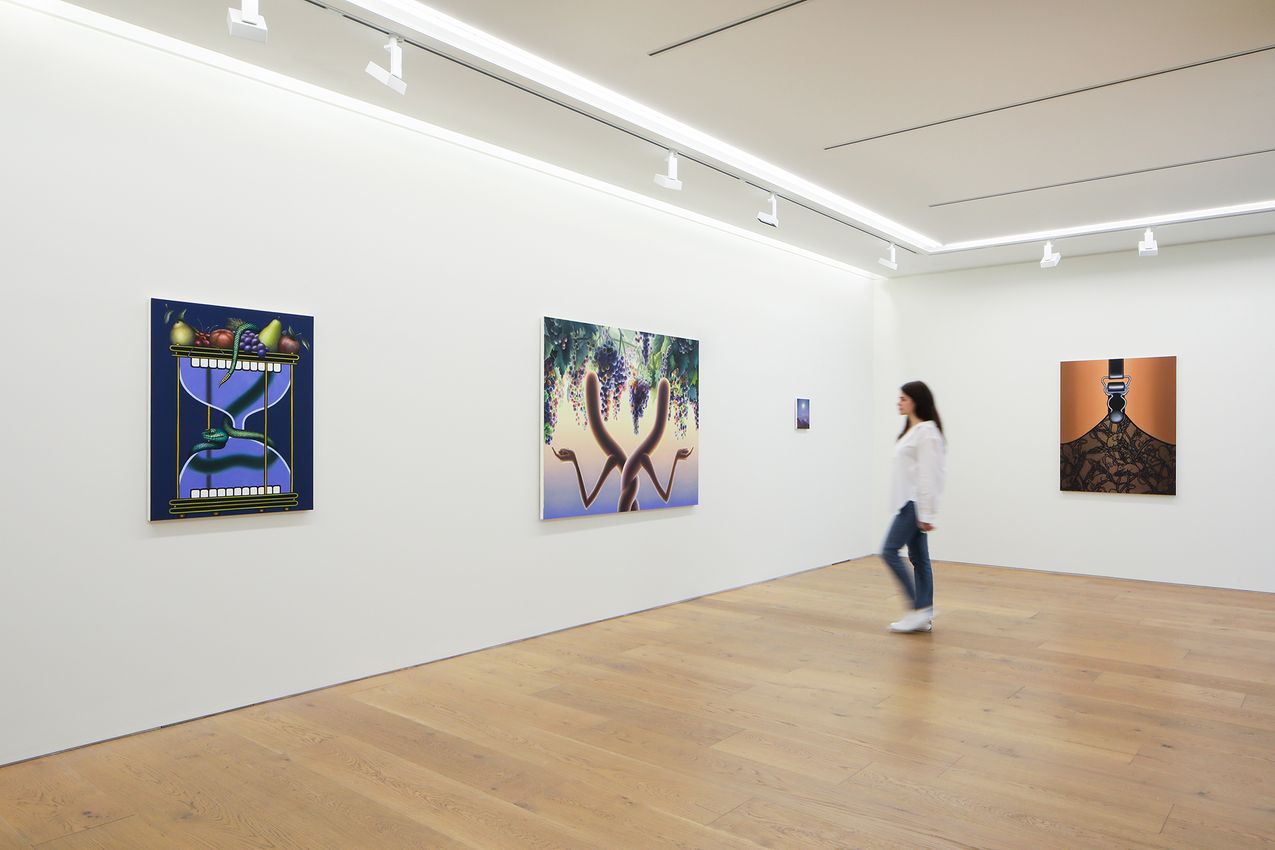
Not surprisingly, Smith has observed that almost all this art was made by men for the delectation of other men. Her determination, in accordance with the times, was to put her own perceptions and experience as a woman into the picture—and to have fun doing it. But as a representationalist, she’s indirect: Perhaps surprisingly, the body hardly appears in her paintings—unless you count the occasional mouth. Or not even a mouth, often just a homeless tongue or a set of teeth as identical and linearly aligned as the ice cubes in your freezer tray. Instead, her figural stand-in of choice is the humble (and distinctly unvoluptuous) besom broom. It represents domestic labor of the kind to which women have been consigned for millennia, but in the sequence of the Disney classic Fantasia (1940) based on the story of the sorcerer’s apprentice, set to the famous score by Paul Dukas, the broom becomes the implement that rebels against its would-be master. ‘It’s this very lowly thing that became very powerful when someone tried to control it,’ as Smith says. And of course in this, the broom also resembles its smaller cousin, the paintbrush.
These days, art making seems to have bifurcated: On the one hand, there is work whose form is fundamentally driven by its subject matter, often rooted in what’s sometimes called identity politics: queer issues, racial issues, decolonial issues, and, of course, feminist issues among them. On the other hand, there is work that— though it may be worlds apart from anything you’d classify as modernist in style—continues to pursue the modernist intuition that art is before anything else an investigation of what art itself is or can be. Understanding how deeply gender and sexuality are woven into the very fabric of art as it’s come down to us, Smith is that rare practitioner whose work’s political and formal substance are so perfectly fused as to be indistinguishable. But—in contrast to the sorcerer’s apprentice—her mastery of her tools is complete; she doesn’t even have to set them to work. She puts them into play.
Essay by Barry Schwabsky
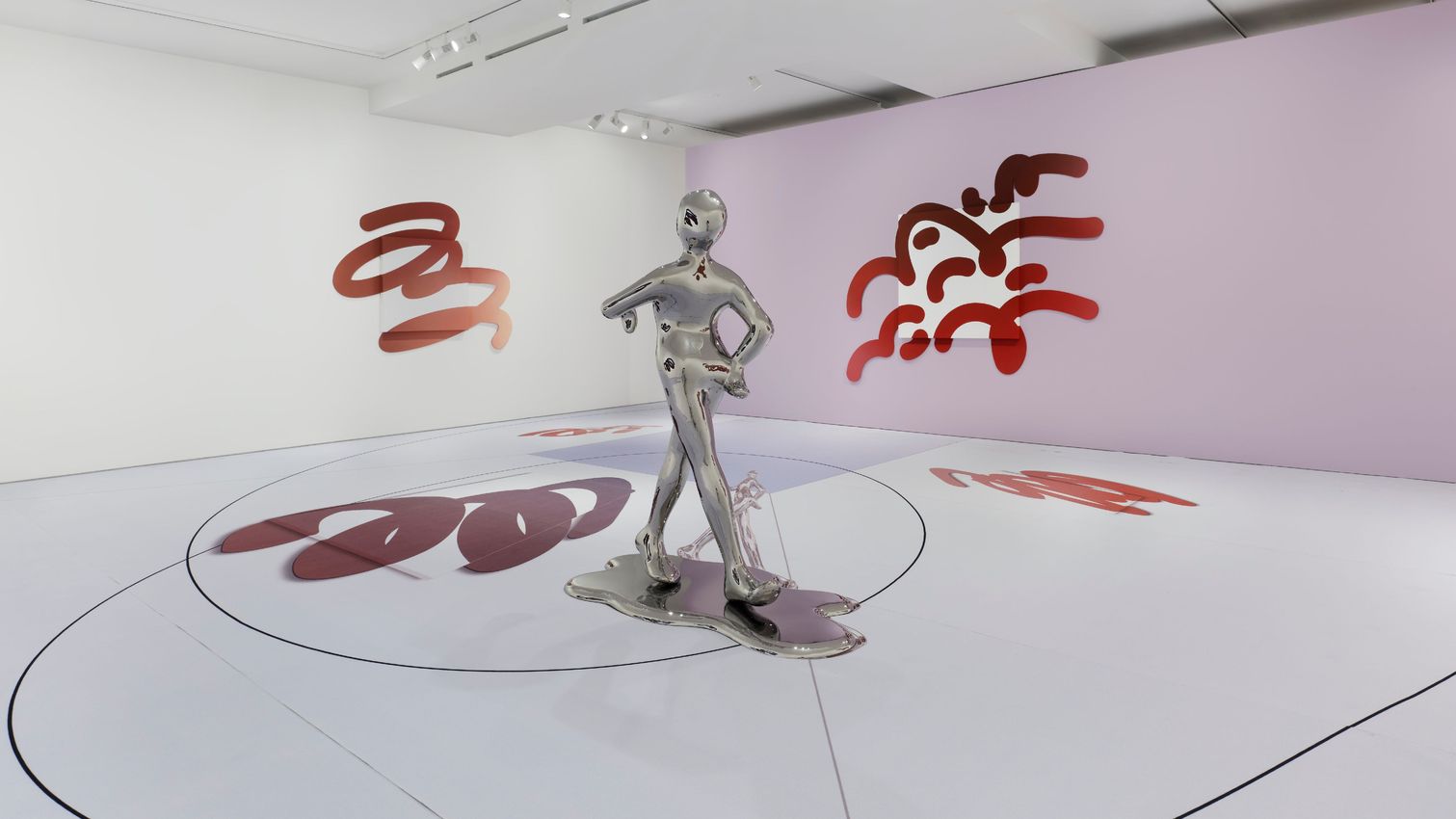
Emily Mae Smith creates lively compositions that offer sly social and political commentary, with a nod to distinct historical painting movements, such as symbolism, surrealism, and pop art. Her lexicon of signs and symbols begins with her avatar, an anthropomorphic broomstick figure. Simultaneously referencing the painter’s brush, a domestic tool associated with women’s work, and the phallus, the figure continually transforms across Smith’s body of work. By adopting a variety of guises, the broom and other symbols speak to contemporary subjects, including gender, sexuality, capitalism, and violence.
Emmanuel Perrotin founded his first gallery in 1989 at the age of 21. He has opened since then over 17 different spaces, with the aim of continuing to offer increasingly vibrant and creative environments to experience artists work. He has worked closely with his roster of artists, some since more than 25 years, to help fulfil their ambitious dreams and projects.

A respected voice in contemporary art discourse.
Focusing on ambitious storytelling and insightful art-world commentary. Ocula Magazine publishes in-depth interviews, critical essays and timely analysis on the artists, exhibitions and ideas driving the global art world.
Learn more about Ocula Magazine
Showcasing the best of the art world.
Ocula partners with galleries from around the world to highlight their artists, artworks and exhibitions. Gallery membership is by application and invitation, with each member vetted by an independent panel.
Learn more about Ocula Membership

Specialises in the sale of major artworks.
Led by a team with deep ties to the world’s leading auction houses, galleries and collectors. Ocula’s advisory team offers bespoke services to high-net-worth clients from around the world who are looking to acquire the best of contemporary and modern art.
Learn more about our team and services