Press Release

Perrotin Hong Kong is pleased to present Future Herbarium by renowned French artist Laurent Grasso, whose practice is concerned with heterogeneous temporalities, geographies, and paranormal phenomena, and spurring a new perspective on history and reality by materialising what lies behind common perception.

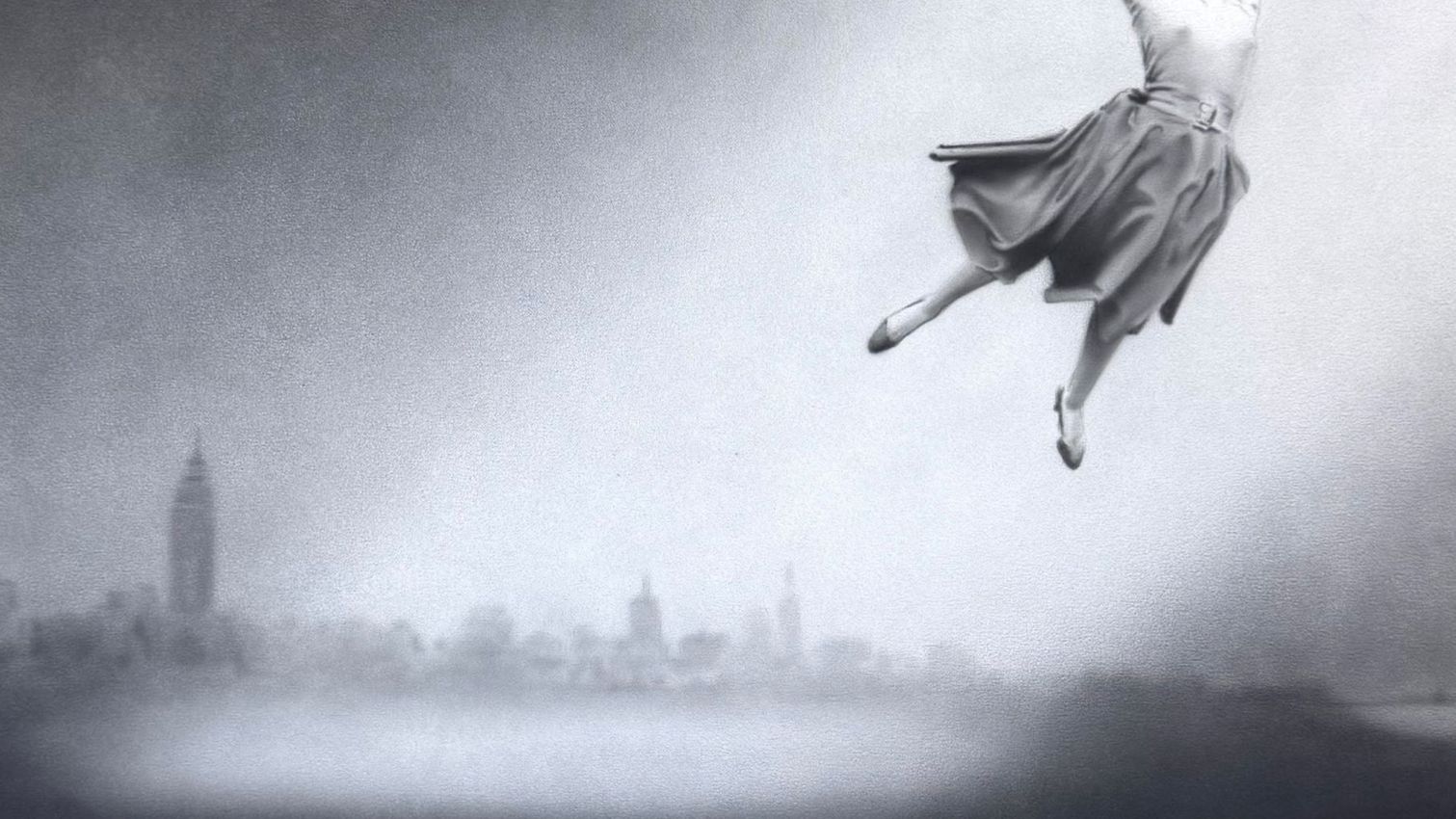
The exhibition, Grasso’s first solo presentation with Perrotin in Hong Kong, is titled after his latest investigation into the idea of exploring the contemporary world anew. Key to these ongoing studies is his recently debuted film Artificialis, which was produced in collaboration with the Musée d’Orsay. Film has been a core medium in Grasso’s artmaking employing overhead camera shoots and various technologies and instruments to reveal things invisible to the human eye. His first encounter with Hong Kong 18 years ago culminated in one of his earliest films to be shot aerially on a helicopter flyover (Radio Ghost, 2003). Artificialis is Grasso’s first film to be made up entirely of treated footage.

In 2017, the museum commissioned Grasso to create a large-scale work in dialogue with its exhibition, The Origins of the World: The Invention of Nature in the 19th Century. Using Darwin’s theory of evolution and On the Origin of Species as a point of departure, Grasso, together with his studio, engaged in an in-depth, three-year examination into the development, mutation and transformation of the natural world, researching the irremediable alteration of nature by humankind, and the intertwining of the natural and cultural worlds. Grasso concentrated on examining spaces and phenomena in which the boundary between nature and culture has become indistinguishable in a post-Anthropocene era. He proposes a reconsideration of our uncertain contemporary era through the prism of the nineteenth century, which was defined by the interweaving of beliefs and science, the emergence of Darwin’s theories, and architectural engineering of monumental structures such as the future Musée d’Orsay.

From this immense survey, Grasso composed Artificialis, an intricate collage of moving images and visualizations depicting scenes of expeditions and engineering ventures that blur the distinction between the natural and the artificial. In making the film, Grasso and his studio, assisted by a scientific team, undertook an extensive process of selecting and modifying existing footage (some of which had been captured through LiDAR scanners), facts, and narratives from a diverse array of sources. Artificialis, as envisioned by Grasso, ‘questions the notion of exploration through new tools, and reveals an invisible world, to which we had no access until now. It shows an ambiguous, spectral territory in full mutation, where reality and virtuality overlay, and where the landmarks are totally dissolved.’

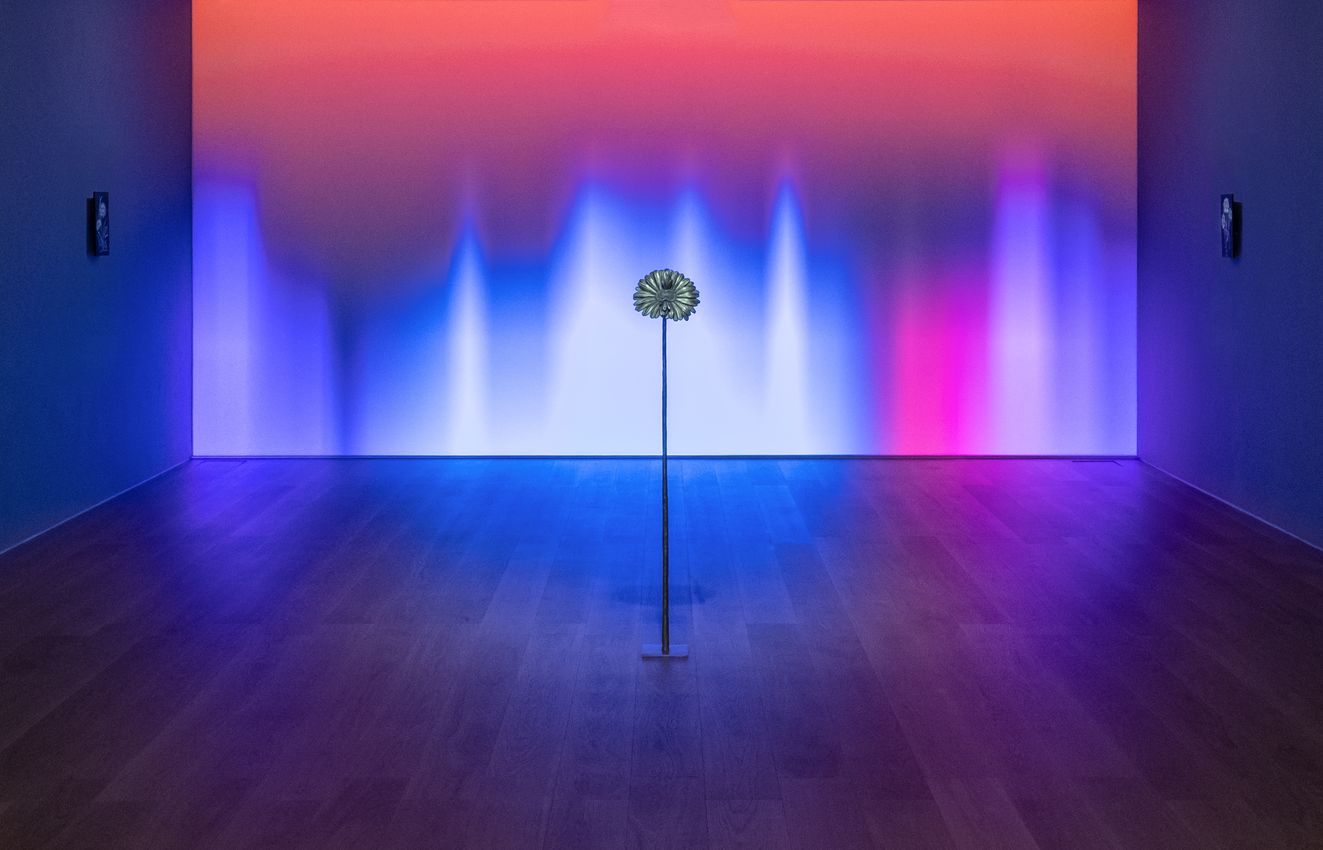
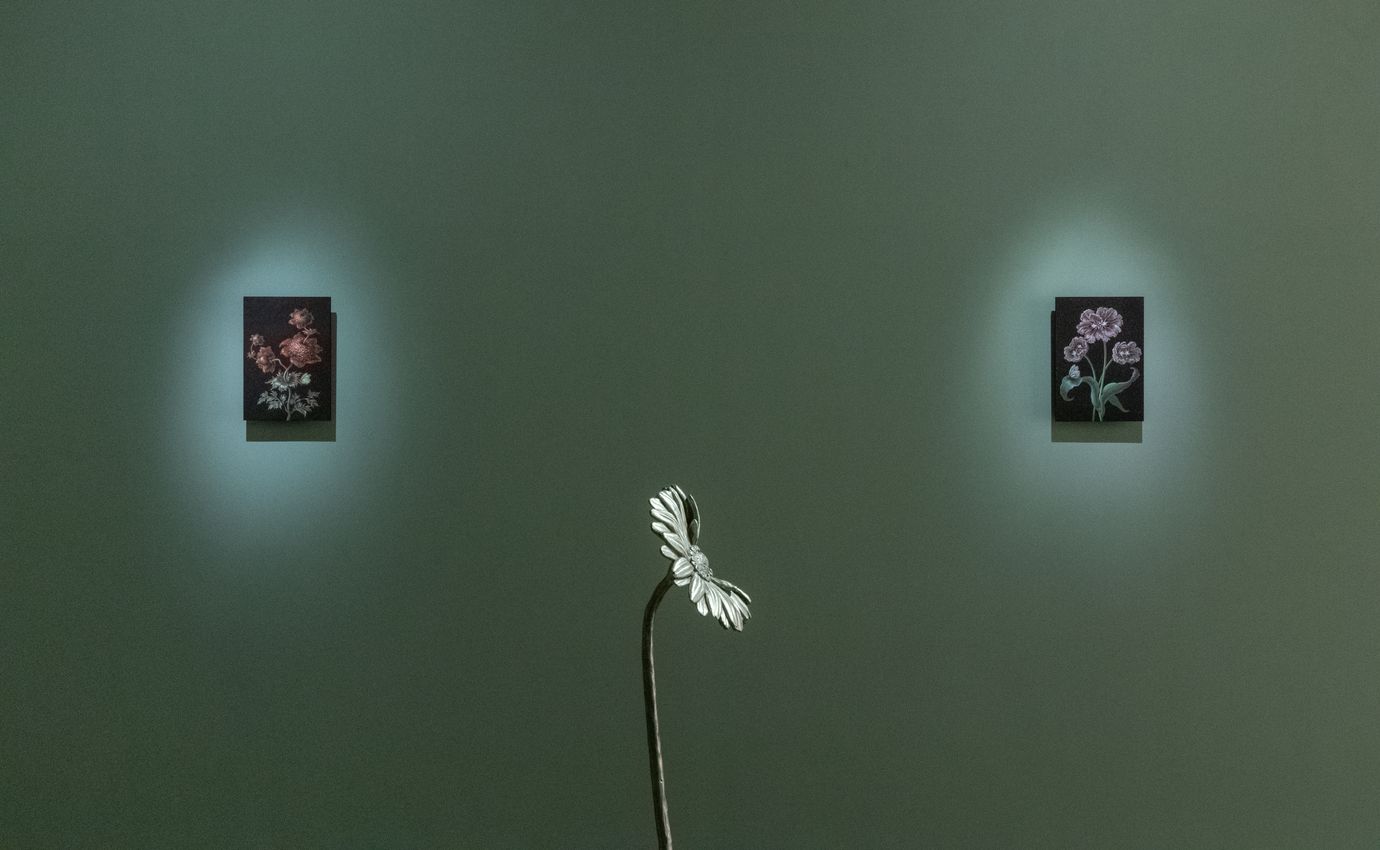
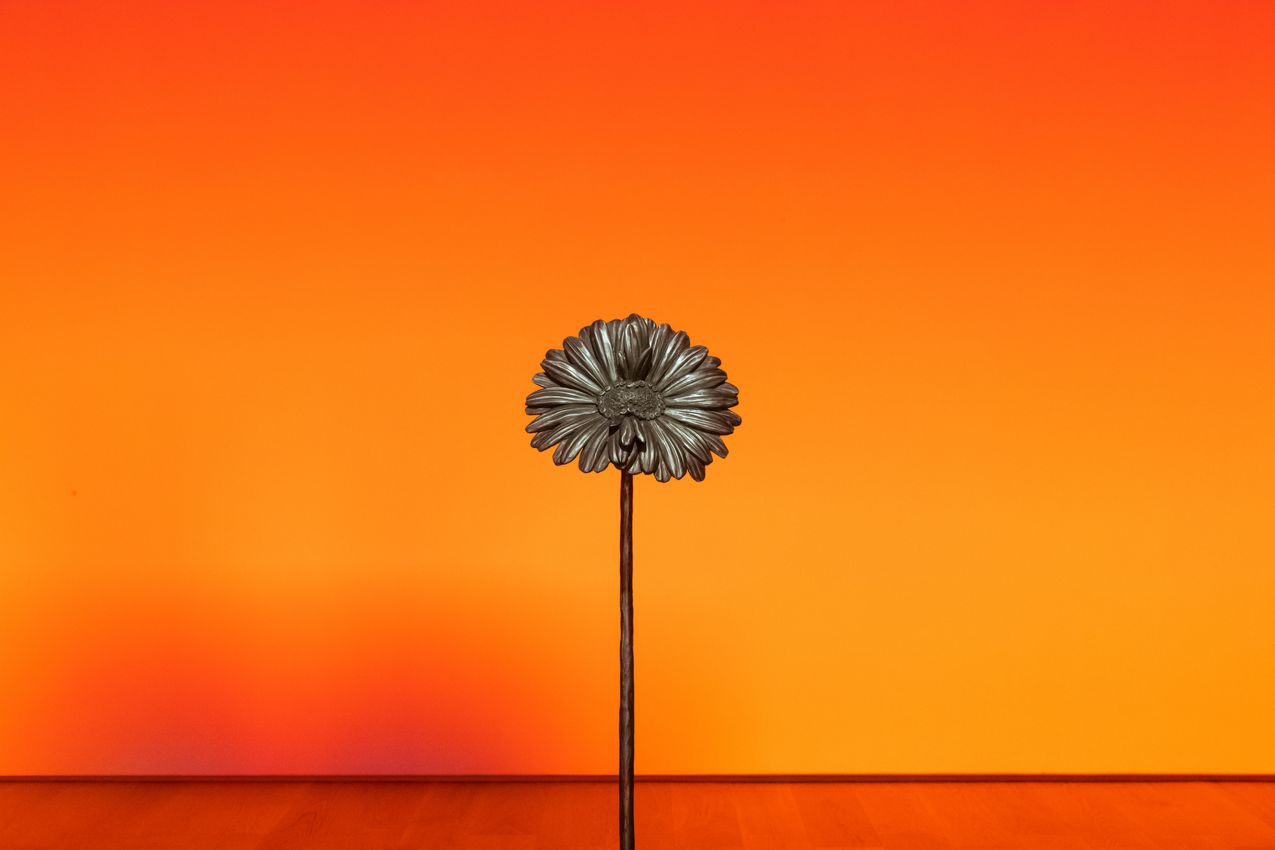
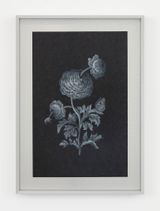
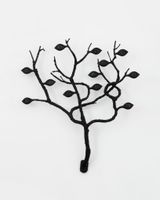
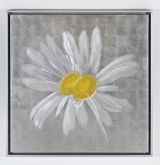
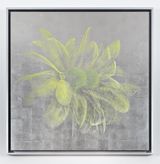
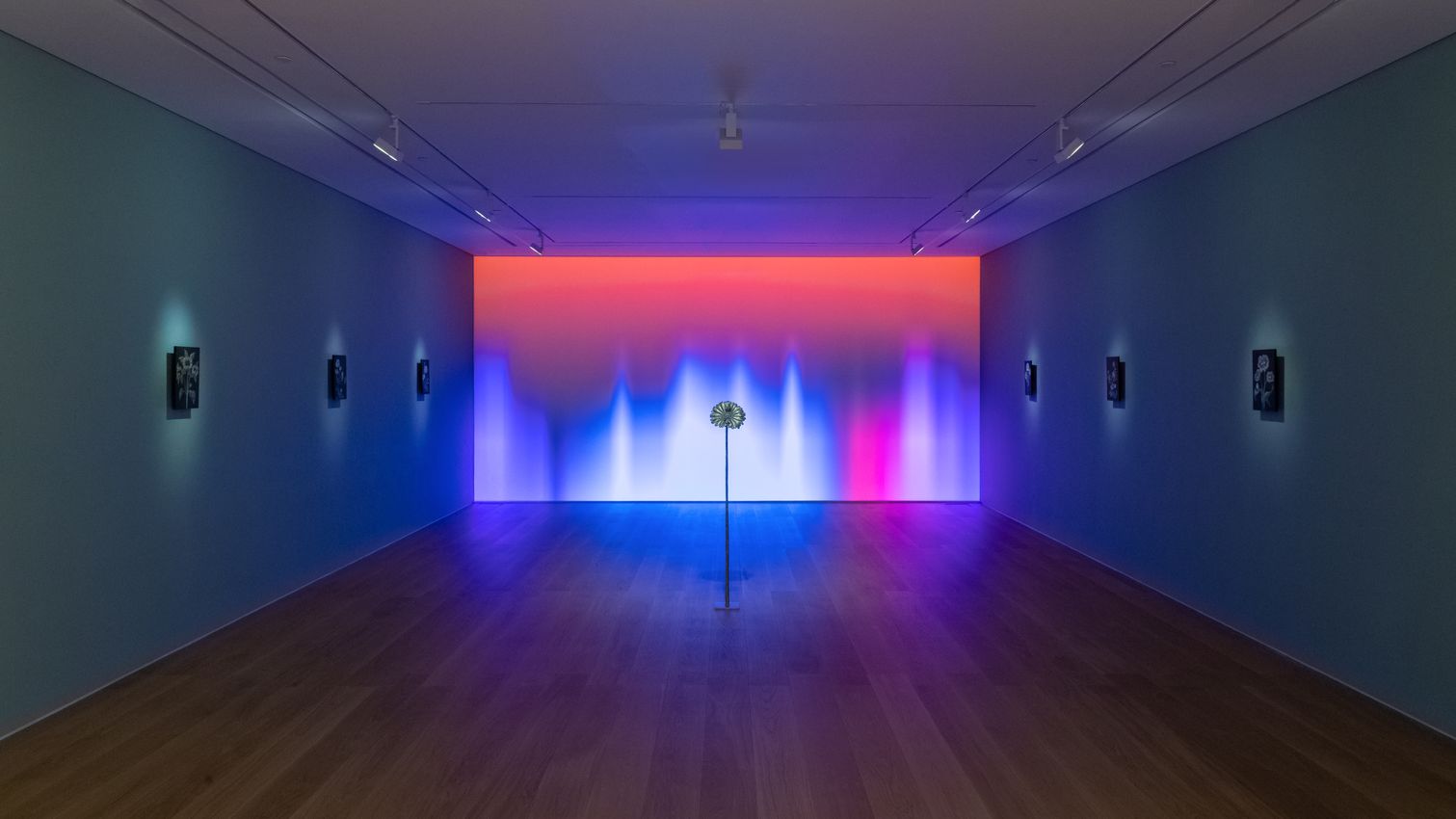
In parallel to Artificialis, Grasso developed Future Herbarium, a body of painted and sculpted flowers executed in the manner of nineteenth-century herbariums, shaped by observations of different species of flowers that mutated after the Fukushima disaster in Japan. Some of Grasso’s conjoined flowers are rendered as casted bronze and carved marble sculptures, suggesting fossilised forms of his painted specimens. One room in the exhibition is dedicated to works from this new series.

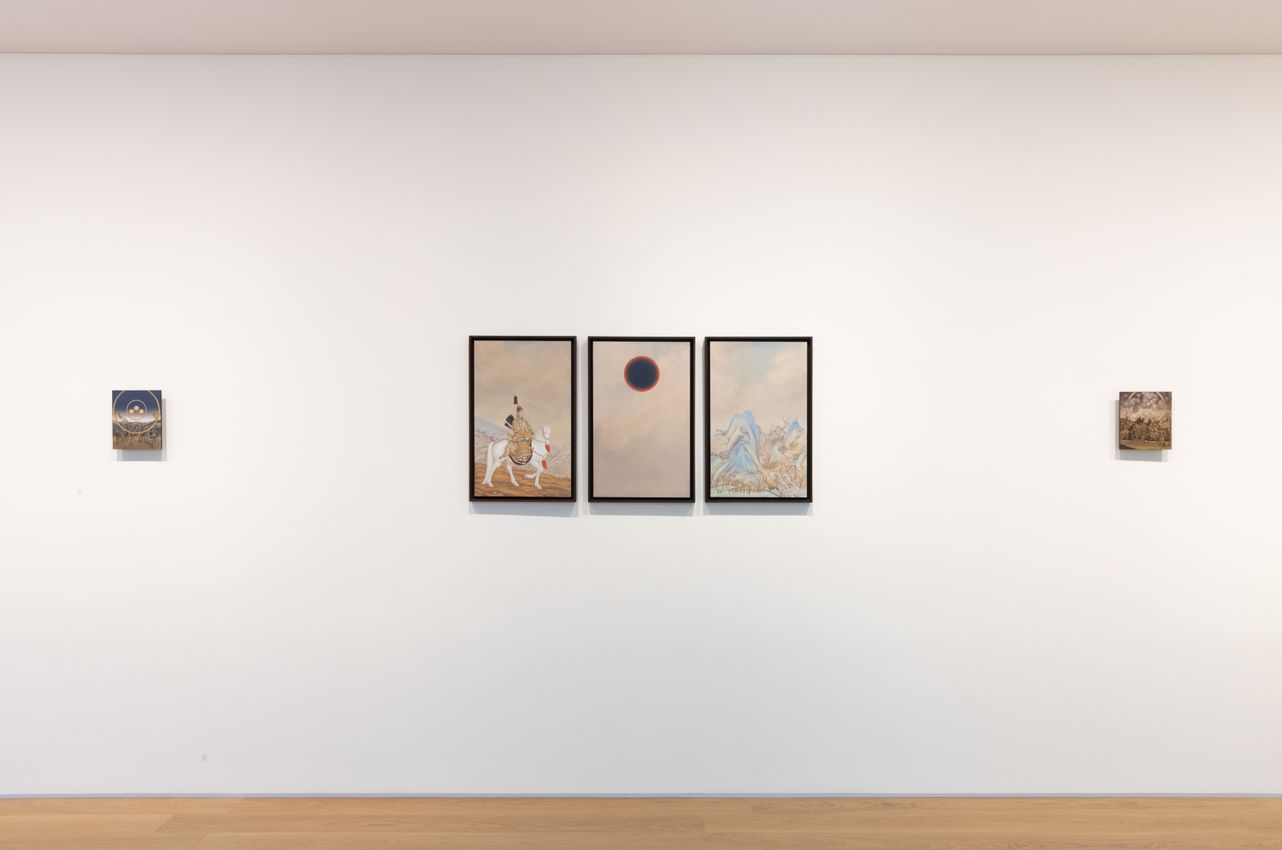
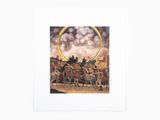
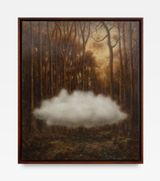
A second room features new works from Grasso’s emblematic series, ‘Studies into the Past’, which he initiated in 2009, reconstituting methods and imagery used by the Italian and Flemish masters of the fifteenth and sixteenth centuries such as Andrea Mantegna and Hans Memling. The mythological and religious narrative elements characteristic of the Renaissance, however, are replaced by celestial phenomena rarely illustrated before the nineteenth century, such as eclipses, auroras borealis, and meteorites. The insertion of fragments of the future into paintings seemingly from the past breaks the chapters in the history of painting. Manipulation of historicity permeates Grasso’s works. By modifying their relationship to time, integrating motifs borrowed from other cultures, and adding geographical confusion to the mix of temporalities, he creates what he calls a ‘false historical memory’, challenging the boundaries of what we perceive and know.

Grasso’s voluminous research includes an interest in Chinese folk beliefs, mythology, and cultural narratives. In particular, some of his works exhibited in this room were influenced by paintings of Italian Jesuit Giuseppe Castiglione (1688–1766), also known as Lang Shining in Chinese, who for most of his life served as an official portraitist for the imperial court through the reign of three Qing emperors. Castiglione’s paintings not only provide valuable insight into life in the Forbidden City; they are distinguished for his impeccable hybridisation of Chinese subjects and aesthetics, and Renaissance techniques based on the emphasis on perspective and realism.

Serving as the epilogue of the exhibition is Grasso’s video installation Solar Wind, also presented at the new Jeonnam Museum of Art, South Korea, for its inauguration in March. It articulates concepts of science, belief, illusion and fiction, based on his interest in solar storms and space meteorology. Grasso worked closely with the CNES (France National Centre for Space Studies), which collects data on solar activities from various laboratories, to devise an algorithm precise enough to react in real time to transmitted data. Fluctuations in the solar data are visually translated into light waves with the assistance of a team of optical engineers. The original version of Solar Wind (2016) is a permanent public installation its constantly morphing colours projected onto the walls of the concrete silos at Calcia’s cement manufacturing distribution centre in Paris.

The iteration in the exhibition features sound effects generated by the same algorithm. As Grasso explains, ‘I designed the project around my interest in theories about the sun. Solar Wind, shown on a LED screen, and as a site-specific projection, is an object that shines on the other works. Thus, the project relates solar rays emitted through the video onto the herbarium, as if they were exposed to these rays.’ In 1989, millions of people were plunged into darkness after geomagnetic disturbances caused by a solar storm knocked out electricity in the Canadian province of Quebec. Solar Wind hints at this unknown power beyond human control. Following the path of solar activity in real time, the light waves wander and linger around the room, while hundreds of millions of light years away, modern fears that are inseparable from human destiny are growing.

Read More

Installation Views

About the Artist

At the crossroad of heterogeneous temporalities, geographies and realities, Laurent Grasso’s films, sculptures, paintings and photographs immerse the viewer in an uncanny world of uncertainty. The artist creates mysterious atmospheres in which the boundaries of what we perceive and know are challenged. Anachronism and hybridity play an active role in this strategy, diffracting reality in order to recompose it according to his own rules. Fascinated by the way in which various powers can affect human conscience, Laurent Grasso tries to grasp, reveal and materialise the invisible. Ranging from collective fears to politics, through electromagnetic or paranormal phenomenon, the artist reveals what lies behind the commonly perceived and offers us a new perspective on history and reality.

View Artist Profile

Also Exhibiting at Perrotin

About the Gallery
Emmanuel Perrotin founded his first gallery in 1989 at the age of 21. He has opened since then over 17 different spaces, with the aim of continuing to offer increasingly vibrant and creative environments to experience artists work. He has worked closely with his roster of artists, some since more than 25 years, to help fulfill their ambitious dreams and projects. The gallery is now based in New York, Paris, Hong Kong, Seoul, Tokyo, and participates in all the significant worldwide art fairs each year (Art Basel (Hong Kong, Miami, Basel), Frieze (London, New York), FIAC (Paris), Dallas Art Fair, Art Cologne, Art Stage Jakarta, Expo Chicago, Art021 & West Bund Art & Design, Shanghai, Zona Maco Mexico, amongst others).
View Gallery Profile
Address
807, K11 Atelier Victoria Dockside
18 Salisbury Road
Tsim Sha Tsui
Hong Kong
Hong Kong
Opening Hours
Tuesday – Saturday
11am – 7pm
(1)
Hong Kong 807, K11 Atelier Victoria Dockside, 18 Salisbury Road
Perrotin
807, K11 Atelier Victoria Dockside, 18 Salisbury Road, Tsim Sha Tsui, Hong Kong, Hong Kong
+852 375 821 80
http://www.perrotin.com

Opening hours
Tuesday – Saturday
11am – 7pm
The art world in focus