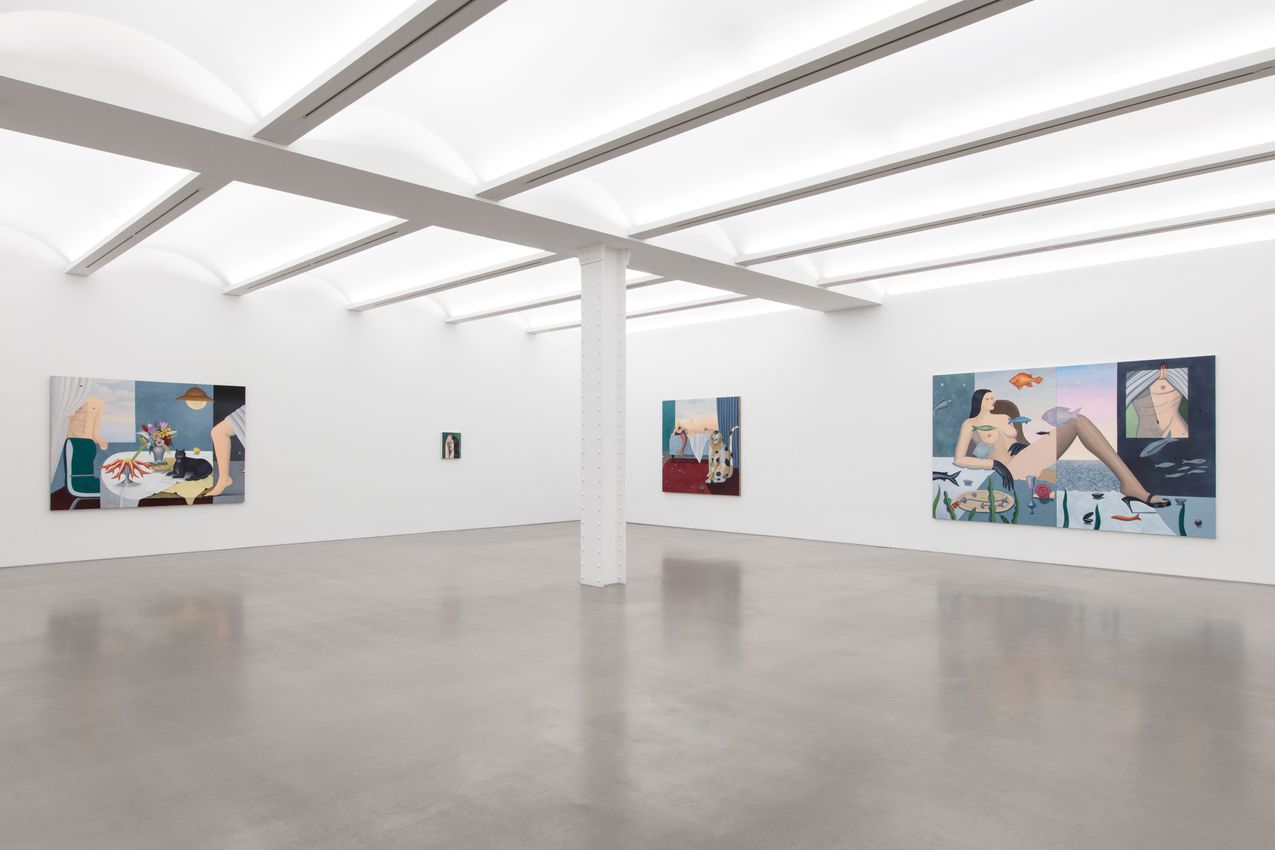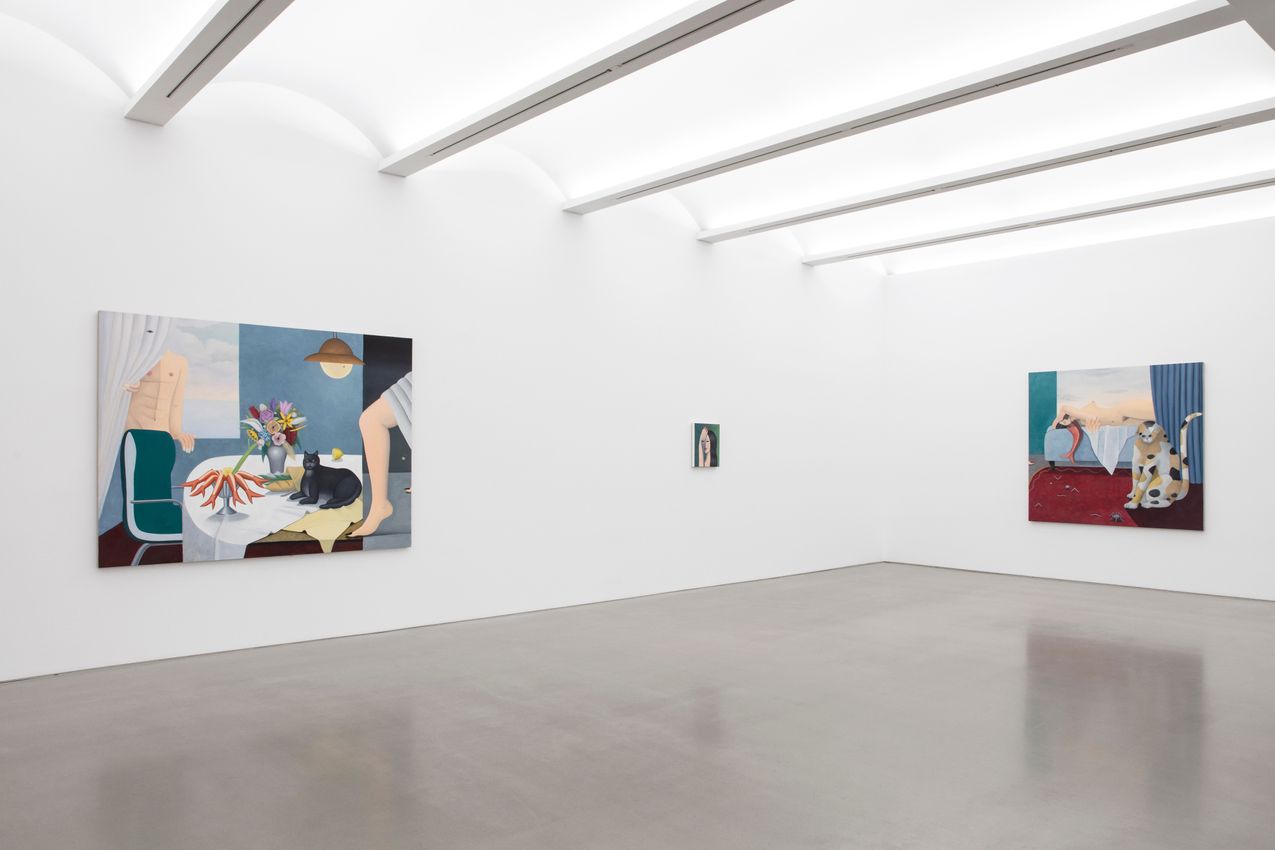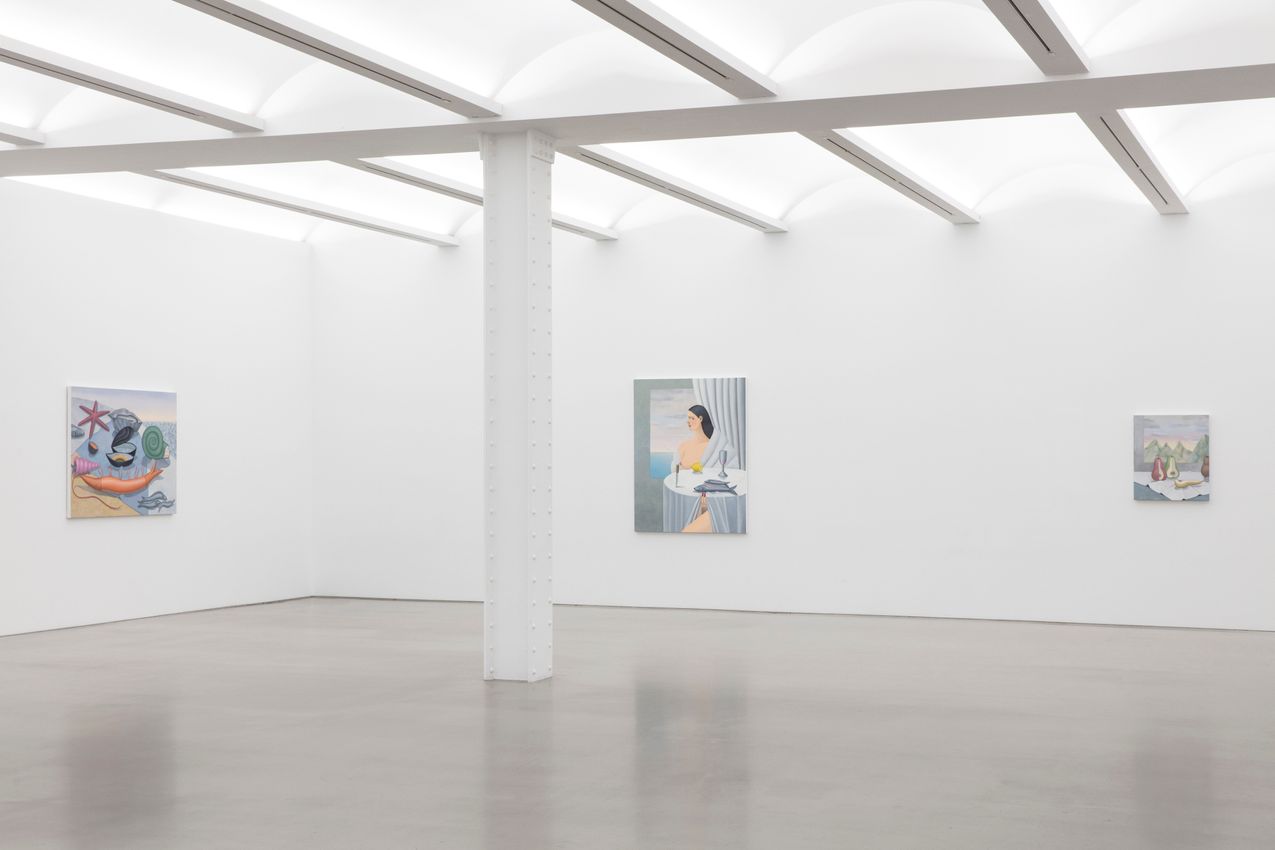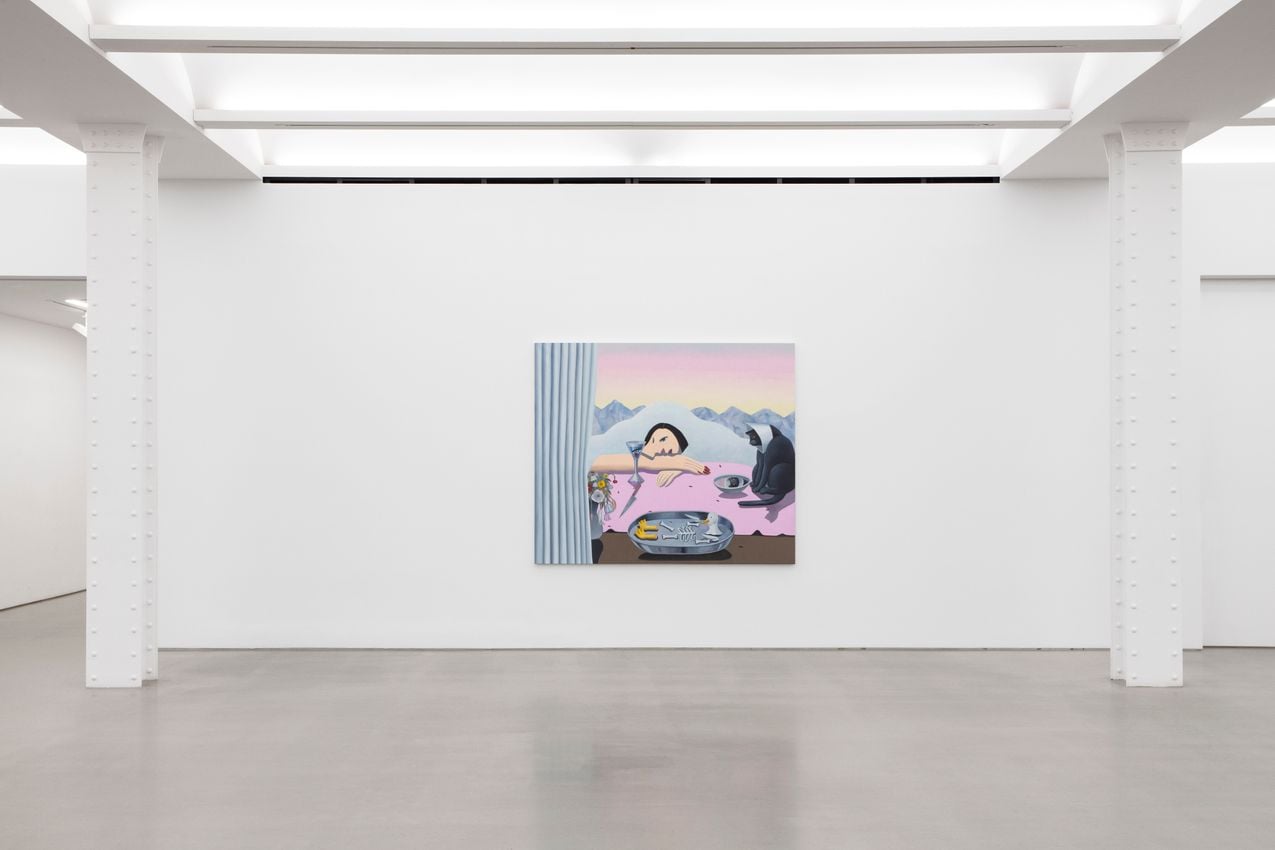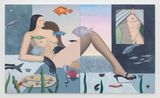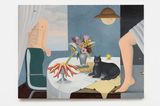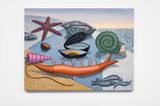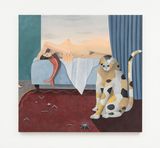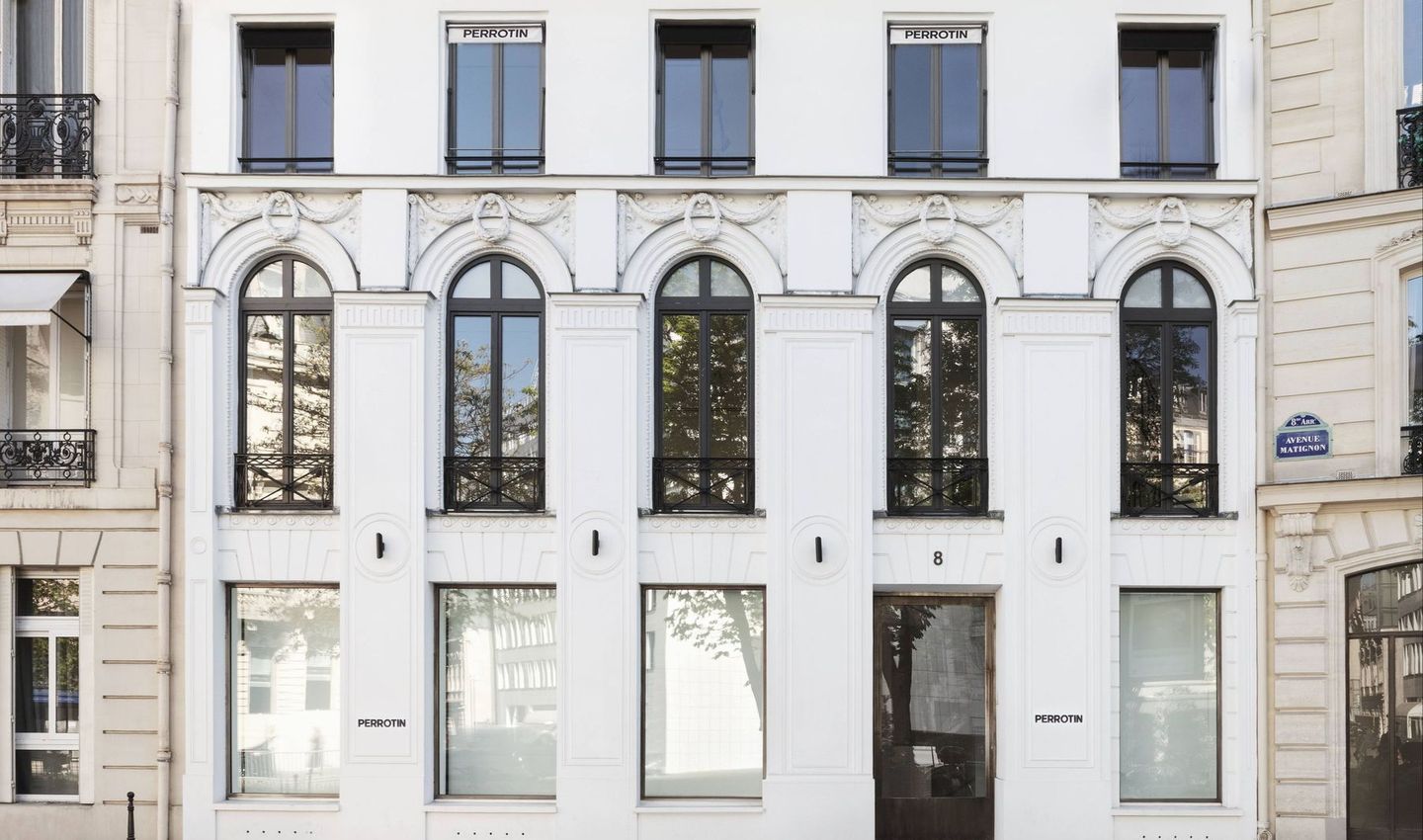




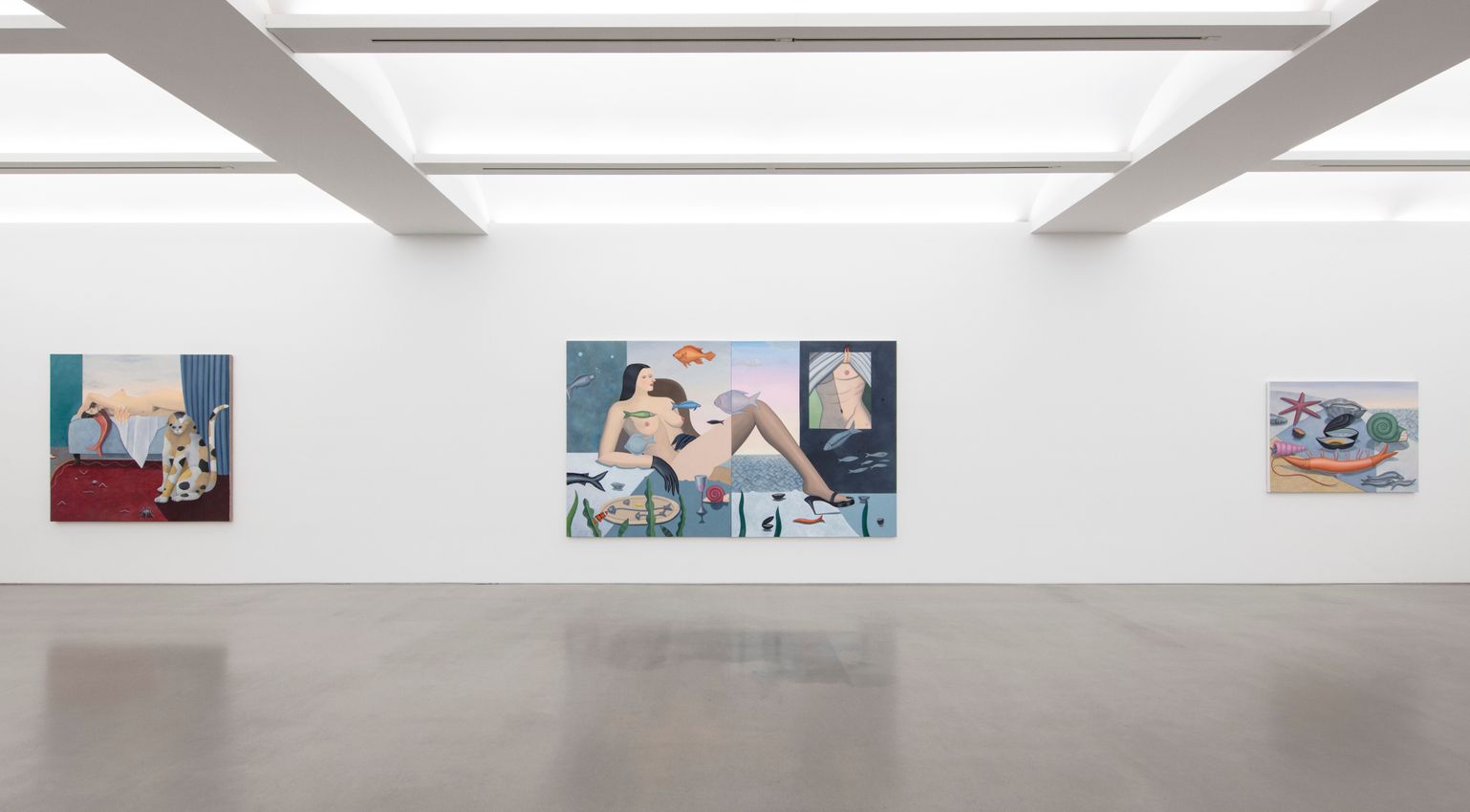
Perrotin is pleased to present Fun and Games, an exhibition ofnew paintings by GaHee Park. On view through April 6th, theexhibition consists of nine artworks that showcase her hyper-stylised romantic scenes, where art history’s favourite still lifesubjects appear to have soured.
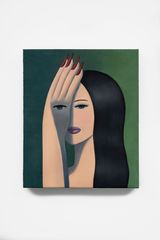
In GaHee Park’s fantastical, sensual, occasionally sinister paintings,time and place are indeterminate. The world she conjures could be aglimpse of a deep past, a reflection of the present or a portal into theunconscious. Her monumental figures and cool palette – peachy flesh,lemon yellows, limpid sea-blues and shimmering greys – suggestMediterranean islands and Classical civilisations filtered through whatcould be described as a Surrealist take on Pop. Dreamy, naked,smooth-skinned women inhabit rooms in which windows – orpaintings-within-paintings? – and extroverted still lives throb with anotherworldly energy. Humans happily cohabit with animals, includinga giant cat, a muscular ant, a spider the size of a fist. Now and then,the woman’s solitude is interrupted by a nude man – toned, young,handsome, moustachioed – whose limbs commingle with hers to sucha degree that, at times, they become one.
Park’s characters appear at home in their fragmented bodies. In UnderCover (2023), a woman sits at a table, set with a lemon, two fish anda knife; her nipple almost touches its handle. Two eyes look out fromthe side of her face. (Often, Park’s women have multiple eyes, whichintermittently attach themselves to alcoholic beverages, such as inBetrayal (Sweet Blood) (2020), Tipsy Lovers (2021) or Domaine deFatigue (2022).) With a couple of talon-like fingers – their nails sirenred – the protagonist lifts the tablecloth to allow us a peek of herpudenda and a slim thigh. The perspective, however, is skewed: as in17th century Mannerist art, her lower body could not logically connectto her torso. At times, in works such as Feast Night (2018), Shrimpsand Cocktails (2019) and Cat with a View (2022), the femaleprotagonist is observed by a recurring feline form, an external presencewhich suggests a shift in perception from human to animal.
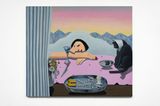
In Fun and Games (2023) a single, sleeping, female – a pert breastrising like a small mountain on the horizon – has two heads, one ofwhich rests on a large, ochre-red fish. At the centre of the image, twohands, with long identical fingers, clutch each other; another redfingernail is visible to the left. Like a sentry guarding the woman, a large, mottled, cat-like creature in the foreground calmly observes twospiders, one intact, the other with its legs torn off and scatteredaround its body. A curtain to the right suggests something hidden; italso nods to the elaborate drapery so familiar to Renaissancepaintings. Park cites the 14th century Italian artist Giotto as aninfluence, along with painters such as Philip Guston, the surrealistsGertrude Abercrombie and Max Ernst and, more recently, NicoleEisenman – all artists whose work, from myriad angles, commingles arobust figuration inflected by a sense of artifice, instability orstrangeness.
Brought up in a strict Catholic family, Park has long employed paintingas a form of exorcism: of guilt, of female desire, of transgression. Theartist grew up hiding her inner life; each day involved decisions aboutwhat to reveal or conceal. Secretiveness became a necessary self-protection and drawing a way of expressing her sense of familialalienation. Perhaps this is why the women Park paints are nevervictims: their bodies are powerful, their expressions inscrutable – theirthoughts are their own.
It’s important to Park that her paintings operate from a position ofambiguity. She describes her approach as one that combines a searchfor beauty with a need to probe ‘the things we don’t talk about’. Assuch, she’s fascinated by the potential of still life – one of the mostcoded of genres – to express something more complex than the sum of its parts. In World of Tails (2023) a bunch of lush lilac, yellow,burgundy blooms in a grey vase are placed on a table alongside a loafof bread, an impassive black cat, a lemon and an arrangement ofprawn tails as exuberant as the legs of chorus girls doing the high kick.To the left, a faceless, bare-chested man enters via a window, pushingthe curtain back. To the right, a woman’s enters, but only her leg isvisible; it touches the table lightly, as if testing the ground. Perspectivesshift; instability and a sense of suspension is the order of the day. Thecharacters move towards each other in a space defined via flat planesof near abstracted blues and patterns formed of hard edges andcurves. Their journey, however, is, like the flowers, forever stilled; theirmeeting will never happen. This is, after all, a painting. The artist makesclear: how we choose to define reality is up for grabs.
– Jennifer Higgie
Press release courtesy Perrotin


A respected voice in contemporary art discourse.
Focusing on ambitious storytelling and insightful art-world commentary. Ocula Magazine publishes in-depth interviews, critical essays and timely analysis on the artists, exhibitions and ideas driving the global art world.
Learn more about Ocula Magazine
Showcasing the best of the art world.
Ocula partners with galleries from around the world to highlight their artists, artworks and exhibitions. Gallery membership is by application and invitation, with each member vetted by an independent panel.
Learn more about Ocula Membership

Specialises in the sale of major artworks.
Led by a team with deep ties to the world’s leading auction houses, galleries and collectors. Ocula’s advisory team offers bespoke services to high-net-worth clients from around the world who are looking to acquire the best of contemporary and modern art.
Learn more about our team and services