Press Release

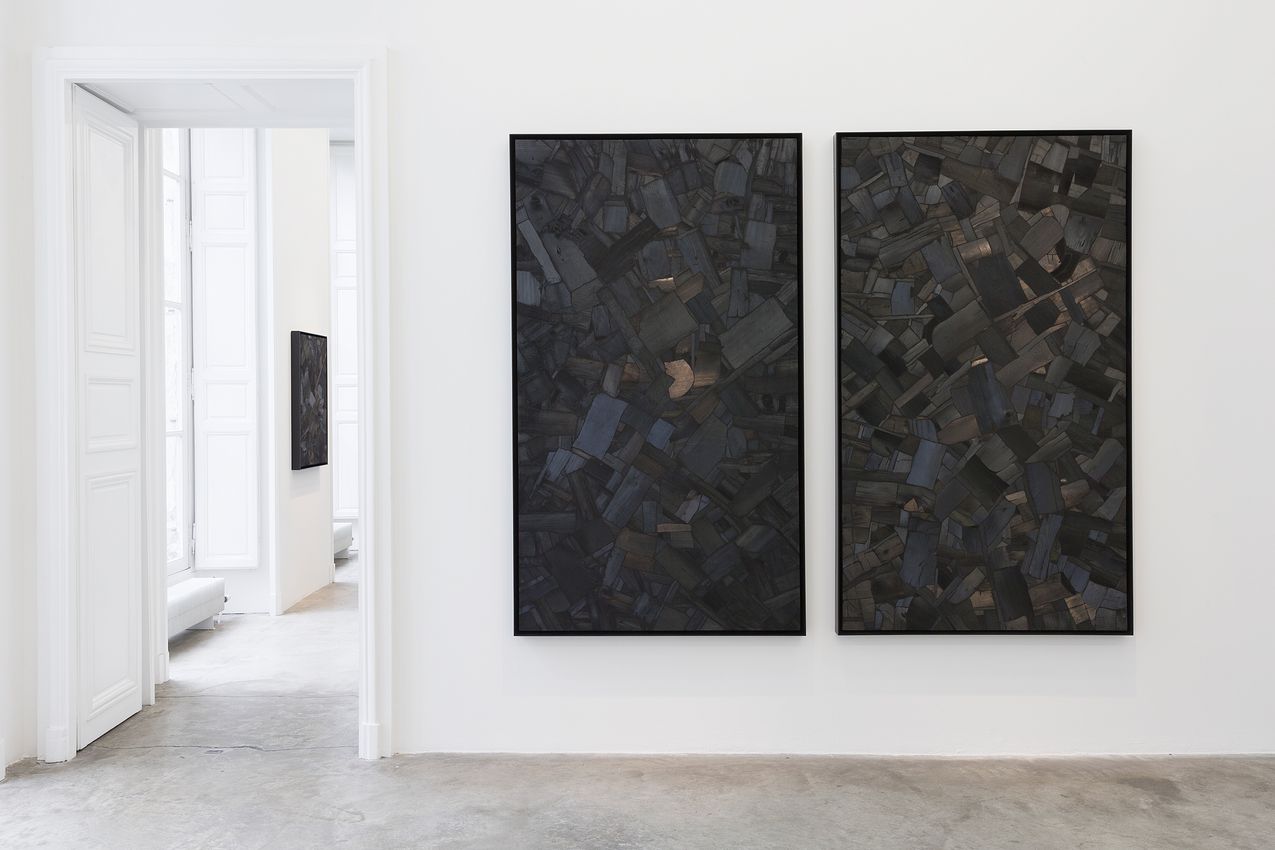
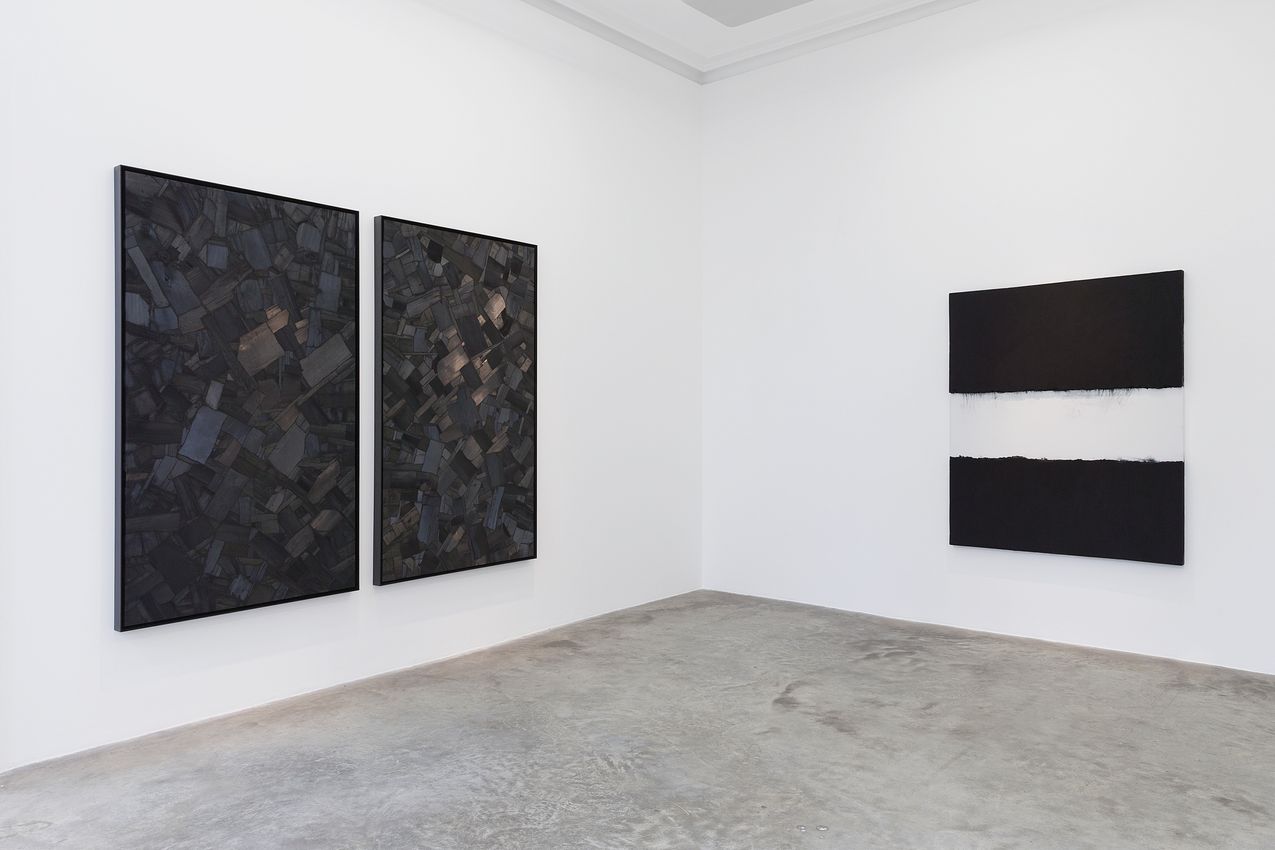
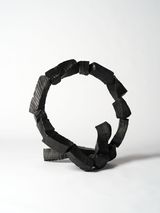
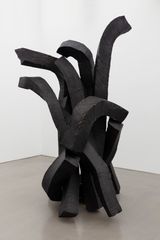
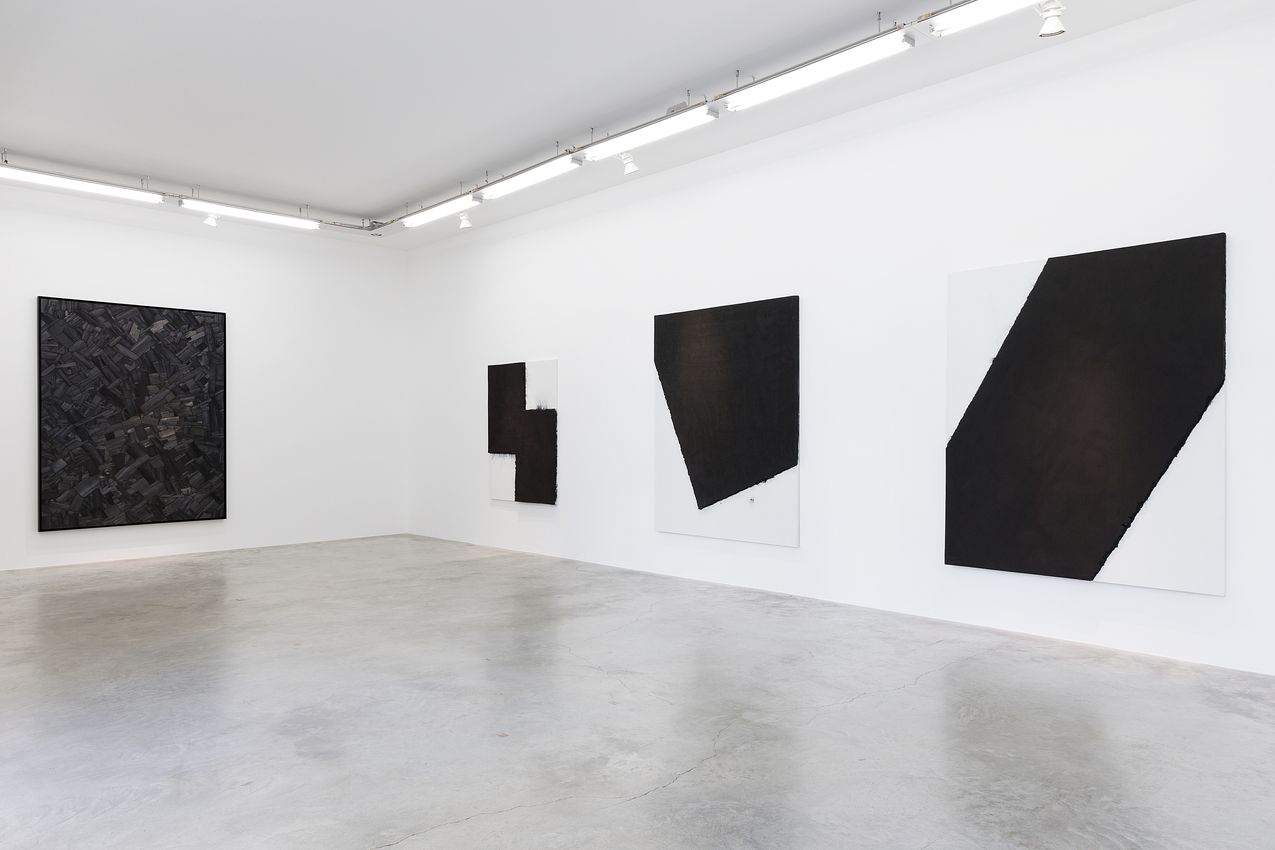
Of Lee Bae’s works that we have seen in the past few years, his black and creamy white paintings done in acrylic are the most prevalent. But we are less familiar with his earlier works, those of the late 90s-early 2000s, which, at a time when he was not as well known as today, were exhibited only rarely, and some not at all. Yet these works, which could be referred to as from his charcoal period, in addition to their astounding power, correspond to a seminal moment in the artist’s career. They coincide with his arrival in Paris and mark a decisive turning point in his creative process with the discovery and use of what was a new material for him: charcoal.

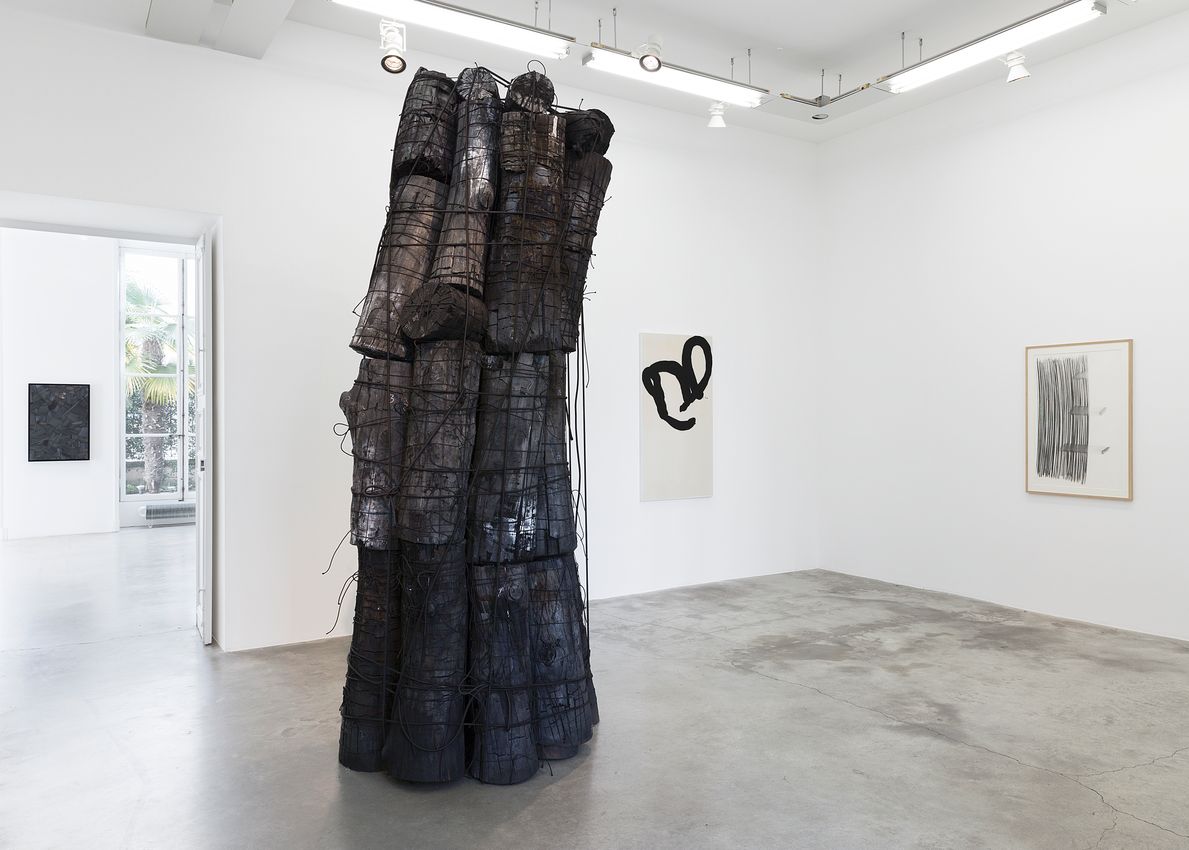
As Lee Bae has often repeated, there were several factors that led him to use charcoal when he came to France in 1990. First and foremost was the fact that it reminded him of his roots, the world of India ink, calligraphy, and a deep grounding in Korean tradition with its strong symbolism and poetic weight. Charcoal would allow Lee Bae to combine and align the two subjects that had always motivated him: a reflection on the material and a quest for blackness. In other words, on one hand the material in itself, for its sculptural qualities, and on the other hand, the material as a means of achieving tonality.

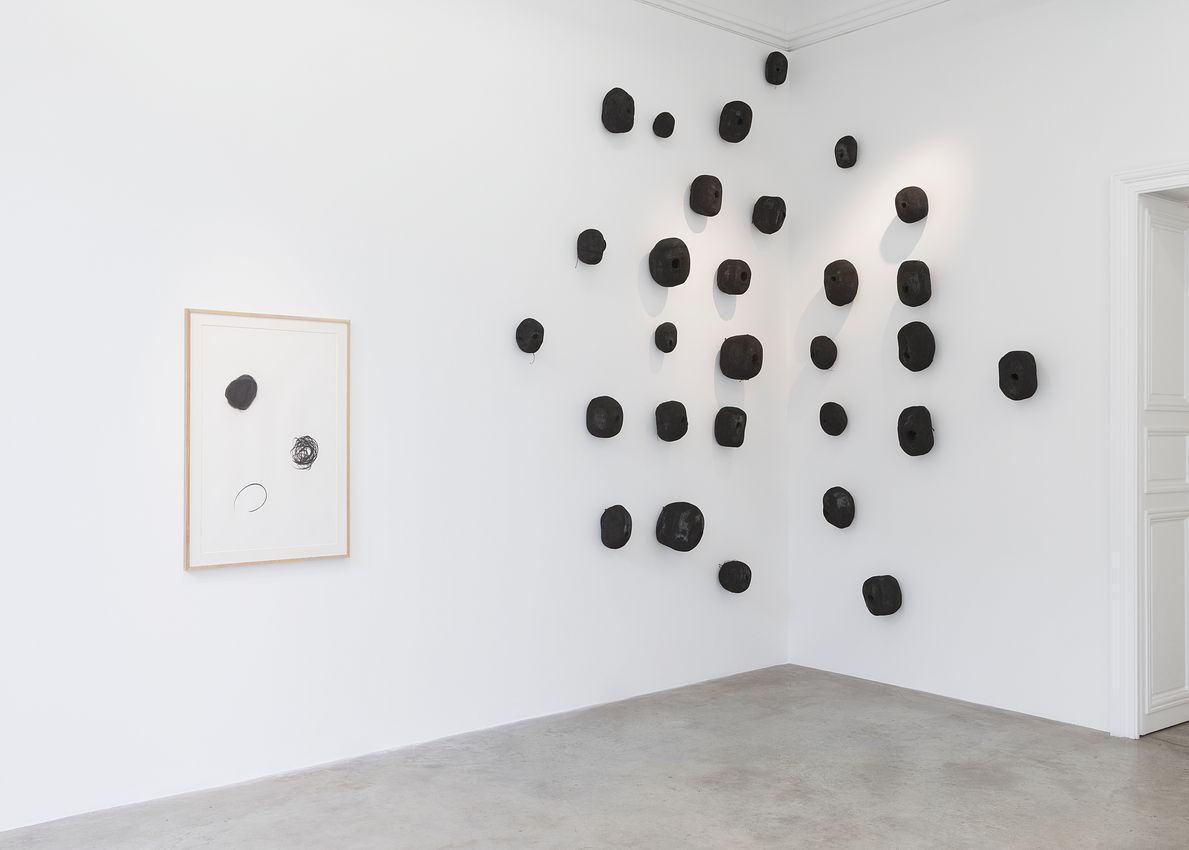
Charcoal proved to be a powerful source of energy, both literally and figuratively, a concentration of life. Lee Bae would assert the presence of this raw material, play on its physicality, revive its existential dimension and draw out all the aspects, using pieces of various kinds to produce sculptures, installations and paintings.

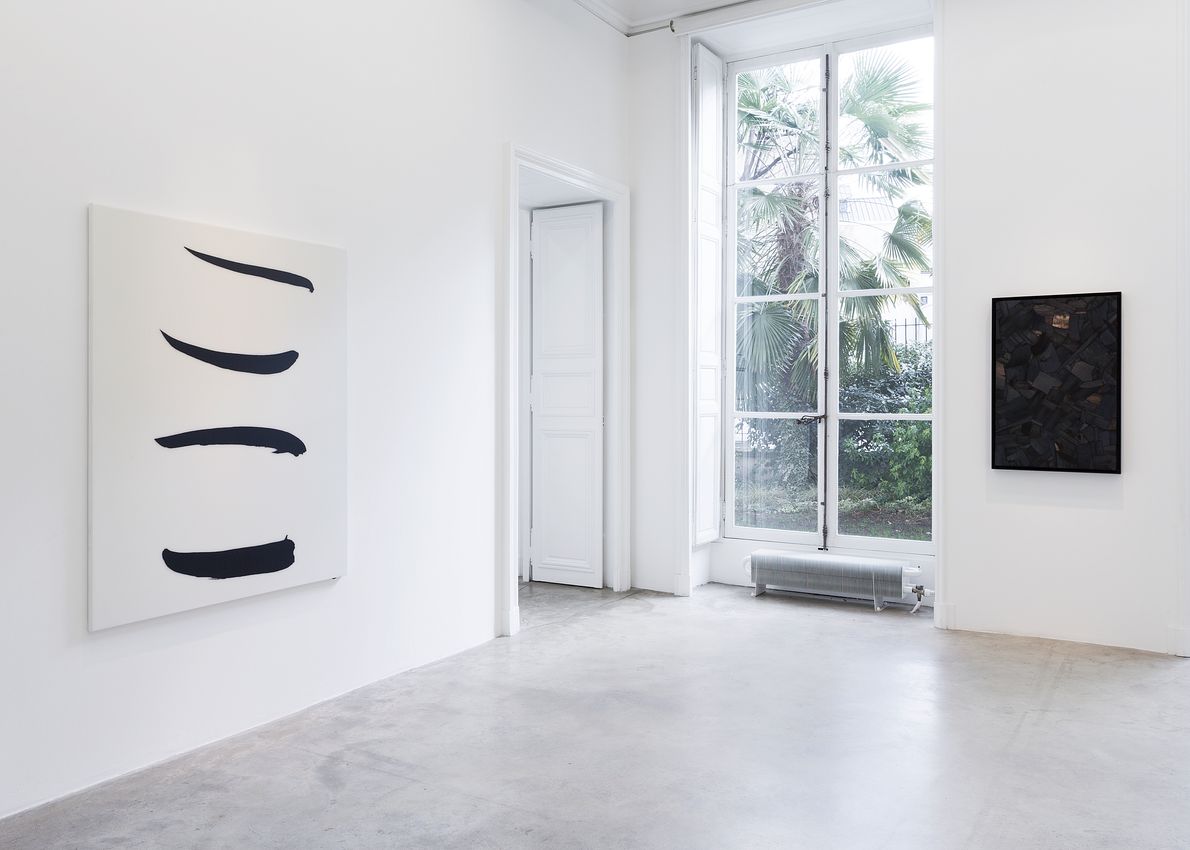
For the latter, the artist sharpened, juxtaposed, glued and smoothed his shards of charcoal. He worked the surface, revealed black highlights, and played with shimmering effects to create a mosaic of shadow, light and gradation. It is upon viewing these artworks that we understand the subtlety of the link with the period that followed, and how Lee Bae shifted the focus of his work from the planarity of black to the depth of black.

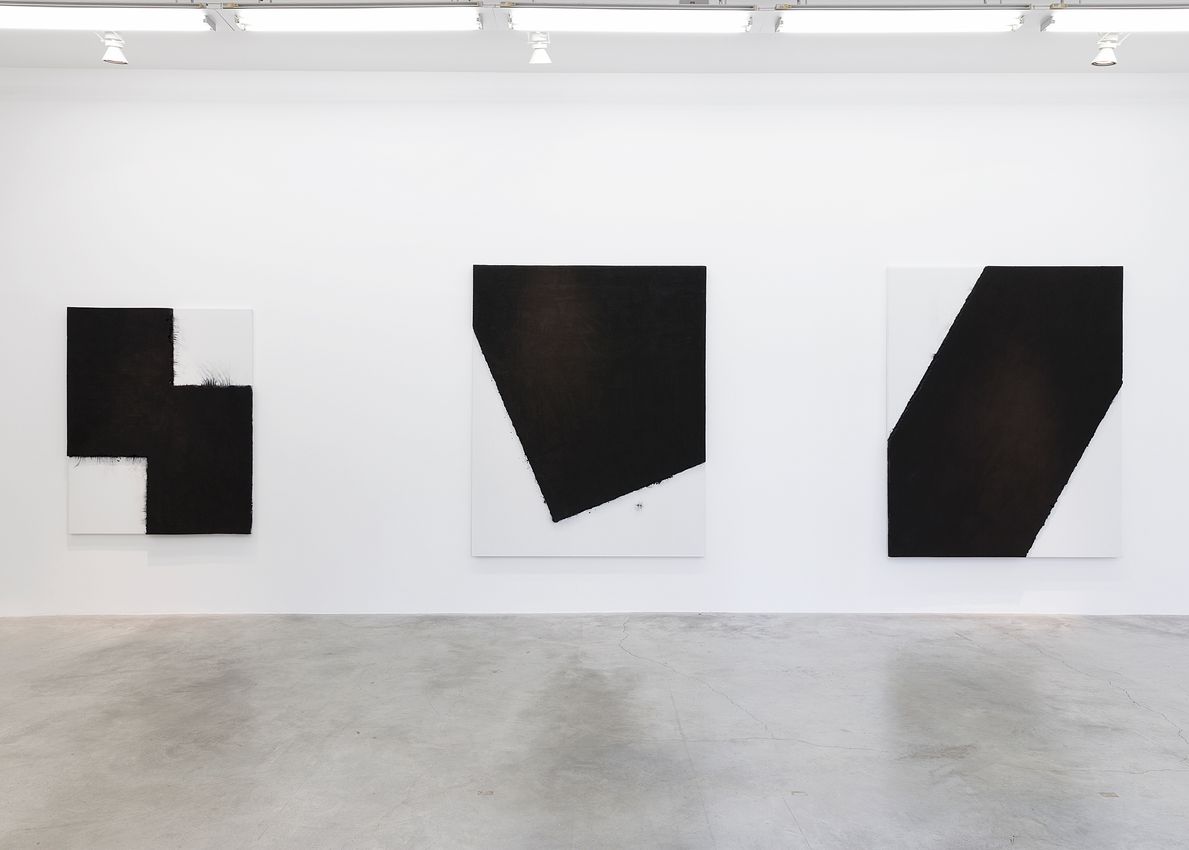
In the early 2000s, Lee Bae felt compelled to move away from charcoal: one day, as if he were making a performance or a happening, he threw the powder and the pieces around him up into the air. Perhaps it was his way of letting the charcoal go up in smoke? From that point on, and again with great technical skill, he began a new series that he is still working on today, pursuing his exploration of black, but now playing on contrasts with white.

And so, it is still all about black. A quest for black like a quest for the Holy Grail. The black in which he strives to find nuances, vibrations, densities and depths. Unlike Pierre Soulages, who often said that what interested him about black was the way it projected light off the canvas, Lee Bae seeks to plunge into black, dig into it and magnify its properties, as much by playing with surface effects and reflections as by exploring its abysses. Lee Bae gives black a plural expression to invent new territories of black, whole continents of black, and thus chart out a map of black.

These works recall Lee Bae’s great interest in the material and his slow, methodical way of working it and leading us through it. They bring to the fore a spiritual quest and a dimension of time that is omnipresent in his creative approach: the time inherent in the very history of charcoal and the way he works it. We no longer see anything but these black masses filled with extreme tension, a tremendous energy, an incredible density that invariably draws and captures our gaze. Like a bottomless black well, in which we each find the depth we are willing to see and the vertigo we are prepared to feel. Like a black hole in the astrophysical sense of the word with matter so dense and compact that the black plunges infinitely into blackness. A beyond-black, in sum.

Henri-François Debailleux

Read More

Installation Views

About the Artist

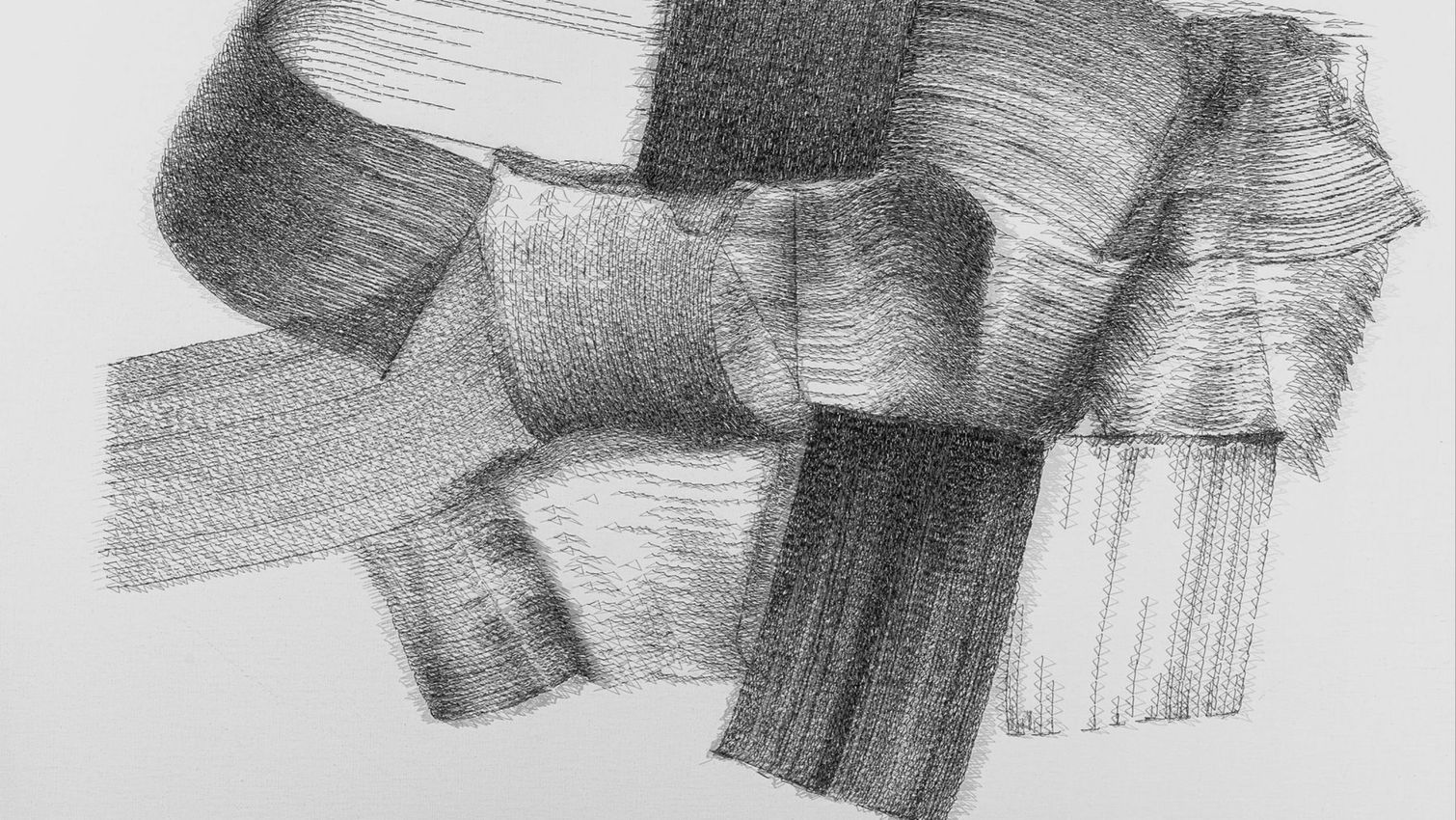
Lee Bae’s monochromatic practice is a formal and immersive quest into the abysses of blackness. Subtly blurring the lines between drawing, painting, sculpture and installation, he has shaped his abstract aesthetics across categories to grant the non-colour tangible depth and intensity. Until the mid-2000s, he worked exclusively with raw charcoal to create minimal and refined, mosaic-like assemblages of charred wooden shards or chunks on canvases, as well as larger sculptural arrangements of carbonised trunks. Obtained by burning wood and used to revive fire, charcoal offers a powerful metaphor for the cycle of life that has further inspired him to open his exploration onto the fourth dimension of time. While he has moved on to solely working with carbon black, a substance close to soot, Lee Bae’s latest series of pictorial works crystallises random elemental gestures, which he practices beforehand with Indian ink on paper, into thick layers of translucent acrylic medium resembling wax.

View Artist Profile

Also Exhibiting at Perrotin

About the Gallery

Emmanuel Perrotin founded his first gallery in 1989 at the age of 21. He has opened since then over 17 different spaces, with the aim of continuing to offer increasingly vibrant and creative environments to experience artists work. He has worked closely with his roster of artists, some since more than 25 years, to help fulfil their ambitious dreams and projects.

View Gallery Profile
Address
76 rue de Turenne
Paris
France
Opening Hours
Tuesday – Saturday
10am – 6pm
(1)
Paris 76 rue de Turenne
Perrotin
76 rue de Turenne, Paris, France
+33 1 42 16 79 79
http://www.perrotin.com

Opening hours
Tuesday – Saturday
10am – 6pm
The art world in focus