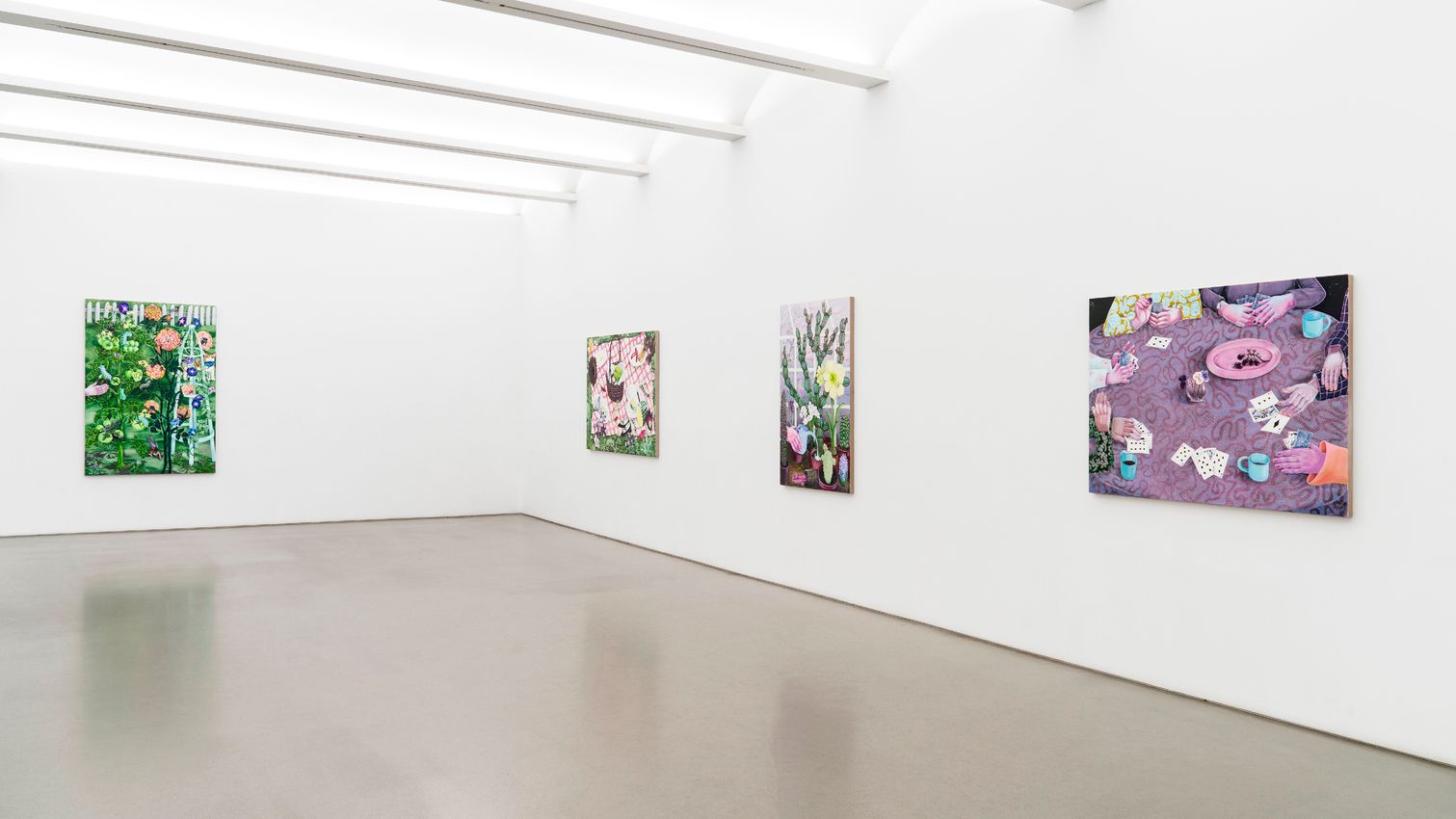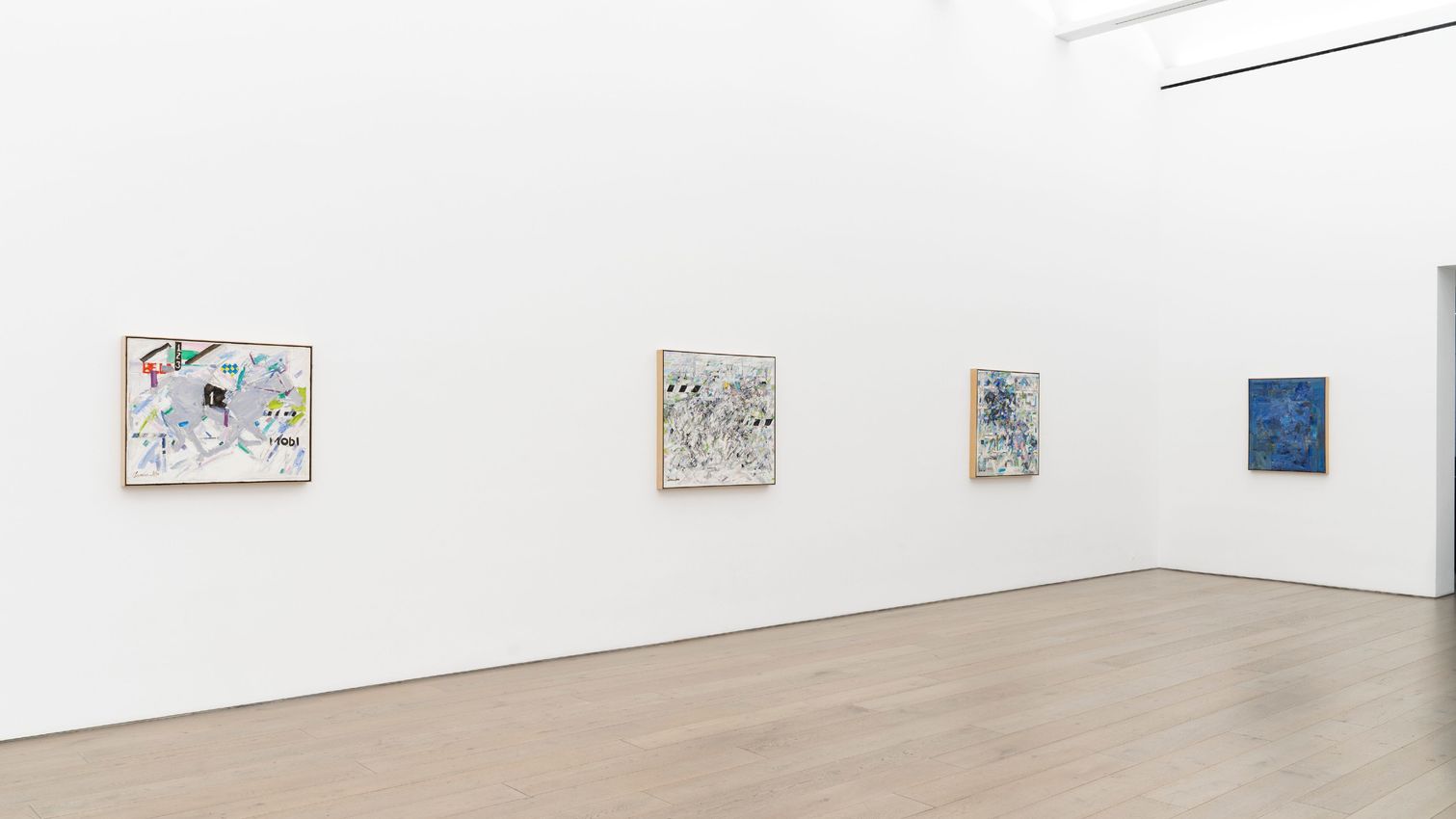




Art collective MSCHF returns to Perrotin New York with Industry Plants. The exhibition will present a selection of iconic artworks that challenge our understanding of what constitutes a ‘masterpiece.’ Additionally, the collective debuts a collaboration with Italian design brand Gufram, marking MSCHF’s furniture debut.
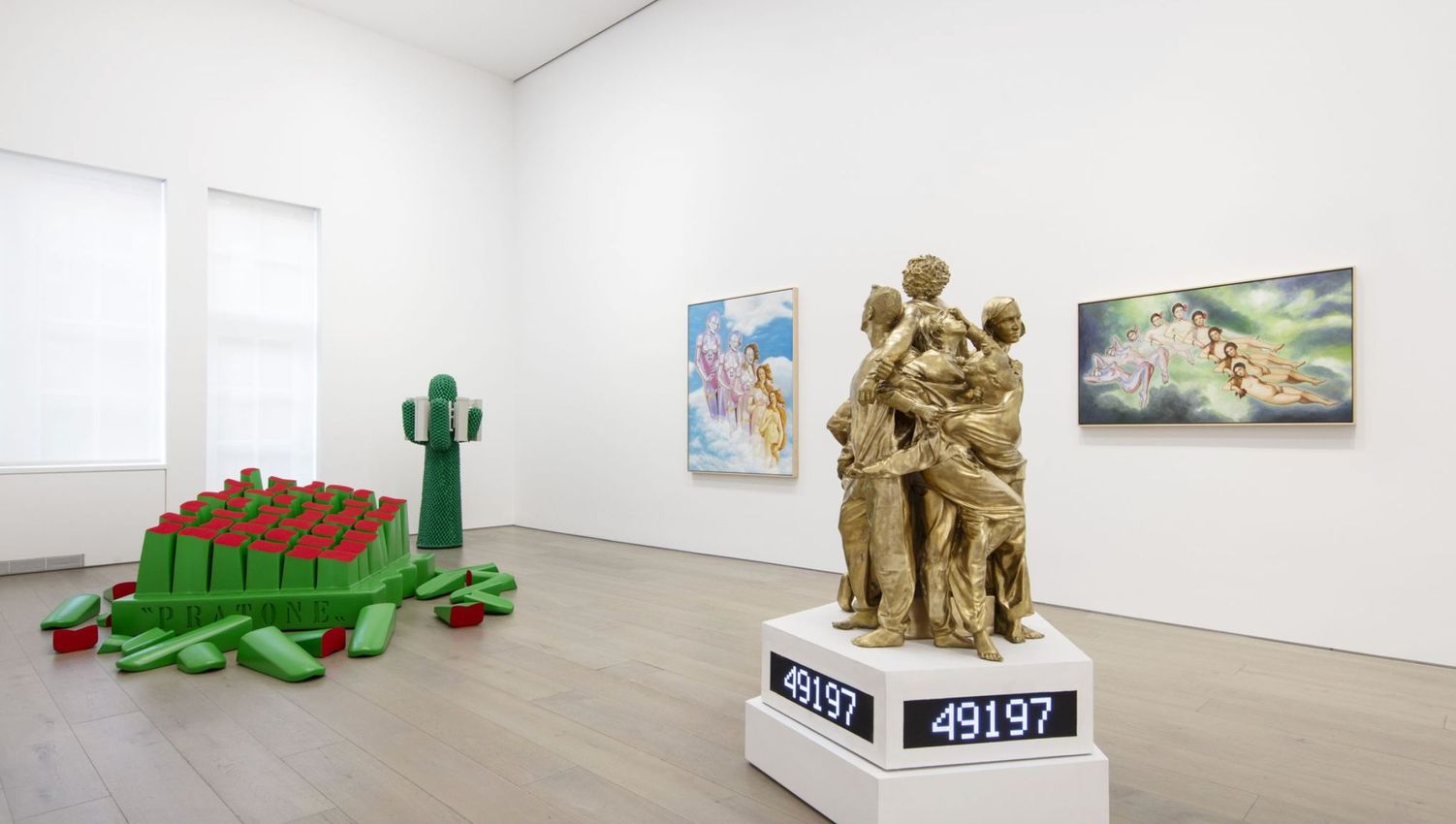
Sprouting from the landscape of MSCHF’s third exhibition at Perrotin are two new large-scale works created in collaboration with the renowned Italian furniture company Gufram. Since 1966, Gufram has been responsible for producing some of the most provocative and iconic creations associated with the Radical Design movement. Art historian and curator Germano Celant introduced the term ‘radical’ to describe the various architects and designers operating in Italy who sought to critique bourgeois consumerism and the self-righteous functionalism of modernist design through their embrace of eye-catching, unconventional forms and new manufacturing techniques and materials. Responding to both the particularities of the Italian postwar economy and the larger waves of sociocultural unrest sweeping the globe in the 1960s, these designers—many of whom worked collectively, as MSCHF does today—viewed design as a tool to bring about revolutionary shifts in how people conceived of and engaged with the world around them. Their visually striking designs quickly gained international recognition through the circulation of images in design magazines and as the subject of the groundbreaking exhibition Italy: The New Domestic Landscape, held in New York at MoMA in 1972.
Pratone®, one of the works that has been reconceptualised by MSCHF for the Perrotin show, was featured on the cover of the MoMA catalogue: amidst an entire exhibition dedicated to innovative, avant garde designs, this ‘chair’—consisting of springy, oversized blades of bright green polyurethane grass— was a clear standout. Initially conceived by Giorgio Ceretti, Pietro Derossi, Riccardo Rosso, produced by Gufram, Pratone® upended the conventions of seating design while playfully raising the question of humankind’s relationship to the natural world in an era of hyperconsumption. Over fifty years later, in Cut Pratone®, MSCHF prompts a reconsideration of both the original question and the design that posed it by slicing through the thicket, scattering clippings and revealing the Pratone®‘s bloodied foam innards. This cutting rejoinder—pun intended— carries on the spirit of the original design’s critical provocation by inviting viewers to interrogate the strategies, aims, and efficacy of the radical attempt to reshape society through design. At first glance, MSCHF’s act of design violence against one of the movement’s most recognisable icons conjures the title of the group’s 2023 major solo exhibition at the Daelim Museum in Seoul: Nothing is Sacred. Yet it is only through MSCHF’s dissection of Pratone® that we are able to recognise the persistent, pulsing vitality of the original design’s revolutionary aspirations and its immediate relevance to the conditions of our ecological and cultural present.
Whereas MSCHF’s hack of the Pratone® represents the first and only creative design intervention to that work since its introduction in 1971, 5G Cactus® is the latest in a series of creative collaborations between Gufram and contemporary artists and designers centring on the whimsical Cactus® coatrack, first designed by Guido Drocco and Franco Mello in 1972. In MSCHF’s hands, the almost irresistibly sensuous surface of the original design is untouched, save for the addition of a clunky 5G antenna. Perched atop the Cactus®‘s glossy green arms, the ominous dark grey armature calls to mind today’s widespread practice of camouflaging cellular network towers as local flora. The feebleness of these attempts to naturalise (and neutralise) technology’s omnipresence are often laughable, but they take on increasingly high stakes as bogus conspiracy theories surrounding the nefarious impacts of 5G technology on human life proliferate. By situating the source of these contemporary technological anxieties—which are themselves largely circulated through social media platforms reliant upon the global connectivity apparatus—onto an artificial representation of the natural world destined for the domestic interior, MSCHF adds a fresh layer of discourse to the prickly relationships between culture and nature, interior and exterior, desire and ambivalence that Cactus® first poked at over half a century ago. Meanwhile, in a manoeuvre reminiscent of their other works on view in the gallery space, MSCHF takes the imposing size of the Cactus® and reduces it for an edition of tabletop versions of the work, domesticating these tensions even as it stokes them. Viewed as a whole, the disorienting shifts in scale throughout the exhibition destabilise the relation of the human body to the material things that populate both our lived environment and our digital dreamscapes, provoking reflection on the abstractions and absurdities inherent in the assignment of both sociocultural and monetary value.
MSCHF is a conceptual collective developing elaborate interventions that expose and leverage the absurdity of our cultural, political, and monetary systems. MSCHF provokes widespread public response as a means of performance, directly within the environments it critiques. Ultimately, the collective itself represents an intricate subversion of corporate structure, that seeks to challenge every sphere with which it comes into contact.


A respected voice in contemporary art discourse.
Focusing on ambitious storytelling and insightful art-world commentary. Ocula Magazine publishes in-depth interviews, critical essays and timely analysis on the artists, exhibitions and ideas driving the global art world.
Learn more about Ocula Magazine
Showcasing the best of the art world.
Ocula partners with galleries from around the world to highlight their artists, artworks and exhibitions. Gallery membership is by application and invitation, with each member vetted by an independent panel.
Learn more about Ocula Membership

Specialises in the sale of major artworks.
Led by a team with deep ties to the world’s leading auction houses, galleries and collectors. Ocula’s advisory team offers bespoke services to high-net-worth clients from around the world who are looking to acquire the best of contemporary and modern art.
Learn more about our team and services