Press Release

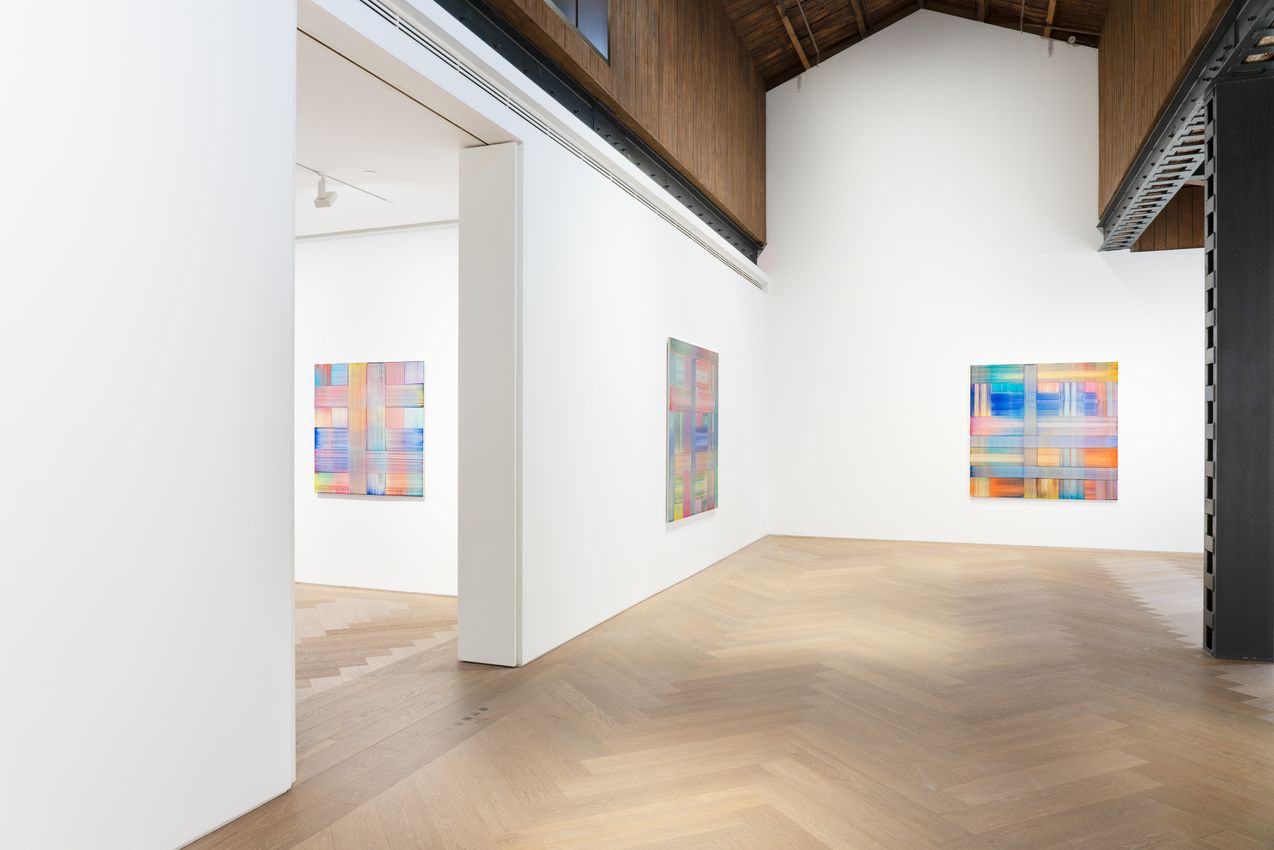
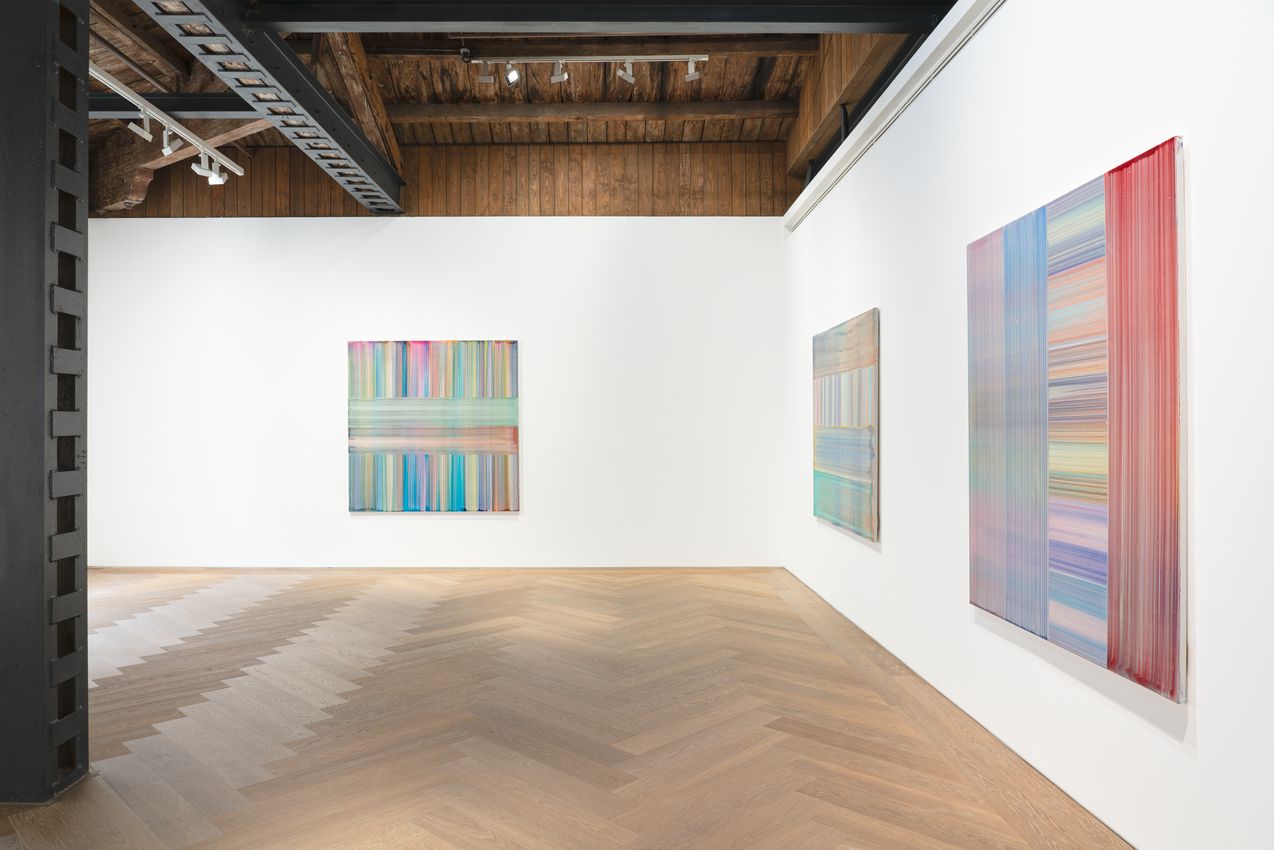
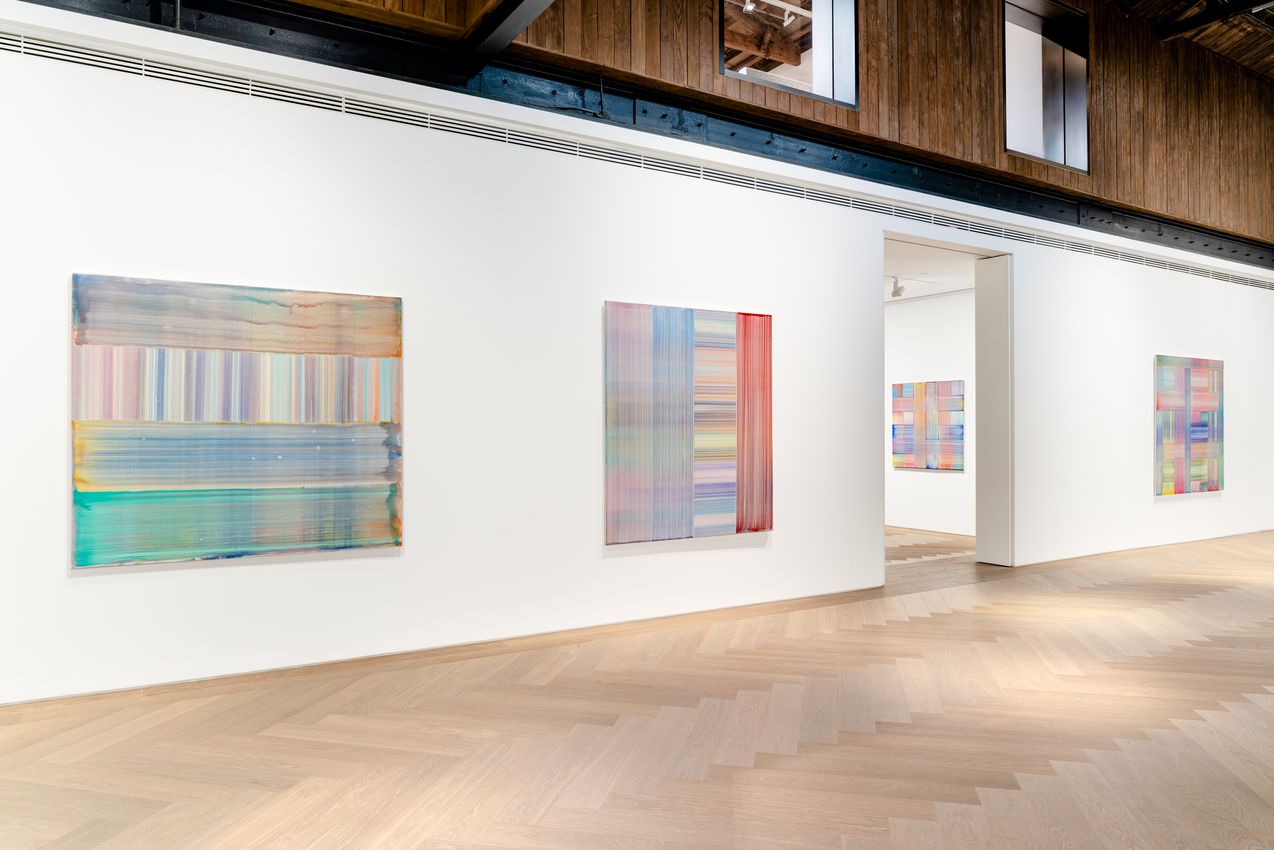
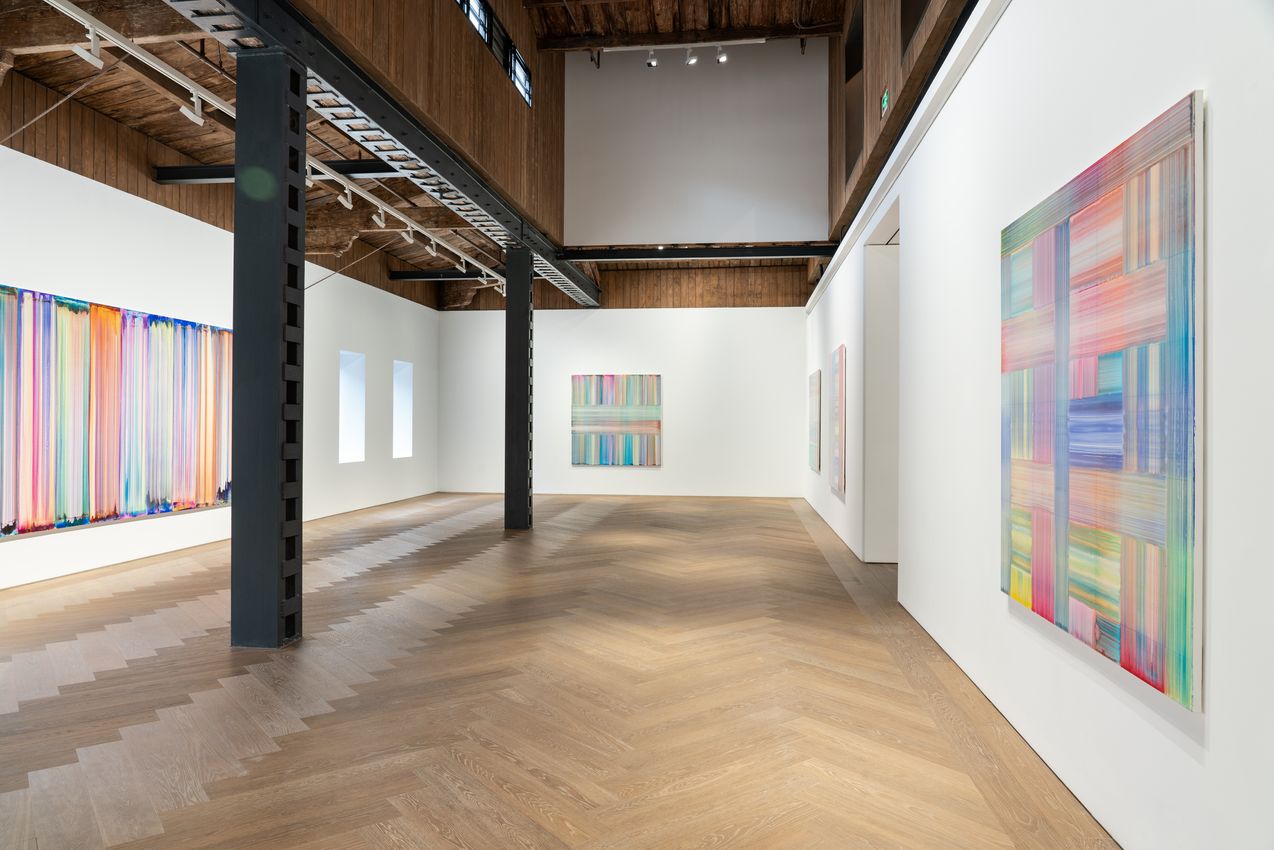
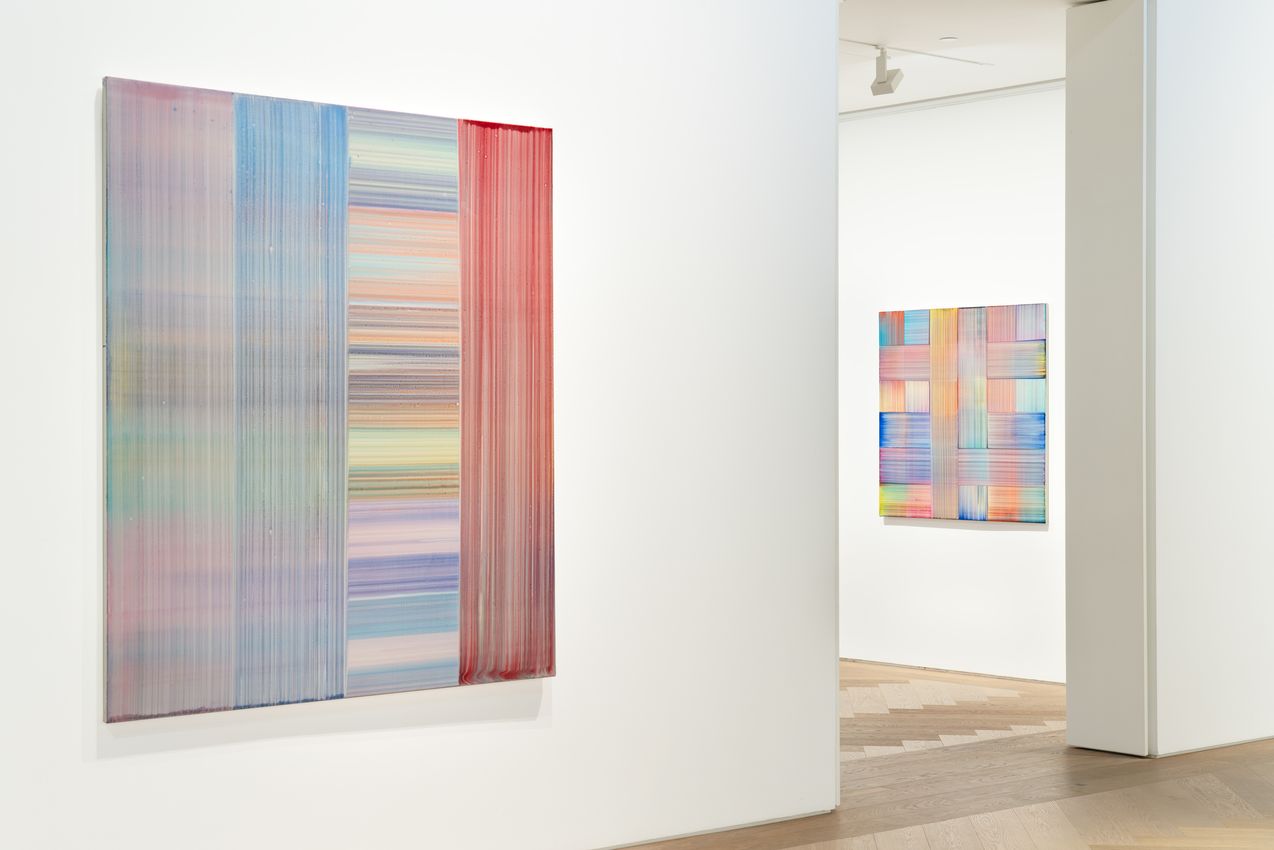
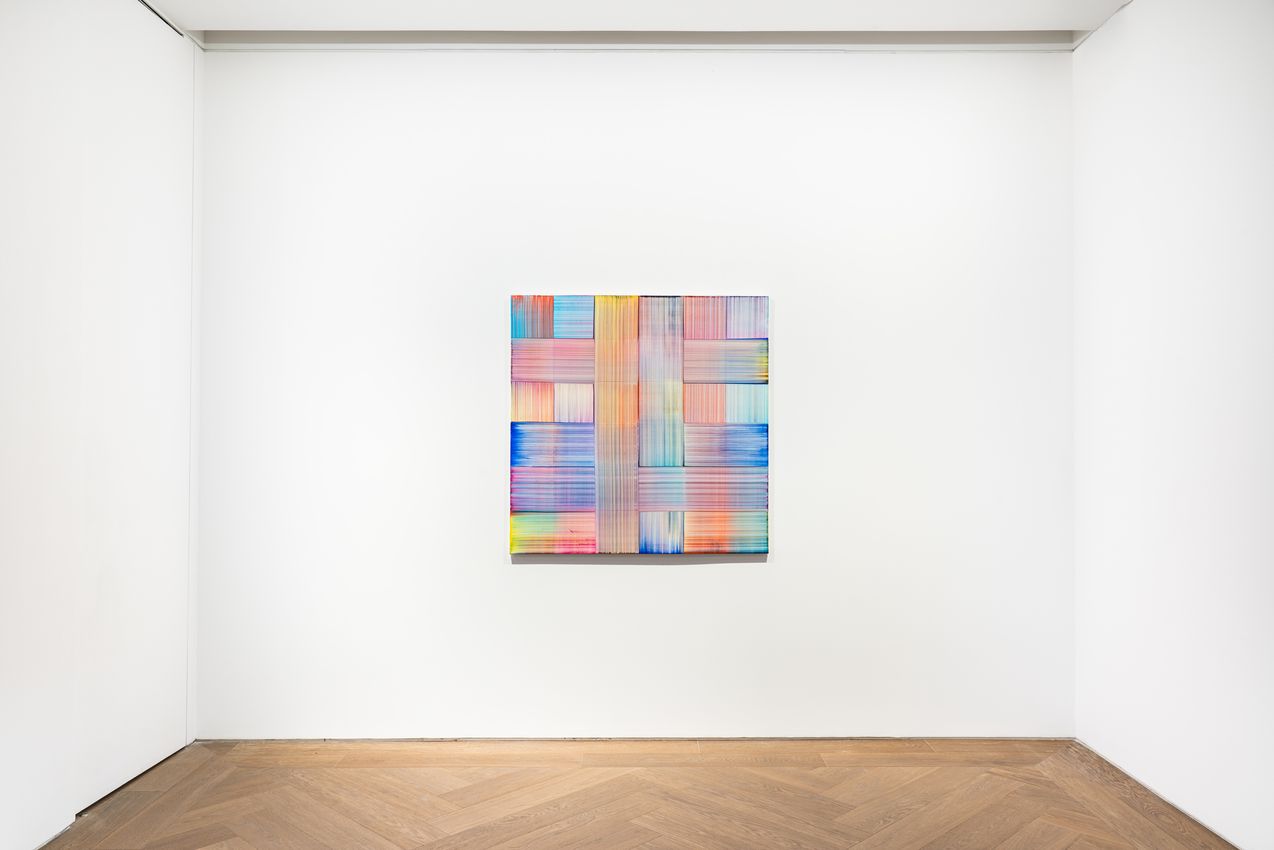
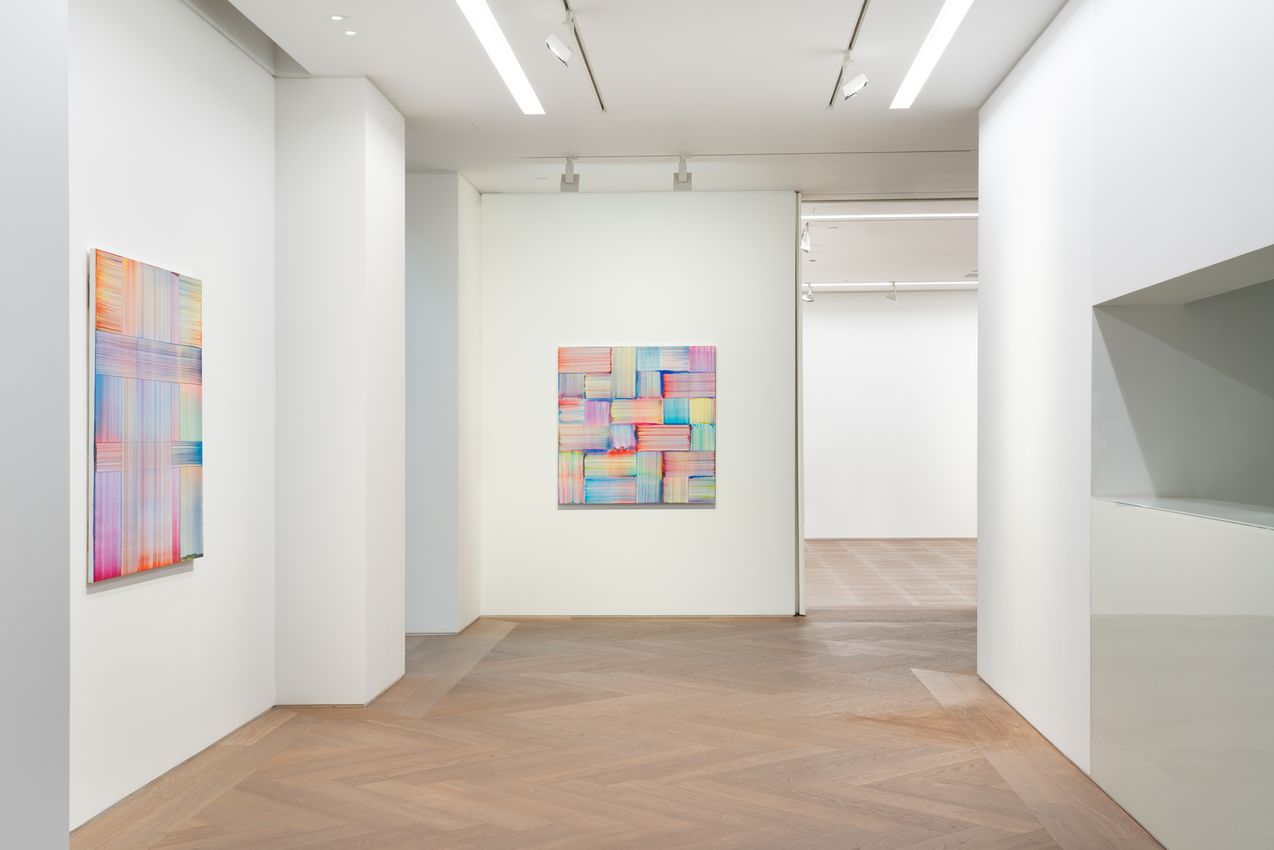
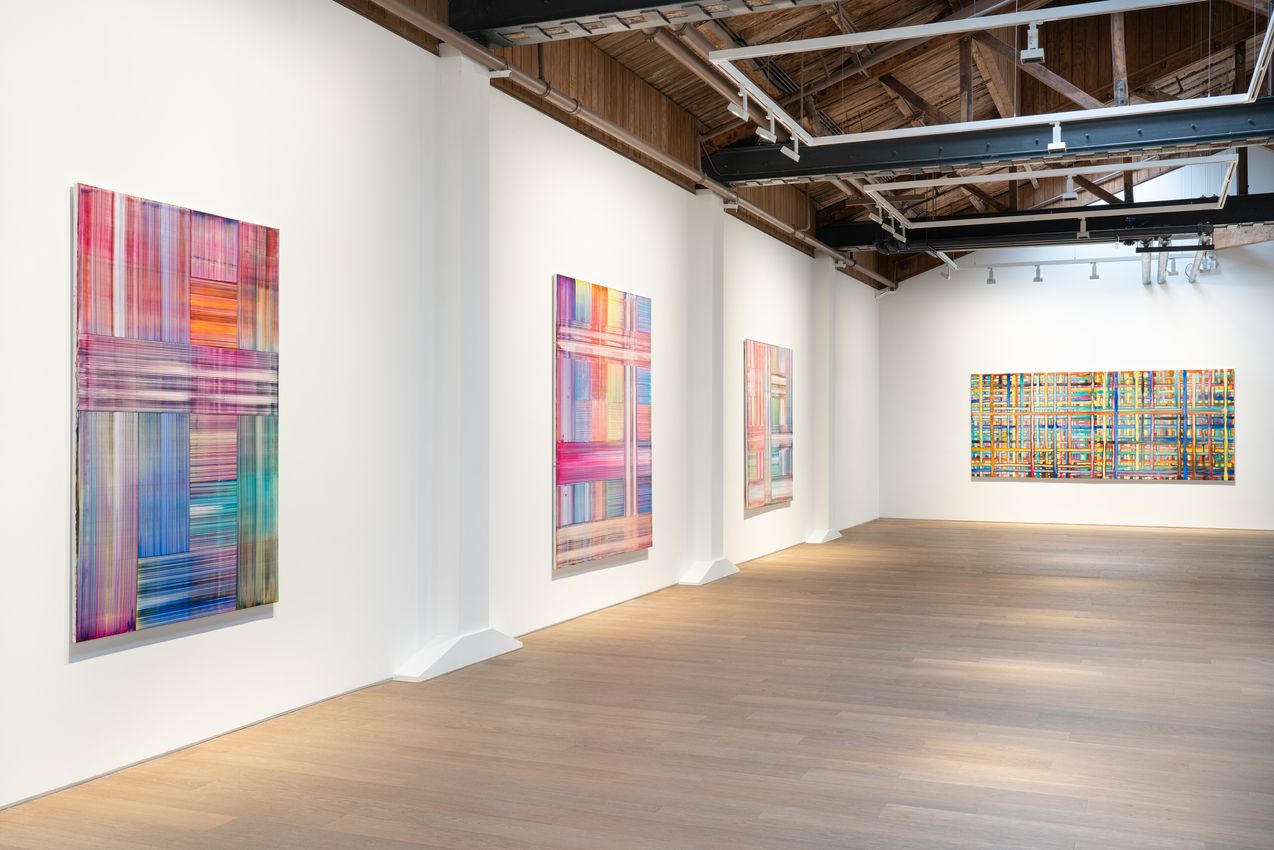
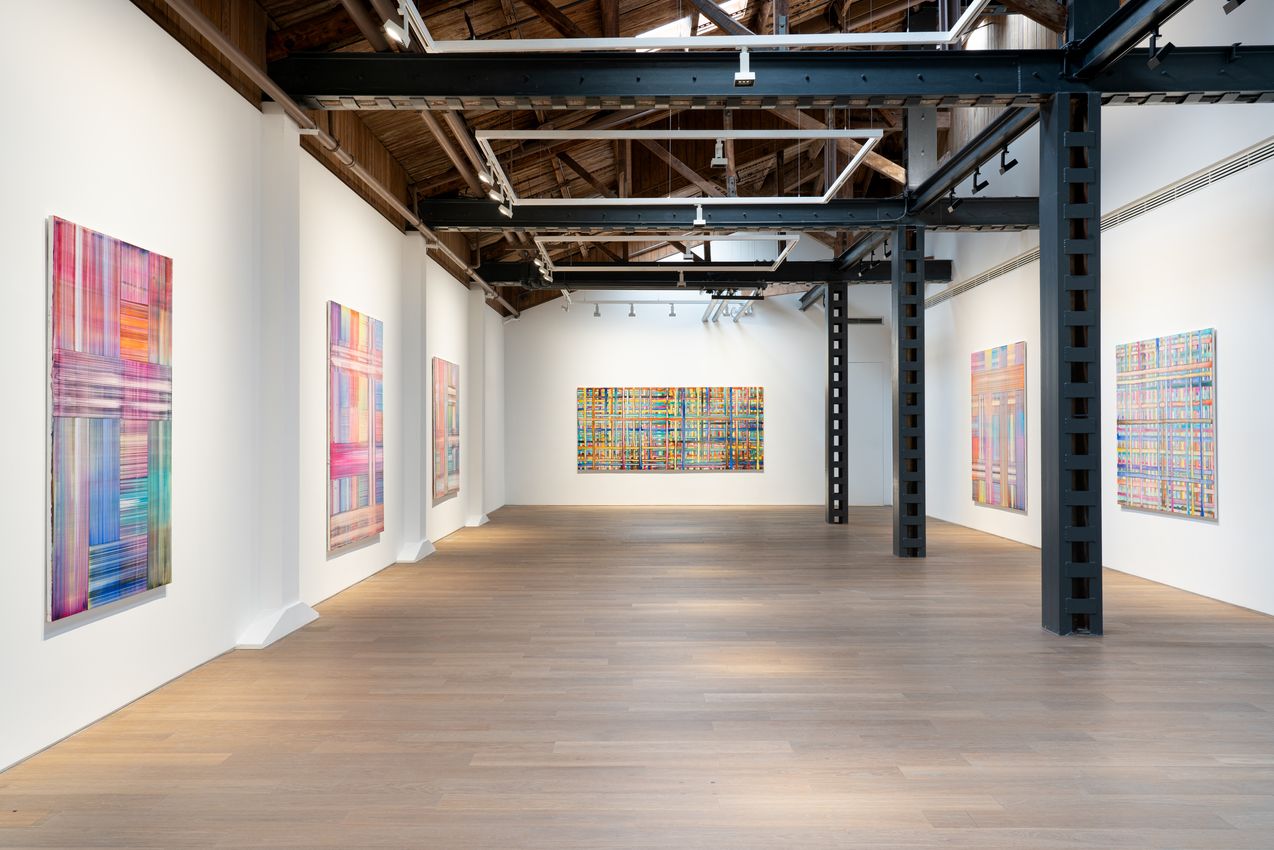
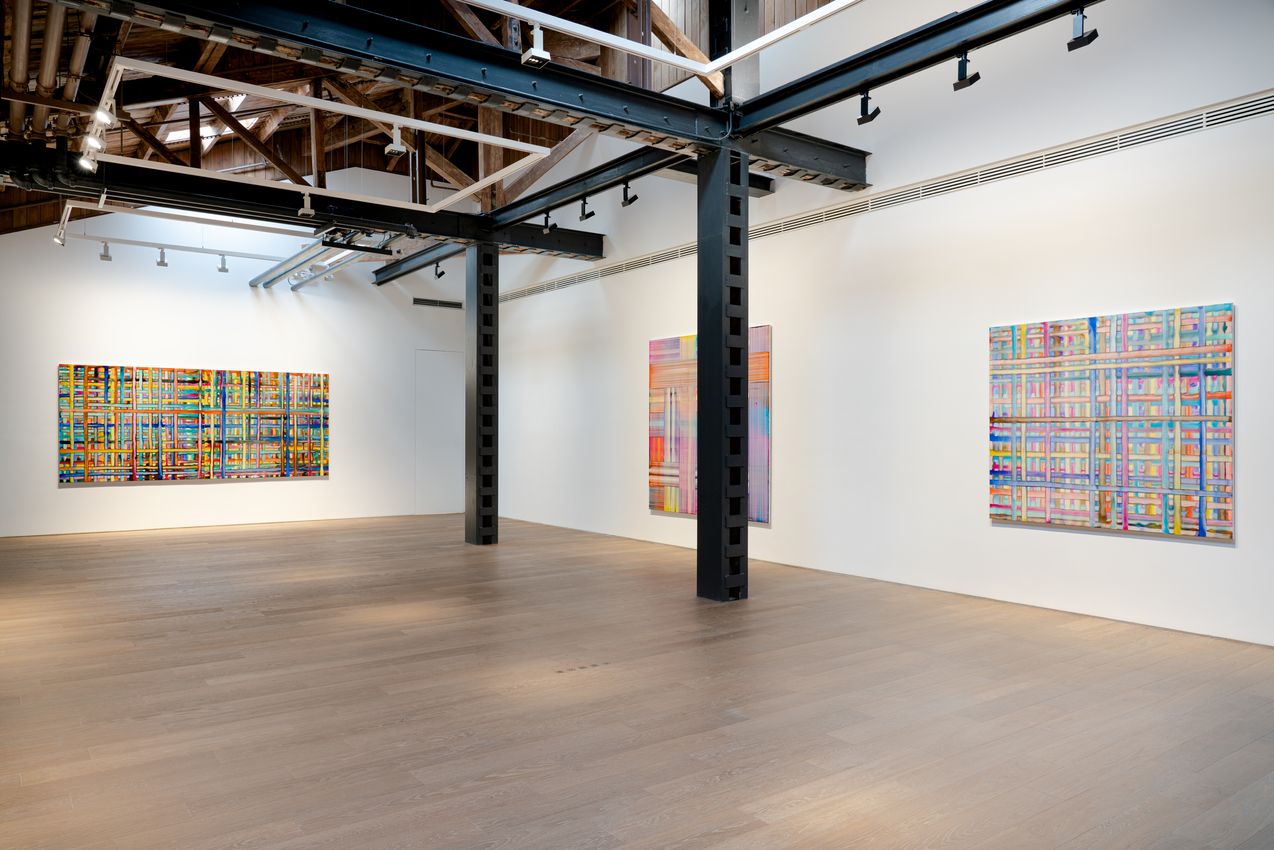
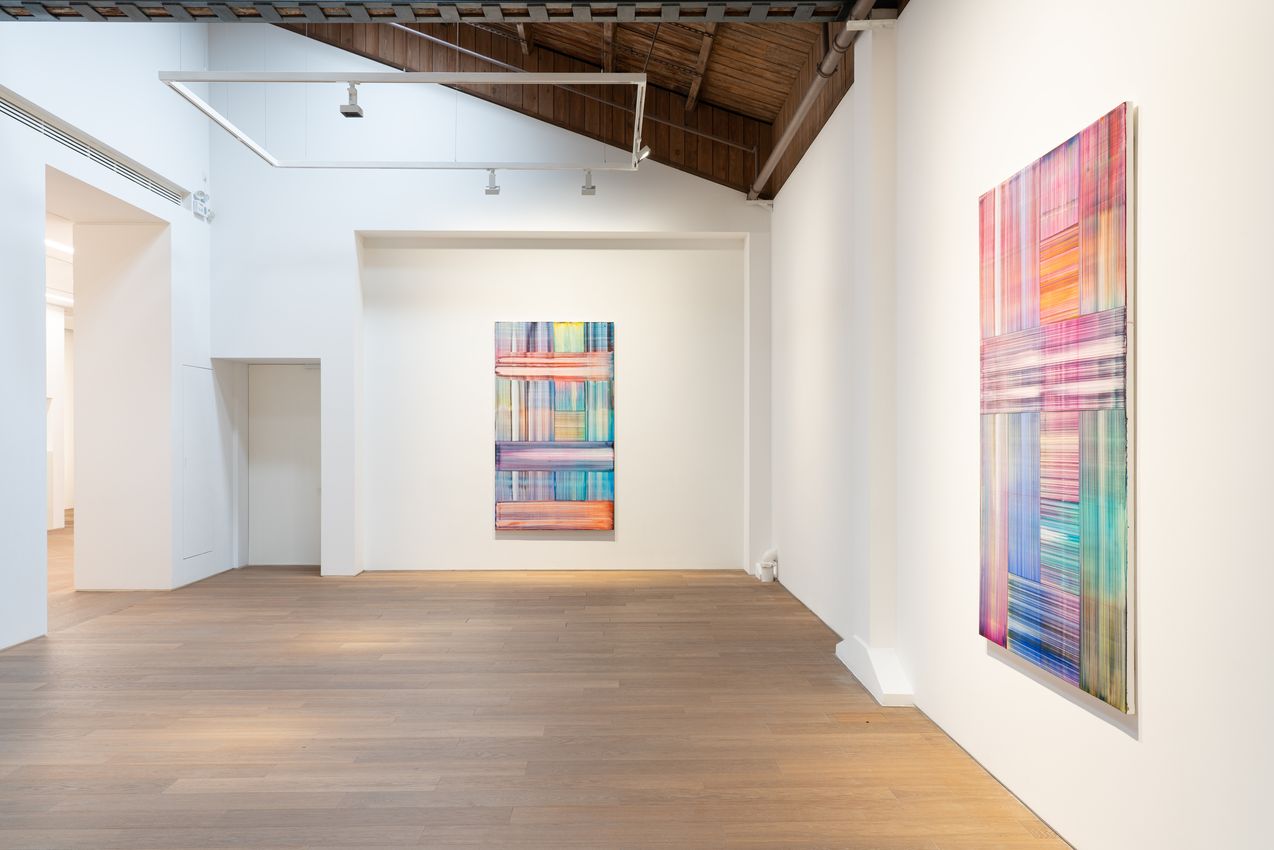
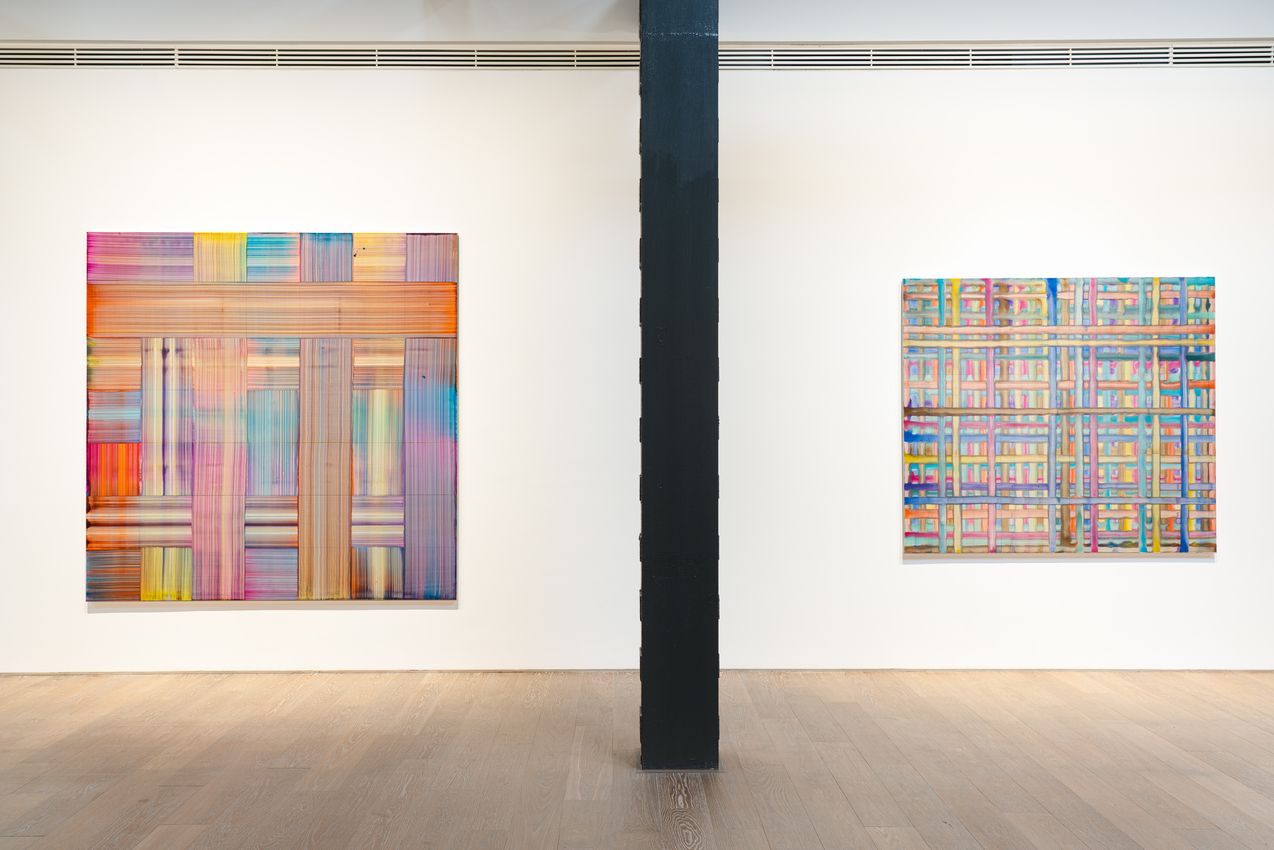
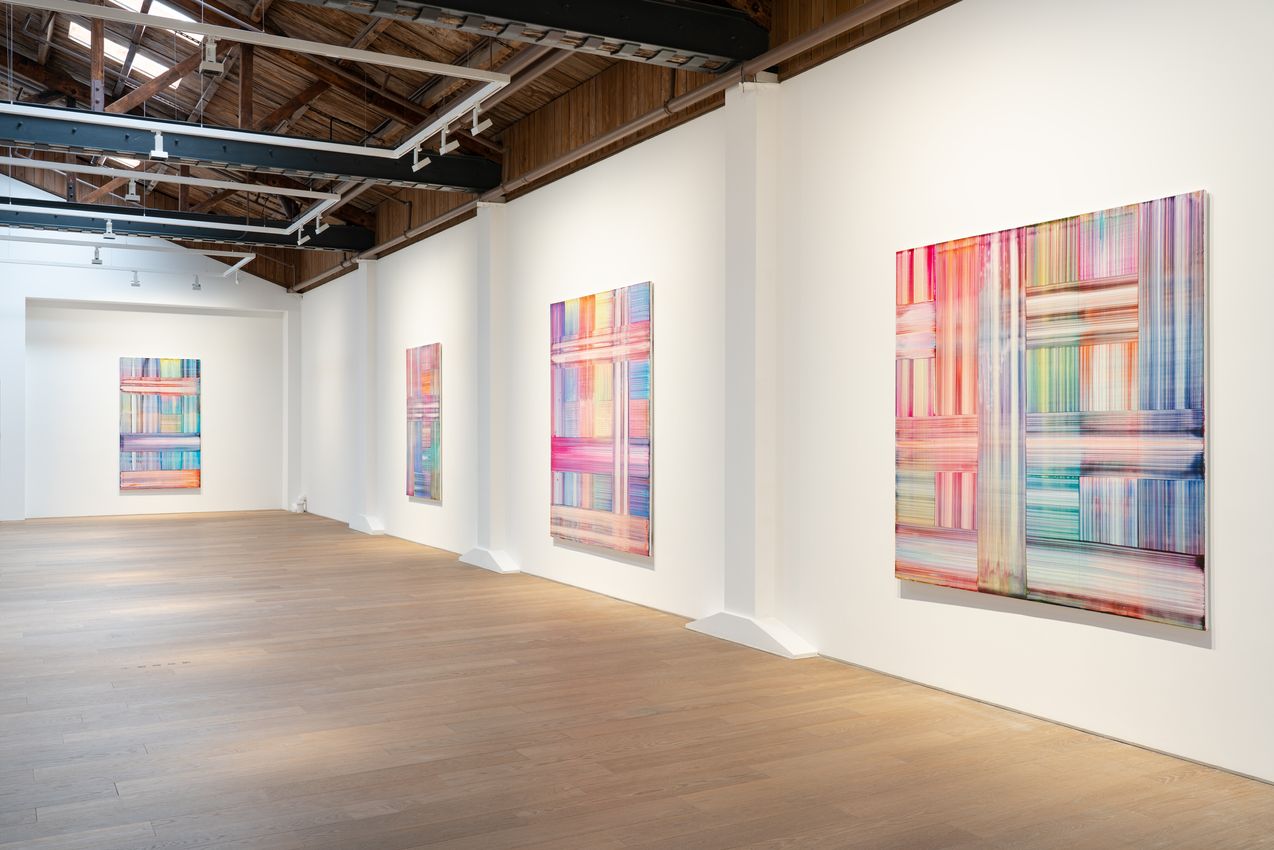
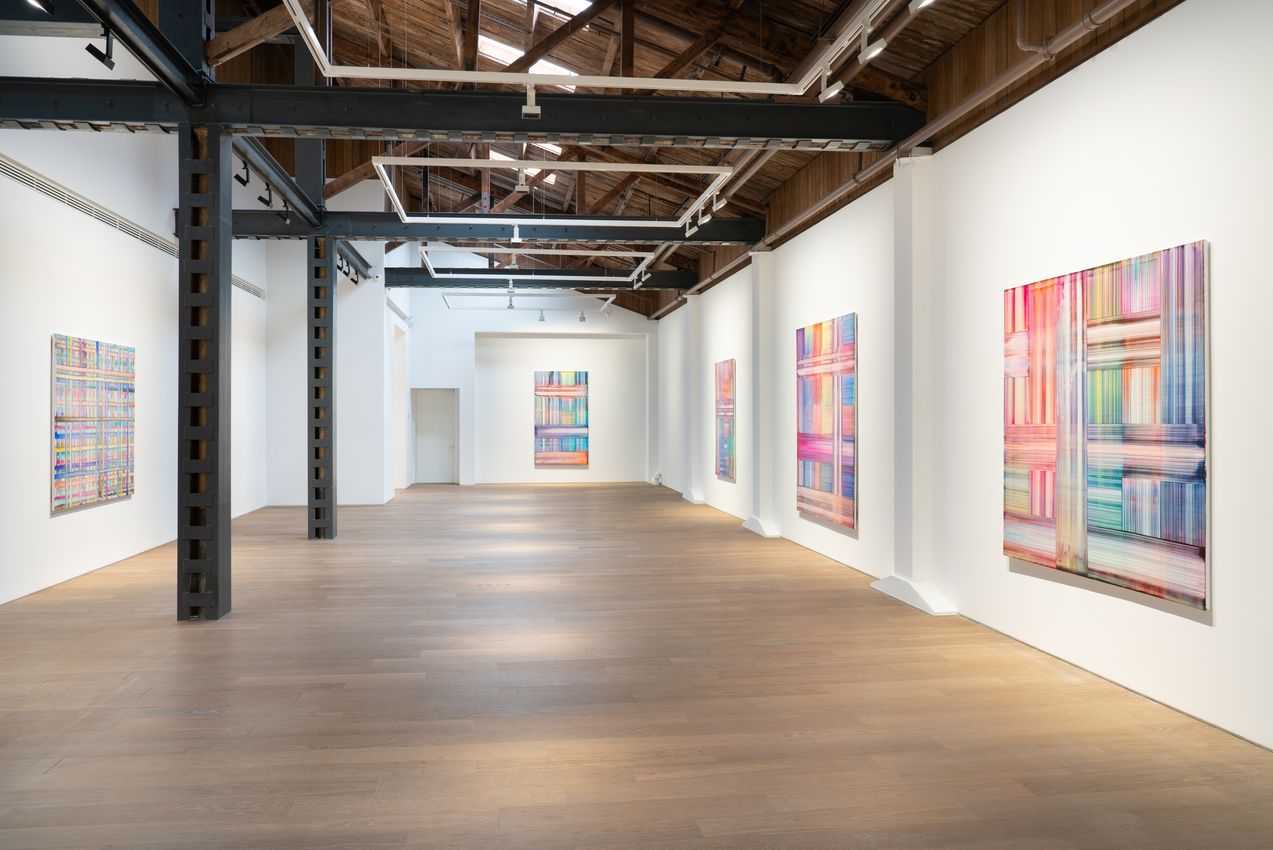
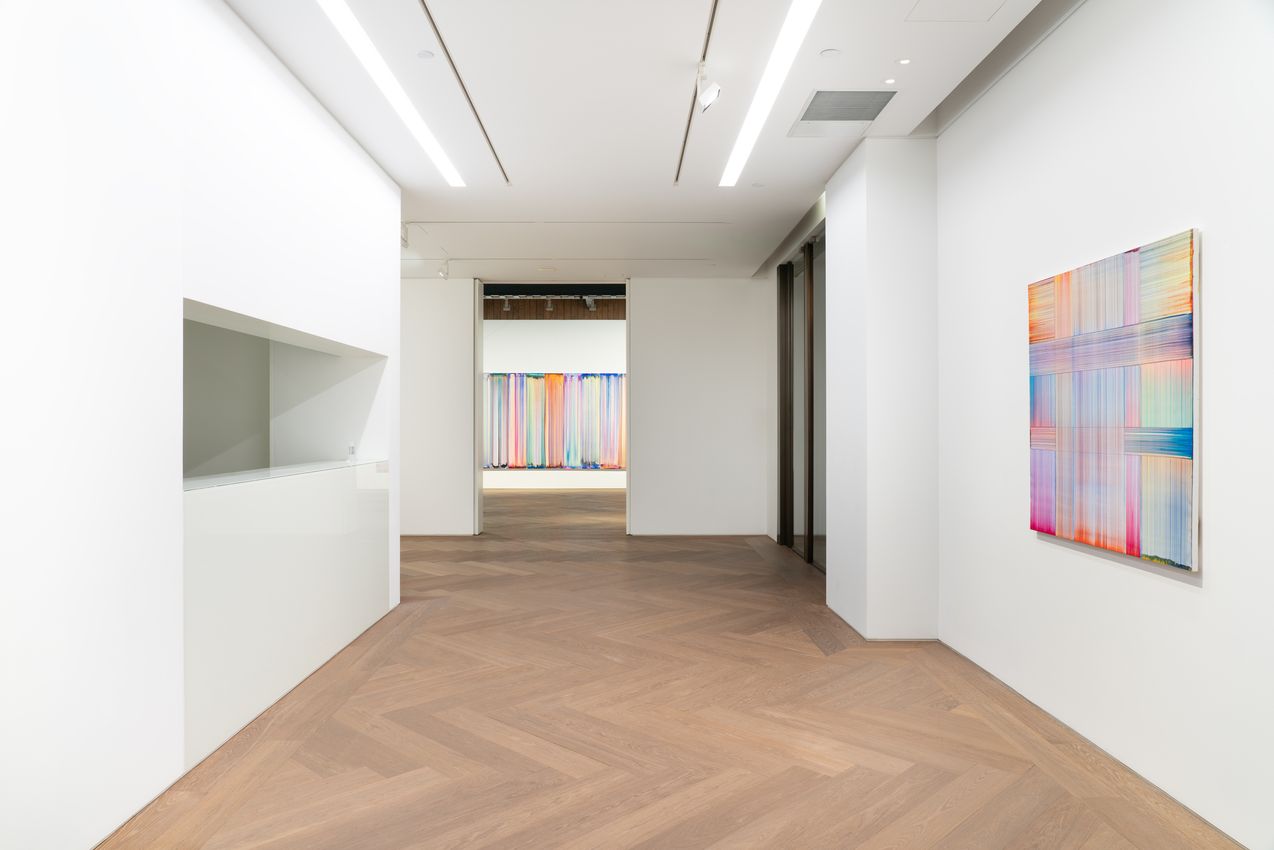
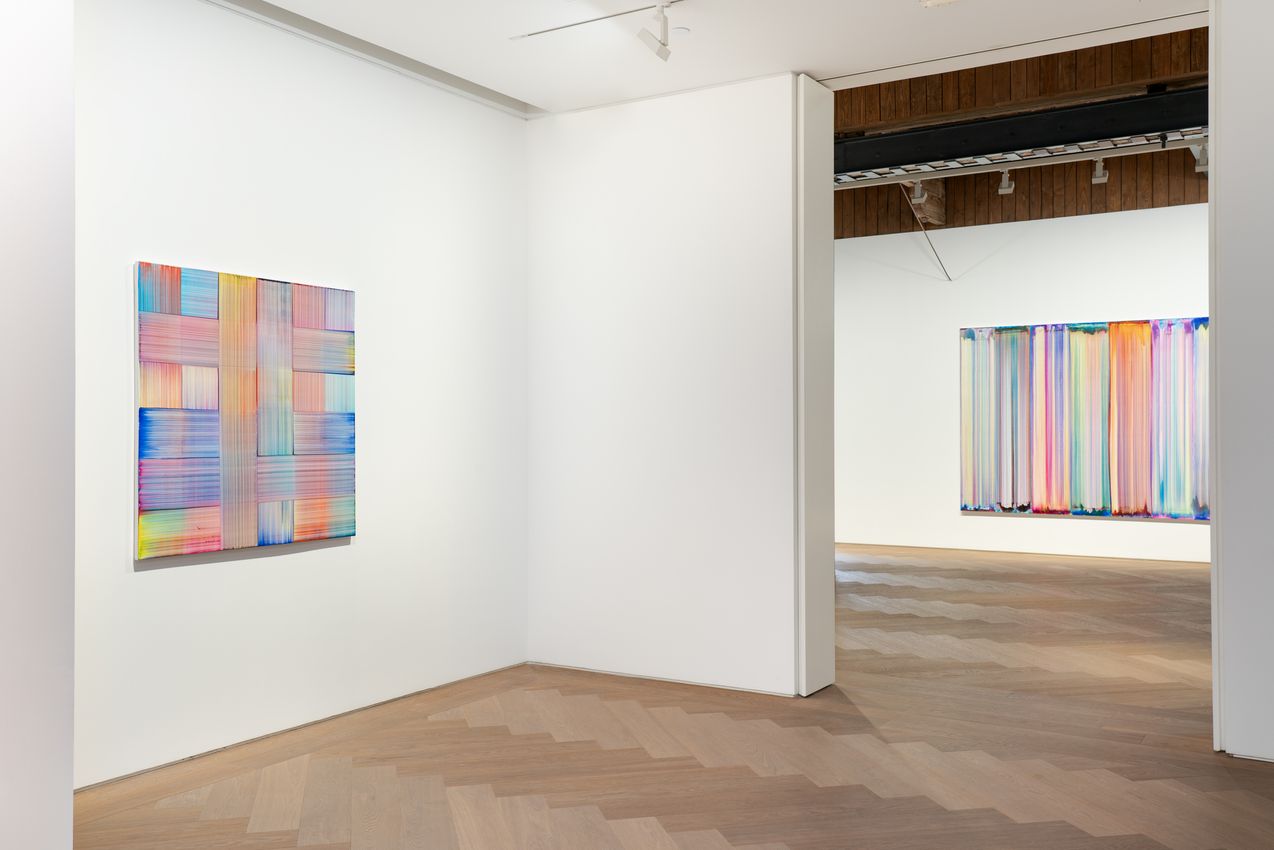
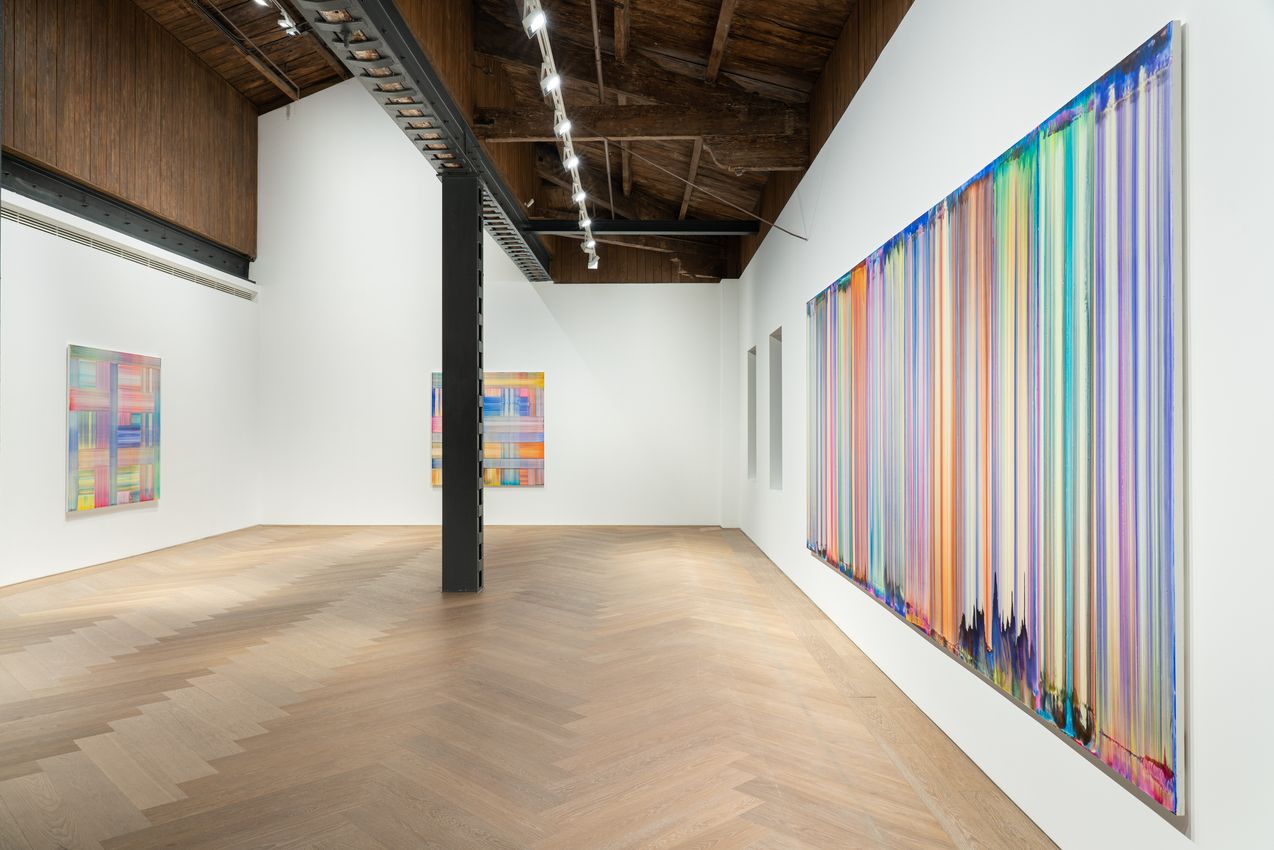
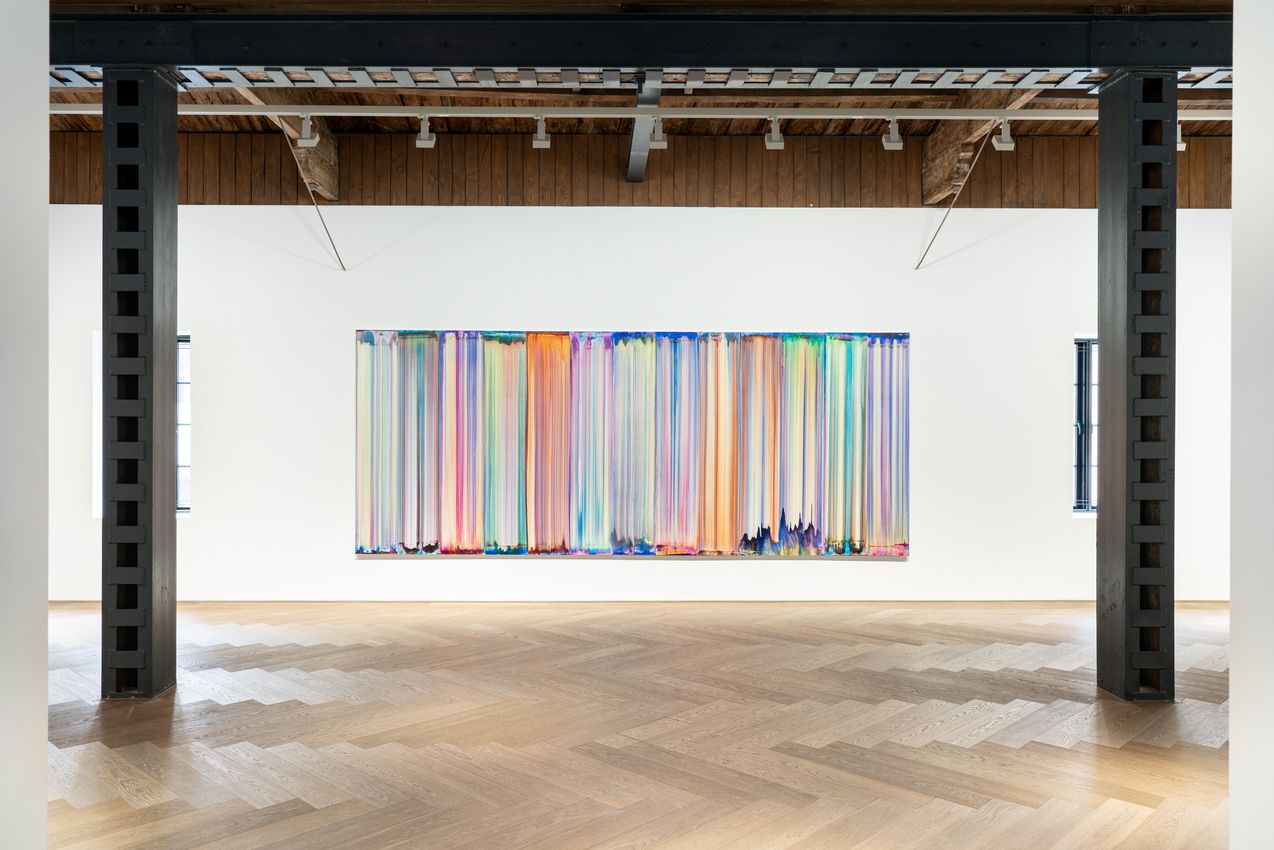
Perrotin Shanghai is proud to present The Other Side (From Right-to Left or the Reverse), an exhibition of 17 new paintings by French artist Bernard Frize, marking his first solo gallery exhibition in mainland China.

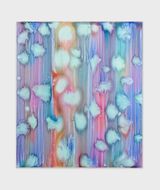
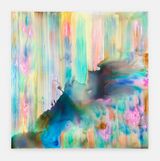
Frize’s paintings are immediate at first sight. In sweeping bands, horizontal, vertical, wide, narrow, aligned and askew, acrylic and resin seem luminous in colours clear or turbid, much too mingled to separate from one another. Indeed, all is available to see. As our gaze follows through from left to right and from top to bottom, we reconstitute each brushstroke, over and under. Warp and weft weave, unweave and reweave. Different frames zoom in or out, revealing the next variation with a sense of unpredictable certainty.

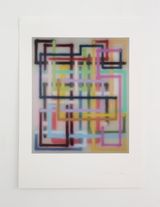
The logical untangling encouraged by Frize’s work is comparable to the reasoned unscrambling required by puzzle games. Play, or recreation, is made measurable and challenging based on a modality of crisscrossing rules, such as to never lose contact with the canvas while painting, to never retouch the results and, in some occasions, to avoid traveling through the same point thrice. Frize delights in mathematical problems and chess diagrams, which partly inform the schema within his works. Whenever he pushes the possibilities within a certain series to the point of exhaustion, a new plan would diverge into being.

‘When I catch sight of a possible lead, I don’t know if it’s the embryo of something that will be developed or just a flurry of excitement with no follow through. I have no ideas about the end result. I don’t follow any self-seeking strategy. I have to leave my thoughts to mature until the urge to move on to realising them becomes undeniable... There is, in some ways, an order and a disorder in which things can “take shape,” a time frame which without articulating the fact gathers up and condenses the pros of reasons and the cons of formal consequences.’1 Through mediums like wet resin and methods including relay painting, chance intervenes in Frize’s engineered schemes. Though consistent in methodology, his oeuvre across the years reflects a great variety in visual forms. The heterogeneity was to such an extent that the viewer can no longer pin down the artist’s work through aesthetic trademarks, thus demanding a deeper level of exchange.

Frize’s deliberate deviation from originality and identification wasengendered in dialogue with history. In 1970, he decided to take a break from painting and chose instead to become a worker. The cause for the pause is not, as one might suspect, ‘the death of painting’ heralded by art critics in the 1970s, but rather a difficulty in negotiating a satisfactory contract between the act of painting and the way of living. The artist neither cared for the Greenbergian strictures, nor appreciated any demiurgic sentiments. In an attempt to demystify the act of painting as quotidian and accessible, Frize picked up the paintbrush again in 1976. The result is a series of small format paintings comprised of countless fine, discontinuous brushstrokes. Interwoven in a myriad of colours, they become vibrant monochromes when viewed from a distance.

‘If we were able to not describe it but to explain it, there would be no reason to paint.’ Frize posits that there exists no equivalence between painting and language. The experience of the painting cannot be fully conveyed in text. Such being the case, paintings’ titles are generated at will. Words and letters, decided on a whim, are sometimes rearranged to function as reference numbers. Frize does not concern himself with prescribing meanings or offering clues, for it would induce a lazy response from the viewer. If anything, the unceasing antagonism embedded within his work should enjoy the attention. As Zhuangzi affirms in the Miscellaneous Chapters, ‘One may go through all his life without speaking them, and yet all his life gives utterance to the (right) words.’2

‘A painting is an object hung on a wall waiting for people to come and activate it. It is by definition, mute. It transfers difficulties of language as often as it remains an enigma. The enjoyment of painting is addressed to the senses as much as the intelligence. A painting that cannot be looked at several times is disappointing. One that can be looked at several times affords a great deal of pleasure.3 These words come from Frize’s essay for his solo exhibition at Museum Morsbroich over a decade ago. The very idea still rings true in his works today. In perpetual self-critique and self-renewal, abstraction becomes a source of truth under the pendulum of change.

About the artist

Born in 1949 in Saint-Mandé, France, Bernard Frize lives and works between Paris, France and Berlin, Germany. Painting with repetitive, accessible gestures, Frize conceives precise protocols beforehand and welcomes contingency during the process. The results, diverse in form and colour, are sequences of abstract compositions endlessly redefined yet unwavering in intellectual integrity.

In 2015, Frize was awarded the Käthe Kollwitz Prize by the Berlin Akademie der Künste. He was also awarded the Fred Thieler Prize for Painting, Berlinische Galerie, Berlin, 2011. The artist has been the subject of solo exhibitions in worldwide institutions, including the Musée National d’Art Moderne Centre Georges Pompidou, Paris, France; Fundação Calouste Gulbenkian, Lisboa, Portugal; Berlinische Galerie, Berlin, Germany; Museum Morsbroich, Leverkusen, Germany; Kunsthallen Brandts Klædefabrik, Odense, Denmark; Ikon Gallery, Birmingham, UK; Musée d’Art Moderne de la Ville de Paris, France; S.M.A.K., Ghent, Belgium; Gemeentemuseum, the Hague, the Netherlands; Kunstmuseum Basel & Museum für Gegenwartskunst, Switz erland; Westfälisches Landesmuseum für Kunst und Kulturgeschichte, Münster, Germany; Kunstmuseum St. Gallen, Switzerland; Museum Moderner Kunst, Stiftung Ludwig, Vienna, Austria; De Pont Museum of Contemporary Art, Tilburg, The Netherlands; Ivan Dougherty Gallery, Sydney, Australia; Kunsthalle, Zürich, Switzerland; Villa Medici, Rome, Italy. He has also been featured in important group exhibitions, including the Sao Paolo Biennial, Venice Biennale, and Sydney Biennial, amongst others.

His work is represented in more than 45 public collections around the world, including the Tate Gallery, London; MNAM/ Centre Pompidou, Paris; MUMOK, Vienna; NMAO the National Museum of Art, Osaka; Museo Nacional Centro de Arte Reina Sofía, Madrid; Museum of Contemporary Art, Los Angeles; Museum für Moderne Kunst, Frankfurt; the Kunstmuseum, Basel and the Kunsthalle, Zurich.

  1. From essay of Bernard Frize, And How and Where and Who, September 5–November 7, 2010. Museum Morsbroich, Germany.
  2. From Zhuangzi, Miscellaneous Chapters, Metaphorical Language 1.
  3. From essay of Bernard Frize. And How and Where and Who, September 5–November 7, 2010. Museum Morsbroich, Germany.

Text by Lingxuan Tang. Courtesy Perrotin.

Read More

Installation Views

About the Artist

Bernard Frize’s abstract painting is decisively process-oriented. Working in series, he explores all the possible visual outcomes of precise protocols, which he conceives beforehand. These pre-established conditions and constraints usually pertain to the use of very conventional tools and materials, the almost mechanical execution of seemingly simple gestures, and sometimes the simultaneous assistance of other painters. While they each record the peculiar dynamics of a predetermined technique, his vibrant abstractions are also arenas for chance to operate. By outsourcing some of his creative power to contingency (starting with his highly distinctive yet random colour palette), he allows for painterly events or disruptions to unfold on his canvases. At once calculated and random, conceptual and organic, his aesthetics portends an automatic ideal of painting. With much humour, Bernard Frize actually describes his most successful works as the ones that required minimal intervention from him and thus realised themselves to some extent autonomously.

View Artist Profile

Also Exhibiting at Perrotin

About the Gallery
Emmanuel Perrotin founded his first gallery in 1989 at the age of 21. He has opened since then over 17 different spaces, with the aim of continuing to offer increasingly vibrant and creative environments to experience artists work. He has worked closely with his roster of artists, some since more than 25 years, to help fulfil their ambitious dreams and projects. The gallery is now based in New York, Paris, Hong Kong, Seoul, Tokyo, and participates in all the significant worldwide art fairs each year (Art Basel (Hong Kong, Miami, Basel), Frieze (London, New York), FIAC (Paris), Dallas Art Fair, Art Cologne, Art Stage Jakarta, Expo Chicago, Art021 & West Bund Art & Design, Shanghai, Zona Maco Mexico, amongst others).
View Gallery Profile
Address
3/F, 27 Huqiu Road
Huangpu District
Shanghai
China
Opening Hours
Tuesday – Saturday
11am – 7pm
(1)
Shanghai 3/F, 27 Huqiu Road, Huangpu District
Perrotin
3/F, 27 Huqiu Road, Huangpu District, Shanghai, China
+86 216 321 1234
http://www.perrotin.com

Opening hours
Tuesday – Saturday
11am – 7pm
The art world in focus