




GABRIEL DE LA MORA
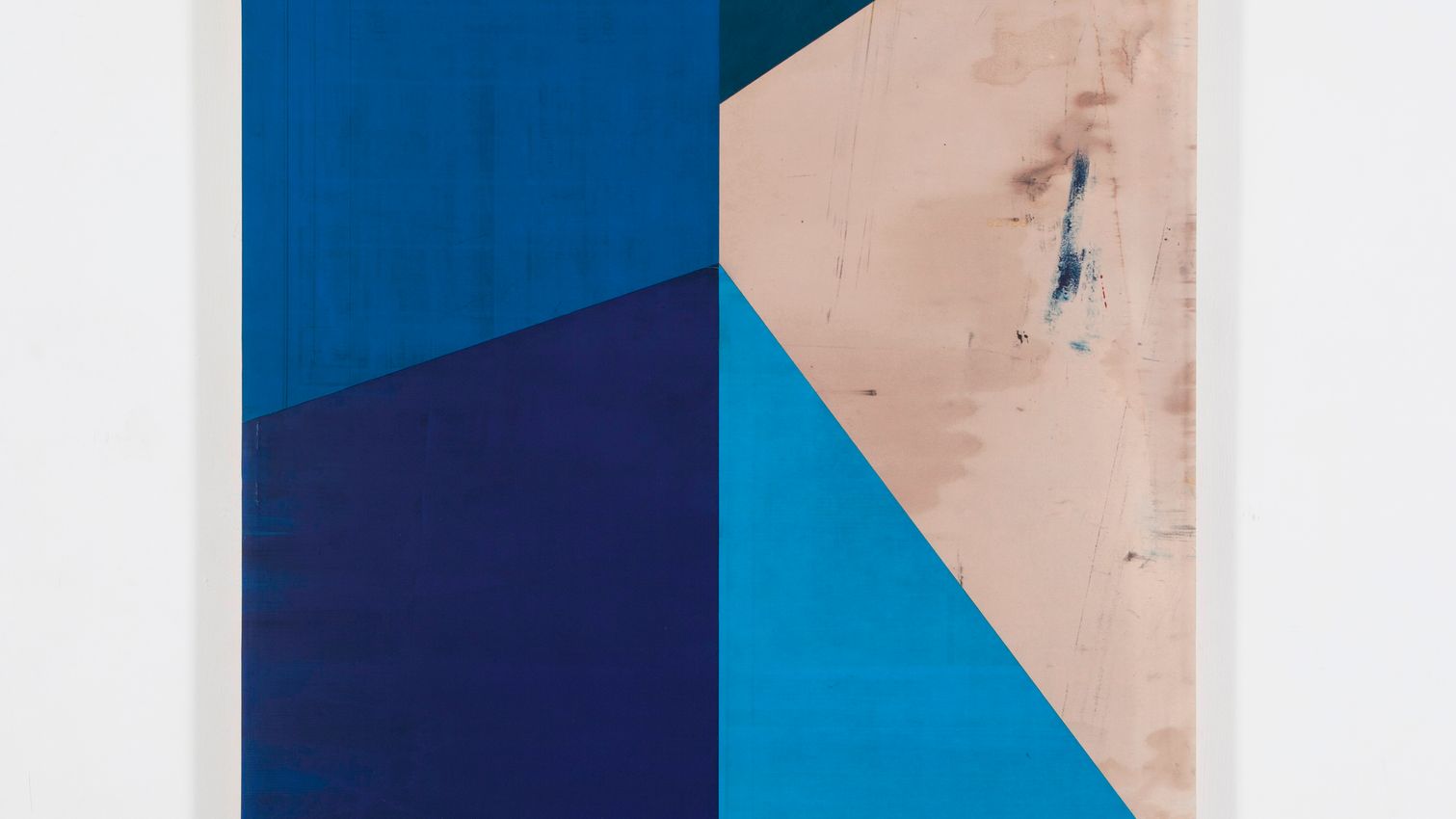
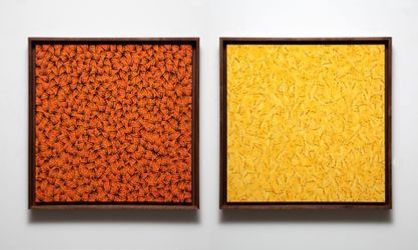
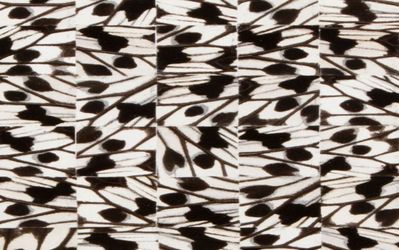
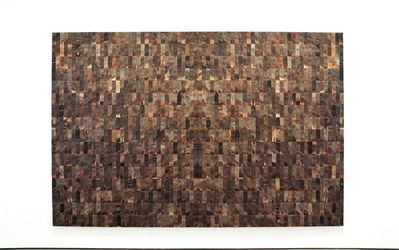
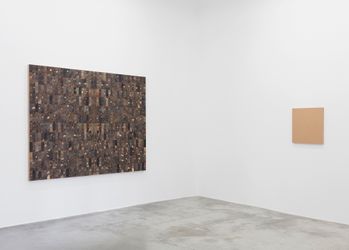
b. 1968, MexicoGabriel de la Mora collects photographs, tools, residue materials, found documents, hair, and old papers, among other unclassifiable objects that persist between the fantastic, the macabre and the repulsive. In his studio – a mix between a cabinet of curiosities and a forensics lab – a cross between this accumulation and his vital instinct takes place, a drive that submits the past to the hermeneutic scrutiny of the present. Through rigorous formal procedures and the conceptual methodologies of contemporary art, de la Mora alchemically reinscribes these residues, in which the past survives, into a systematic modus operandi that recalls the attention to detail of a detective's or a criminologist's examination of fingerprints.
Having trained as an architect and subsequently studying his Master's degree of Fine Arts in Painting at the Pratt Institute in New York, Gabriel de la Mora's work lies in questioning and experimenting within the interstitial limits
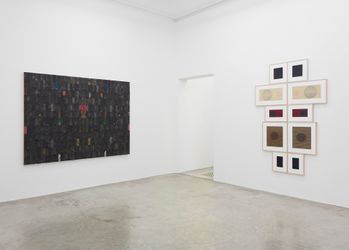
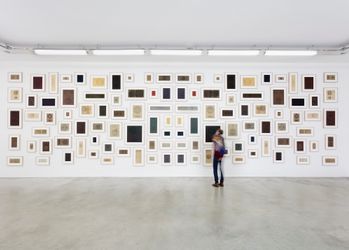
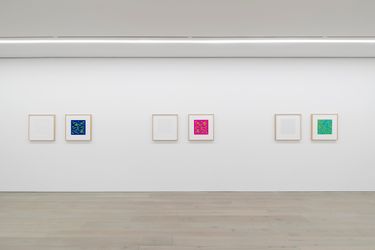
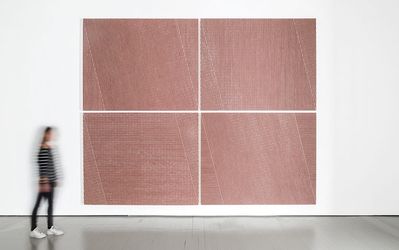
between painting, drawing and sculpture. In his hands, these primal media of symbolic experience become records prone to formalist abstraction, as well as autobiographical indices. Linking constructivist languages with fortuitous discoveries, evocative of the Dadaist experience, De la Mora updates the minimalist/conceptual optic in order to reveal the intimate and personal within the universal convention of modernist abstraction.
More than a painter, sculptor or draftsman, de la Mora is an artist who works with ideas, possibilities and concepts. In that sense, the metaphysical category of time becomes a fundamental factor in each of his works. For him, a work of art attempts to outlive the person who creates it. It aspires toward eternity, since life's desires are clear evidence of an inexorable death drive. There exists a main goal as an artist and this has to do with the search for equilibrium between the conceptual and the formal in order to signify the universal. From the surge of an idea until its execution in monochromatic surfaces, lines, volumes, documents and records of his processes, the materials and ideas intermingle, giving rise not only to works of art but also to an archive in which the artist obsessively safeguards the passage of time. Gabriel de la Mora's work is a constellation of indices for the creation of a metaphysical totality. In this totality, the occult, the mysterious, the elusive – that is, those experiences that are prone to estrangement – are presented to us as the familiar.

Explore Gabriel De La Mora's Exhibitions



Representative Artworks
View exhibition

Explore and Follow Artists Shaping Contemporary Art
A respected voice in contemporary art discourse.
Focusing on ambitious storytelling and insightful art-world commentary. Ocula Magazine publishes in-depth interviews, critical essays and timely analysis on the artists, exhibitions and ideas driving the global art world.
Learn more about Ocula Magazine
Showcasing the best of the art world.
Ocula partners with galleries from around the world to highlight their artists, artworks and exhibitions. Gallery membership is by application and invitation, with each member vetted by an independent panel.
Learn more about Ocula Membership
Specialises in the sale of major artworks.
Led by a team with deep ties to the world’s leading auction houses, galleries and collectors. Ocula’s advisory team offers bespoke services to high-net-worth clients from around the world who are looking to acquire the best of contemporary and modern art.
Learn more about our team and services