





GRAYSON PERRY
b. 1960, United KingdomGrayson Perry is a leading British artist best known for his ceramic vessels, monumental tapestries, prints and sculptures that explore identity, class, gender and belief through sharply observed narratives of contemporary life. Across media, he combines autobiographical references—including his female alter ego Claire and the recurring figure of his teddy bear Alan Measles—with an interest in taste, décor and the social codes that shape everyday experience.
Perry’s reputation as one of Britain’s most recognisable artists has been cemented with major exhibitions at institutions including the British Museum, Serpentine Galleries, and the 21st Century Museum of Contemporary Art in Kanazawa. Perry won the Turner Prize in 2003 and was elected a Royal Academician in 2012.
Early Life and Career
Born in Chelmsford, Essex, in 1960, Grayson Perry grew up in working-class surroundings that have continued to inform his interest in class, taste and the politics of belonging. After an art foundation course at Braintree College of Further Education, he studied Fine Art at Portsmouth Polytechnic, graduating in 1982, and began exhibiting ceramics that combined traditional craft forms with subversive imagery and text.
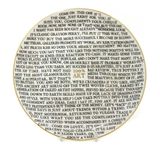
Perry’s breakthrough came in the 1990s and early 2000s, as his large, lidded vases and plates—decorated with densely layered transfers, hand-drawn scenes and inscribed commentary—were recognised for their incisive treatment of taboo subjects, from childhood trauma to sexual fantasies and social prejudice. The award of the Turner Prize in 2003, which he accepted dressed as Claire, marked a pivotal moment in the visibility of his work and in wider conversations around craft, gender expression and the status of ceramics within contemporary art.
Works, Series and Methods
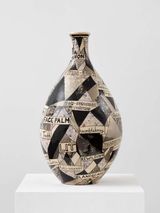
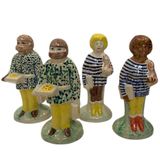
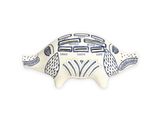
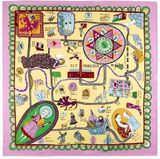
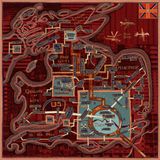
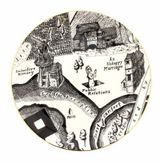
Perry’s ceramics remain central to his practice and are often the starting point for wider projects across media. Classical vessel forms, lustrous glazes and decorative patterns evoke the history of pottery, while the imagery—street scenes, domestic interiors, maps, slogans and portraits—draws on news media, subcultures and his own life to create layered narratives that are at once intimate and social. These works frequently feature Claire and Alan Measles, who appear as guides or protagonists in complex moral and psychological dramas.
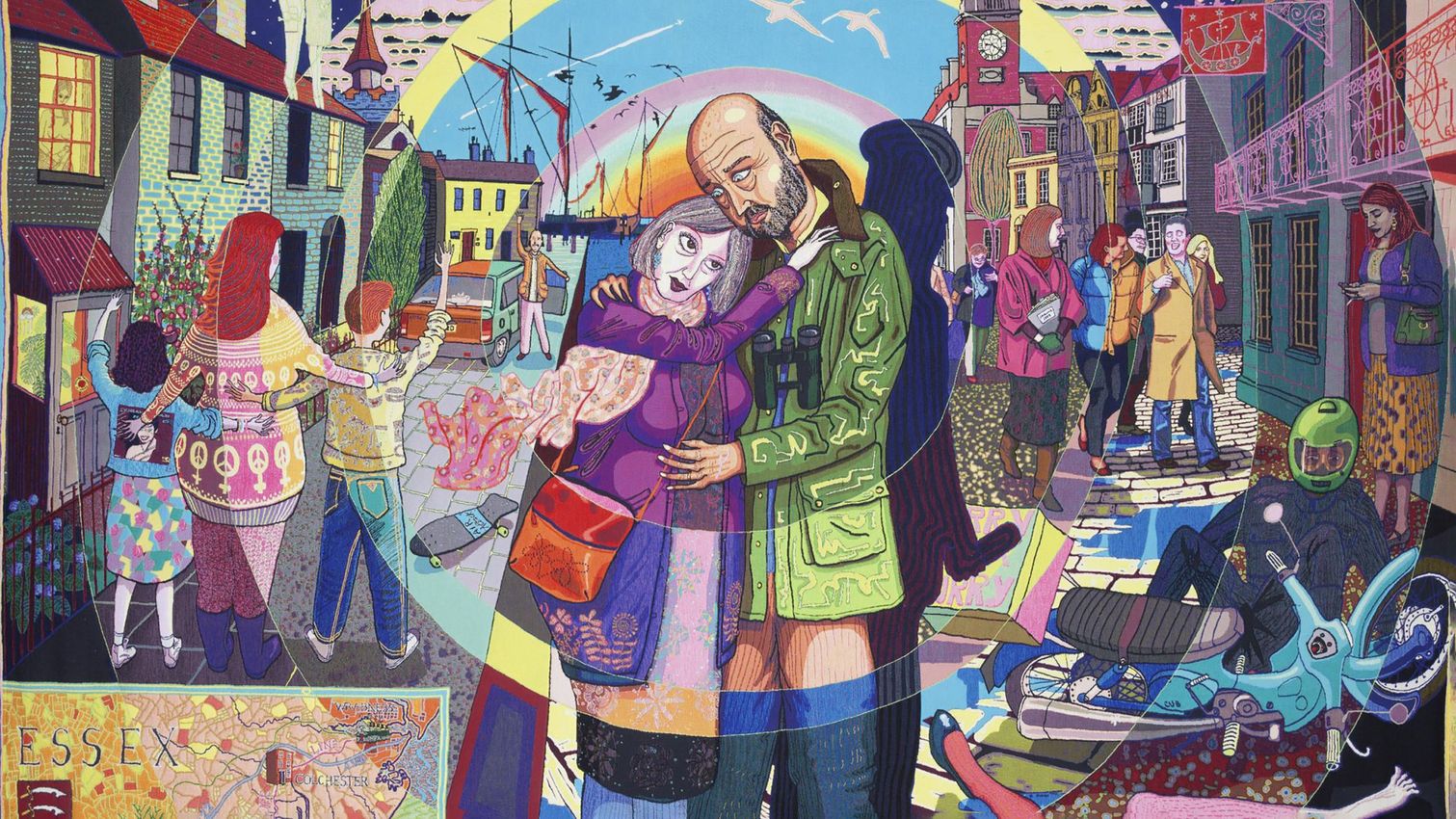
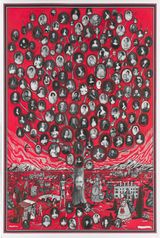
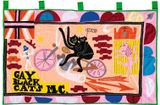
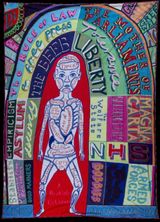
From the late 2000s, Perry expanded into large-scale tapestries that reimagine a medium associated with aristocratic history and religious storytelling as a vehicle for contemporary social portraiture. The Walthamstow Tapestry (2009) charts a life from birth to death across a 15-metre panorama scattered with brand names, mapping quasi-religious devotion to consumer culture. The six-part series The Vanity of Small Differences (2012–13), partly inspired by William Hogarth’s A Rake’s Progress, follows fictional character Tim Rakewell through changing class positions, using densely packed motifs and quotes to anatomise British taste and aspiration. In Anna Dickie’s interview for Ocula, Perry described these tapestries as a way of “elevating the daily dramas of modern British life to the scale of myth”, underlining his interest in how ordinary experiences carry symbolic charge.
Architecture and installation have provided further platforms for his narrative ambition. A House for Essex (2015), a collaboration with FAT Architecture, takes the form of a richly ornamented “wayside chapel” dedicated to a fictional Essex woman, weaving together sculpture, tapestry and graphic design to explore faith, memory and regional identity. Exhibitions such as The Tomb of the Unknown Craftsman at the British Museum (2011) and The Most Popular Art Exhibition Ever! at Serpentine Galleries (2017) have seen Perry curate and juxtapose his works with historical artefacts, reframing craft traditions and questioning hierarchies between fine art and everyday objects.
Alongside his studio practice, Perry has become a prominent public intellectual through books, lectures and television, extending his exploration of class, masculinity, taste and national identity into popular media. His Reith Lectures for BBC Radio 4 and books such as Playing to the Gallery (2014) and The Descent of Man (2016) examine how art worlds function and how gender norms shape behaviour, while Channel 4 series including All in the Best Possible Taste (2013), Who Are You? (2014), All Man (2016), Rites of Passage (2018), Grayson Perry’s Big American Road Trip (2020) and Grayson’s Art Club (2020–22) have brought his social inquiry to broad audiences.
Exhibitions, Collections and Recognition
- 2011: The Tomb of the Unknown Craftsman, British Museum, London.
- 2020–21: The Pre-Therapy Years, Holburne Museum, Bath; York Art Gallery; Sainsbury Centre for Visual Arts.
- 2023: Grayson Perry: Smash Hits, Scottish National Gallery, Edinburgh.
- 2024–25: The Vanity of Small Differences at Lightbox Gallery and Pitzhanger Manor & Gallery; A Temple for Everyone, Charleston.
- 2025: Grayson Perry: Delusions of Grandeur, The Wallace Collection, London, the museum’s largest contemporary exhibition to date.
Perry’s work is held in major public collections including Tate, the Victoria and Albert Museum, the British Council, the Arts Council Collection and the Stedelijk Museum Amsterdam, among others. He was made a CBE in 2013, later knighted, and has served as a trustee of the British Museum and Chancellor of the University of the Arts London.
Grayson Perry FAQs
What is Grayson Perry best known for?
Grayson Perry is best known for his narrative ceramic vessels and large-scale tapestries that explore identity, class, gender and belief through detailed, often satirical depictions of contemporary life. He is also widely recognised for his public persona, including his alter ego Claire and his work in television and publishing.
Why is Grayson Perry considered important in contemporary art?
Grayson Perry is considered important for bringing the languages of craft, autobiography and social critique into the centre of contemporary art discourse. His work has helped to challenge hierarchies between fine art and craft and to open up discussions around class, masculinity and national identity in both specialist and popular contexts.
What themes does Grayson Perry explore in his work?
Grayson Perry’s work consistently addresses themes of identity, gender, sexuality, social status, religion, taste and the emotional charge of everyday objects and environments. Perry often uses humour and ornament to draw viewers into narratives that touch on trauma, inequality and cultural conflict.
What is The Vanity of Small Differences about?
The Vanity of Small Differences (2012–13) is a series of six tapestries that follow fictional character Tim Rakewell’s journey through different class positions in contemporary Britain, echoing the narrative structure of Hogarth’s A Rake’s Progress. Each tapestry layers scenes, motifs and snippets of text drawn from Perry’s research and television series _All in the Best Possible Tast_e to examine how taste expresses and polices class identity.
Ocula | 2026

View Grayson Perry's Artworks





















Explore Grayson Perry's Exhibitions












Explore and Follow Artists Shaping Contemporary Art
A respected voice in contemporary art discourse.
Focusing on ambitious storytelling and insightful art-world commentary. Ocula Magazine publishes in-depth interviews, critical essays and timely analysis on the artists, exhibitions and ideas driving the global art world.
Learn more about Ocula Magazine
Showcasing the best of the art world.
Ocula partners with galleries from around the world to highlight their artists, artworks and exhibitions. Gallery membership is by application and invitation, with each member vetted by an independent panel.
Learn more about Ocula Membership
Specialises in the sale of major artworks.
Led by a team with deep ties to the world’s leading auction houses, galleries and collectors. Ocula’s advisory team offers bespoke services to high-net-worth clients from around the world who are looking to acquire the best of contemporary and modern art.
Learn more about our team and services