The exhibition presents a body of work by Alexandra Karakashian, centred on a long-term engagement with a single material: oil. More precisely, engine oil – black oil, greasy oil, and slippery oil. Across installation, textile, and works on paper, her practice unfolds as an inquiry in which oil becomes her primary medium and feeds geopolitical questions. Oil is a material inhabited by deep time, it is an ecosystem originating from prehistoric marine life, transformed by human intervention into a substance that fuels contemporary life while bearing the trace of environmental violence. It is a matter that exceeds us, in its scale, and imperial symbolism.
By working with one of the most powerful resources on earth, Karakashian’s practice exposes the contradictions embedded in oil’s omnipresence. While it structures everyday consumption, it also underlies systems of extraction, environmental injustice, and power. This material engagement resonates with broader histories of displacement and loss that inform Karakashian’s ongoing research. Drawing from her family history with an Armenian heritage, her work reflects on what it means to be un-homed, historically and geographically. The artist’s relationship to this material is tense, shaped by its malleability in spite of allowing so little control. Oil holds a life on its own, moving across surfaces and operating on temporalities that resist immediate visibility.
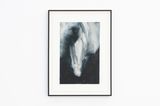
Her process is grounded in an attentive resonance to the material’s behaviour. She is loyal to its texture, she allows oil to dictate rhythm and pace. The slow movement of oil demands that she pauses and these moments of stillness require observation. The oil becomes alive beyond her and she acts with it. Each encounter is a corps à corps with the material—it is absorbent, resistant, and often blended with pigments and oil paint. What emerges is often a dense black surface shaped by movement, where her gestures recall dance—she becomes one with the material across paper, textile and installation.
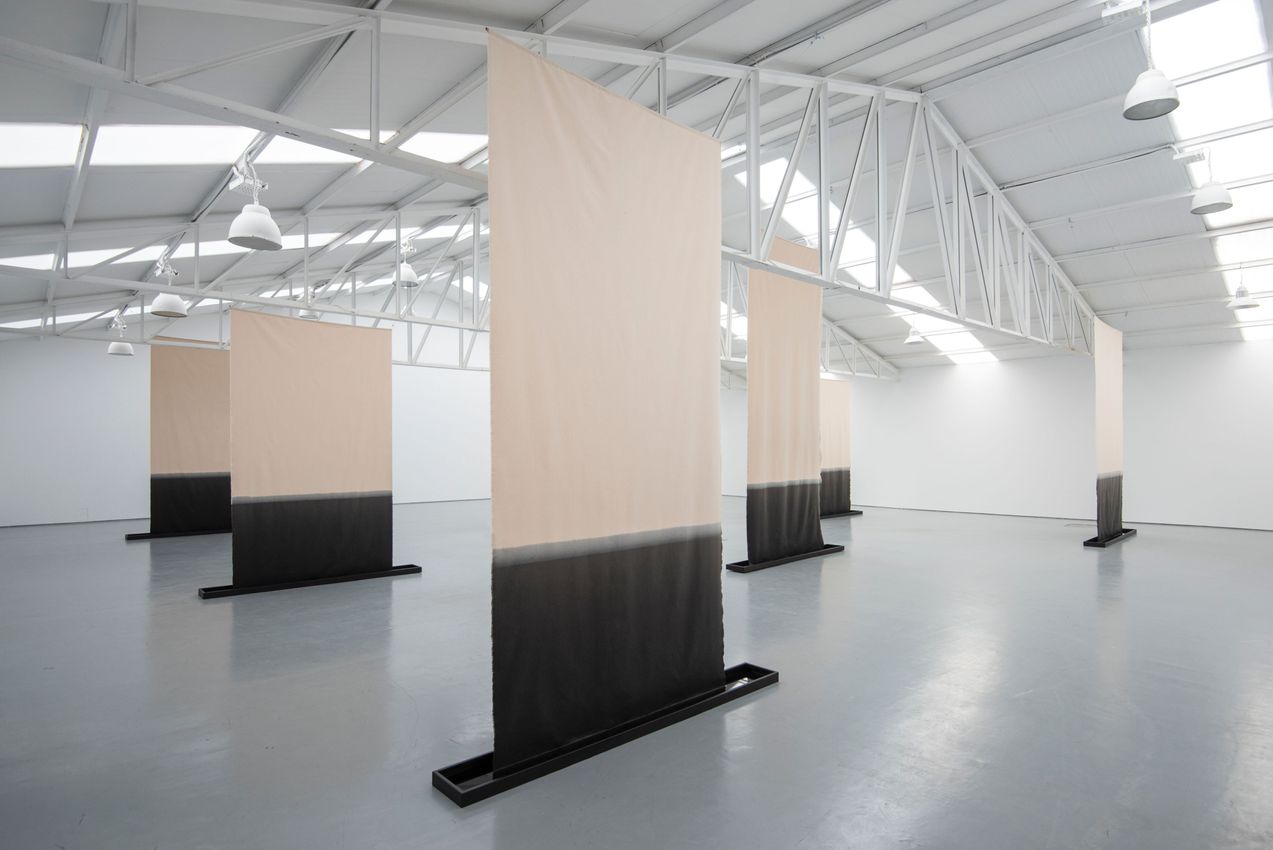
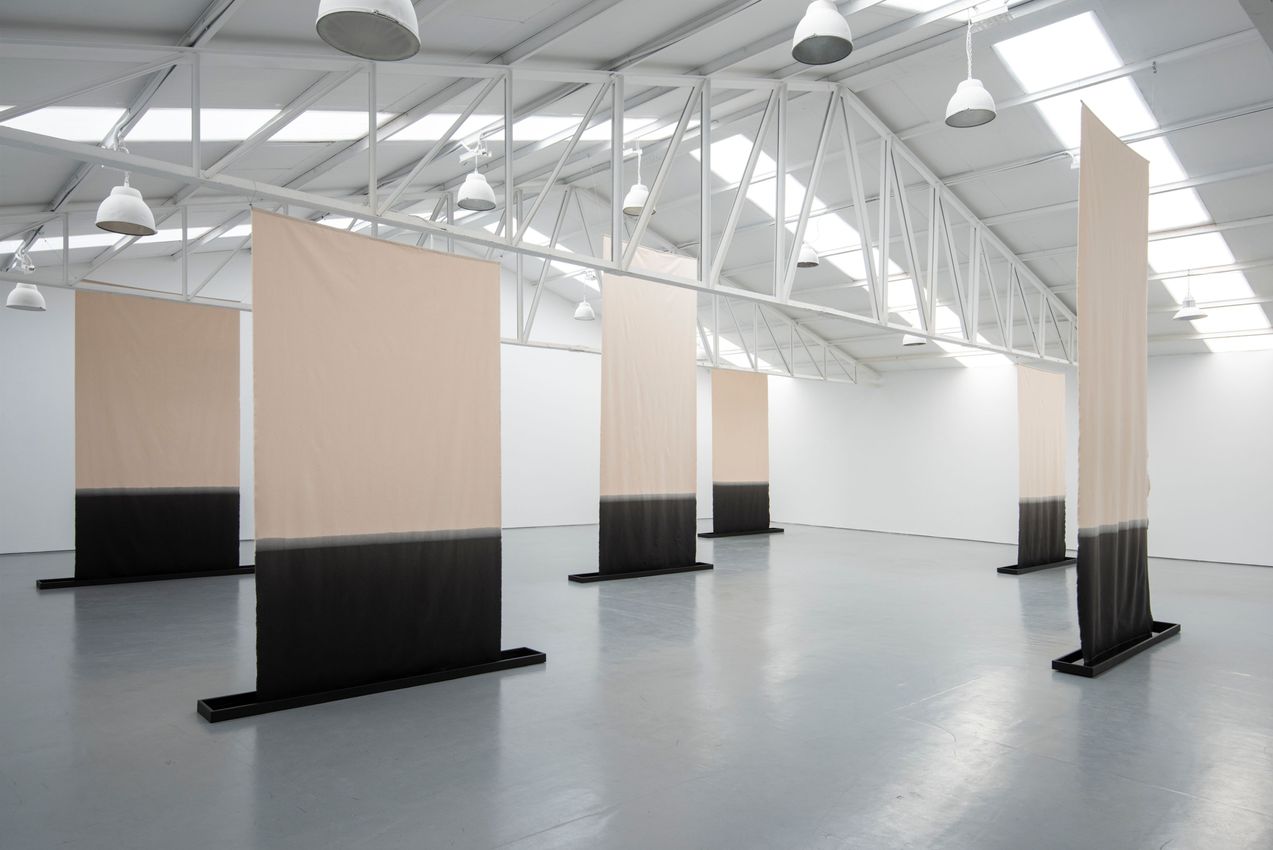
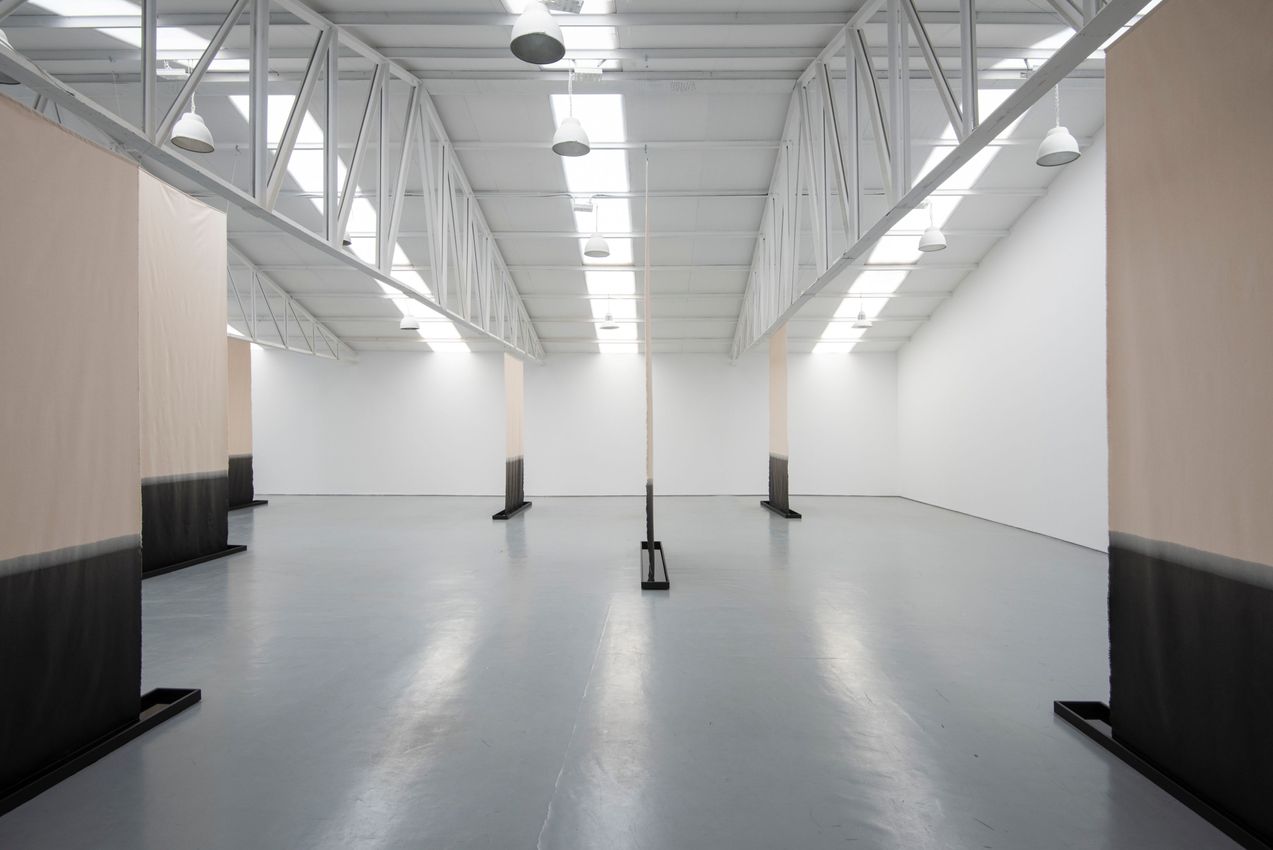
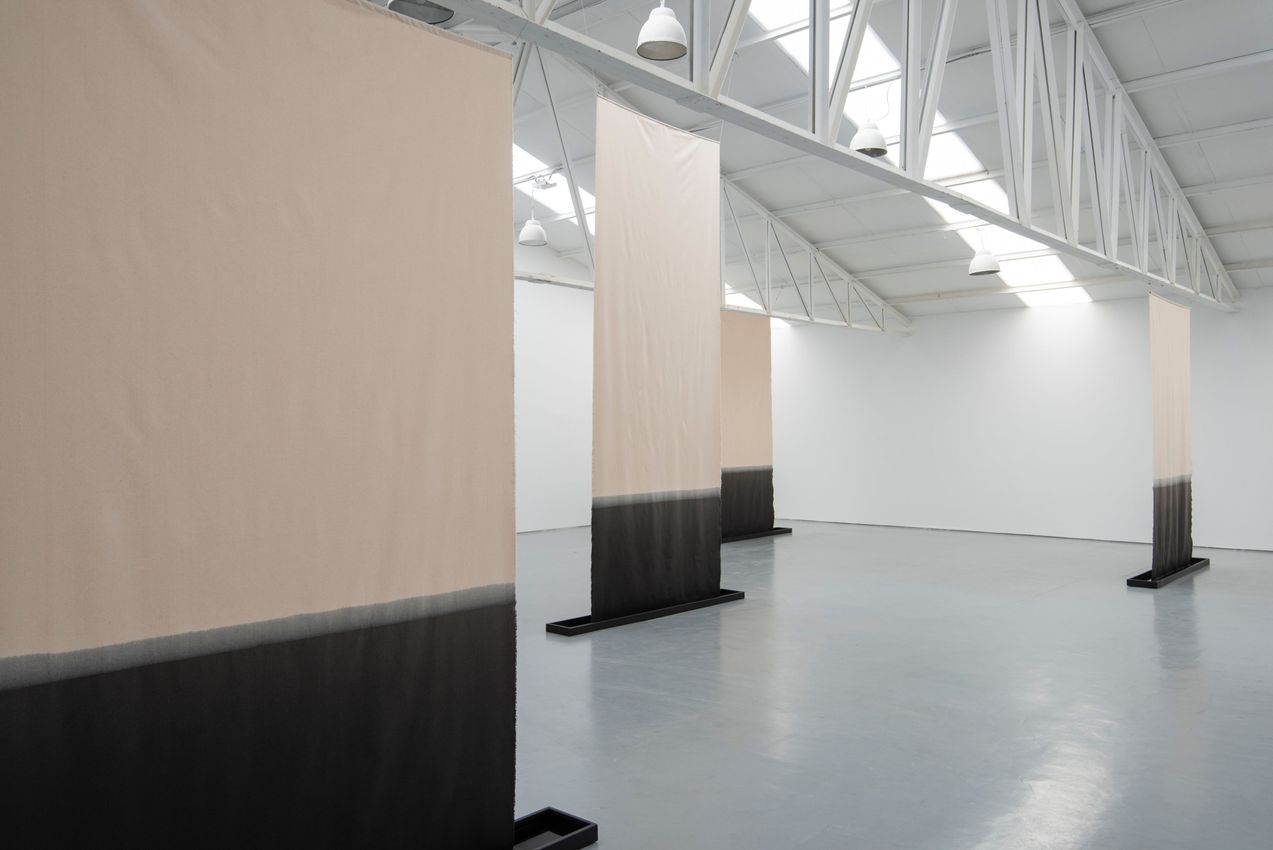
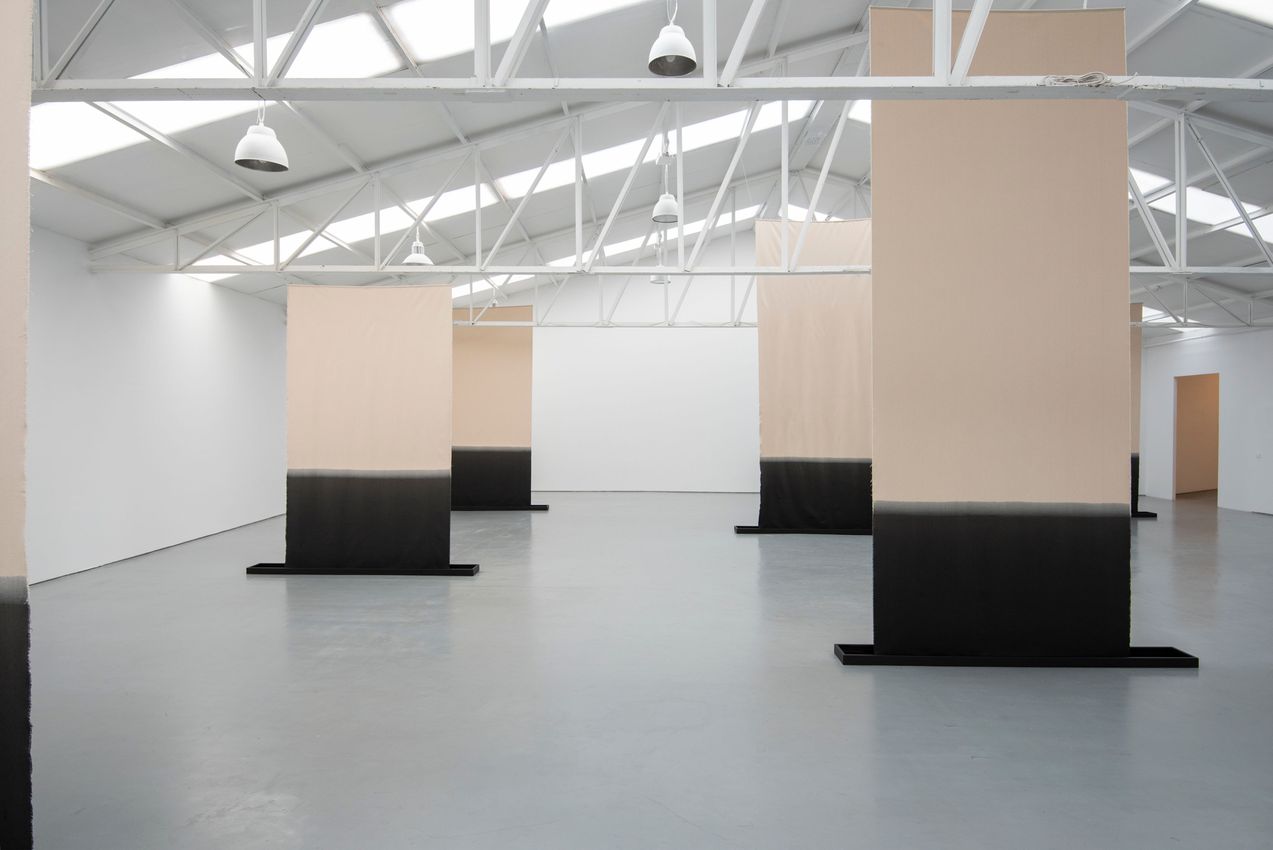
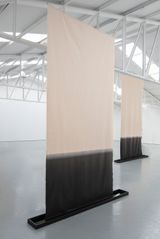
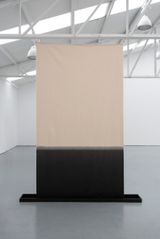
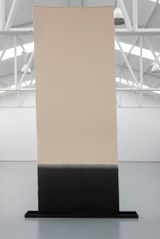
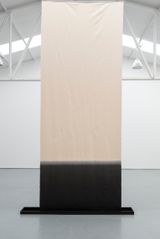
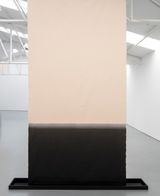
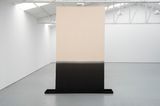
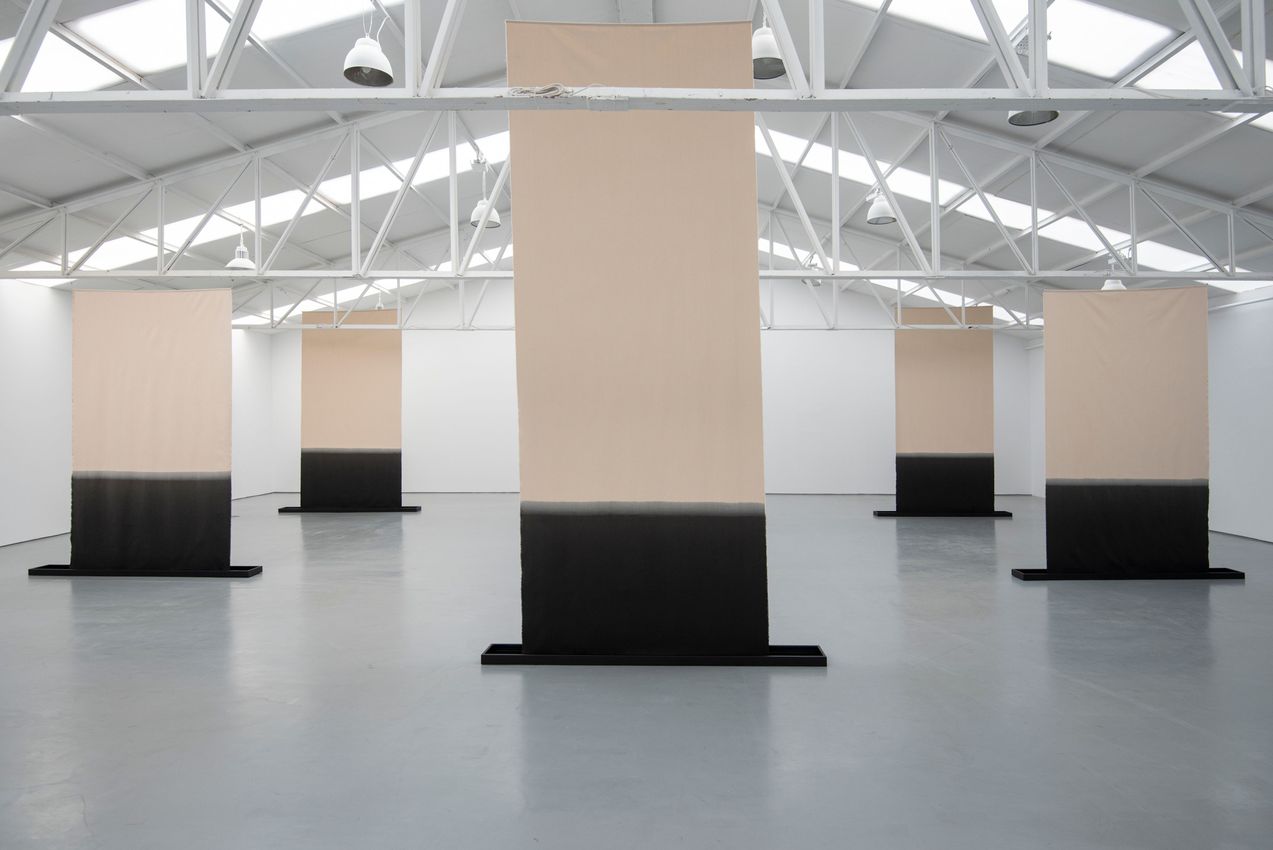
_Organs of breath _(2025), is a large-scale installation composed of long strips of textile dipped in pools of engine oil. The work is a shifting choreography transforming gradually over time. As the oil seeps and rises, it occupies a new terrain, building height and monumental presence in dialogue with the high-ceiling space. The installation invites sustained viewing, positioning the audience as witnesses to an ongoing process. Its theatricality suggests the resurfacing of an erased ecosystem bringing visibility and breath to what has been rendered invisible. The rising black surface is the voice of dead marine life coming back to life. These natural species, once living organisms, are never absent, they remain present as organic memory within oil, as they animate its movement on the surface of textile.
These ghostly organisms’ reappearance speaks to the continuum of the violation of the environment. Bodies and land are deeply interconnected, ecosystems return, here, in visible languages that demand an end to neo-colonial systems of mass destruction. Her practice resonates with Jane Bennett’s notion of vibrant matter 1, which suggests that materiality is affective, capable of resisting, influencing and actively resonating with human intention. For Karakashian, oil is ancient sunlight and heat—sunlight is what transforms that living organism that dies in the bottom of the ocean. It is in this liquid mass and final point that they come alive again, until they become matter resonating in the hand of the artist.
Moving between monumentality and silence, softness and movements, Karakashian’s practice holds space for violence and sensitivity. By committing to a single, contested material, that is alive, unstable and largely unknown in its physicality, she invites the audience back into sensory engagement and critical awareness about its symbolism. It is a form of resistance that counteracts and complicates our relationships to power. It offers a way to sit with it through attention, through not knowing and through the act of holding onto something as we gaze into it.
Text by Cindy Sissokho. Courtesy Sabrina Amrani
Alexandra Karakashian’s work stems from her personal and family history and reflects on current issues of exile, migration and refugee-statues. Process and materiality is key to her practice. Employing used engine oil and salt as a medium for painting, she engages in ecological discussion, the threatening instability and subtle collapse; and the unethical seizing of rapidly dwindling natural resources, particularly on the resource-rich African continent. Furthermore she investigates notions of mourning – both of an individual and collective nature – and the lamentation of the loss of land and of those who have been ‘unhomed’.

A respected voice in contemporary art discourse.
Focusing on ambitious storytelling and insightful art-world commentary. Ocula Magazine publishes in-depth interviews, critical essays and timely analysis on the artists, exhibitions and ideas driving the global art world.
Learn more about Ocula Magazine
Showcasing the best of the art world.
Ocula partners with galleries from around the world to highlight their artists, artworks and exhibitions. Gallery membership is by application and invitation, with each member vetted by an independent panel.
Learn more about Ocula Membership

Specialises in the sale of major artworks.
Led by a team with deep ties to the world’s leading auction houses, galleries and collectors. Ocula’s advisory team offers bespoke services to high-net-worth clients from around the world who are looking to acquire the best of contemporary and modern art.
Learn more about our team and services