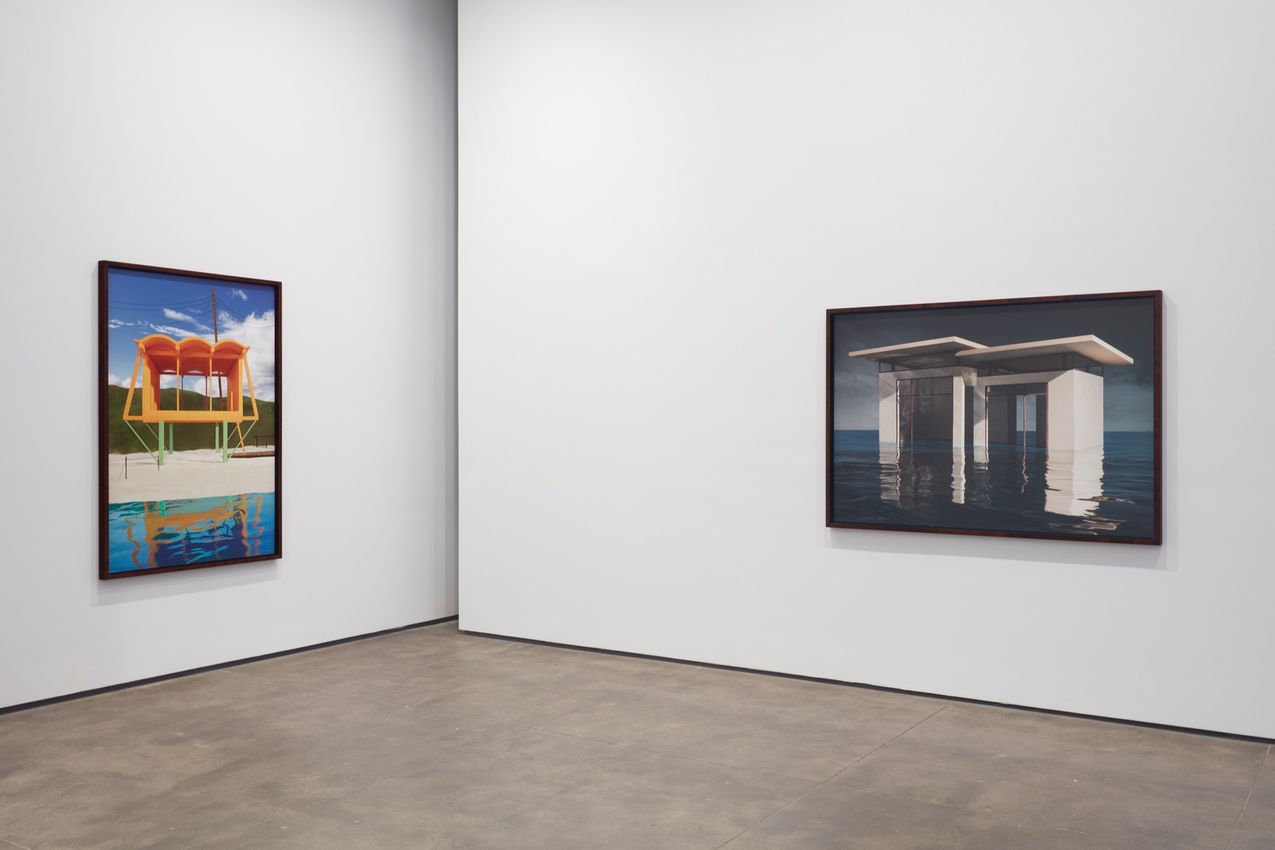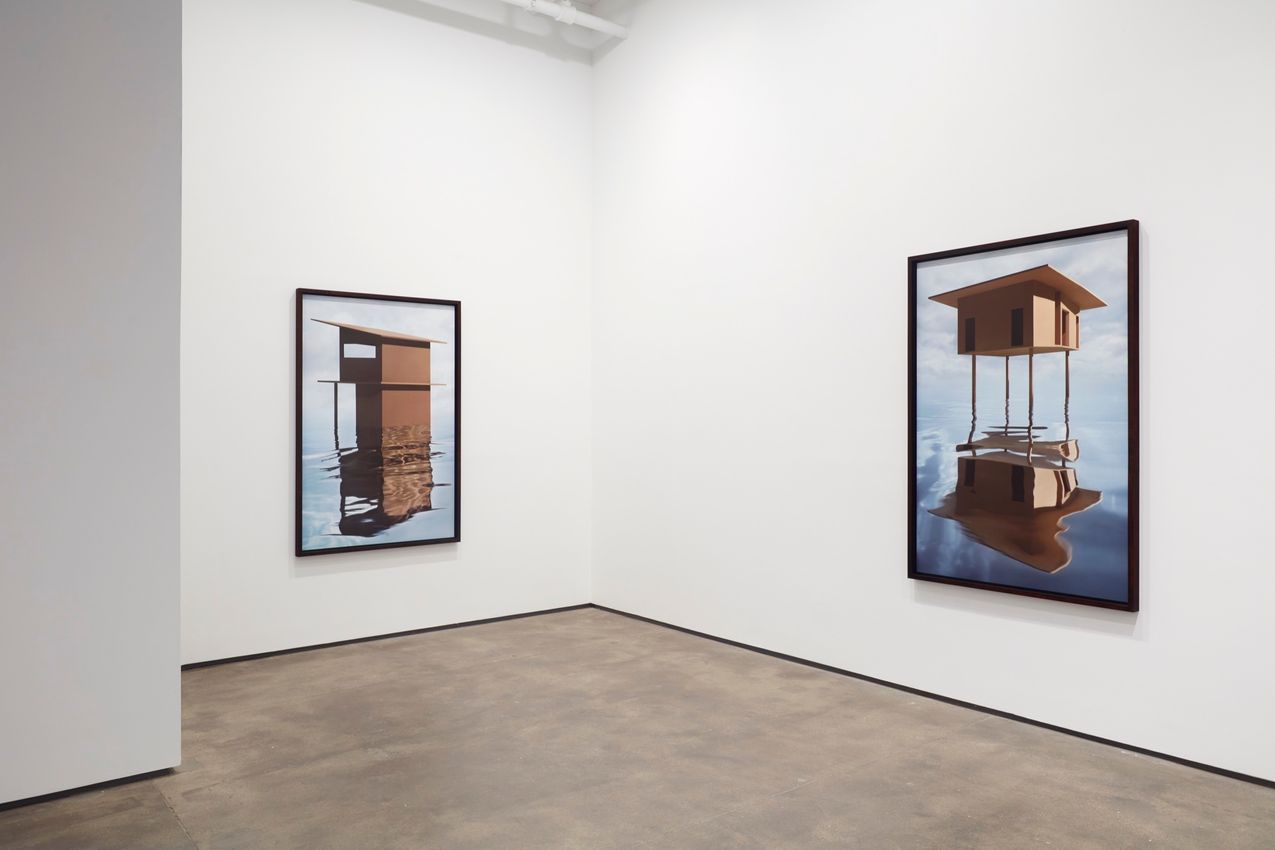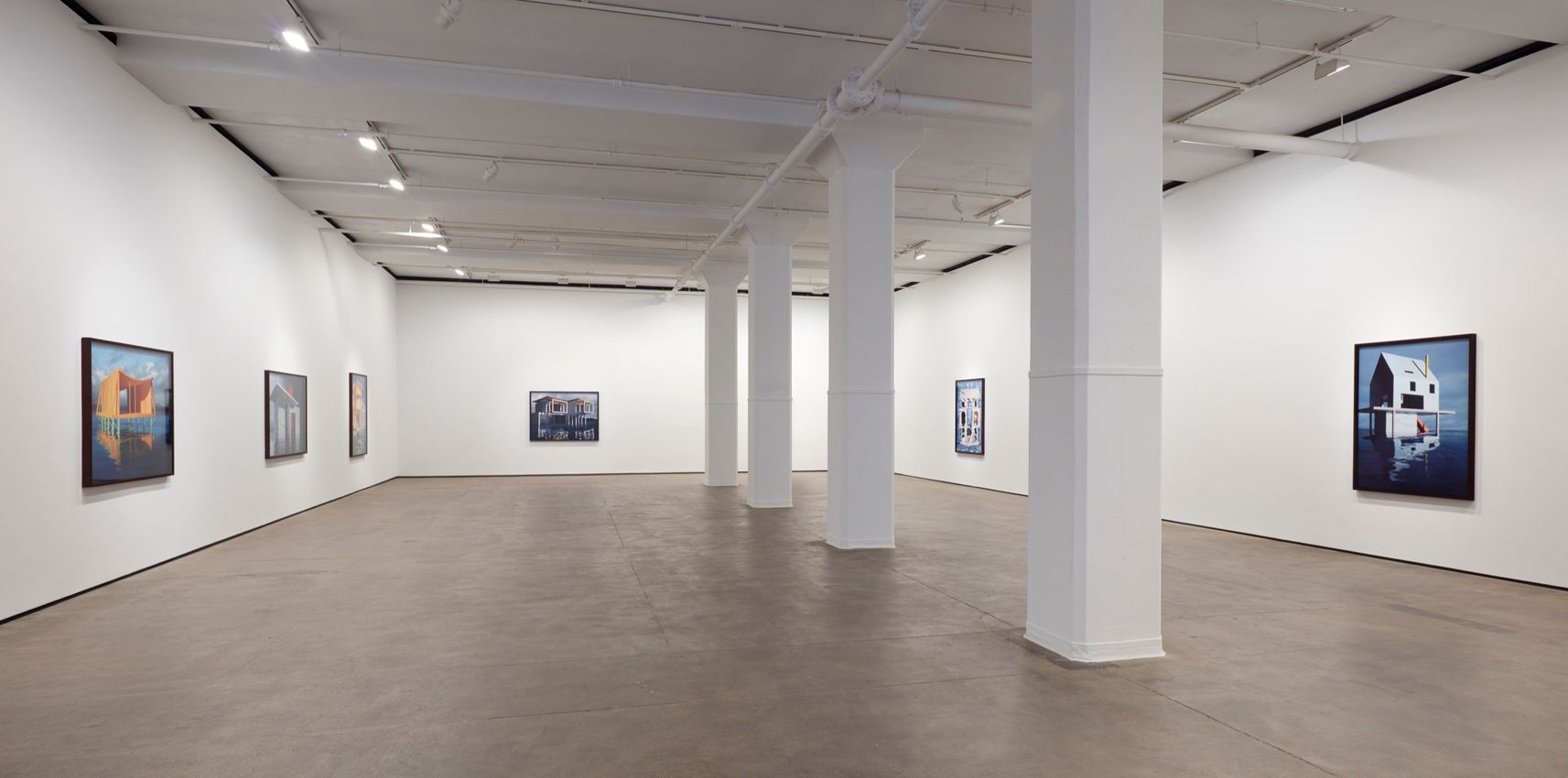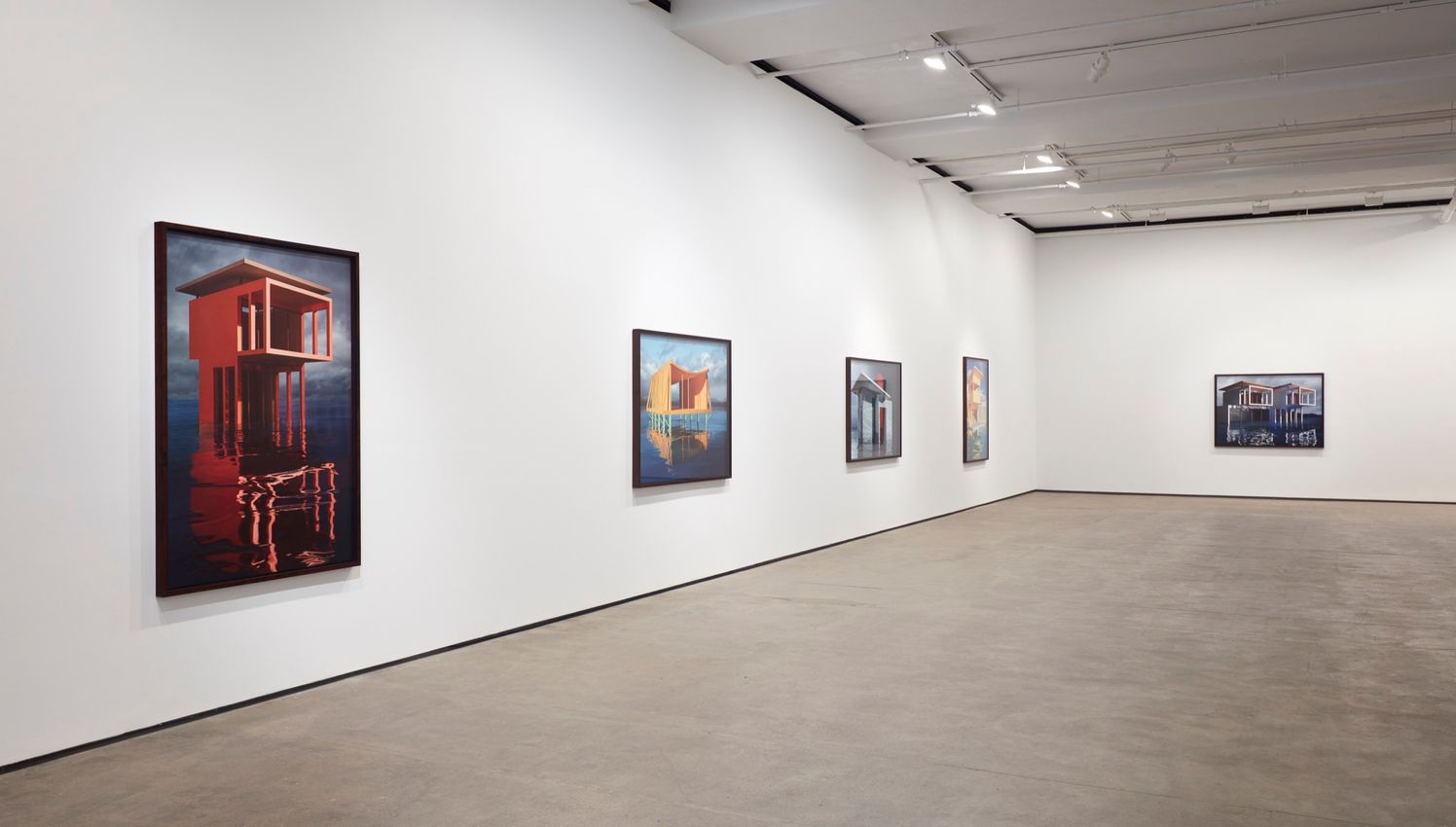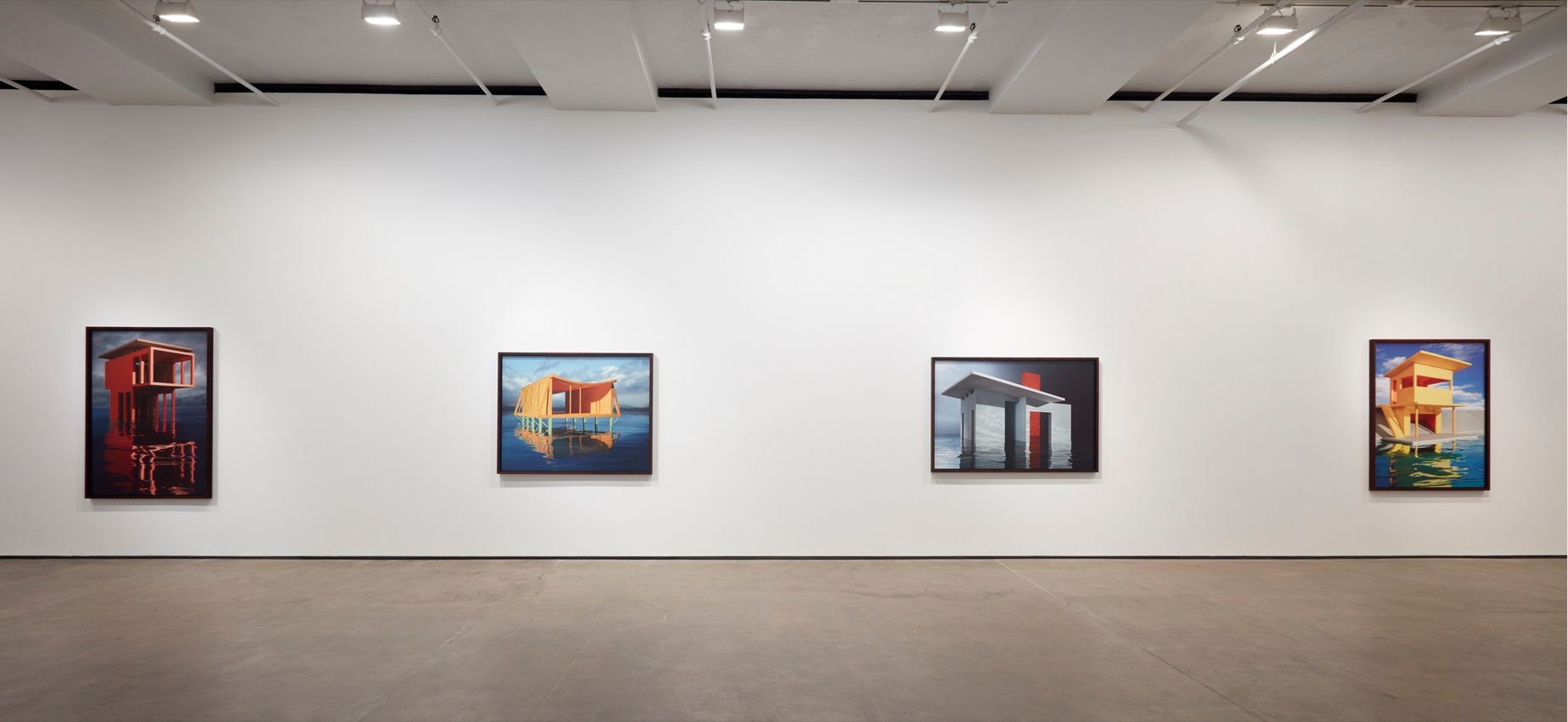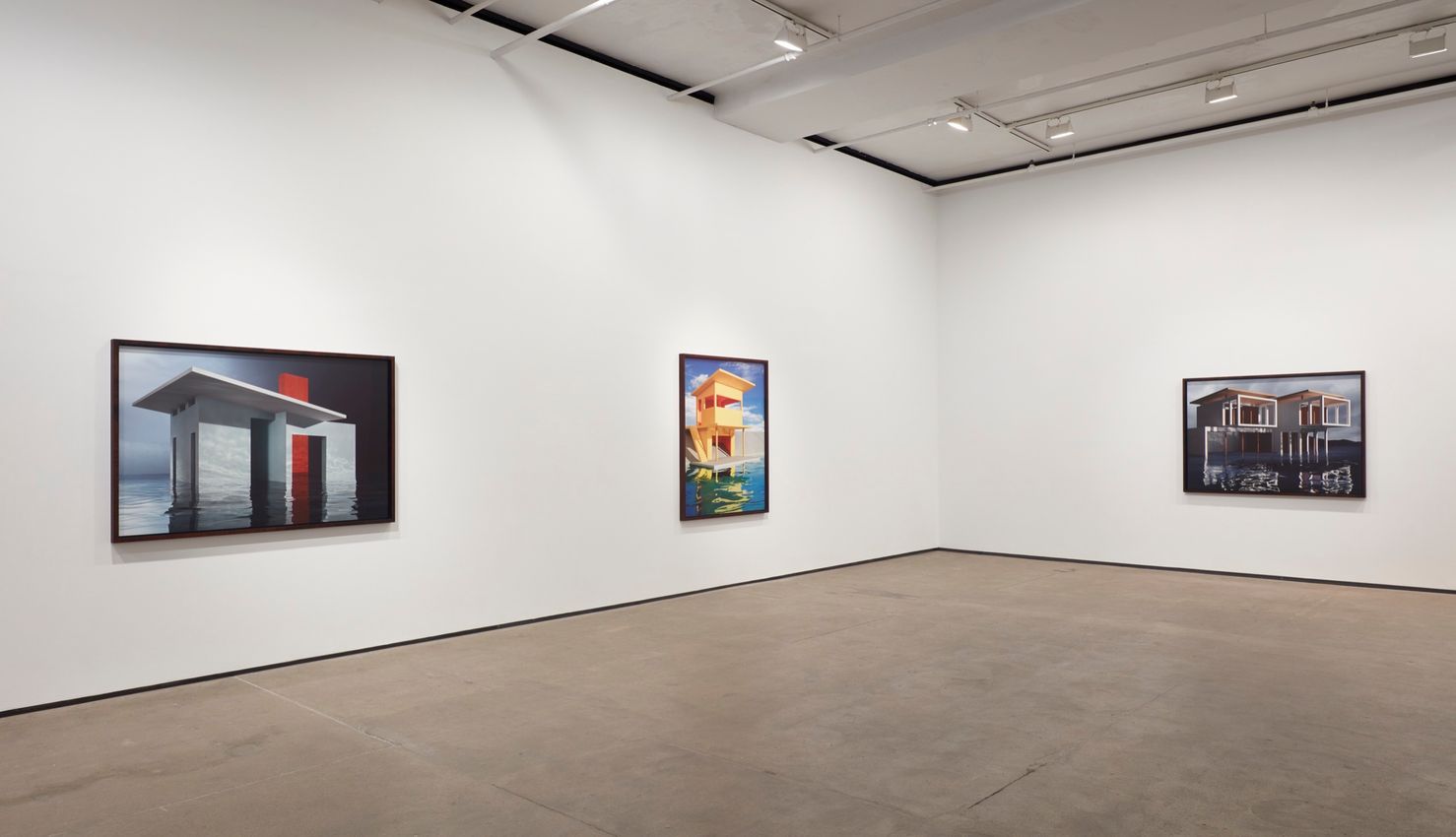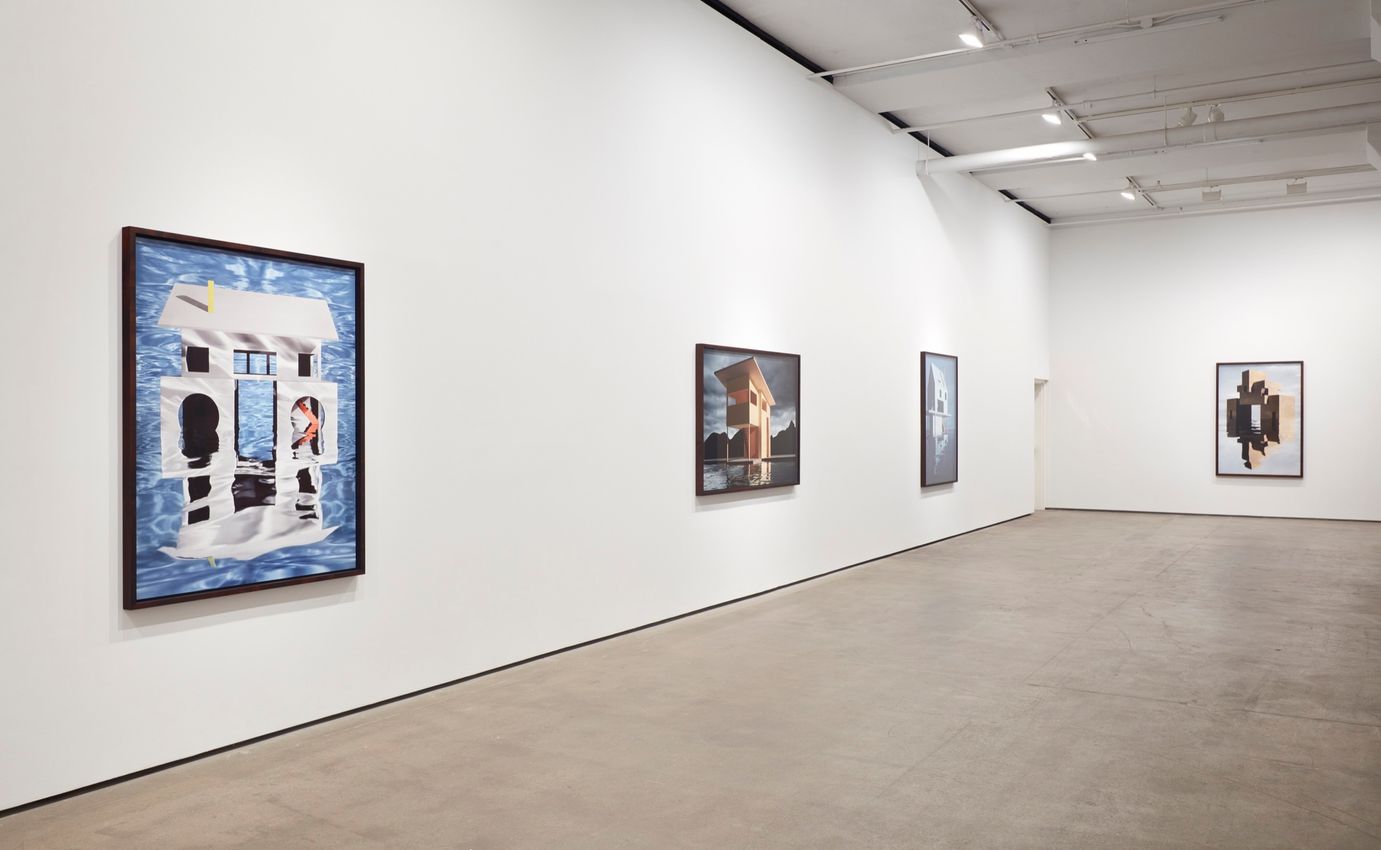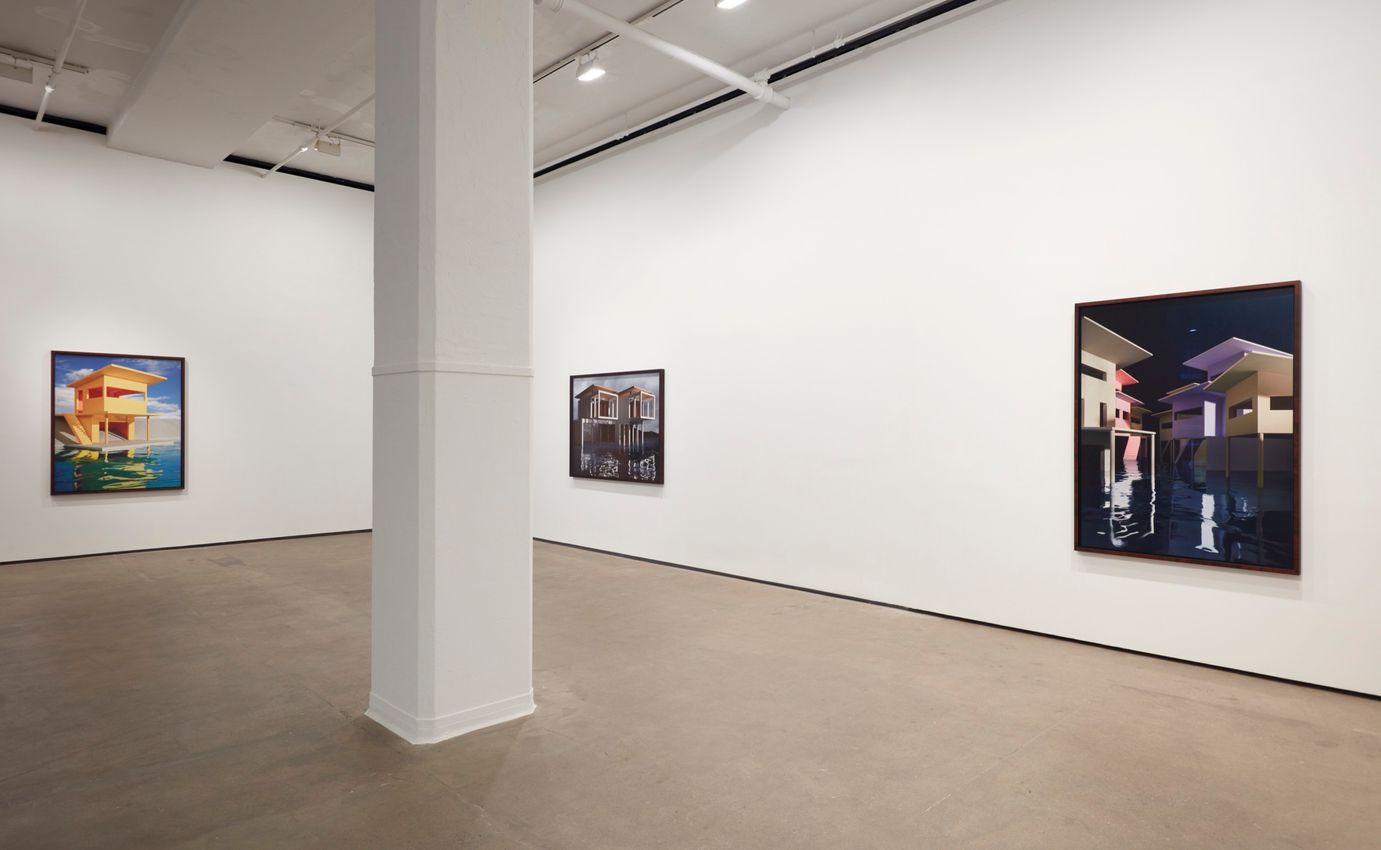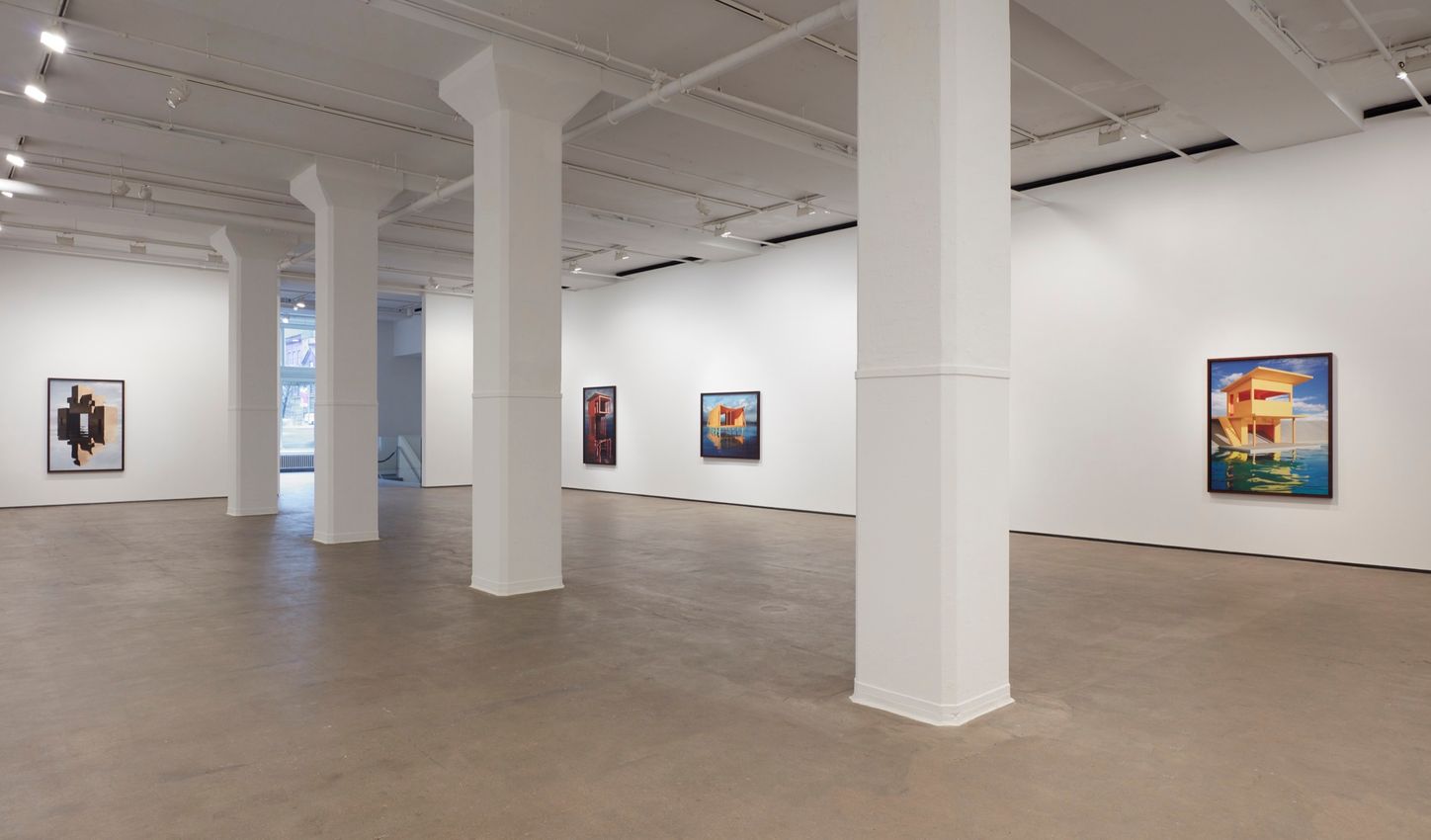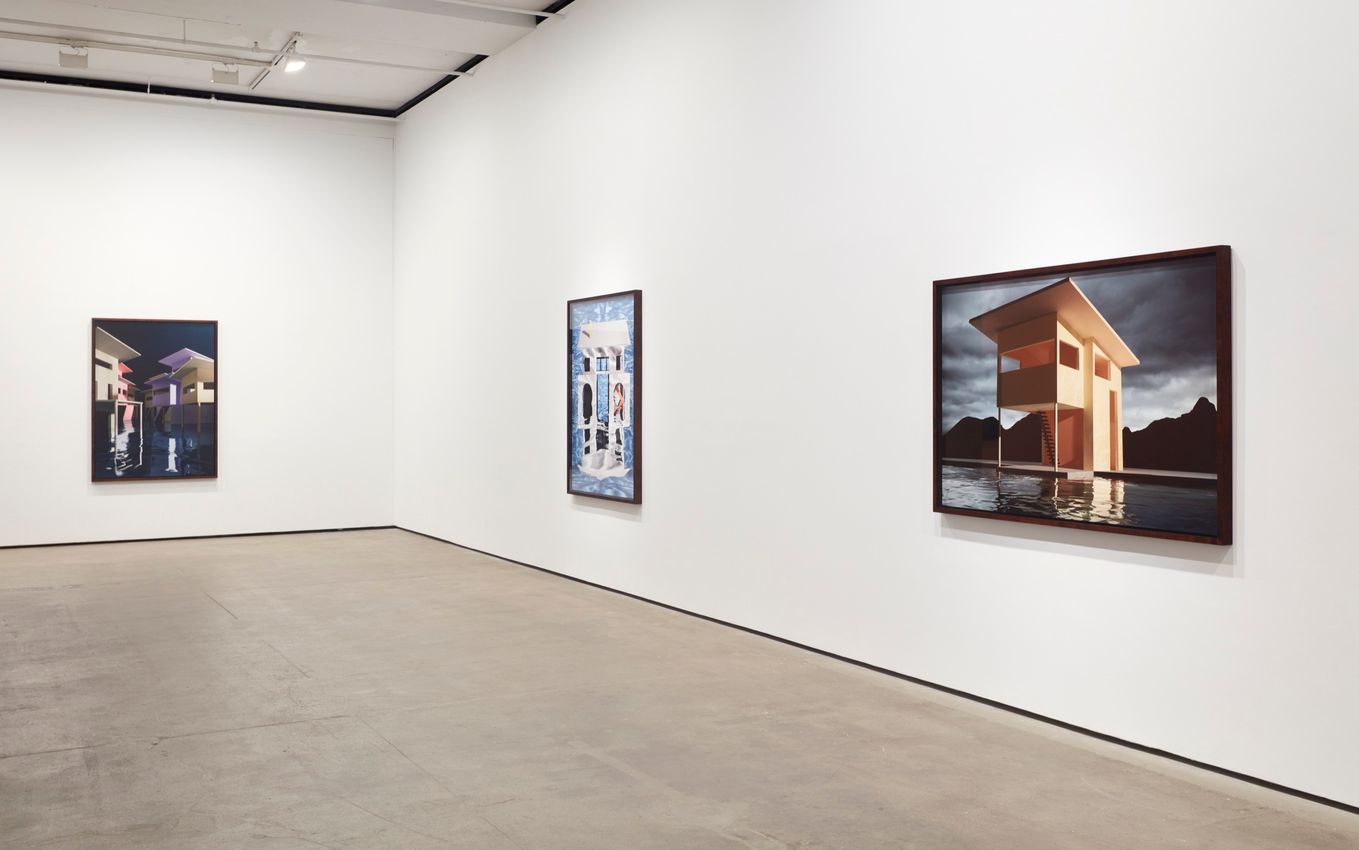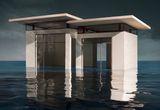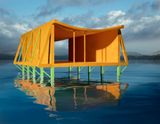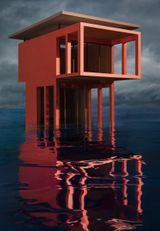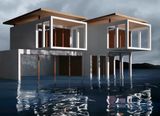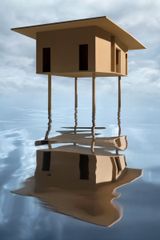




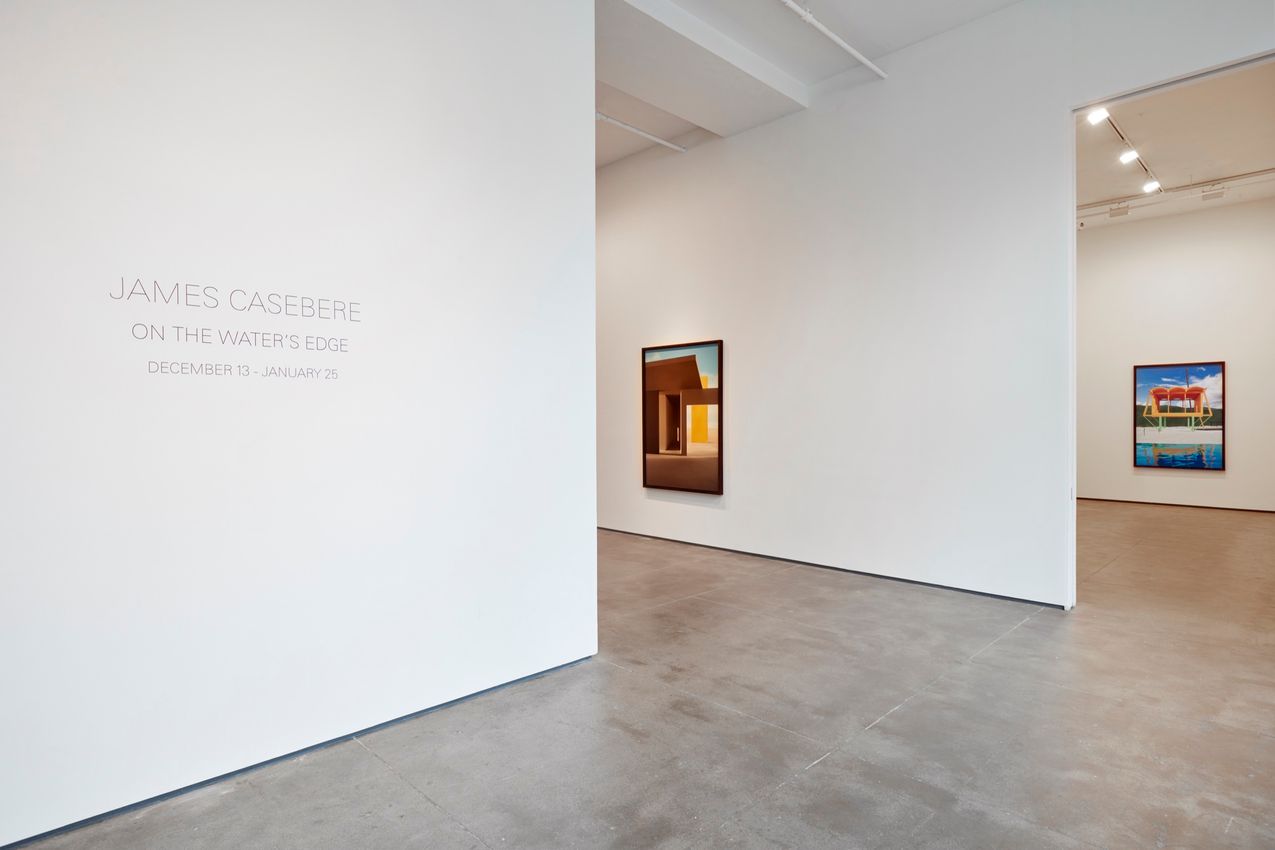
Sean Kelly is delighted to present On the Water’s Edge, James Casebere‘s eighth solo exhibition with the gallery. In this arresting new series of images, Casebere continues his ever-evolving exploration of form at the intersection of architecture, sculpture and photography. In previous, well-known bodies of work, the artist depicted buildings and interiors based primarily on extant structures; this series, however, is distinguished by a marked change in Casebere’s conceptual approach. To create these salient new images, Casebere became the architect, often designing and building the structures he produced and then photographed. There will be an opening reception on Thursday, December 12, from 6-8pm. The artist will be present.
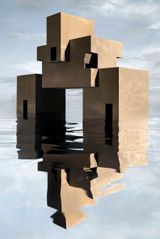
Over the course of forty years, James Casebere has developed a unique and increasingly complex language of ‘constructed photography’ in which he builds structural models, which he then lights and photographs. Based on art historical, cinematic and architectural sources, his table-sized constructions are made of simple materials and pared down to essential forms. Throughout his practice, Casebere’s images have expanded to accommodate his exploration of different aesthetic and technical challenges. For instance, Casebere’s previous series of images, inspired by world-renowned Mexican architect Luis Barragán, embraced modernist architecture’s use of space, colour and light to create images that engendered warmth, meditation, and reflection. In this new body of work, Casebere continues with a nod to the influence of Barragán, but also architect Paul Rudolph in his visionary mid-century modern Florida homes and later shift to Brutalism. In these images, Casebere re-imagines both the context and the content of the original structures.
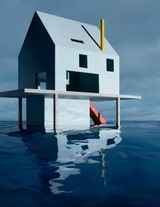
The works in this series are hybrids of public/private spaces. Geometrically designed edifices rendered in a rich and vibrant palette; these buildings appear simultaneously concrete and abstract; they are open, even unfinished buildings of the sort that provide sanctuary, such as beach houses, cabanas, bathhouses. Neither utopian nor dystopian, these images are meant to inspire an appreciation of pure beauty coupled with a twinge of uncertainty. Indeed, in these unmoored, flooded pavilions, Casebere sees human ingenuity in the face of global warming. Acknowledging the imminent unknown future these pictures embody, he also insists that we ‘can’t afford to throw our hands up in...resignation.’ In fact, Casebere acknowledges that these structures are about tenacity, adaptation, ingenuity, and perhaps, optimism, describing them by saying, ‘there is such a playful atmosphere to them. It feels like an expression of the indomitable human spirit. These things could be rising out of the water like the first creatures to emerge from the sea and live on solid ground.’
James Casebere is the winner of the American Academy in Rome Abigail Cohen Rome Prize Fellowship for 2019-2020. In addition, he has been the recipient of three awards from the National Endowment for the Arts, three from the New York Foundation for the Arts and one from the John Simon Guggenheim Memorial Foundation. His work is featured in international museum collections, including the Whitney Museum of American Art, New York; the Solomon R. Guggenheim Museum, New York; the Metropolitan Museum of Art, New York; the Goetz Collection, Munich, Germany; the Walker Art Center, Minneapolis; the Mukha Museum, Antwerp, Belgium; the Los Angeles Museum of Contemporary Art; the Los Angeles County Museum; and the Victoria and Albert Museum, London, England, amongst many others. In 2016, Casebere was a New York Foundation for the Arts Hall of Fame Honoree and the subject of the important survey exhibitions: Fugitive, at the Haus der Kunst in Munich, curated by Okwui Enwezor; Immersion, at Espace Images Vevey in Switzerland; and After Scale Model: Dwelling in the Work of James Casebere, at the BOZAR/Centre for Fine Arts in Brussels, Belgium. James Casebere lives and works in New York.
James Casebere’s photographs will be featured in the forthcoming group exhibition Paradise Lost-Gazing at Contemporary Urban Civilization and its Metaphor at the JUT Art Museum, Taipei, Taiwan, on view December 21, 2019-April 5, 2020
James Casebere was born in 1953, in East Lansing, Michigan. He attended Michigan State University and the Minneapolis College of Art and Design, from which he graduated in 1976 with a BFA. In the fall of 1977, he attended the Whitney Independent Study Program in New York and received an MFA from Cal Arts in 1979.
Sean Kelly Gallery was founded by its British-born owner in 1991 and operated privately in SoHo until 1995 when its first public space opened at 43 Mercer Street. During these formative years, it established a reputation for diverse, intellectually driven, unconventional exhibitions. The original list of artists represented included Marina Abramović, James Casebere, Callum Innes, Joseph Kosuth and Julião Sarmento – exemplifying the Gallery’s commitment to presenting important, challenging contemporary art.

A respected voice in contemporary art discourse.
Focusing on ambitious storytelling and insightful art-world commentary. Ocula Magazine publishes in-depth interviews, critical essays and timely analysis on the artists, exhibitions and ideas driving the global art world.
Learn more about Ocula Magazine
Showcasing the best of the art world.
Ocula partners with galleries from around the world to highlight their artists, artworks and exhibitions. Gallery membership is by application and invitation, with each member vetted by an independent panel.
Learn more about Ocula Membership

Specialises in the sale of major artworks.
Led by a team with deep ties to the world’s leading auction houses, galleries and collectors. Ocula’s advisory team offers bespoke services to high-net-worth clients from around the world who are looking to acquire the best of contemporary and modern art.
Learn more about our team and services