



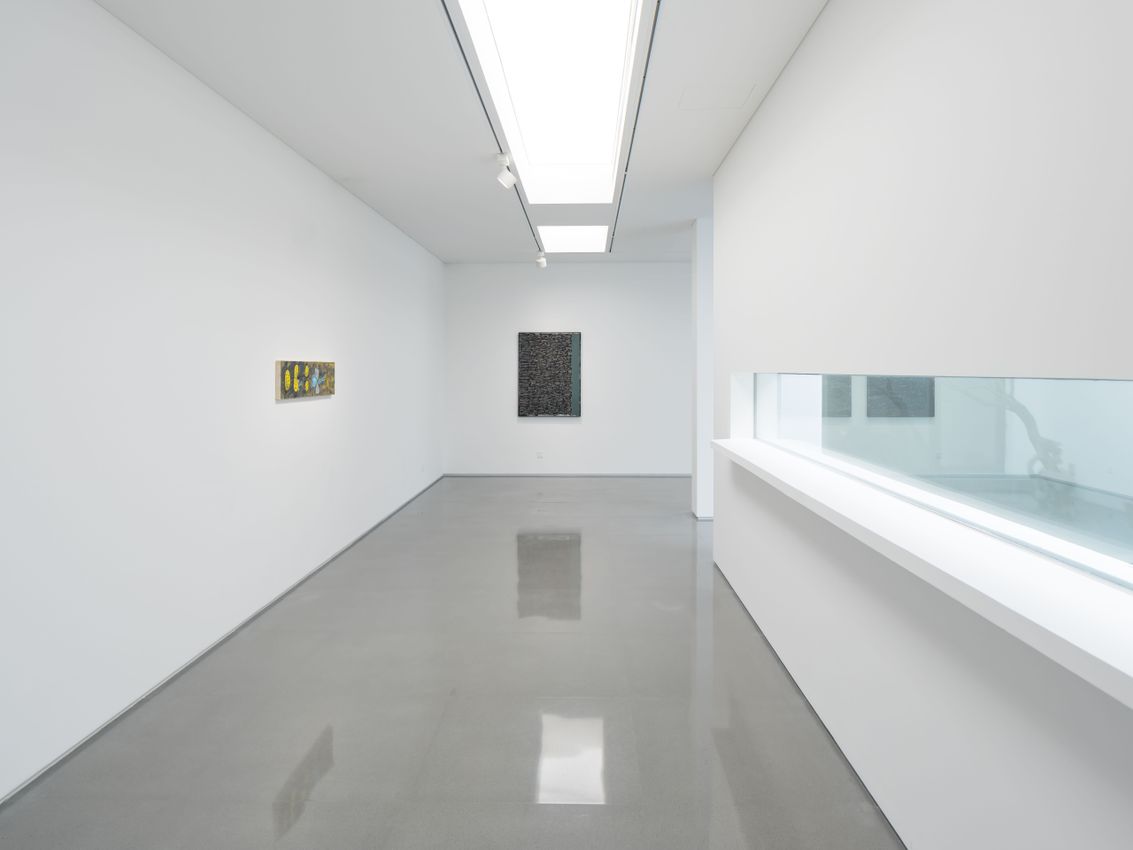
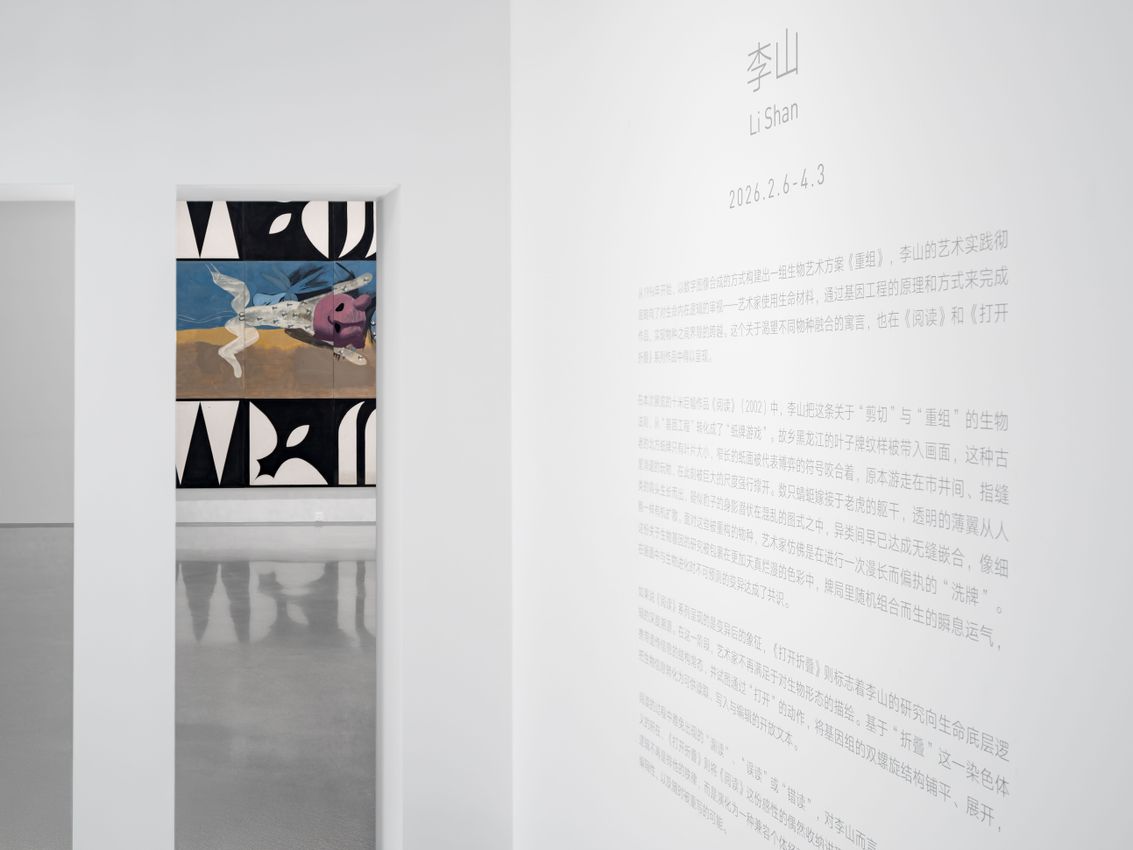
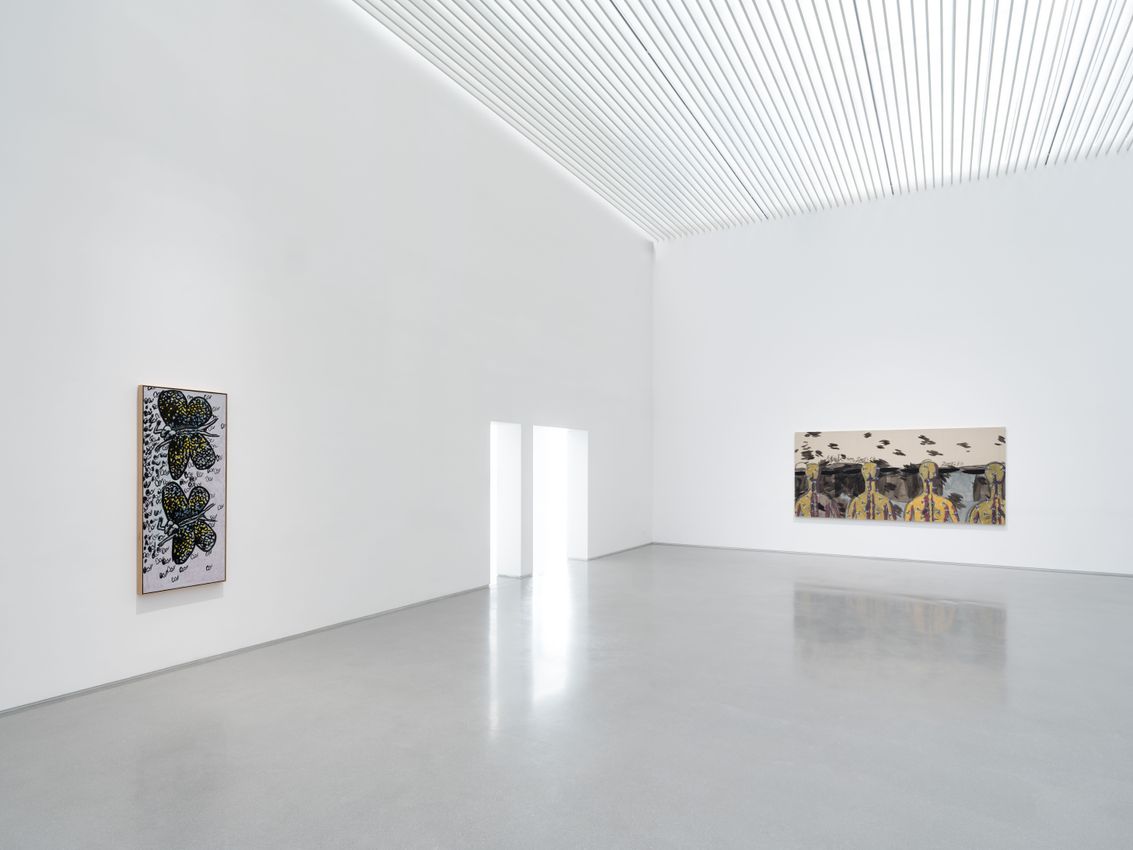
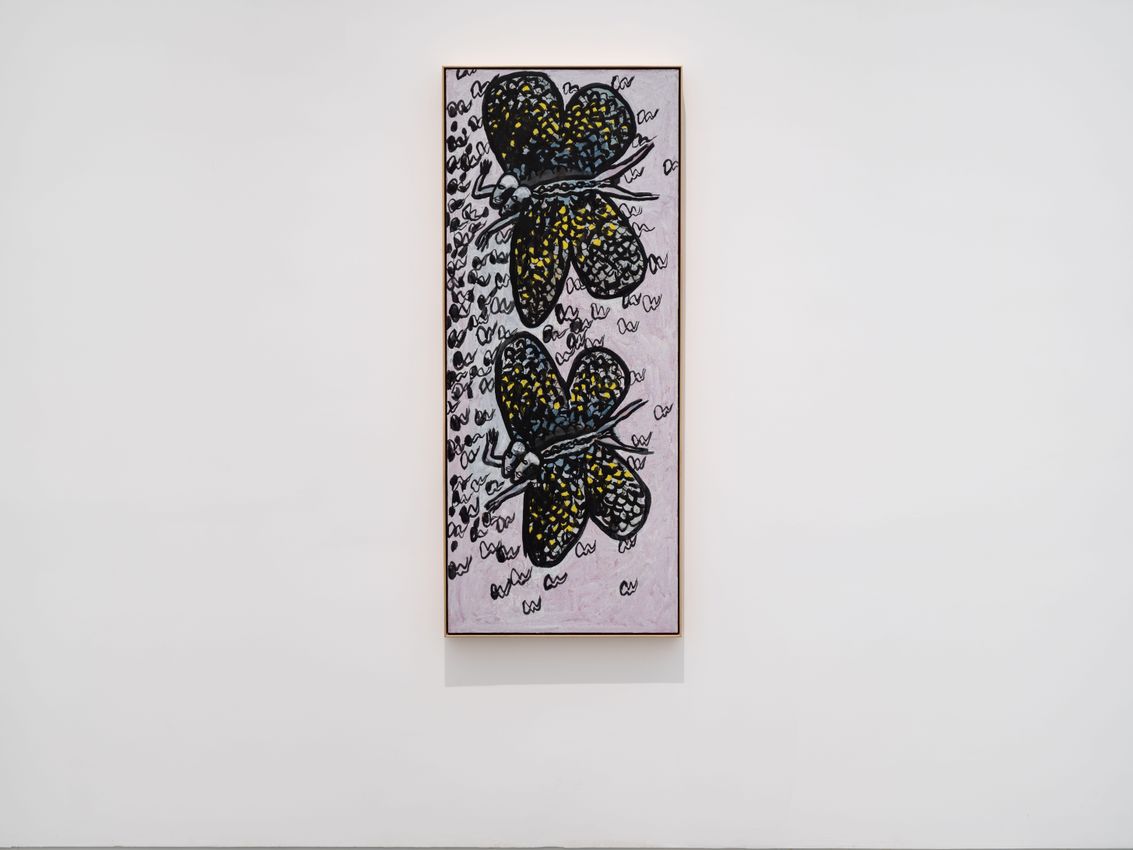
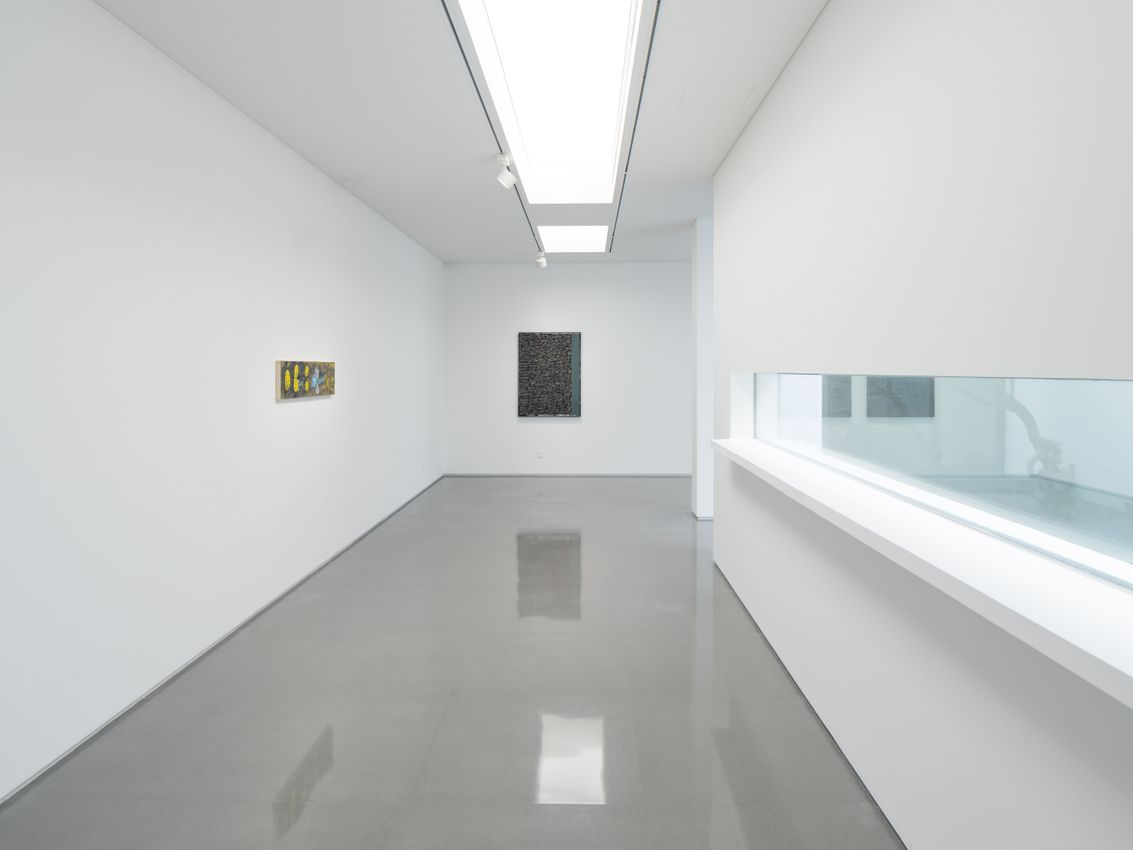
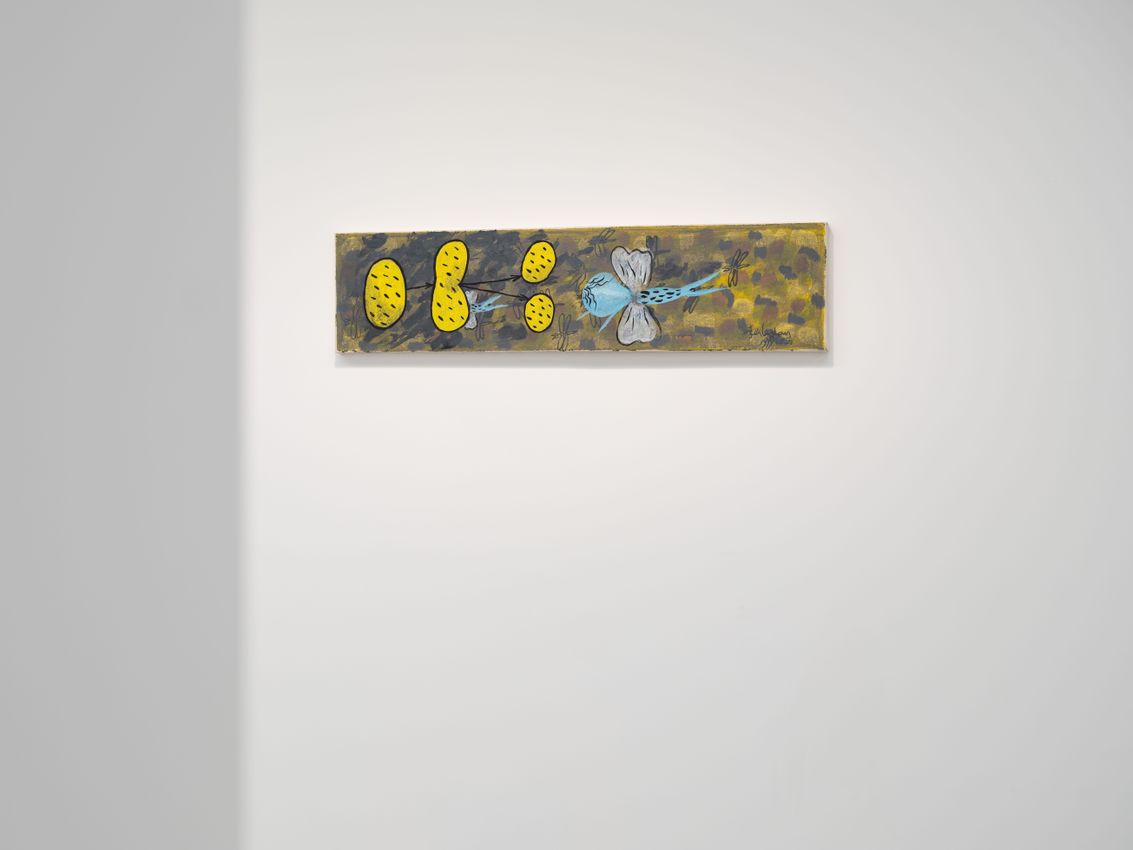
ShanghART Gallery is pleased to announce the opening of an eponymous solo exhibition by artist Li Shan on 6 February 2026, at its Beijing space. Marking his first solo presentation in Beijing, the exhibition will run through 3 April. Widely regarded as the progenitor of Chinese BioArt, Li Shan utilizes a unique artistic language to present his reflections on bio-equality and the concept of biological universalism, alongside the artist’s exploration of life’s possibilities and its fundamental origins.
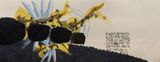
Beginning in 1996 with the digital synthesis of his BioArt project Restructuring, Li Shan’s artistic practice underwent a radical pivot toward a scrutiny of the intrinsic logic of life. Using living materials and the principles of genetic engineering, the artist constructs works that transcend the boundaries between species. This allegory of the longing for interspecies fusion is further manifested in his series Reading and Unfolding.
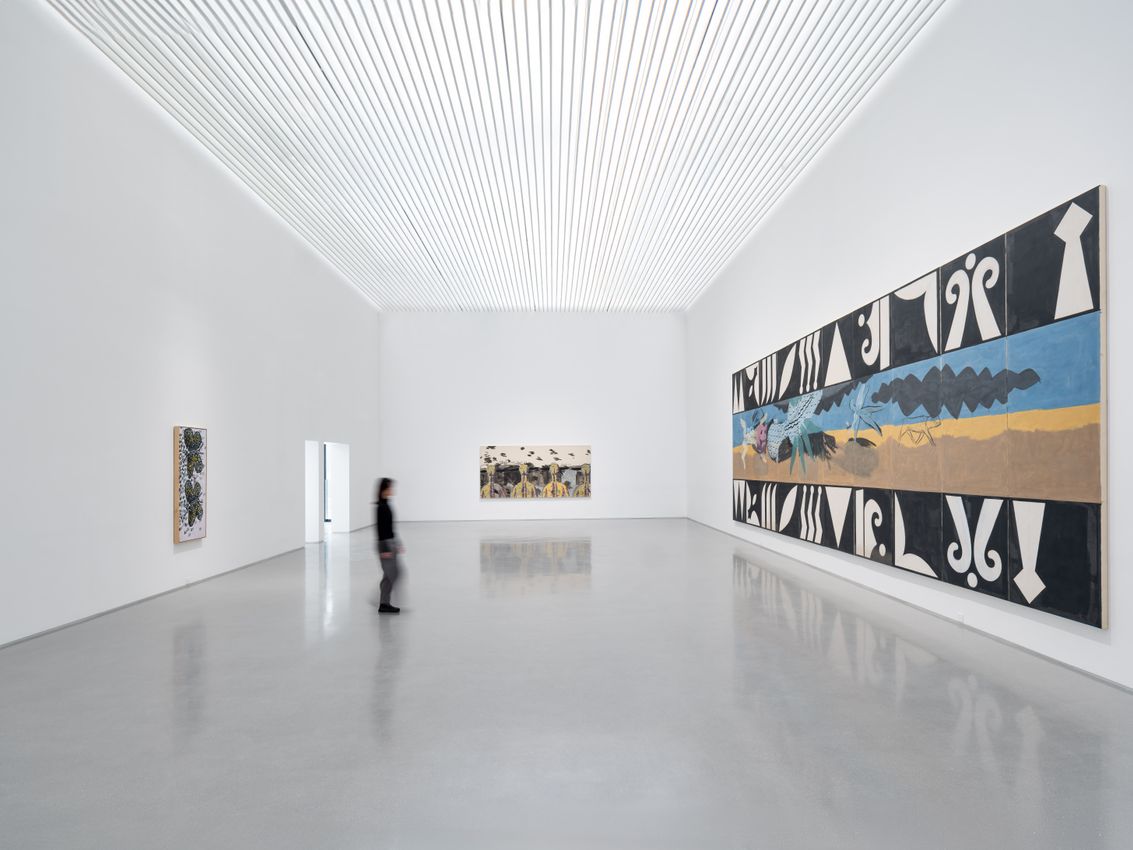
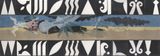
In the ten-meter monumental work Reading (2002), Li Shan shifts the biological laws of “cutting” and “restructuring” from genetic engineering to the format of a card game. Patterns of Ye Zi Pai (LeafPorker) from the artist’s hometown Heilongjinag are incorporates into the composition. These ancient northern cards are only the size of a leaf, their narrow, elongated surfaces interlocked with symbols of gaming. An object that once circulated as a mundane pastime in the streets and between the fingers is here forcibly stretched by the massive scale of the canvas. Dragonflies are grafted onto the torsos of tigers, and translucent wings sprout from human shoulders. A leopard-like silhouette lurks within chaotic motifs; disparate species have long since achieved a seamless chimerism, diffusing organically like proliferating cells. In the presence of these reconfigured beings, the artist appears to be conducting a long, obsessive ‘reshuffling’ of existence. Wrapped in a palette of playful innocence, the work aligns the fleeting luck of a card game with the unpredictable nature of evolutionary mutation, turning genetic research into a vibrant display of chance.
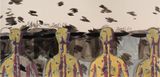
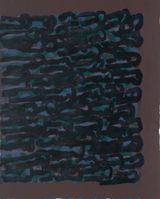
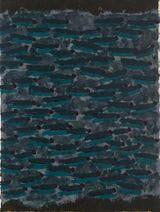
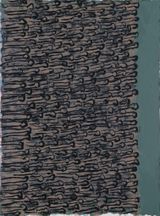
If the Reading series presents symbols of mutation, Unfolding marks a profound return to the underlying logic of life within Li Shan’s research. At this stage, the artist is no longer content with the simple representation of biological morphology. Grounded in the structural norm of chromosomal ‘folding,’ the artist seeks to ‘unfold’ and flatten the genomic double helix, transforming biological information into an open text for reading, writing, and editing.
While reading, skipping, misreading and mispronunciation are inevitable. However, for Li, these are indeed the most appealing and meaningful. While Reading dwells in the realm of perceptual chance, Unfolding gathers those moments of intuition and tucks them into the fold of rational inevitability. Rigorous biological logic is no longer an exclusive, ironclad law; instead, it has evolved into an open order that accommodates individual experience. This shift validates the editability of life and its perceptual potential for being rewritten.


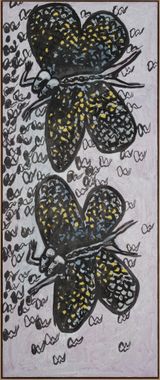
Li Shan has undergone many stylistic changes throughout his unique artistic career but has never lost his ability to express internal sensibilities as well as external reluctances. The latest paintings in his ‘Rouge’ series show mutant beings with butterflies as ears or as part of their faces. They seem to evoke the two contradictory strains that entail humour, laughter and self-mockery on the one hand and a cynical undercurrent of criticism on the other. ‘Rouge’ is based on the principle of ambiguity. Li Shan attempts to find an evolving form that can address the problem of trying to extract the recognisable out of the unrecognisable.


ShanghART gallery was initiated in 1996 in Shanghai. It has since grown to become one of China’s most influential art institutions and a vital resource to the development of contemporary art in China with two spaces in 50 Moganshan Road (Main Space and H-Space), a public warehouse space in West of Shanghai (ShanghART Taopu), and a gallery space in Beijing and representing over 40 artists.
Being recognized for its importance ShanghART became the initial gallery from China participating in major international art fairs like Art Basel and Fiac, Paris. ShanghART gallery also enjoys the great respect of being among the 75 most influencial galleries selected in Thames & Hudson’s publication ‘International Art Galleries: Post-war to Post-millennium.’

A respected voice in contemporary art discourse.
Focusing on ambitious storytelling and insightful art-world commentary. Ocula Magazine publishes in-depth interviews, critical essays and timely analysis on the artists, exhibitions and ideas driving the global art world.
Learn more about Ocula Magazine
Showcasing the best of the art world.
Ocula partners with galleries from around the world to highlight their artists, artworks and exhibitions. Gallery membership is by application and invitation, with each member vetted by an independent panel.
Learn more about Ocula Membership

Specialises in the sale of major artworks.
Led by a team with deep ties to the world’s leading auction houses, galleries and collectors. Ocula’s advisory team offers bespoke services to high-net-worth clients from around the world who are looking to acquire the best of contemporary and modern art.
Learn more about our team and services