Press Release

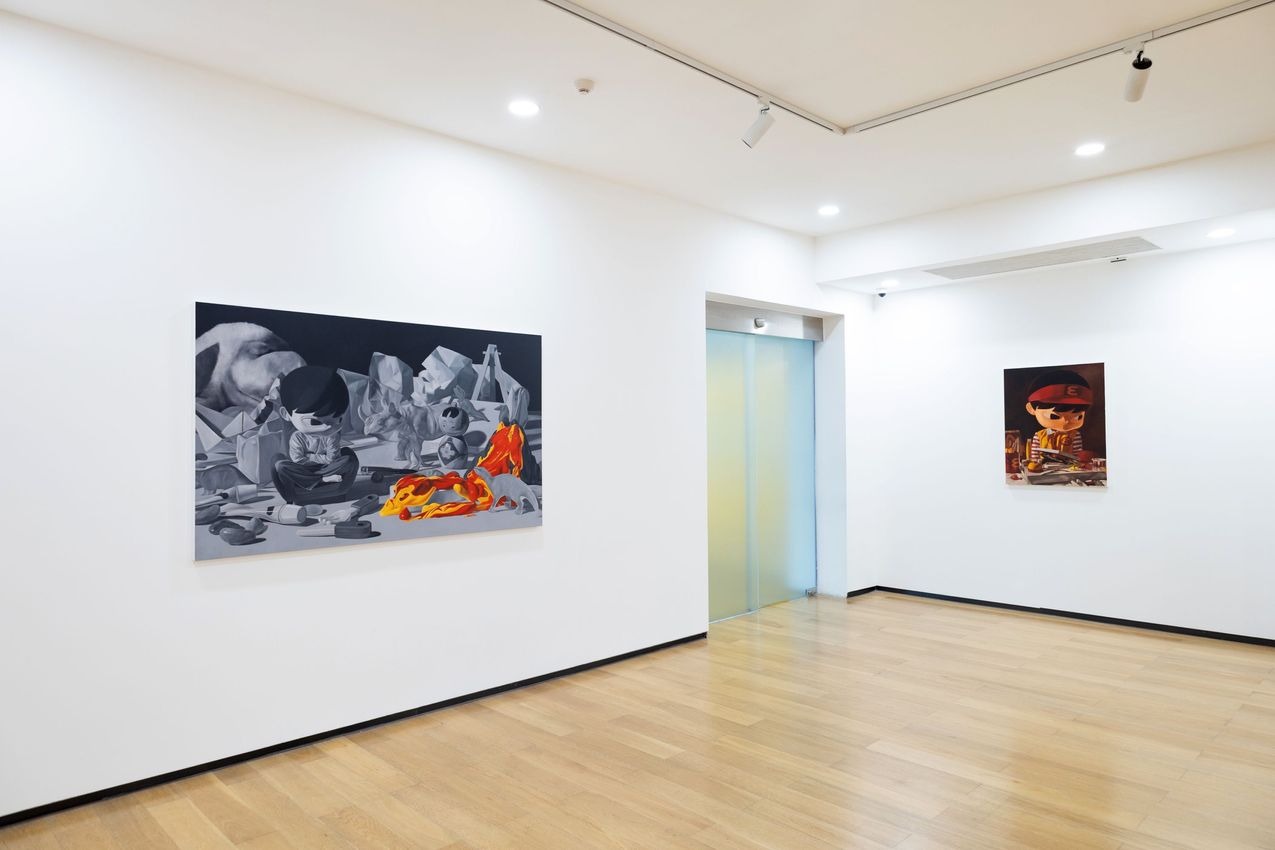
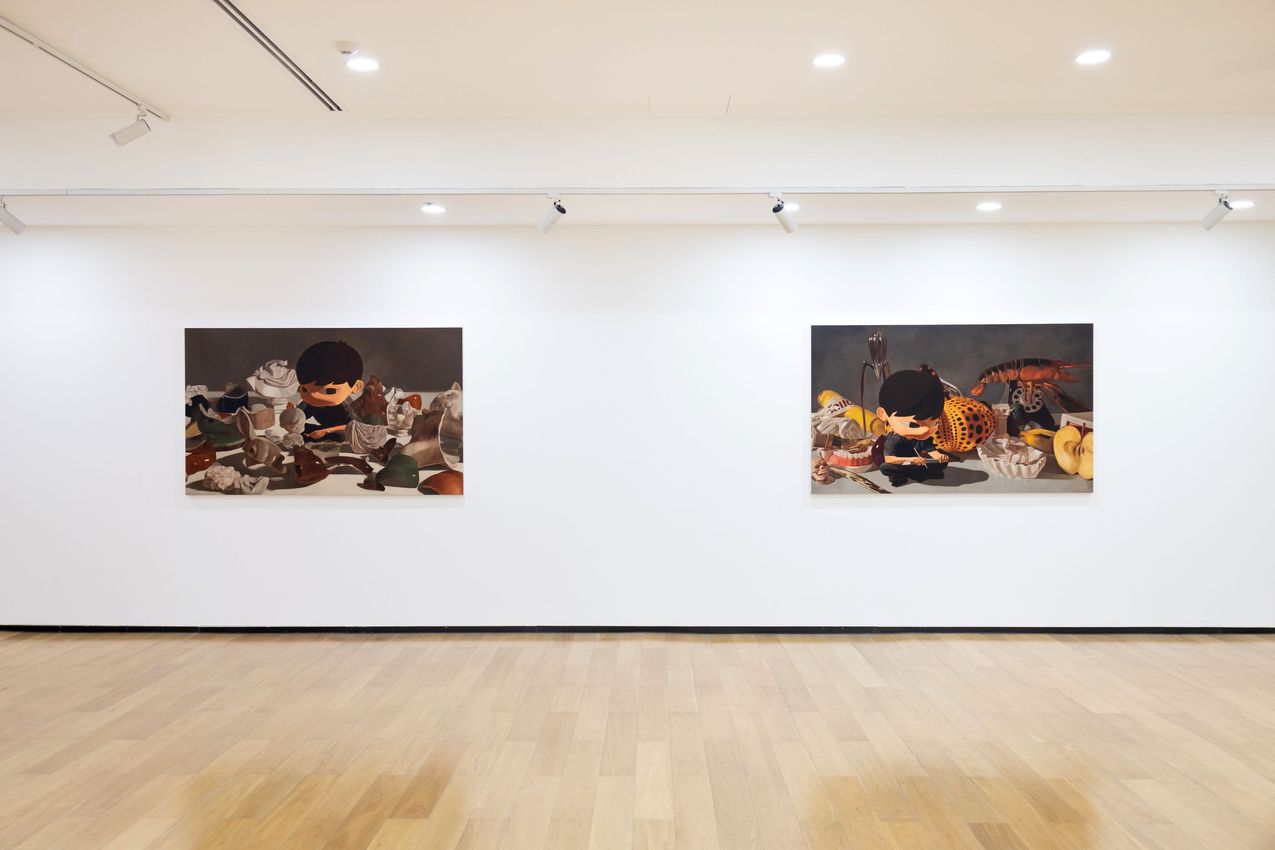
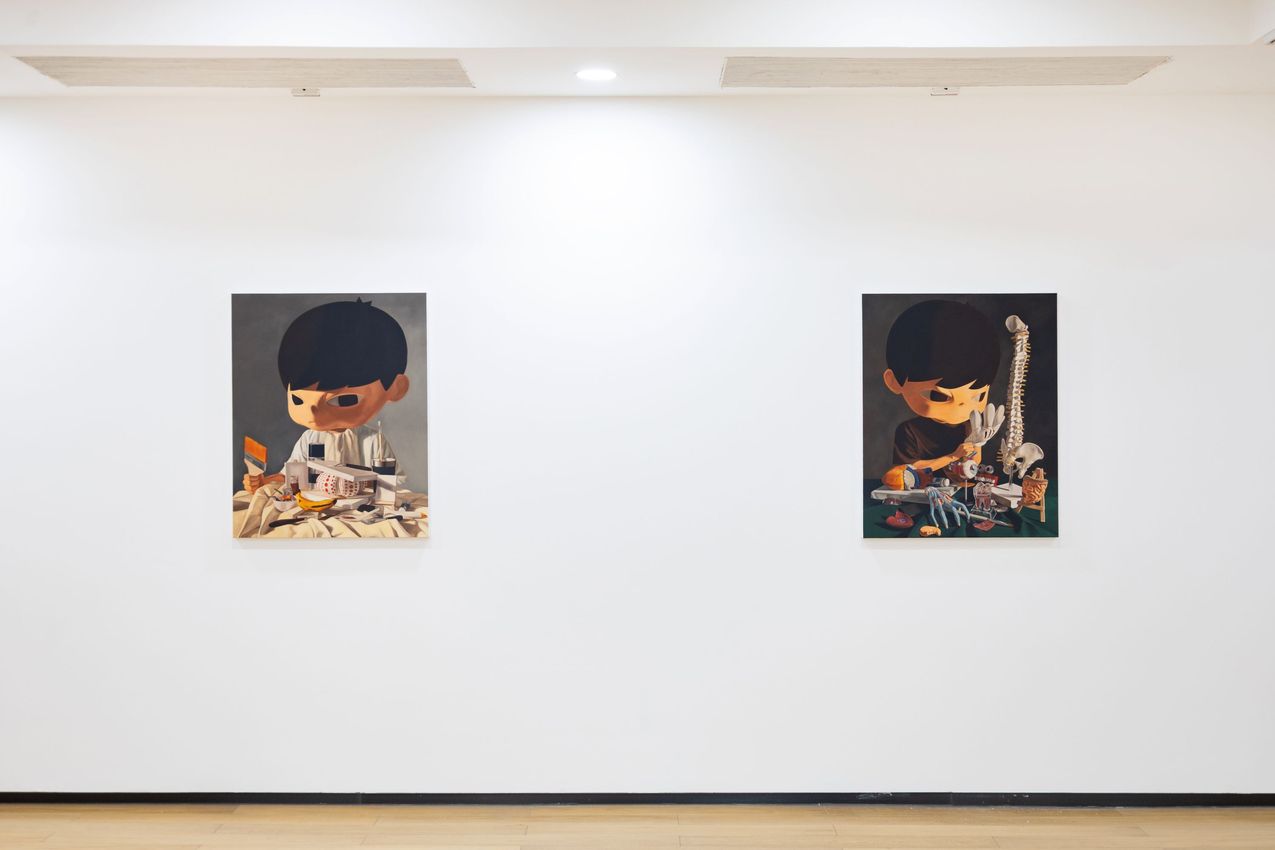
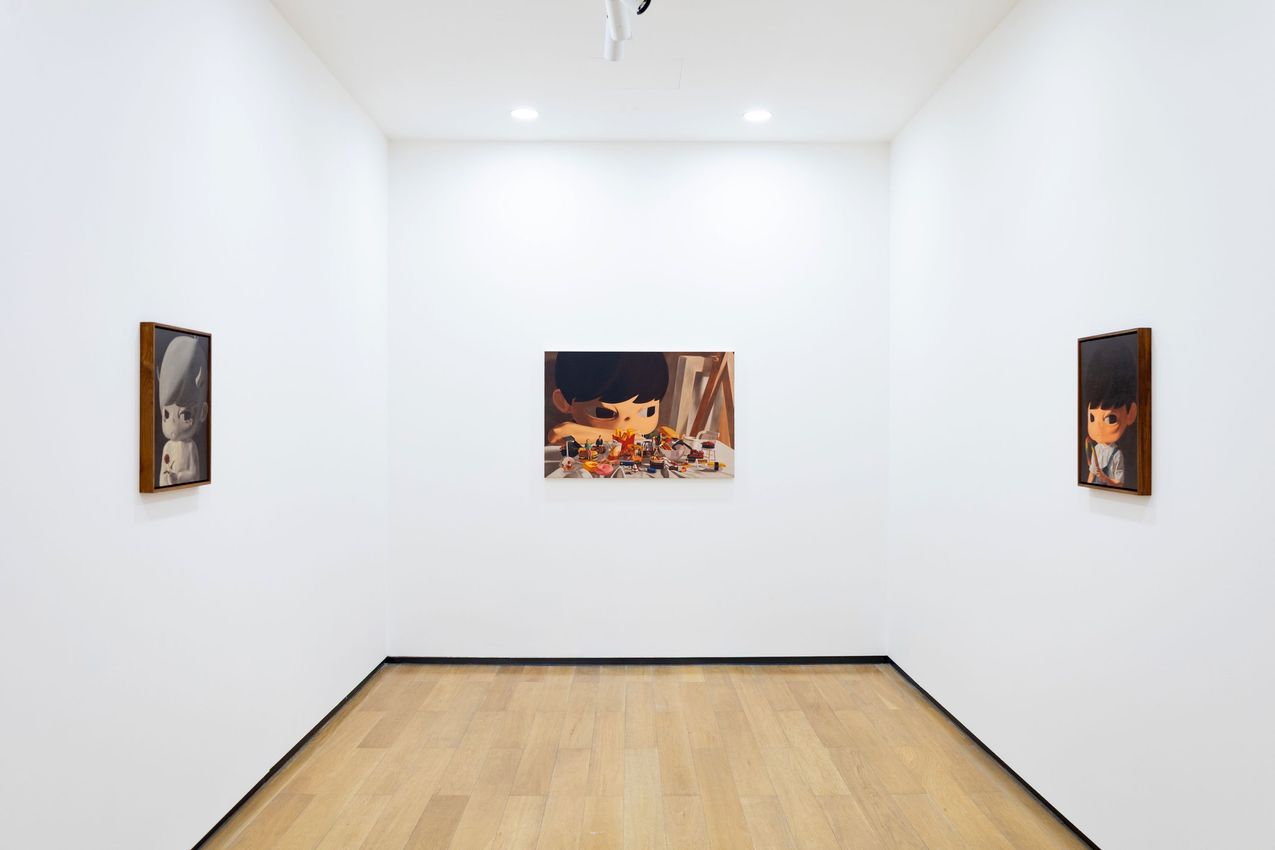
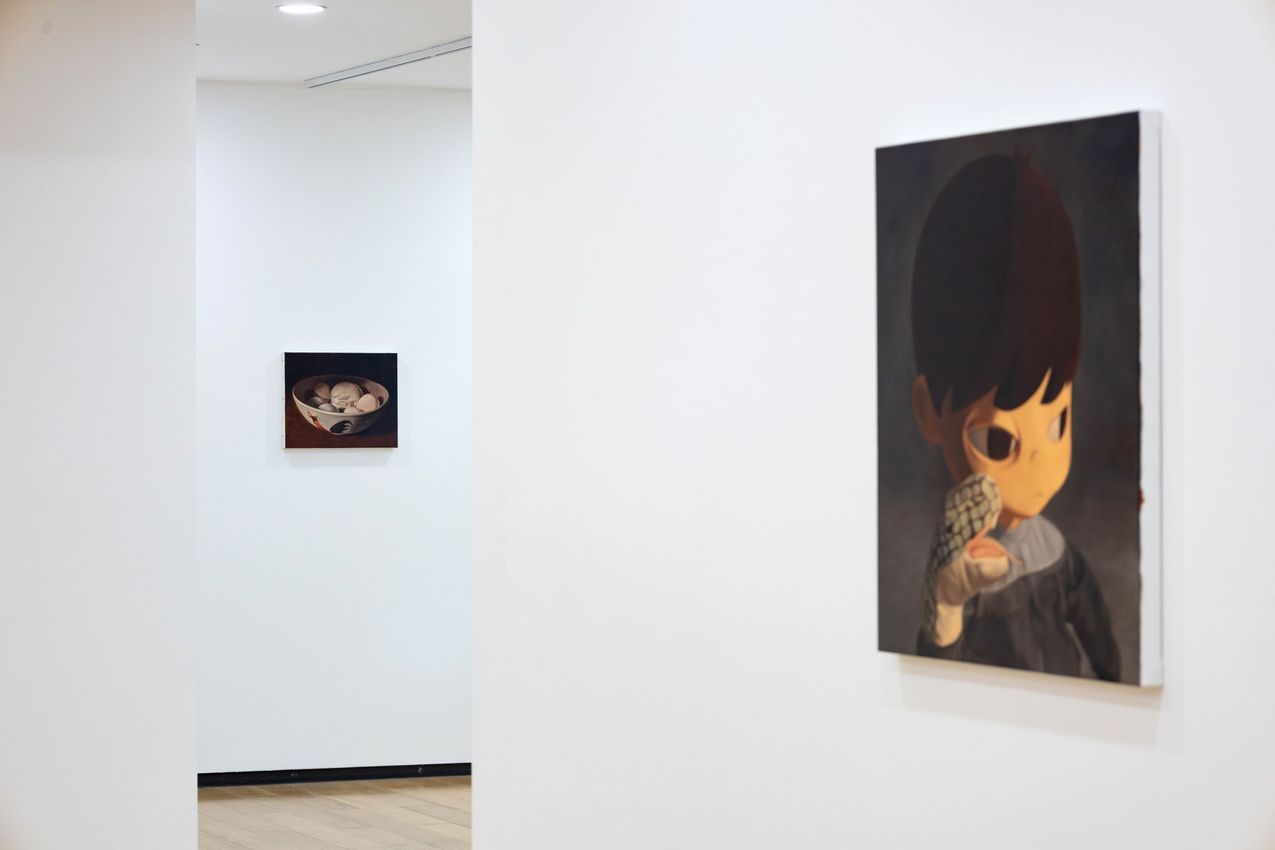
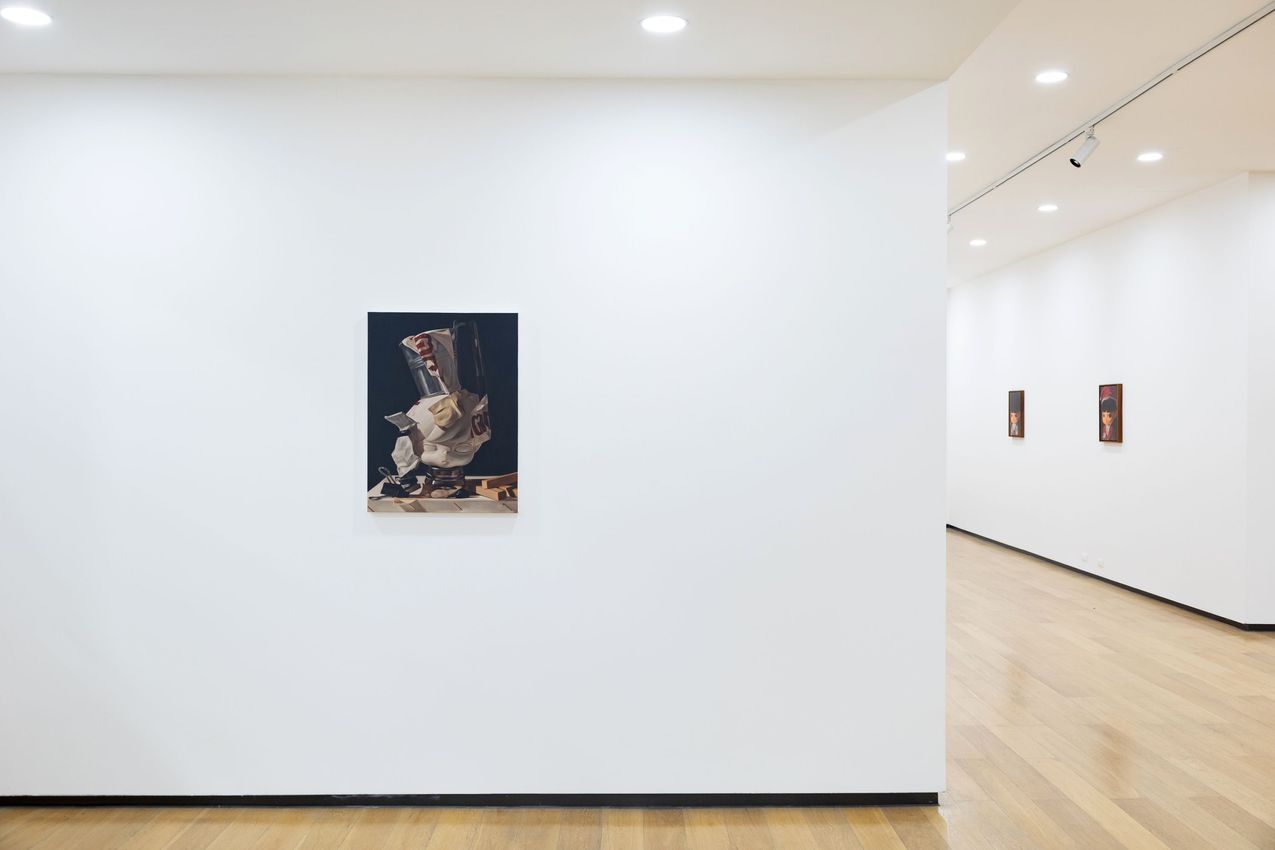
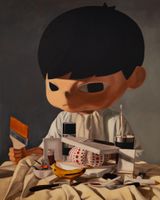
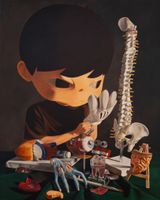
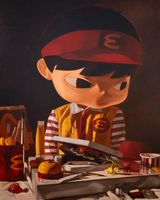
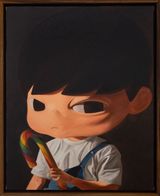
Tang Contemporary Art is pleased to announce the representation of Thai artist ERTHH and will present his solo exhibition Petit Genre at our Bangkok space on 7 June. Born in 2000 in Bangkok, ERTHH demonstrates artistic maturity beyond his years through vibrant pop-surrealist works that offer fresh perspectives. His paintings feature ‘Cheek,’ a character reflecting his personal journey—though depicted with serene composure, this figure embodies the artist’s own emotional landscapes, with each detail concealing untold narratives.

‘Lately I’ve come to value the importance of learning through life itself. I used to believe that age wasn’t a measure of wisdom, anyone who was curious and eager to learn could grow to understand the world more deeply than someone older. But as I grew up, I realised there are things that no amount of reading or studying can teach me. That thing is experience.

Life teaches us through events we can’t find in any book. Each day brings a deeper understanding of the world and the people around us. Mistakes, achievements, the good and the bad all become lessons stored within us.

I’ve started to understand that the version of myself today will never be wiser than the version of myself in the future, because every experience adds perspective. It helps me see more clearly, decide more carefully, and respond more wisely. And none of that comes without living through it. I think we never stop learning and what we go through in life shapes who we become.’ —ERTHH

Everyday culture should first be understood as ‘embodied knowledge’ rooted in individual practice. Through seemingly mundane yet resilient means, it quietly permeates and reshapes our cognitive habits. In its constant negotiation between abstract knowledge and concrete individuals, within the logic of objects and symbolic systems, it positions—even dominates—the subject. The radical heterogeneity and richness of daily rituals ensure even the most commonplace phenomena bear intricate meanings.

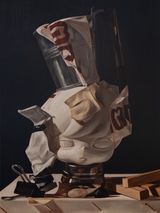
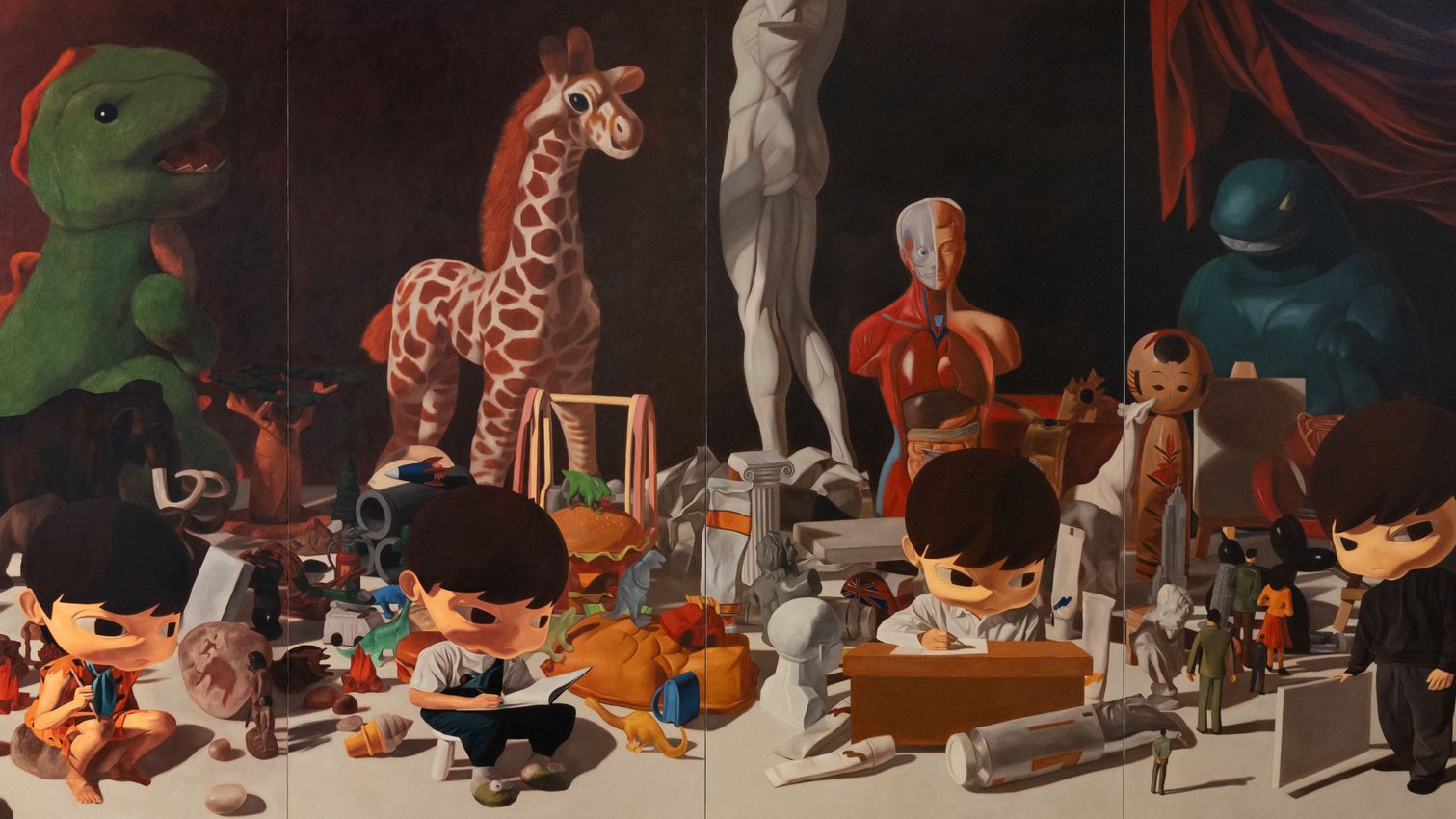
Social behaviours within everyday practice follow specific discursive rules that govern how people process objects and their symbols, while daily culture itself cleverly uses its own surface as a curtain, obscuring the pluralistic contexts, inherent qualities, and sociohistorical foundations underpinning its operations. As visual footnotes to globalisation, ERTHH’s works create spatial interventions at the threshold between objects and humanity. His studio resembles Baudrillard’s ‘museum of simulacra,’ where enlarged cartoon toys, snack packaging, and replicated art sculptures form an archaeology of memory. The recurrent motif of wide-eyed Asian children in ERTHH’s oeuvre functions as potent visual symbols. These Benjaminian ‘angel of history’ figures turn their backs to the future—in Instinct to Intention, their evolving costumes become a theatre of identity burdens, while oversized toys morph into indicators of self-fragmentation. The adult world’s ‘professional’ disguises reveal themselves as social rituals demanding cartoon masks, a tension made physically manifest in A Lot on My Plate, where a child struggles under the weight of paint-splattered sculptures referencing Kusama and Warhol, exposing art’s paradox between creative freedom and capital.

Following Agamben’s concept of ‘profanation,’ everyday objects gain subversive potential when stripped of original contexts. ERTHH’s treatment of childhood objects suggests premature initiation into adult systems of signification—the more children master consumer codes, the deeper they sink into semiotic labyrinths. Sculptural avatars, brand logos, and art market totems form a puzzle awaiting decoding. These fragmented scenes don’t construct idealised fantasies but, through fairytale-like stagings, expose consumer society’s pathologies. The children’s perpetual ‘offstage calm’ establishes a différance relationship with adult semiotic spectacles; in our symbol-saturated era, subjectivity acquires density through layered shells within the consumerist haze.

On ERTHH’s cognitive journey from ‘painting as play’ to worldmaking, each viewer becomes the cartoon child—milk teeth still hidden beneath business suits. His works remind us: those glowing pebbles scattered along the path may one day become existential coordinates in turbulent seas. In this sense, daily practice breaks free from being a ‘structured structure’—its fluid fragments suddenly developing into latent ‘deities of resistance’ hiding in life’s folds. Their divinity lies not in grand manifestos but in humble gestures that anchor existential resilience within objectification’s cracks, puncturing homogeneity’s dome to reveal glimmers of alternative possibilities.

Shiying Wang | Tang Contemporary Art

Read More

Installation Views

Selected Works

Loading...

Also Exhibiting at Tang Contemporary Art

About the Gallery

Tang Contemporary Art was established in 1997 in Bangkok, later establishing galleries in Beijing and Hong Kong. Tang Contemporary Art is fully committed to producing critical projects and exhibitions to promote Contemporary Chinese art regionally and worldwide, and encourage a dynamic exchange between Chinese artists and those abroad.

View Gallery Profile
Address
Room. 201–206, River City Bangkok
23 Soi Charoenkrung 24
Talad noi, Sampantawong
Bangkok
Thailand
Opening Hours
Tuesday – Saturday
11 am – 7 pm

Closed on Public Holidays
(1)
Bangkok Room. 201–206, River City Bangkok, 23 Soi Charoenkrung 24
Tang Contemporary Art
Room. 201–206, River City Bangkok, 23 Soi Charoenkrung 24, Talad noi, Sampantawong, Bangkok, Thailand

Opening hours
Tuesday – Saturday
11 am – 7 pm

Closed on Public Holidays
The art world in focus