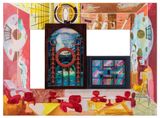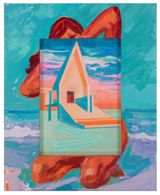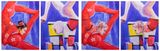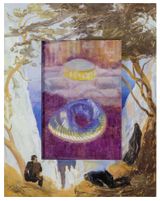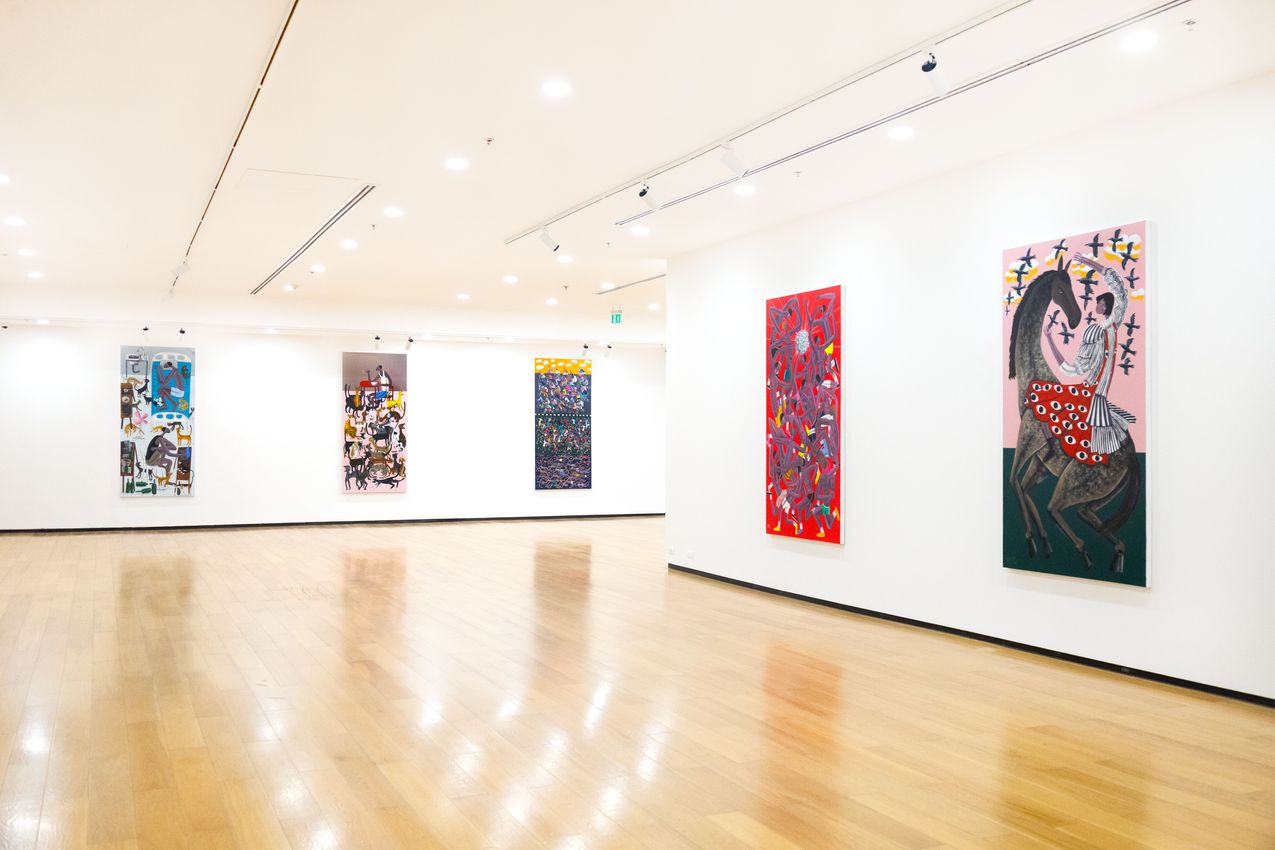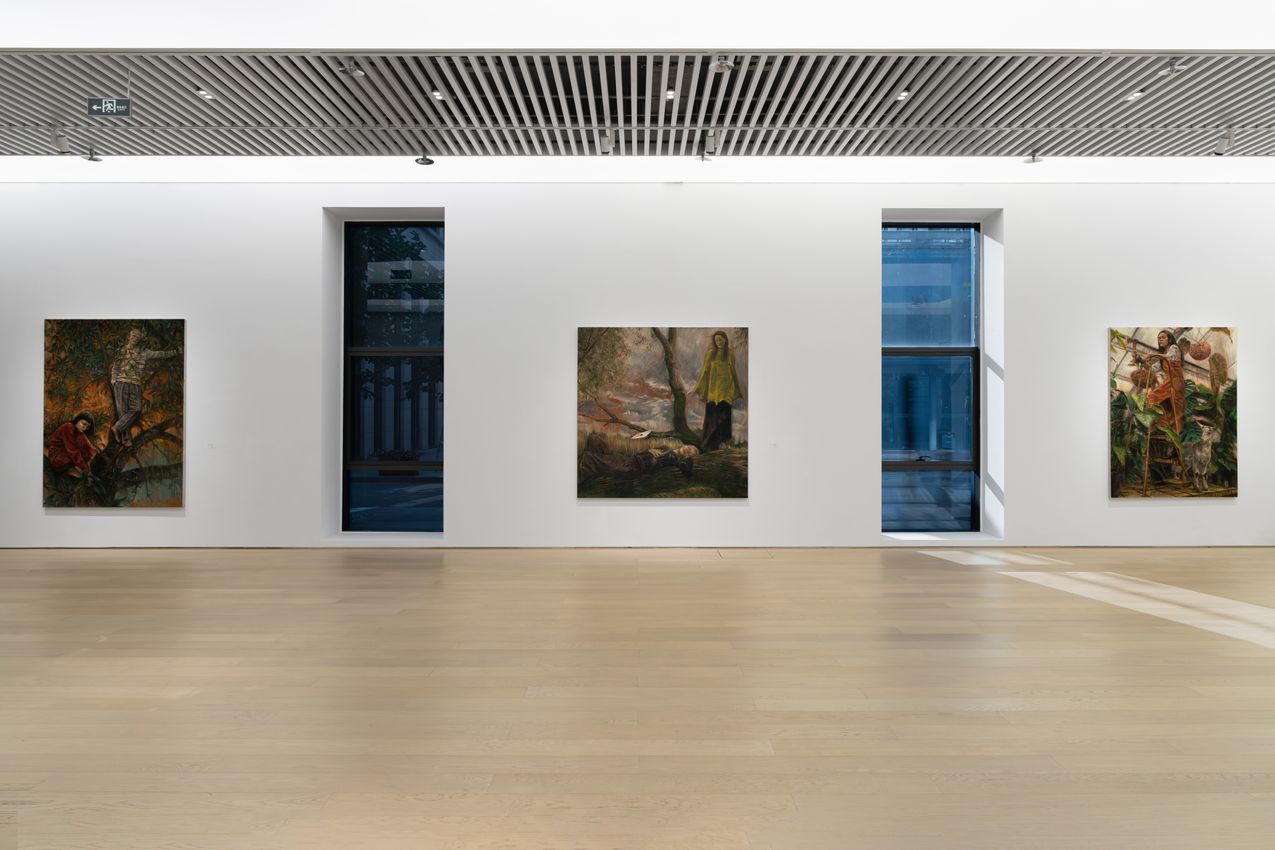




Tang Contemporary Art is proud to announce the opening of Li Qing’s solo exhibition Lighthouse and Cradle, held in both of the gallery’s Beijing spaces on 12 September. Curated by Cui Cancan, the exhibition will showcase Li Qing’s important series ‘Window’, ‘Spot the Difference’, ‘Images of Mutual Undoing and Unity’, ‘Hangzhou House’, as well as his most recent work from 2021.
The ‘lighthouse’ and the ‘cradle’ come from imagery found in the works of Li Qing, and are symbols for Utopia in literature. The exhibition takes ‘the lighthouse and the cradle’ as a starting point and point of embarkation between multiple series, as metaphors for ideals and arrival, as it takes a new look at the continuous stories that have unfolded in Li Qing’s works since 2005.
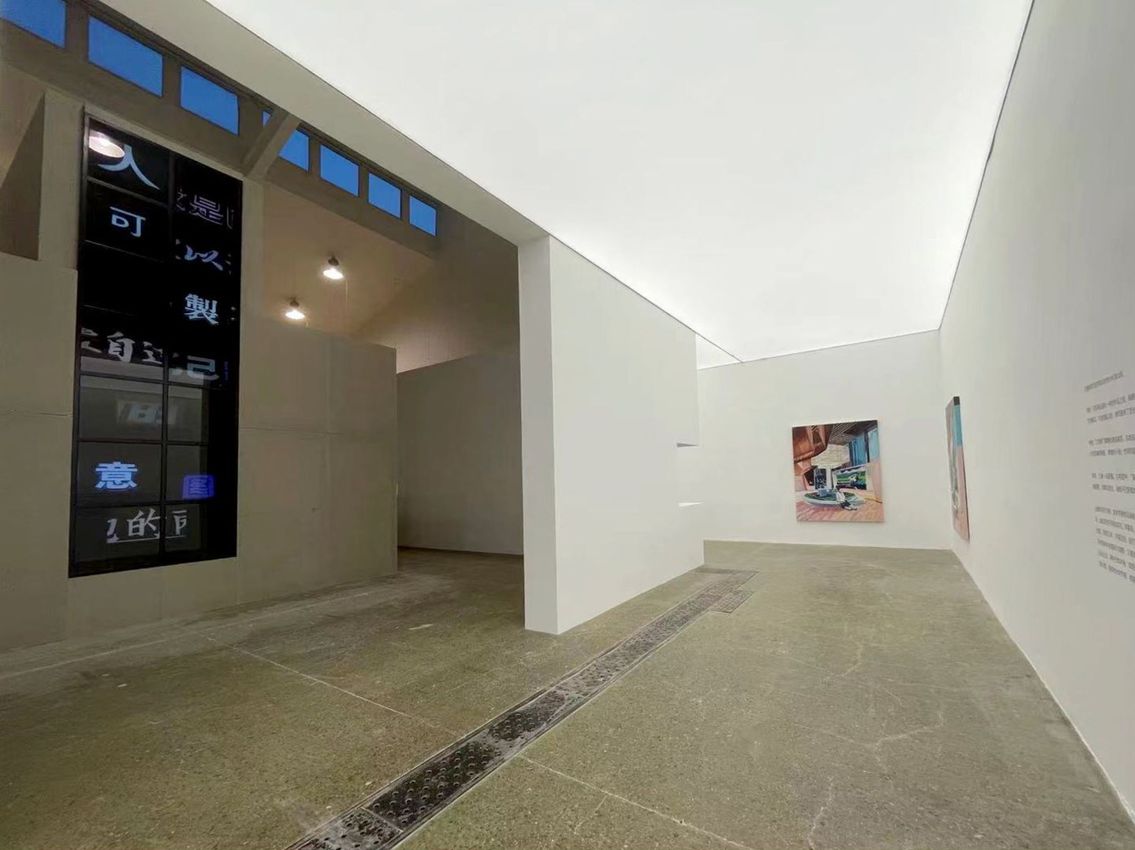
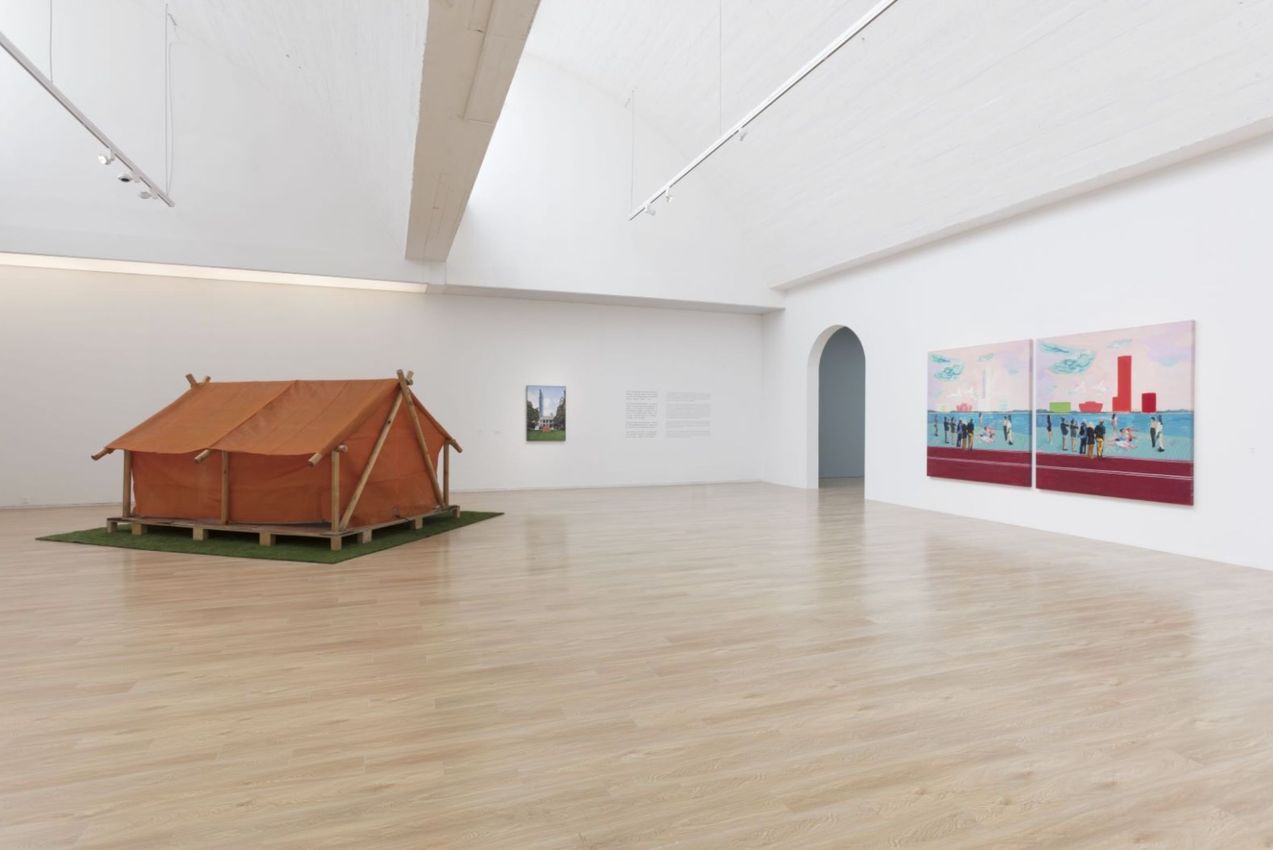
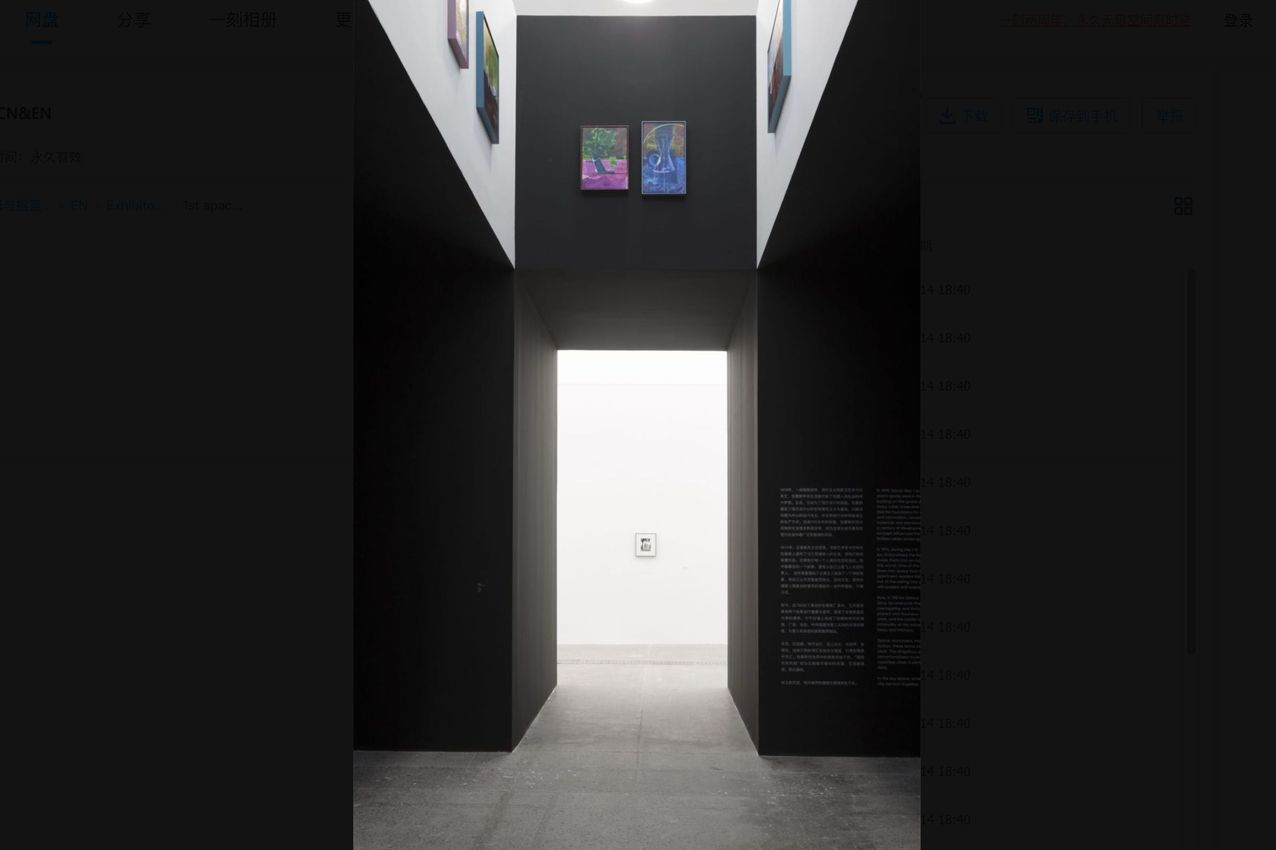
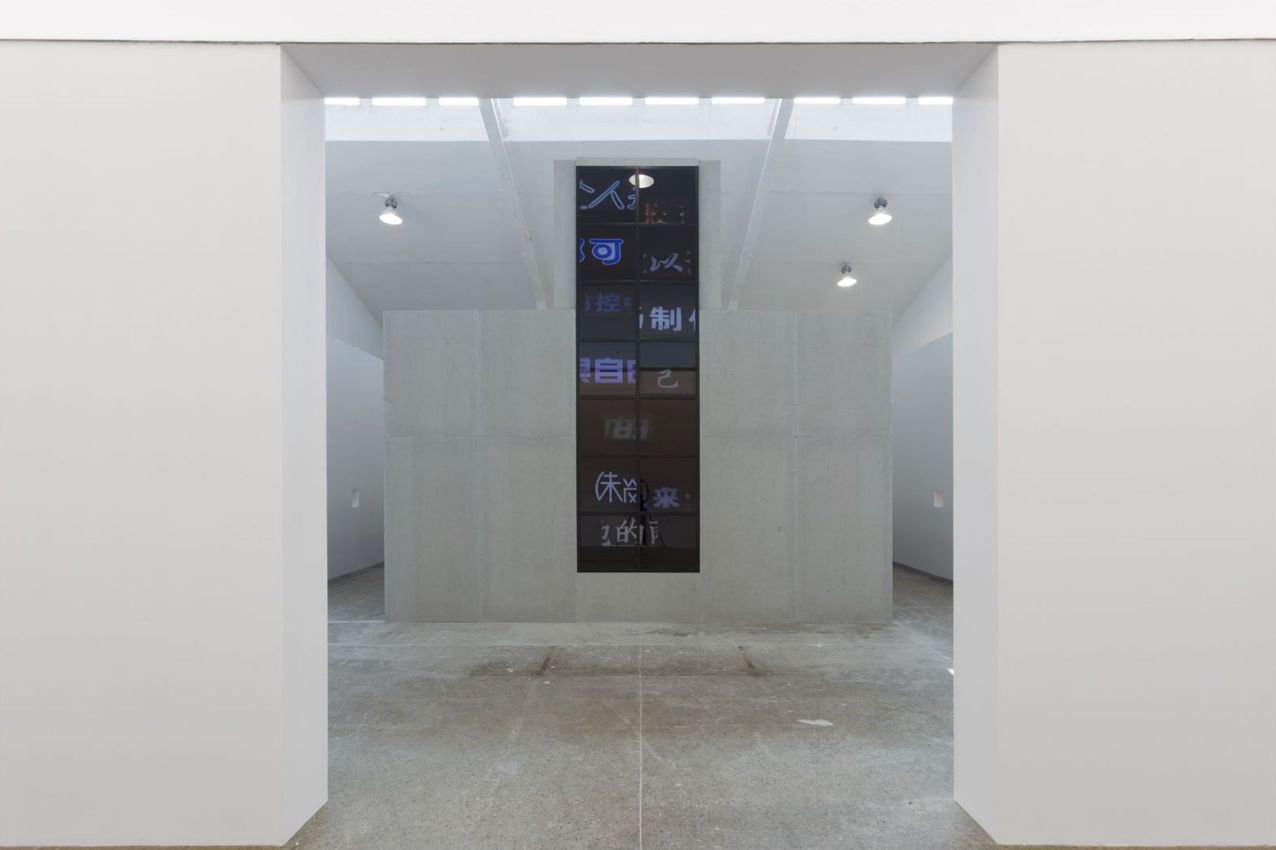
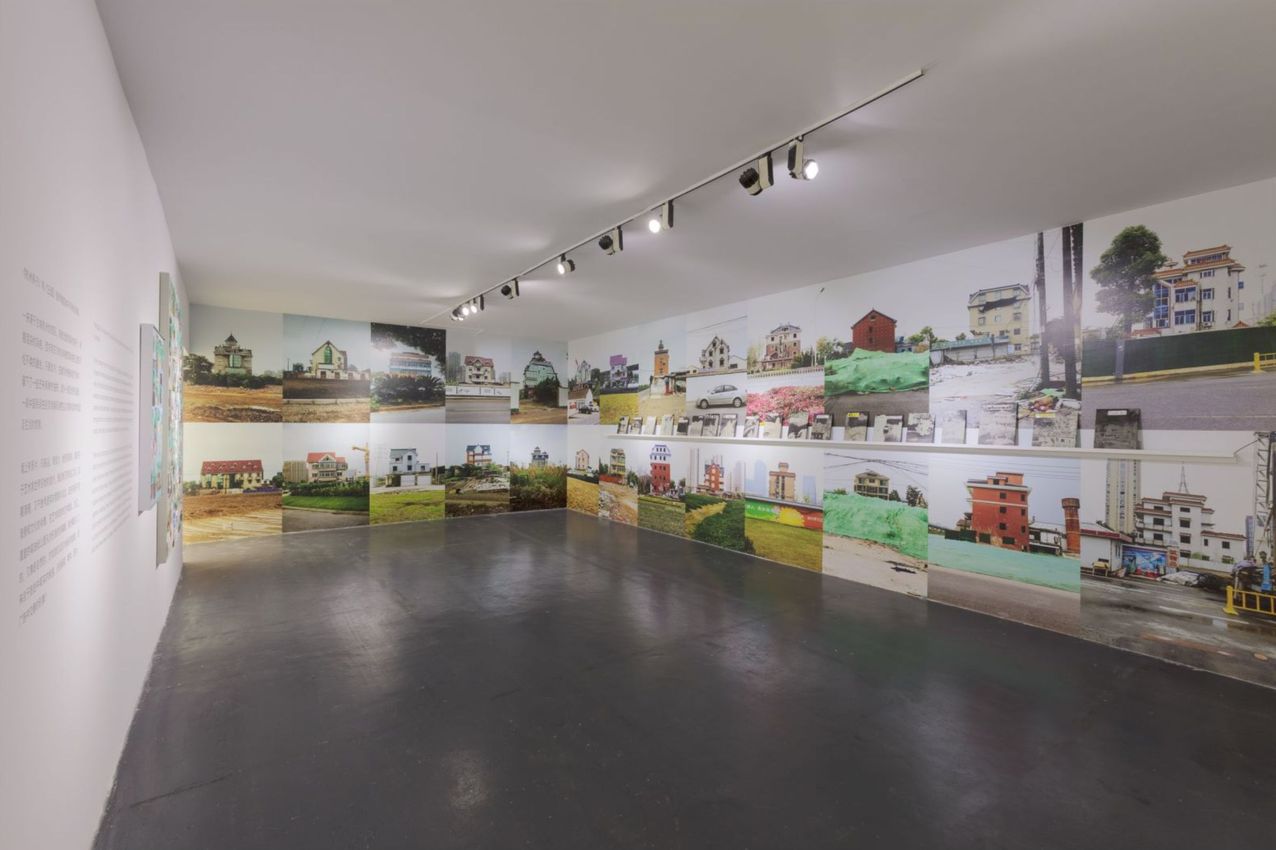
The exhibition is divided into two parts. In an architectural space rendered in the Bauhaus style, symbolising the cradle of modern design, a temporary tent appearing like a light swaying over the surface of the sea becomes the focus, or bonfire, at the centre of the two spaces. Works from the three series ‘Spot the Differences,’ ‘Mutual Undoing,’ and ‘Windows’ surround the space to the right and left, becoming background noise that leads to reality. A carpet in the ruins of an old house, a kitschy Hangzhou building in a mixture of styles, faces in magazines, the artist’s travels, and two giant group portraits of discarded refrigerators draw the gaze to a circuitous, overlapping world. Here, image, sign and reality intertwine, conceal and alternate between one another.
Two worlds, one with maze-like nested chambers carrying a monumental grand narrative, the cradle of Bauhaus, and metaphors of Ilya Kabakov flying into space; the other a multilevel space connected by arches, pulsing with the drifting dust of ruins, the smooth aesthetic of reality, glossy landmark buildings, and a yellow tent like a lighthouse in the grass. Mirror images of reality and interchanging representations, the basic traits of Li Qing’s art, thread throughout.
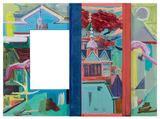
As a leading representative of the new generation painters, Li Qing’s creative thread and field of vision are extraordinarily rich. Unlike his peers, his painting no longer focuses on working within the four corners of the picture, but instead constantly expands painting’s external space and ways of seeing. In the ‘Spot the Differences’ series, two similar pictures turn seeing into recognition. Which painting is closer to the truth? What is the relationship between painting, with its realist tradition, and reality today? Seeing and truth have become themes of our time. The questioning continues in the ‘Mutual Undoing’ series, where two intertextual images become one in an entirely new picture. The stacked result is further from the truth, resulting in a ‘reconstruction’ that is neither one nor the other. Reconstruction and representation point to the mysteries of painted expression, and the significance of rhetoric.
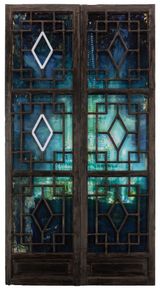
As an imagining and metaphor for the outside world, the window is the best carrier for ‘representation.’ In Li Qing’s works, window frames and lattices become part of the structure of the picture, with the wear and tear of the old windows fusing together with the paint and brushwork. Windows are the landscape of the city, carrying stories, restoring hope, dividing distances. Every window has implications of class and power. In his newest works, Li Qing no longer continues the literary character of his past works, or the discussion of time and space. The window returns to itself, referencing the existential relationship between itself, architecture and the city. The structure of the window frame forms a stark contrast with the smooth aesthetics and glossy landmark buildings of the picture. Painting has returned to reality, to a radical aesthetic.
Language never exists in isolation. The uninterrupted experimentation and sustained momentum across these various series are outgrowths of the themes Li Qing has been following since 2005: information and image in the technological age, the social mechanisms and power dynamics of seeing, the relationship between people, architecture and the city amidst globalisation, the patterns and disciplining of aesthetics in the consumer age. Between the lofty towers and the swaying tent, the literary implications between the ‘lighthouse and the cradle’ begin to fade and become the antithesis of Utopia.
Text by curator Cui Cancan. Press release courtesy Tang Contemporary Art.
Li Qing’s (b.1977, Beijing) practice is shaped by an unusually wide trajectory of formation: trained as an electronic engineer at Shanghai Jiao Tong University’s Department of Electronic Engineering in 1996, and resident in Germany for six years in the early 2000s, he arrived at painting through a systems thinker’s sensibility—one attuned to pattern-driven logic, structural layering, and the generation of meaning across multiple simultaneous scales. His visual sources are equally wide-ranging: steampunk’s romantic nostalgia for an alternative industrial history, cyberpunk’s charged imagery of the individual under systemic pressure, the wasteland aesthetic’s unflinching reckoning with fragility, art deco, copperplate engraving, religious painting from multiple traditions, and the graphic and pictorial universes of Jean Giraud (Moebius), Manabu Ikeda (池⽥学), and Ben Tolman. All are raw materials absorbed into a practice whose ambitions lie in a very different territory.
Tang Contemporary Art was established in 1997 in Bangkok, later establishing galleries in Beijing and most recently Hong Kong. Tang Contemporary Art is fully committed to producing critical projects and exhibitions to promote Contemporary Chinese art regionally and worldwide and encourage a dynamic exchange between Chinese artists and those abroad.

A respected voice in contemporary art discourse.
Focusing on ambitious storytelling and insightful art-world commentary. Ocula Magazine publishes in-depth interviews, critical essays and timely analysis on the artists, exhibitions and ideas driving the global art world.
Learn more about Ocula Magazine
Showcasing the best of the art world.
Ocula partners with galleries from around the world to highlight their artists, artworks and exhibitions. Gallery membership is by application and invitation, with each member vetted by an independent panel.
Learn more about Ocula Membership

Specialises in the sale of major artworks.
Led by a team with deep ties to the world’s leading auction houses, galleries and collectors. Ocula’s advisory team offers bespoke services to high-net-worth clients from around the world who are looking to acquire the best of contemporary and modern art.
Learn more about our team and services