Press Release

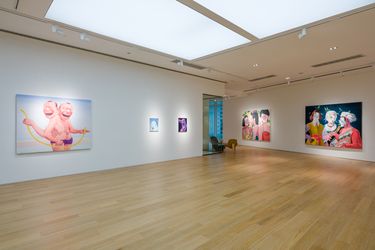
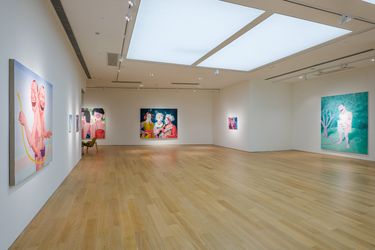
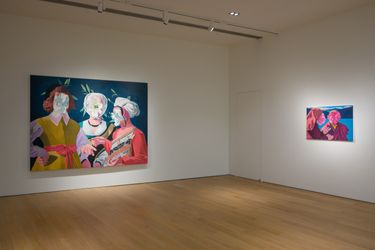
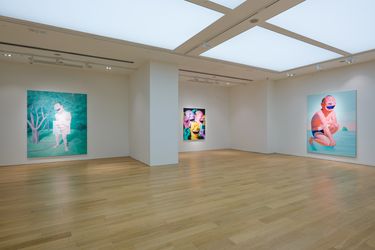
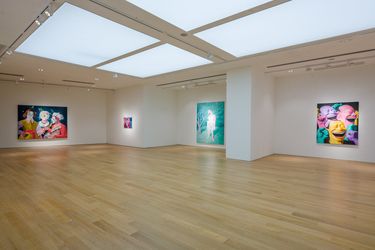
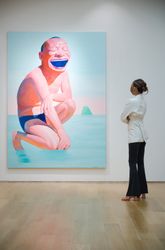
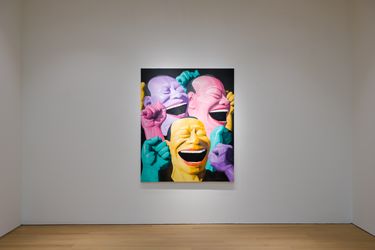
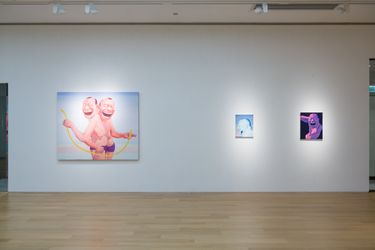
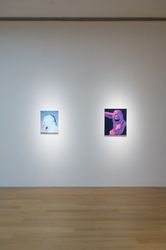
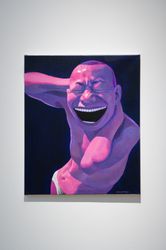
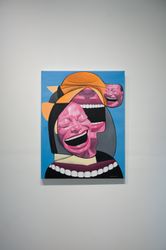
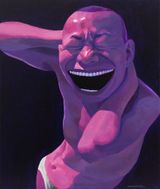
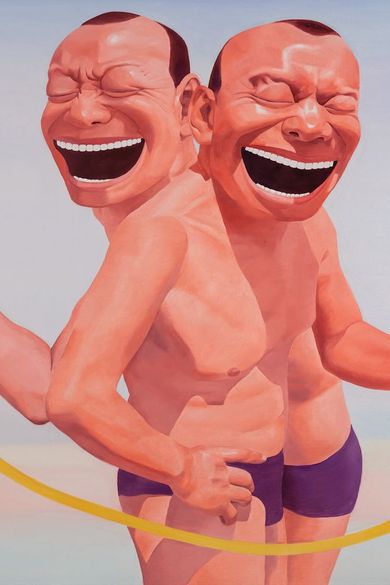
Tang Contemporary Art is honoured to present Smile at the Flower Sermon, a solo exhibition featuring works by the contemporary Chinese artist, Yue Minjun, at the Hong Kong gallery space on 24 March 2022. The exhibition presents Yue Minjun’s iconic Laughterseries and featured the new Flower series since the pandemic. This exhibition represents a remarkable return of Yue Minjun after a10-year hiatus and is also his first collaboration with Tang Contemporary Art.
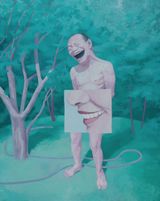
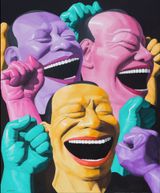
Yue Minjun is one of the most renowned contemporary Chinese artists. He came into prominence in Chinese contemporary art witha series of paintings, which features an exaggerated and iconic smiley face presenting a ‘self-image.’ This series made him a legendof his generation and earned him international acclaim. Hopes rose and fell after the winds of freedom began to blow in a specifichistorical time in China, and Yue Minjun’s works have reflected the experiences of people living amidst the unprecedented changesin Chinese society since the 1990s. Small glimpses into grand historical events appear vividly on the canvases as cheeky grins orallegorical laughter. Yue’s ability to handle difficulties with grace is readily apparent. The intense visual impact of his smiling figuresdistinctly conveys Yue’s questioning attitude. Change is the only constant, and this series began with paintings of symbols fromChinese socialist propaganda paintings and pieces that satirically appropriated classic works of art, then shifted toward theunchecked aesthetic imagery before transitioning to the dreamy scenes shown in this exhibition. Behind the smiles and laughter,all of these paintings reflect Yue’s close observations of his own experiences.

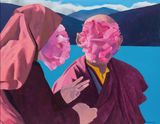
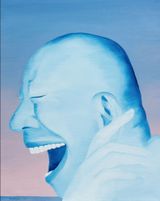
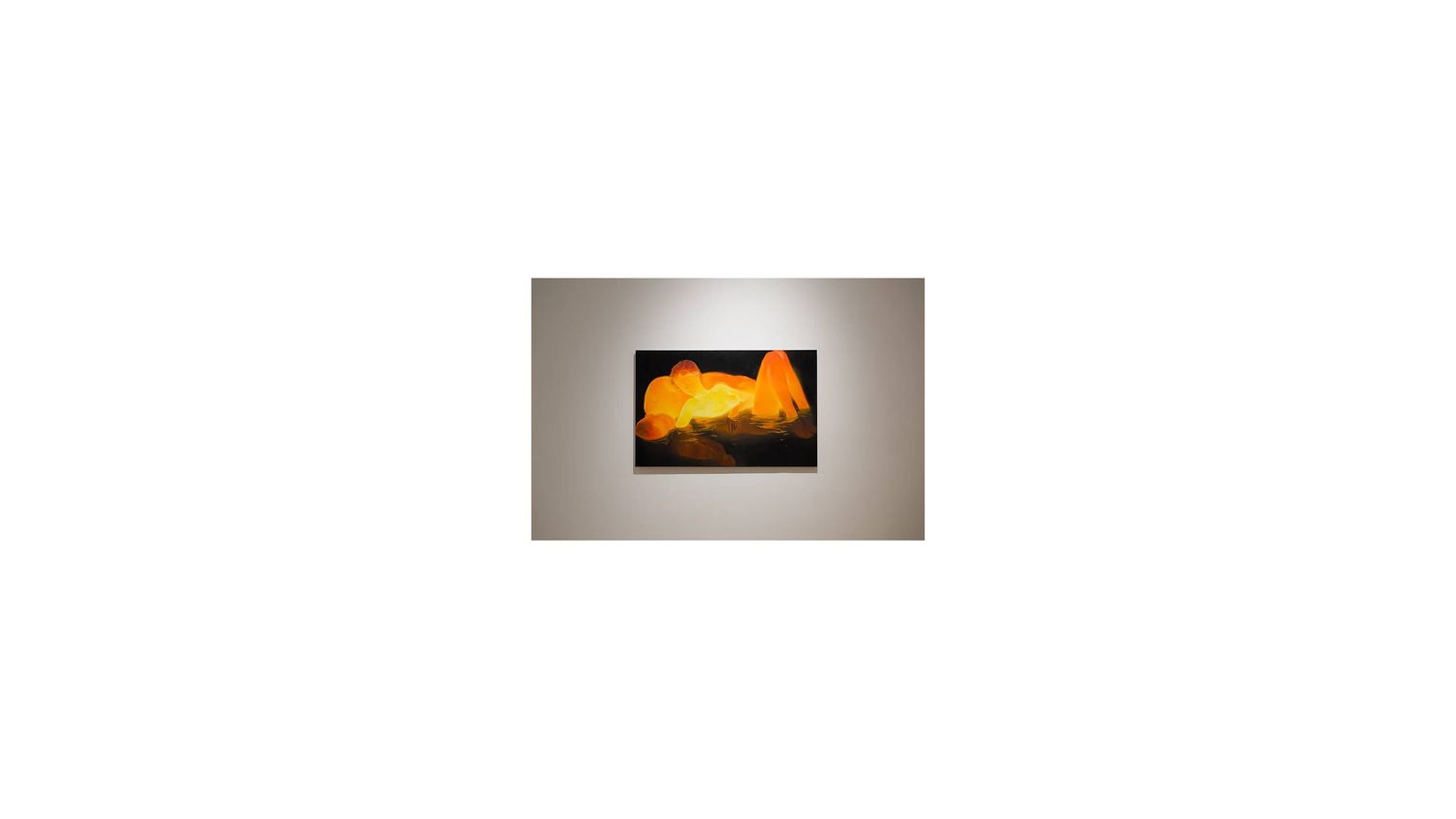
Yue Minjun has said, ‘Instead of Western Surrealism, these daydreams come from the Eastern concept of sitting in meditation. Theillusory world perceived in the process of meditation develops without explanation.’ These kinds of daydreams are presented inStranded, Stay Away, Light Blue, and other new paintings from this Laughter series. Artists added the capture of the mysterioushalation, the perceptual imagination wandering in the pictures, in which, an introverted self-examination seems like a valid way toescape reality. The advent of the pandemic changed the pace of life around the world and influenced the ways people think.Distortion, isolation, division, and cultural conflict fractured the existing systems of meaning. Escape seems to be an instinctivehuman reaction; the distressing emotion in predicaments and the wordless struggles in the paintings point to Yue’s worries aboutthe future of humanity.

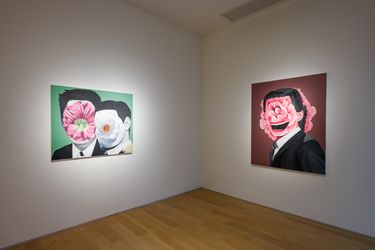
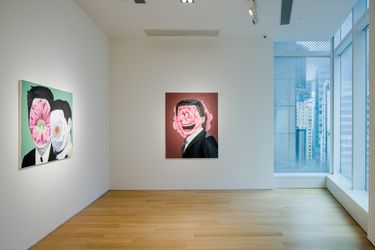
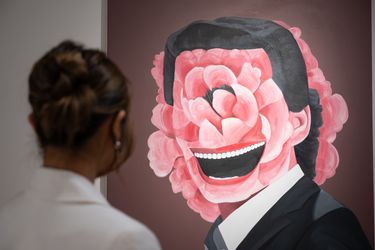
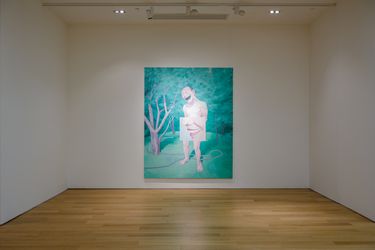
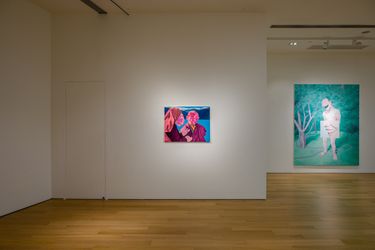
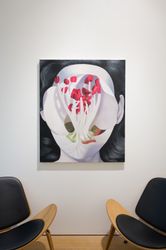
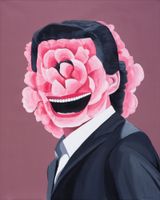
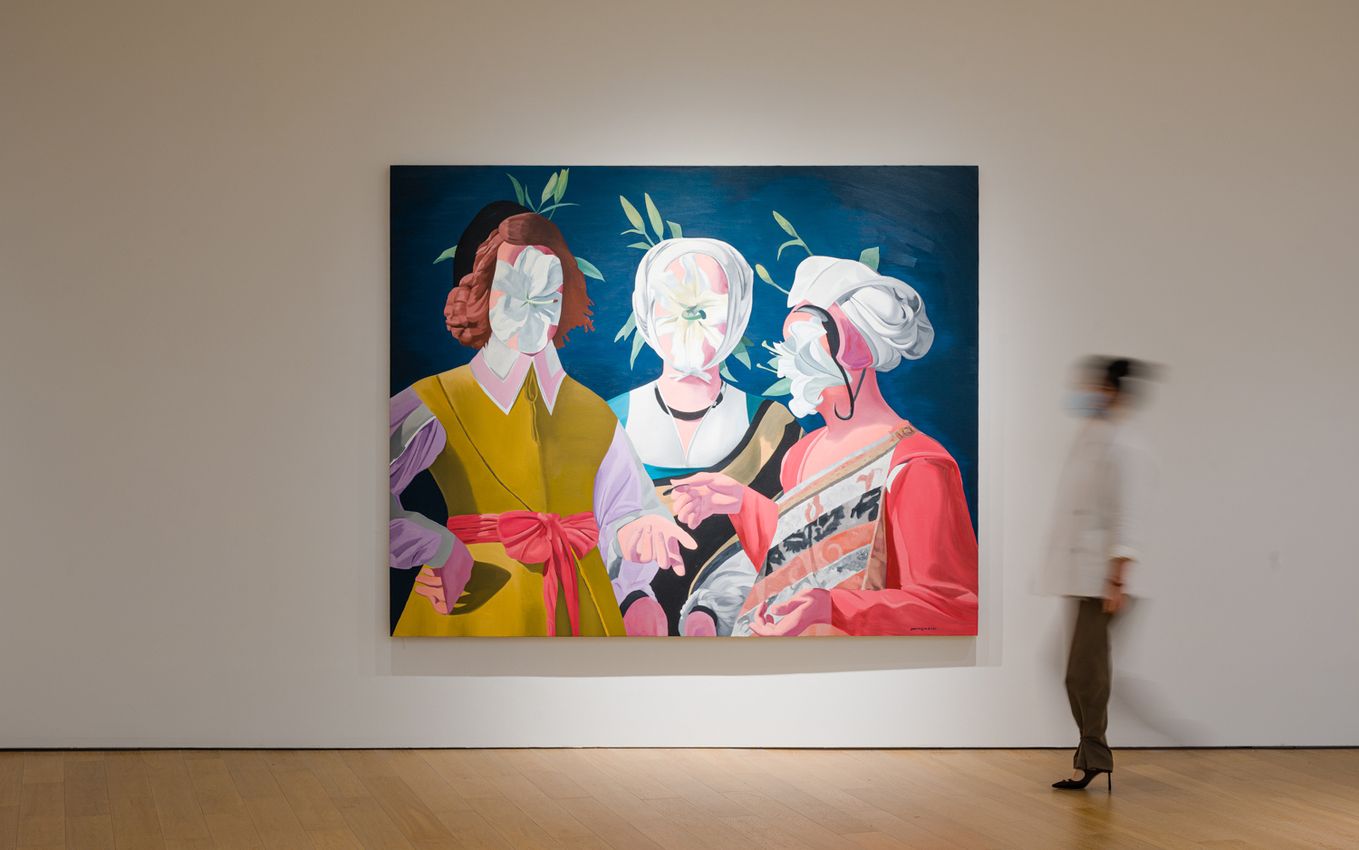
In 2020, Yue Minjun lived for several months in Chuncheng in the southwestern province of Yunnan. Perhaps the flowers thatabound in this city burst through the seams of the pandemic gloom, in which he found the inspiration to create. As a result, he made a significant breakthrough and created his Flowers series. Flowers are symbols of beauty that could be likened to a plant’s smiling face. Here, exquisite flowers replace the smiling faces of the past and seductively bloom in front of figures’ faces, but thisbeauty is merely decorative in Yue’s mind. Due to the dissatisfaction with the ubiquity of superficial opinions and an awareness ofhidden truths, viewers cannot resist the urge to catch a glimpse of the mysterious expressions and emotions of the people behindthe flowers. If his smiling self-portraits were active choices, then his Flowers paintings are passive obstructions. The context andpictorial significance of the figures whose facial features are concealed by flowers are supplemented by their clothing, forms, andgestures. As a result, the status, gender, and personality of the figures in the painting give way to the needs of society as a whole.What are the flowers concealing? What have we lost? We cannot find clear answers in the signifier of the flowers.

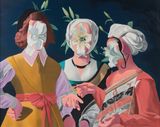
In Hibiscus Moscheutos, the three women wearing swimsuits and carrying fashionable short haircuts are representing classic imagesof women between the 1980s and 1990s in Chinese almanack. Lilium depicts a transaction scene of three characters from thefragment of a classical painting. The paintings in his Flowers series all come onto the stage with a breath of fresh air. Yue’s bold useof colours and his intuition for the textures of past and present sensations and subjects reflect his ability to flourish between popularculture and modern trends. After many years of introspection, Yue Minjun’s aesthetic ideals and deep concern for our present dayshave been internalised in Flowers. Therefore, the series has become a spiritual code of our times because of his keen sensitivity andhis bravery to break through from the traps of youth and self-transformation.

In Five Lamps Merged in the Source (Wudeng Huiyuan), the monk Pu Ji recorded the story of the Smile at the Flower Sermon, inwhich Sakyamuni held up a flower and Mahakasyapa smiled. Countless people have sought to find meaning in this scene: Why didMahakasyapa smile? How did Mahakasyapa attain enlightenment? In this place of sweeping enlightenment, Yue Minjun has alsocome to realize that the rich symbolism and metaphor inherent in painted smiles and flowers will always be relevant. Perhaps, inthe turmoil of the world today, it can show us the way to deliver the universe through all difficulties.

Read More

Installation Views

Yue Minjun's Cynical Realism Incorporates New Symbolism Partnership Yue Minjun's Cynical Realism Incorporates New Symbolism After a decade‑long hiatus, Yue Minjun returns with new symbolism in a solo exhibition at Tang Contemporary Art in Hong Kong. Read the story
About the Artist

Few contemporary artists are more known for their self-portraits than Yue Minjun (岳敏君), whose oil paintings of himself as a pink-skinned, laughing figure have placed him as one of the most prominent Chinese artists of his generation.

View Artist Profile

Also Exhibiting at Tang Contemporary Art

About the Gallery

Tang Contemporary Art was established in 1997 in Bangkok, later establishing galleries in Beijing and most recently Hong Kong. Tang Contemporary Art is fully committed to producing critical projects and exhibitions to promote Contemporary Chinese art regionally and worldwide and encourage a dynamic exchange between Chinese artists and those abroad.

View Gallery Profile
Address
10/F HQueens
80 Queen's Road
Central
Hong Kong
Hong Kong
Opening Hours
Tuesday – Saturday
11am – 7pm

Closed on Public Holidays.
(1)
Hong Kong 10/F HQueens, 80 Queen's Road
Tang Contemporary Art
10/F HQueens, 80 Queen's Road, Central, Hong Kong, Hong Kong
Opening hours
Tuesday – Saturday
11am – 7pm

Closed on Public Holidays.
The art world in focus