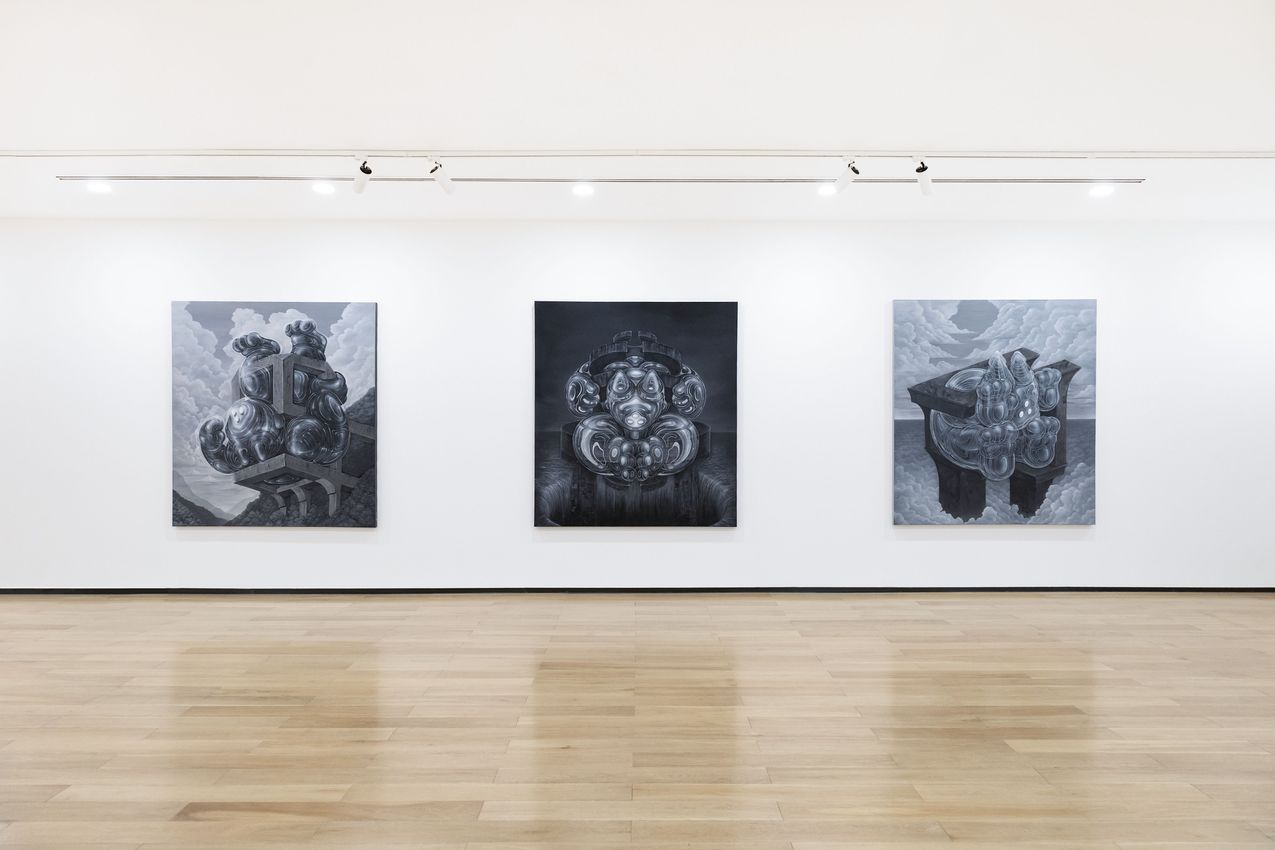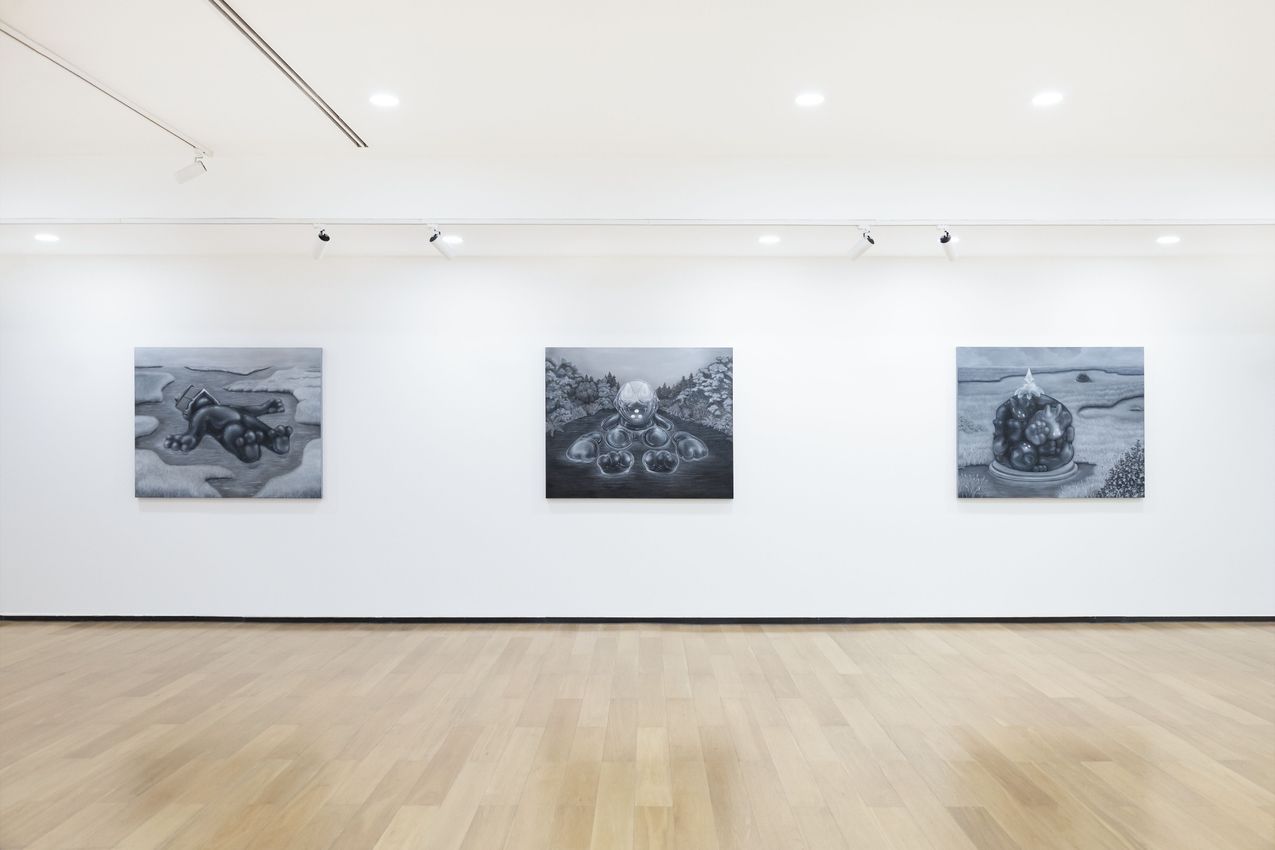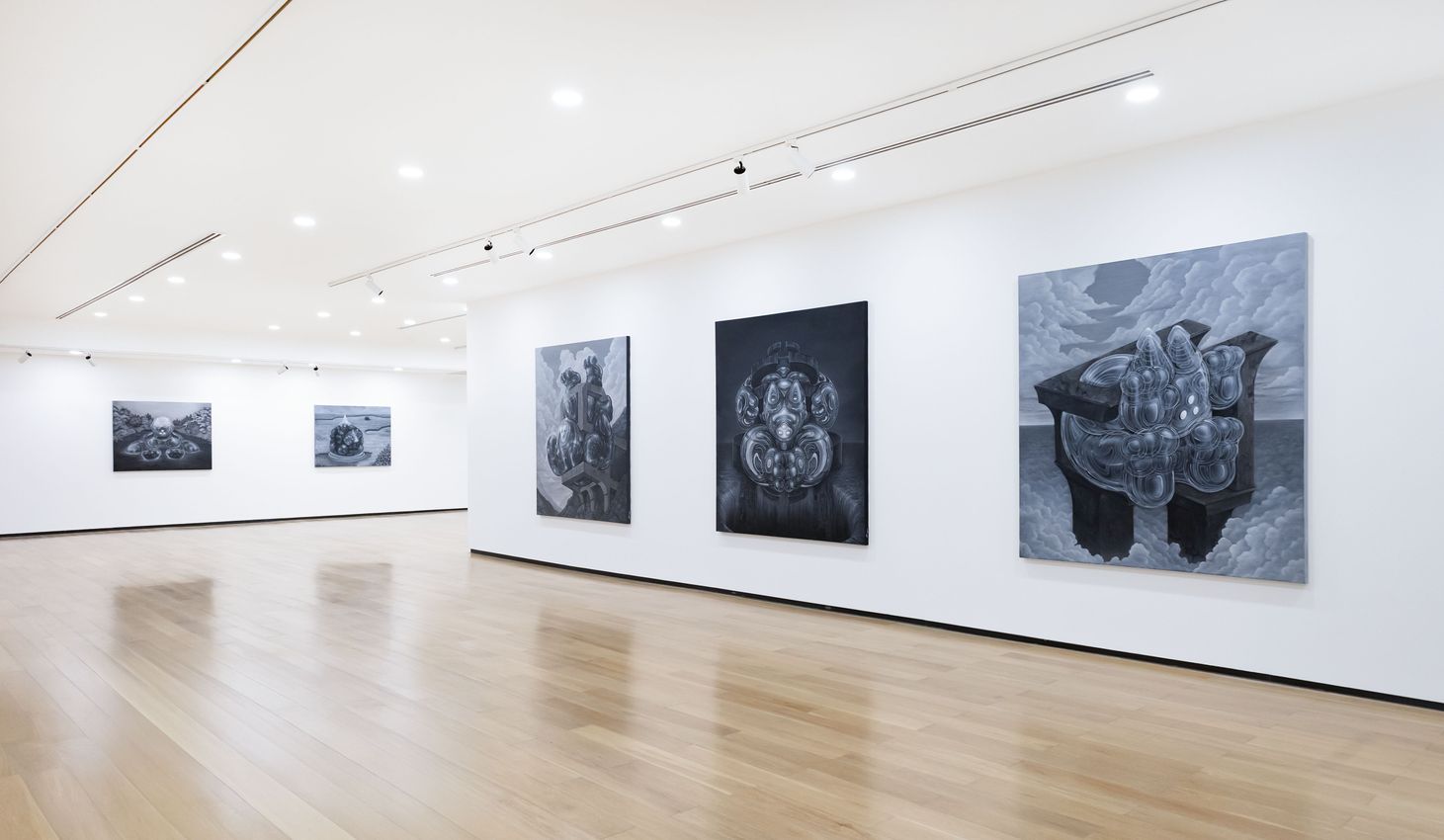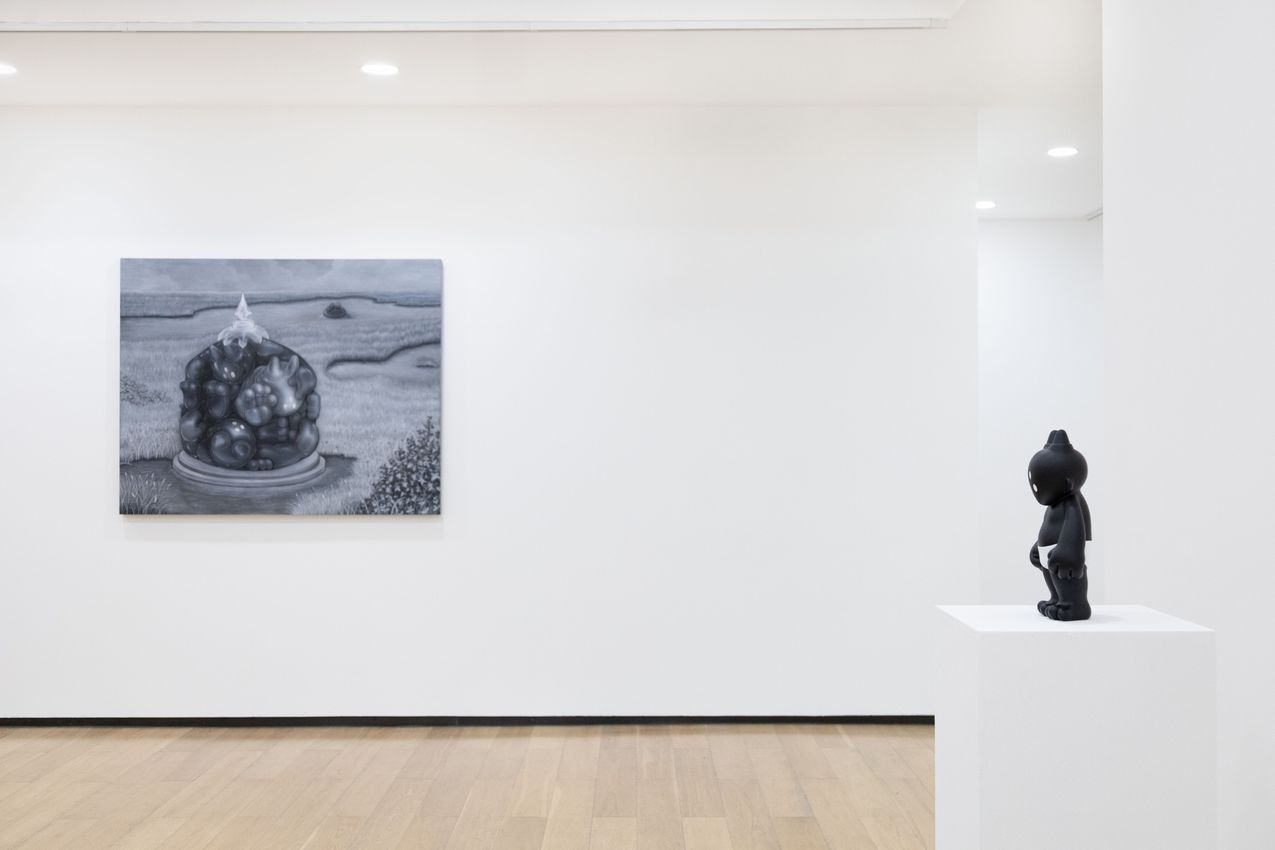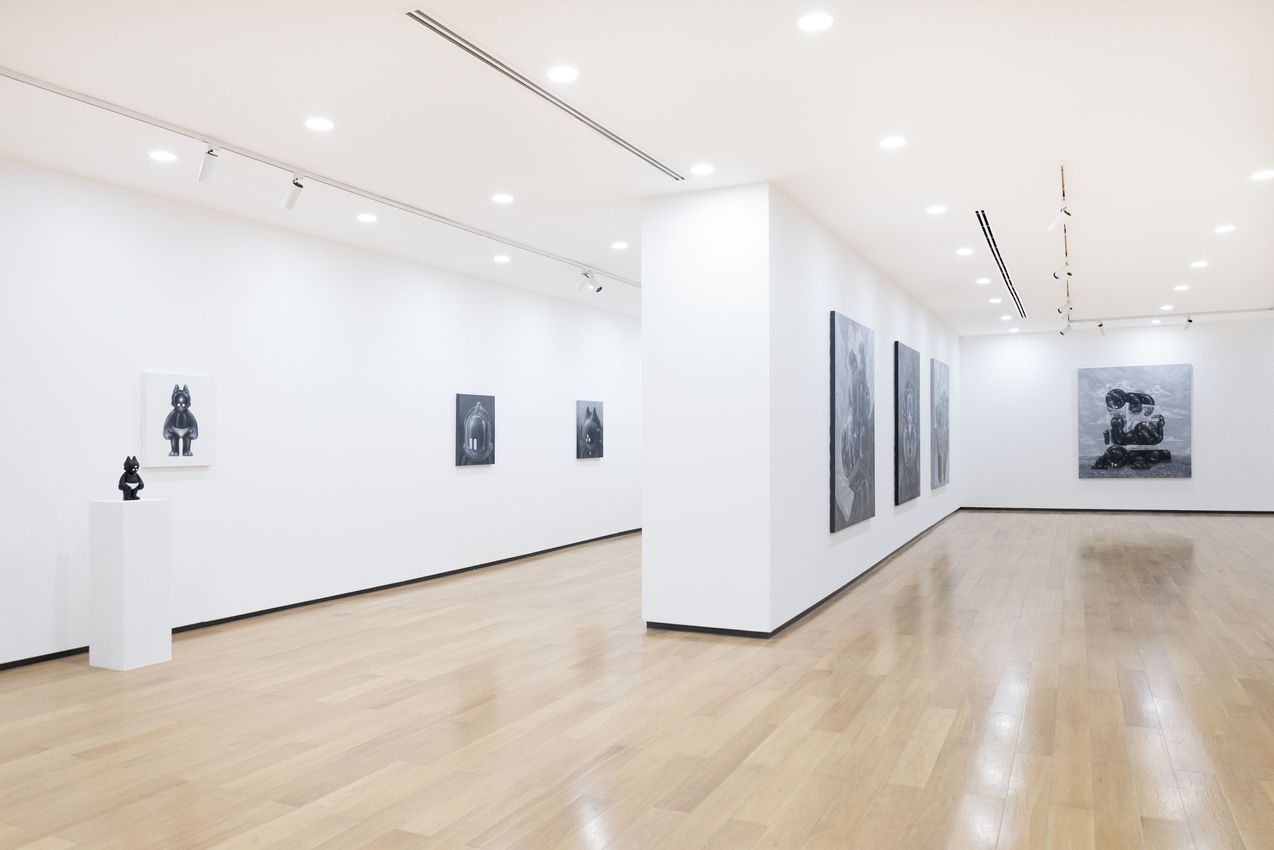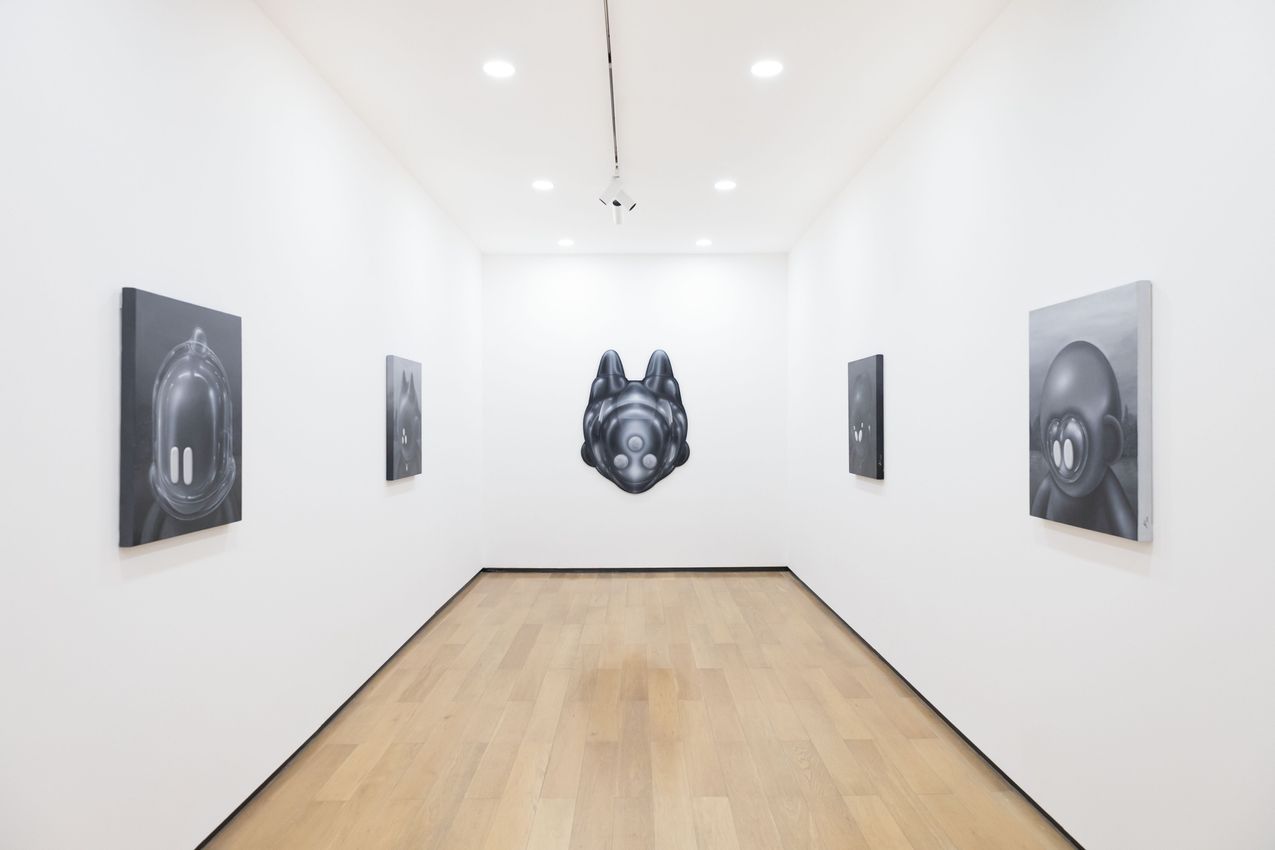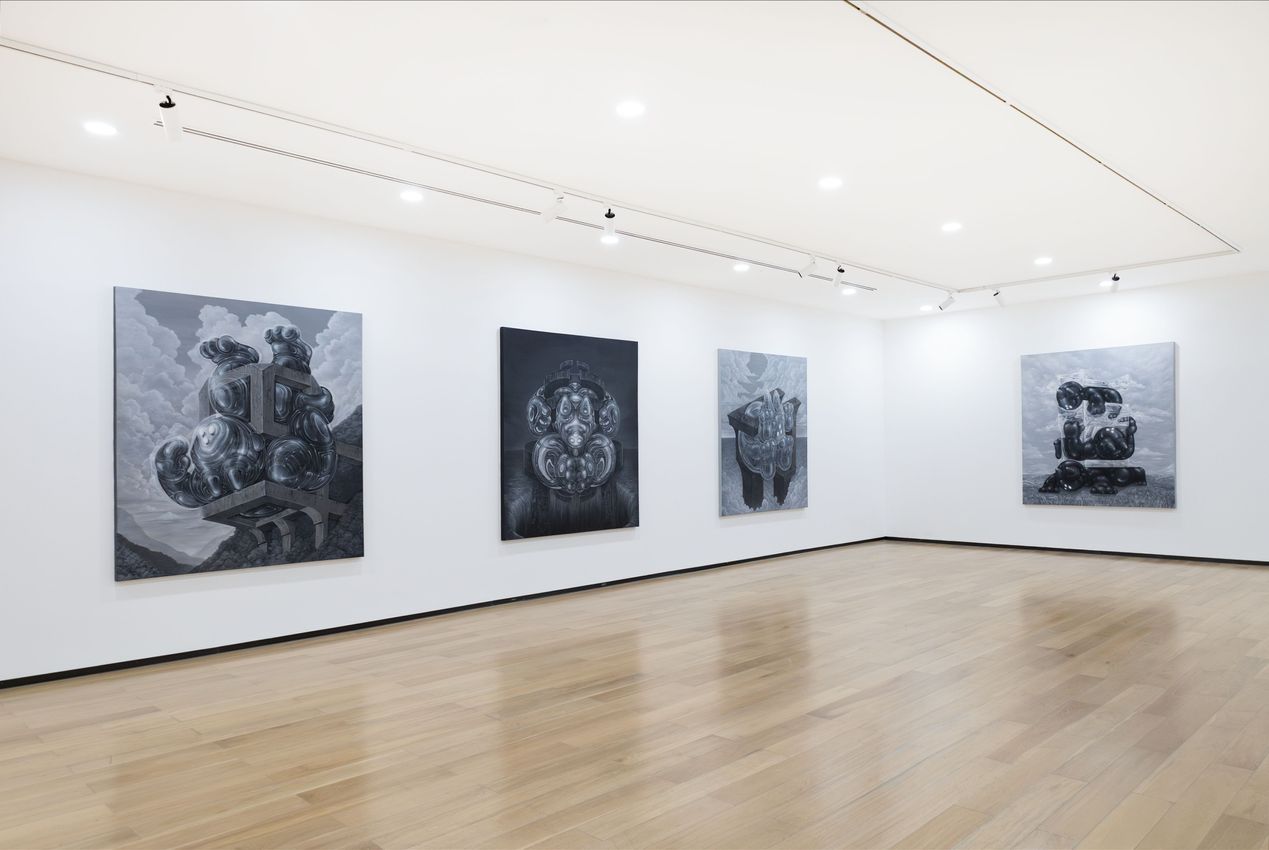
Identity, culture, belief, and faith do not always emerge at once. They take shape gradually, eventually becoming the foundation of lives through traditions, art, language, and everyday practices. Over time, these layers form the basis of how we come to understand ourselves and others. Belief often marks the beginning of this process; when it becomes unwavering, it transforms into faith, a deeper conviction that shapes values, attitudes, and ways of living. Culture, therefore, is more than an external form. It is a reservoir of belief and faith that operates beneath consciousness. It is within this terrain that Tos Suntos turns to the visual, as a means to reflect on questions of identity, faith, and freedom.
Raised in a Thai family, Tos Suntos was immersed from childhood in an environment where Buddhism intertwined with folk traditions. Over the years, these beliefs became invisible codes of conduct, quietly shaping his earliest sense of morality and value. Temples, architectural spaces, and ritual objects were once seen as protective ‘shields,’ offering safety in daily life while also defining subtle boundaries of thought. With adolescence, however, came the influence of the digital age and increasingly diverse social interactions, which placed his inherited system of faith in sharp conflict with the demands of modern society. To adapt into society, one often cultivates an ‘artificial self.’ For Tos Suntos, this inner dissonance went beyond personal identity. It raised a larger question: how might one navigate the structures of faith and society without being confined by them? This has since become the central aesthetic and philosophical pursuit of his practice.
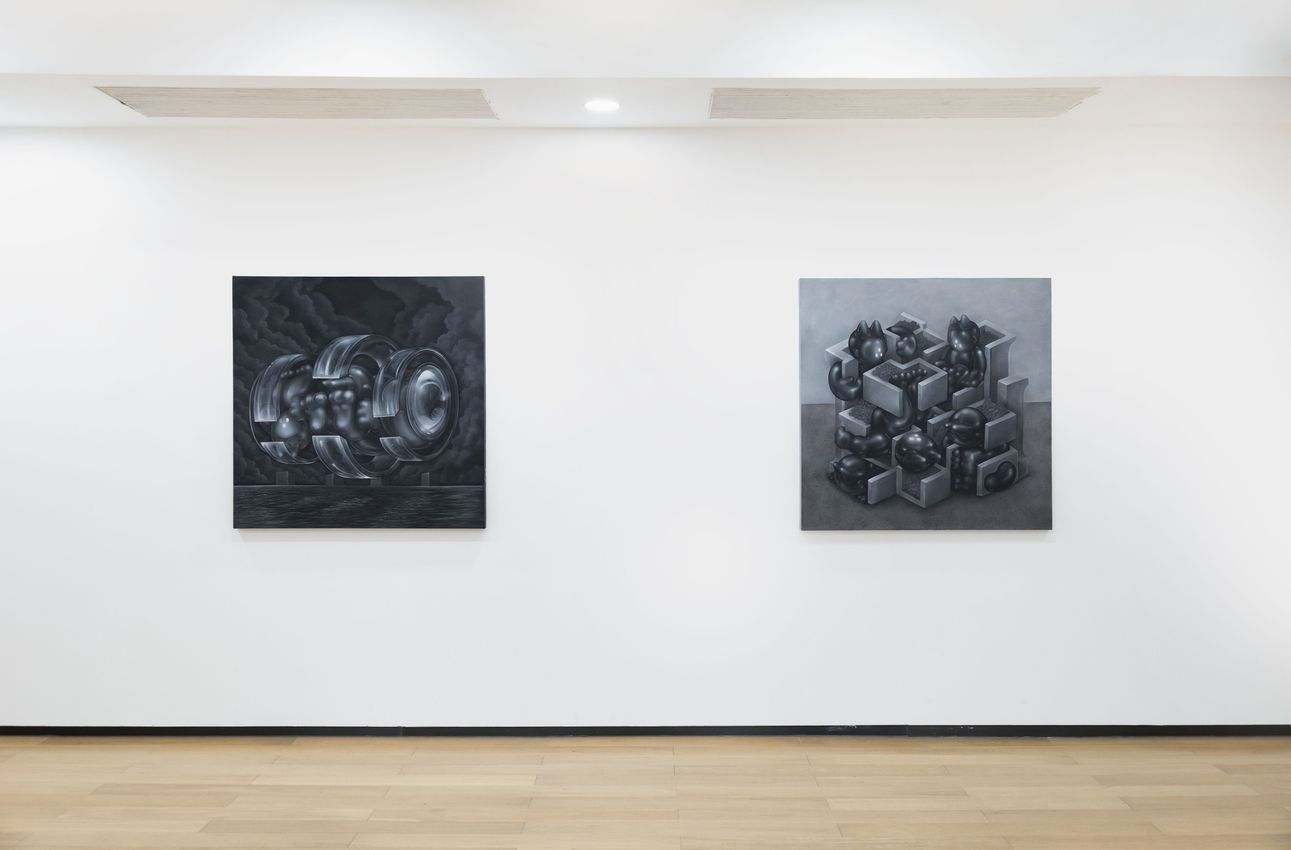
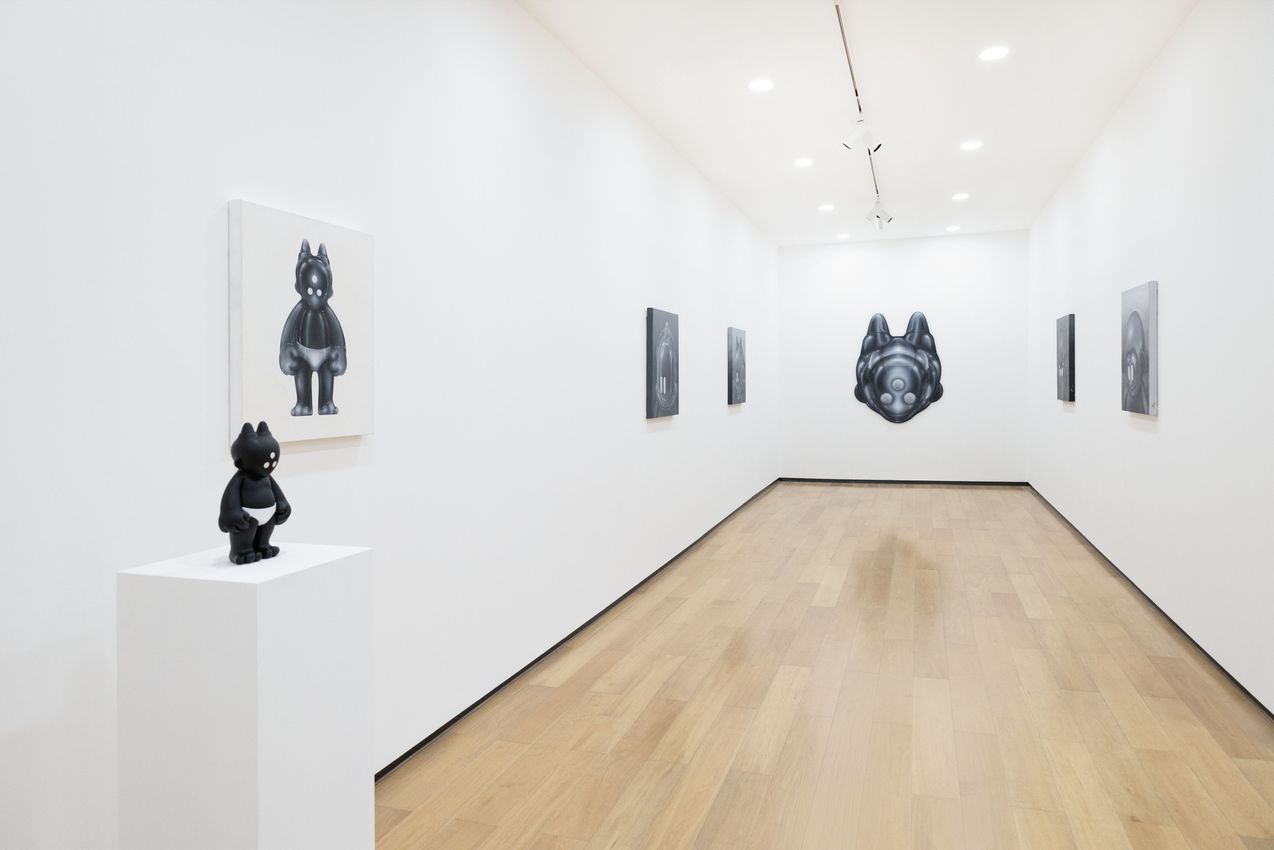
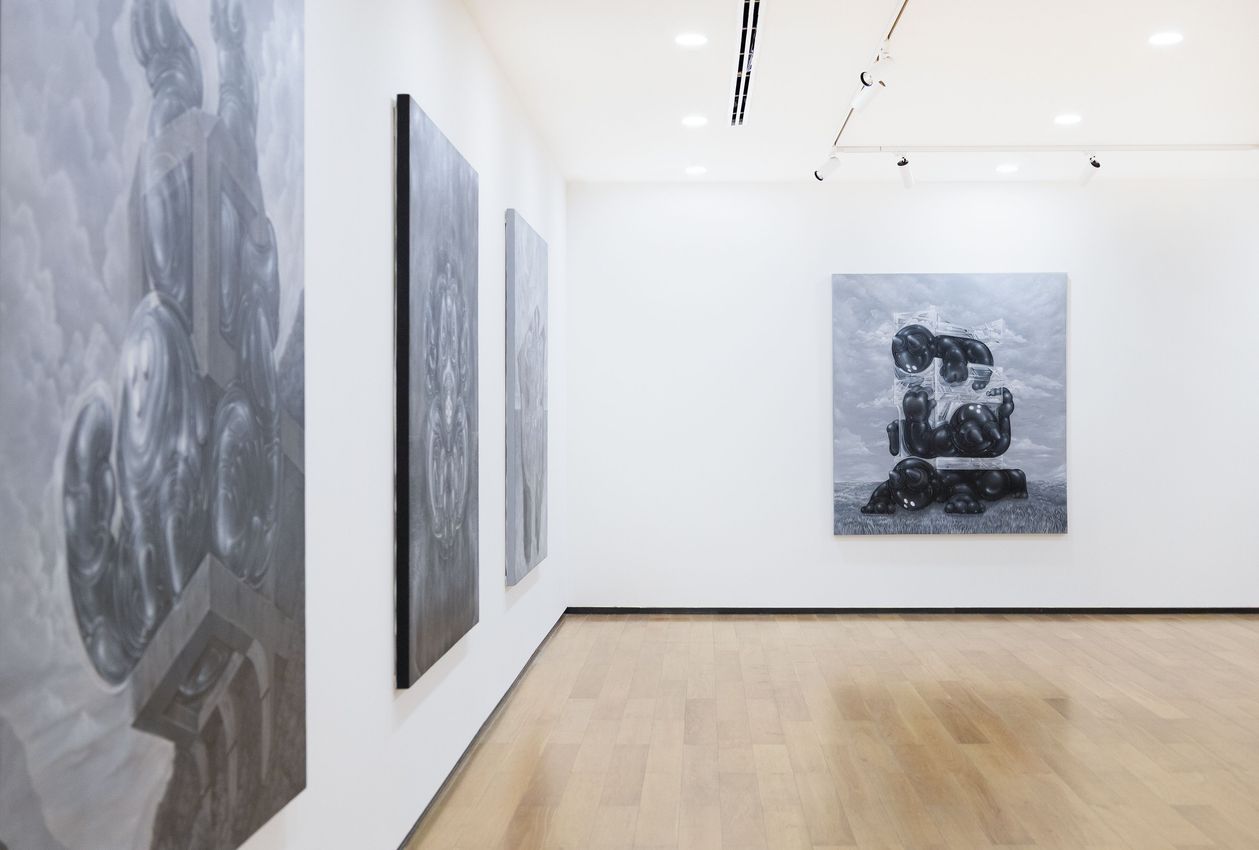
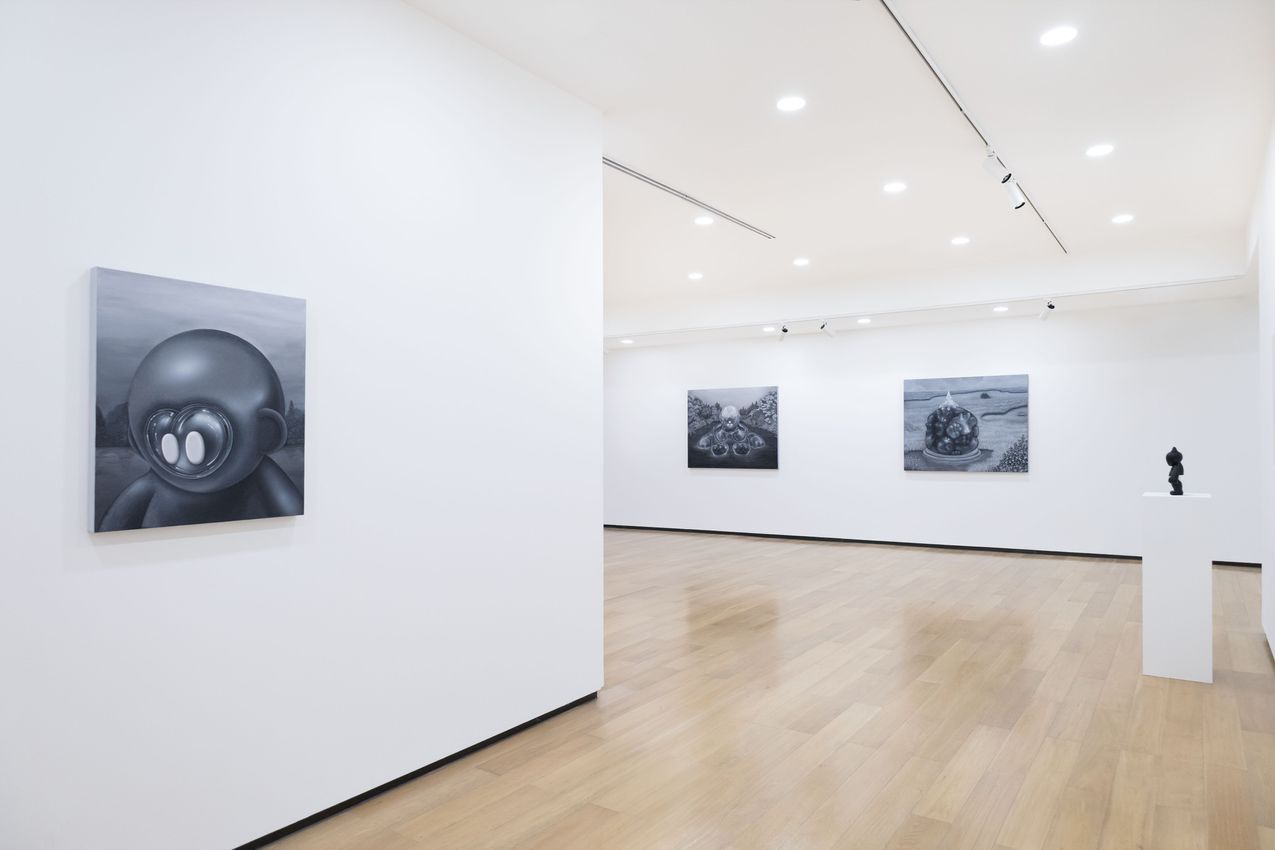
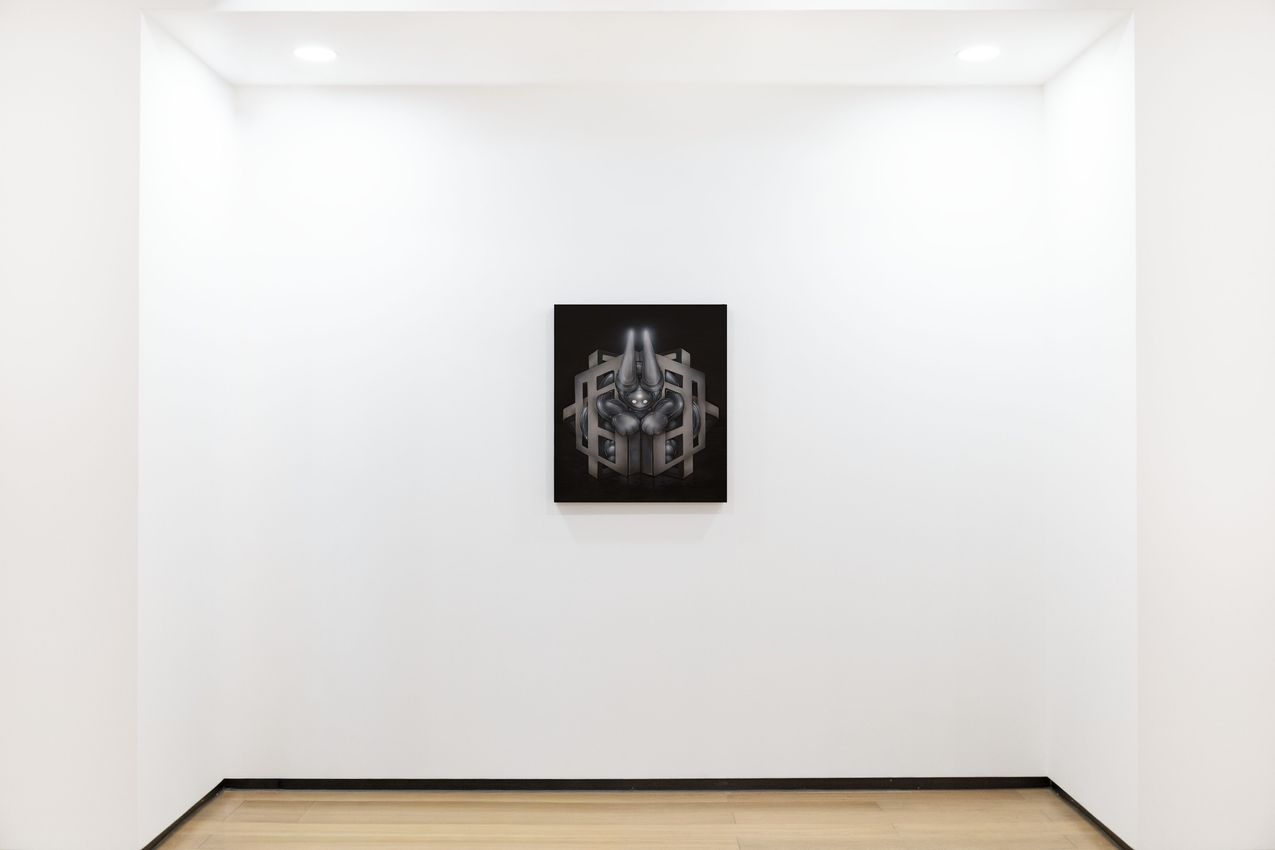
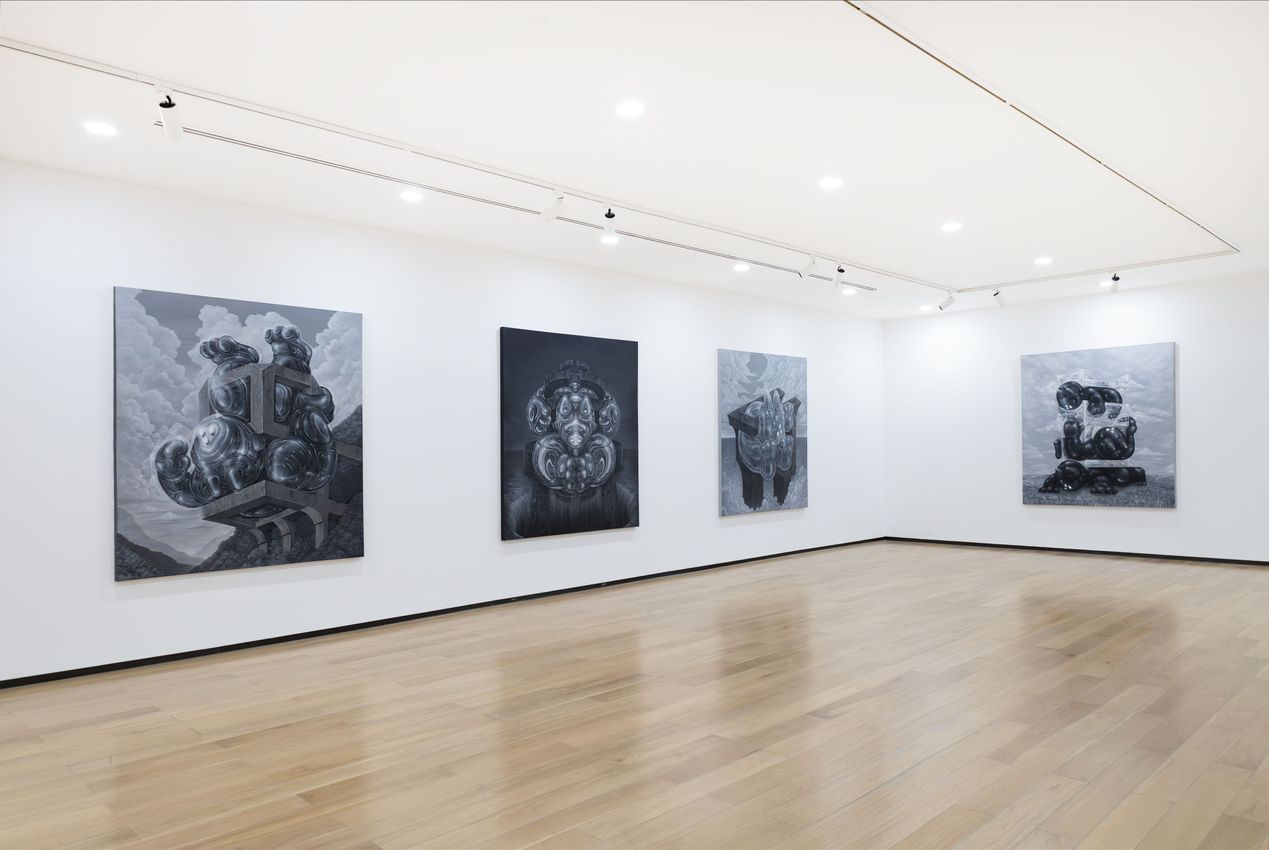
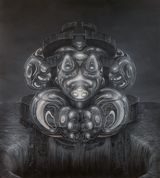
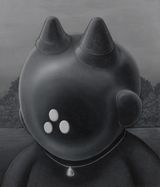
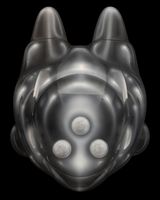
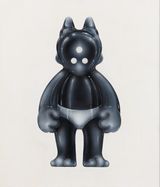
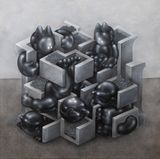
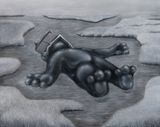
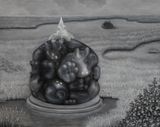
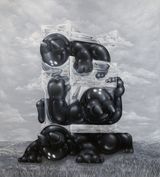
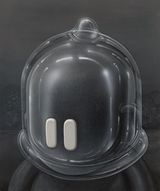
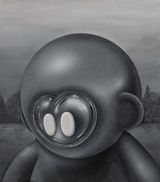
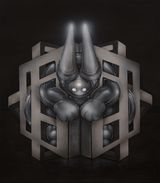
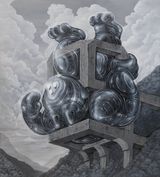
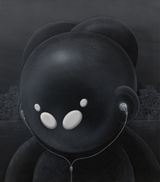
Much of his work is driven by this pursuit. At its core, is Enimous, a symbolic alter ego that embodies the artist’s negotiation with these tensions. Enimous appears trapped within rigid architectural frames or distorted by geometric grids, visible yet obstructed, as if caught behind transparent walls. Tos Suntos describes this state as being ‘imprisoned within the system of faith.’ The phrase extends beyond religion to include the norms, values, and languages that society internalizes in us. In his writings, he asks: ‘Can we have faith without being stuck or buried in it? Can we have our own identity without merging with the one that is defined by society?’ In works such as Trapped in the Structure of Belief and Layers of Class, Enimous is elongated, repeated, or twisted, producing a visual instability that resonates with the identity anxieties of contemporary life.
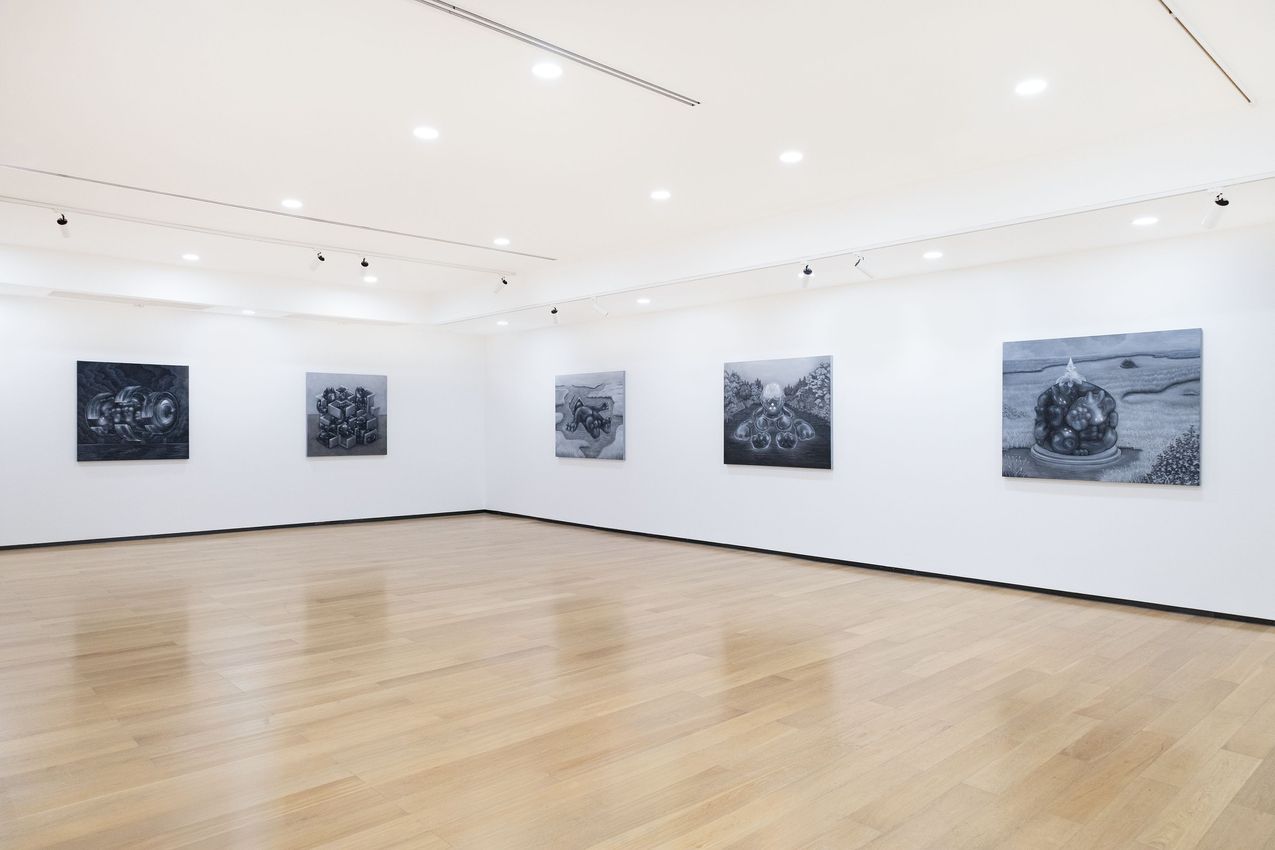
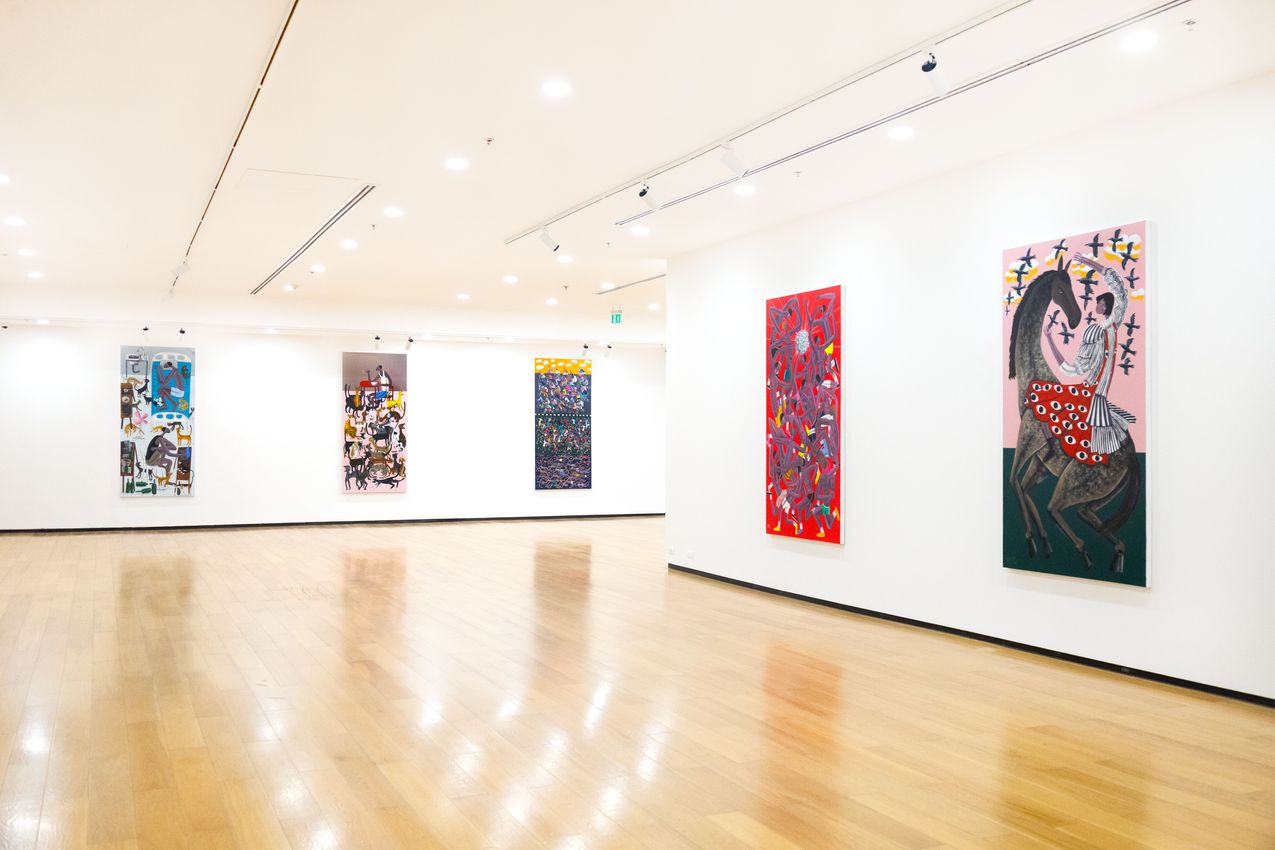
Visually, Tos Suntos has developed a distinctive language. He weaves together traditional Thai motifs, mythological figures, and symbols from popular culture, merging them into compositions that feel both familiar yet new and estranged. Rather than denouncing adaptation or imitation, he presents them with quiet clarity, acknowledging their underlying existence in daily life. The exhibition does not claim to offer solutions for freedom. Instead, it creates a space of reflection through its visual propositions. As the artist notes: ‘This series of works does not judge right or wrong but invites viewers to reconsider themselves within these invisible structures.’ In this openness, his work transcends personal narrative and becomes a site for audiences to project their own experiences.
Ultimately, Tos Suntos’ practice unfolds as both an intimate dialogue with the self and a structural probing of the collective subconscious. While rooted in the cultural soil of Thailand, his art speaks to dilemmas that resonate more broadly today: the tension between faith and doubt, structure and freedom, the individual and the system. By opening up the very frameworks we often take as fixed—such as faith, culture, and class—Tos Suntos reveals what lies beneath them, not certainties, but the unexamined unknowns.


Tos Suntos (Panyawat Phitaksawan) is a Thai Artist and Designer known for his outstanding graphic design which can apply to 2D and 3D objects in unconventional style. For his professional artist, his outstanding work is he changes the visual of traditional Thai to a combination of Thai style, universal monsters. pop culture and modern art.


Tang Contemporary Art was established in 1997 in Bangkok, later establishing galleries in Beijing and Hong Kong. Tang Contemporary Art is fully committed to producing critical projects and exhibitions to promote Contemporary Chinese art regionally and worldwide, and encourage a dynamic exchange between Chinese artists and those abroad.

A respected voice in contemporary art discourse.
Focusing on ambitious storytelling and insightful art-world commentary. Ocula Magazine publishes in-depth interviews, critical essays and timely analysis on the artists, exhibitions and ideas driving the global art world.
Learn more about Ocula Magazine
Showcasing the best of the art world.
Ocula partners with galleries from around the world to highlight their artists, artworks and exhibitions. Gallery membership is by application and invitation, with each member vetted by an independent panel.
Learn more about Ocula Membership

Specialises in the sale of major artworks.
Led by a team with deep ties to the world’s leading auction houses, galleries and collectors. Ocula’s advisory team offers bespoke services to high-net-worth clients from around the world who are looking to acquire the best of contemporary and modern art.
Learn more about our team and services