Press Release

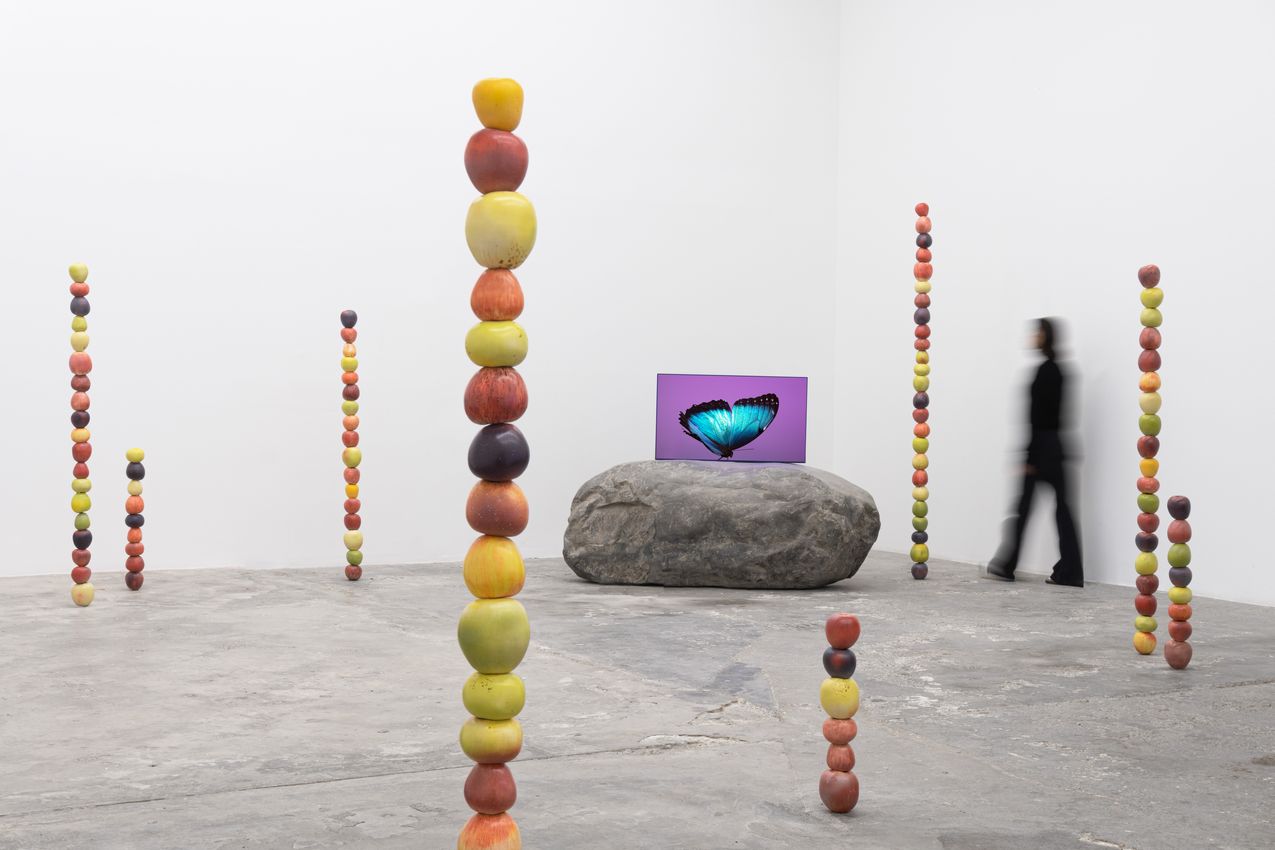
Tracing Places, Weaving Times is a group exhibition presenting a multilayered portrait of Thailand through three young artists. The show explores how Thai identity is shaped by geography, memory, cultural inheritance, and modern life, moving between rural borderlands, northern villages, and Bangkok’s urban sprawl. Works by Sornchai Phongsa address diaspora, displacement, and statelessness from the perspective of the Mon community, visualizing the migration of identity from physical to metaphysical realms. Butsapasila Wanjing reworks historical memory, drawing on Lanna culture, folklore, and overland trade routes between Thailand and China, tracing shifts from ancient cultural exchange to contemporary geopolitical and economic forces. Amalapon Robinson focuses on Bangkok’s dense urban nightscapes, using artificial light in intimate interiors and city scenes to evoke emotional states of searching, loneliness, and quiet reflection. Together, their practices form an open-ended narrative of belonging, change, and continuity, presenting Thailand as a constellation of layered histories and evolving cultures rather than a single story.

Whether bridging rural borderlands and urban density or myth and lived reality, the exhibition offers a multilayered portrait of Thailand as experienced through the next generation of artists born between the 1980s and 2000s. Moving between the past and the present, between the personal and the collective, the exhibition invites viewers to consider how Thailand’s many stories are carried, reshaped, and reimagined across generations.

Across Thailand’s diverse regions, cultural identities emerge not only from formal histories but from the intimate details of daily life—traditions passed on quietly, stories shared casually, materials handled out of habit and necessity. These nuances, often invisible from the outside, form the true texture of the Thai identity. Grounded in this idea, the featured artists draw from the spaces they grew up in—mountainous borders, northern villages, Bangkok’s layered urban sprawl—yet render their memories through contemporary visual languages. Each distinct, yet interconnected, their practices echo, diverge, and intersect, forming an open-ended narrative about belonging, change, and continuity. Together, they present Thailand not as a single story but as a complex and evolving constellation of histories, ethnicities, and lived realities.

Sornchai Pongsa: Diaspora, Displacement, Becoming

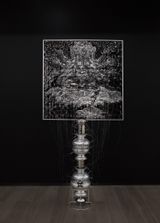
Hailing from a Mon community along Thailand’s Western border, Sornchai Pongsa’s work emerges from a lived experience shaped by cultural inheritance, displacement, and adaptation. His conceptual practice draws on the intertwined history of his family and people—stories marked by movement, negotiation, and survival. Drawing from familial stories, local histories, and the complexities of modern existence, Sornchai’s pieces evoke a sense of loss and adaptation, yet also resilience and redefinition. Through powerful visual forms and mixed media artworks, he captures the simultaneous ache for what is left behind and the urgency to forge new identities and preservation of traditions in unfamiliar landscapes. His pieces become vessels for memory—at once fragile and forceful—inviting viewers to witness the multi-layered experience of diaspora within the Thai context.

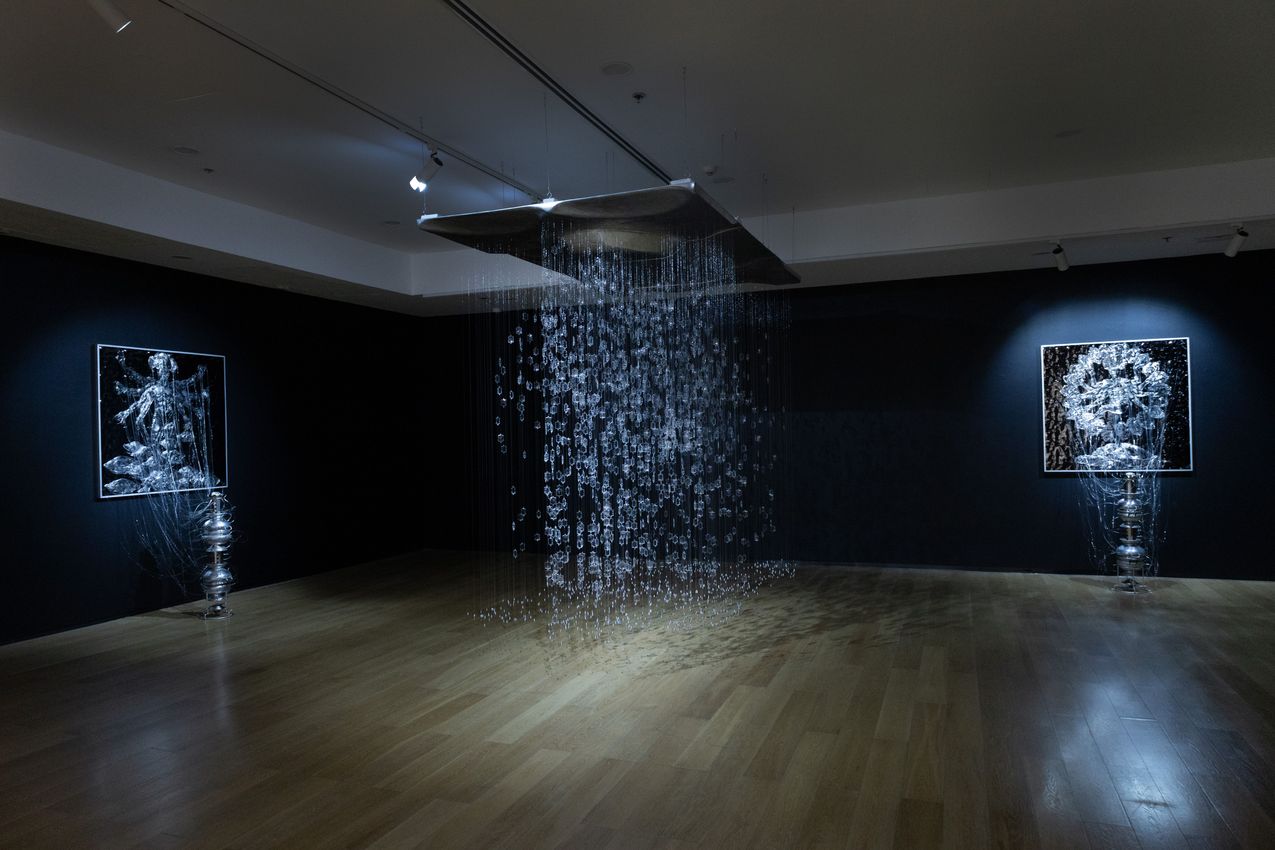
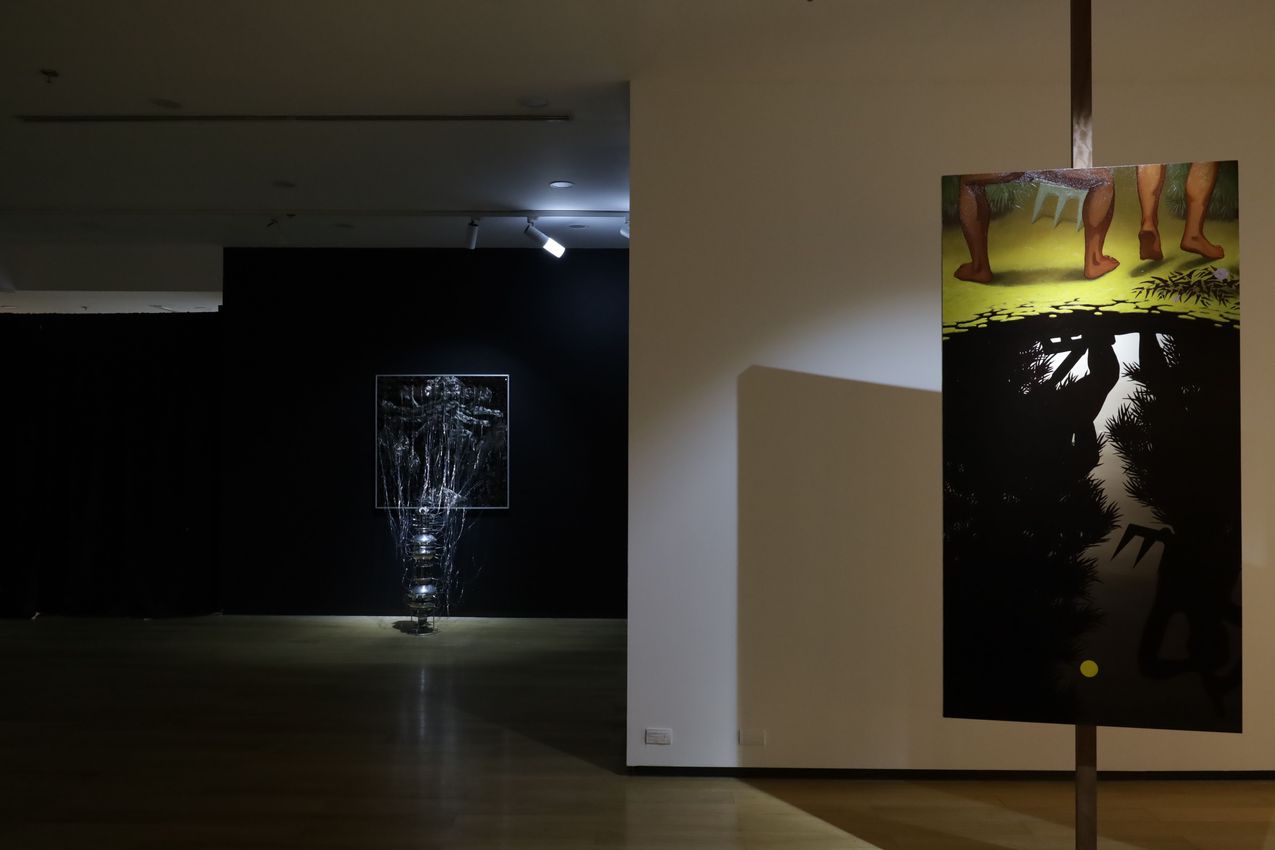
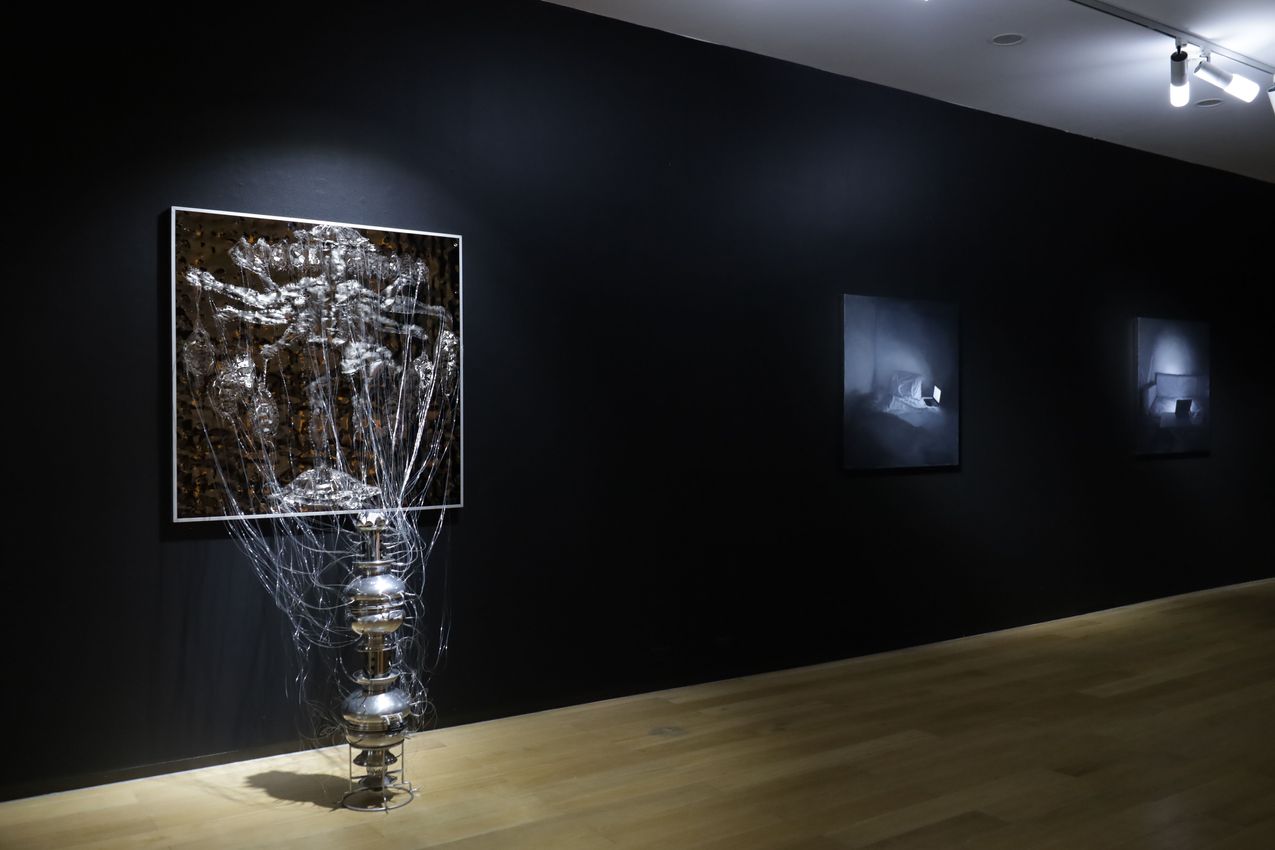
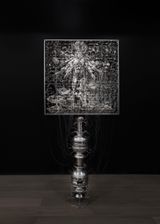
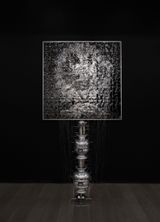
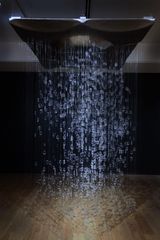
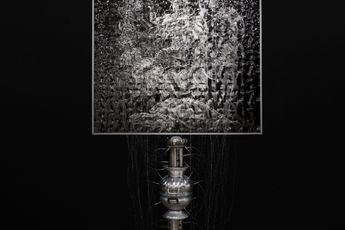
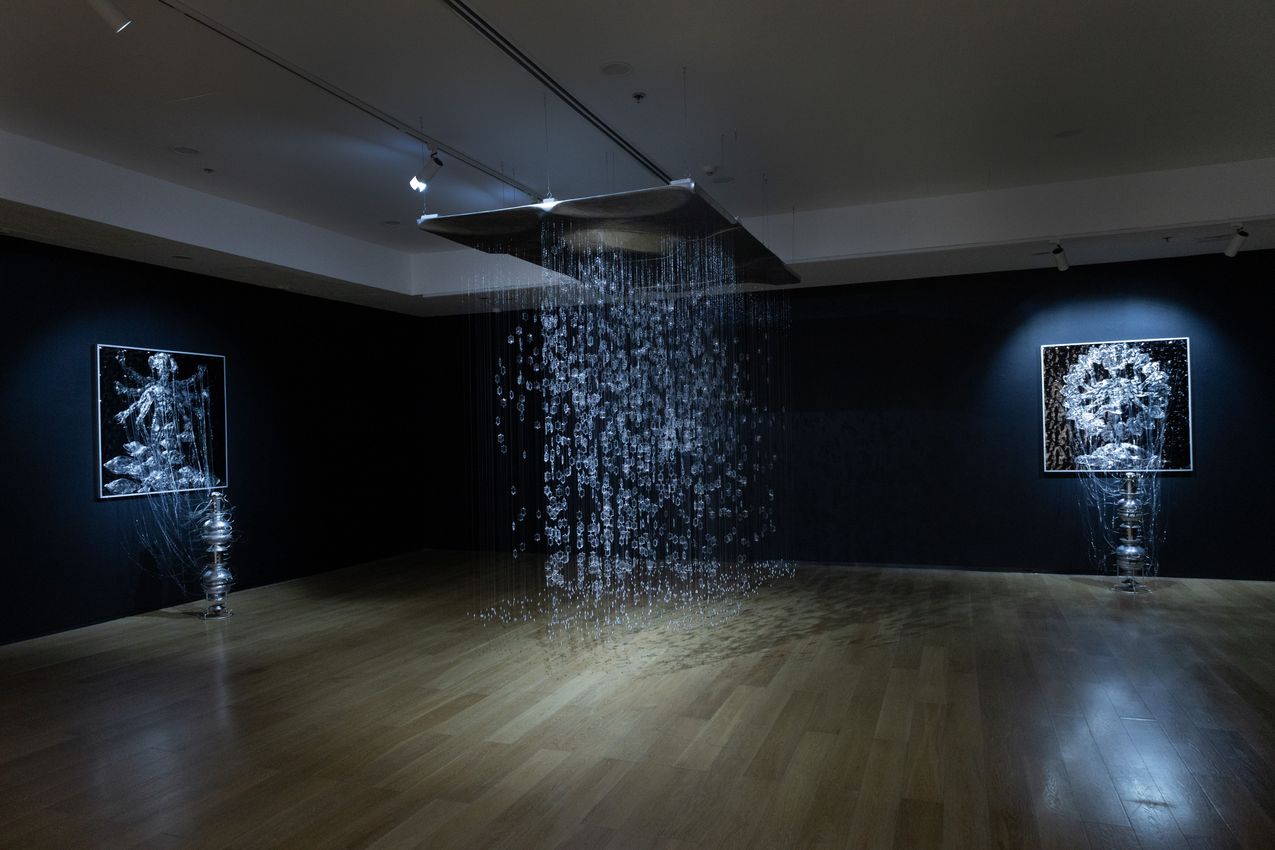
Building on his earlier work Mon Spirits Totem (2016), Pongsa presents a technologically infused meditation on ‘statelessness,’ conceptualizing the body and territory as absent hardware and the spirit as enduring software. Through ethereal installations of suspended structures and volumes of light, he visualises the migration of identity from the physical to the metaphysical, raising profound questions about the persistence of ritual and belief in a digitised era. His work emphasises both loss and adaptation, showing how cultural memory endures even when physical borders are absent.

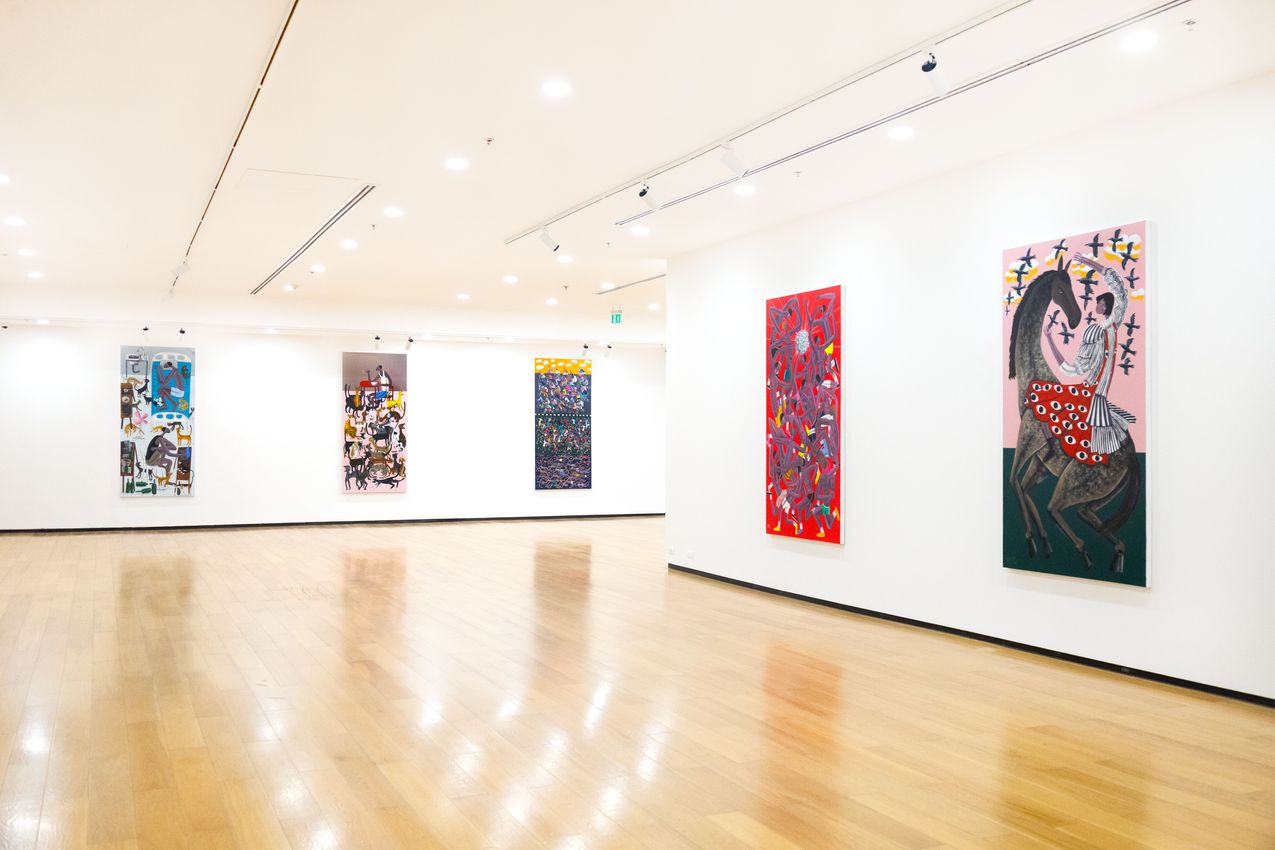
Butsapasila Wanjing: Memory, Myth, and the Remaking of History

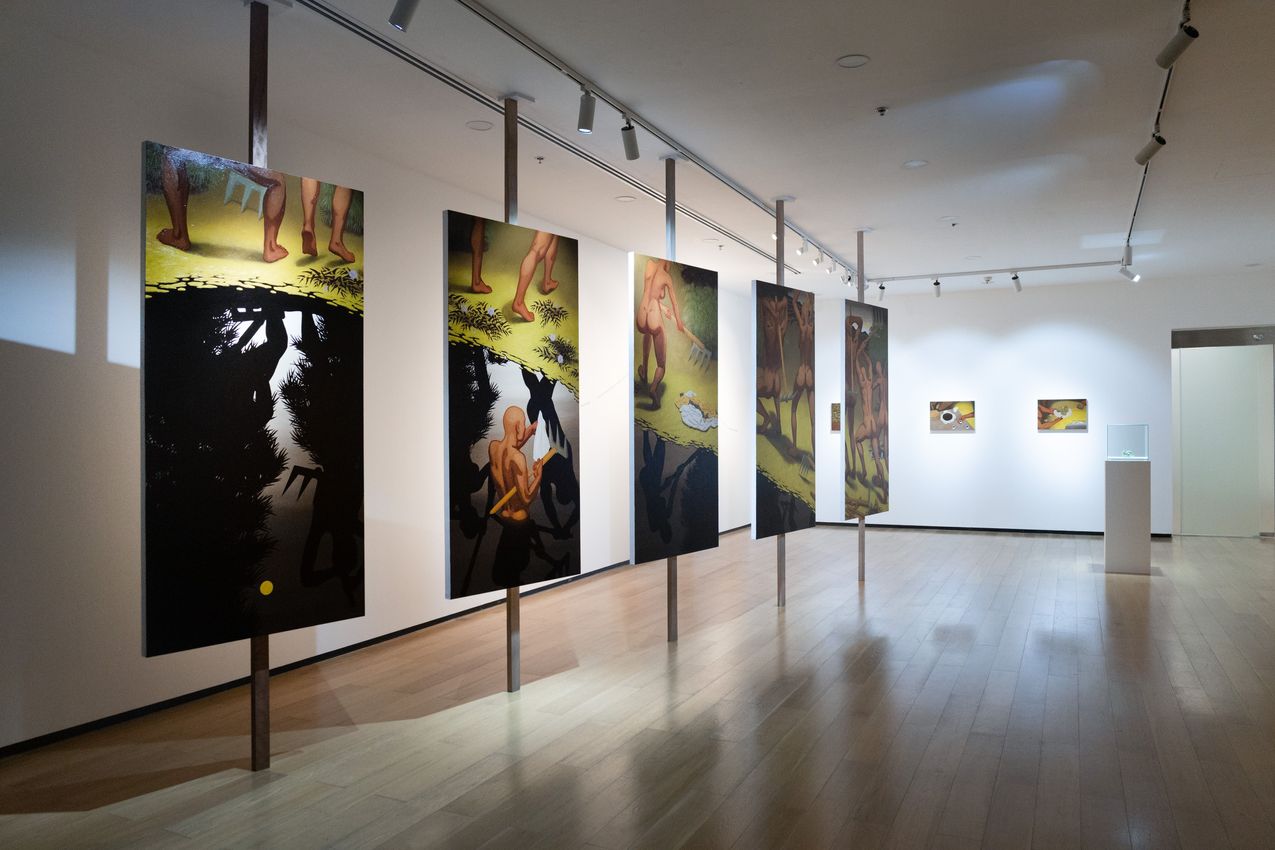
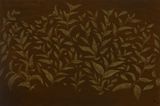
Butsapasila Wanjing approaches memory as something formed not only through official histories but through the informal stories embedded in everyday life. His practice draws from Lanna culture, folkloric and mystical beliefs, childhood memories of Chiang Mai, and raw materials collected from the northern landscapes he grew up in. His works—textured, layered, and enigmatic—entice viewers to look closer, searching for traces of narratives that have been transformed, suppressed, or forgotten.

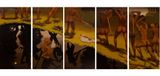
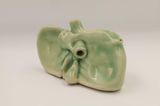
A central focus of his recent work is the rewriting of historical memory spaces. Butsapasila’s exploration extends beyond Thailand’s borders. His exploration of overland trade routes examines the longstanding cultural and economic relationships between Thailand and mainland China. From ancient exchanges of goods and knowledge along the Tea Horse Road—glazed ceramics, tea-making traditions, the role of horses—to their later integration into the vast Silk Road network, he traces how these routes shaped communal life in the borderlands.

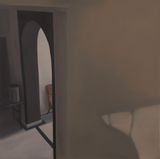
In the present, he observes how the Belt and Road Initiative has reshaped these ancient corridors into pathways of capital, cross-border investment, and sometimes illicit or informal economies. What were once routes of cultural circulation have become sites where geopolitical power is contested and negotiated. Through paintings and mixed-media presentations, Butsapasila renders these overlapping histories visible—revealing the delicate interplay between memory, state power, regional identity, and the shifting forces that continue to shape northern Thailand.

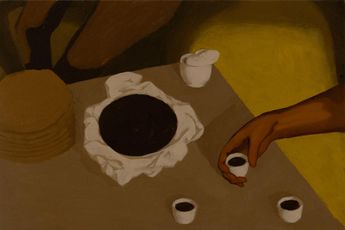
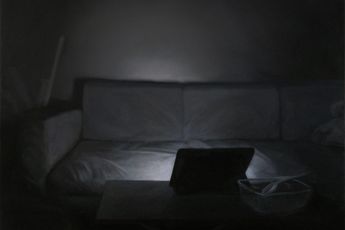
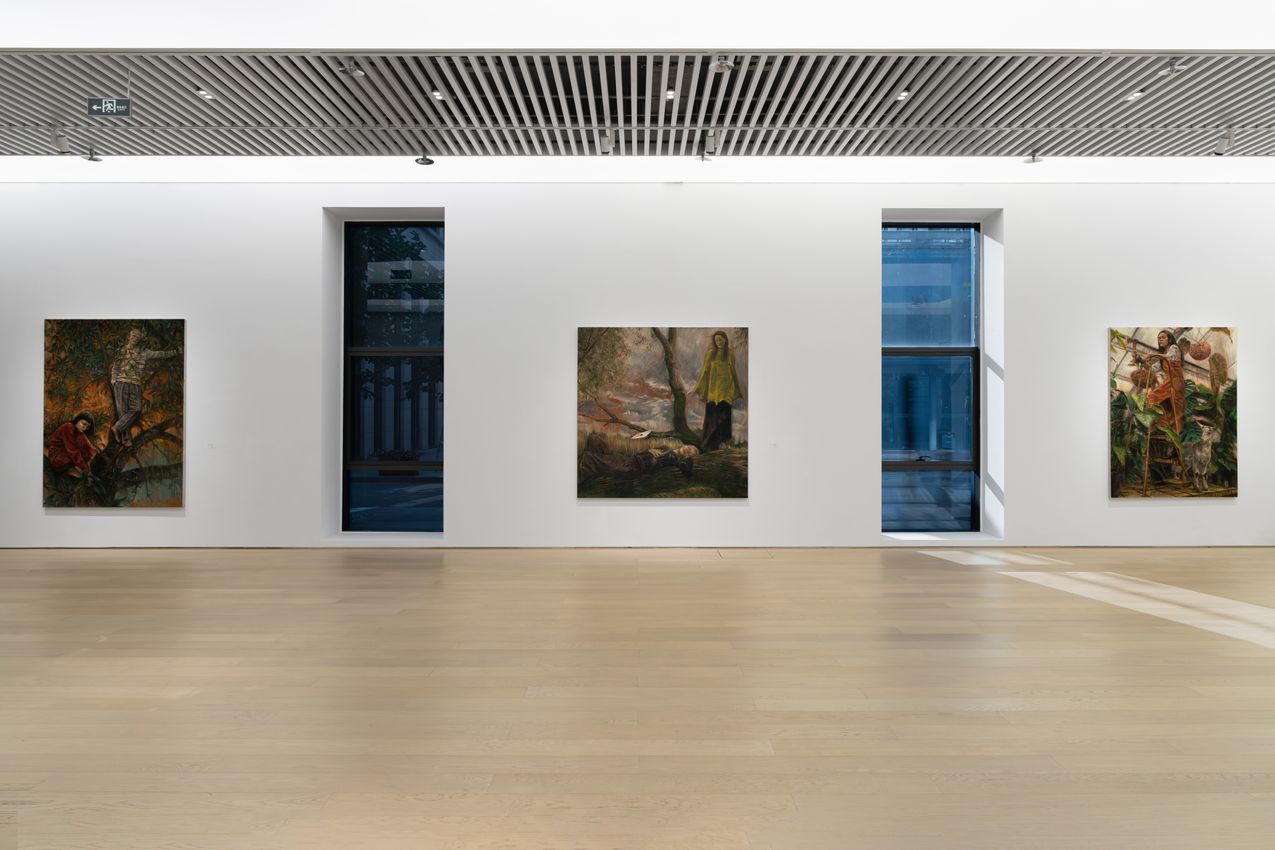
Amalapon Robinson: Urban Light, Inner Loneliness

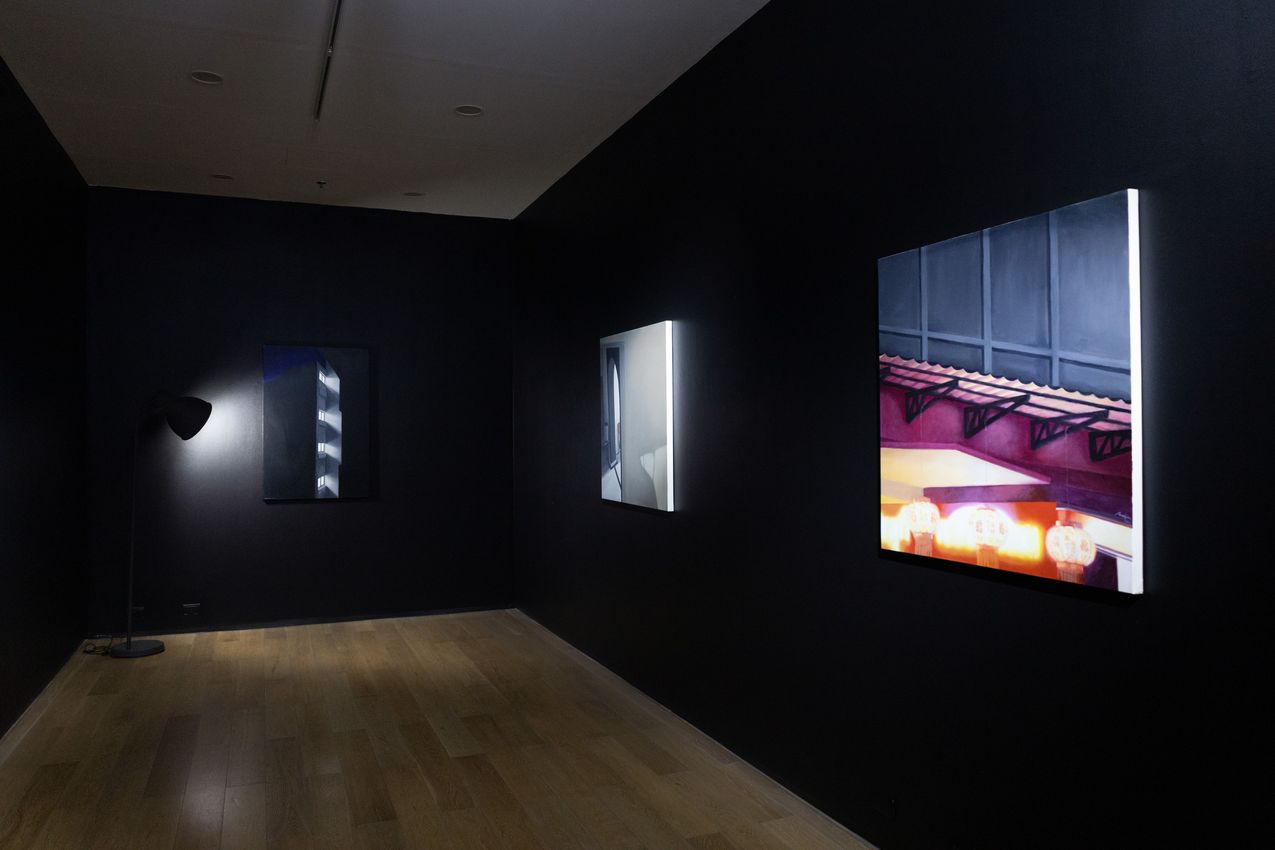
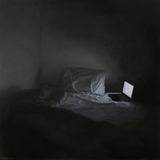
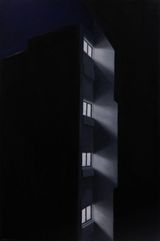
In contrast to the northern landscapes and border narratives of Sornchai and Butsapasila, Amalapon Robinson turns her gaze toward the dense urban rhythms of Bangkok—a city of constant illumination. Growing up between two cultures, Amalapon investigates identity and belonging within a metropolis defined by artificial light. Her hauntingly beautiful oil paintings capture intimate domestic scenes and everyday urban moments, using the interplay of radiance and shadow to reflect the emotional undercurrents of city life.

In her work, light becomes both a physical necessity and a metaphor for searching—searching for connection, clarity, or simply a sense of place amid the city’s overwhelming glare. While there is always light in darkness, Amalapon reveals how urban brightness can coexist with profound loneliness. Her paintings resonate with quiet intensity, suggesting that in a world saturated with illumination, the most meaningful forms of luminosity may be internal.

Together, these three artists illustrate the many ways Thai identity is shaped—by geography, by memory, by generations of cultural inheritance, and by the changing landscapes of modern life. Their works bridge past and present, local and national, rural and urban, inviting viewers to consider how individual stories intersect to form a broader cultural tapestry.

Tracing Places, Weaving Times does not offer a singular definition of Thai identity. Instead, it opens a space for reflection—on where we come from, what we carry, and how our surroundings continually shape who we are becoming. Through the perspectives of the next generation of Thai artists, the exhibition presents the Thai experience as a place of layered histories, evolving cultures, and rich, interconnected experiences.

Read More

Installation Views

Selected Works

Loading...

Artists Exhibiting

Also Exhibiting at Tang Contemporary Art

About the Gallery

Tang Contemporary Art was established in 1997 in Bangkok, later establishing galleries in Beijing and Hong Kong. Tang Contemporary Art is fully committed to producing critical projects and exhibitions to promote Contemporary Chinese art regionally and worldwide, and encourage a dynamic exchange between Chinese artists and those abroad.

View Gallery Profile
Address
Room. 201–206, River City Bangkok
23 Soi Charoenkrung 24
Talad noi, Sampantawong
Bangkok
Thailand
Opening Hours
Tuesday – Saturday
11 am – 7 pm

Closed on Public Holidays
(1)
Bangkok Room. 201–206, River City Bangkok, 23 Soi Charoenkrung 24

Tang Contemporary Art
Room. 201–206, River City Bangkok, 23 Soi Charoenkrung 24, Talad noi, Sampantawong, Bangkok, Thailand

Opening hours
Tuesday – Saturday
11 am – 7 pm

Closed on Public Holidays
The art world in focus