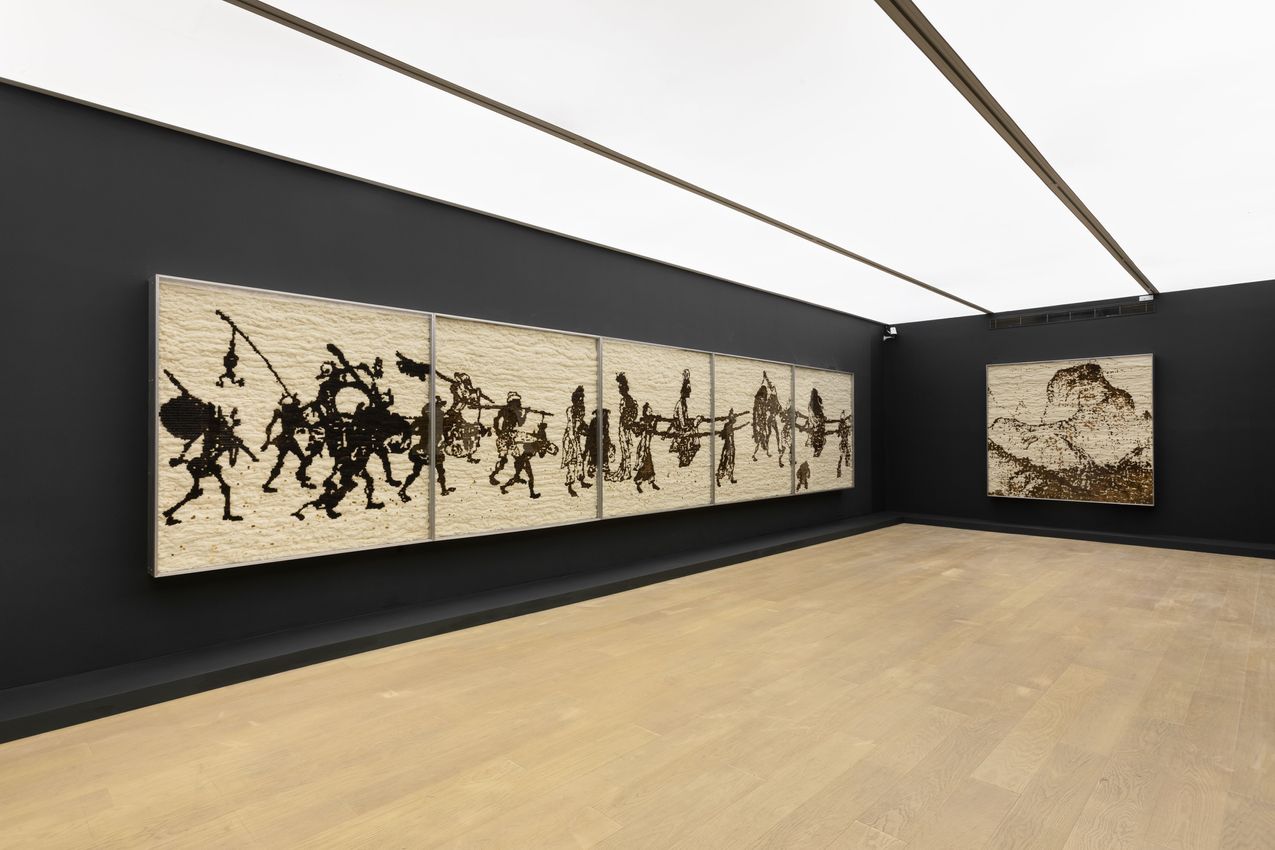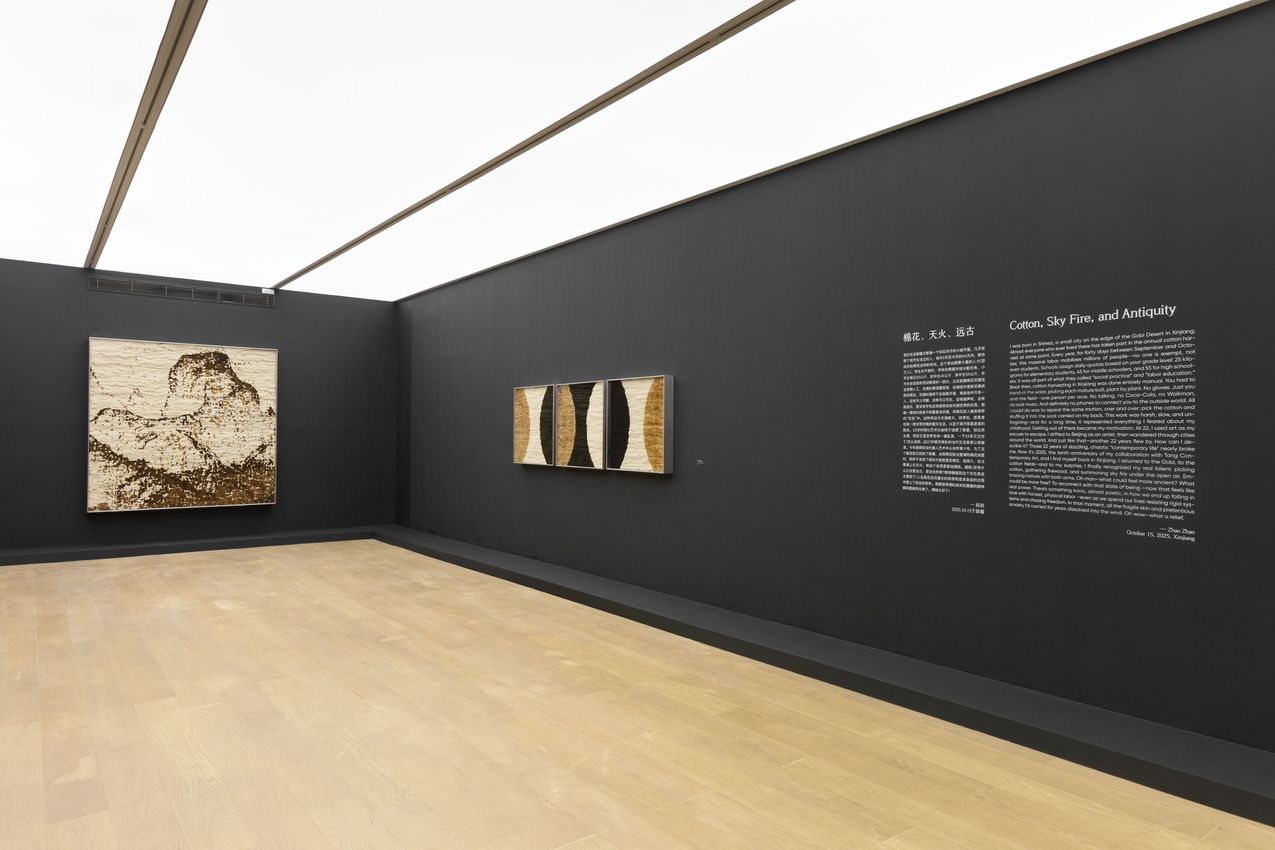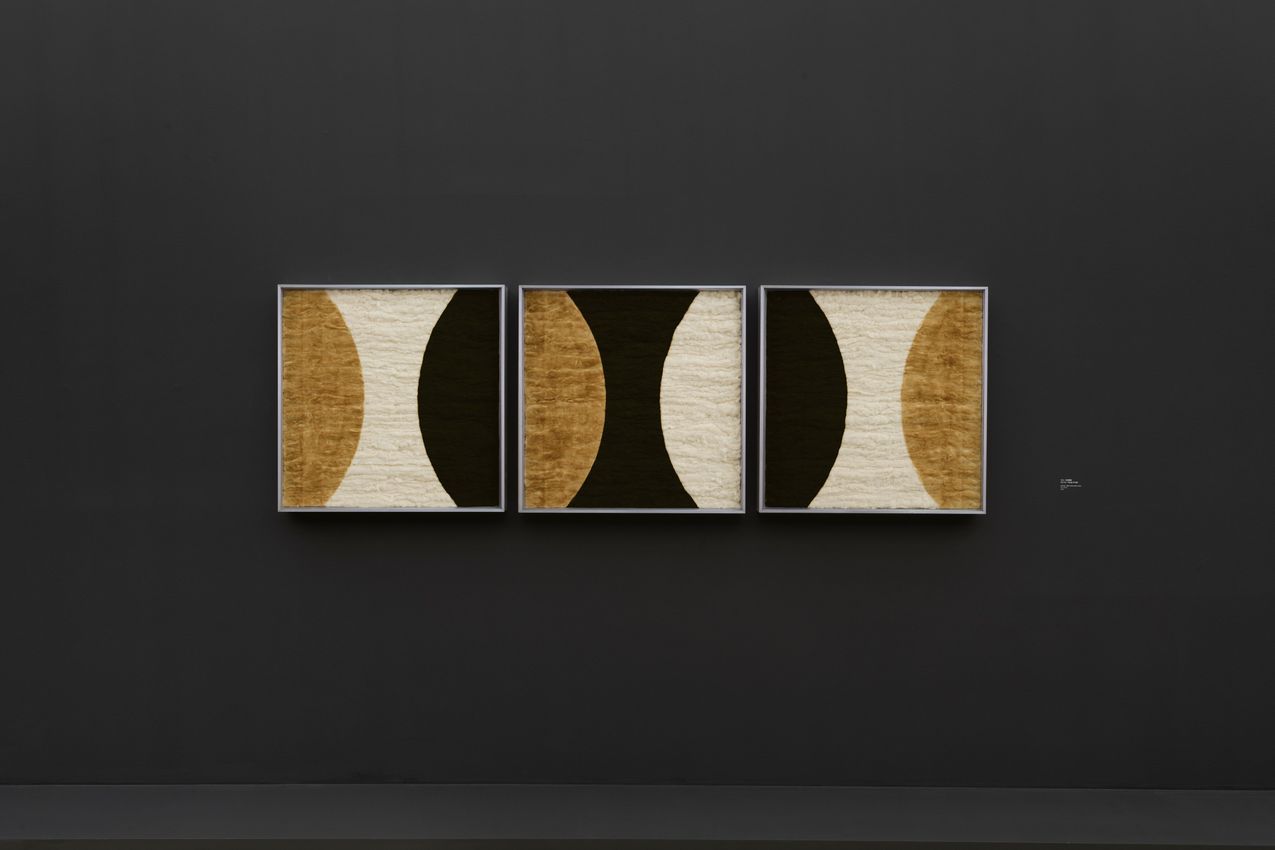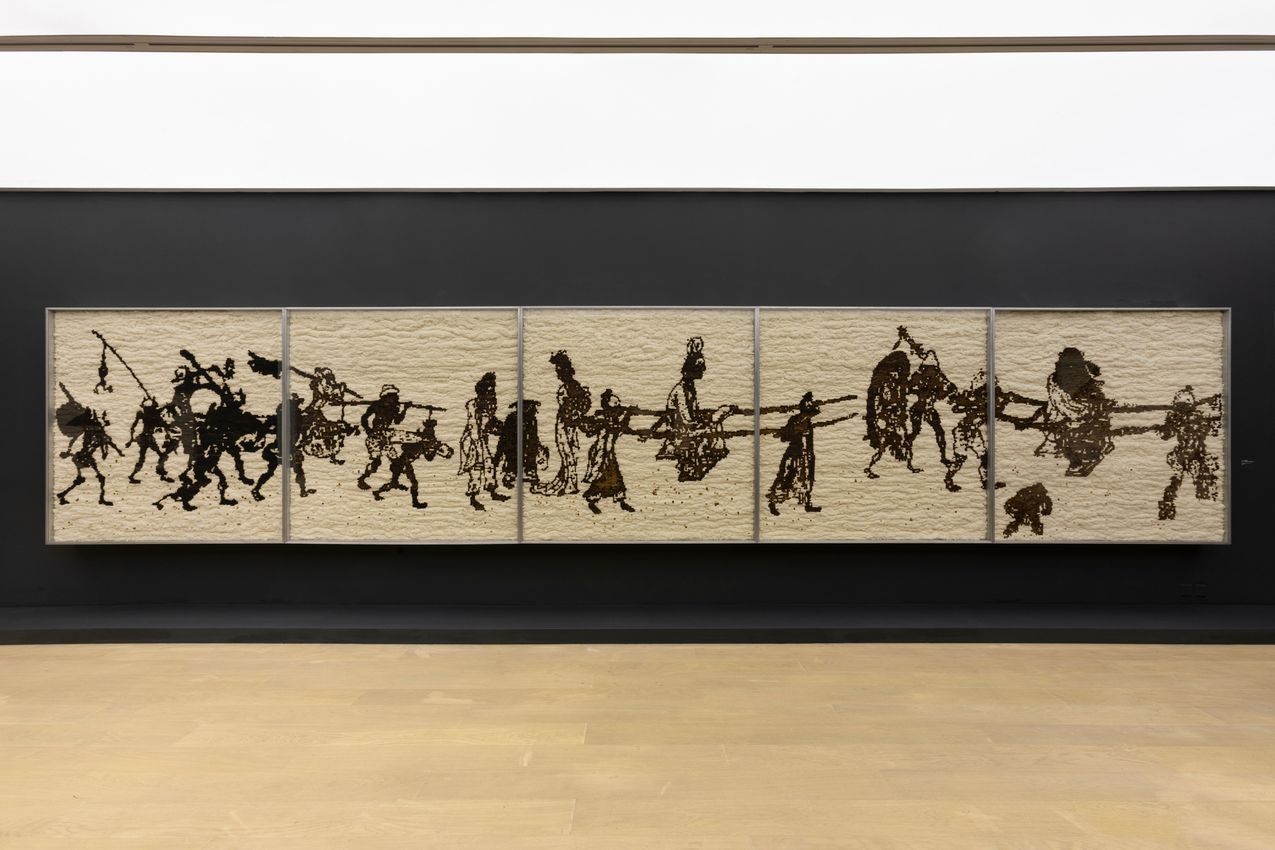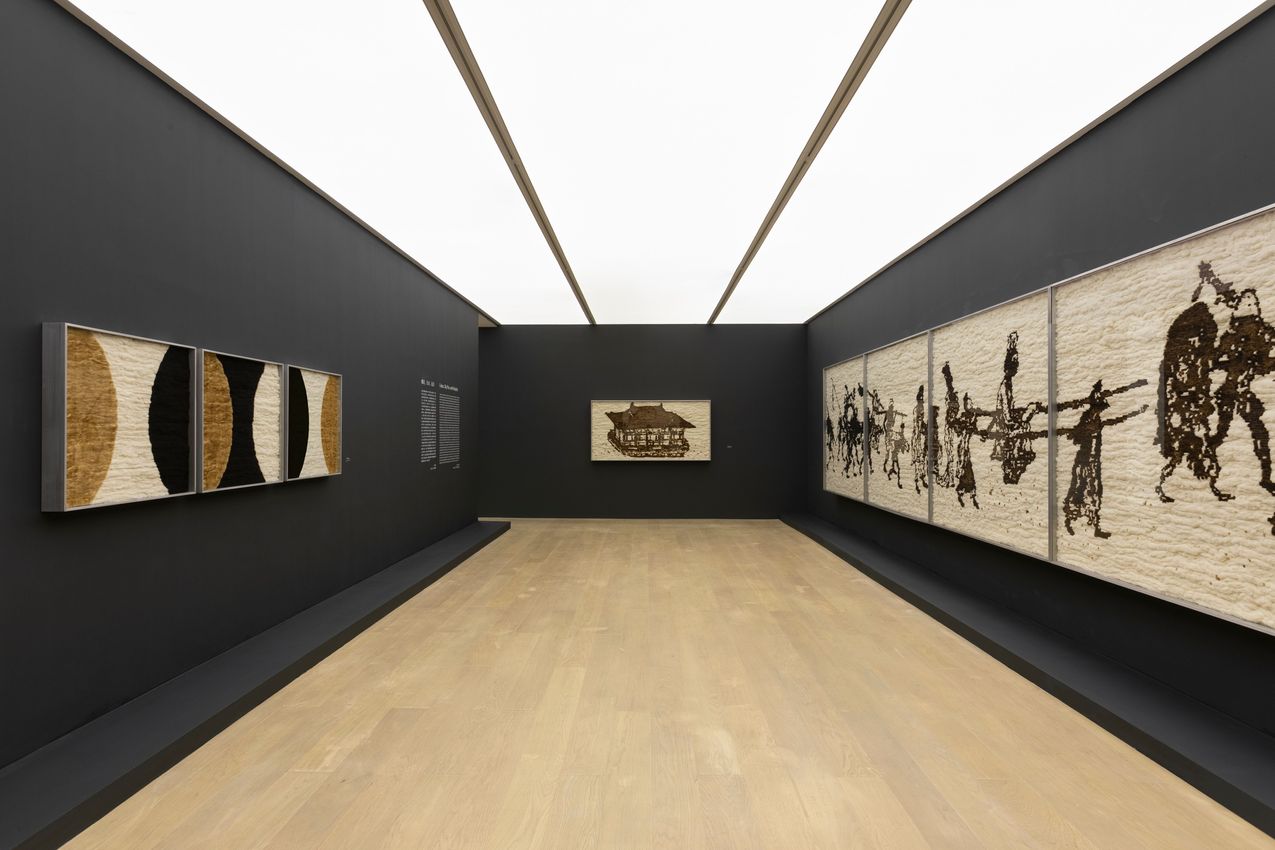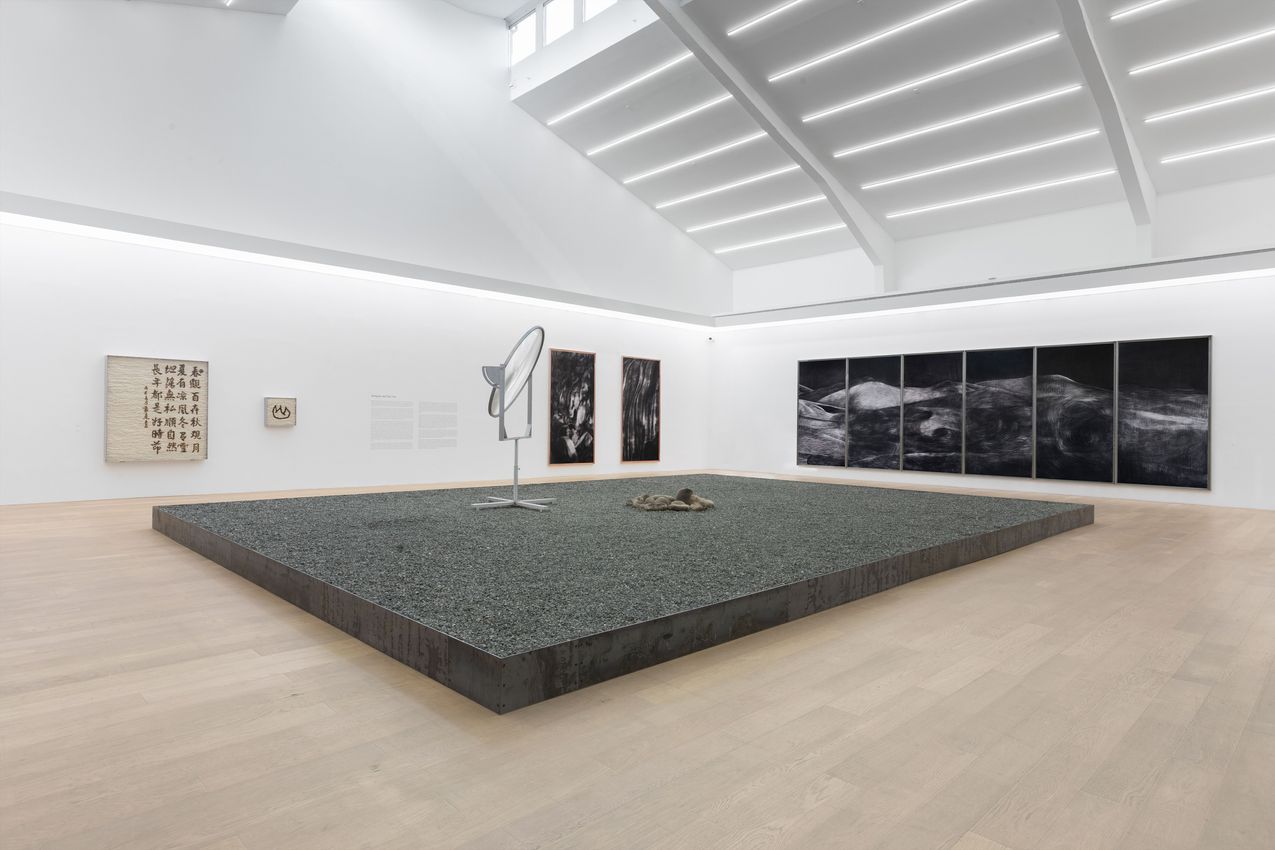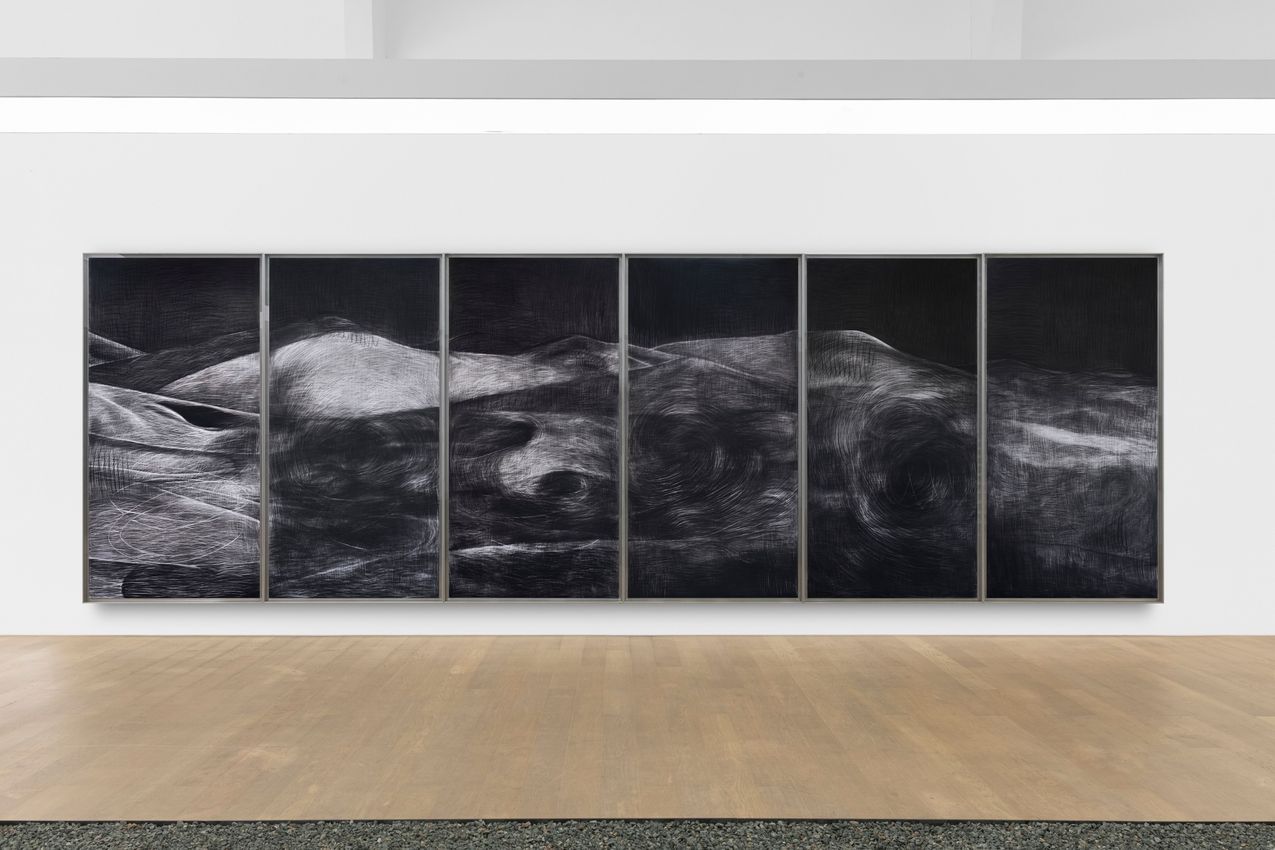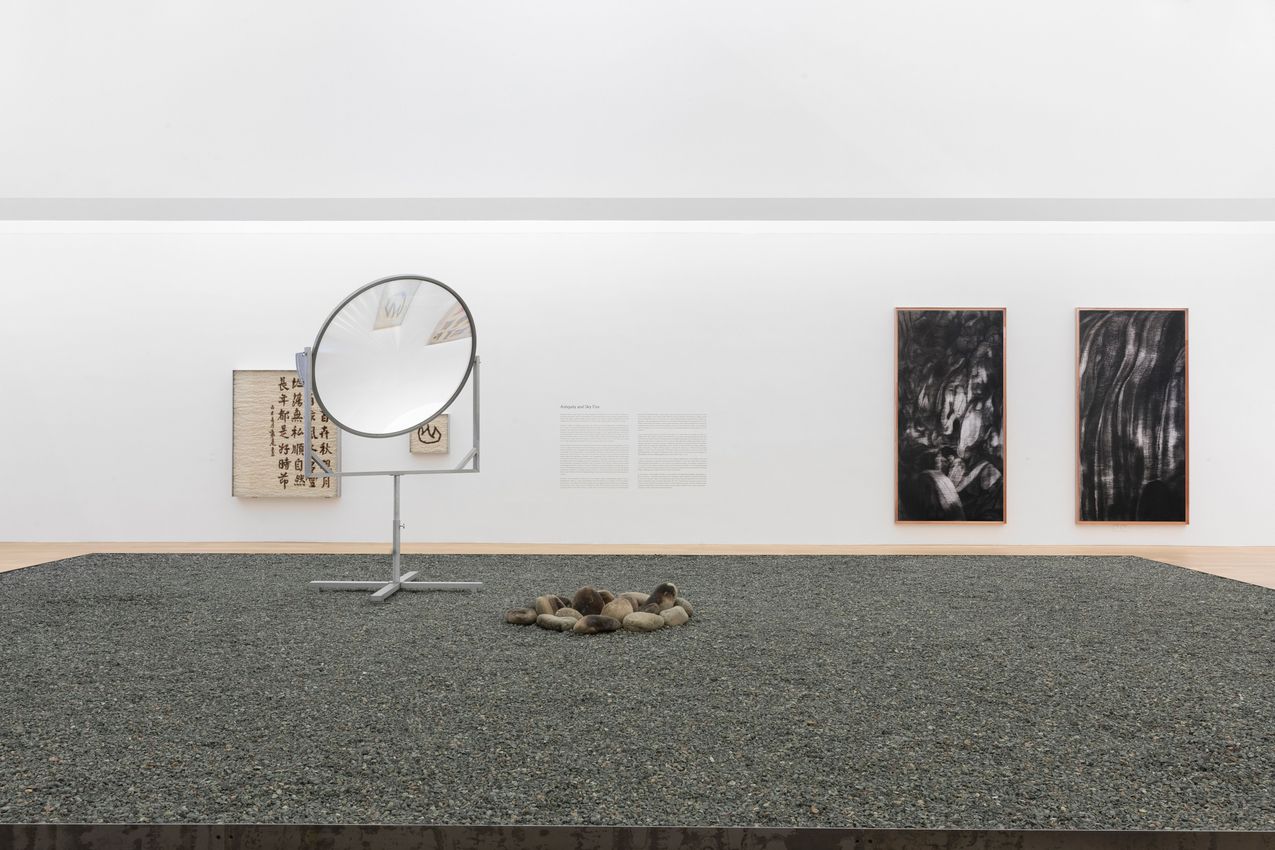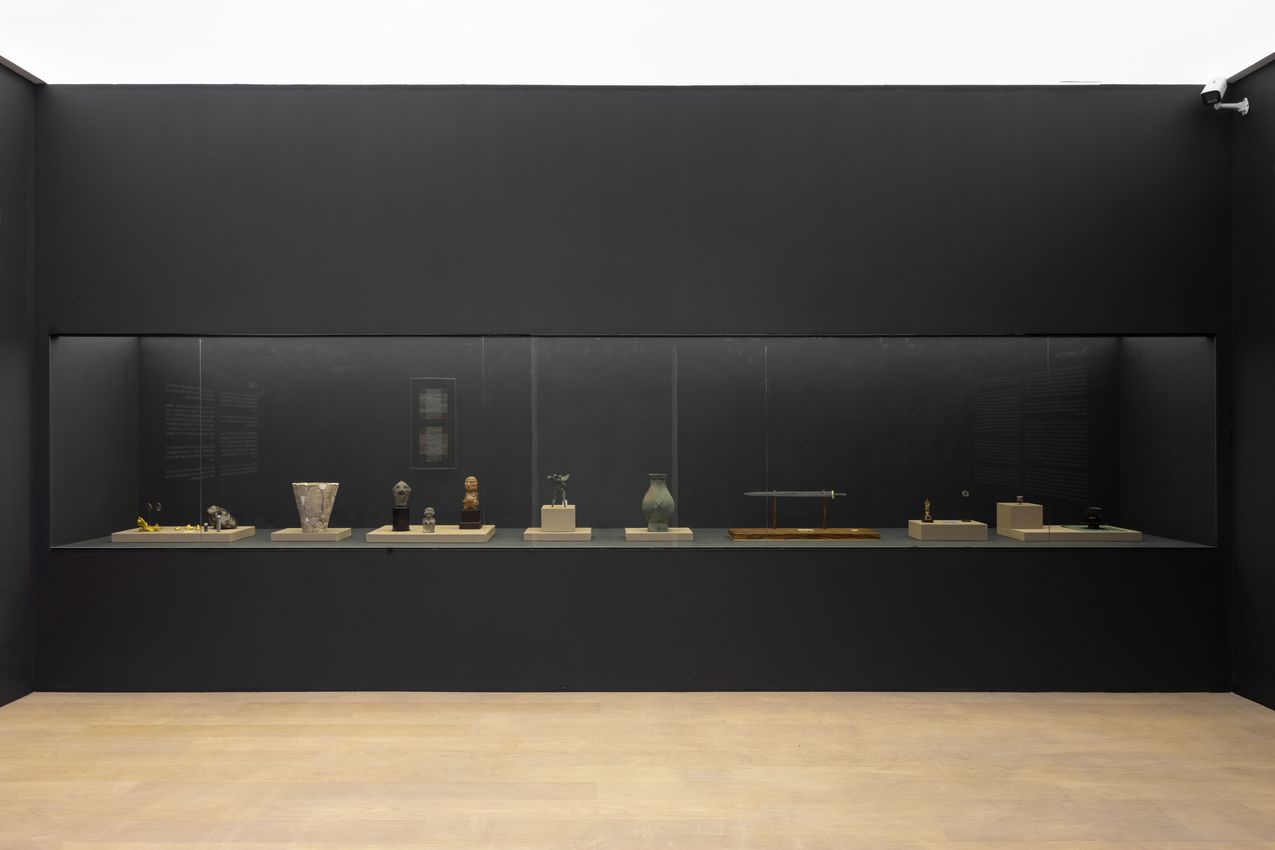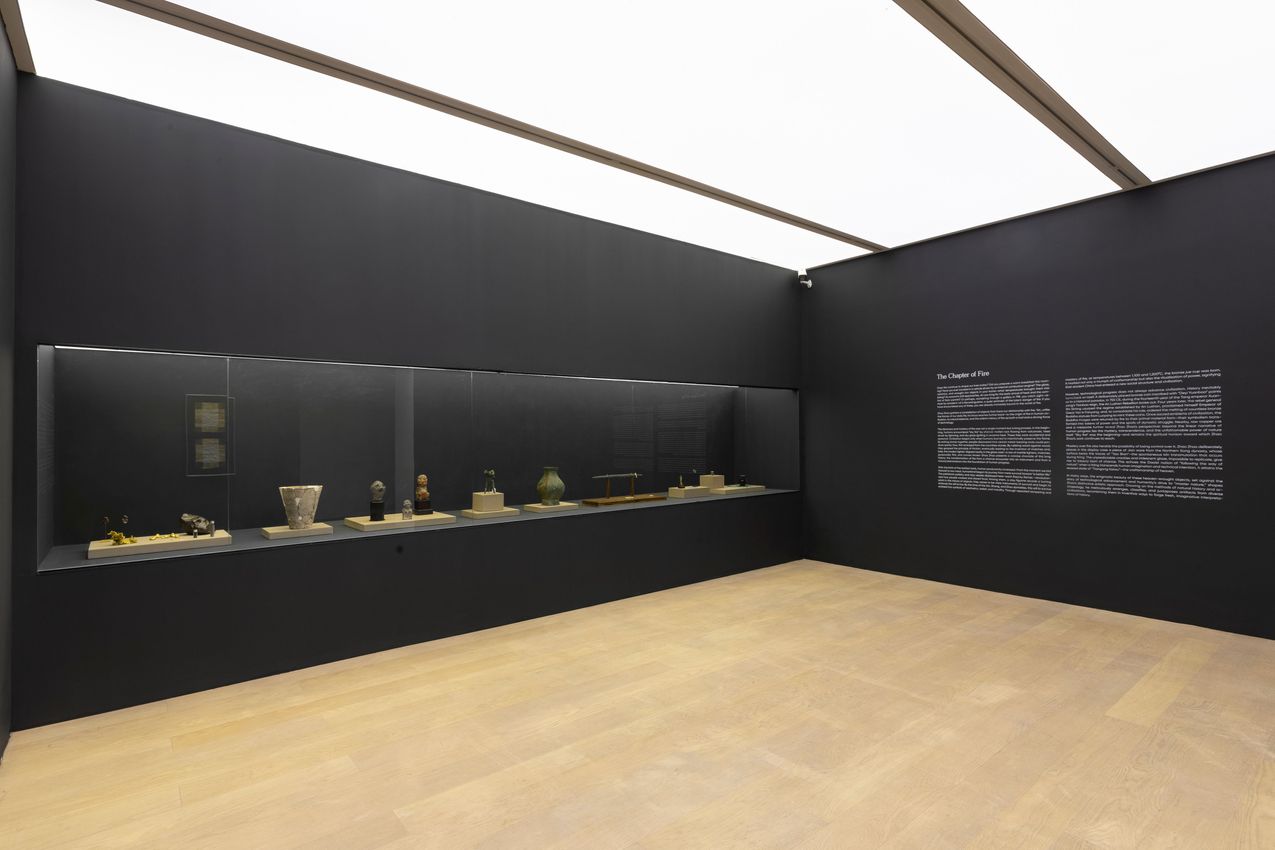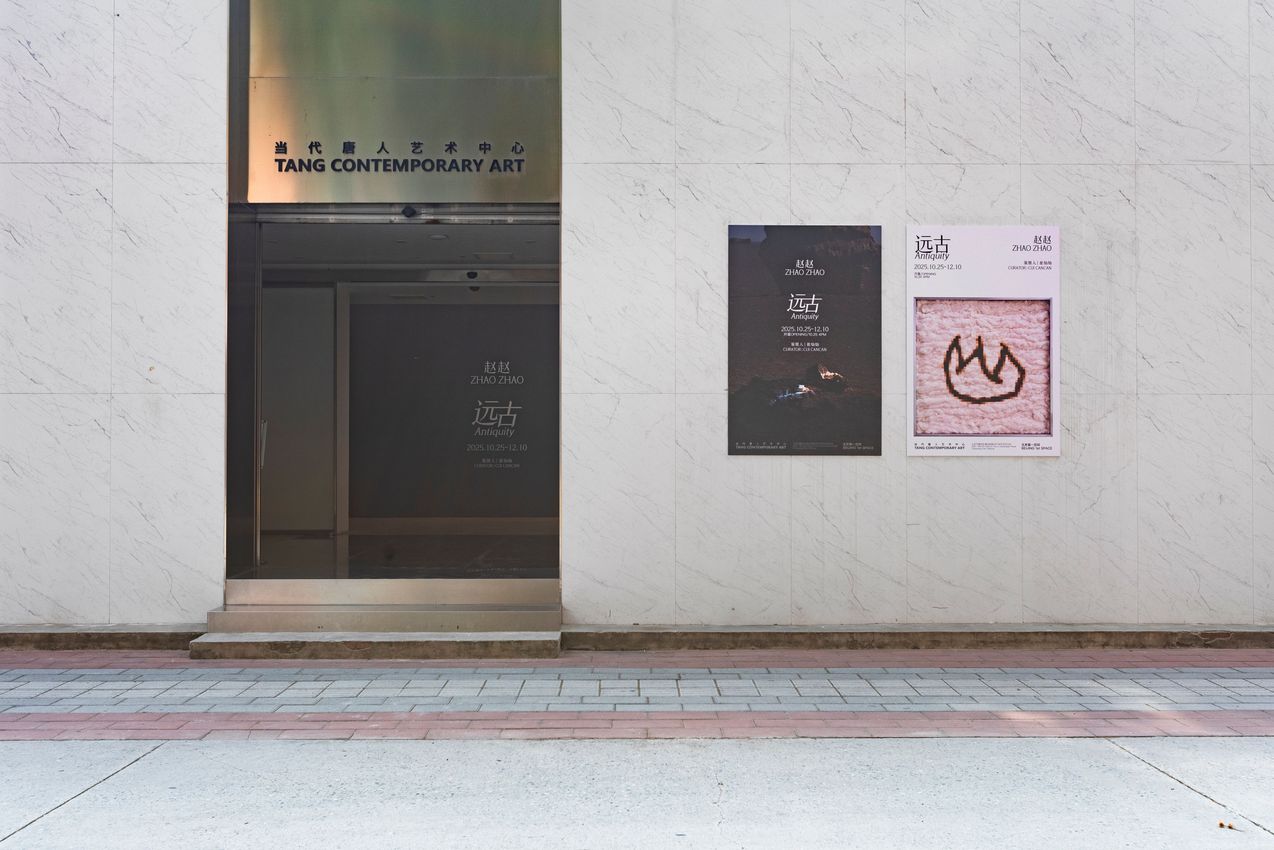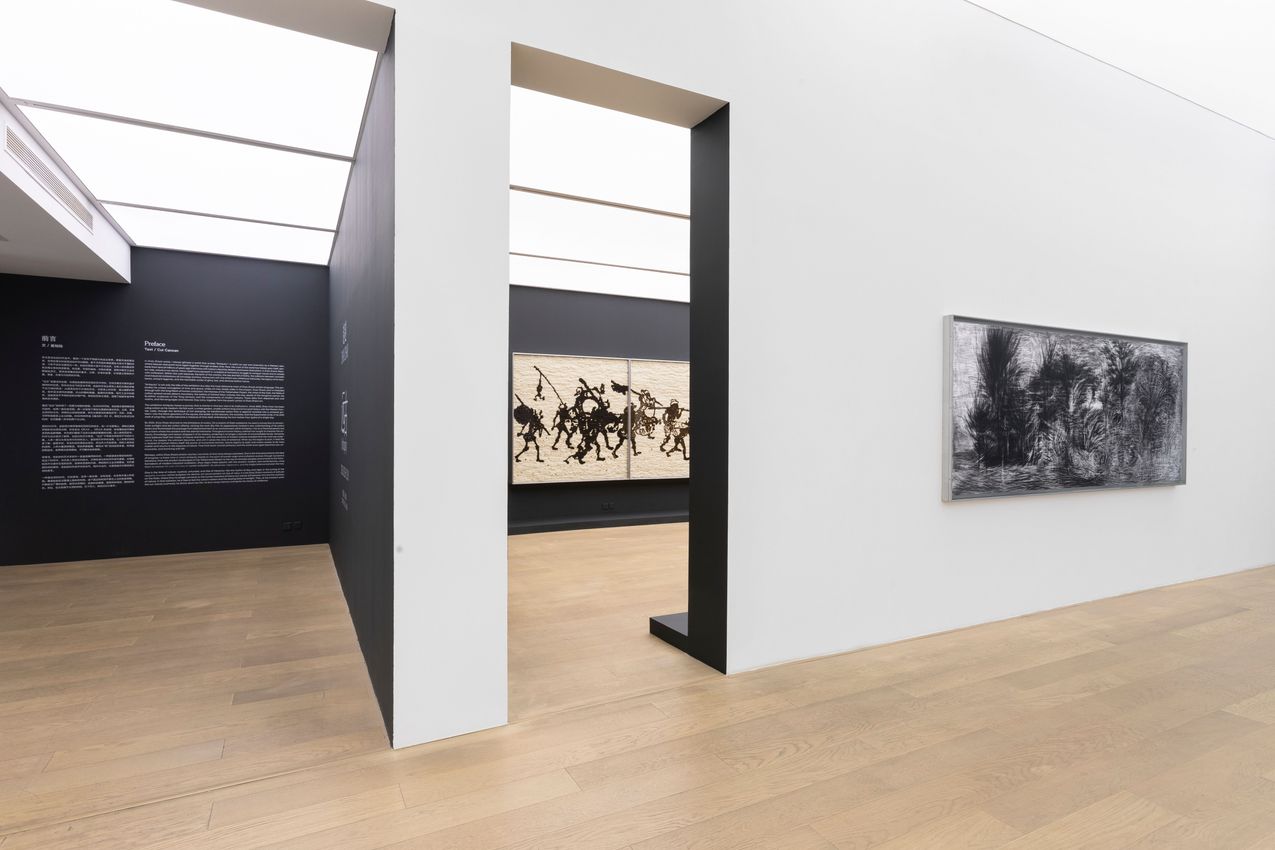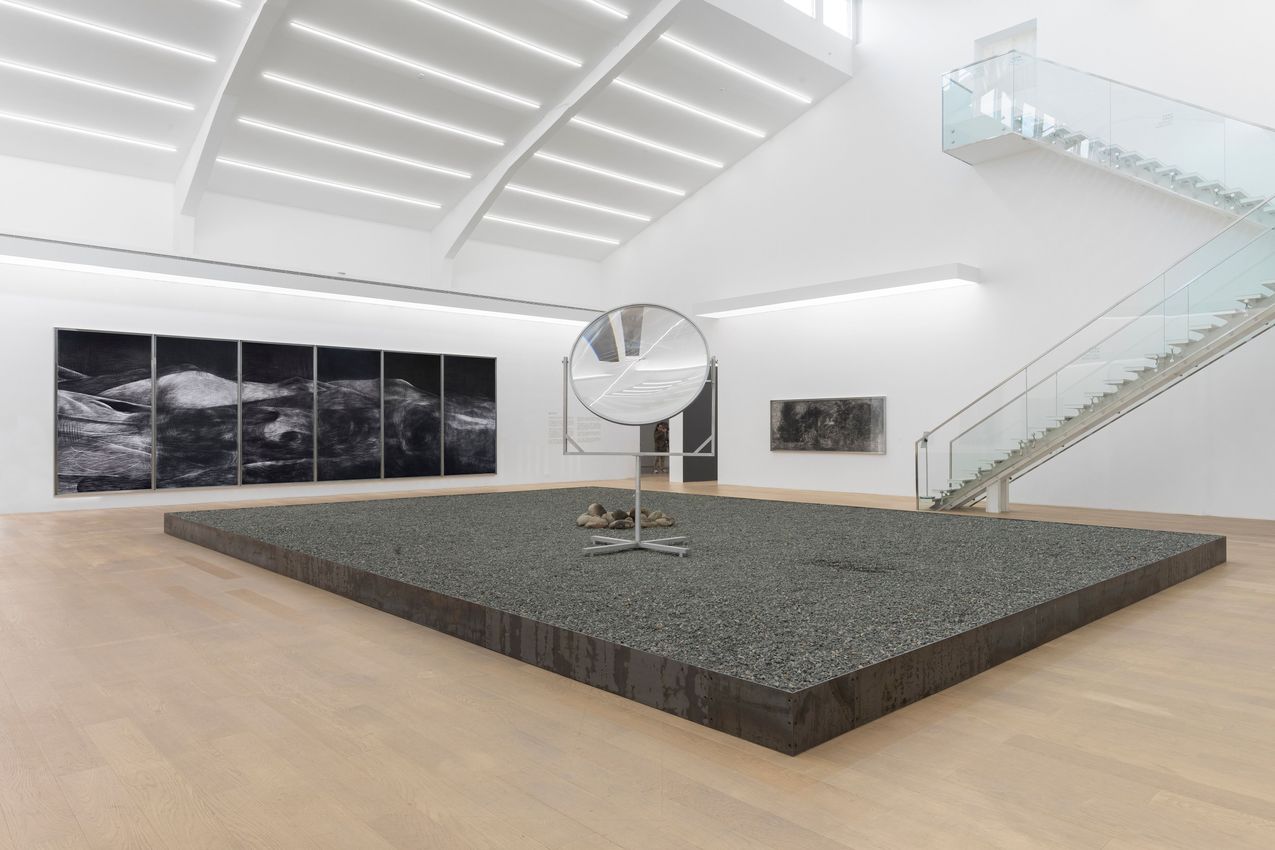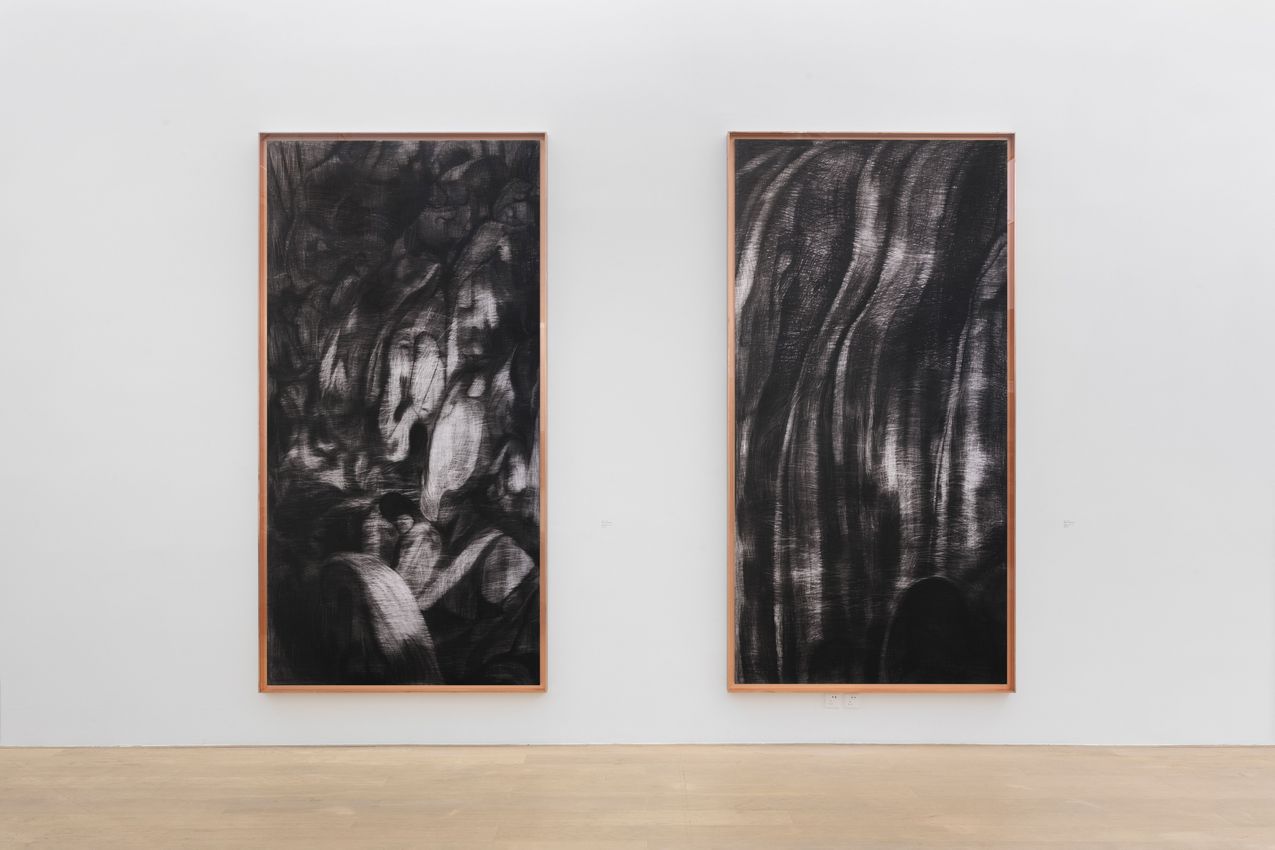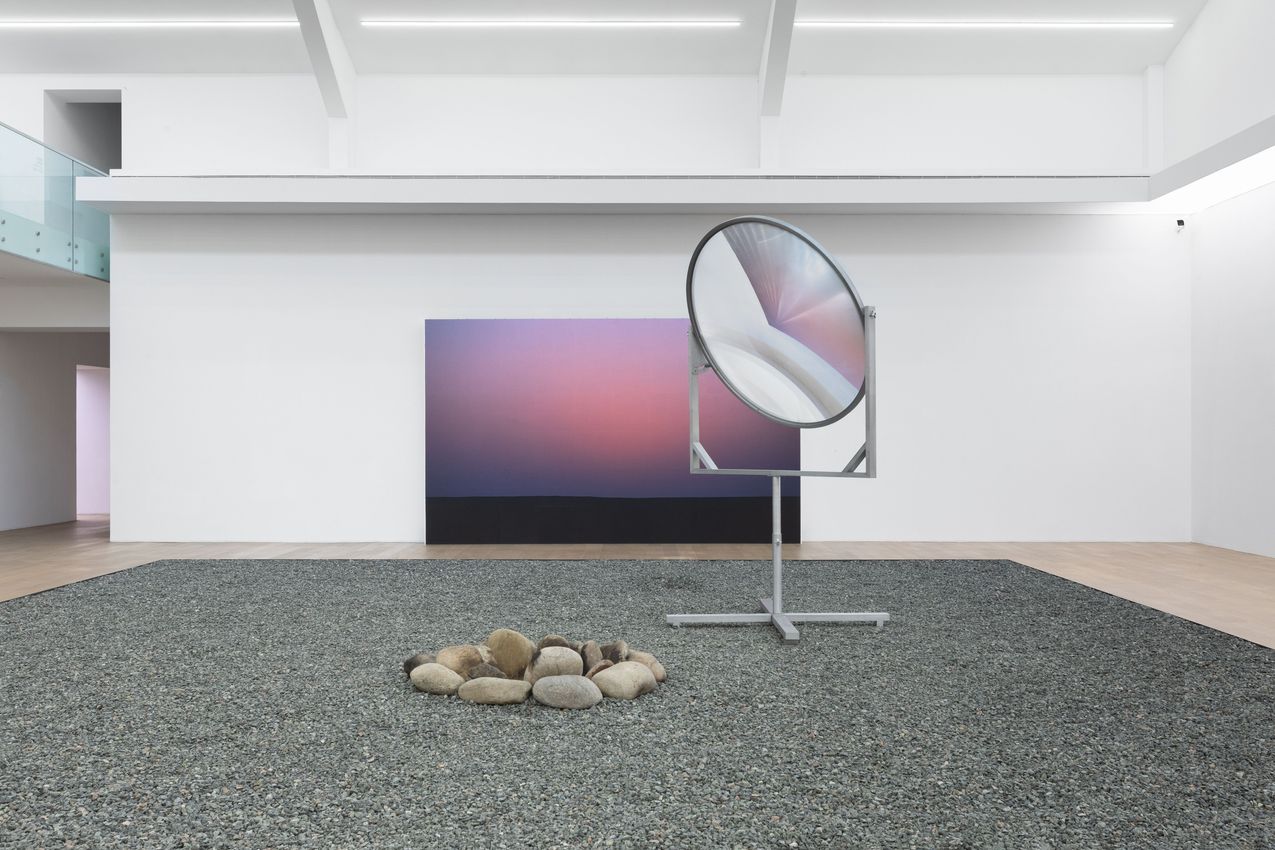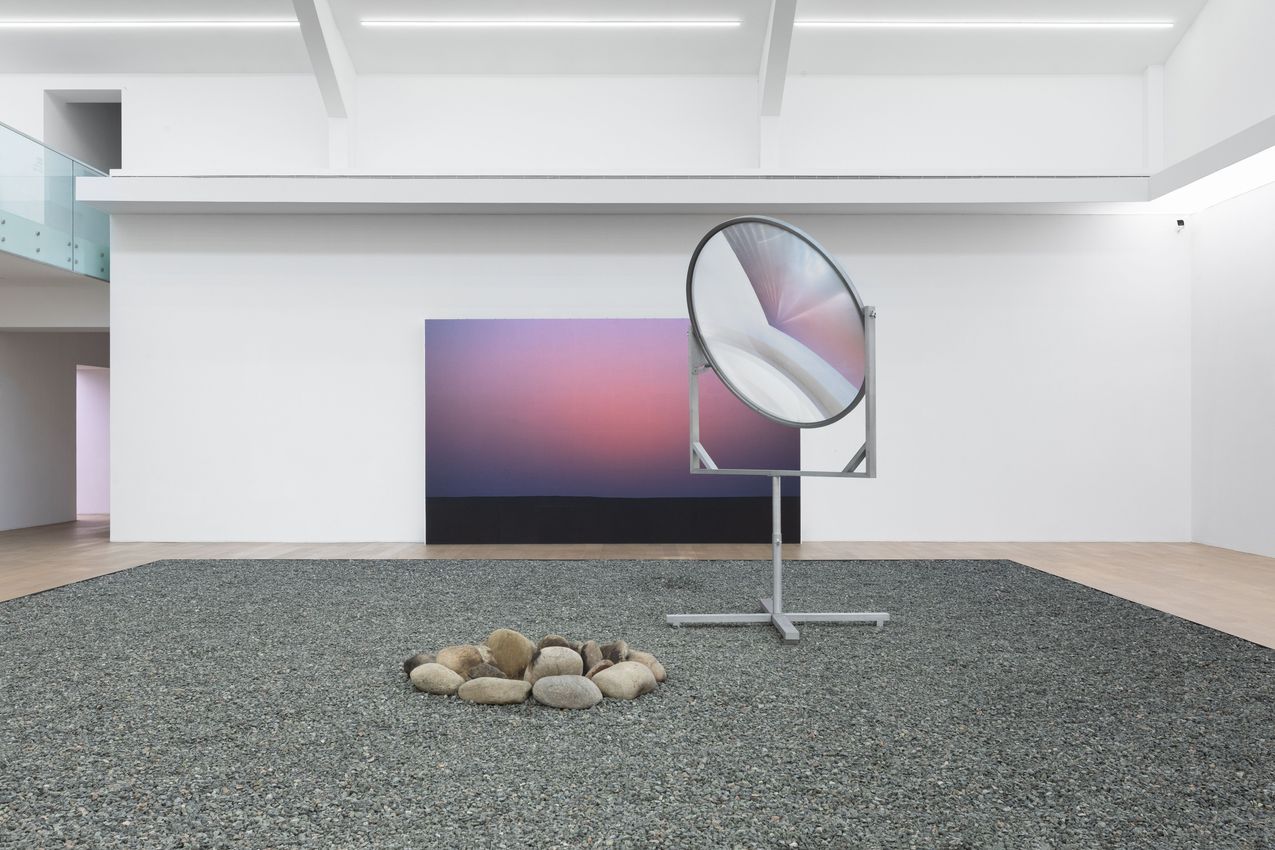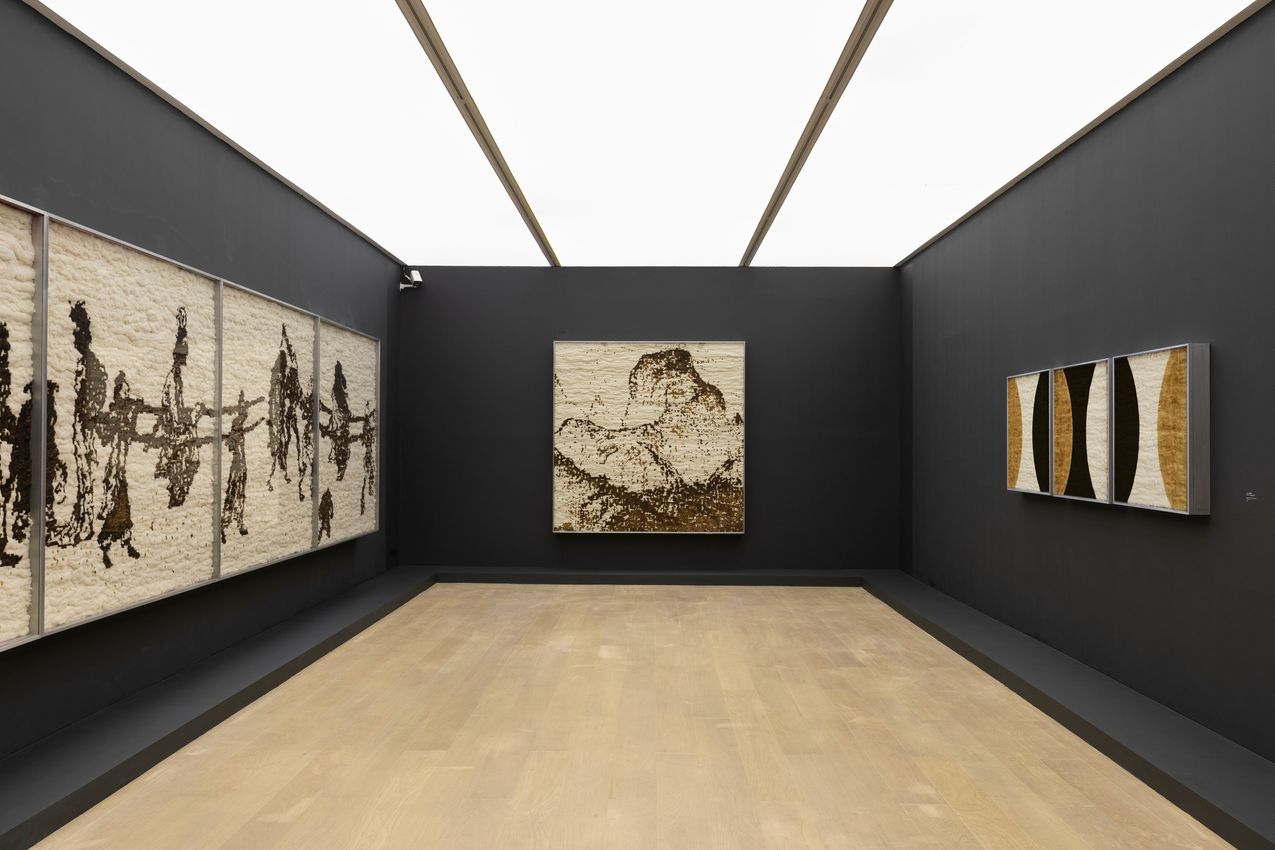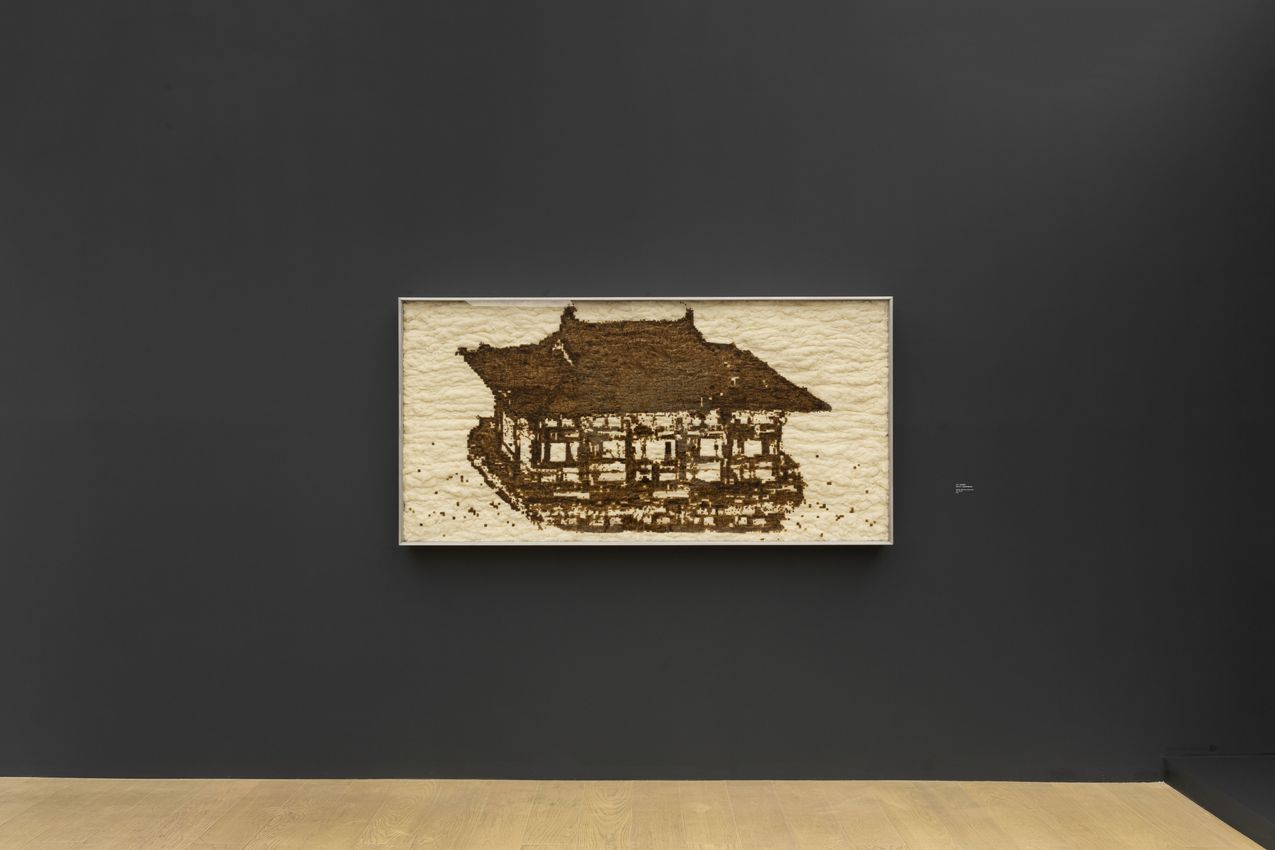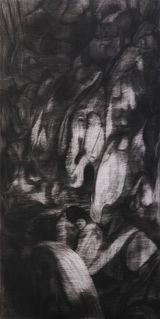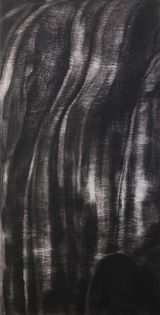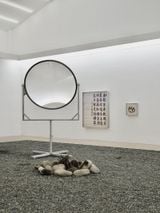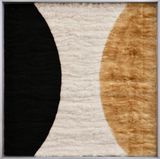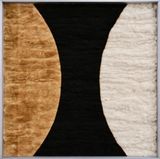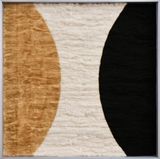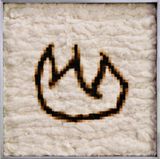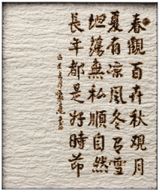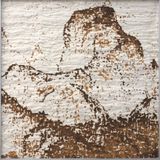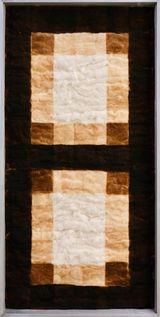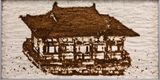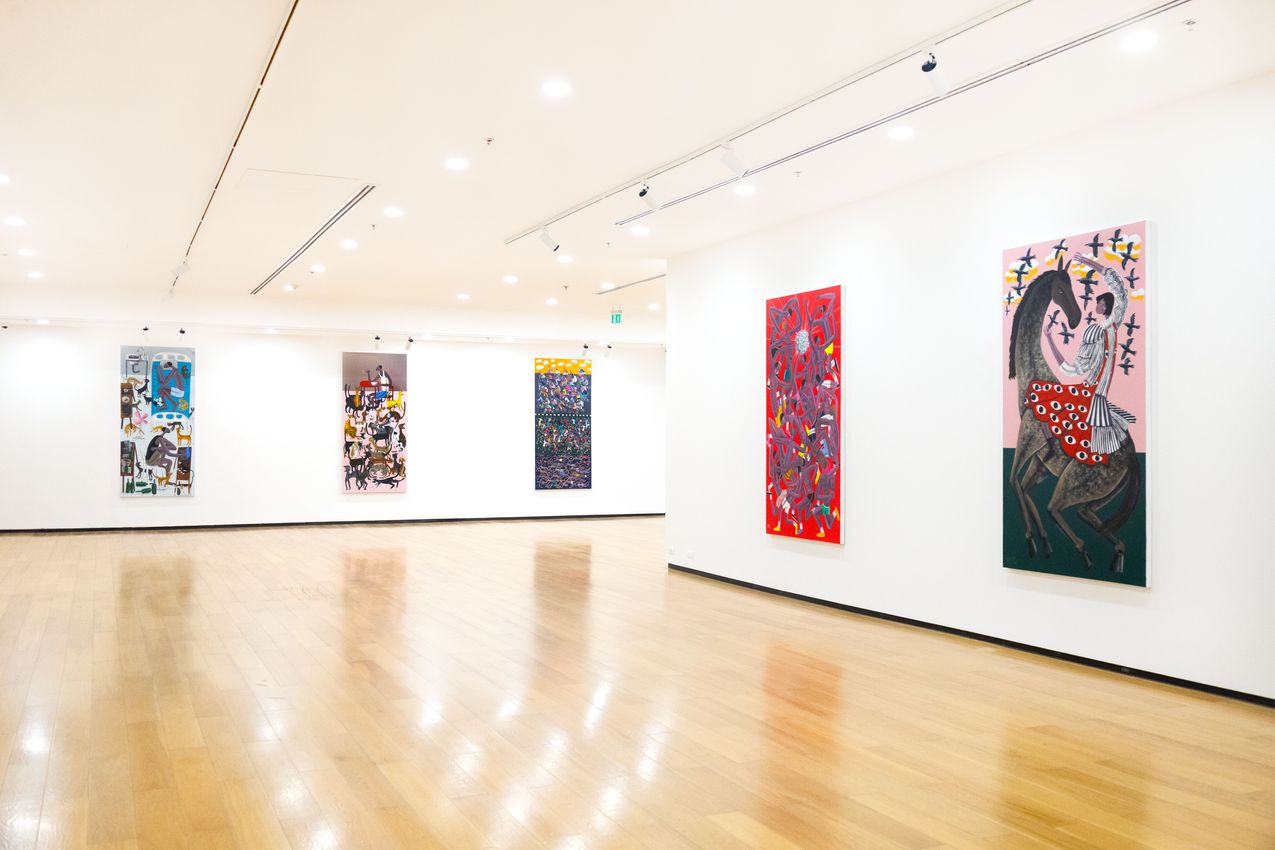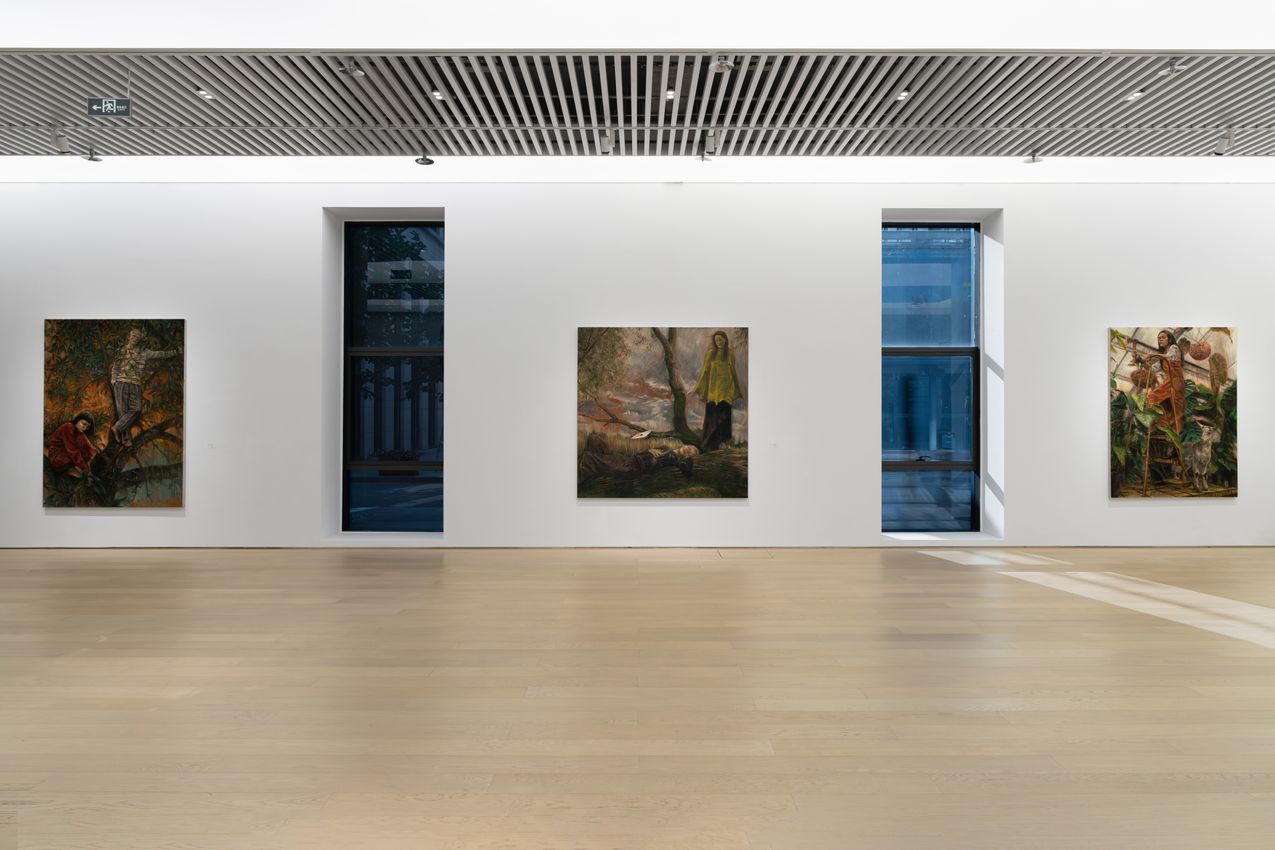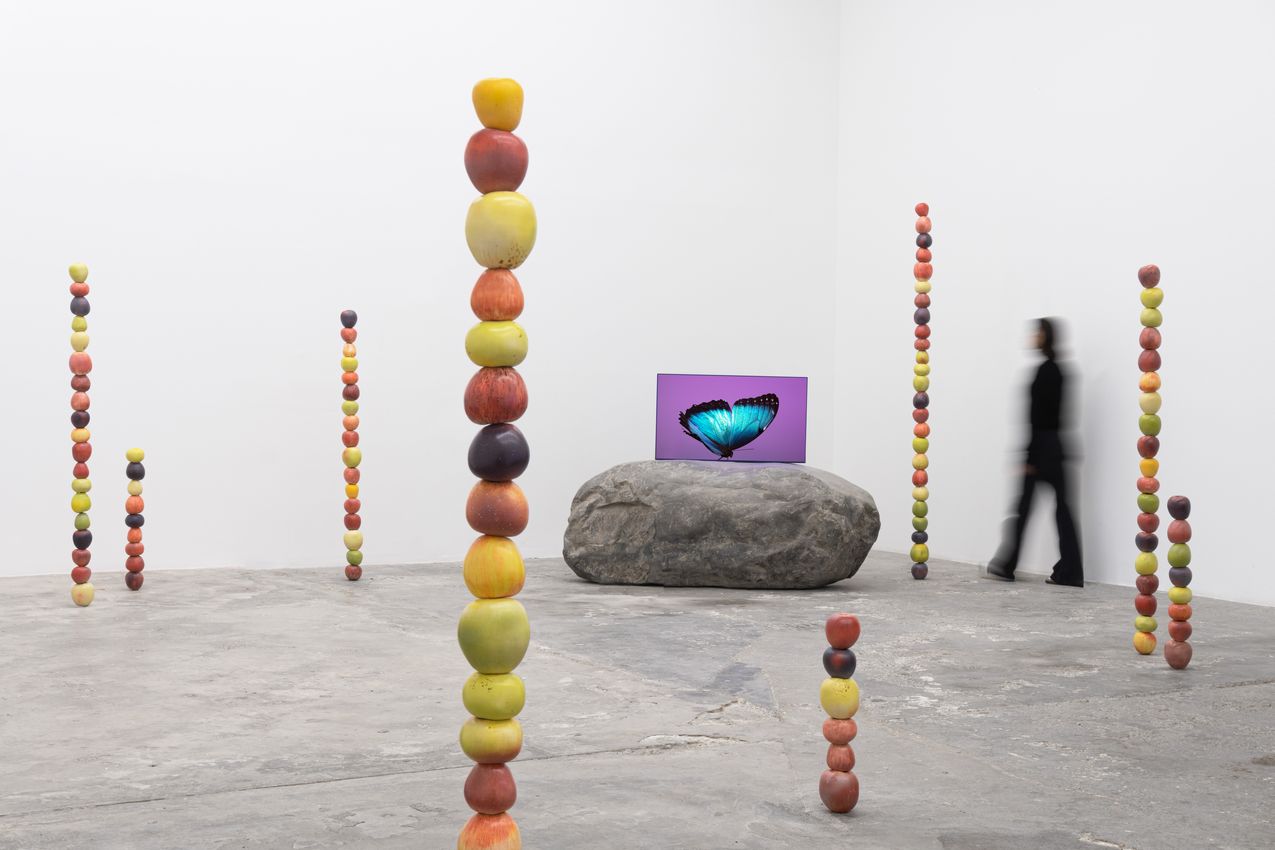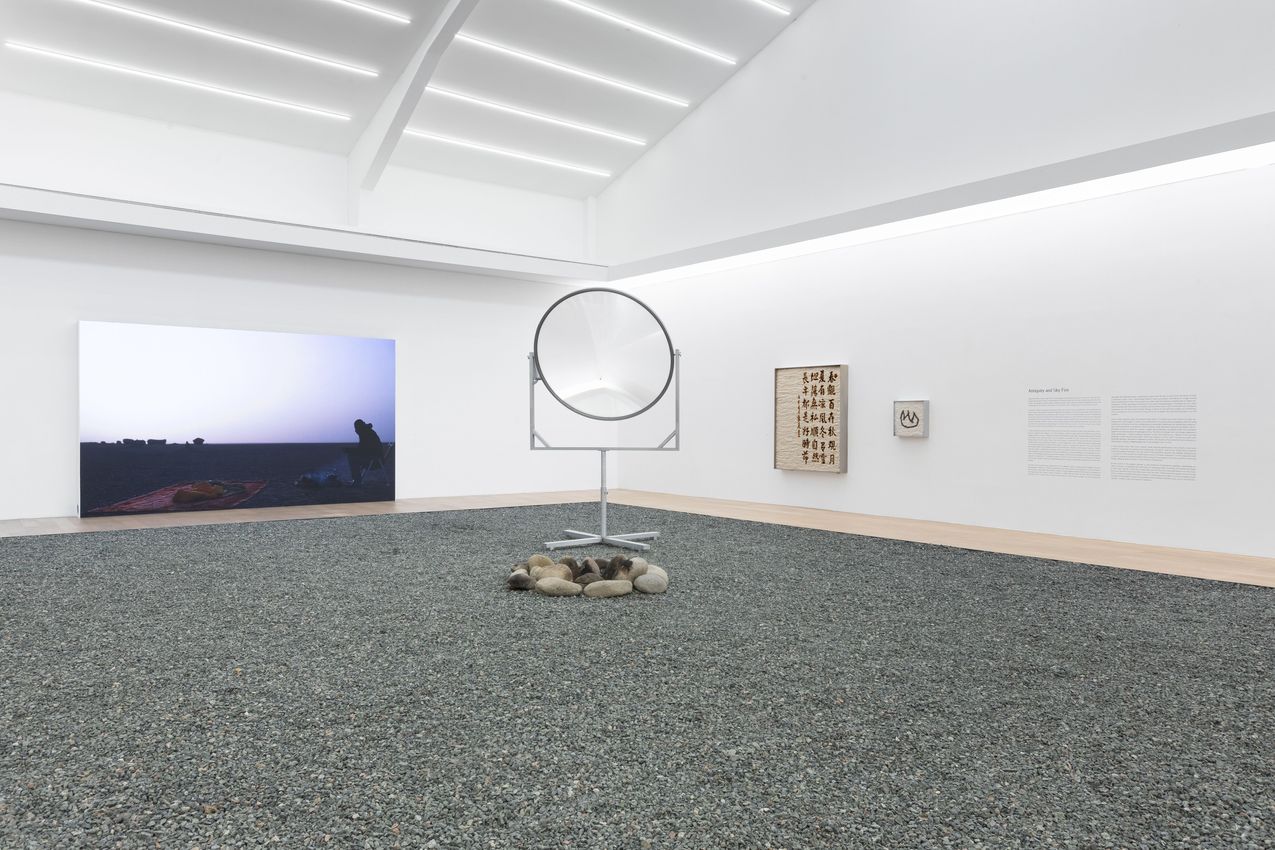
Tang Contemporary Art is pleased to announce artist Zhao Zhao’s latest solo exhibition Antiquity from 25 October to 10 December 2025 at its Beijing 1st Space. The exhibition, curated by Cui Cancan presents Zhao Zhao’s two new series, ‘Antiquity’ and ‘Sky Fire,’ created in 2025.
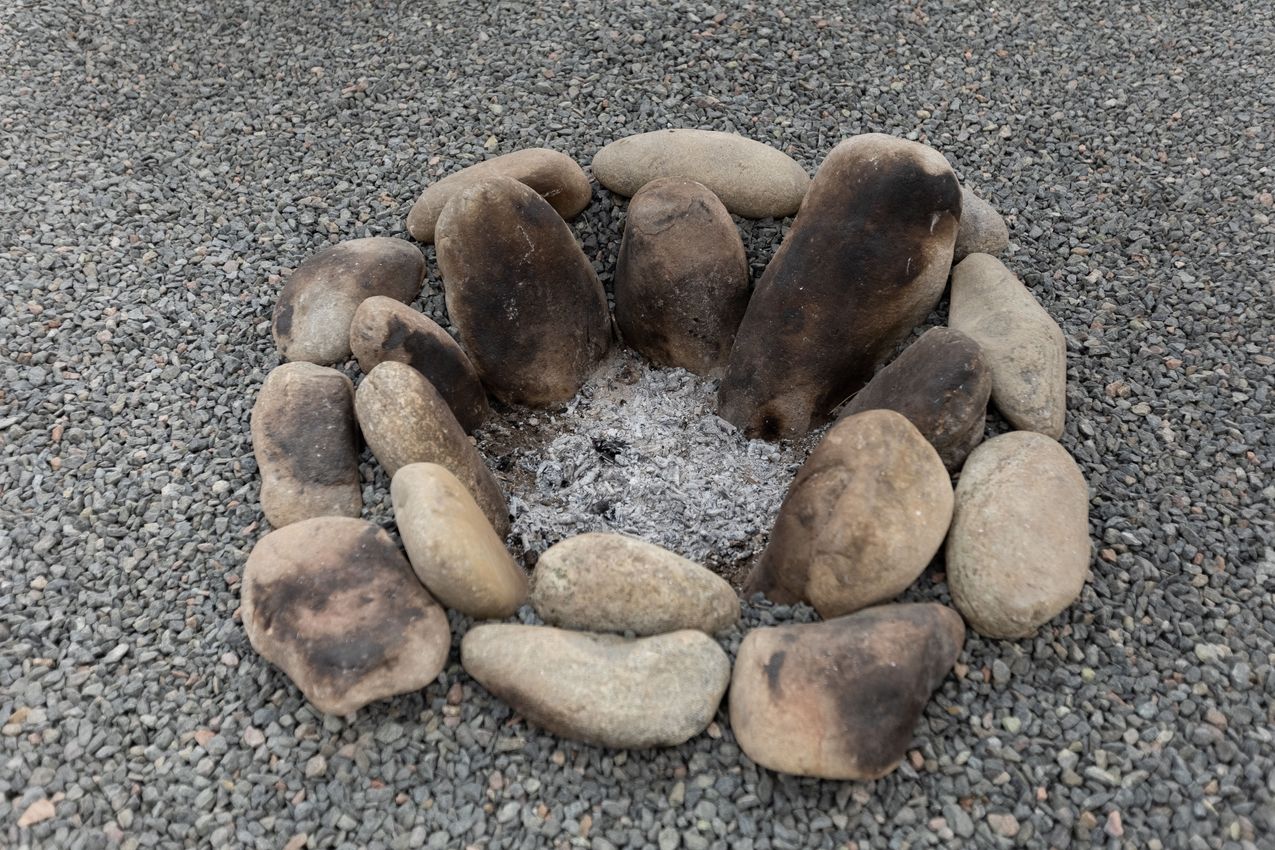
In Zhao Zhao’s works, I always glimpse a world that evokes ‘Antiquity’—a realm as vast and cinematic as a Western epic, where heaven and earth have aged together through endless time. Here, the crust of the world has folded upon itself: seabeds from tens of millions of years ago intertwine with today’s desolate deserts and barren Gobi plains. In Zhao Zhao’s Western tale, nature is not alone; history itself hums beneath it—a ballad of humanity’s struggle to conquer nature and to wrestle with civilization. Within this vast expanse, the birth of the cosmos, the rise and fall of faiths, the collisions between nomadic and industrial civilizations all converge and blur, interwoven with the artist’s own childhood memories, the legacy of his forebears, ancient legends, and the inevitable cycles of glory, loss, and remorse before nature.
Antiquity’ is not only the title of the exhibition but also the most distinctive mark of Zhao Zhao’s artistic language. This embodies his unique conception of time and space. Unlike art that dwells solely in the present, Zhao Zhao’s work is threaded through with the long fabric of human civilization: the histories of the Taklamakan Desert, the vistas of the Gobi, the fields of cotton spread across distant mountains, the totems of Central Asian cultures, the clay vessels of the Hongshan period, the Buddhist sculptures of the Tang dynasty, and the components of modern industry. These relics from disparate eras and realms, and the languages and histories they carry, together form the poetic syntax of Zhao Zhao’s art.
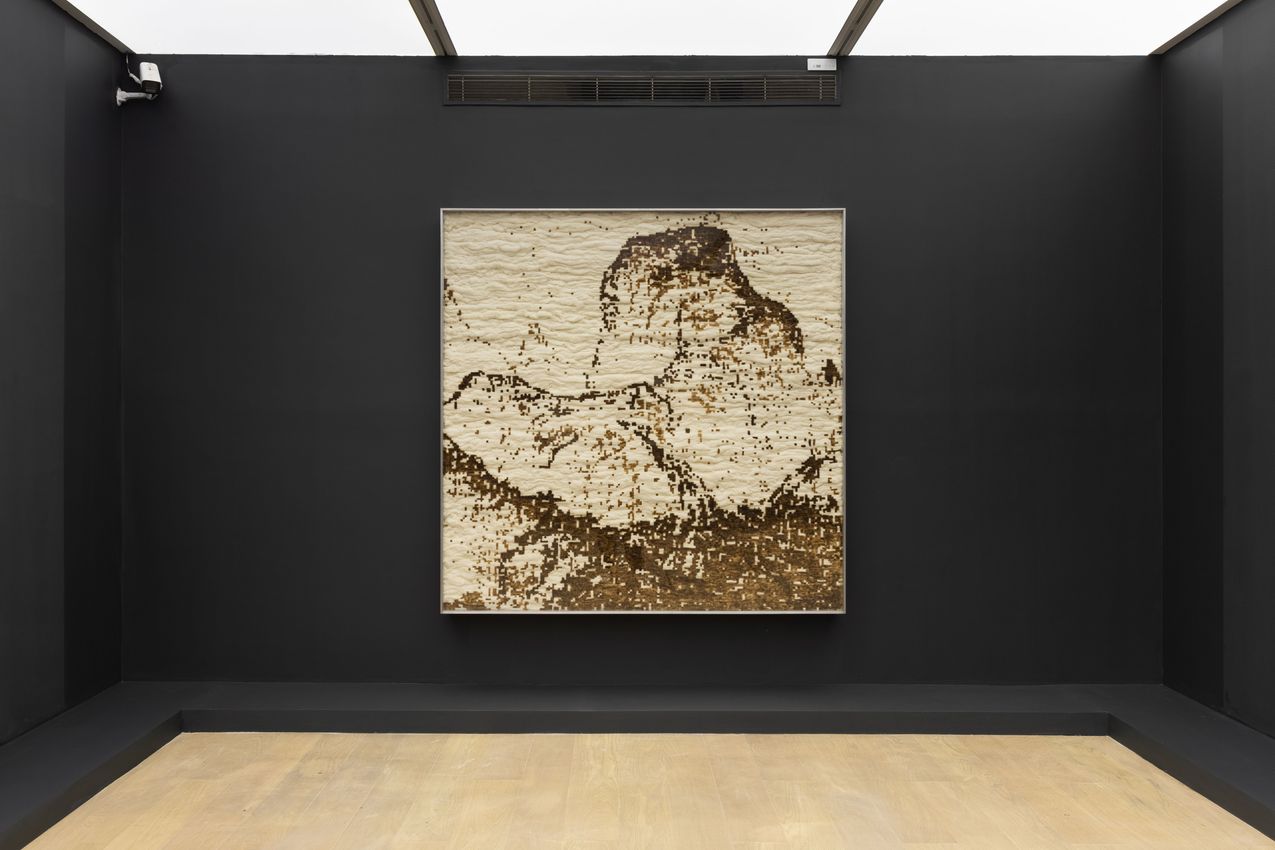
The exhibition Antiquity traces a journey that is shorter in time but vast in its implications. Since 2020, Zhao Zhao has been using cotton as his medium. His first work, a white garden, unveils cotton’s long and entangled history with the Western frontier. Later, through the technique of hot stamping, he transformed cotton from a regional narrative into a universal emblem—into the black geometry of the square, the ladder to the heavens, the swastika, and the Suprematist circle. In his 2022 work A Long Day, cotton became a measure of time itself, embodying the two twelve-hour spans of a single day.
By 2025, Zhao Zhao returned to the birthplace of cotton. On a stretch of Gobi wasteland, he used a convex lens to concentrate sunlight and set cotton aflame, naming the work Sky Fire. Its appearance marked a new understanding of his cotton series and illuminated the passage from disenchantment to re-enchantment within Antiquity—not as a historical period, but as a realm where the ancient and the eternal intertwine. Throughout human history, science has sought to interpret the antiquity. Knowledge and reason stripped it of its mystery, rendering it no longer a domain of uncontrollable forces. Humanity once believed itself the master of nature and time—until the advance of modern science revealed that the more we understand, the deeper the unknown becomes, and with it arises the crisis of existence. When sky fire begins to burn, it feels like a reversal of human history itself: the power of humankind retreats, nature regains its spell, and cotton ceases to be mere matter and returns to the essence of nature. Time folds back toward antiquity, and the world once again becomes raw, unknowable, and brimming with life.
Perhaps, within Zhao Zhao’s artistic cosmos, two kinds of time have always coexisted. One is the time presumed by the idea of progress—a linear time in which antiquity stands as the point of human origin and civilization evolves through successive iterations. From the ancient landscapes of the Taklamakan Desert to the rise of nomadic peoples and onward to the transformations of modern industrial civilization, Zhao aligns these epochs with the ancient, modern, and contemporary, using them to explore the ebb and flow of human civilization—its advances, regressions, and the fragile balance between the two.
One is the time of nature—cyclical, unhurried, and free of hierarchy—like the rhythm of day and night or the turning of the seasons. It knows neither progress nor decline, nor advancement nor loss of value. It is like Zhao Zhao’s moments of solitude on the Gobi, where time no longer connects to the human narrative of history but stands still between him and the vastness of nature. In that isolation, he is free to feel the wind in motion and the searing blaze of sunlight. Then, at the moment when the sun stands overhead, he draws down sky fire—to burn away memory and ignite the traces of childhood.


Tang Contemporary Art was established in 1997 in Bangkok, later establishing galleries in Beijing and most recently Hong Kong. Tang Contemporary Art is fully committed to producing critical projects and exhibitions to promote Contemporary Chinese art regionally and worldwide and encourage a dynamic exchange between Chinese artists and those abroad.

A respected voice in contemporary art discourse.
Focusing on ambitious storytelling and insightful art-world commentary. Ocula Magazine publishes in-depth interviews, critical essays and timely analysis on the artists, exhibitions and ideas driving the global art world.
Learn more about Ocula Magazine
Showcasing the best of the art world.
Ocula partners with galleries from around the world to highlight their artists, artworks and exhibitions. Gallery membership is by application and invitation, with each member vetted by an independent panel.
Learn more about Ocula Membership

Specialises in the sale of major artworks.
Led by a team with deep ties to the world’s leading auction houses, galleries and collectors. Ocula’s advisory team offers bespoke services to high-net-worth clients from around the world who are looking to acquire the best of contemporary and modern art.
Learn more about our team and services