





Free Entry Policy Has Boosted UK National Museum Visits by 96 Percent

Visits to the United Kingdom’s 15 national museums have risen by 96 percent during the quarter of a century since free admission was introduced.
On 1 December 2001, during the Blair administration’s second term, universal free admission was rolled out to all the UK’s national museums and galleries, following its introduction in Scotland and Wales in April that year. Since then, visitor numbers have increased from 22.77 million in 1999–2000 to 44.67 million during 2025–2026.
Research collated this month by cultural consultancy Baker Richards for the Association of Leading Visitor Attractions (ALVA) and Art Fund showed that free national museums are among the UK’s leading visitor attractions.
Six of the 10 most-visited ALVA member attractions in the year 2025 were national museums, and between six and eight national museums have been in the top 10 since 2004. The research also indicated that visits to institutions that dropped charges in 2001 rose rapidly: by 2005–2006, those seven museums raised visitor numbers by 58.9 percent (compared with 27.1 percent for those that were already free).
National Portrait Gallery director Victoria Siddall said: “For 25 years, free admission to national museums has opened up art, history and culture to millions of people, becoming a source of inspiration and opportunity, as well as great national pride. The impact of this is reflected in the extraordinary creativity that enriches our society and economy today.”
The statistics were revealed in an announcement on 28 September by Secretary of State for Digital, Culture, Media and Sport Lisa Nandy at Tate Liverpool, in which she said that entry to the 15 national museums will remain free to everyone, and that admission charges for international visitors will not be introduced.
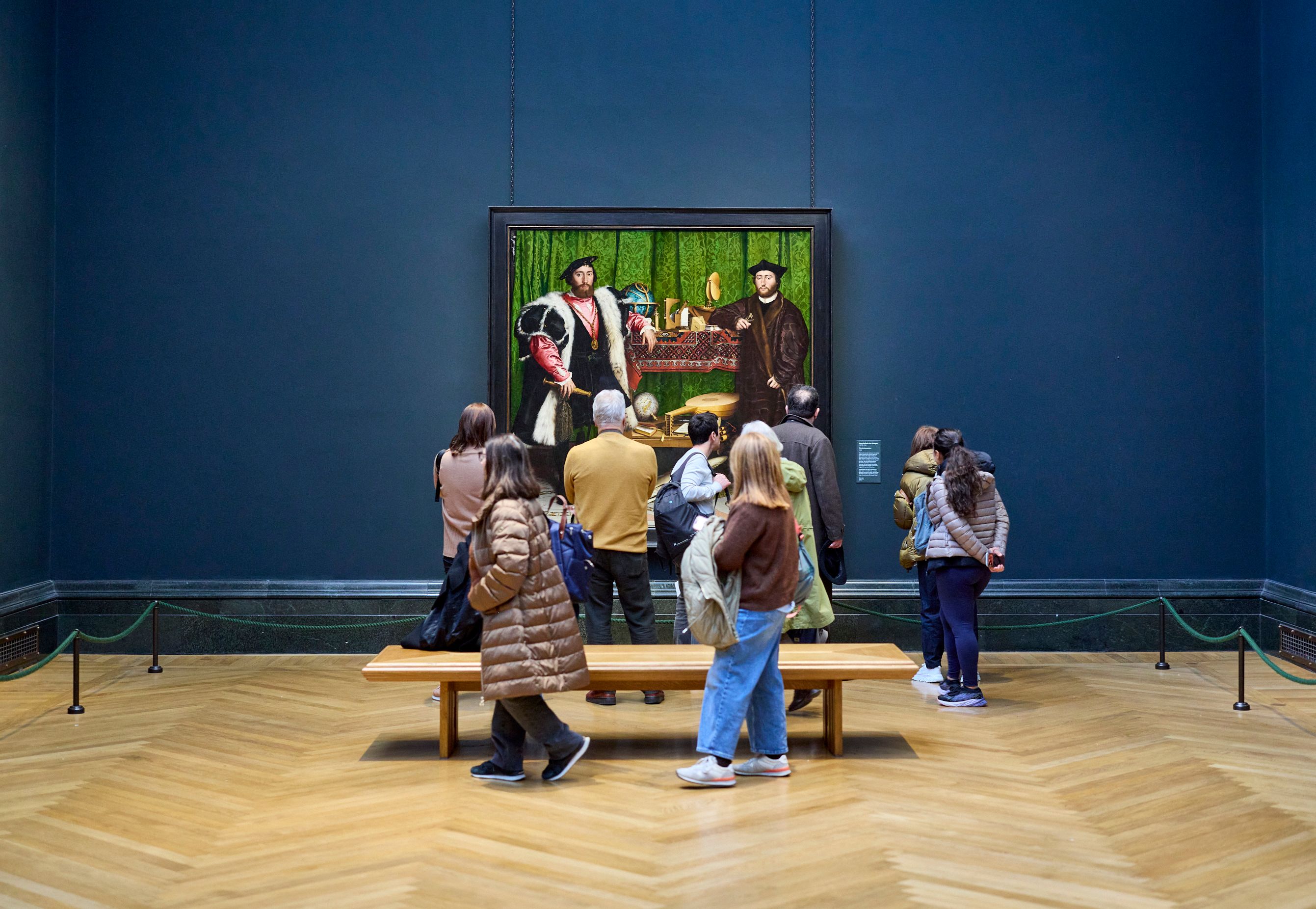
Nandy explained: “Our museums are the places that light up the world. They remind of us our shared history, and enable us to step outside the confines of our lives. There is something incredibly special about that. That’s why they must be free, forever, for everyone to access.”
Free entry has had a commercial impact, too. The high footfall it drives (including 19.4 million overseas visits in 2024–2025) has allowed institutions to generate income via additional exhibitions, retail, catering and donations. National Audit Office figures show that self-generated income across the 15 national museums in 2024–2025 was £563 million.
Among international tourists visiting London in 2024, 57.9 percent visited a museum or gallery, and in the same year 30.3 percent of international tourists in the UK as a whole visited a museum or gallery.
The 15 national museums are the British Museum, the Horniman, the Imperial War Museums, Museum of the Home, the National Gallery, National Museums Liverpool, the National Portrait Gallery, the Natural History Museum, the Royal Armouries, the Royal Museums Greenwich, Science Museum Group, Sir John Soane’s Museum, Tate, the V&A and the Wallace Collection.
Members of the art world have welcomed the continuation of free entry. Laura Pye, director of National Museums Liverpool, said: “We’re delighted that universal free entry is being maintained. It keeps our collections accessible to everyone and helps national museums continue to draw visitors from across the UK and around the world, supporting tourism and bringing real benefits to our cities and communities.”
Dame Bridget Riley added: “It is wonderful news that the national museums’ collections will maintain free entry. One cannot overestimate the immense value of being able to drop in to look at a painting and refresh the mind and spirit. We have done the right thing.”




A respected voice in contemporary art discourse.
Focusing on ambitious storytelling and insightful art-world commentary. Ocula Magazine publishes in-depth interviews, critical essays and timely analysis on the artists, exhibitions and ideas driving the global art world.
Learn more about Ocula Magazine
Showcasing the best of the art world.
Ocula partners with galleries from around the world to highlight their artists, artworks and exhibitions. Gallery membership is by application and invitation, with each member vetted by an independent panel.
Learn more about Ocula Membership
Specialises in the sale of major artworks.
Led by a team with deep ties to the world’s leading auction houses, galleries and collectors. Ocula’s advisory team offers bespoke services to high-net-worth clients from around the world who are looking to acquire the best of contemporary and modern art.
Learn more about our team and services