Press Release

‘My exhibitions have taken the form of types of places. They are not, however, dioramas: they certainly don’t replicate these places. They’re an idea of a place. Specific details are lost or altered as they are consigned to memory or imagined for the first time.’ – Martin Boyce

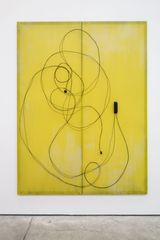
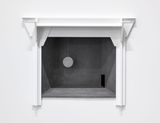
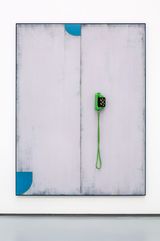
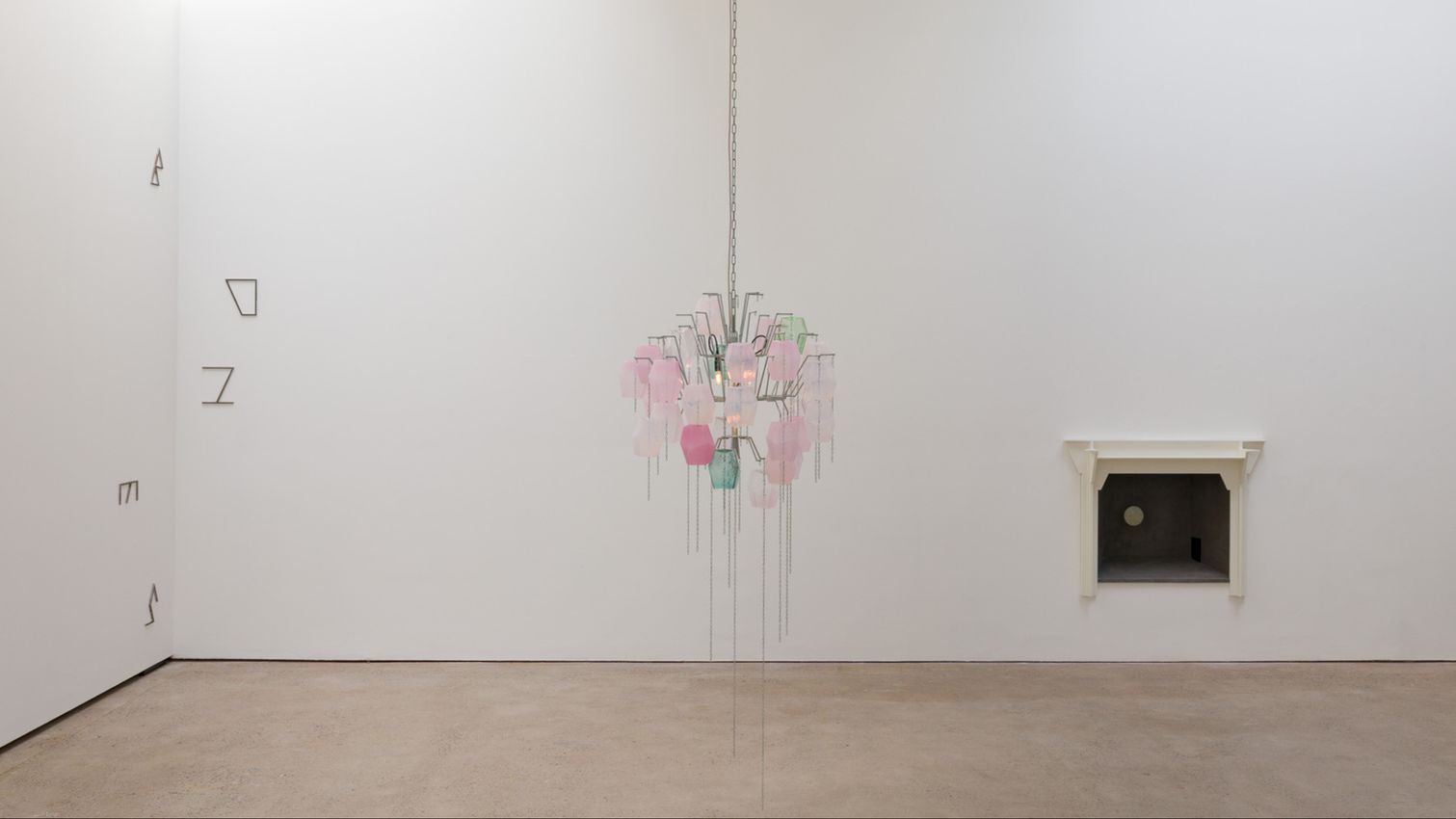
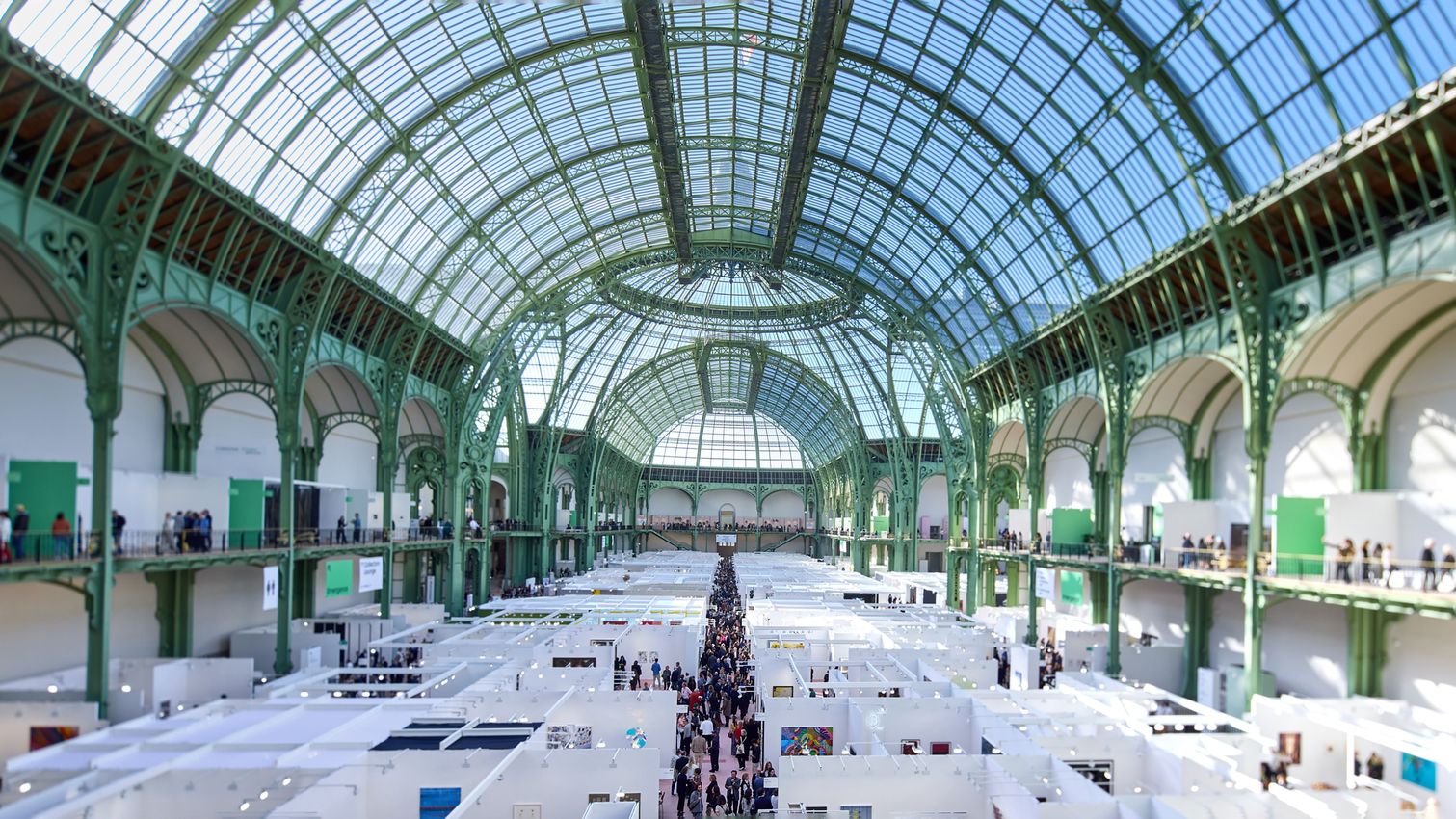
The Modern Institute is delighted to present a site-specific solo booth of Martin Boyce’s work at ArtBasel Paris, following his major exhibition at the Fruit market, Edinburgh, entitled ‘Before Behind Between Above Below’. For this, Boyce restaged select pieces from his oeuvre to create new installations. Our presentation adopts a similar approach – drawing together various works to conjure a liminal interior space which explores the boundary between the real and imagined, as well as the collapse of architecture and nature – a key theme of Art Nouveau. The fin de siècle structure of the Grand Palais, with its Belle Epoque ironwork and elegant vaulted roof, will provide the perfect foil for Boyce’s sculptures which examine the aesthetic and political legacy of Modernism.

A key motif in Boyce’s oeuvre emerged from a consideration of Jan and Joël Martel’s (1896-1966) Cubist trees which were first shown at the Exposition des Arts Décoratifs et Industriels Modernes, 1925. This international exhibition was staged by the French government between the Esplanade des Invalides and the entrance of the Grand Palais, and featured a series of pavilions and designs aiming to highlight new styles of architecture. In many ways, it represented a key moment in defining Art Deco and also showing a gradual shift towards the order and rationality of Modernism. Le Corbusier designed the Pavillon de l’Esprit Nouveau for the exhibition, a model home decorated with paintings by Fernand Léger. And the Martel trees were produced in collaboration with architect Robert Mallet-Stevens (1886-1945) for his Jardin de l´Habitation Moderne.

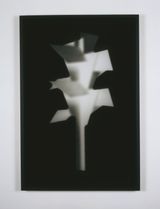
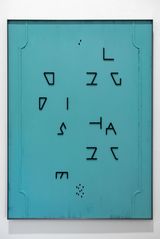
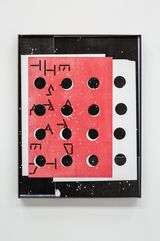
Boyce has developed patterns, shapes and an alphabet through his deconstruction of the trees. Ubiquitous objects of design, such as fireplaces, ventilation grills and chairs, inflected with these proto-Cubist forms are rendered unfamiliar and ghostly. This presentation represents a return of these motifs to their place of origin, almost 100 years ago, allowing Boyce to trace the way Modernism’s optimism and revolutionary concepts have changed over time and examine how its legacy has affected urban space and our aesthetic imagination.

Speaking directly to this aspect of Boyce’s work, a key part the presentation is Future Blossom (For Yokeno Residence), a canopy work which was produced from a set of Martel-derived shapes. The Grand Palais’ natural light will highlight the subtleties of the piece and cast a compelling muted light on a range of other works and sculptures installed in the booth, including Boyce’s benches, panels and prints.

Read More

Selected Works

Loading...

Also Exhibiting at The Modern Institute

The art world in focus