The contradictory or paradoxical thing is that in documentary the real things depicted areliable to lose their reality by being photographed and presented in that ‘documentary’ way,and there’s no poetry in that. In poetry, something else happens. Hard to say what it is.Presence, let’s say, soul or spirit, an empathy with whatever it is that’s dwelt upon, feeling forit – to the point of identification.’–Film Poem or Poem Film: A few notes about film and poetry.Margaret Tait in Poem Film Film Poem, no.2. Nov. 1997. P. Todd
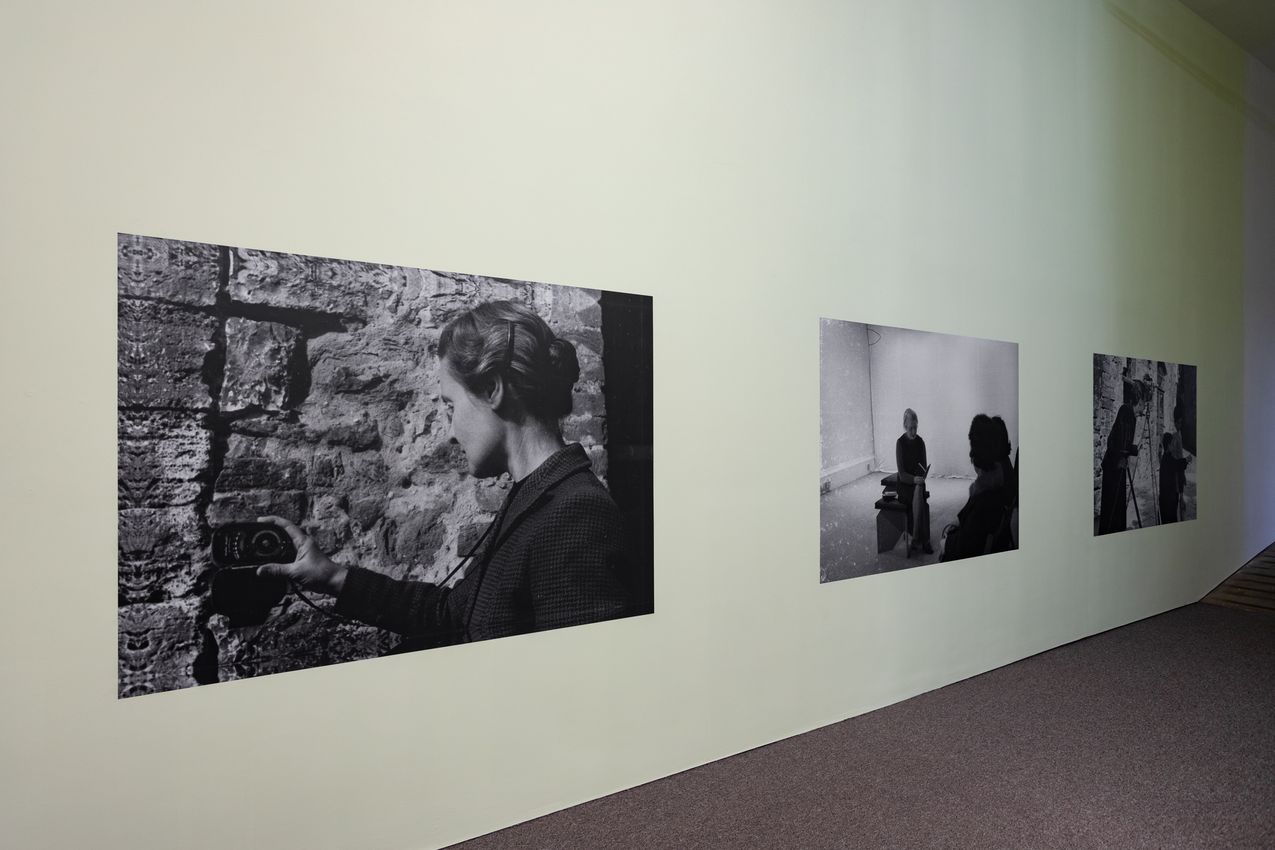
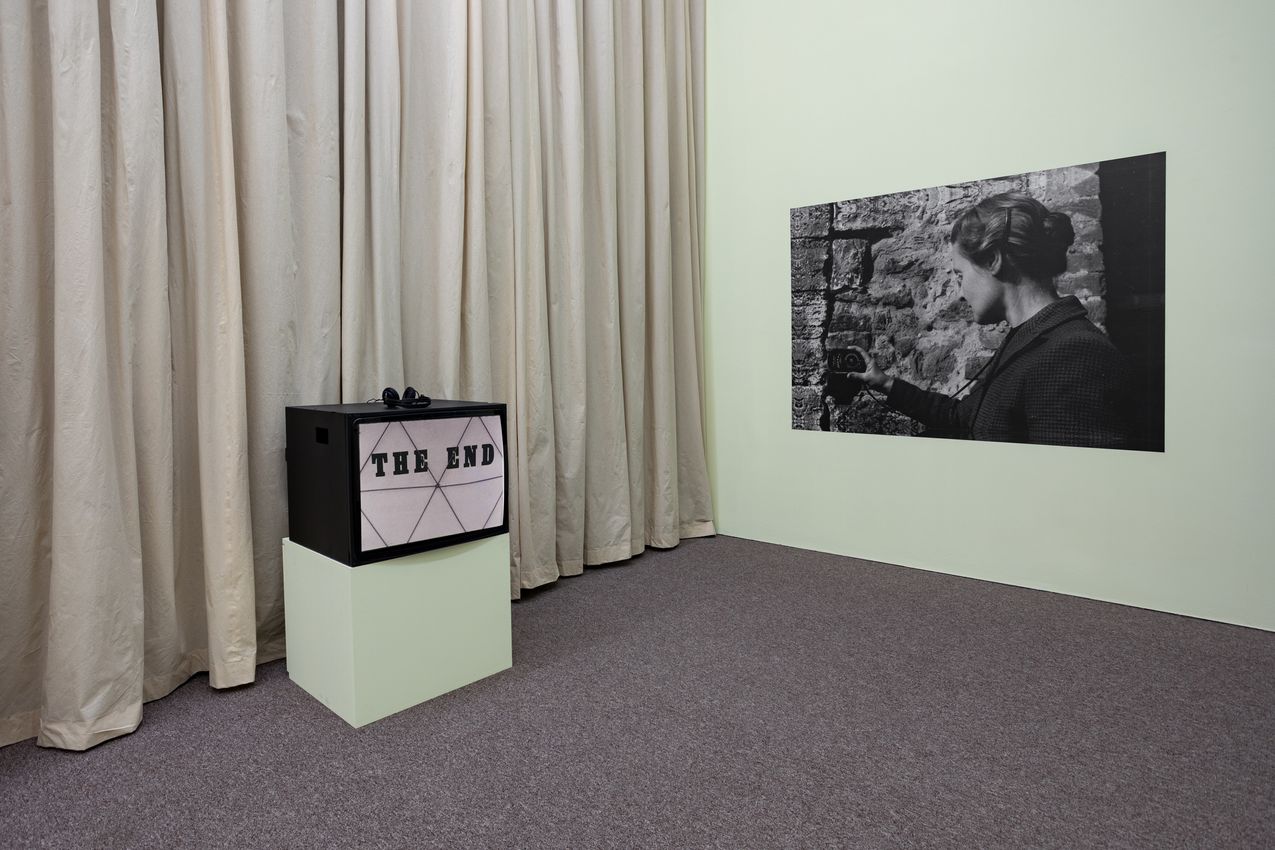
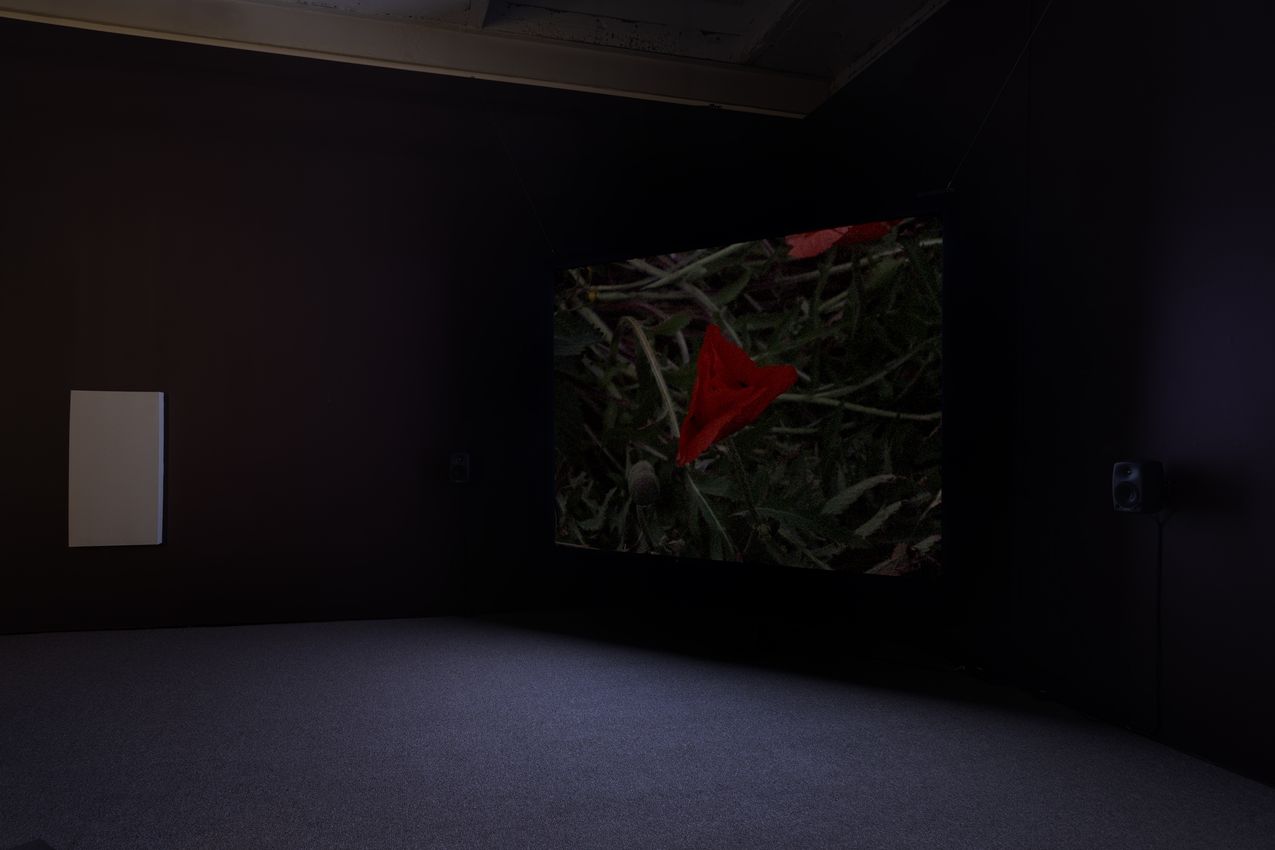
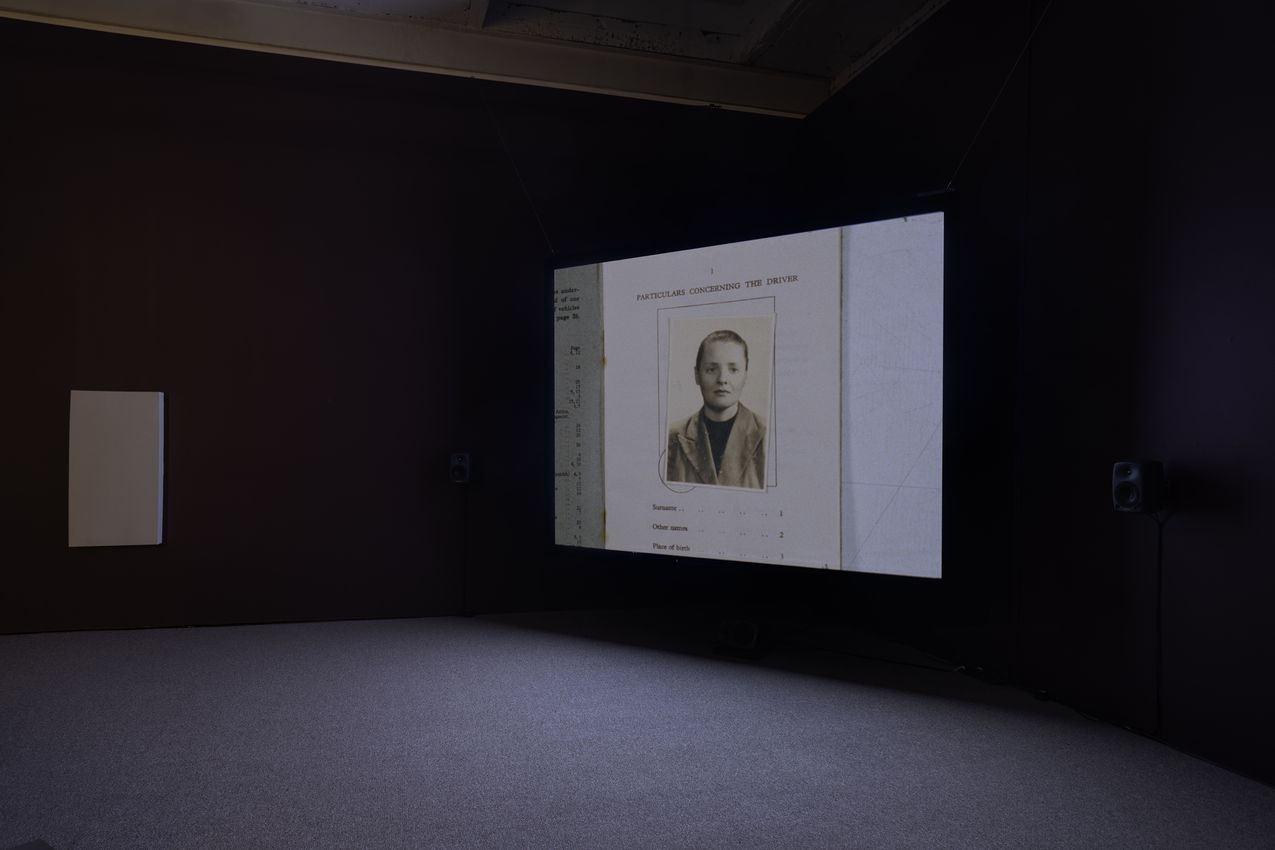
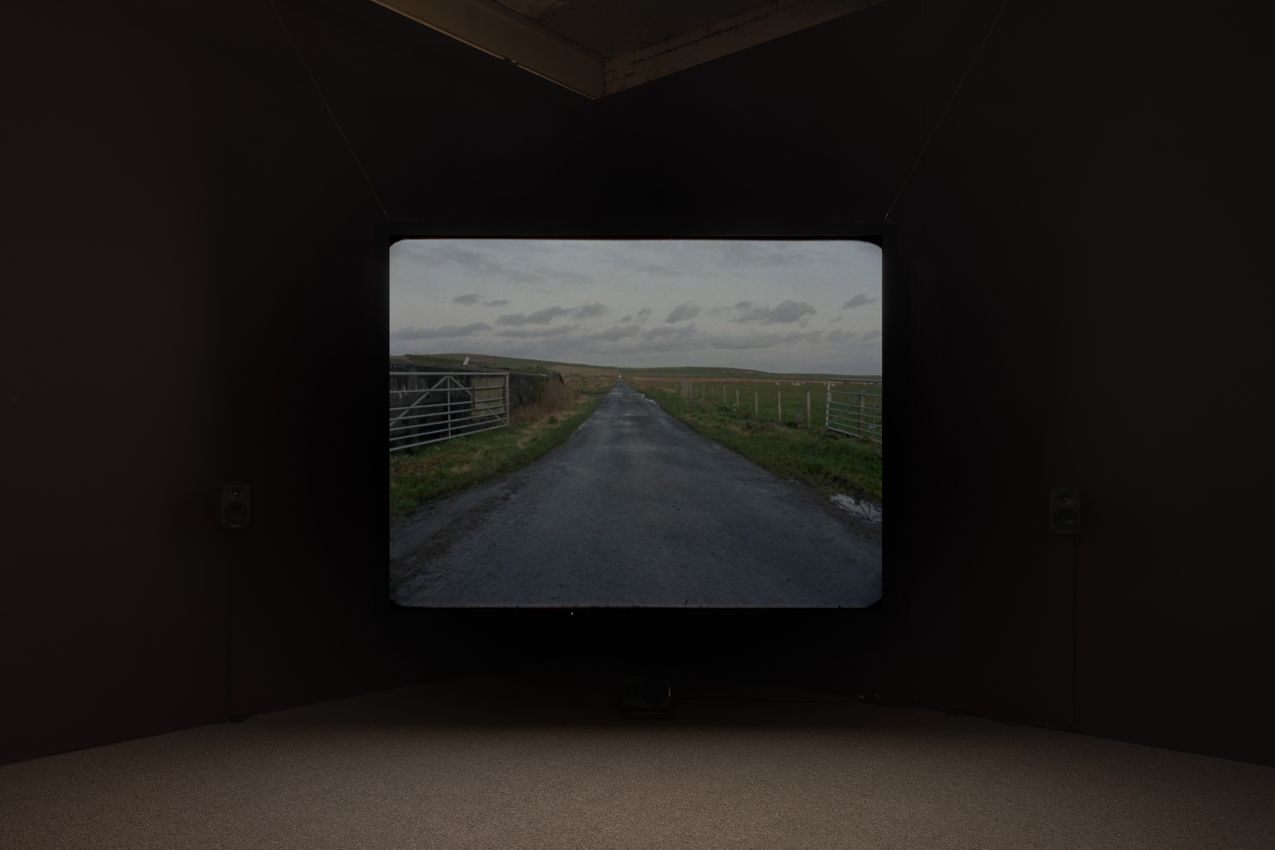
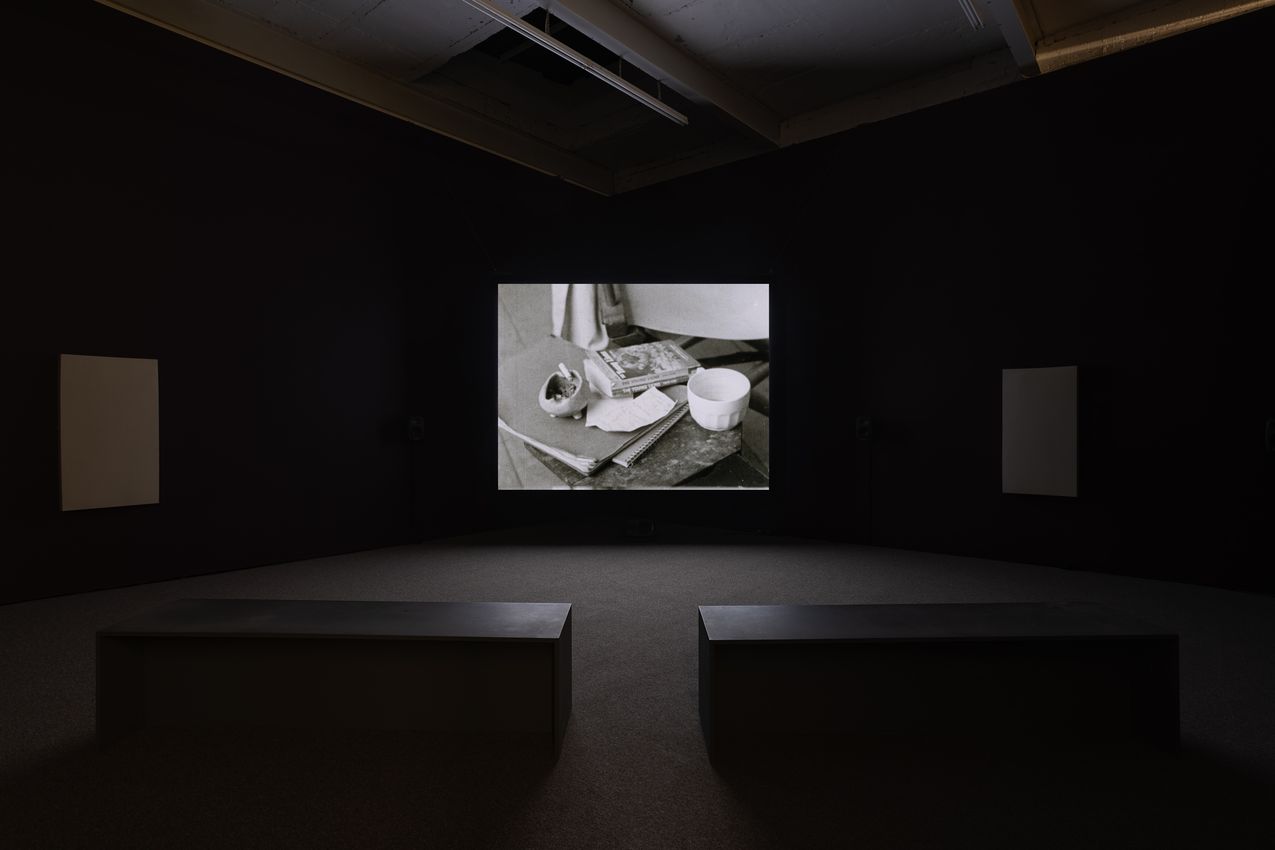
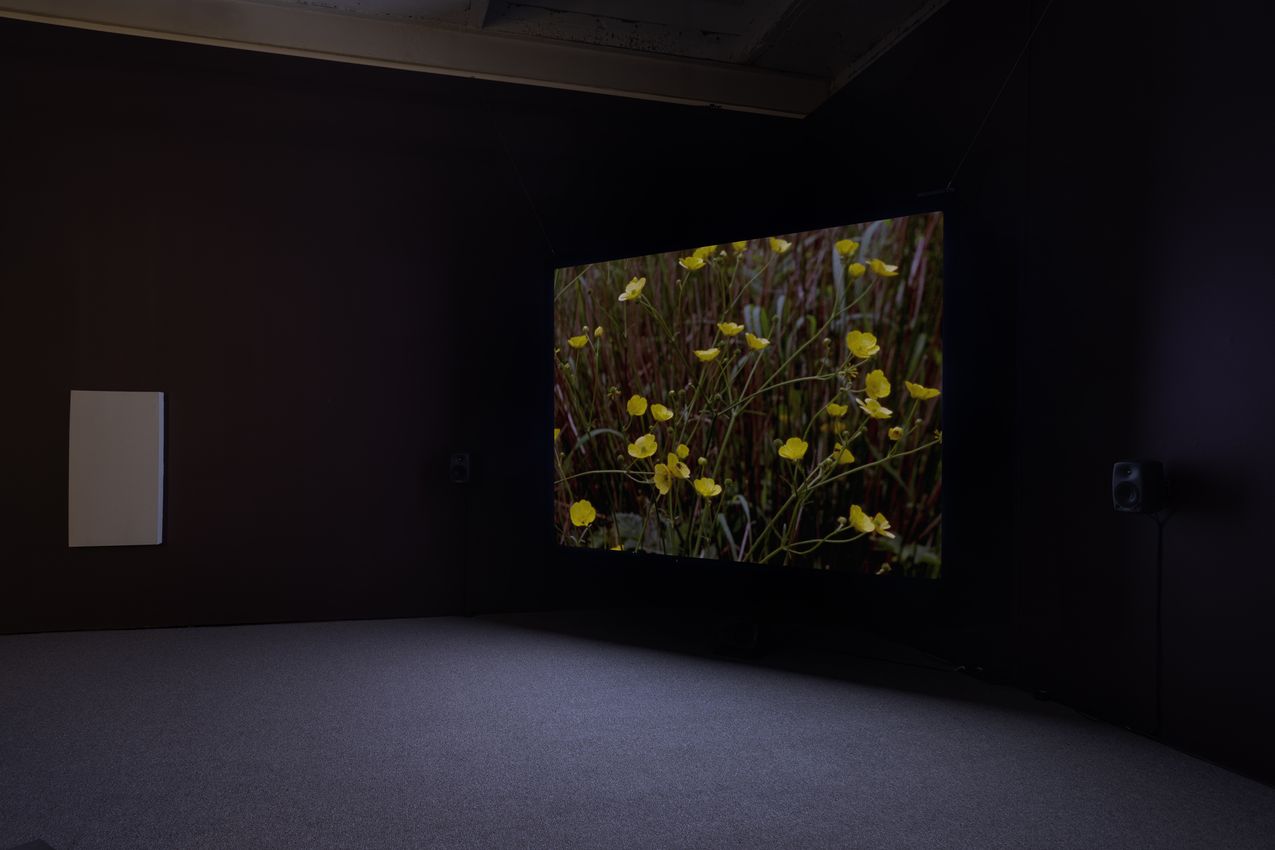
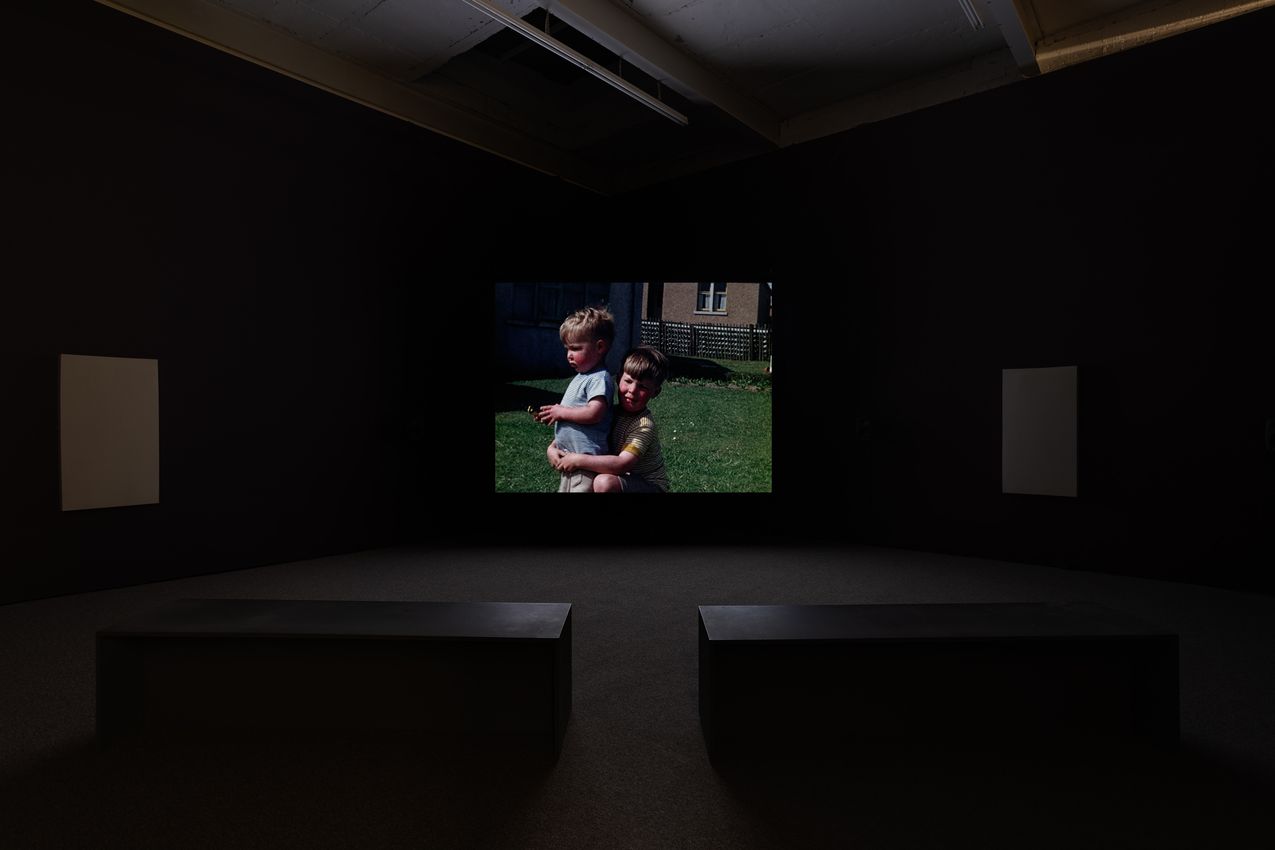
The Modern Institute presents Luke Fowler’s Being in a Place: A Portrait of Margaret Tait alongside archival material of the late Margaret Tait. Using a collection of unreleased archivalmaterial and unpublished correspondence, the film is a homage to Tait’s life honouring herart, and devotion to film as a poetic medium. The work encapsulates the process offilmmaking, accenting the strengths in her methods, the importance of fragmented bodies ofworks and the intrinsic value in failure.
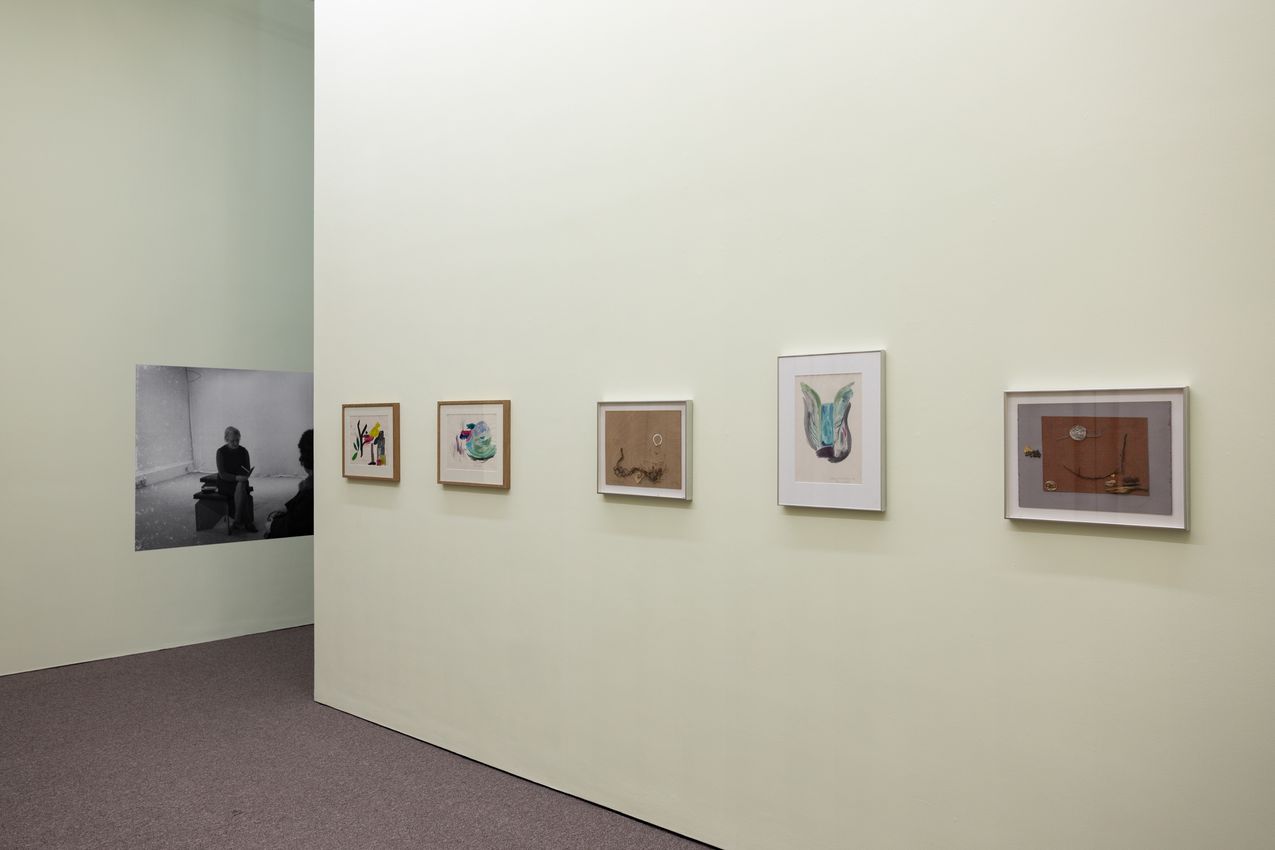
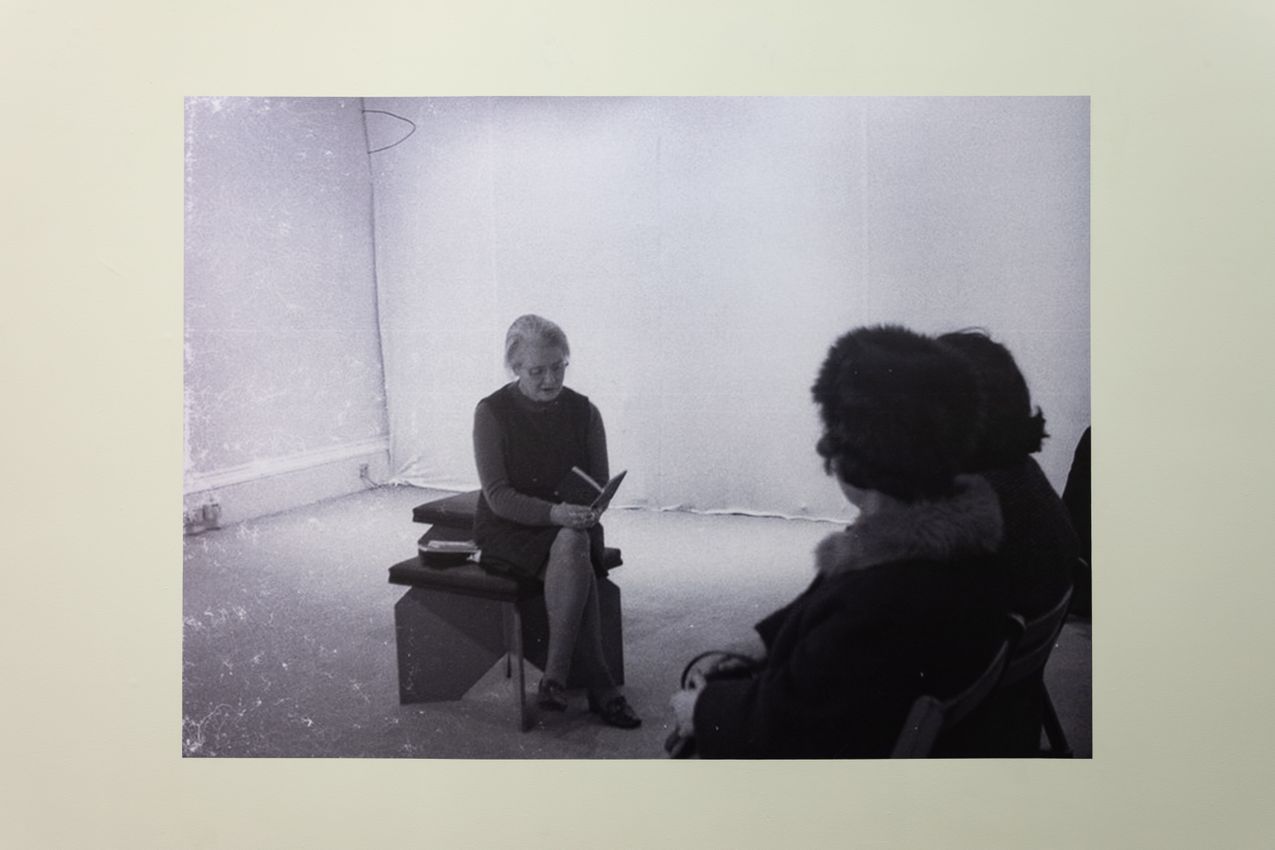
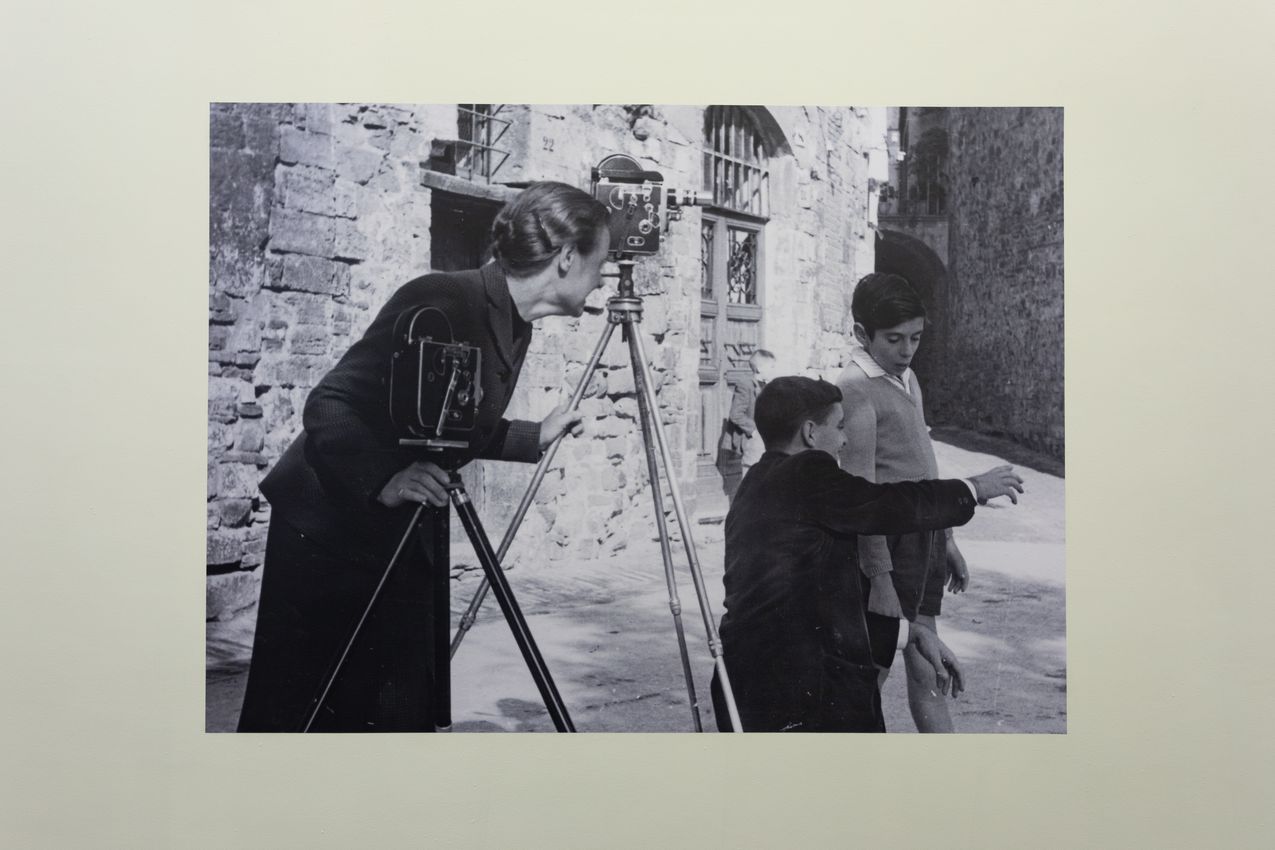
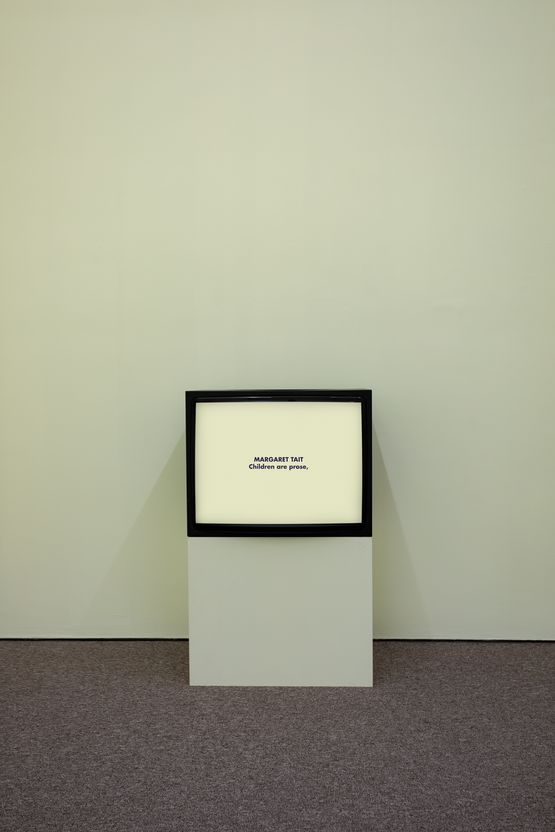
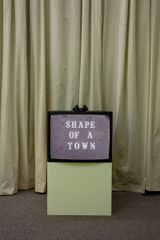
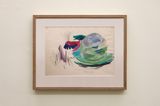
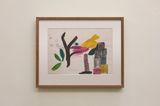
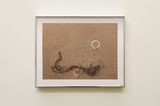
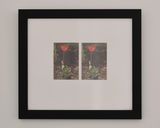
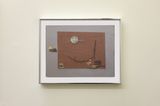
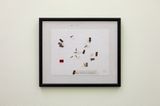
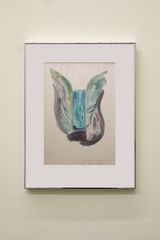
Aird’s Lane is divided in two, separating the space into distinct areas, the archive, and thescreening room. The archive room exhibits photographs, and watercolours from a Tait’stranslation of Federico García Lorca’s Poet in New York; and a film by Tait herself; Aspectsof Kirkwall part 2, Shape of a Town (1981). This introduction to Tait draws on just aselection from her broad and diverse body of work and is drawn from collections held at ThePier Arts Centre, the Orkney Library and Archive and from Dr. Sarah Neely (Film and VisualCulture, University of Glasgow). Tait’s archive was carefully assembled and placed withindifferent public archives in order preserve and facilitate the study of Tait’s work for futureaudiences and scholars. Yet the distinction between what consitutes a finished film from atrial and due to the fact that Tait often circulated different edits of the same film within herlifetime; the questions of which is the definitive version and which films should be consideredfinished works become an on-going debate.
Tait faced many prejudices and adversities in her lifetime as a female independent filmmaker,largely because of her singular practice and her stubborn refusal to conform to the trendsand fashions of her day. Apart from Tait’s only feature length film Blue Black Permanent (1992) and a Scottish Arts Council award for experimental film Colour Poems, Tait self-funded and self-distributed the other 31 films she completed in her lifetime.
‘A town is shaped by its commerce, its communications, worship, learning, pleasures,and, generally, by what people do. A child at school recites a speech from As You Like It,contents of shop windows meet the children running down from school. On ‘Kirking Sunday’ the Town Council (of that time) come out by the side door of St. Magnus Cathedral. Newcouncil houses contrast with the old streets. And so on. Something of the shape of the placeemerges.’ – Margaret Tait on No. 2 Shape of a Town, Aspects of Kirkwall
The catalyst for Fowler’s film was the discovery of an unfinished _script for a feature le_ngthfilm found amongst Tait’s archives, with the working title Heartlandscape: Visions OfEphemerality and Permanence. The proposal was originally penned for Channel 4 in 1983but was never completed. Within a single sheet of typed A4 (enlarged and displayed in thegallery) Tait’s outlines the films contents with a set of evocative chapter titles like: GardenPieces, End of A Race/Start of a Show, Whiff Of Rust and Pictures of Orcadians.
The centre section of the film is perhaps the most detailed–the Heartlandscape of Orkney is the name she coined for the landscape she traversed on her daily drive to work, from herhome in Aith to her studio, a former Kirk in Rendall. Tait was most fascinated by the varietyof this terrain ranging from ‘peaty wilderness areas to prehistoric dwellings and signs of modernity” and of course the people who live and work on the land. In many ways the Heartlandscape could be viewed as a microcosm of Mainland Orkney.
As well as drawing connections between Fowler’s body of work and those which Tait articulated and at times wrestled with, thoughout her lifetime.The exhibition offers a rare opportunity to capture the fleeting and enduring vitality ofMargaret Tait’s vision, as one of the most important and singular figures in Scottish film culture.
Luke Fowler and The Modern Institute would like to thank Marian Taylor, Peter and AnnTait, Pier Art Centre, the Orkney Library and Archive, Sarah Neely, Richard and Terry Demarco, NLS and Lux Scotland.
Events
Please join us on 19 November, 2pm at Airds Lane for an in conversation between SarahNeely, Peter Todd and Luke Fowler.
Luke Fowler, Peter Todd and Lee Paterson will also present ‘The Room’ at The OldHairdressers on 19 November from 7.30pm.
Luke Fowler Biography
Luke Fowler (Glasgow, 1978) is an artist, filmmaker and musician based in Glasgow.He studied printmaking at Duncan of Jordanstone College of Art and Design. Hiswork explores the limits and conventions of biographical and documentaryfilmmaking, and has often been compared to the British Free Cinema of the 1950s.Working with archival footage, photography and sound, Fowler’s filmic montagescreate complex portraits of counter-culture and other marginalised figures. Fowlerwas awarded the inaugural Derek Jarman Award in 2008 and was shortlisted for theTurner Prize in 2012 for his first feature film All Divided Selves. In 2019 he won BestShort film at both Glasgow Short Film Festival and Punto De Visto internationaldocumentary festival, Pamplona, for his film Mum’s Cards.
Margaret Tait Biography
Margaret Tait was one of Scotland’s most important female independent filmmakers; she died in her home town of Orkney in 1999 at the age 80. 2018marked her centenary with a series of exhibitions and events taking place worldwide to broaden the distribution and appreciation of her work (MT100). Tait made one feature film in her life (Blue Black Permanent, 1992) but was best known for her short 16mm poem-films (or film-poems). It’s not surprising that she also wrote and published poetry and prose (publishing three volumes of poetry, a volume of short stories and a book for children). After studying with Roberto Rossellini at the Centro Sperimentale film school in Rome (1950–1952) she based herself in Edinburgh where she ran the Rose Street festival–rubbing shoulders with the likes of John Grierson, Hugh MacDiarmid, Sorley Maclean and Norman MacCaig. She returned to her birthplace of Orkney in the late 60’s – which became the landscape and subject of the majority of her following films until her passing.
* See Sarah Neely’s Between Categories: The Films of Margaret Tait: Portraits,Poetry, Sound and Place (2016) for the most in depth discussion of Tait’s work anddrawing on extensive archival research.
Luke Fowler (Glasgow, 1978) is an artist, film-maker and musician based in Glasgow. He received his B.A. from Duncan of Jordanstone College of Art and Design (2000). Fowler creates cinematic montages of archival footage alongside new recordings, interviews, photography and sound, that break down conventional approaches to biographical and documentary film-making.

The Modern Institute was founded in Glasgow in 1997. The gallery works with 45 internationally established and emerging artists including Martin Boyce, Jim Lambie, Richard Wright, Anne Collier, Cathy Wilkes, Simon Starling, Urs Fischer, Luke Fowler and Nicolas Party.

A respected voice in contemporary art discourse.
Focusing on ambitious storytelling and insightful art-world commentary. Ocula Magazine publishes in-depth interviews, critical essays and timely analysis on the artists, exhibitions and ideas driving the global art world.
Learn more about Ocula Magazine
Showcasing the best of the art world.
Ocula partners with galleries from around the world to highlight their artists, artworks and exhibitions. Gallery membership is by application and invitation, with each member vetted by an independent panel.
Learn more about Ocula Membership

Specialises in the sale of major artworks.
Led by a team with deep ties to the world’s leading auction houses, galleries and collectors. Ocula’s advisory team offers bespoke services to high-net-worth clients from around the world who are looking to acquire the best of contemporary and modern art.
Learn more about our team and services