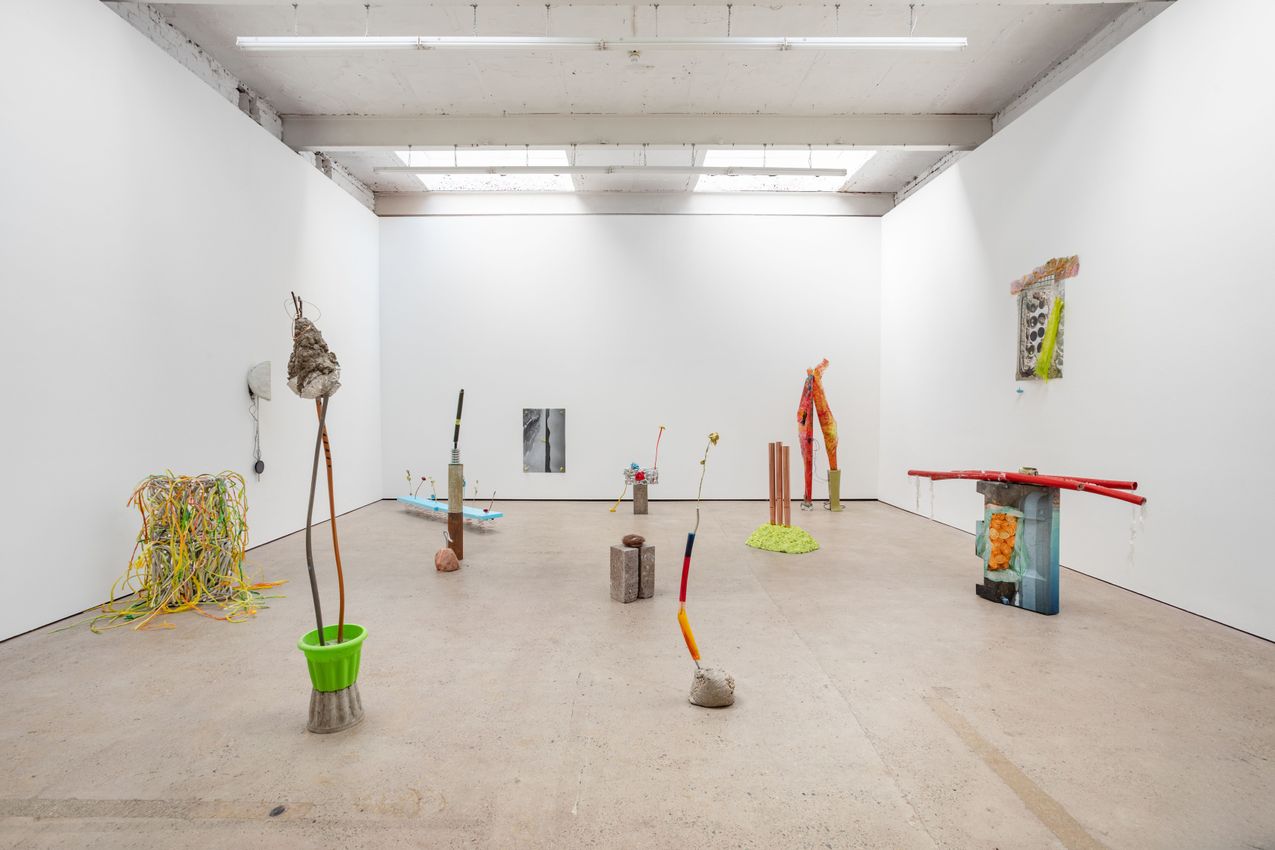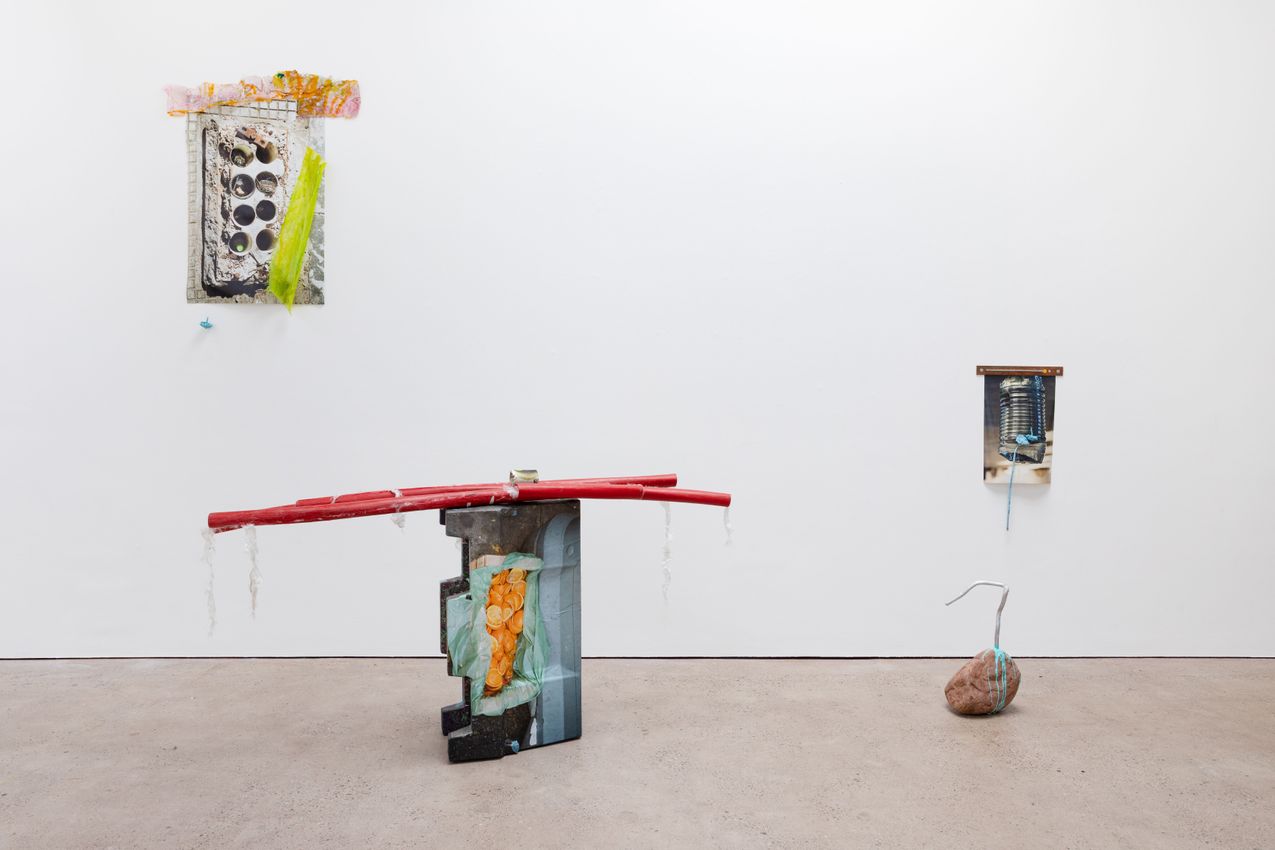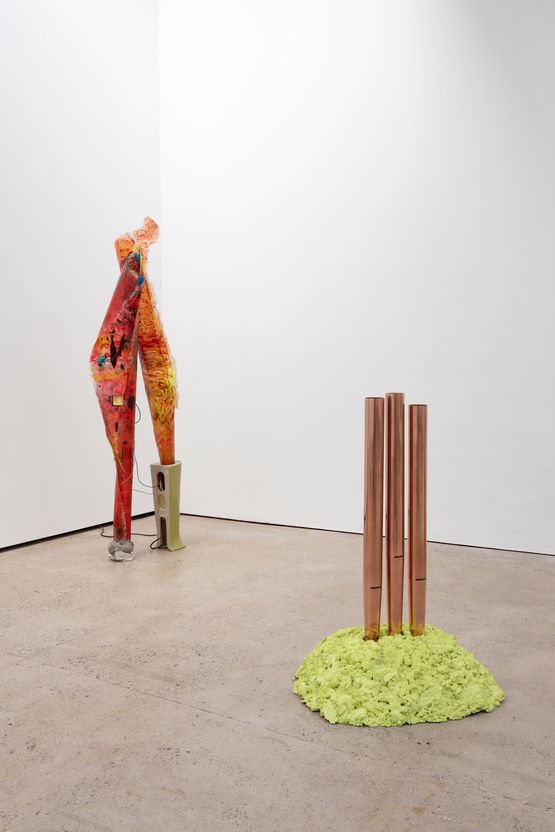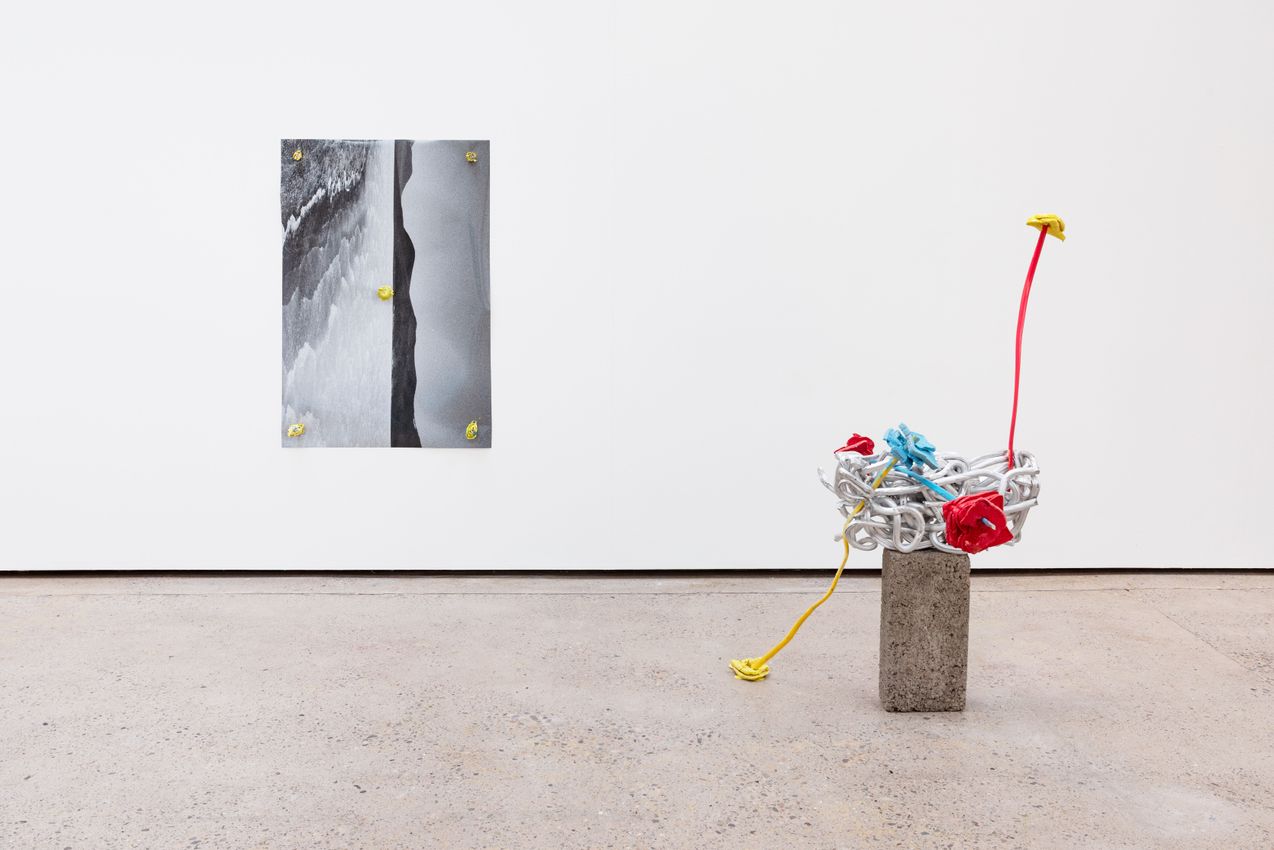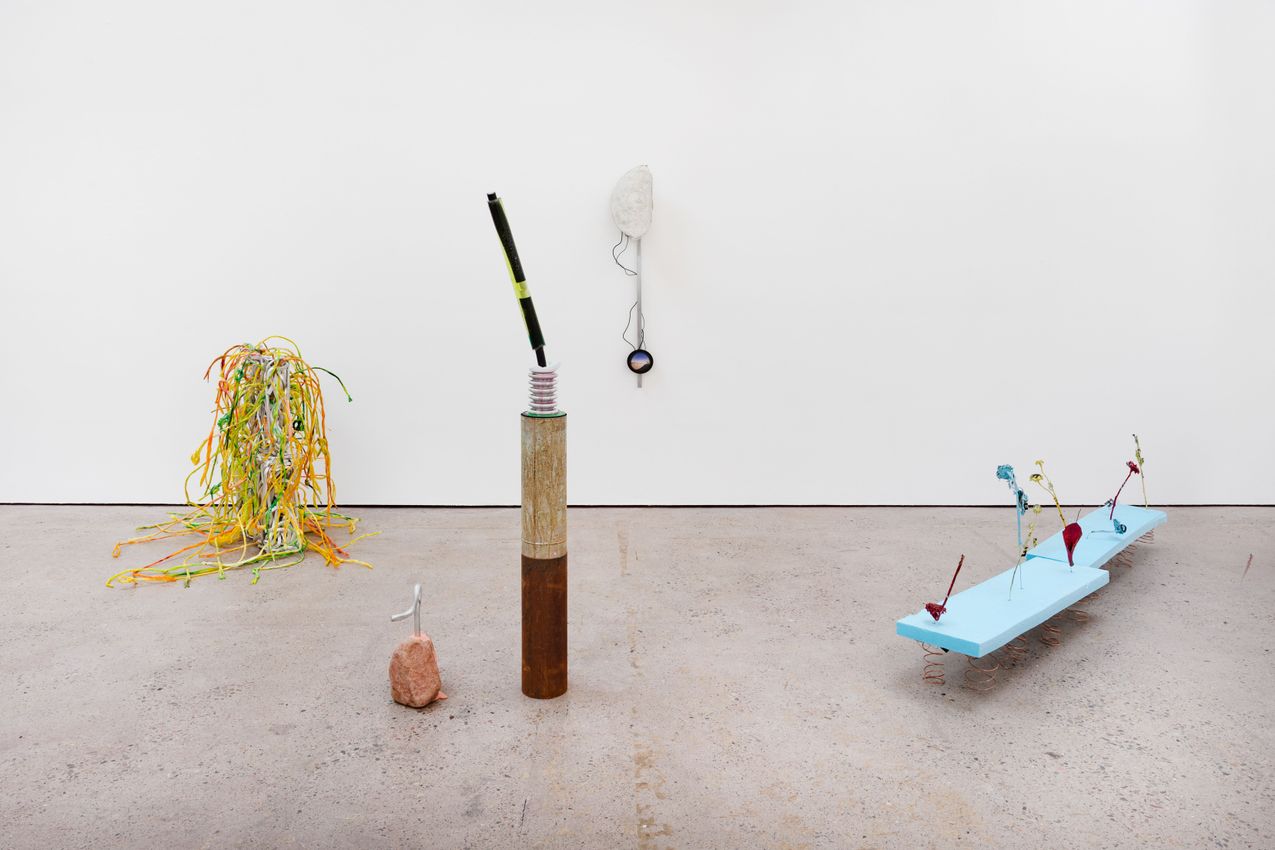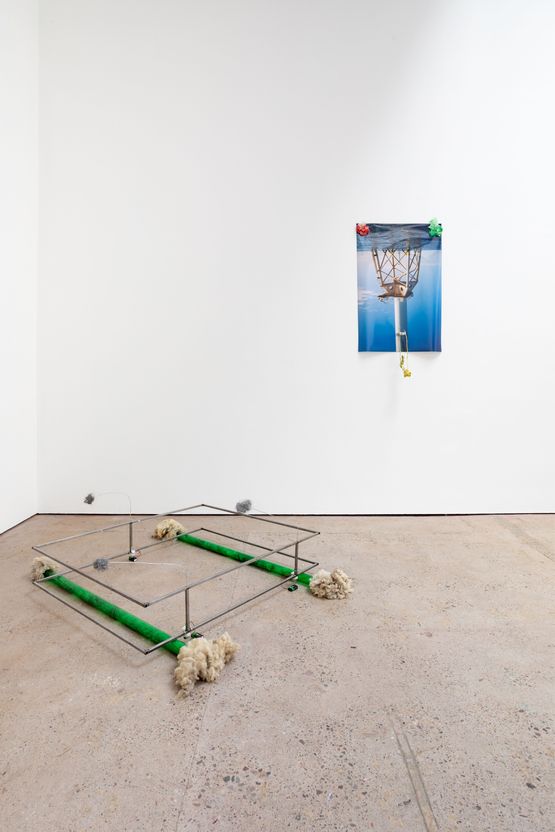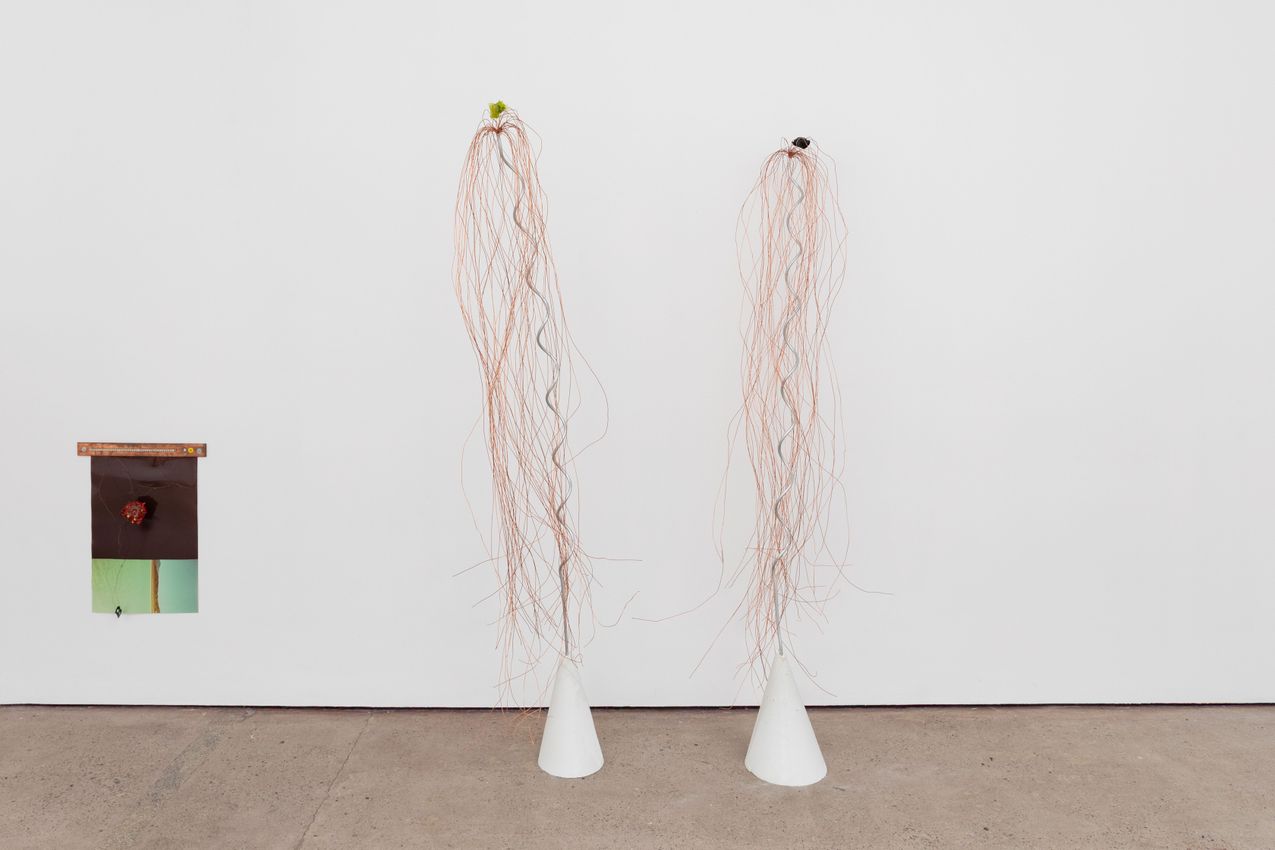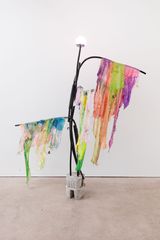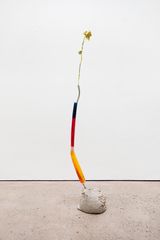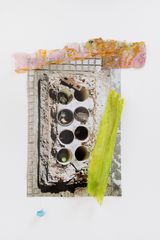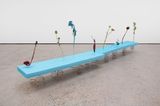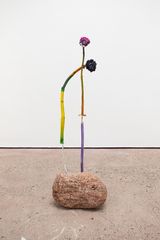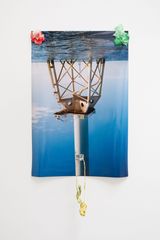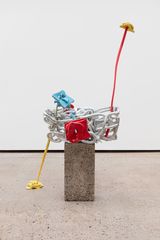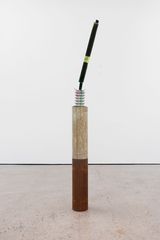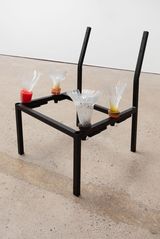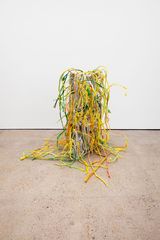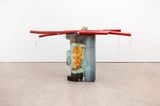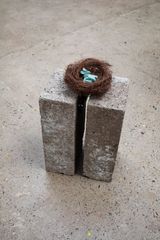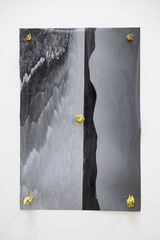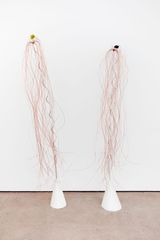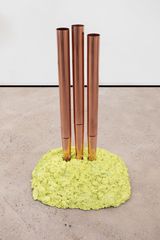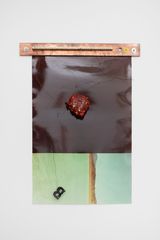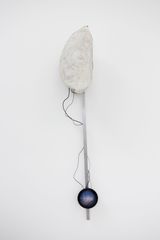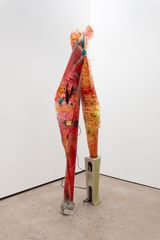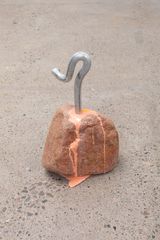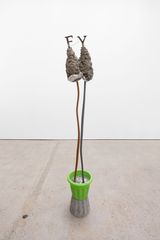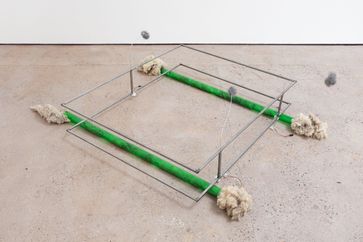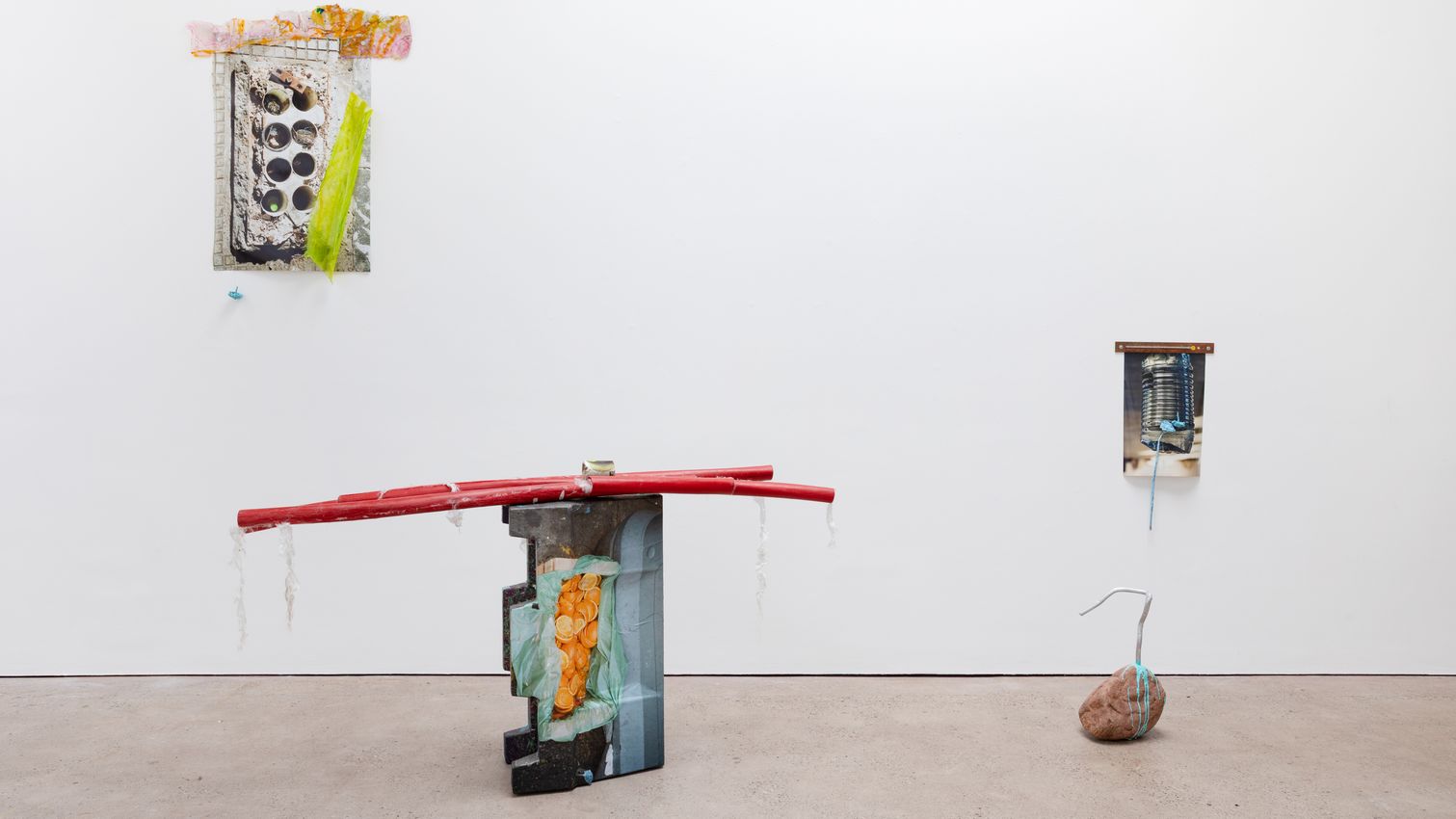
This new body of work by Marco Giordano considers the intersecting tensions between energy, economics, land, language, and technology, as seen through the prism of the transition towards renewable energy. While this transition is producing an upheaval of both energy infrastructure and production, Giordano considers the affect these changes are having on social relations. Energy infrastructure can be understood as an extension of the body and the exhibition draws attention to its physical, economic, and political effects. Aluminium, copper, fibre glass, and plastic – which compose the often-invisible electronic infrastructure of the underground and undersea cabling that services our everyday lives – are the starting point for the sculptures. Across the installation, he has reconfigured these materials, which were gleaned from deconstructing cabling sourced in Glasgow, and blended them with organic matter, personal artefacts, videos and text to form various enigmatic pieces. The exhibition title alludes to the geometric character of this infrastructure but also to the way we are trapped into certain routines and extractive practices by it.
The impetus for the exhibition came from Giordano’s research into the energy transition, informed by trips to two distinct areas – the windfarms off the North-East coast of Scotland and the Lithium Triangle, an area of the Andes encompassing sections of Argentina, Bolivia, and Chile. In South America, he travelled from Calama’s Chuquicamata copper mines to the ports of Antofagasta (where copper and lithium are shipped), from the windfarms of Chilecito to the Puna de Atacama’s lithium mines. These vast complexes, often run by foreign conglomerates, are where the aforementioned materials along with lithium (a key component of energy storage batteries) are found and processed for industrial uses. This follows a pattern of extractivism from South America established in the colonial era which continues into the energy transition of today – away from petrocapitalism. In the context of this transition, mineral deposits have become a key zone of tension and conflict across the world.
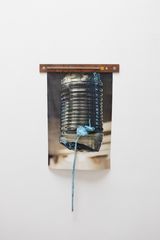
Giordano renders natural forms – trees, flowers, nests, figures – in these infrastructural materials, underscoring the connection between what we understand as natural and manmade. There are moments of near connection or pairings, zones of friction which are simultaneously inviting and threatening. Certain works are inflected with floating language, pointing to the artist’s interest in notions of fluency and flow – be that informational, material, electronic or linguistic. He sees his task as an artist as to restructure and reassess the productive, capitalist logic of these distributive structures through poetic and associative means. To create a kind of disfluency. Language is a key tool in the dissemination of ideology, and it determines what possibilities feel available to us in the world – what agency we have and how we want to live. Belgian philosopher Isabelle Stengers reminds us that a culture of ‘hesitation’ can be vital to artistic practice, allowing for the questioning of established norms and the dominance of forms of political authority. Giordano’s artworks often have an active or performative element which produces a liminal space and can help reformulate our understanding of a process or object. These pieces continue this concern, drawing attention to the zone between energy production and personal consumption, and the materials that facilitate that conduction.
Courtesy The Modern Institute.


Across a range of fields—including sculpture, installation, performance, and painting—Marco Giordano seeks to recontextualise objects in playful, performative, and collaborative works that allow the viewer to reconsider their indifferent preconceptions of the detritus of everyday life.


The Modern Institute was founded in Glasgow in 1997. The gallery works with 45 internationally established and emerging artists including Martin Boyce, Jim Lambie, Richard Wright, Anne Collier, Cathy Wilkes, Simon Starling, Urs Fischer, Luke Fowler and Nicolas Party.

A respected voice in contemporary art discourse.
Focusing on ambitious storytelling and insightful art-world commentary. Ocula Magazine publishes in-depth interviews, critical essays and timely analysis on the artists, exhibitions and ideas driving the global art world.
Learn more about Ocula Magazine
Showcasing the best of the art world.
Ocula partners with galleries from around the world to highlight their artists, artworks and exhibitions. Gallery membership is by application and invitation, with each member vetted by an independent panel.
Learn more about Ocula Membership

Specialises in the sale of major artworks.
Led by a team with deep ties to the world’s leading auction houses, galleries and collectors. Ocula’s advisory team offers bespoke services to high-net-worth clients from around the world who are looking to acquire the best of contemporary and modern art.
Learn more about our team and services