





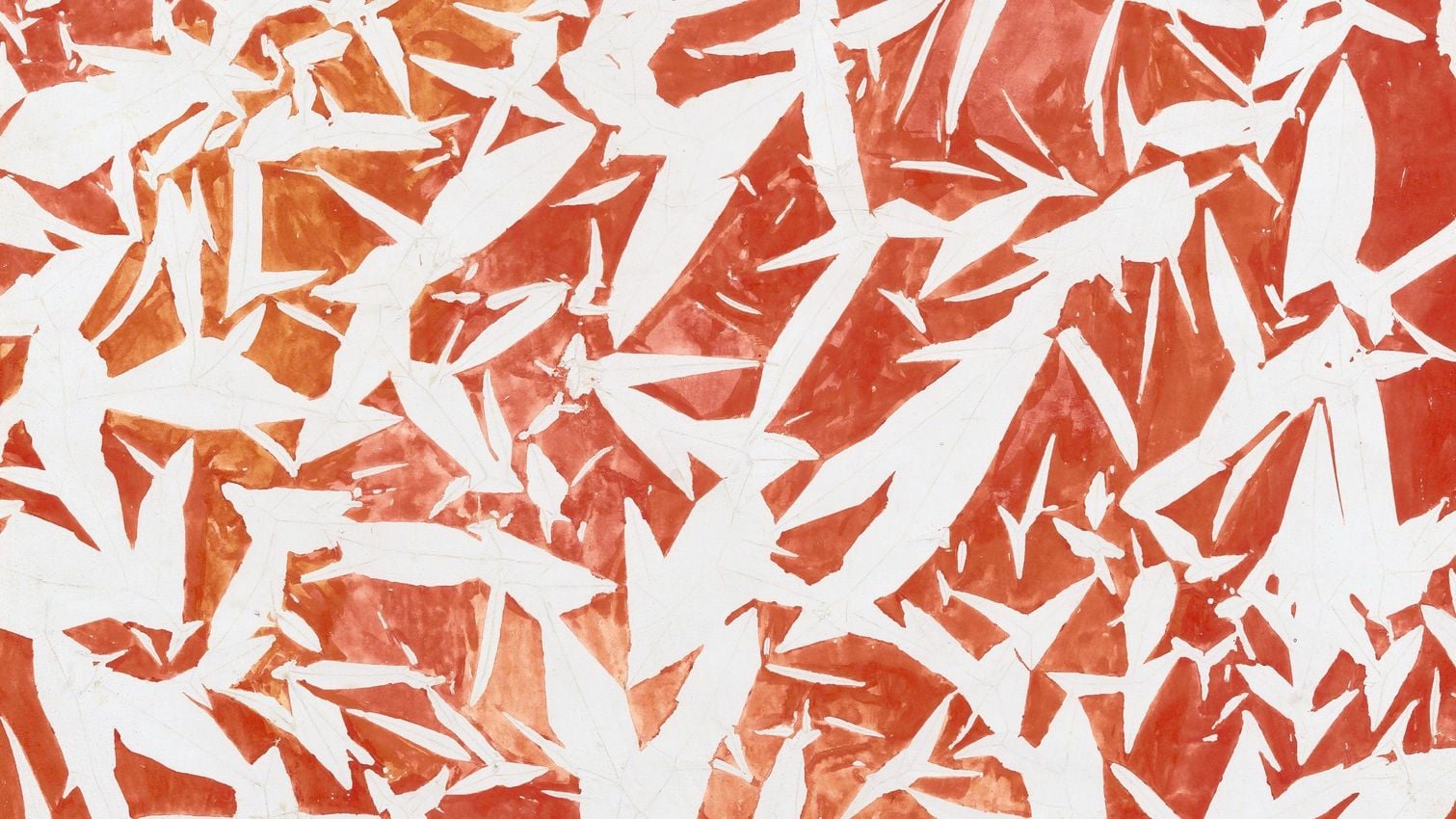
SIMON HANTAÏ
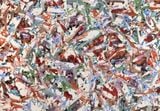
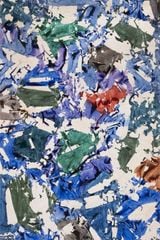
1922-2008, HungarySimon Hantaï contradicted the negation of painting, instead liberating the support from a passive role to an active one, helping to push art forward by means of new processes in order to rethink the act of painting. In 1960, inspired by Jackson Pollock and Henri Matisse, Hantaï initiated his ‘pliage’ or folded canvas method of working, an entirely new painting technique that dominated his entire career and creative output.
Hantaï enjoyed great success in France during his lifetime, culminating in his representing France at the Venice Biennale in 1982. Immediately following this however, Hantaï withdrew from the art world. In 2013 the Centre Pompidou, Paris, mounted a major retrospective of Hantaï’s career, which brought his significant artistic contribution to a new and responsive audience. In 2014 further retrospectives were staged in Europe–at the Ludwig Museum in Budapest and the Villa Medici in Rome.
Hantaï’s work is held in public and private collections internationally, including the Musée d’art moderne de la ville de Paris; Centre Pompidou, Paris; Museum of Modern Art, New York; and the Hirshhorn Museum and Sculpture Garden, Washington.
Simon Hantaï was born in Bia, near Budapest, in 1922. He emigrated to France in 1948, where he lived and worked until his death in 2008.
Courtesy Timothy Taylor

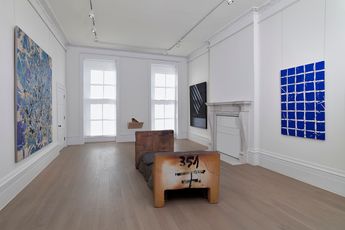
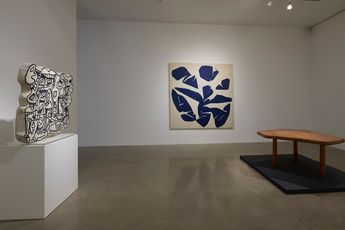
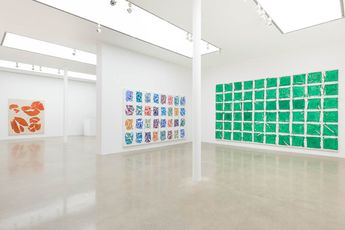
Recently Exhibited










Explore and Follow Artists Shaping Contemporary Art
A respected voice in contemporary art discourse.
Focusing on ambitious storytelling and insightful art-world commentary. Ocula Magazine publishes in-depth interviews, critical essays and timely analysis on the artists, exhibitions and ideas driving the global art world.
Learn more about Ocula Magazine
Showcasing the best of the art world.
Ocula partners with galleries from around the world to highlight their artists, artworks and exhibitions. Gallery membership is by application and invitation, with each member vetted by an independent panel.
Learn more about Ocula Membership
Specialises in the sale of major artworks.
Led by a team with deep ties to the world’s leading auction houses, galleries and collectors. Ocula’s advisory team offers bespoke services to high-net-worth clients from around the world who are looking to acquire the best of contemporary and modern art.
Learn more about our team and services