Press Release

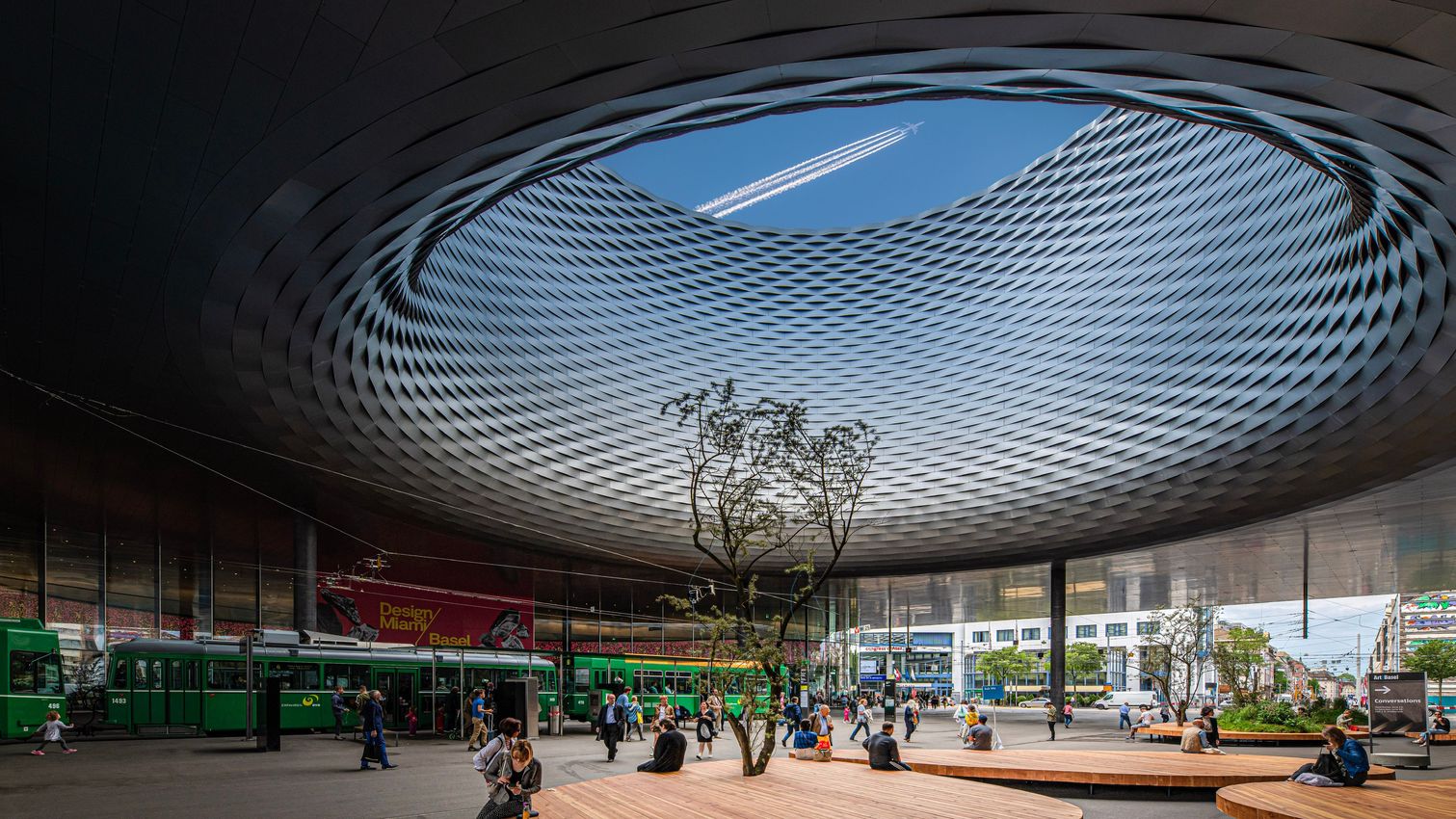
Established in 1970, Art Basel in Basel, Switzerland, has been one of the world’s most influential art fairs. Under strict scrutiny from the jury panel, entry into this fair has been a coveted golden ticket for outstanding galleries worldwide. With years of proactive international strategies, Tina Keng Gallery was selected for the first time in 2024 to be part of the Galleries sector, as the very first gallery from Taiwan to have accomplished this.

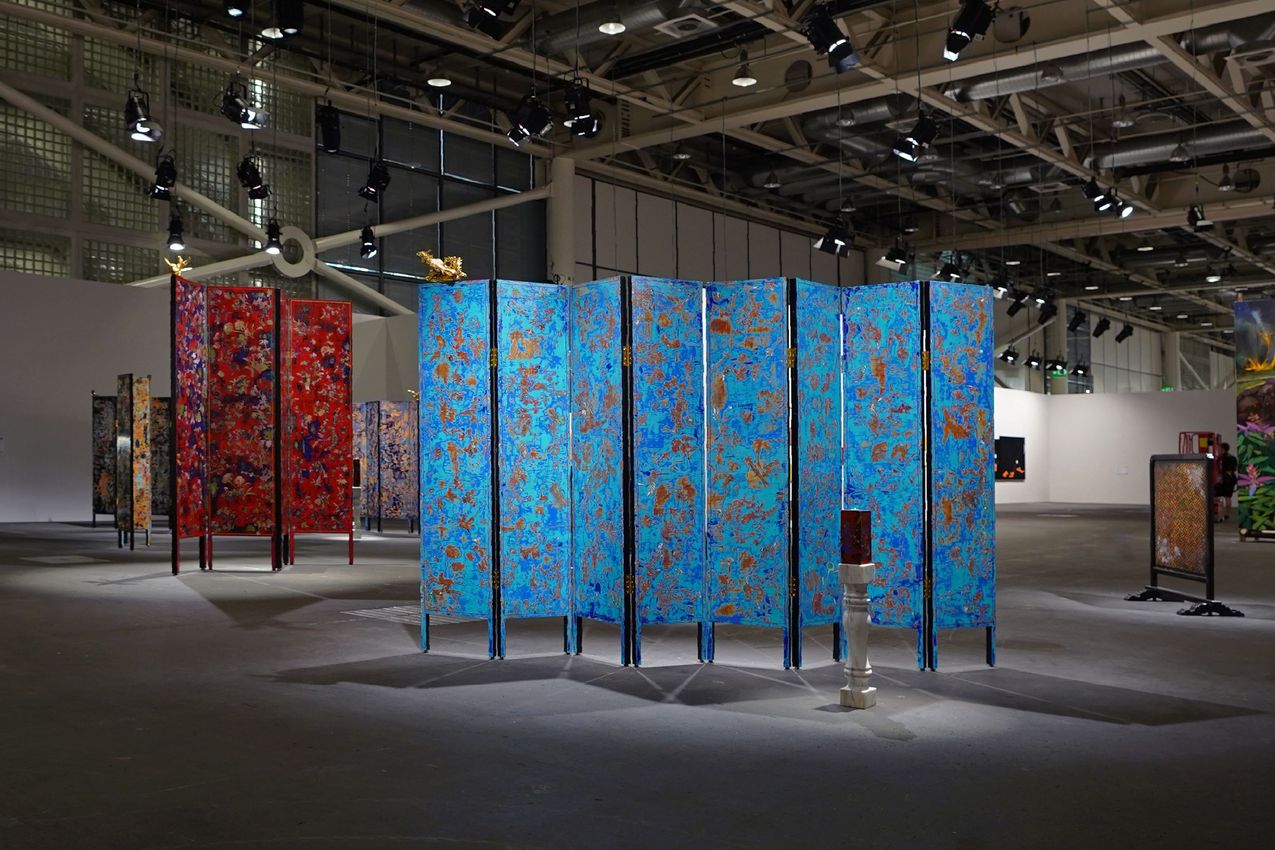
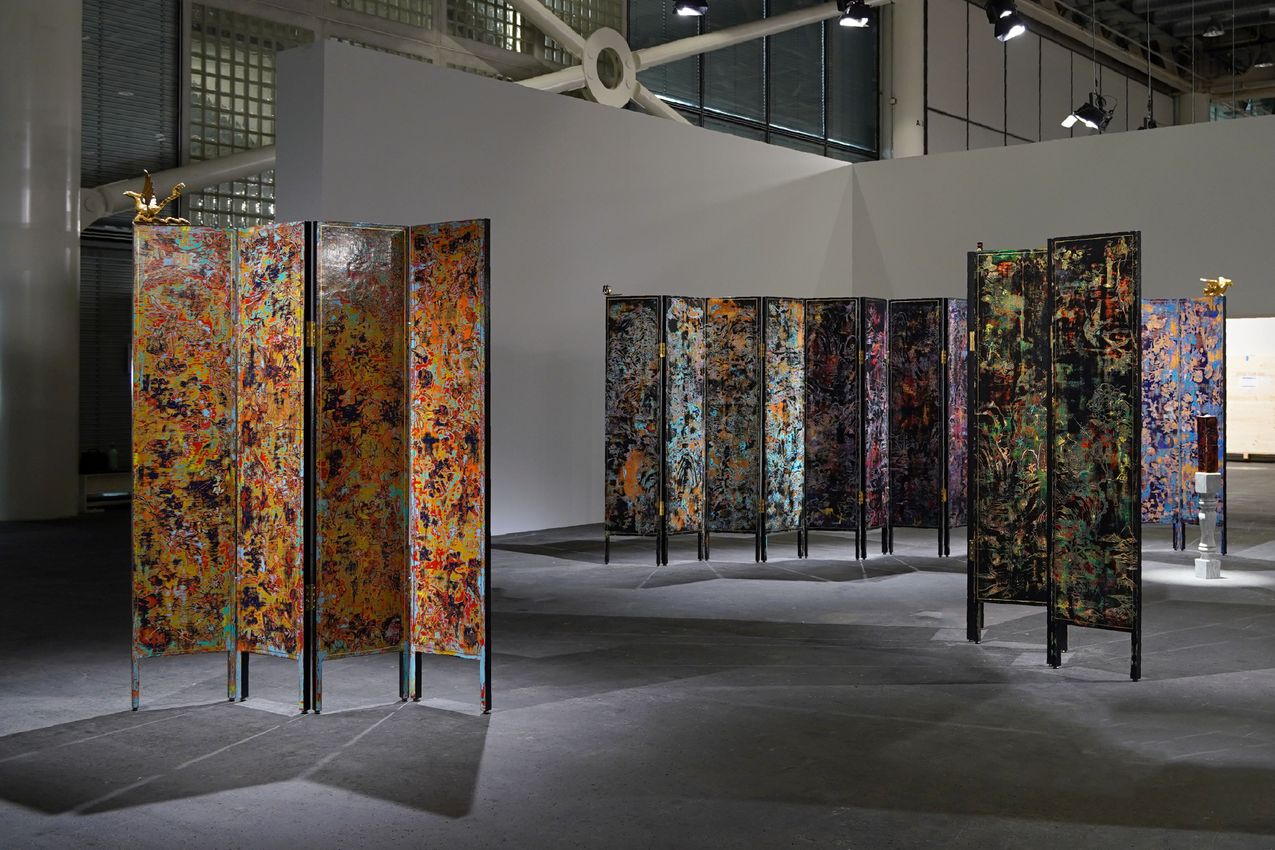
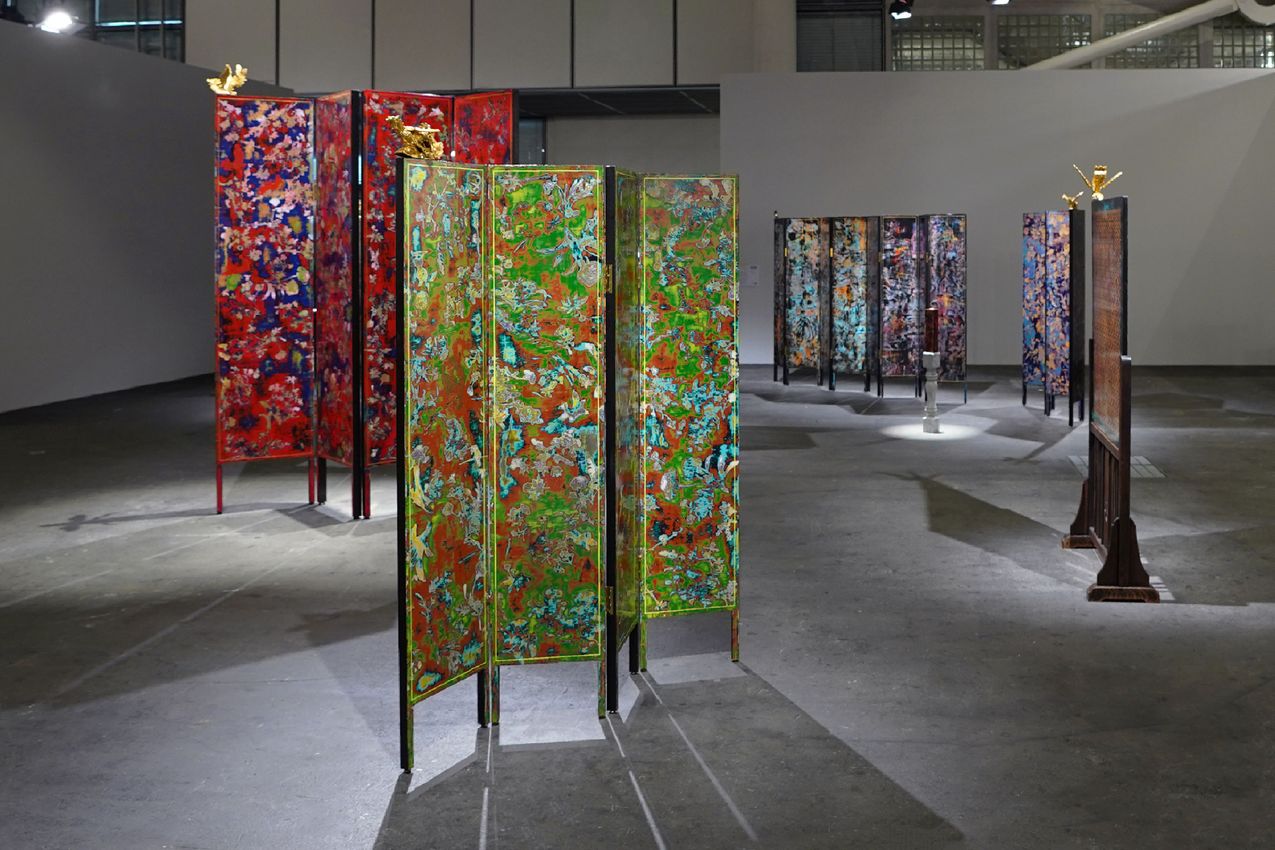
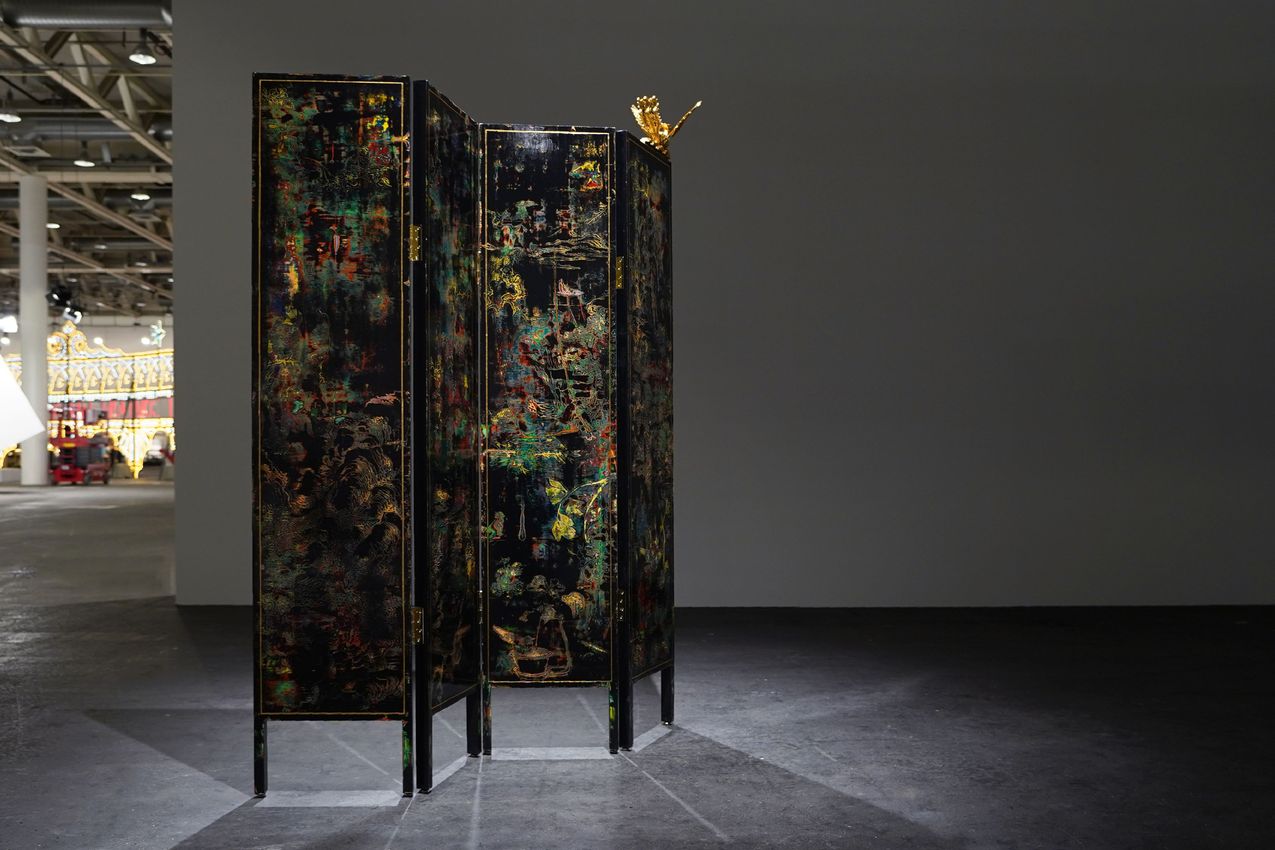
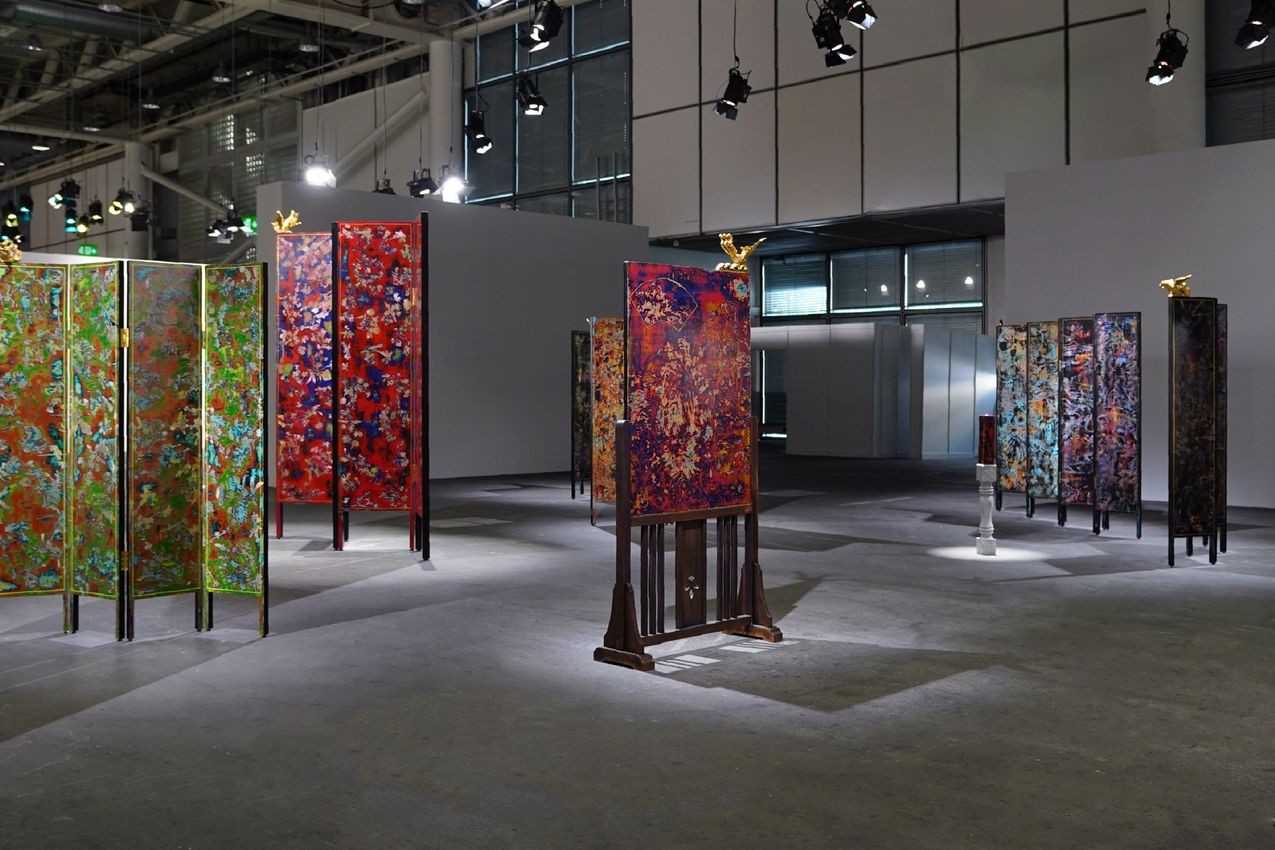
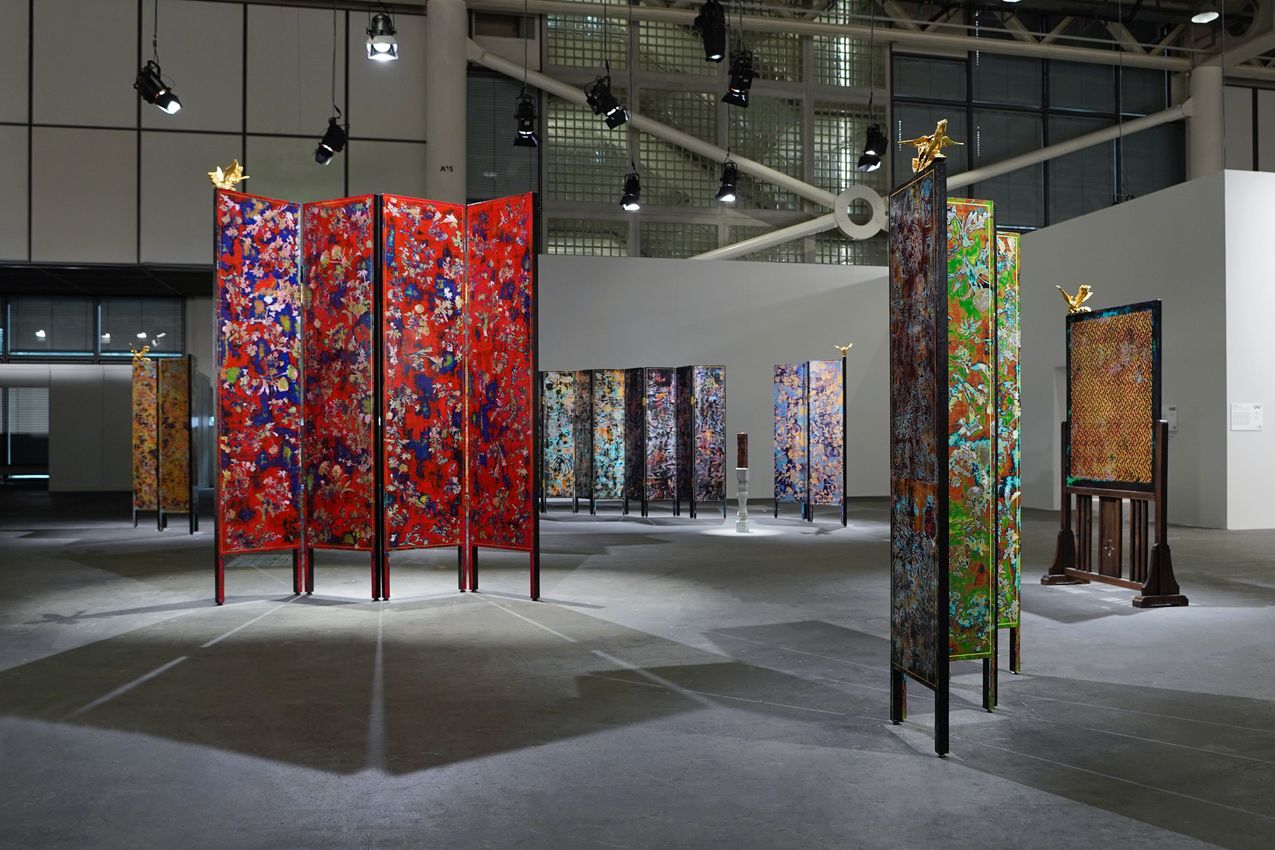
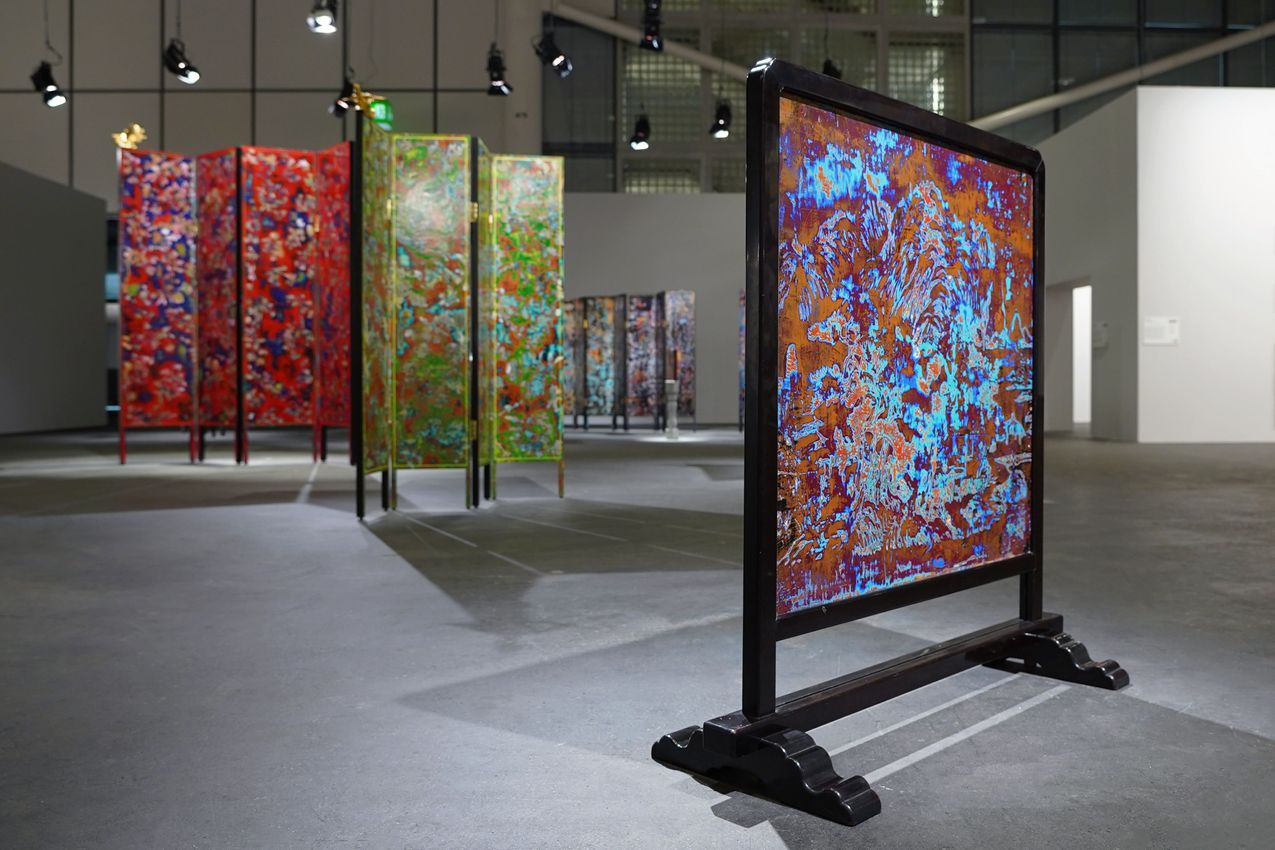
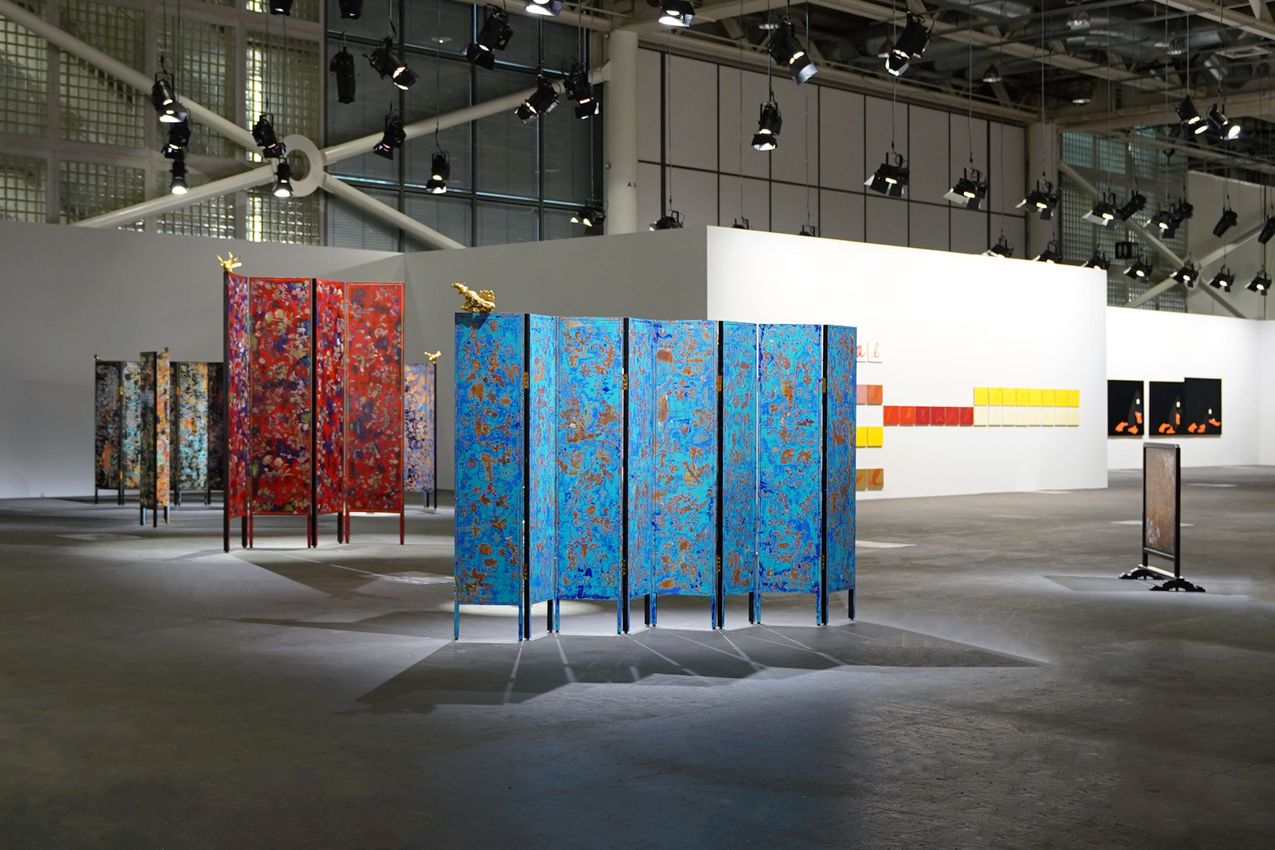
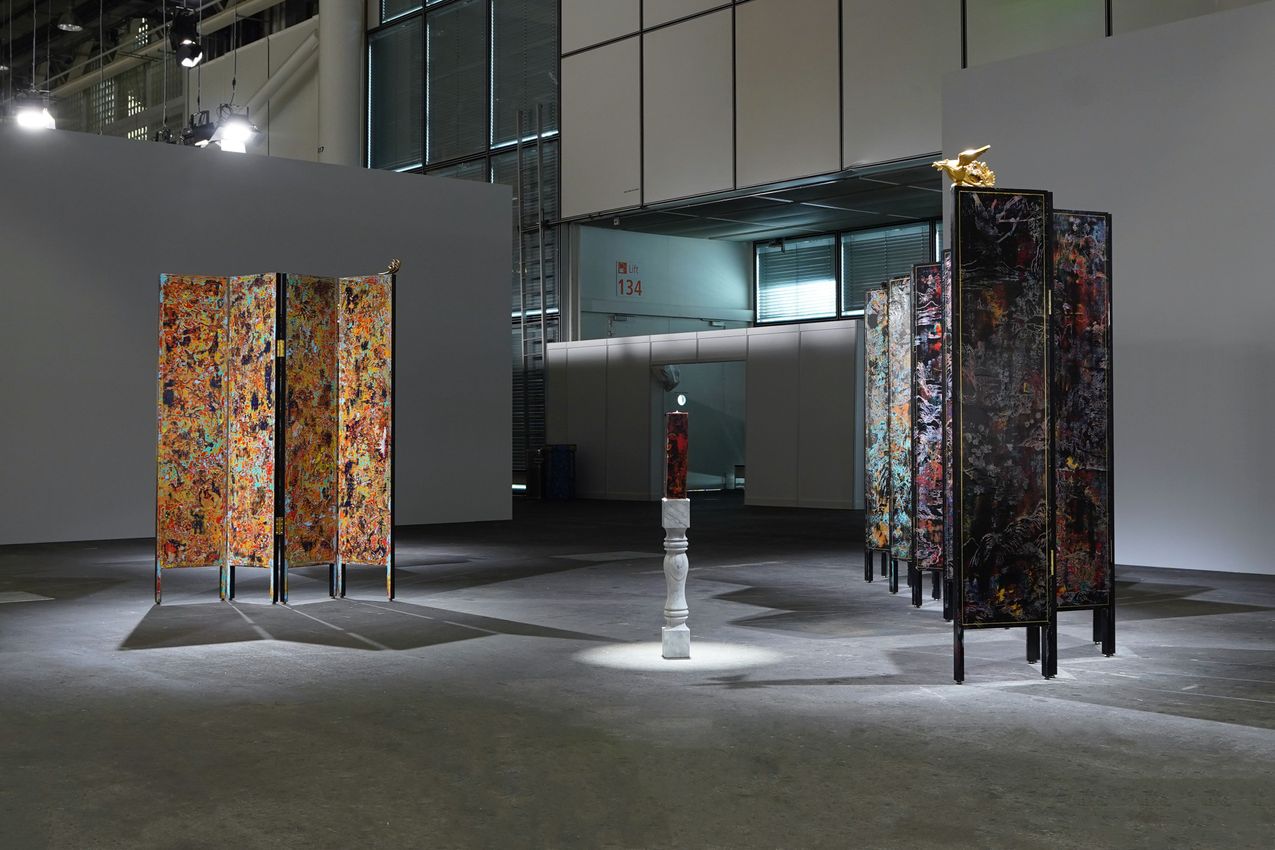
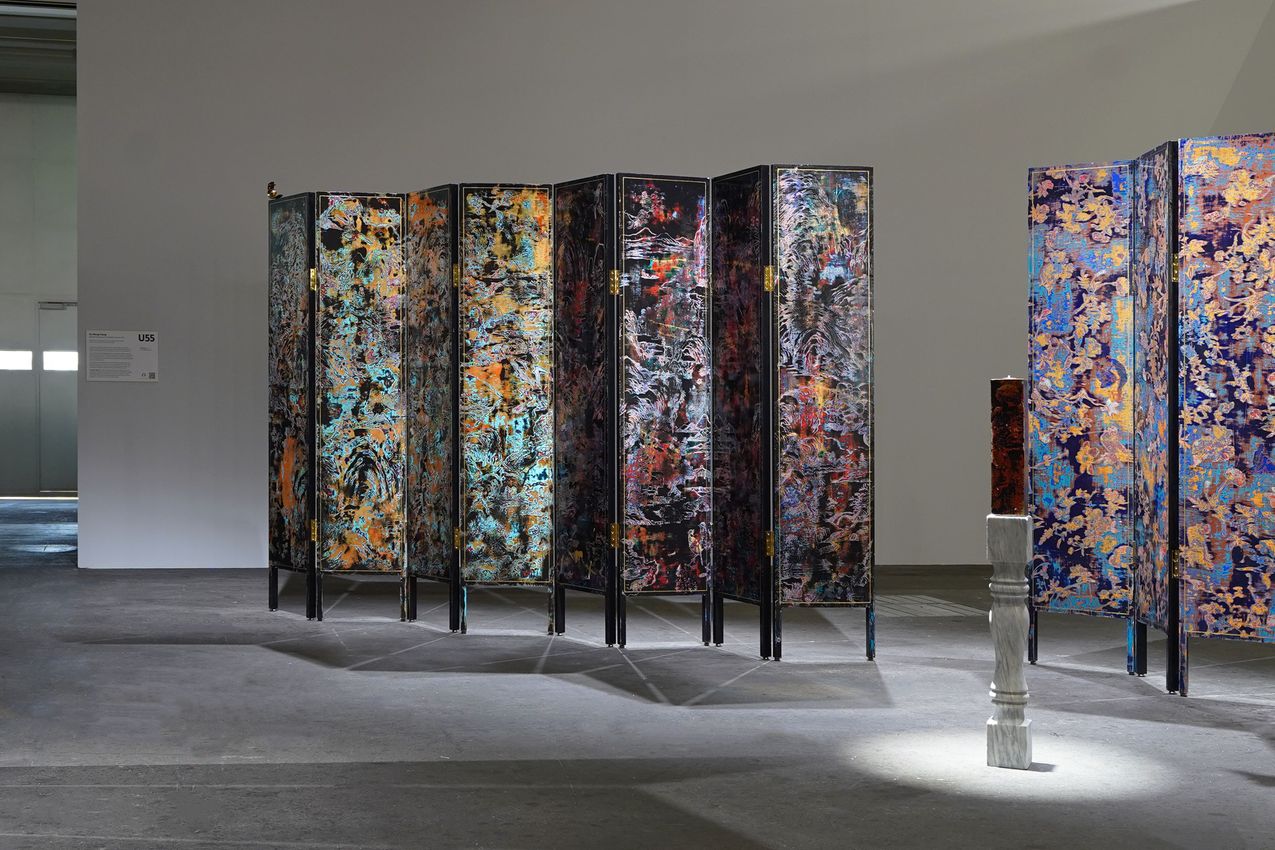
Tina Keng Gallery returns to Art Basel in 2025, not only participating in the main Galleries sector, but extending its curatorial theme into the Kabinett sector, one of 24 special curatorial presentations selected by the fair. Additionally, Su Meng-Hung’s large-scale folding screen installation Desolate Landscape on the Golden Screens (2025) makes its debut in the Unlimited sector.

Tina Keng Gallery in Galleries

Abstraction Contextualized: The Essence of Eastern Abstract Art

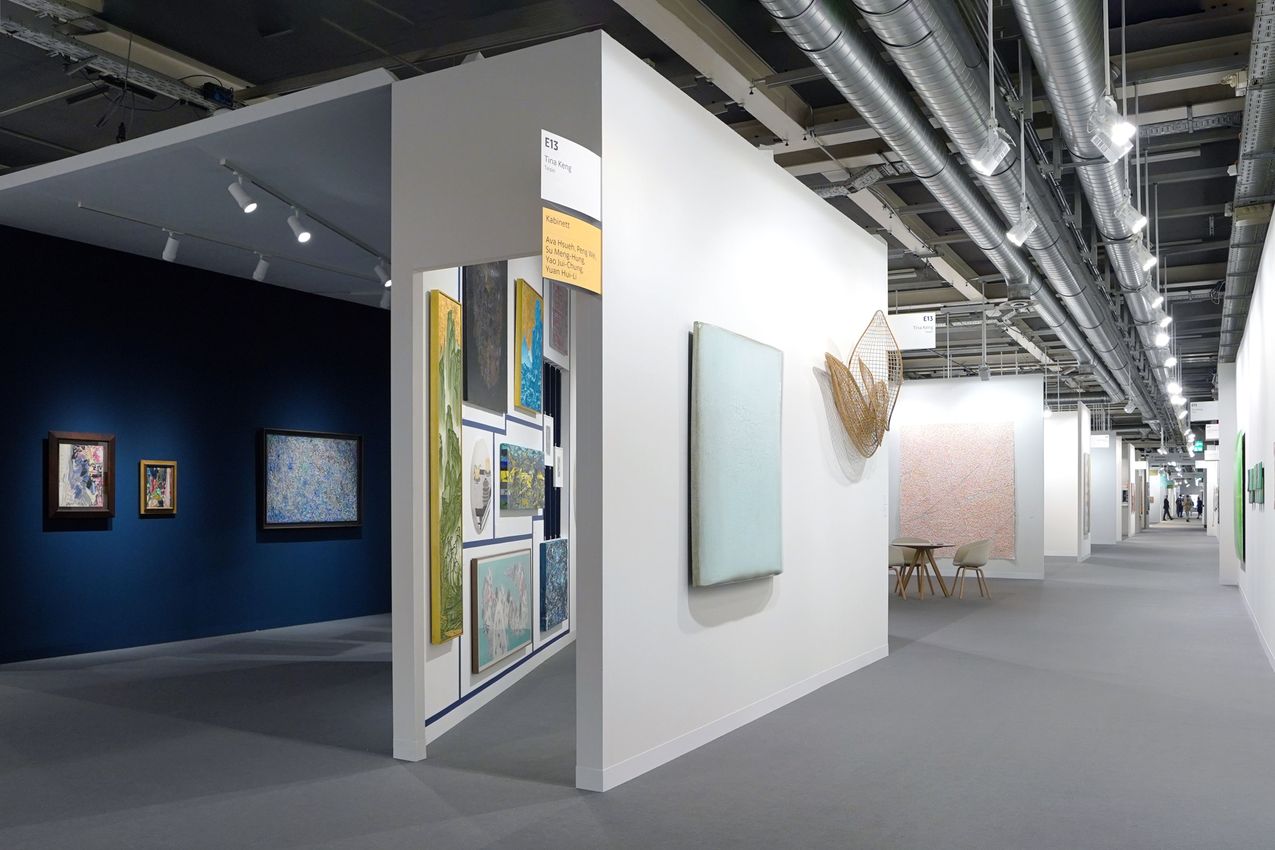
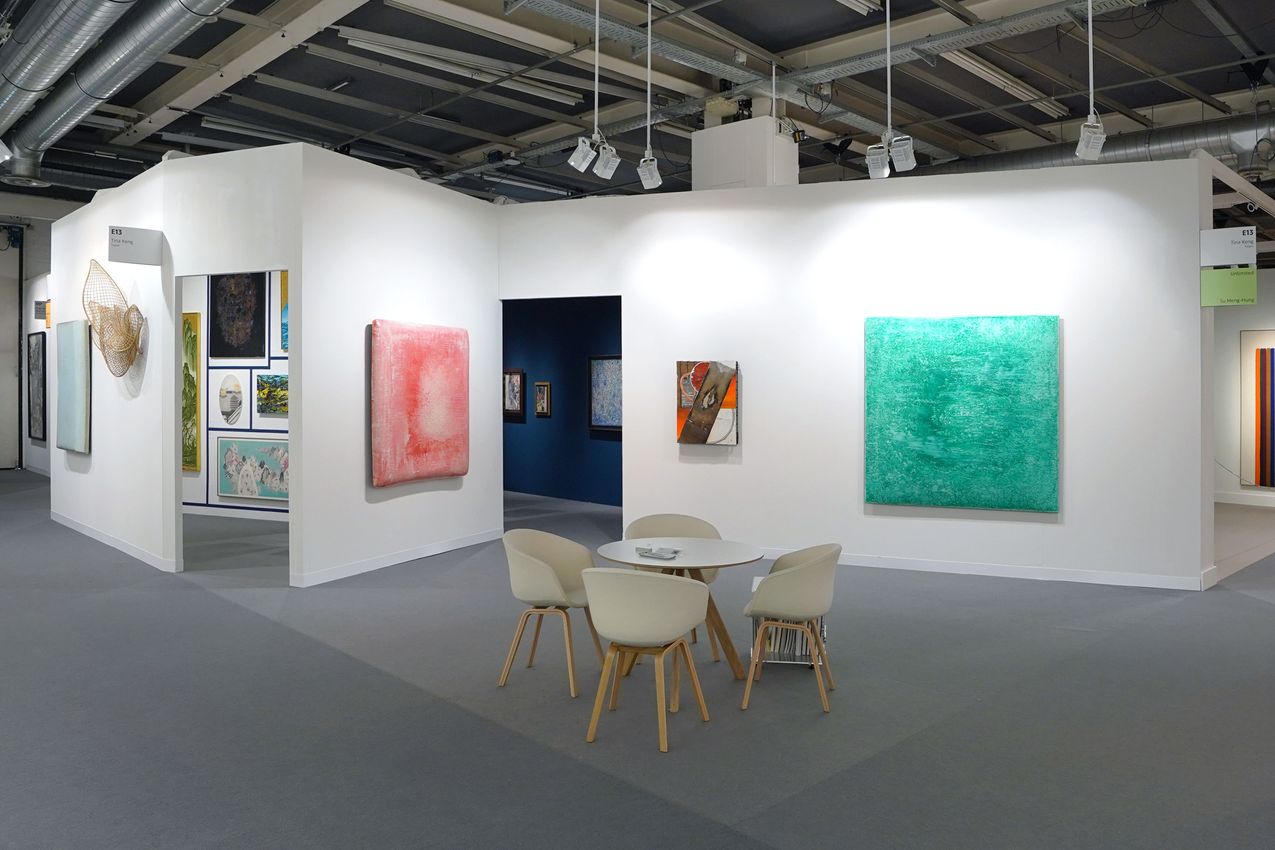
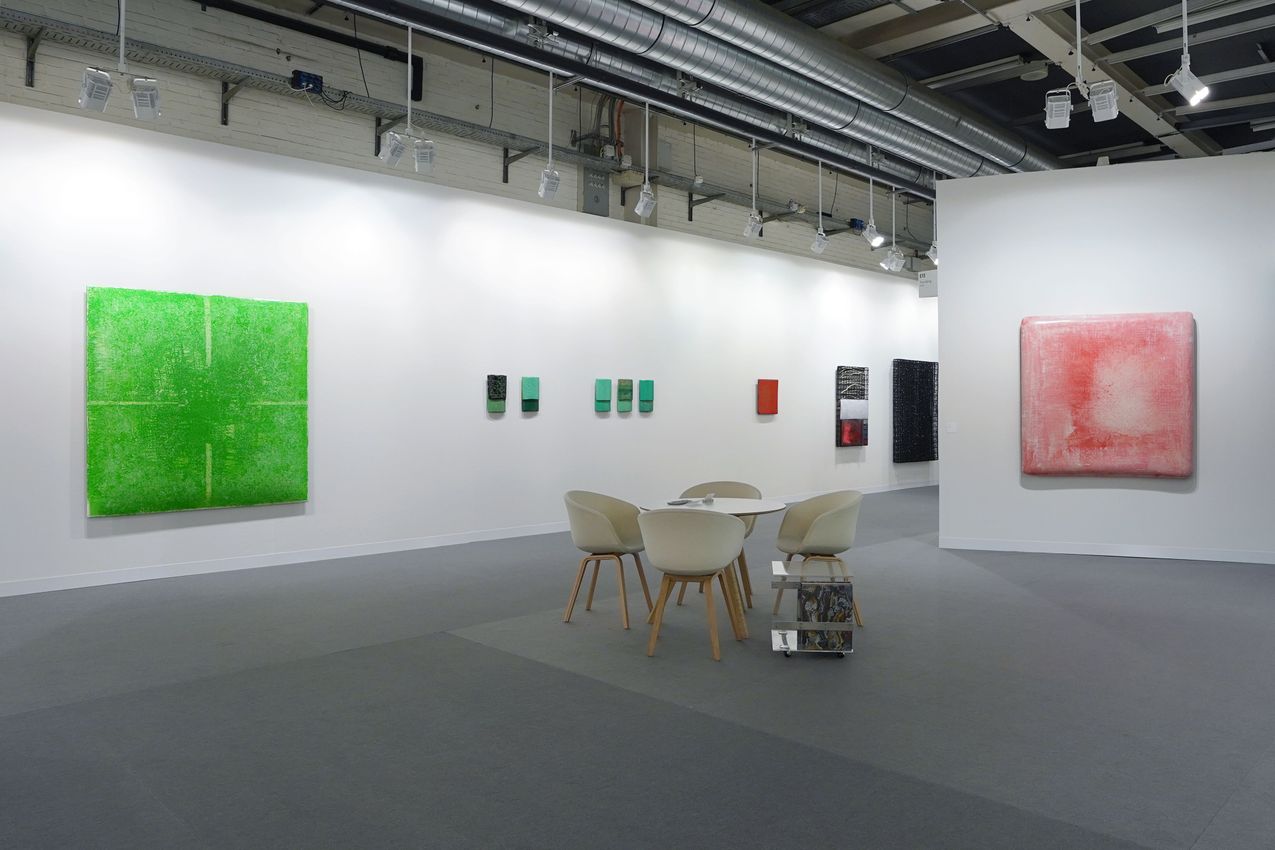
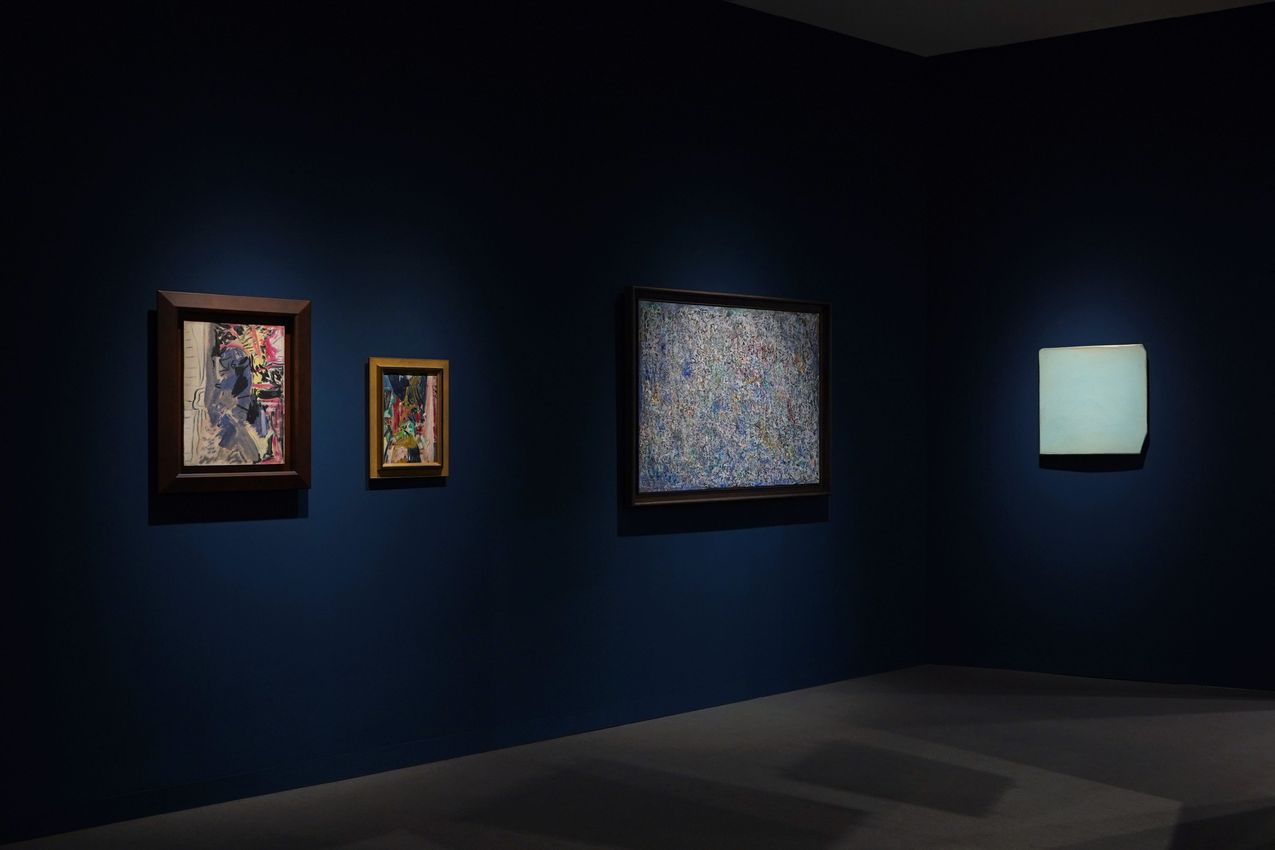
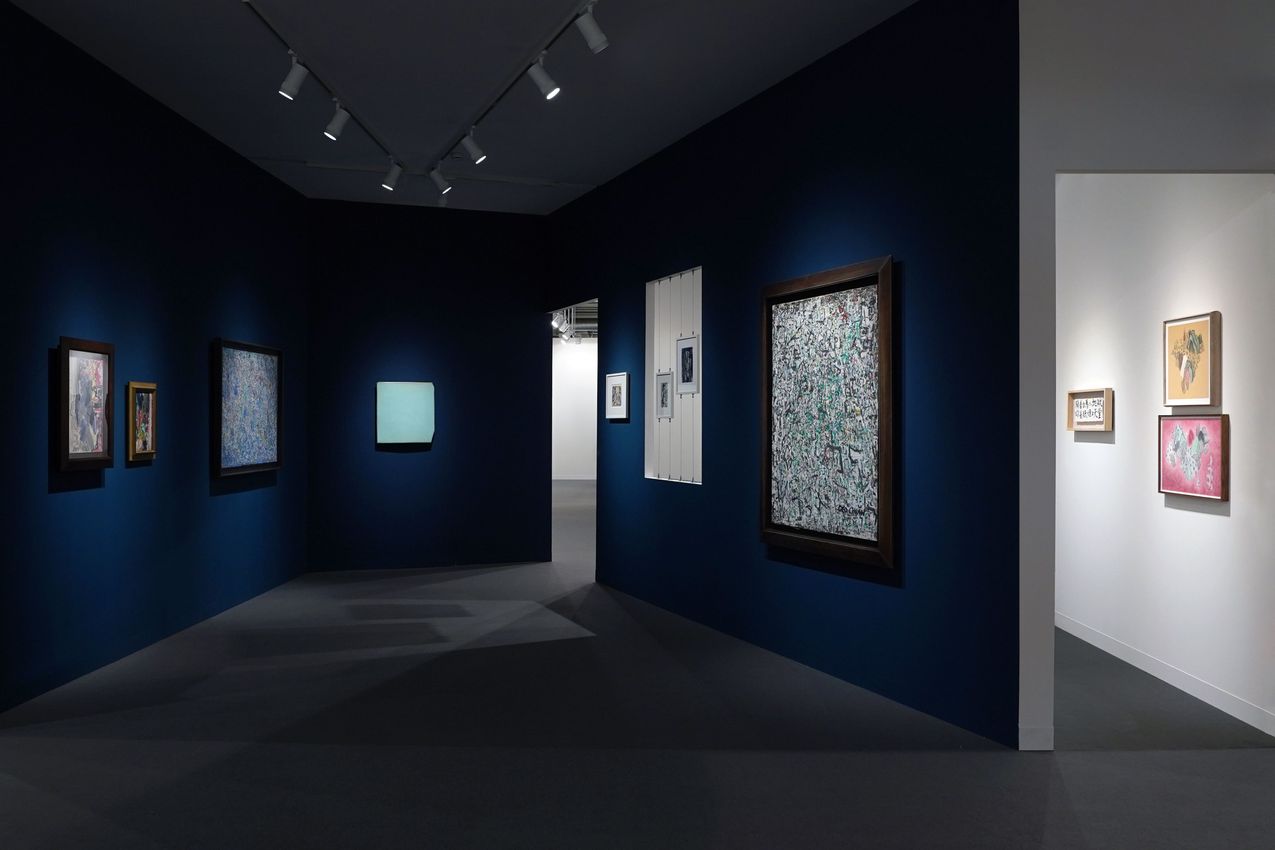
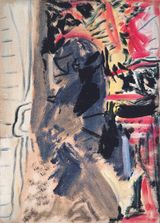
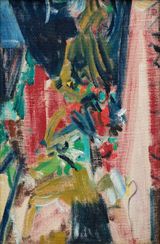
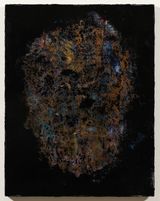
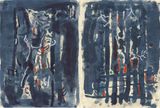
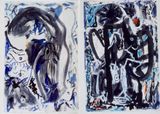
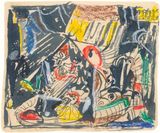
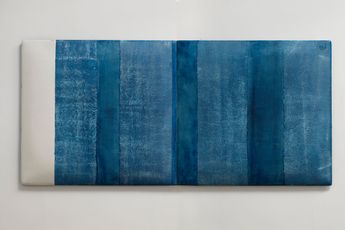
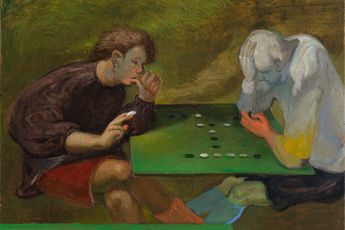
For the 2025 edition of Art Basel in Basel, Tina Keng Gallery is pleased to present Wu Dayu , George Chan, Su Xiaobai, and Sopheap Pich in a curated project that foregrounds the divide and continuation of Eastern abstract art in the past century. By tracing a hundred years of shifting cultural sensibilities, material experimentation, and conceptual vantage points, this presentation articulates an Eastern abstract aesthetic grounded in materiality, spiritual introspection, and a distinct artistic ethos that privileges essence over likeness — retaining spirit while shedding form.

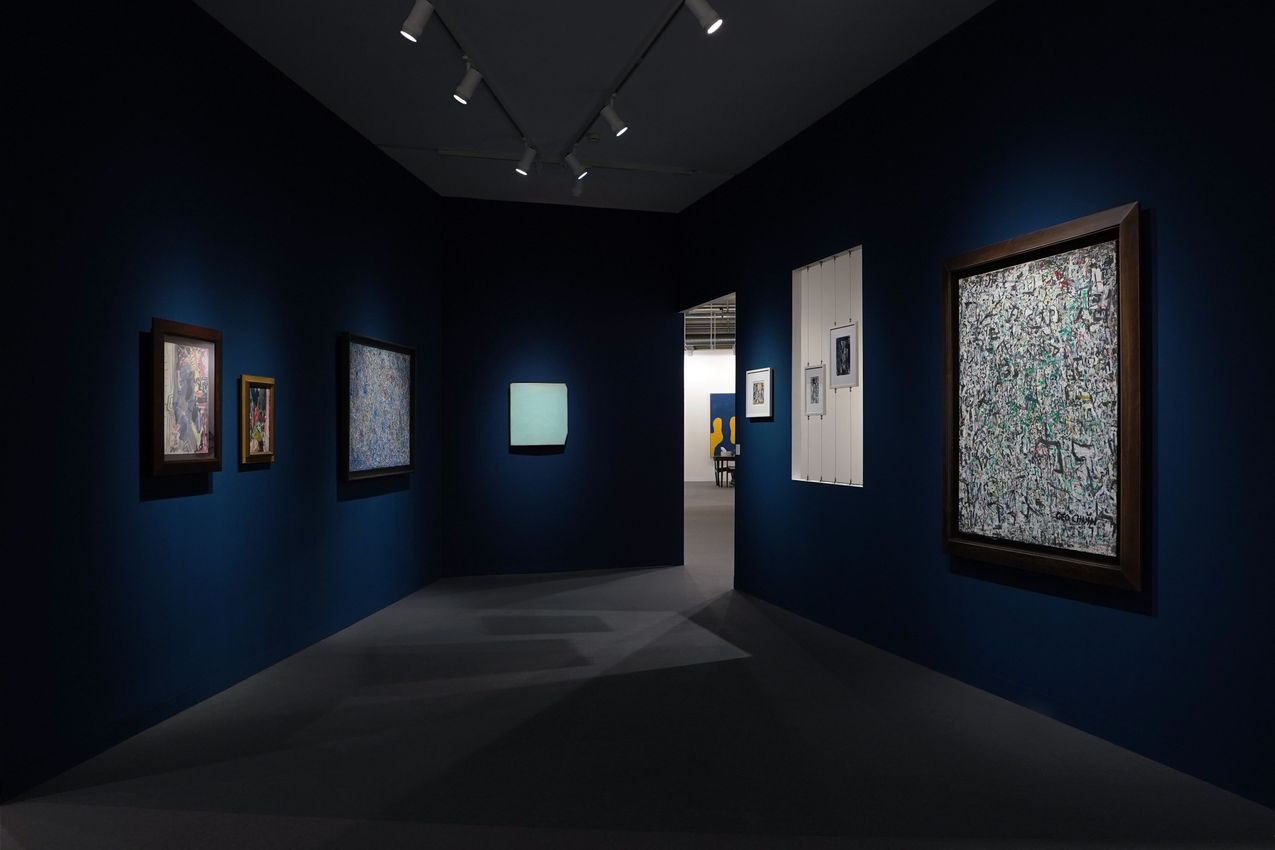
In the early 20th century when diverse modern art movements thrived, Wu Dayu (1903–1988) went to Paris — the art hub where avant-garde artists from all over the world gathered — and immersed himself in Impressionism, Cubism, and Fauvism. Fusing color theories with expressions of form, Chinese calligraphy with literati painting, Wu evinced the idea of shixiang, or Dynamic Expressionism, which amalgamated light and color, tone and hue. This profoundly influenced a generation of disciples who would later become iconic abstract painters, such as Zao Wou-Ki, Chu Teh-Chun, and Wu Guanzhong. Wu Dayu’s pioneering approach helped shape the postwar Eastern abstract art scene, aligning it with Western trends, cementing his position as a founding figure in Chinese abstract art.

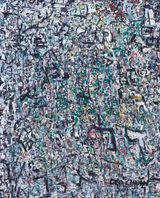
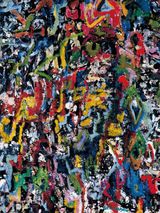
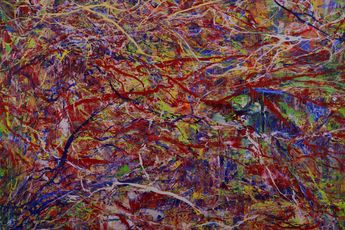
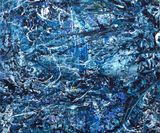
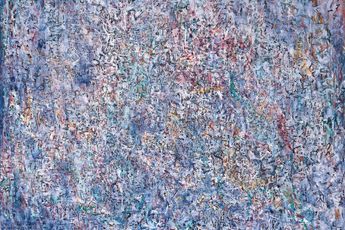
In contrast, George Chann (1913–1995), who broke out on the American art scene in the 1940s, took a different approach from Wu’s European style that was deeply rooted in Chinese heritage. Chann’s early body of work exuded a sense of humanitarian concern for the underclass before he shifted toward abstraction. Ancient Chinese artifacts and inscriptions served as his inspirations, and his layering and deconstruction of Chinese characters, ink, and paper became his tribute to and re-imagination of Chinese legacy, while he was oceans away from home. Verdigris blooming across ancient bronze and the timeworn etchings on stone tablets conjure the fading traces of civilization. In Chann’s work, abstracted characters emerge as metaphors for cultural remnants, anchoring a distinctive style of abstract expressionism that reimagines Han character traditions through a fusion of Chinese philology and Western painterly abstraction.

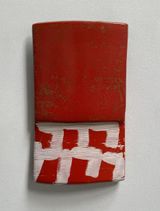
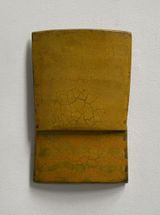
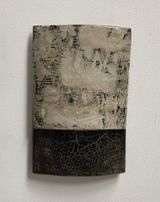
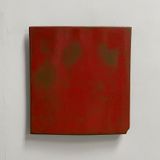
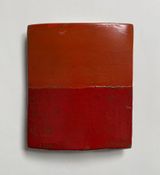
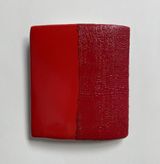
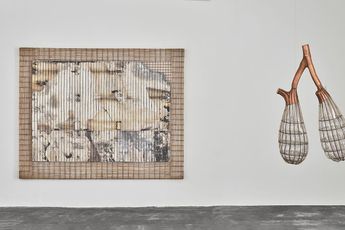
The Düsseldorf-based abstract artist Su Xiaobai (b. 1949) creates a visual vocabulary with traditional mediums — oil paint, lacquer, and linen — which embody Eastern history, tinged with wabi-sabi aesthetics. His work emanates a sense of time, with the texture of lacquer exuding a warm luster. The sensuous and rounded edges, the weathered and cracked surfaces, all speak of a unity of humanity and nature, transforming the dialogue between traditional craftsmanship and contemporary art into a transcultural experience.

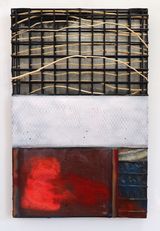
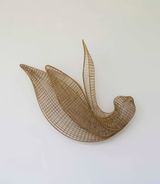
For Cambodian artist Sopheap Pich (b. 1971), nature and memory serve as profound sources of creative inspiration, allowing him to deepen his connection with traditional culture. Through the use of natural materials from Cambodian everyday life, from bamboo, rattan, burlap, mineral pigments, to metals, rendered with traditional weaving techniques, he imbues concrete forms with solidity and ethereal qualities within an abstract composition. A sultry atmosphere of the tropical forest permeates his sculptures, transporting the viewer to an ancient terrain of cultural memory, where whispers of bamboo and rattan echo and linger.

From Wu Da-Yu’s shixiang, which fused Eastern and Western painting sensibilities, to George Chann’s abstraction rooted in the deconstruction of calligraphy and the semiotics of Chinese characters; from Su Xiaobai’s sculptural works that distill historical symbolism through a dialogue with traditional lacquer, to Sopheap Pich’s biomorphic abstractions born from natural materials and cultural craft traditions — these diverse practices trace a century of Eastern abstraction. Through these trajectories, Tina Keng Gallery reflects on the intersecting points of Eastern and Western modernisms, while presenting its ongoing exploration of Asia’s cultural heritage. For Western audiences, this curatorial journey opens new dimensions where Eastern abstract aesthetics and contemporary artistic thought converge.

Tina Keng Gallery in Kabinett

Duobaoge: East and West in Reflection

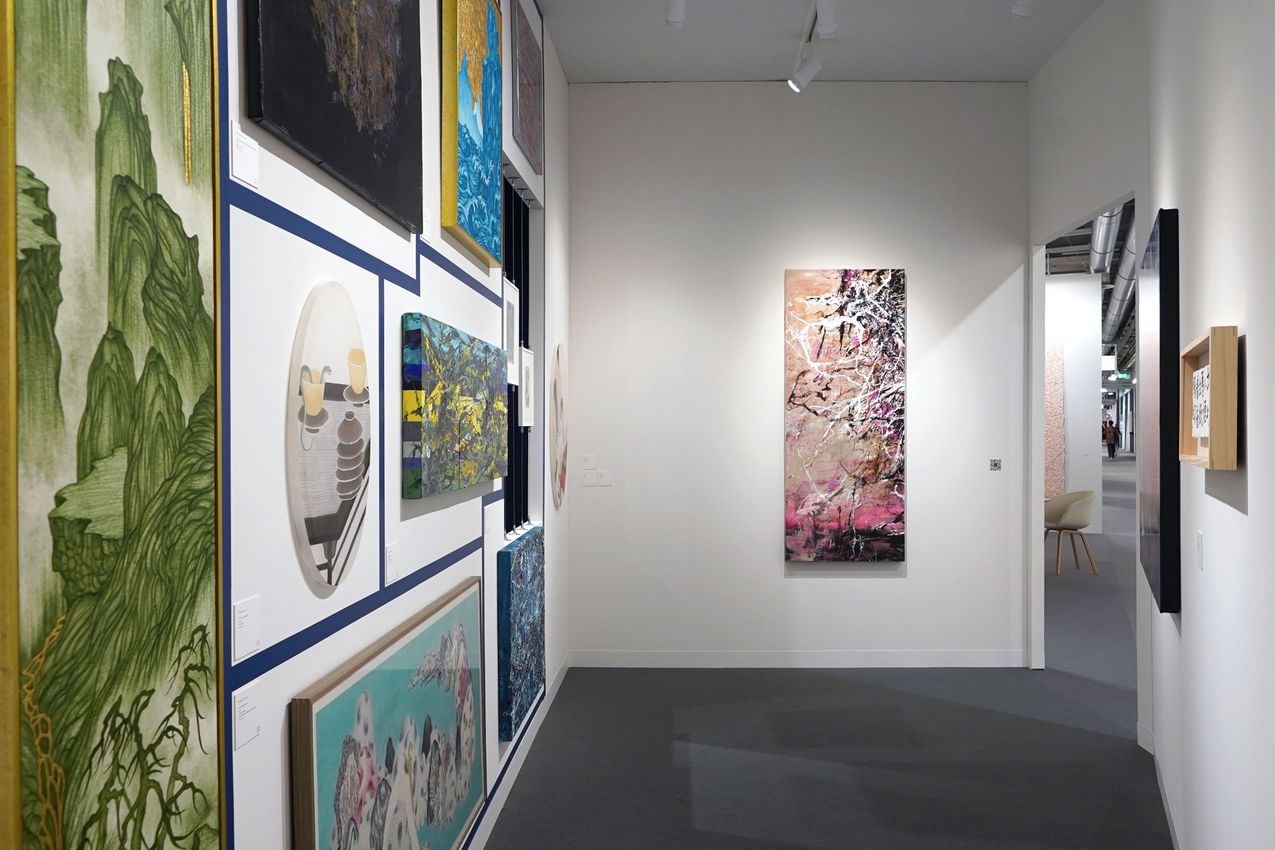
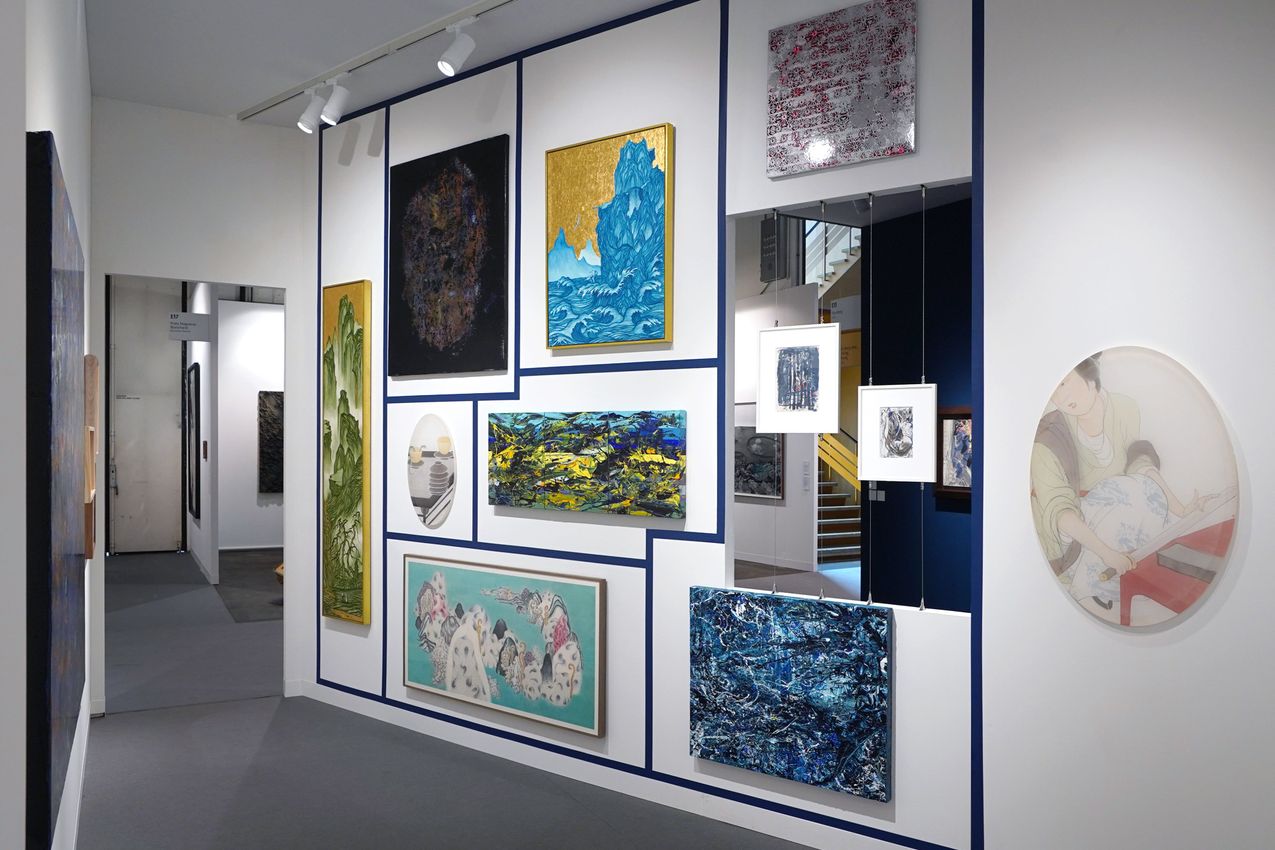
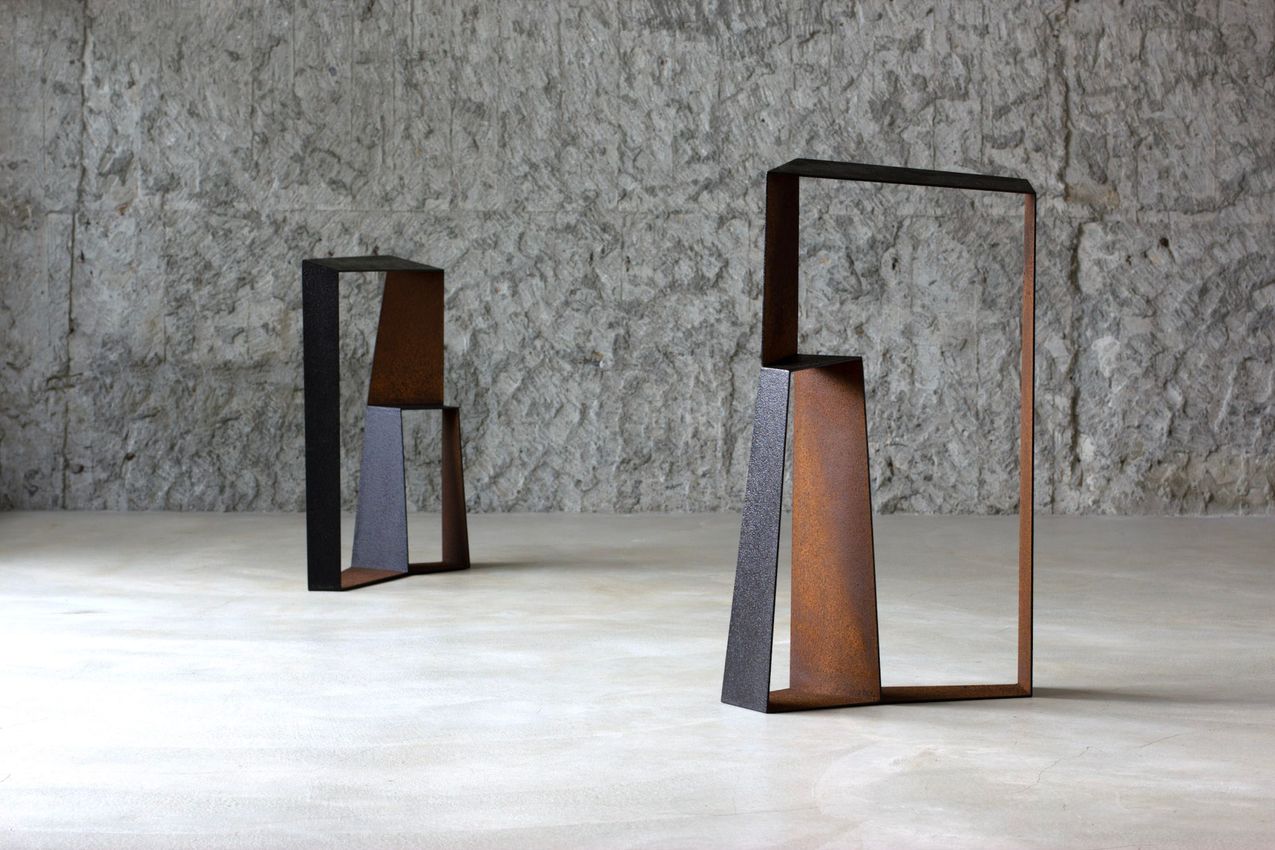
Continuing the theme of Tina Keng Gallery’s booth in the Galleries sector — which spans from early 20th-century modernism to contemporary Eastern abstract art exploration — the gallery further extends its curatorial focus through the Kabinett sector. Drawing on the concept of the duobaoge, or cabinet of curiosities, the gallery presents contemporary artistic explorations by various artists who have inherited and deconstructed traditional Eastern cultural codes. This guides the viewer into different dimensions woven from traditional Eastern aesthetics and contemporary artistic thinking, providing Western audiences with a multifaceted context of contemporary Asian art.

The duobaoge originates from ancient Chinese imperial chambers used for storing and displaying art collections. Utilizing national resources for extensive research, cataloging, and classification, it not only showcased the collector’s eclectic taste spanning ancient and modern, Chinese and foreign works, but served as a precursor to modern Eastern museums. In a chamber resembling a treasure room, elegant spatial layers are formed using openwork partition shelves of varying sizes. Different types of artworks are placed in openwork frames of unequal horizontal and vertical dimensions, at varying heights. This constructs a viewing perspective imbued with Eastern philosophy, and fosters connections between works, conjuring a continuum of past and present that evokes a treasure hunt. Through this presentation, Tina Keng Gallery reconfigures traditional Eastern aesthetics into a visual discourse that transcends time and space, guiding the viewer into a cultural journey where the trajectories of history and geography — ancient and contemporary, Eastern and Western — intersect

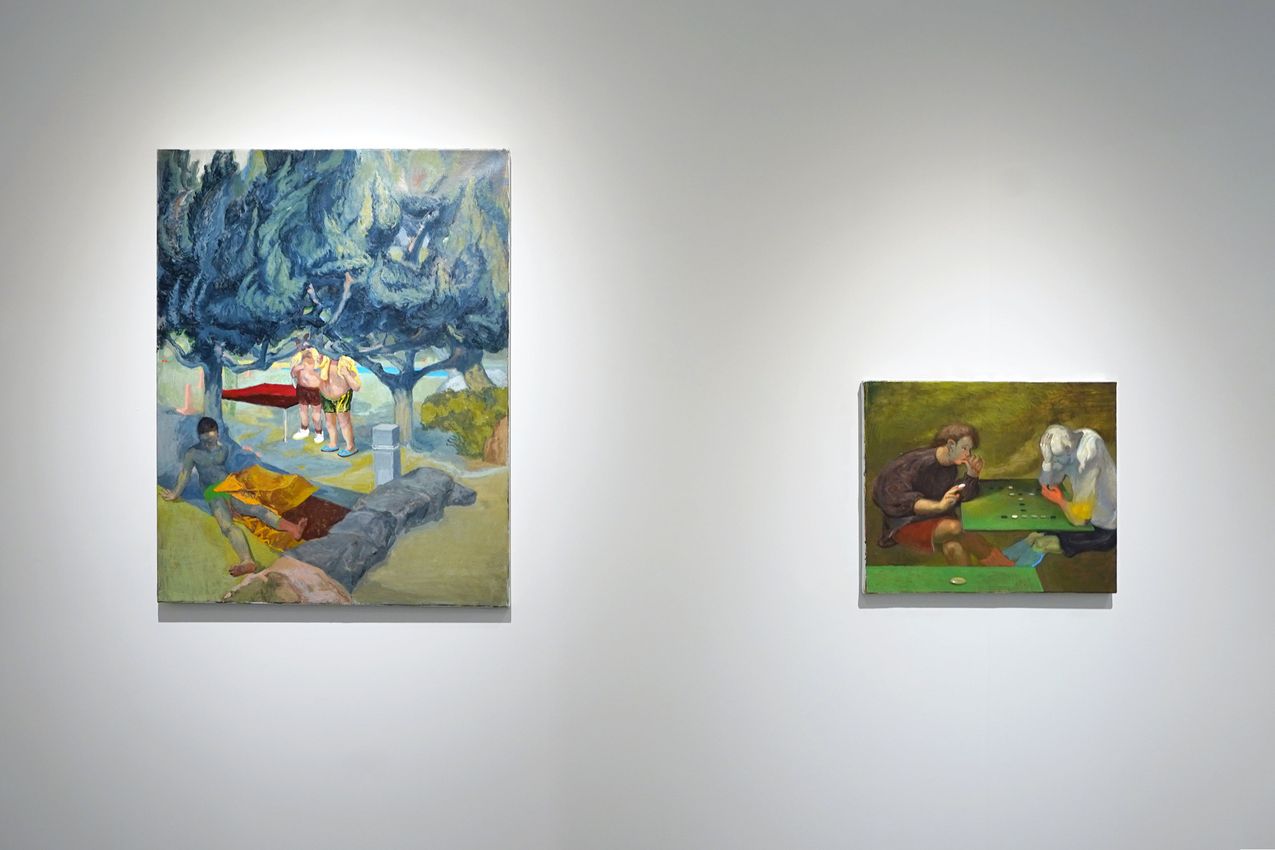
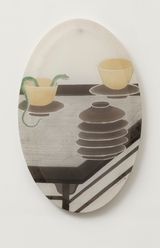
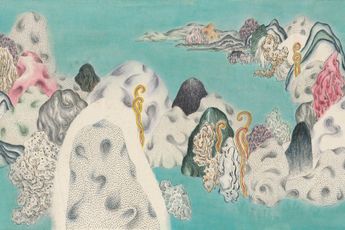
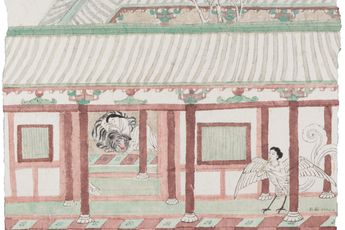
This presentation brings together contemporary works by Yao Jui-Chung (b. 1969) and Peng Wei (b. 1974), whose narrative paintings intertwine elements of Eastern traditional culture with contemporary issues. Works by Ava Hsueh (b. 1956) and Yuan Hui-Li (b. 1963) explore the dynamism of calligraphic strokes and the textural techniques of ink painting, reinterpreted through a contemporary lens. Su Meng-Hung (b. 1976) and Yang Mao-Lin (b. 1953) refine historical symbols, staging a dialogue between traditional Chinese lacquer art or sculpture and the aesthetics of contemporary consumer culture. This progression culminates in the work of Chen Ching-Yuan (b. 1984), whose paintings capture a nuanced, shared sensibility drawn from literature, history, and mythology across cultures — forming a visual constellation that, while seemingly fragmented and non-linear, resonates closely with the human condition.

This year’s Kabinett sector, nestled within a partitioned chamber of the Tina Keng Gallery booth, engages in quiet dialogue with the overarching theme of the Galleries sector outside. Like stepping into a Taiji diagram, the space unfolds across multiple layers — exterior and interior, yin and yang, legacy and the contemporary — inviting the viewer into a multidimensional narrative.

By revisiting the juncture where Western contemporary art and Eastern traditions first converged, the presentation seeks to highlight how contemporary artists carry forward, dismantle, and rearticulate historic Eastern cultural symbols. In this treasure room-like chamber, viewers from diverse cultural backgrounds are guided through a map of artistic expressions — each traversing Eastern and Western philosophies — that bridges ancestral wisdom and the contemporary. In doing so, the presentation charts new pathways for cross-cultural exchange between East and West.

Unlimited: Su Meng-Hung, Desolate Landscape on the Golden Screens

First introduced at Art Basel in Basel in 2000, the Unlimited sector offers a dedicated platform for participating blue-chip galleries to present large-scale projects that transcend the constraints of traditional booth formats. These include monumental sculptures, spatial installations, video works, murals, photographic series, and performance art. This year’s edition is curated by Giovanni Carmine, Director of Kunst Halle Sankt Gallen, and features 67 large-scale installations ranging from canonical historical works to new pieces by contemporary artists.
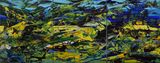
Following the enthusiastic reception of the large-scale installation Farewell, Spring and Autumn __Pavilions by Taiwanese contemporary art pioneer Wu Tien-Chang (b. 1956) in the 2024 edition of Unlimited, Tina Keng Gallery returns this year with a new spatial installation by Su Meng-Hung (b. 1976), titled Desolate Landscape on the Golden Screens. Selected by the curator for inclusion, this monumental new work makes its world premiere on the foremost global stage of Art Basel.

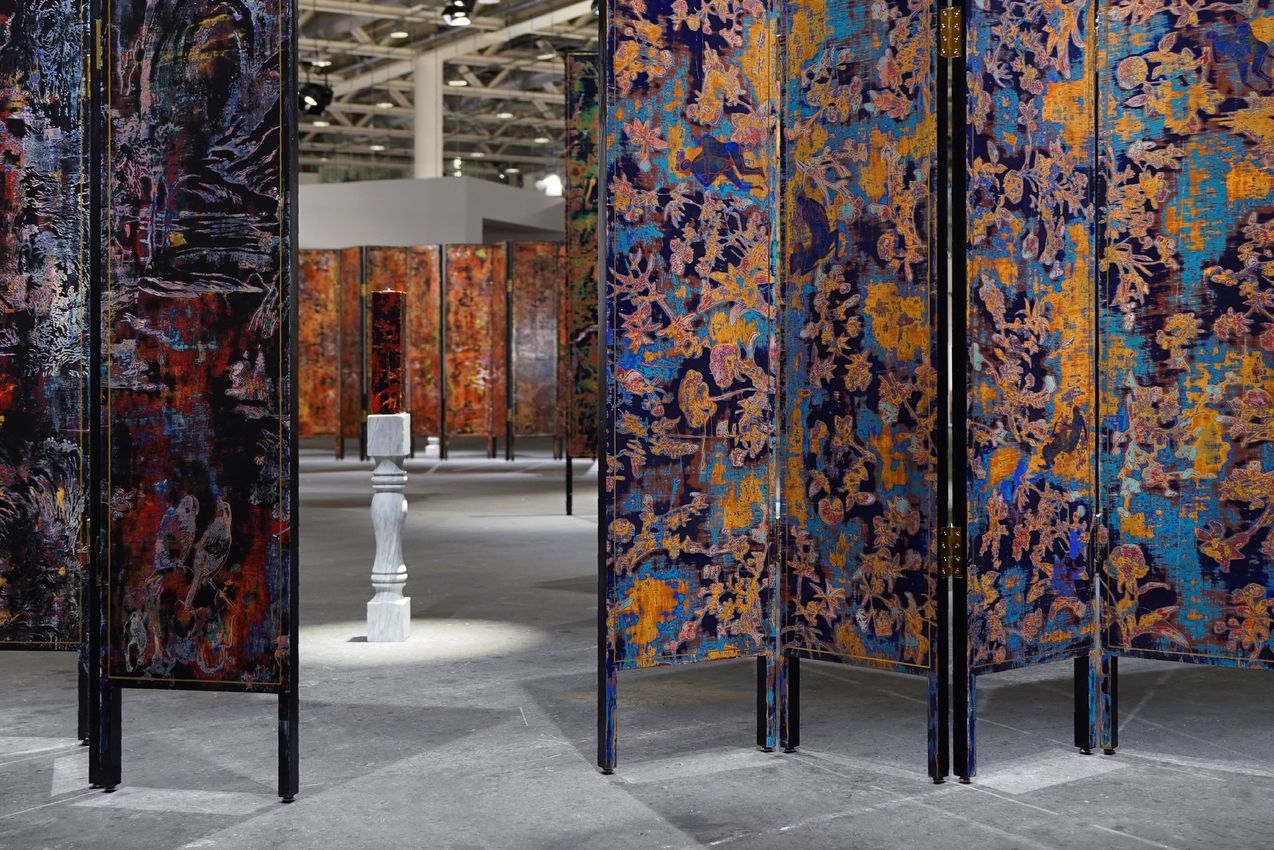
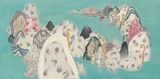
Taking traditional Chinese carved lacquer folding screens in ebony as a visual inspiration, Su Meng-Hung builds up thick layers of paint, then sands them down to reveal silkscreened outlines beneath — leaving behind mottled lines and color fragments that become the primary visual language of the work. Scattered across the surface of the screens are non-linear pictorial patterns: illustrations excerpted from classic texts such as The Manual of the Mustard Seed Garden, Dream of the Red Chamber, and The Golden Lotus. Through the dislocation of temporal and spatial contexts, these ornamental fragments shimmer with imagined glimpses, and proliferate into a constellation of visual signs. Juxtaposing the void and the ornate, elegance and kitsch, literati aesthetics and contemporary consumer culture, Su deftly reimagines the traditional East Asian folding screen as a conduit for modern artistic expression.

At the same time, Su investigates the screen’s inherent humanistic qualities — its mobility and function as a semi-permeable divider — unraveling it into intangible psychological boundaries and markers of power. The hidden erotic imagery interwoven into bird-and-flower motifs on the screen panels quietly alludes to a web of binary relations: appearance and essence, public and private. In Desolate Landscape on the Golden Screens, Su transforms the installation into a metaphorical vessel composed of object, painting, and spatial logic. As the viewer meanders and peers through its folds, they encounter a rich visual language of symbols, colors, and arrangements drawn from Eastern heritage. Resembling an elaborate Eastern garden framed by lacquered screens, the setting ushers the viewer into a space governed by the silent choreography and pliable boundaries of power.
Read More

Installation Views

Selected Works

Loading...

Artists Exhibiting

Also Exhibiting at Tina Keng Gallery

The art world in focus