





SOPHEAP PICH
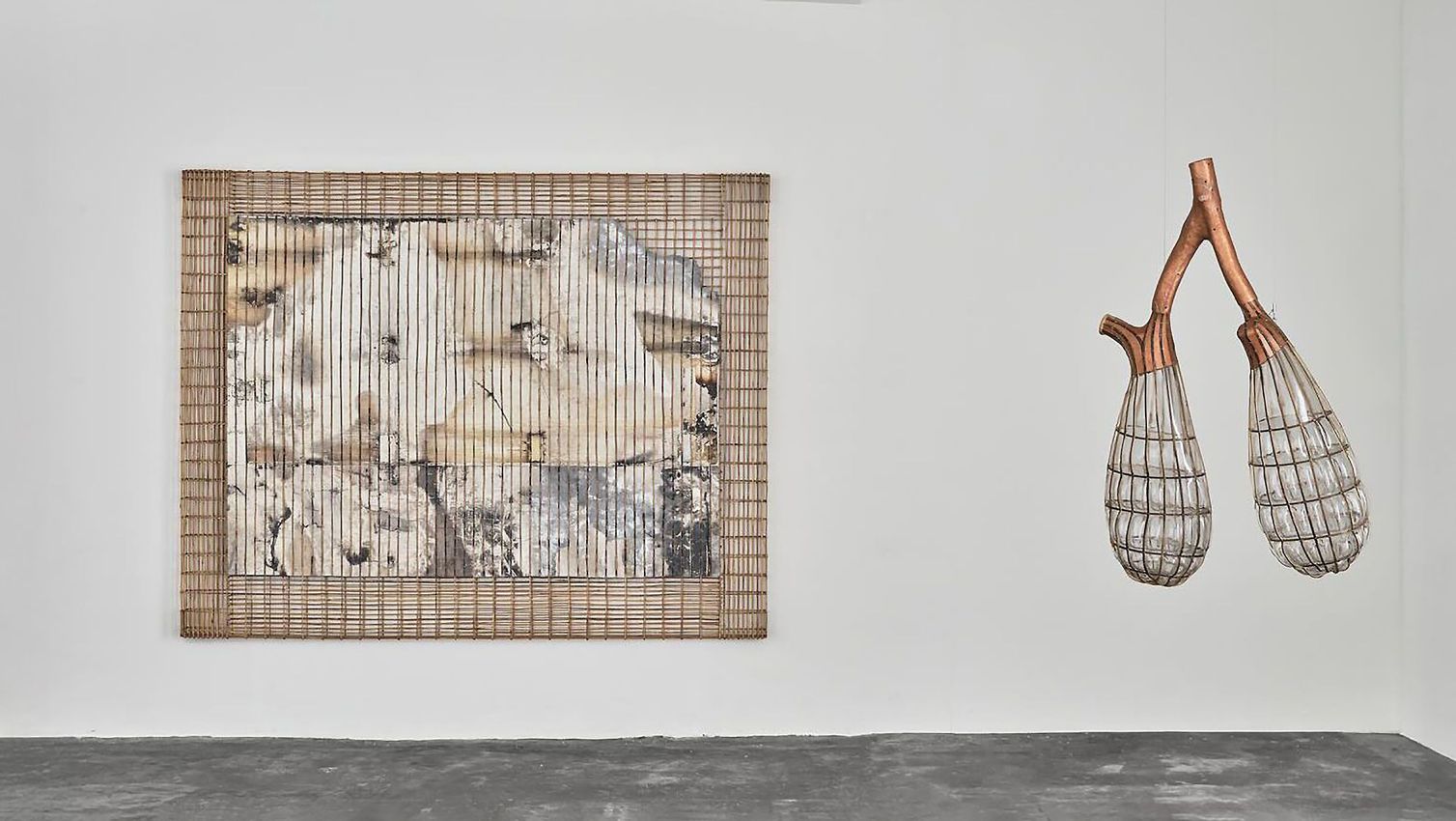
b. 1971, CambodiaSopheap Pich was born in 1971 in Battambang, Cambodia. In 1979, when the Vietnamese invasion led to the ousting of the Khmer Rouge regime, he fled with his family to Thailand, spending four years in refugee camps before immigrating to the United States. Memories of traveling vast distances on foot and witnessing the devastation of war—broken bodies, ravaged landscapes, abandoned artillery, and ruined buildings—underpin his sculptural practice. While Pich studied painting, earning a BFA from the University of Massachusetts, Amherst (1995), and an MFA from the School of the Art Institute of Chicago (1999), he turned his attention to sculpture after returning to Cambodia in 2002. In 2003, he established the artist group Saklapel and launched the acclaimed exhibition Visual Art Open (2005) in the Cambodian capital Phnom Penh. He made his first sculpture Silence, an interconnected pair of lung-shaped forms woven from rattan, in 2004. Pich also cofounded the alternative organization Sala Artspace, Phnom Penh (2006—07), which hosted a series of residencies.
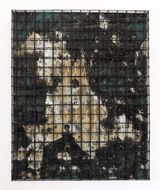
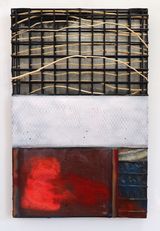
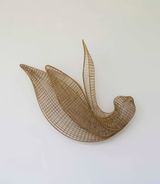
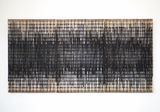
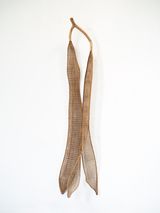
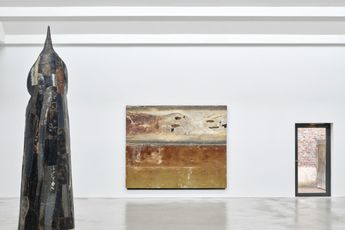
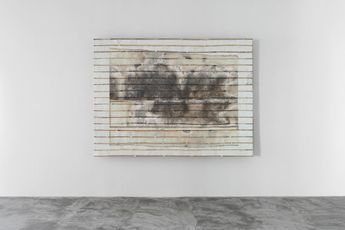
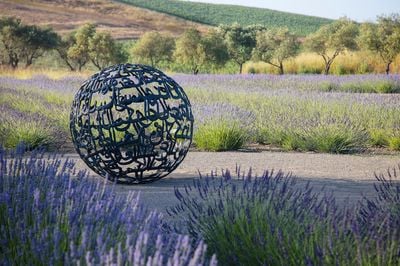
In 2005, Pich gave up painting altogether in favor of making three-dimensional objects, in a process that poetically simulates reconstruction. He draws his materials, primarily rattan and bamboo, from indigenous sources and uses a traditional weaving technique. The resultant biomorphic structures suggest scaffolding for as-yet unbuilt forms, their spare, organic geometries appealing to a Post-Minimal aesthetic. In addition to employing bodily references, the artist draws inspiration from landscape (Delta and Flow, both 2007) and architecture (Compound, 2011). In more elaborate constructions from the late 2000s, Pich salvaged detritus from the trash heaps of developing Phnom Penh, giving works like Junk Nutrients (2009) a mottled, rag-tag look. In a series of wall reliefs from 2012, he returns to the format of painting, rendering hybridized, abstract compositions in materials derived from his sculptural practice by infusing burlap canvases (rice sacks) with Cambodian soils for pigments, sealing them with beeswax, and setting them in three-dimensional bamboo grids.












Explore Sopheap Pich's Exhibitions










Explore and Follow Artists Shaping Contemporary Art
A respected voice in contemporary art discourse.
Focusing on ambitious storytelling and insightful art-world commentary. Ocula Magazine publishes in-depth interviews, critical essays and timely analysis on the artists, exhibitions and ideas driving the global art world.
Learn more about Ocula Magazine
Showcasing the best of the art world.
Ocula partners with galleries from around the world to highlight their artists, artworks and exhibitions. Gallery membership is by application and invitation, with each member vetted by an independent panel.
Learn more about Ocula Membership
Specialises in the sale of major artworks.
Led by a team with deep ties to the world’s leading auction houses, galleries and collectors. Ocula’s advisory team offers bespoke services to high-net-worth clients from around the world who are looking to acquire the best of contemporary and modern art.
Learn more about our team and services