Press Release

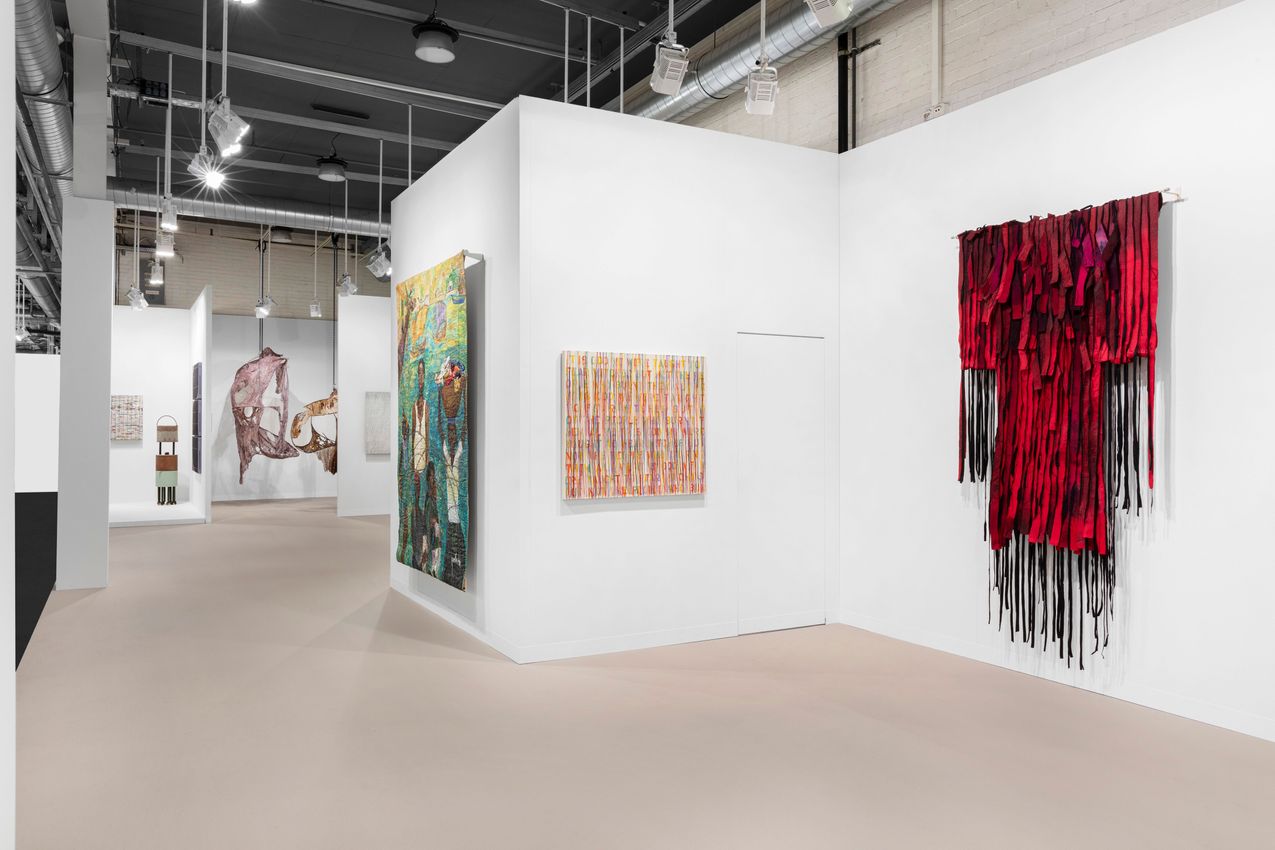
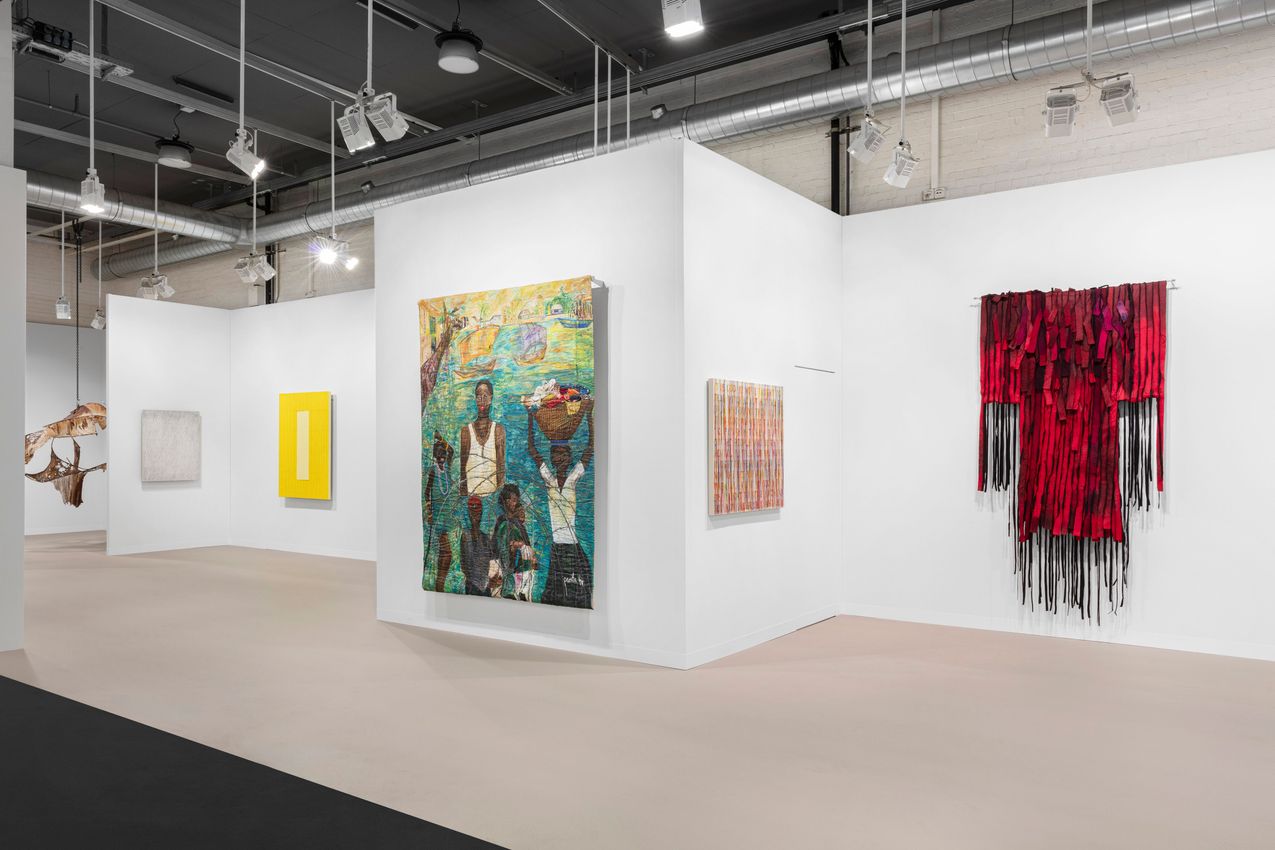
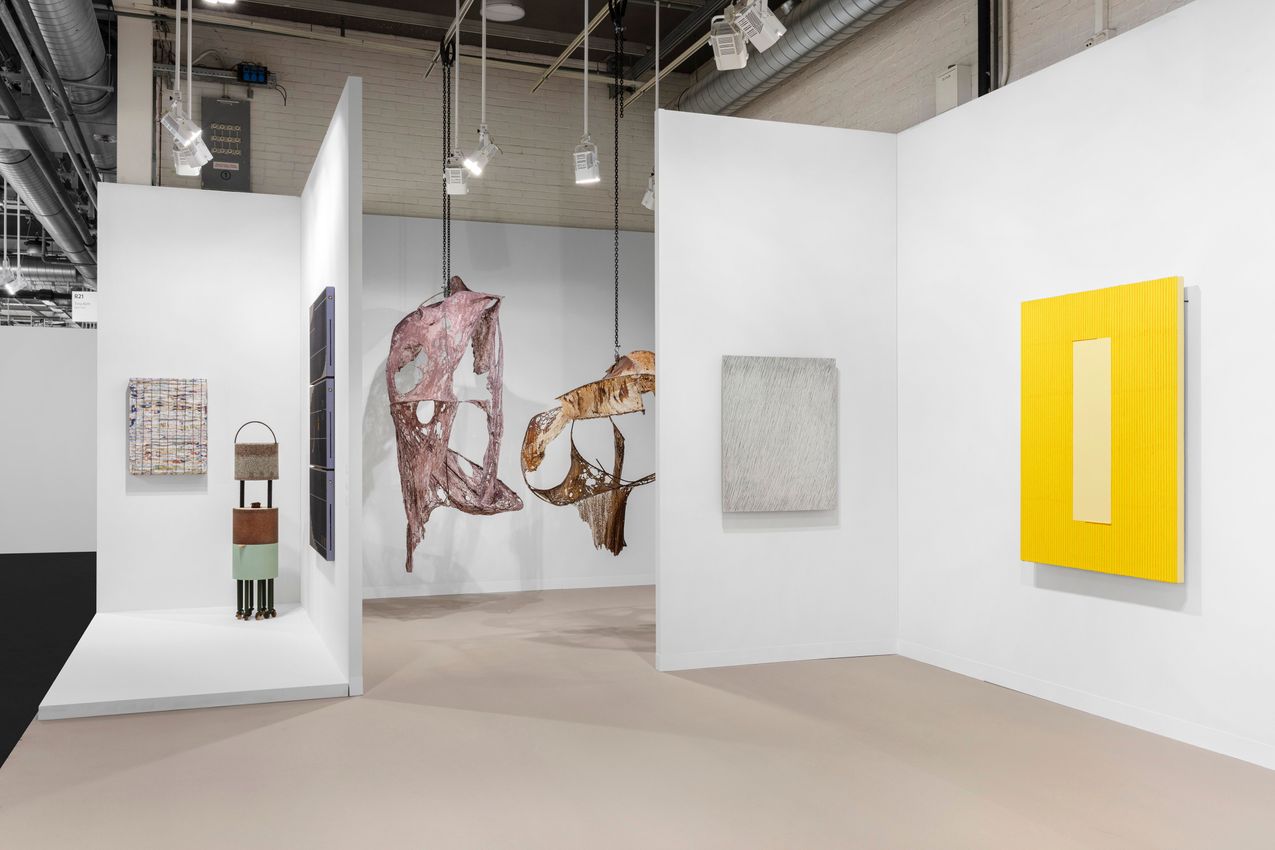
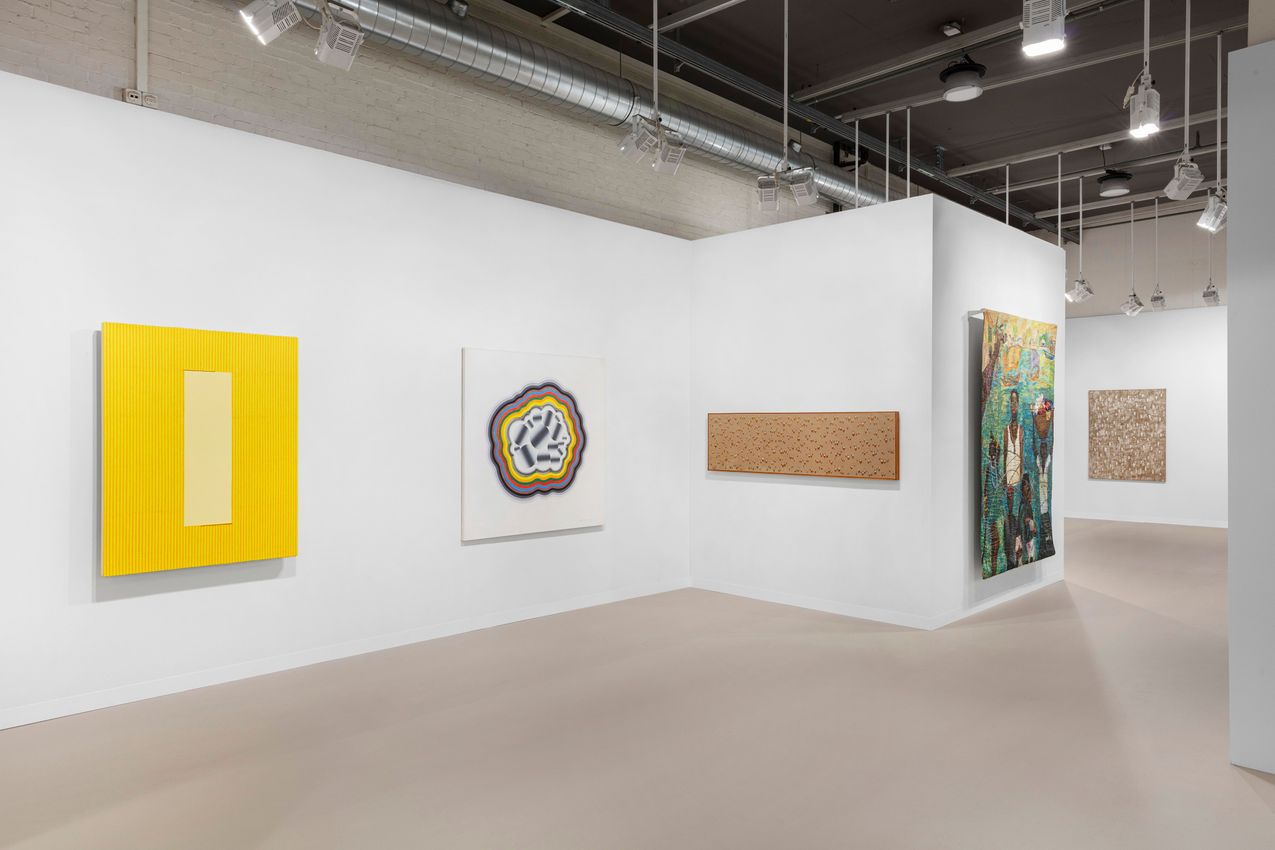
Tina Kim Gallery is delighted to return to Art Basel with a presentation in the fair’s Galleries sector as well as in the Unlimited sector, dedicated to in-situ projects that transcend the scale of the classical art fair booth. Our booth in the Galleries sector brings together highlights from our program, featuring artists grappling with themes of artistic and cultural tradition, migration, and globalization, as well as seminal works from the Dansaekhwa movement and other key figures in modern Korean art. For the Unlimited sector, we are deeply honored to present works by the late Suki Seokyeong Kang (1977– 2025), whose recent passing is a great tragedy for all who knew her and her extraordinary work.

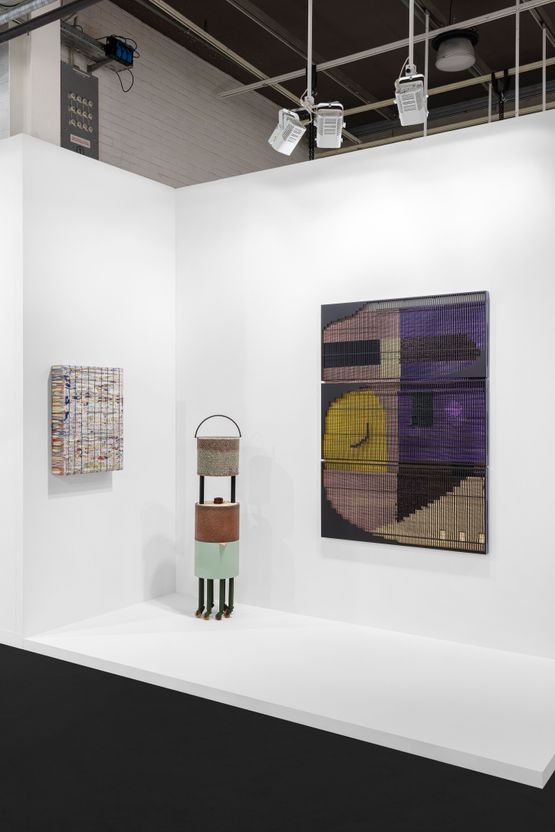
The expansive practice of Korean artist Suki Seokyeong Kang—featured in both our main booth and Unlimited presentation—encompasses painting, sculpture, video, performance, and multimedia installations that pay homage to Korean artistic traditions while exploring the relationship between social structures, physical space, and the human body. With great sadness, we mourn Kang’s recent passing in April, a profound loss to the gallery and the global art community. In Kang’s memory, we are honored to present a selection of her groundbreaking paintings and sculptures, which reflect her distinctive approach to material and form. Combining elements like woven thread, reed mats, and painted steel, these abstract sculptures and paintings transform the surrounding space into a site of embodiment, reflection, and communal presence.

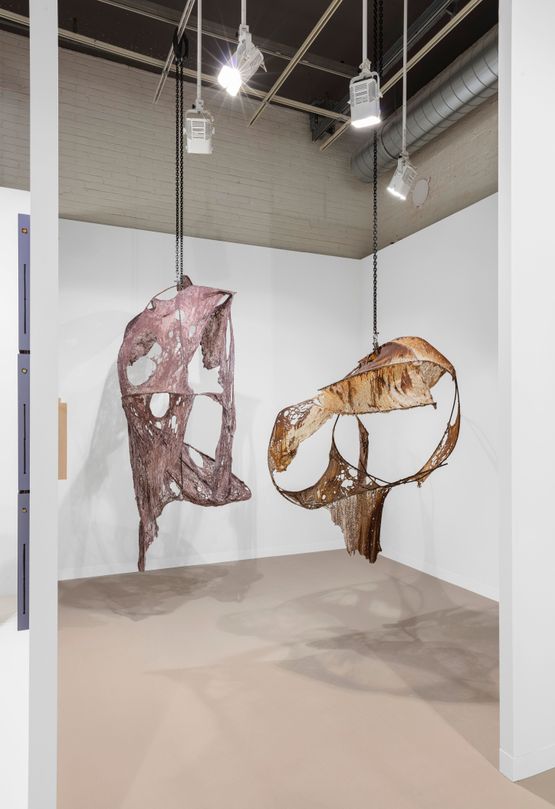
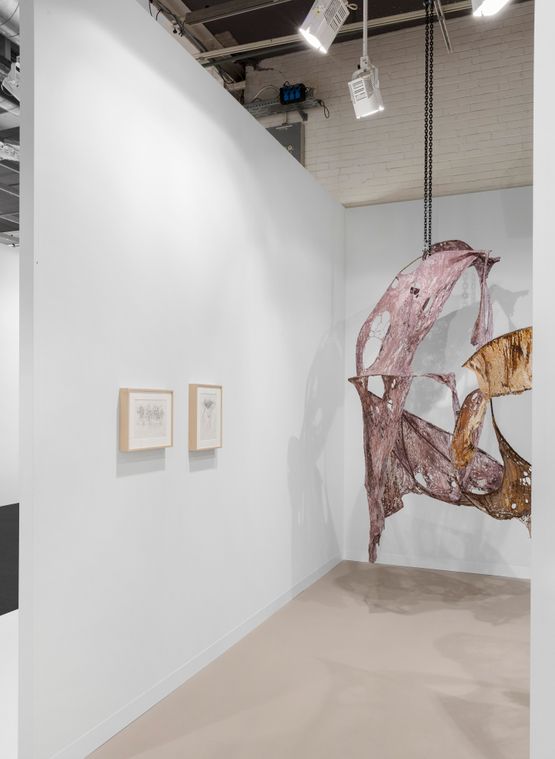
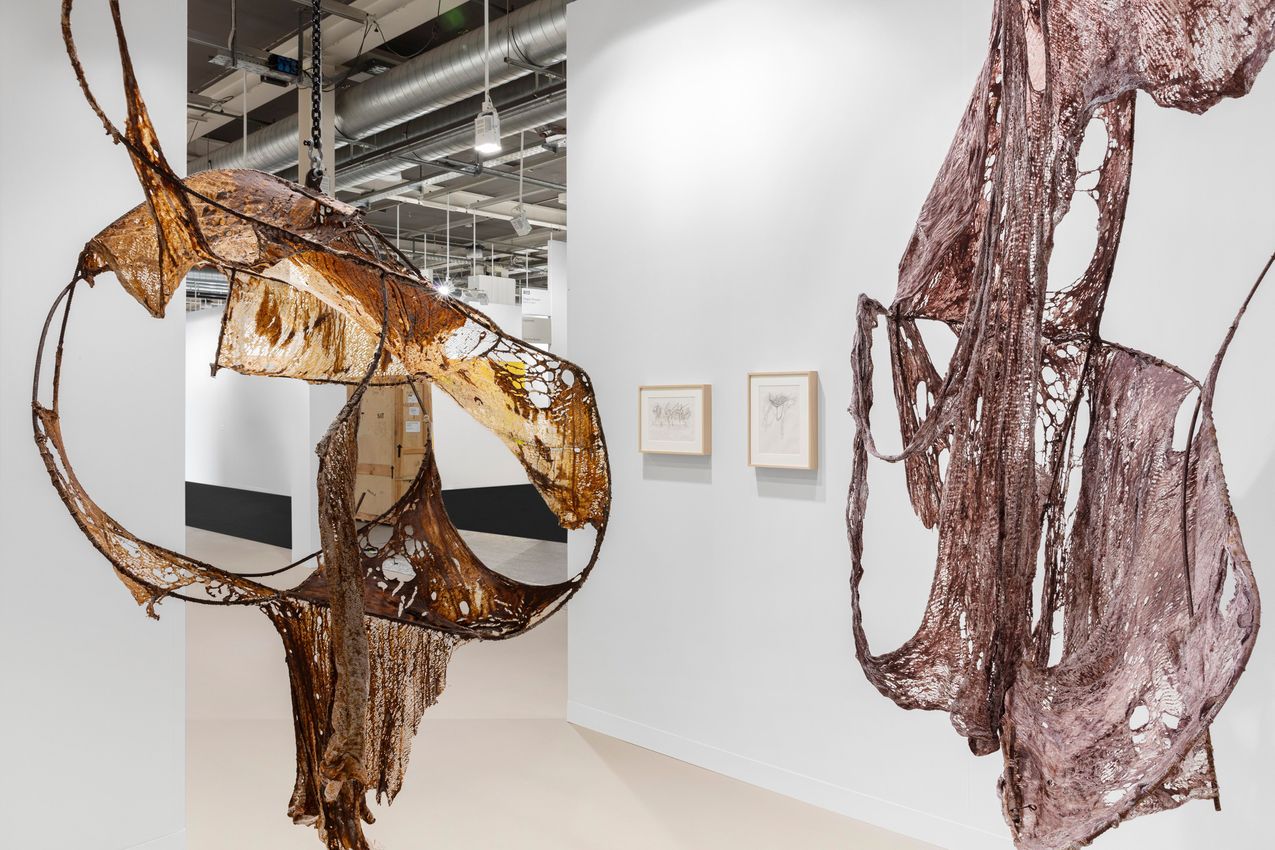
Mire Lee’s ambitious installations use industrial materials and mechanical systems to evoke the textures and movements of living organisms, simultaneously unsettling and captivating viewers. For the first time, Tina Kim Gallery presents works from Open Wound, Lee’s recent commission for Tate Modern’s Turbine Hall. Sculptures featuring skeletal structures of steel rebar are wrapped in skin-like, industrial-mesh fabric. At once haunting and provocative, with this work Lee emphasizes human vulnerability and underscores the significance of the individual within the greater, laboring collective.

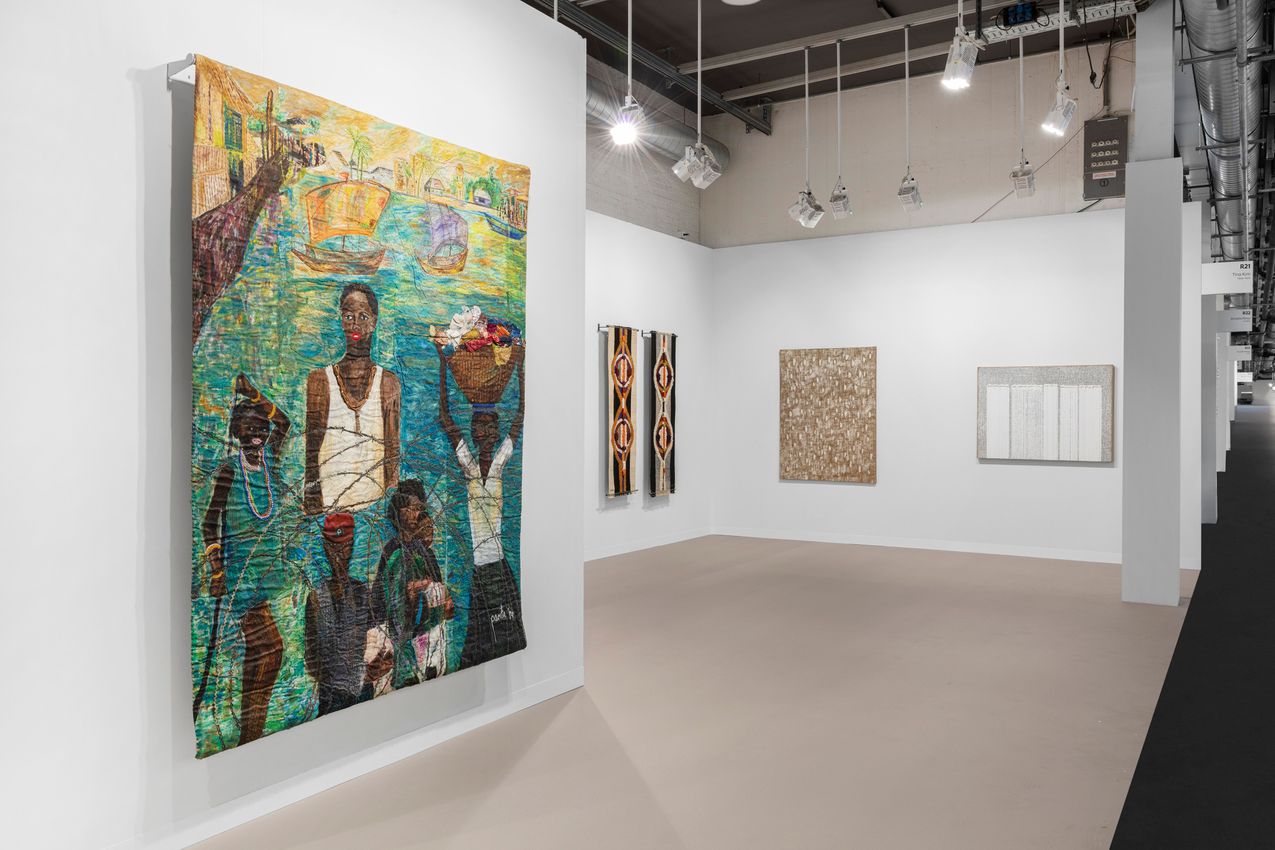
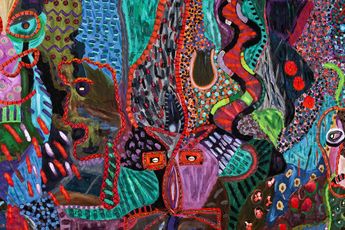
Though underrecognized in her lifetime, the late Filipina-American artist Pacita Abad was recently the subject of a celebrated retrospective that toured major North American museums, including the Walker Art Center, SFMOMA, MoMA PS1, and AGO Toronto. Pacita is best known for her signature “trapunto” paintings, in which painted canvases are stitched and padded like quilts, then embellished with elements like sequins, buttons, ribbons, and shells. We are excited to present two significant trapunto works from her “Asian Abstraction” and “Immigrant Experience” series, created during the 1980s and 1990s.

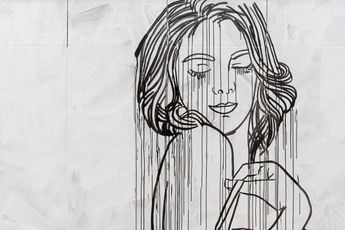
Ghada Amer has long incorporated embroidery into her paintings, expressing her interest in women’s labor and advocacy for gender equality. Signature to her practice are provocative portraits of women that explore female objectification and sexuality, as well as text-based works that convey defiant feminist messages. In her 2025 painting THREAT, Amer uses gel medium to affix flame-like embroidery threads to the canvas, amplifying the painting’s feminist message on historical injustice.

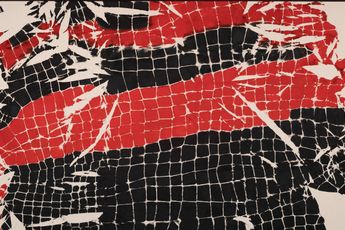
We are delighted to bring new works by Maia Ruth Lee, a Korea-born, Colorado-based artist whose multidisciplinary practice reflects her cross-cultural upbringing between Korea and Nepal. Paintings from Lee’s Bondage Baggage series begin with a canvas that is tied into a bundle— resembling the way Nepali migrant workers transport their belongings—before being dyed with ink. Once flattened, the ink-stained canvas bears the imprint of its former shape, with an image that recalls a fence, a map, or boundary lines.

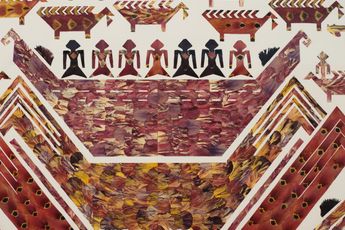
The Dutch artist Jennifer Tee creates collages from pressed tulip petals, arranging them into intricate designs inspired by Indonesian tampan cloths. The works juxtapose the ritualistic symbolism of the tampan cloths—traditionally used in rites of passage like birth, death, and coming-of-age—with the tulip, a symbol of Dutch colonial prosperity. In doing so, Tee reflects her own cross-cultural identity of mixed Dutch and Chinese-Indonesian heritage, as well as addressing themes of migration and the enduring legacy of colonialism.

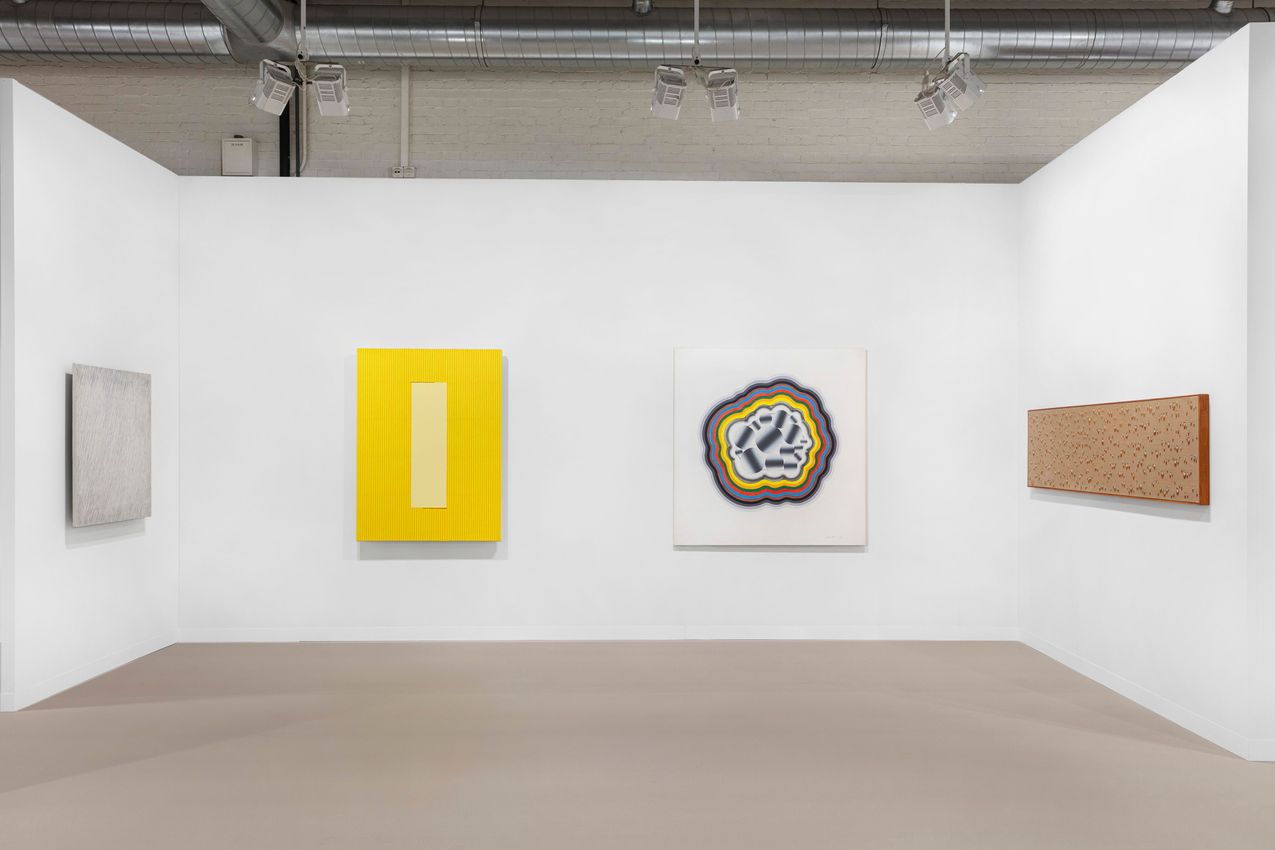
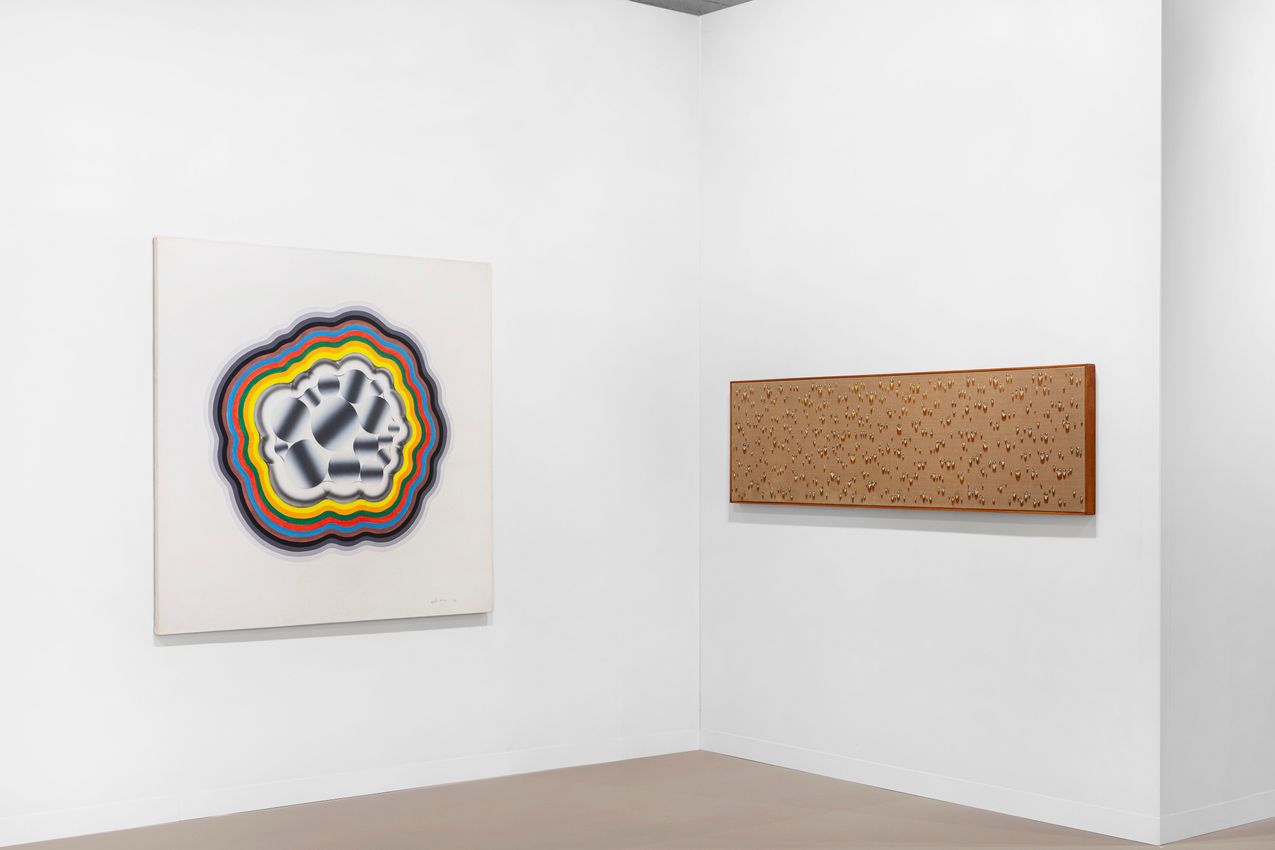
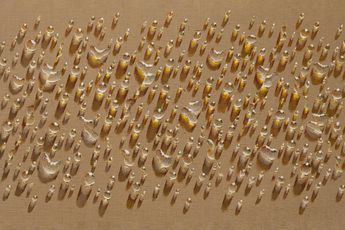
The late Korean painter Kim Tschang-Yeul distinguished himself in the international art scene through his singular focus on depicting water drops, a motif he began exploring in the early 1970s upon moving to Paris. Strongly influenced by Eastern philosophy, Kim’s water drops became a ritualistic exercise in patience and reflection, leading him to paint endless variations of the subject. A retrospective exhibition of Kim’s work will be held at MMCA Seoul this August.

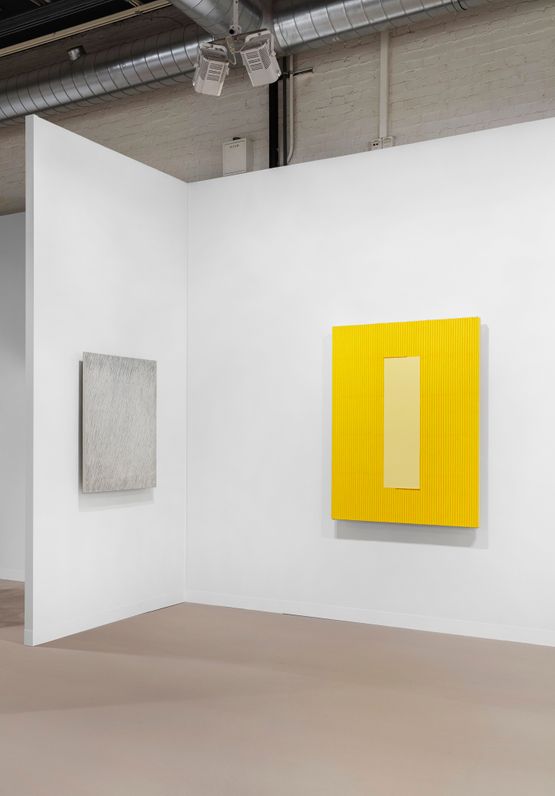
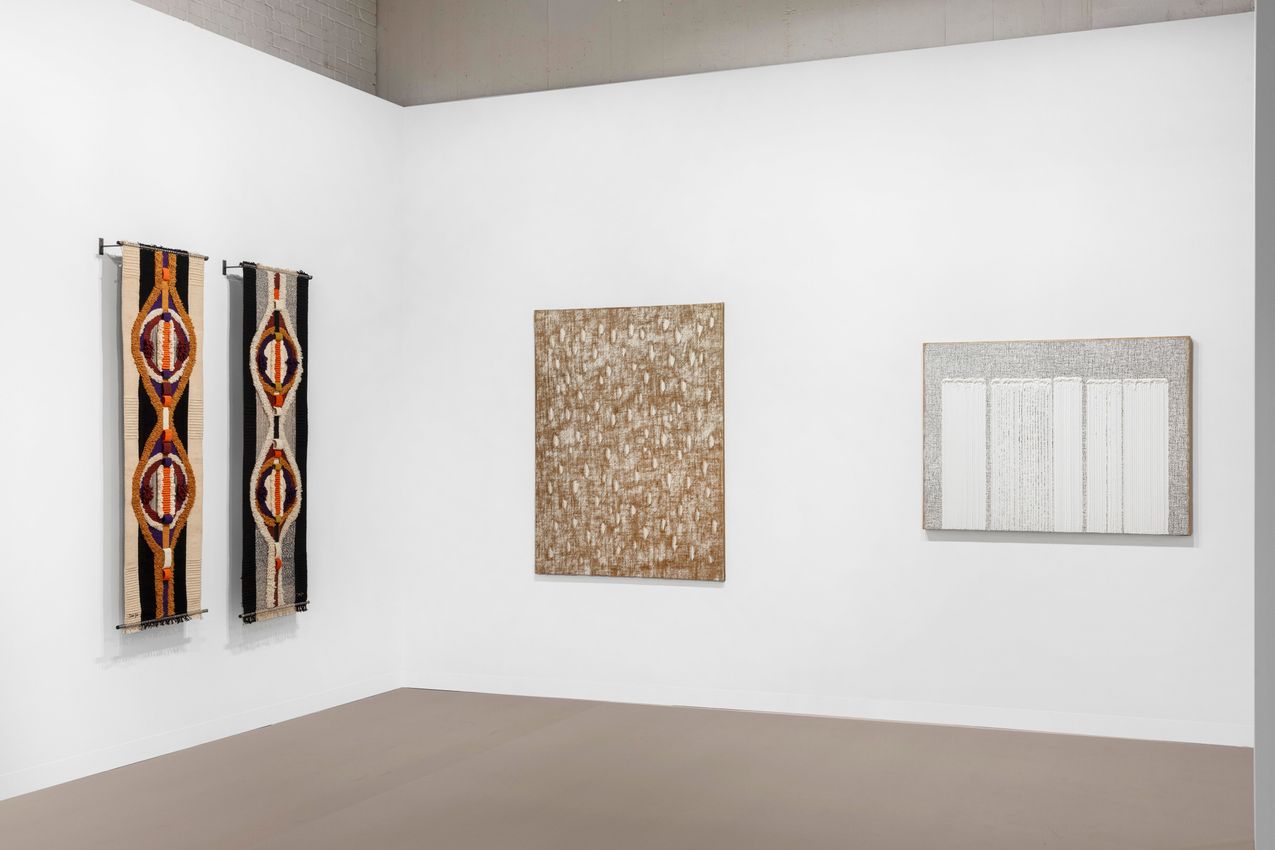
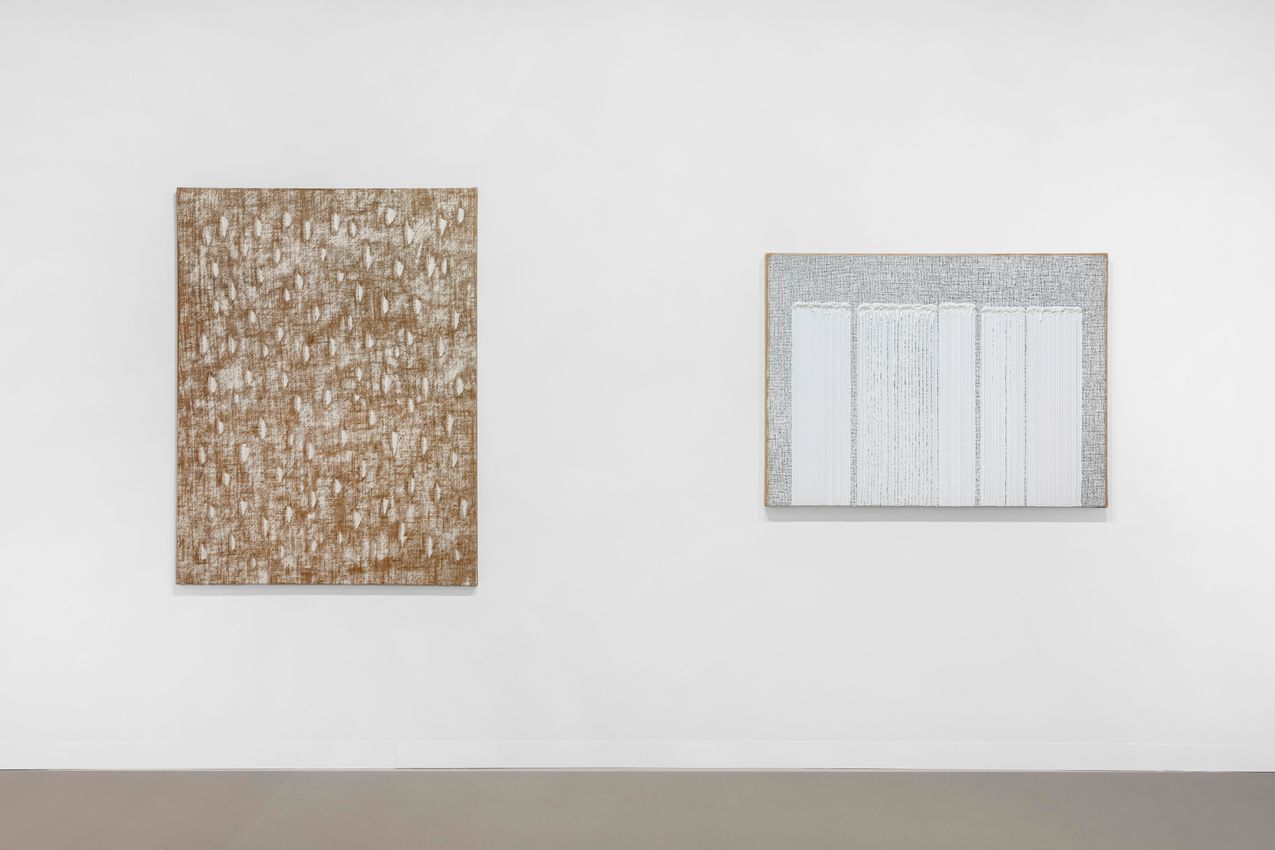
In parallel, Kim’s close friend and contemporary Park Seo-Bo devoted his career to his renowned Ecriture series, which he worked on from 1967 until his passing in 2023. Park’s early technique involved repeatedly carving lines into wet paint using a pencil, a minimalist gesture that transformed mark-making into the focus of the artwork. He later refined this approach by incorporating the wet pulp of hanji (Korean mulberry paper), arranging it into repeating lines to form his monochromatic, often brightly colored, paintings.

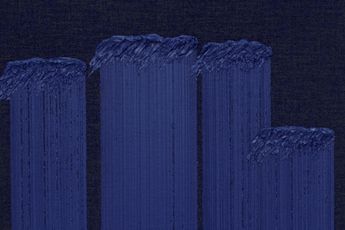
Ha Chong-Hyun, a leading figure of Korea’s Dansaekhwa movement, is best known for his iconic Conjunction series. In these works, thick oil paint is pushed through the back of a loosely woven hemp canvas and then manipulated on the front surface, resulting in richly textured paintings that emphasize the medium’s inherent materiality. A major solo exhibition of Ha’s work, Light Into Color, opens June 22 at Château La Coste in Provence, France.

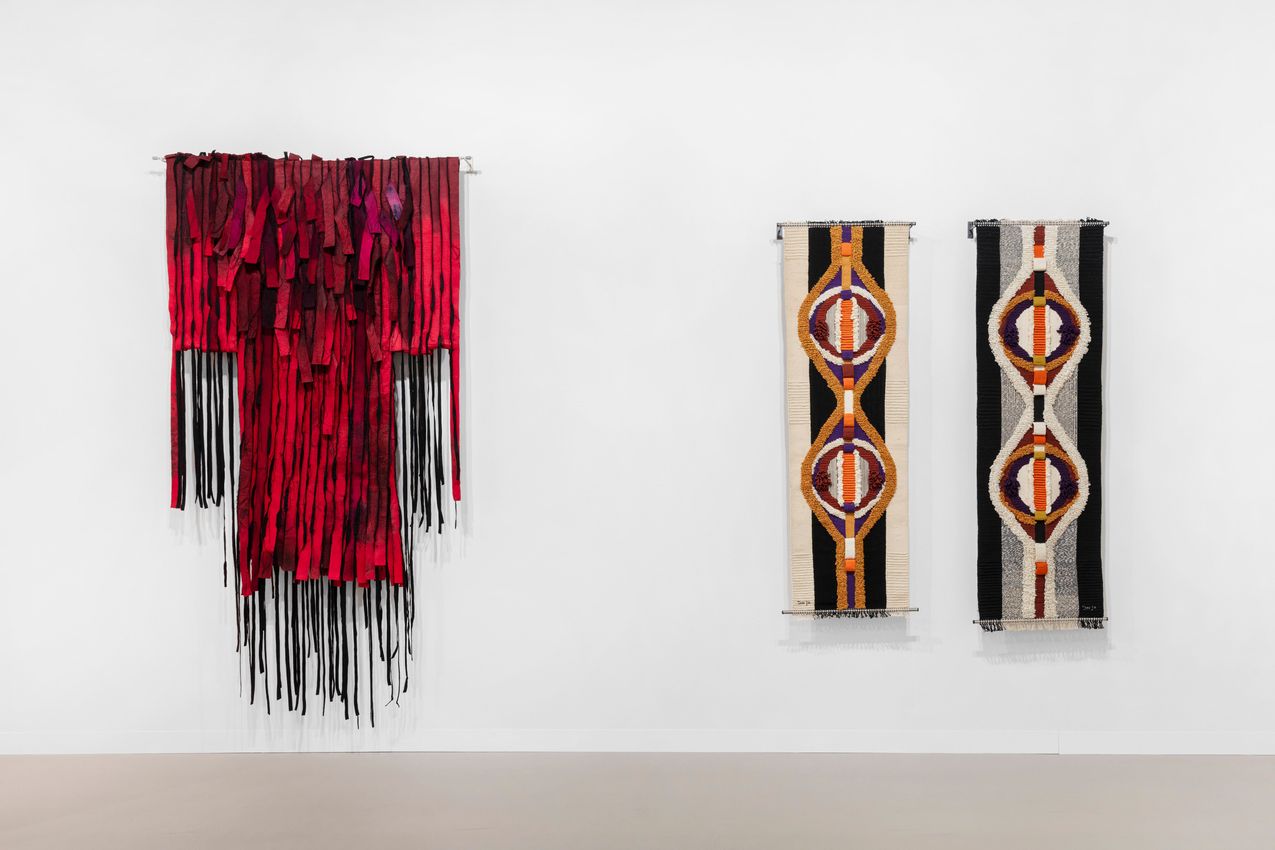
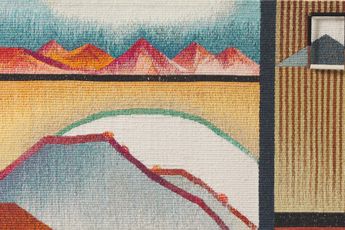
A pioneering fiber artist in Korea, Lee ShinJa represents another aspect of Korean modernism through her experimental approach to tapestry. While crafts like embroidery and weaving were traditionally viewed as domestic work, Lee challenged these conventions through her use of unexpected materials and techniques, bringing fiber art into the modern era. Her works are expressive and semi-abstract, drawing inspiration from Korea’s mountainous and coastal landscapes through dynamic use of color and form. Lee ShinJa: Drawing with Thread, the first North American retrospective of her work, opens this August at the Berkeley Art Museum and Pacific Film Archive.

Suki Seokyeong Kang at Art Basel Unlimited
For this year’s Unlimited sector, we are deeply honored to present works by the late Suki Seokyeong Kang (1977–2025), the visionary multidisciplinary Korean artist who passed away in April. This presentation is both a tribute to Kang’s legacy and an opportunity to share her iconic Mat Black Mat 170 x 380 installation with a wider audience.

First shown in her 2023 retrospective at Leeum Museum of Art, Kang’s Mat Black Mat 170 x 380 works were later included in her 2024 solo show with Tina Kim Gallery, as well as her most recent museum exhibition Mountain—Hour—Face at MCA Denver. At Basel Unlimited, three large reed mats (traditional Korean hwamunseok), dyed with geometric designs, are suspended from the ceiling, functioning simultaneously as paintings and site-responsive sculptures. Kang’s mat-based works reference chunaengmu, a Joseon-era court dance performed on a reed mat and characterized by the decorum and restraint of its solo performer. Kang’s mats symbolize the limited physical and conceptual space allotted to an individual within contemporary society, yet the interplay among the three mats suggests the possibility of intersubjectivity and coexistence within these confines.

Based in Seoul, South Korea, Kang developed a distinct, experimental visual language that pushed the possibilities of painting, sculpture, installation, and performance. Her multidisciplinary practice was characterized by a rigorous exploration of form, material, and movement, bridging the traditional and the contemporary with remarkable sensitivity. Kang’s major museum exhibitions include Mountain— Hour—Face at MCA Denver (2025), Willow Drum Oriole at Leeum Museum of Art in Seoul (2023), and Black Mat Oriole at ICA Philadelphia (2018). Her works have been featured in the Venice Biennale (2019), the Shanghai Biennale (2018), the Gwangju Biennale (2018), and the Liverpool Biennial (2018). In 2018, Kang was awarded the Baloise Art Prize at Art Basel, with her works acquired by Mudam Luxembourg.

Read More

Installation Views

Artists Exhibiting

Also Exhibiting at Tina Kim Gallery

The art world in focus