Tina Kim Gallery returns to FOG Design+Art with a focused presentation of artists from our contemporary program—many of whom have special ties to, and ongoing projects in, the Bay Area—alongside masters of Dansaekhwa monochrome tradition.
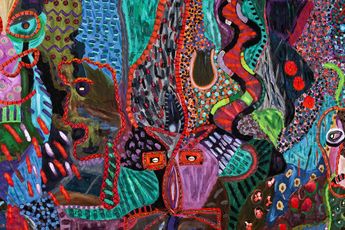
A range of works by Pacita Abad will be shown, including a large abstract trapunto—her signature quilted style of painting—previously exhibited in her acclaimed North American retrospective, and a painting from Abad’s Underwater Wilderness series. San Francisco was the late Philippine-born artist’s first home in the US, where she pursued graduate studies at Lone Mountain College and met her husband, with whom she would embark on the international travels that shaped her career. Additionally, Pacita’s retrospective traveled to SFMOMA in 2023, and in 2025 her archives were acquired by Stanford University Libraries, reinforcing her enduring ties to the Bay Area. The gallery will present our third solo exhibition of the artist in May 2026.
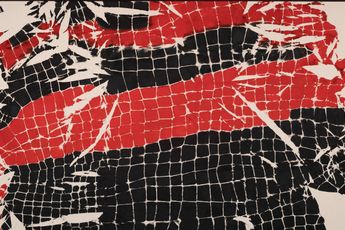
Also deeply influenced by place and global movement, Maia Ruth Lee’s Bondage Baggage series draws from her lifelong diasporic experience, having been born in South Korea, raised in Nepal, and now based in the Bay Area, where she is pursuing a masters in Migration Studies at the University of San Francisco. Lee’s canvases are first bundled and bound with cord and fabric, modeled after the protective wrapping methods used by Nepali migrant workers to secure their belongings during travel. After staining these bound canvases with ink or paint, the unwrapped paintings reveal a burst-like painted surface that reflects the contours left by the bindings. New works by Lee are rendered in softer pastel tones, departing from the vibrant inks she used previously. A major monograph focused on Lee’s Bondage Baggage series was published last fall by Radius Books, and the gallery will present a solo exhibition of new works to close out 2026.
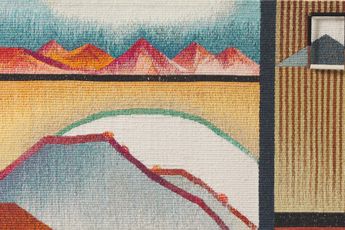
A pioneering figure in Korean fiber art, Lee ShinJa was instrumental in advancing textile practices as a fully realized artistic medium in the Korean art world, transforming tapestry into a vehicle for personal expression. Her painterly textiles reveal a sophisticated command of color and composition across works that range in scale from intimate to monumental. Lee ShinJa: Drawing with Thread—the artist’s first North American survey—remains open at the Berkeley Art Museum and Pacific Film Archive through February 1.
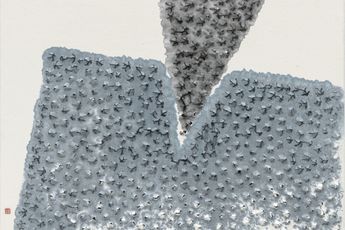
Our booth will also highlight key artists associated with the Dansaekhwa generation, including Ha Chong-Hyun, Park Seo-Bo, Kwon Young-Woo, and Kim Tschang-Yeul. Emerging in the aftermath of the Korean War, these artists sought a distinctly Korean modernism grounded in materiality, process, and repetition.
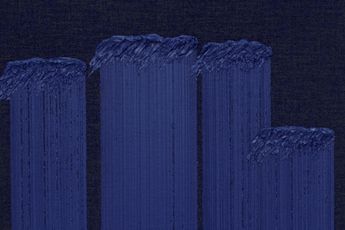
Works by Ha Chong-Hyun, spanning the 1970s to the present, trace the evolution of his material-driven Conjunction series, in which paint is pushed through the back of stretched burlap. A major monograph dedicated to the artist will be published by Rizzoli in March, on the heels of significant institutional presentations in Europe and Korea. Alongside Ha, paintings from Park Seo-Bo’s Écriture series will be shown, from early monochrome works to later iterations incorporating color and relief through hanji paper or built-up pigment.
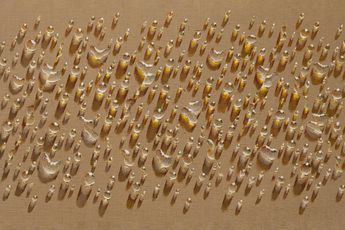
Also featured is fellow Dansaekhwa artist Kwon Young-Woo, whose practice explored the sculptural potential of hanji (Korean mulberry paper). For Kwon, hanji was both ground and medium, using both his hands and handmade tools to scratch, cut, puncture, and layer the paper into monochrome abstractions. His contemporary Kim Tschang-Yeul is best known for his meticulous, meditative paintings of water droplets. On view at FOG will be works ranging from the 1970s to the 2010s, showing the artist’s enduring fascination with the motif. A major retrospective of Kim’s work finished its run at MMCA Seoul this past December, and the gallery will stage a solo exhibition of the artist in the fall of 2026.
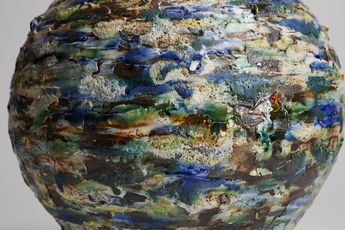
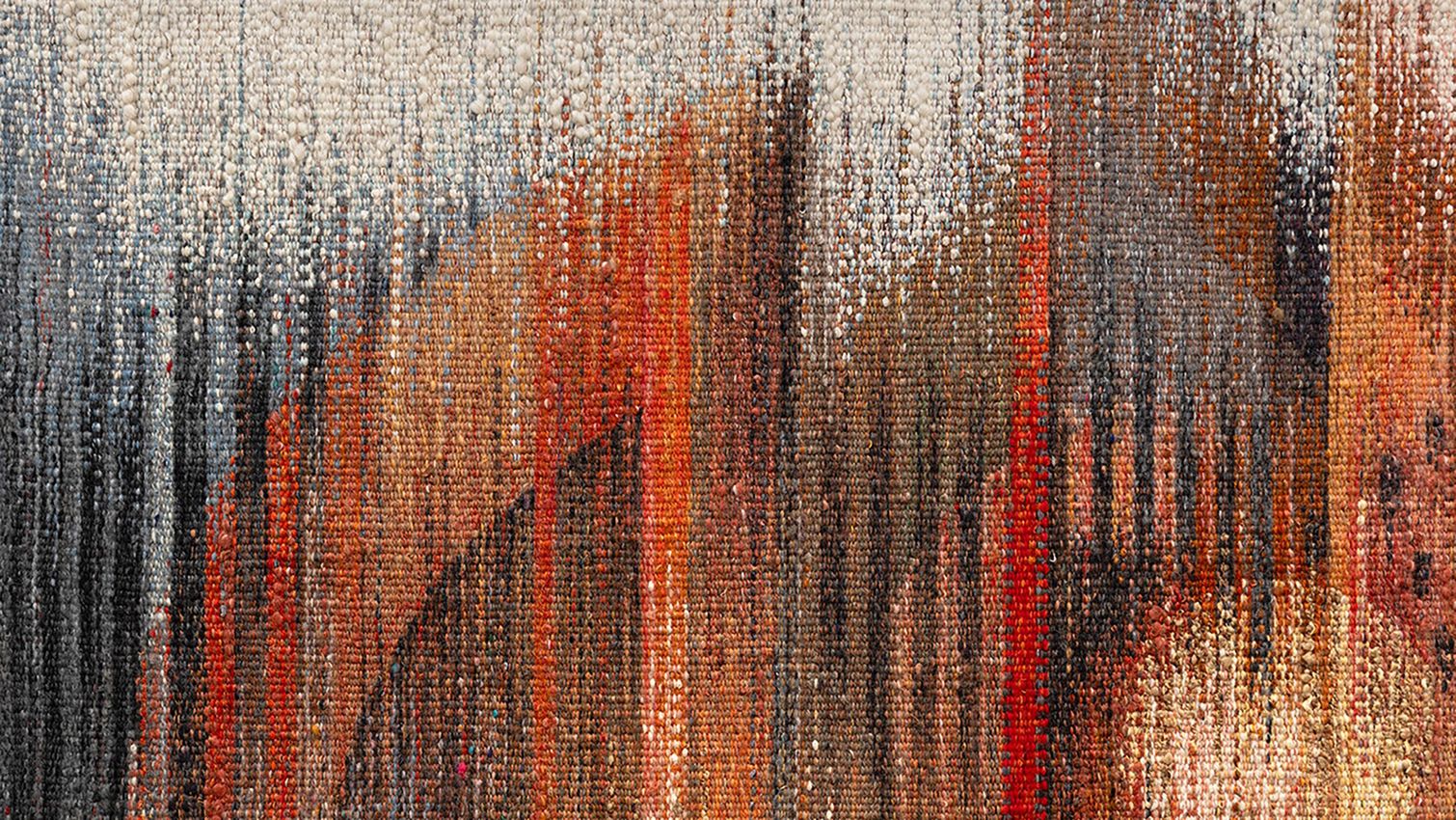
Our presentation is rounded out with paintings by Kibong Rhee, whose mist-covered landscapes explore perceptual ambiguity through the layering of sheer fabric over canvas, alongside vessels by ceramicist Jane Yang D’Haene, whose experimental forms reinterpret the Korean moon jar through expressive glazing and surface texture.
A respected voice in contemporary art discourse.
Focusing on ambitious storytelling and insightful art-world commentary. Ocula Magazine publishes in-depth interviews, critical essays and timely analysis on the artists, exhibitions and ideas driving the global art world.
Learn more about Ocula Magazine
Showcasing the best of the art world.
Ocula partners with galleries from around the world to highlight their artists, artworks and exhibitions. Gallery membership is by application and invitation, with each member vetted by an independent panel.
Learn more about Ocula Membership

Specialises in the sale of major artworks.
Led by a team with deep ties to the world’s leading auction houses, galleries and collectors. Ocula’s advisory team offers bespoke services to high-net-worth clients from around the world who are looking to acquire the best of contemporary and modern art.
Learn more about our team and services