Press Release

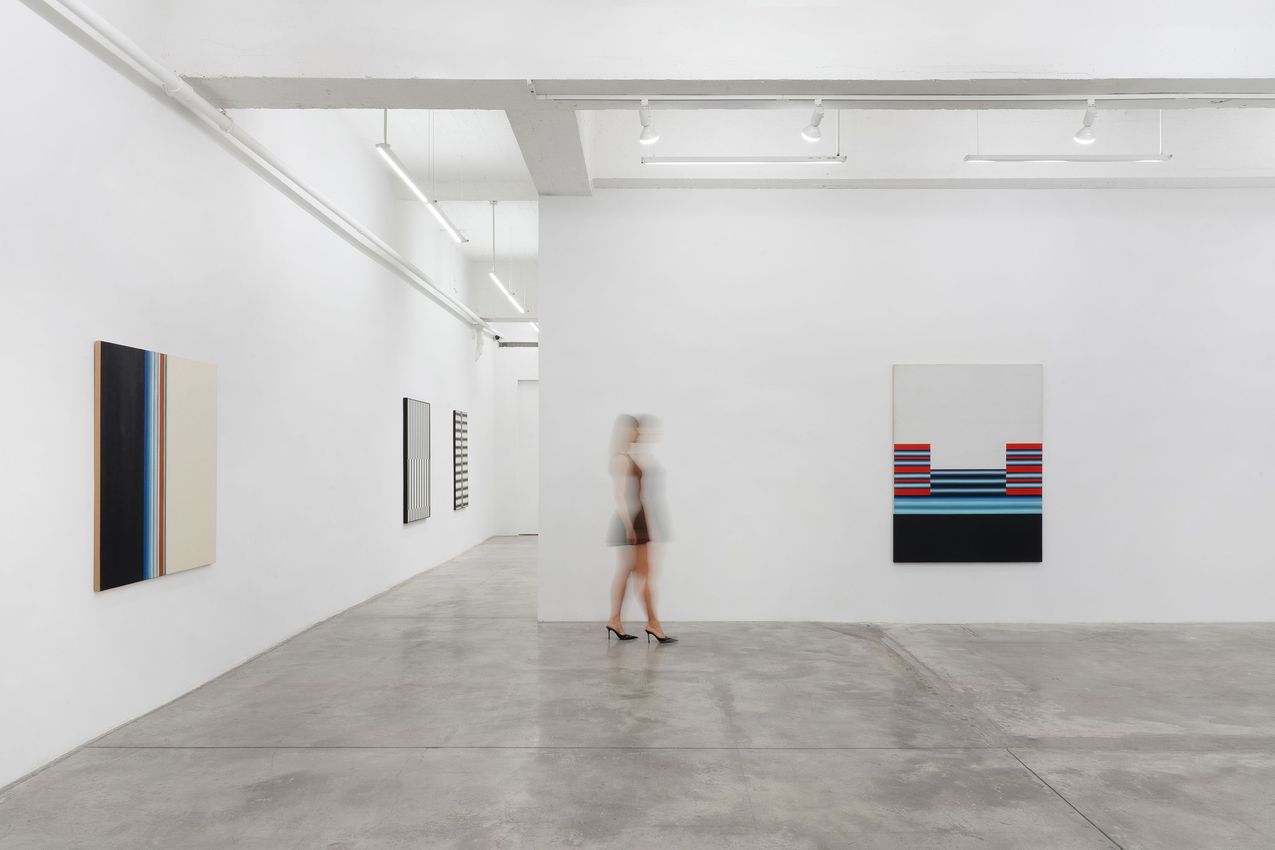
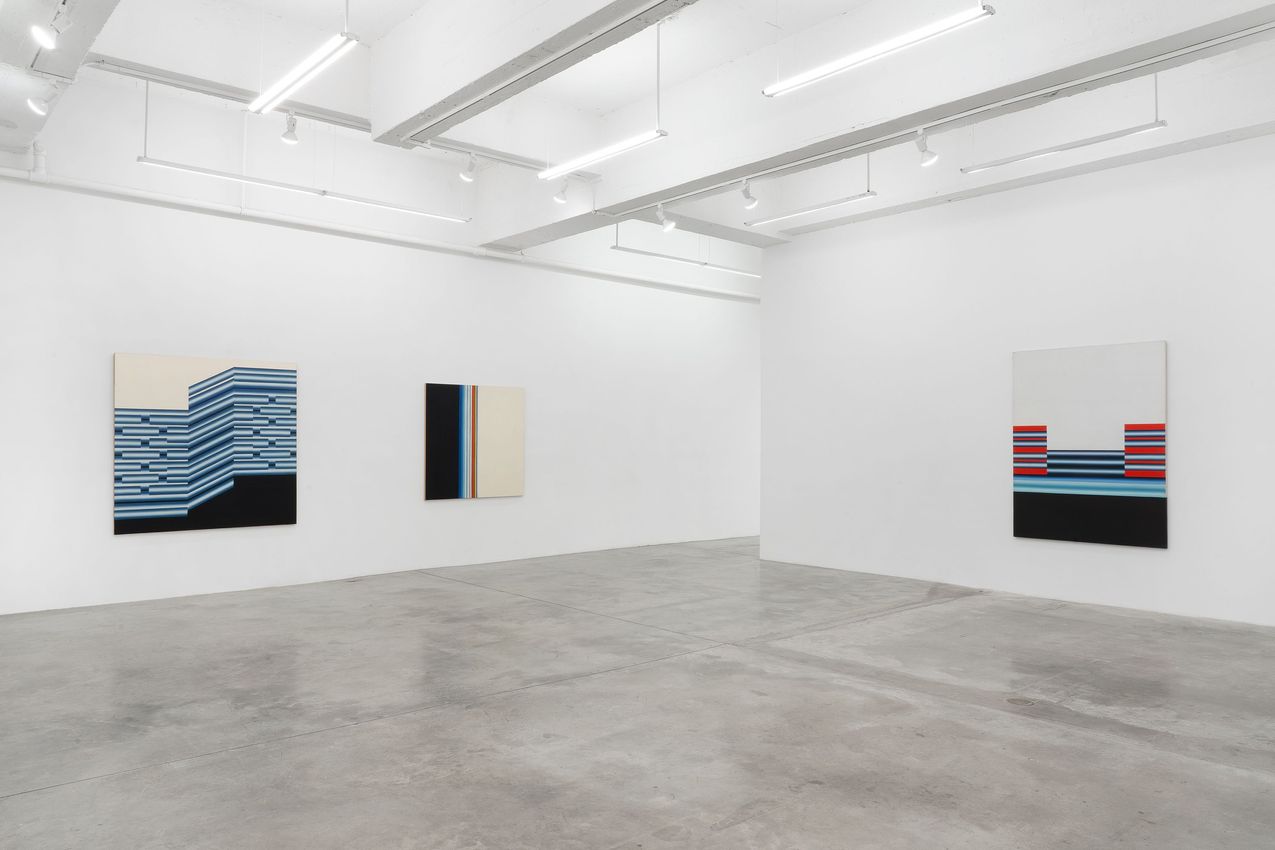
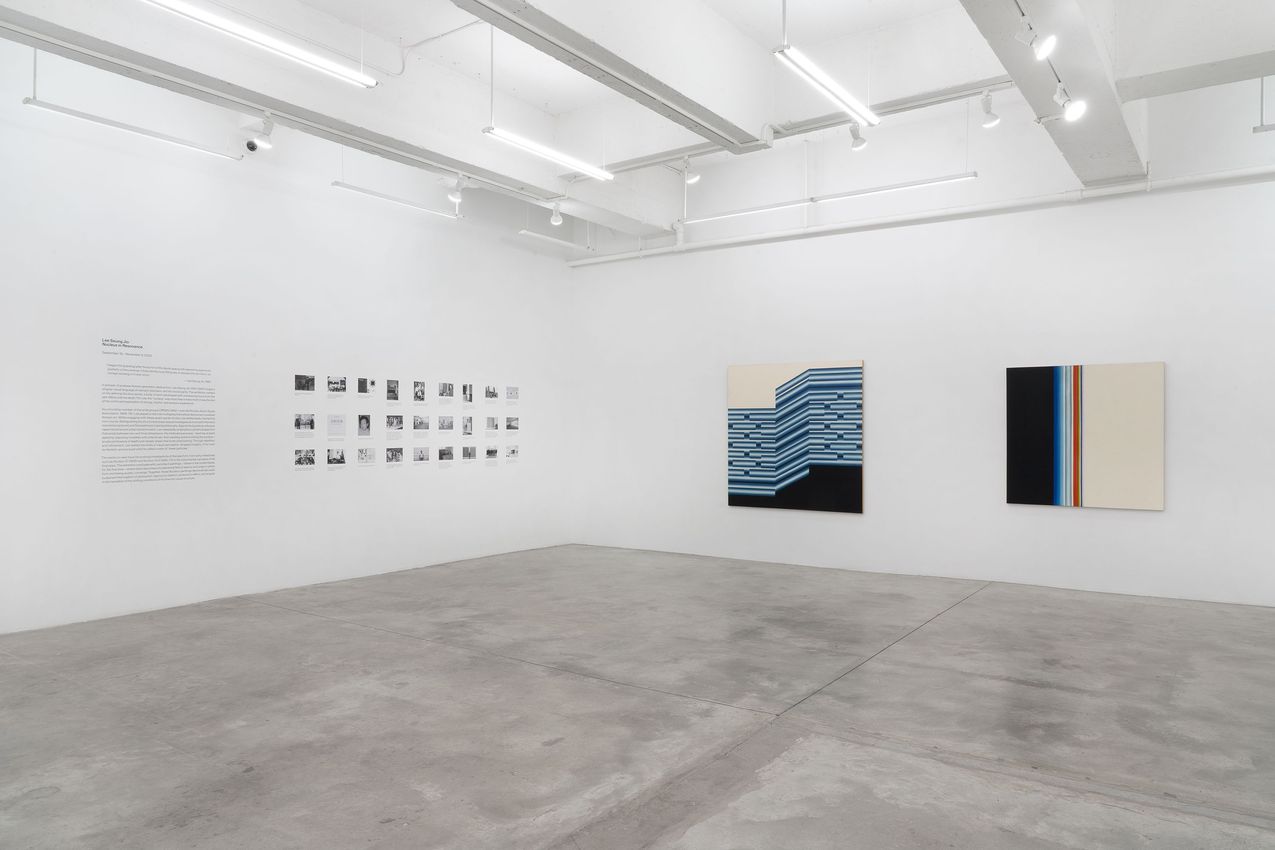
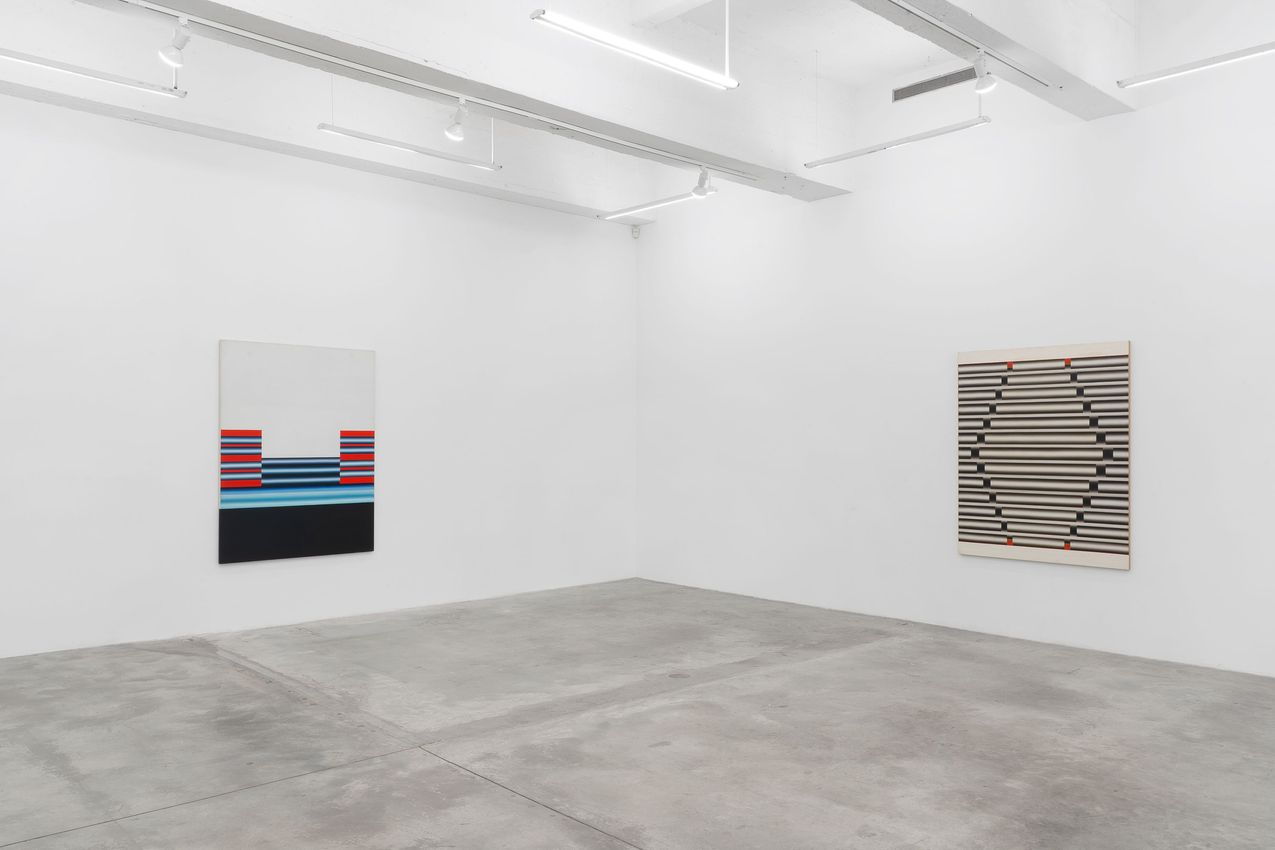
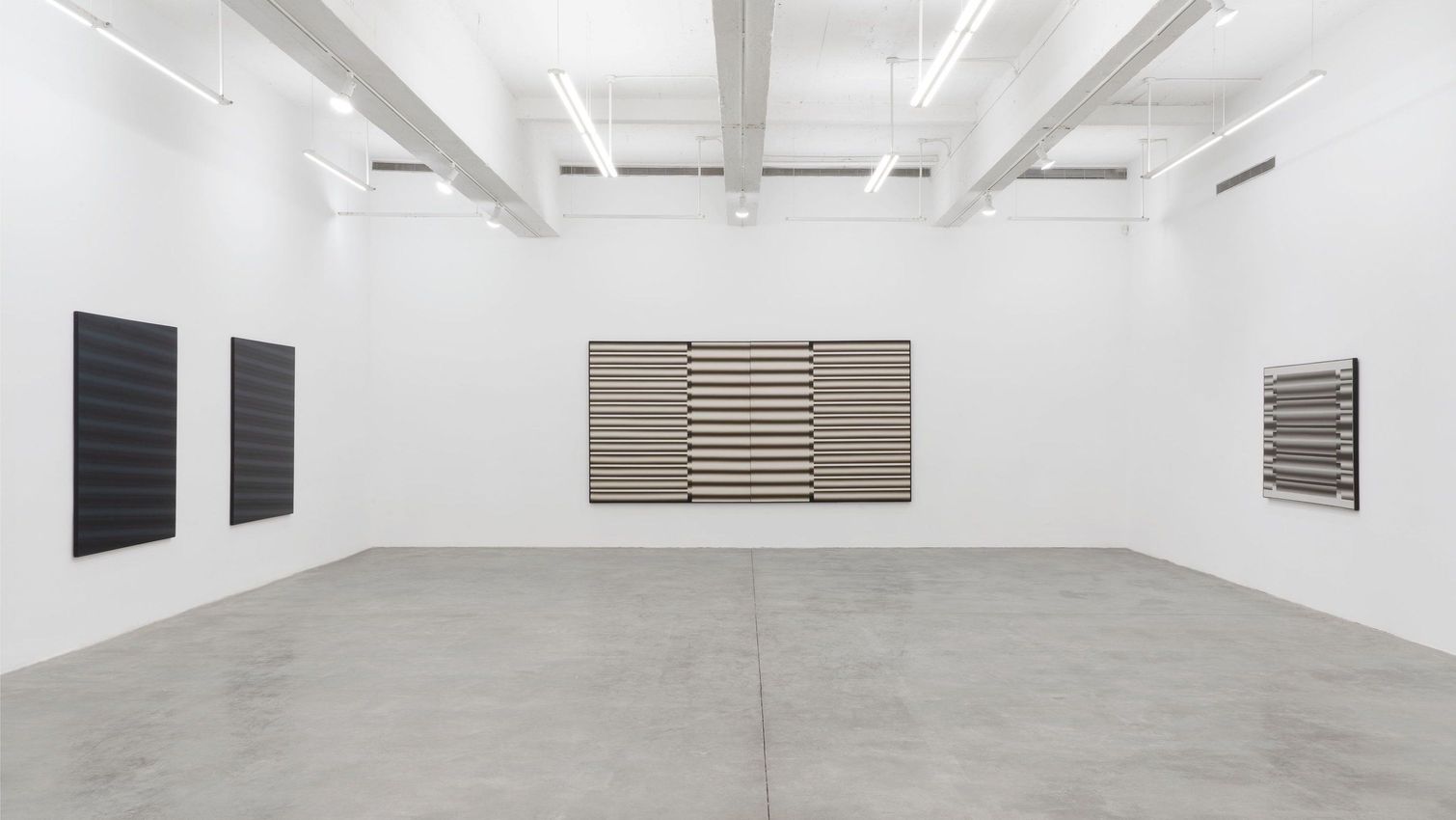
Tina Kim Gallery is pleased to present Lee Seung Jio: Nucleus in Resonance, on view from September 18 through November 8, 2025. Marking the gallery’s second solo exhibition of Lee Seung Jio (1941–1990), a leading figure in postwar Korean geometric abstraction, this presentation surveys Lee’s defining Nucleus series, which he explored consistently from the late 1960s to his final decade. For Lee, the nucleus was more than a formal motif; it functioned as a central point of perception, where energy, rhythm, and sensory experience came together.

“I began this [painting] after the launch of the Apollo spacecraft opened my eyes to the spatiality of the universe. It feels like the most fitting way to express the era I live in, so I’ve kept working on it ever since.”1

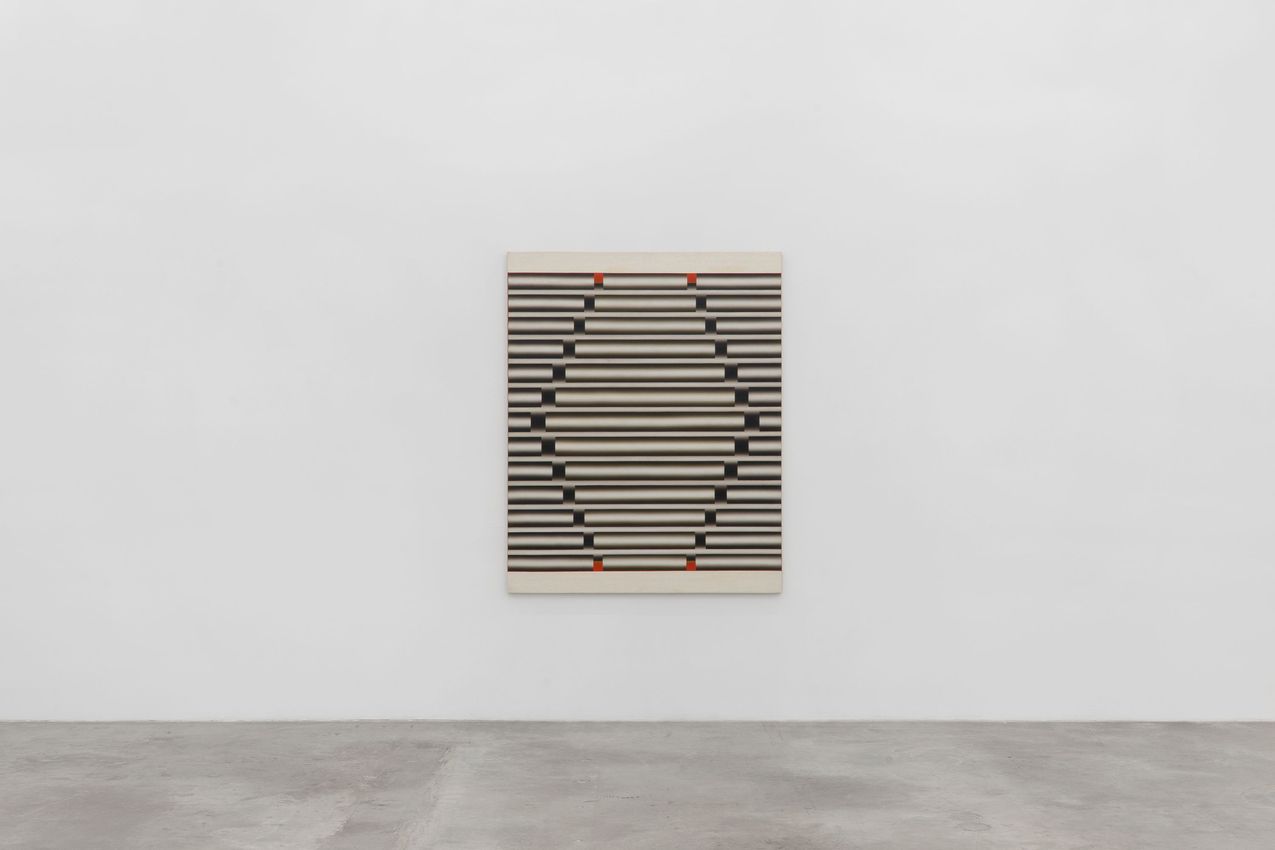
During Korea’s rapid industrialization and urban expansion in the 1960s, Lee turned to a single, enduring motif: the cylindrical pipe form. Lee’s pipes are both abstract and figurative, existing as two-dimensional planes and three-dimensional forms. Although often referred to as the “master of pipes,” Lee once noted that he neither sought nor rejected the label. For him, the repeated cylindrical form was never intended to represent any symbolic object; rather, it served to expose the illusions inherent in visual perception and to question the premise of figurative representation. Through this process, Lee aimed to depict a sensuous realm stripped of symbolic meaning—a world of “sheer particles,” as he described it.

As a founding member of the groups ORIGIN (1962–) and AG (Korean Avant-Garde Association, 1969–1975), Lee helped establish the theoretical and methodological foundations of postwar Korean art. Even though his work was often associated with movements such as Mono-ha, Minimalism, and Dansaekhwa at the time, Lee developed a distinct visual language characterized by precision, restraint, and structural clarity. As Joan Kee has observed, Lee’s work reveals how he critically engaged with contemporary abstraction—a mode in which sociohistorical conditions are transformed into rigorous compositional structures.2

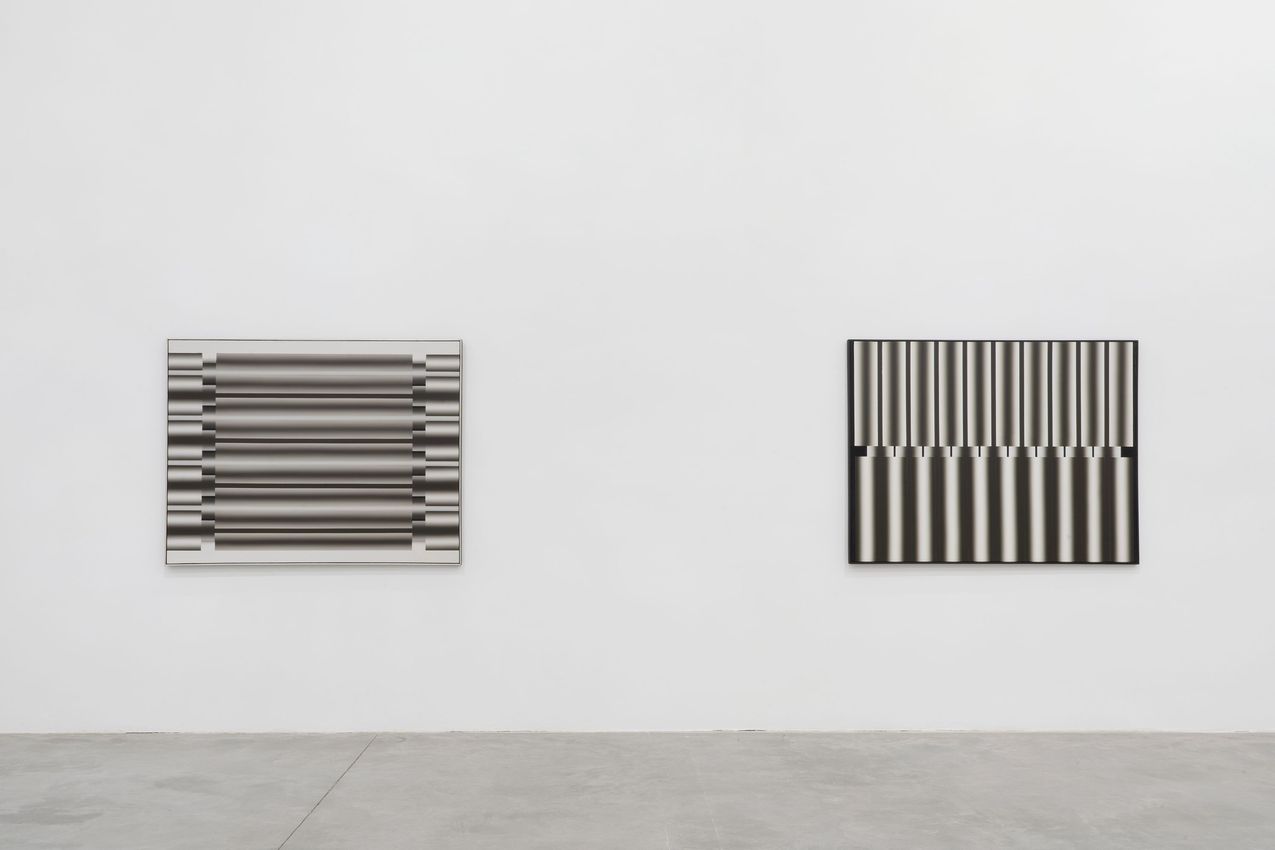
The earliest work in the exhibition, Nucleus 10 (1968), was first shown at the 12th Contemporary Art Exhibit at Gyeongbokgung Palace Museum. The painting marks the beginning of Lee’s signature motif—a tubular form. This vocabulary finds fuller articulation in Nucleus 74-9 (1968–1974), in which the pipe motif becomes the organizing framework of the entire composition. To achieve the illusion of metallic density, Lee applied oil paint with a flat brush loaded with light and dark tones at either end, then meticulously sanded the surface—burnishing the paint to heighten its reflectivity and optical depth. Featured in Only the Young: Experimental Art in Korea, 1960s–1970s—co-organized by the National Museum of Modern and Contemporary Art, Korea and the Guggenheim Museum—the work affirms Lee’s growing significance within Korean modernism.

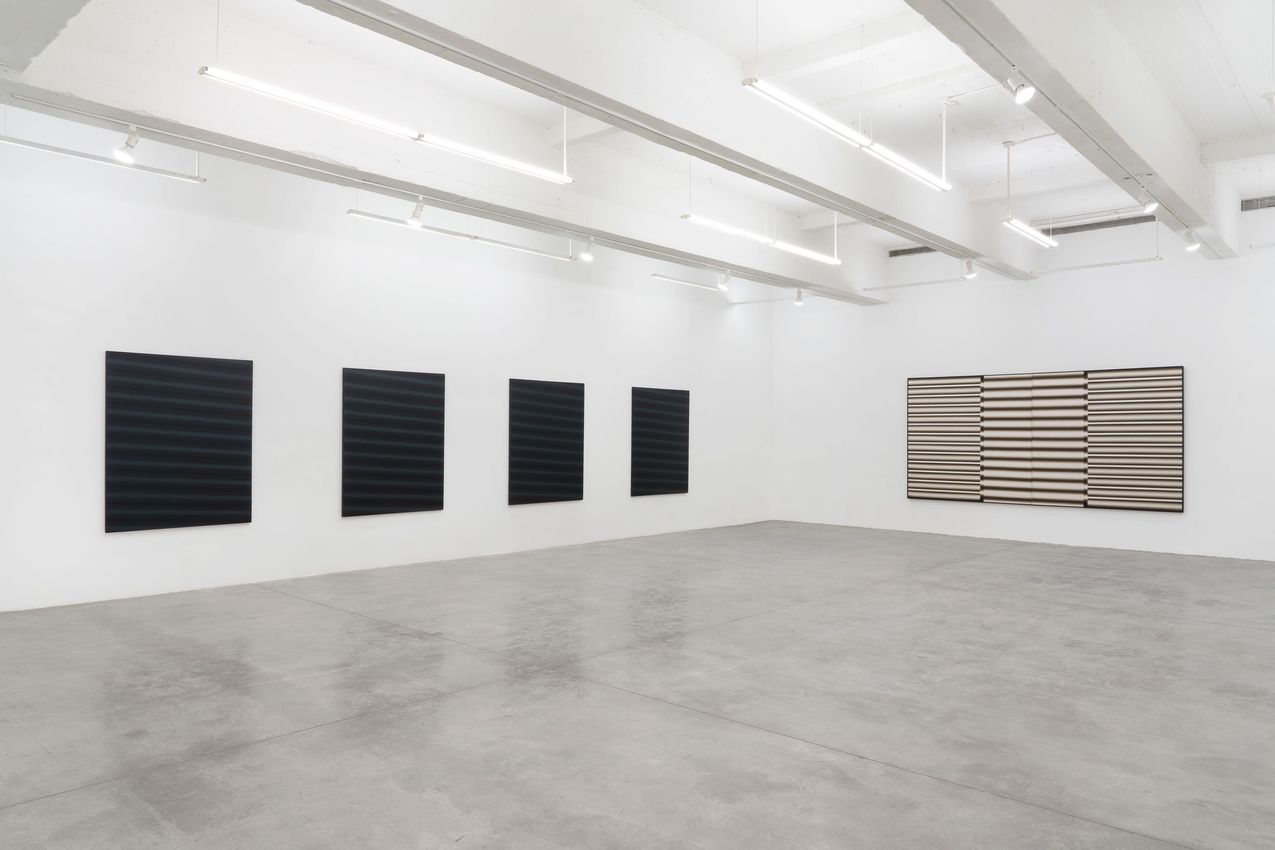
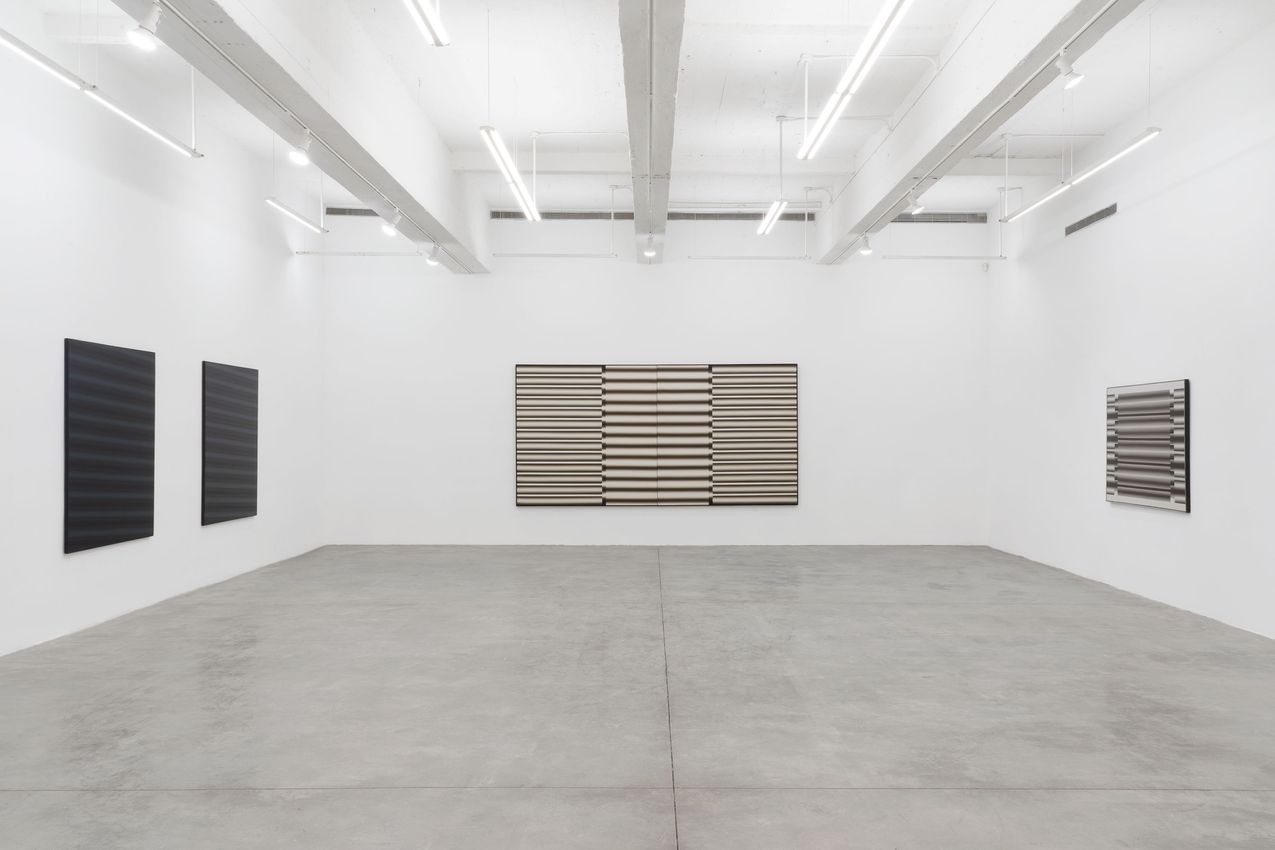
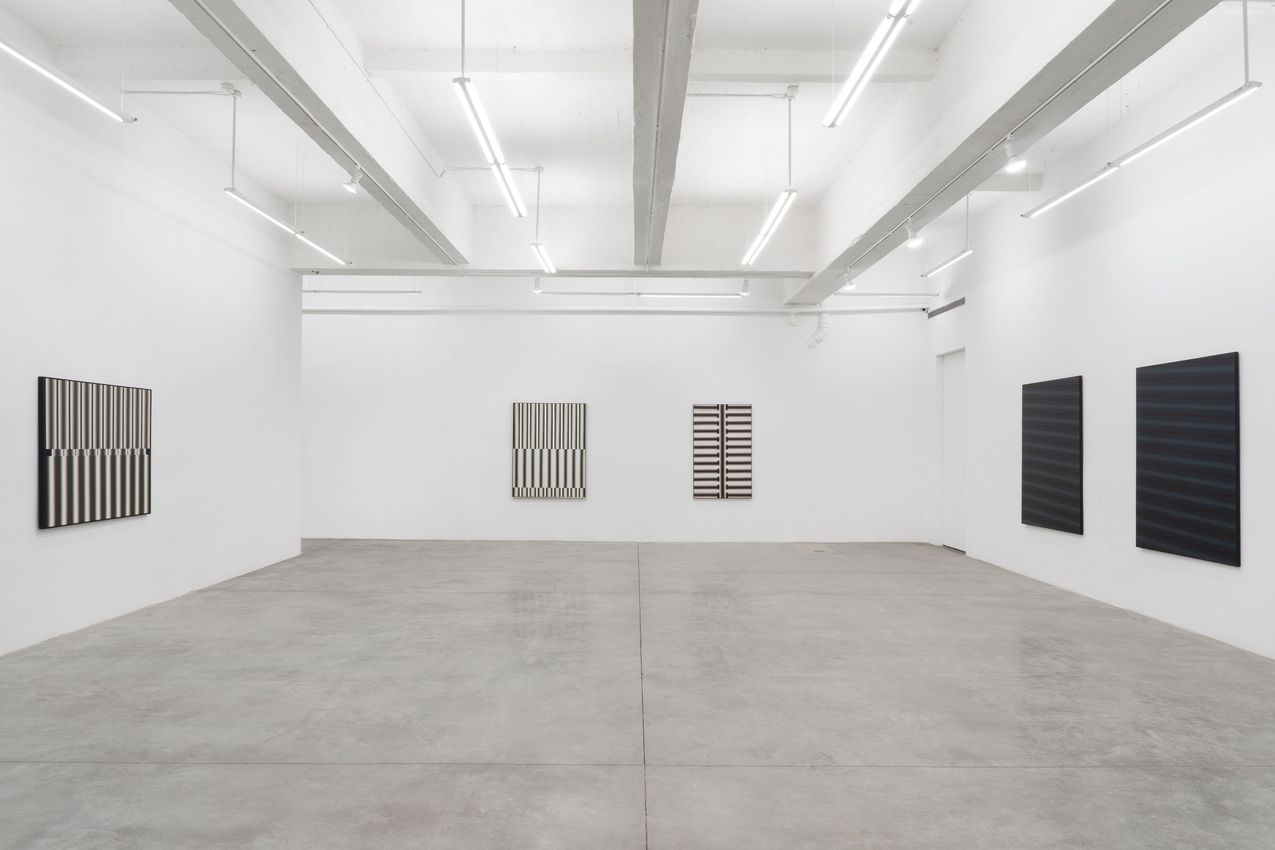
Lee continued to experiment with iterations of the Nucleus and develop his formal vocabulary throughout the 1970s and 1980s. Nucleus 73-18 (1973) and Nucleus 74-07 (1974) demonstrate his continued inquiry into the nature of perception, while reflecting a more subtle visual language grounded in the distilled and process-driven aesthetics of the time. Works from the 1980s—represented here by Nucleus 88-10 (1988), Nucleus 86-71 (1986), and the monumental Nucleus 87-99 (1987)—demonstrate his sustained pursuit of structural rigor, while simultaneously drawing the viewer into contemplative, illusionistic spaces that transcend the material surface of the canvas.

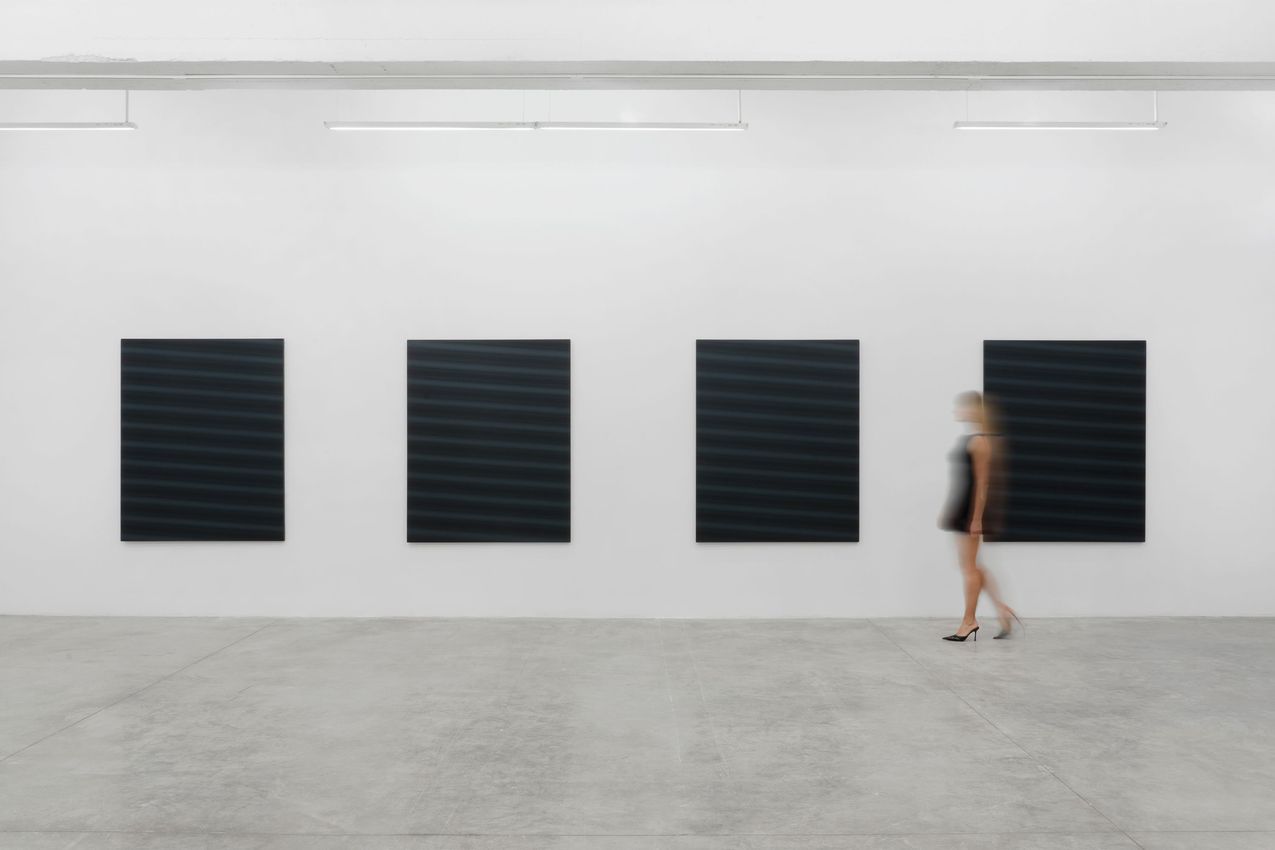
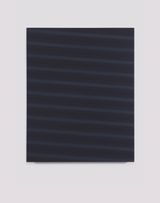
The exhibition concludes with the first U.S. presentation of Lee’s black paintings, including Nucleus 78-23, 78-24, 78-25 and 78-26 (all 1978). For Lee, black was not merely a color but a fundamental space of silence, stillness, and emptiness—where all elements were reduced to their origin. In Lee’s vocabulary, the nucleus signified not only the structural core of the image but a condensed field of visual and sensory perception. These works represent the culmination of his decades-long exploration of abstraction, characterized by their emphasis on materiality and process. Lee’s black paintings draw the viewer into a contemplative space where being and form quietly converge, embodying his pursuit of abstraction’s essential condition.

1 Lee Seung Jio, “Presenting the Nucleus Series with Cold Lines and Blazes of Fire,” interview with Maeil Business Newspaper, October 24, 1984.

2 Joan Kee, “Force Fields,” in Lee Seung Jio: Advancing Columns (Seoul: National Museum of Modern and Contemporary Art, Korea, 2020), 14-25.

Read More

Installation Views

About the Artist

Lee Seung Jio (1941-1990) is a pioneer of Korean geometric abstraction who emerged with the avant-garde group of artists in the 1960s. Lee co-founded the Origin Group alongside his contemporaries Suh Seung-Won and Choi Myoung-Young in 1962, a movement pursuing a return to the pure form of art. Lee also contributed to the formation of the AG (Korean Avant-Garde Association). Throughout his 25-year-long career, Lee established his own identity through the notion of ‘nucleus’ and developed his abstract pipe-like forms as an integral element to his paintings, visualising the interaction between flat plane and optical depth.

View Artist Profile

Also Exhibiting at Tina Kim Gallery

About the Gallery

Tina Kim Gallery is internationally recognized for its critically rigorous program that foregrounds Asian and Asian diasporic artists across generations and mediums. Founded in 2001 and located in Chelsea, the gallery works closely with artists, estates, and institutional partners to produce exhibitions, publications, and public programs of scholarly depth and critical resonance.

View Gallery Profile
Address
525 West 21st Street
New York
United States
Opening Hours
Tuesday – Saturday
10am – 6pm
(1)
New York 525 West 21st Street
Tina Kim Gallery
525 West 21st Street, New York, United States

Opening hours
Tuesday – Saturday
10am – 6pm
The art world in focus