Press Release

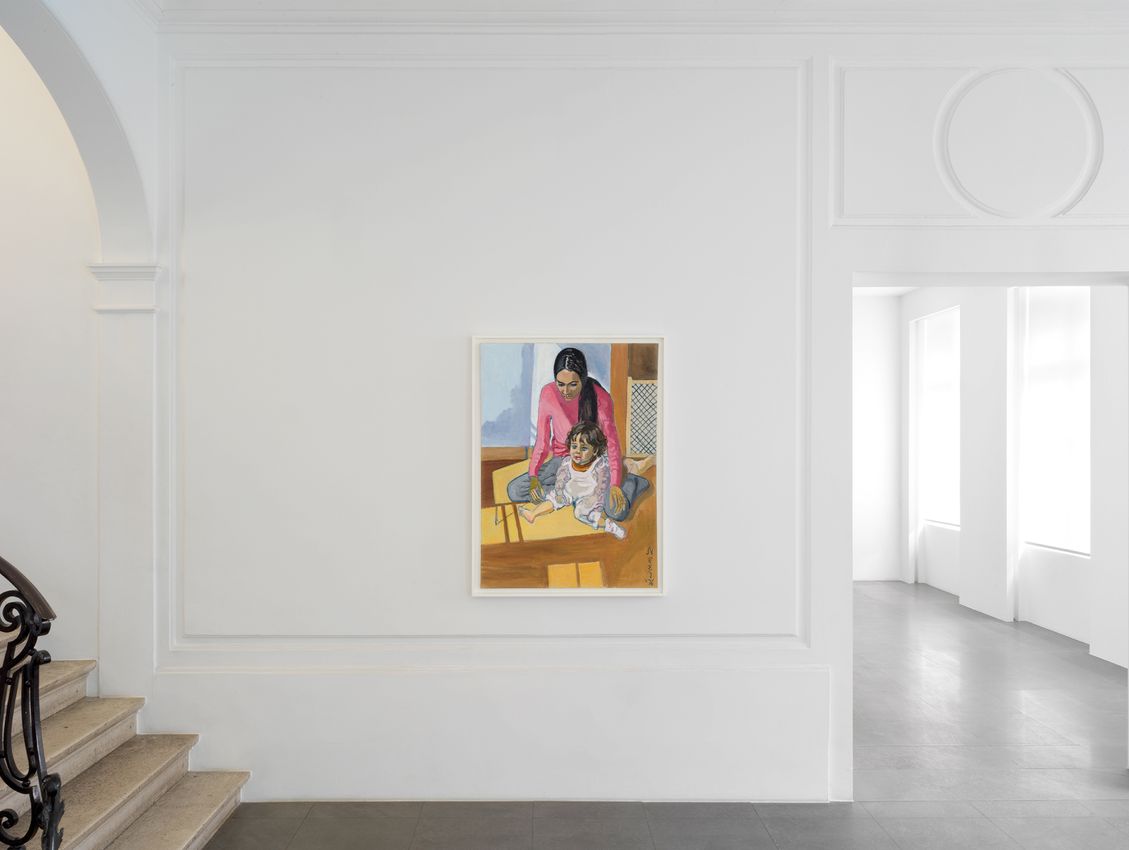
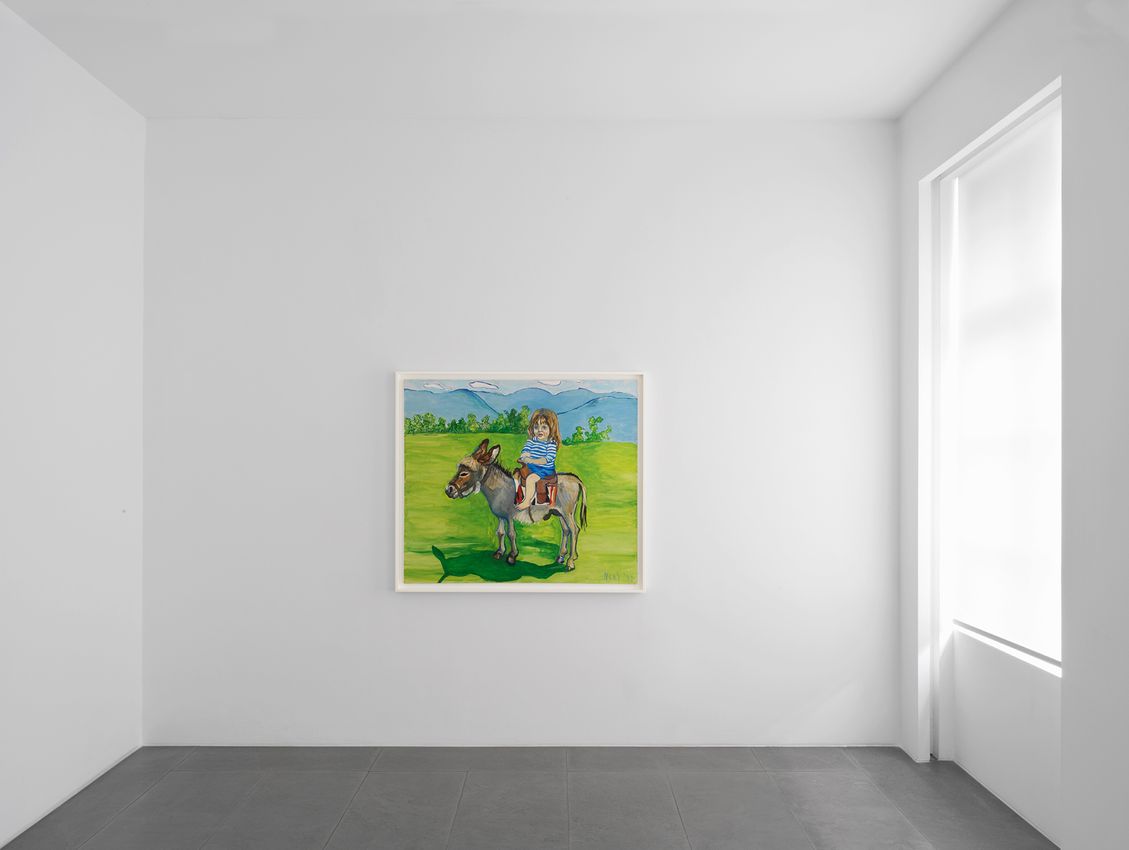
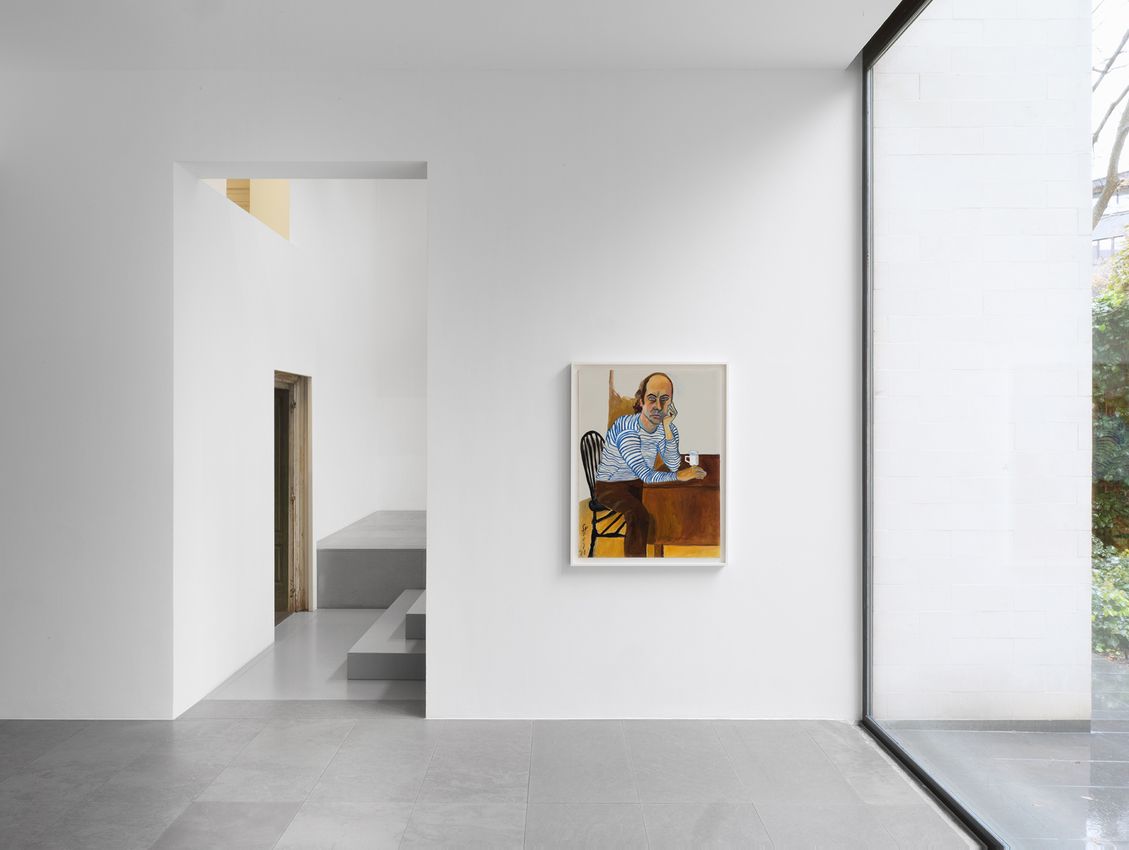
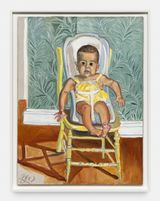
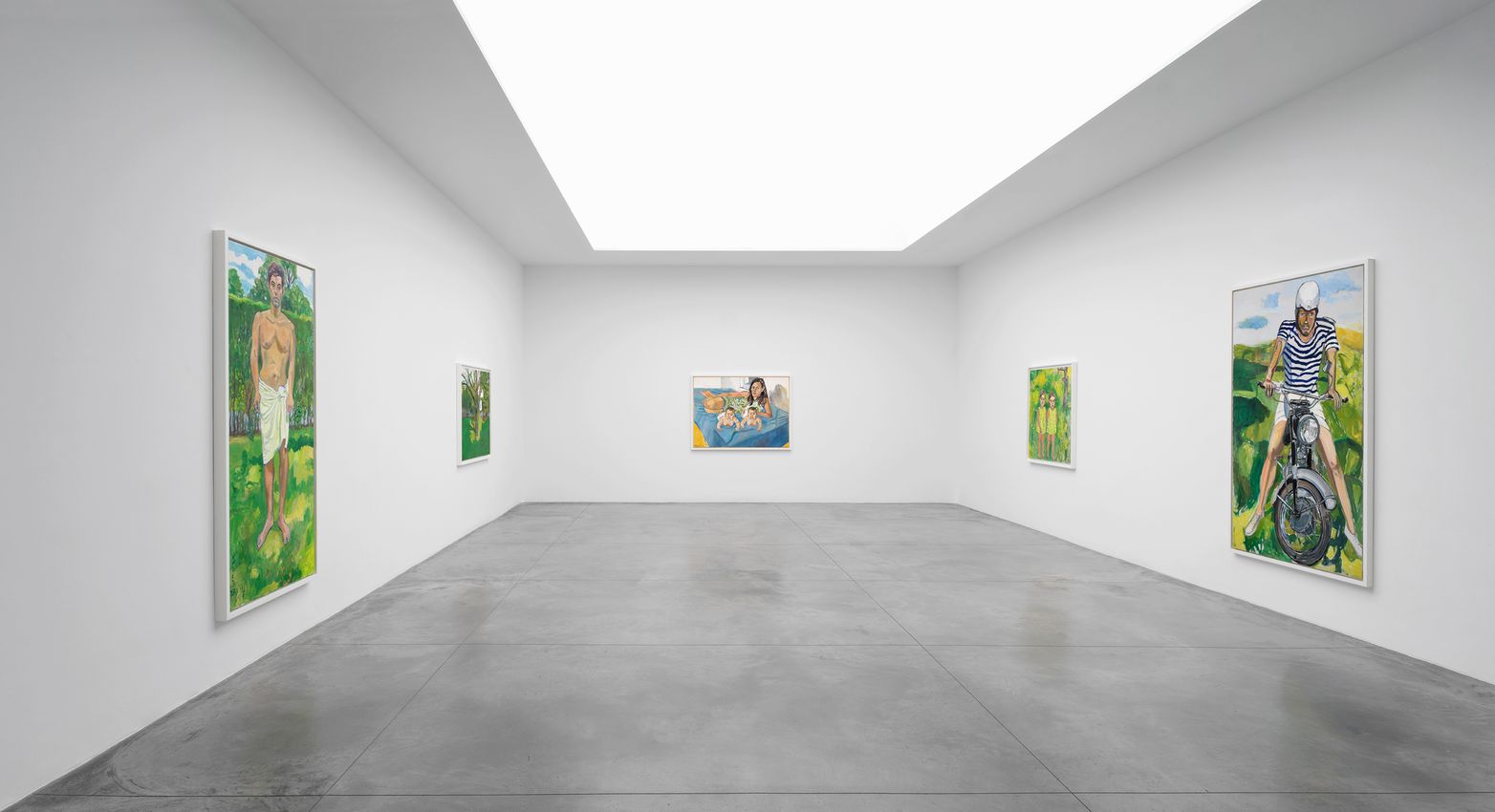
Three years after the gallery’s first exhibition of portraits by the American painter Alice Neel (1900—1984), Xavier Hufkens is delighted to present a different facet of her oeuvre: the landscapes, still lifes and family portraits that she made in the rural surroundings of Spring Lake and Vermont. The paintings provide an intimate insight into the artist’s personal world and reveal the delight she took in the simple pleasures of life, away from the daily grind of New York.

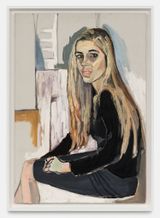
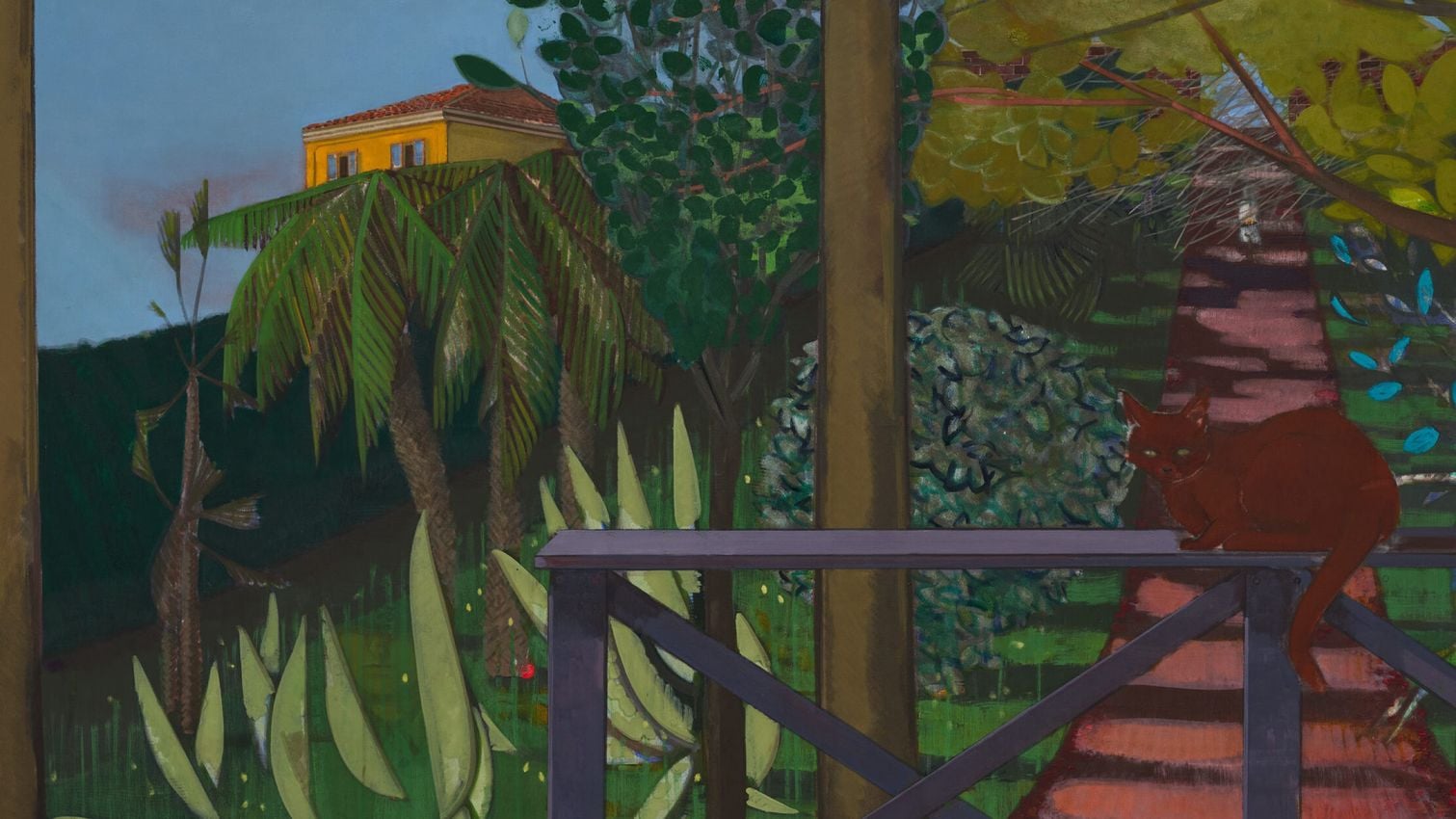
Alice Neel is considered to be one of the greatest chroniclers of 20th-century America, a story that is brought to life through the magnificent portraits she executed in Spanish Harlem and the Upper West Side of New York City. From intellectuals to next-door neighbours, and from fellow artists to single mothers, Neel painted people from all walks of life. Active for over fifty years, her legacy is an oeuvre that is as historically illuminating and socially engaged as it is autobiographical. Selected by Jeremy Lewison, advisor to the Estate of Alice Neel, this exhibition reveals the way in which she viewed her own intimate world. In contrast to the portraits that Neel painted in New York, most of which are set indoors, the works painted in Spring Lake and Vermont are filled with light, lush vegetation and a sense of openness. Often executed during holidays and weekends, they speak not just of a change of scenery but also of mood: the struggles and vicissitudes of city life give way to an altogether simpler and more rustic existence.

Neel’s love of the countryside can be traced back to 1932, when she bought a small house in Spring Lake, a short drive or train ride from New York. When residing in the city, Neel was almost spoilt for choice in terms of sitters, but her time at the cottage inevitably brought her family into closer focus. She frequently painted her sons, Richard and Hartley, and when they married and had families of their own, she also painted her daughters-in-law and grandchildren: Richard married Nancy (their daughters are Olivia, twins Antonia and Alexandra, and Victoria) and Hartley married Ginny (their children are Elizabeth and Andrew). Later still, when Hartley accepted a job in Vermont and moved into a farmhouse, his mother was a frequent visitor. From 1973 onwards, and despite it being a five-hour drive from New York, the property became one of her favourite places to stay. Vermont was close to Neel’s heart for another reason: it was also where, in her seventies, she finally acquired a ‘room of her own’. Needing to care for her children and unable to afford a separate studio in New York, she had always painted in her apartment. In Vermont, however, the artist was able to convert one of the farm’s outbuildings into a dedicated workspace.

Yet in spite of the obvious joy that radiates from these canvases, there is a singular absence, as evidenced by the haunting portrait Memories (1981). Painted three years before Neel’s death, it depicts Isabetta (1928–1982), her second and only surviving daughter by her husband, the Cuban artist Carlos Enriquez; their firstborn, Santilliana, had died aged one in 1927. After Enriquez took eighteen-month-old Isabetta to Havana, Neel suffered a nervous breakdown and would not see her daughter for another four years. When they did meet again, Neel painted Isabetta (1934), a startling portrait that captures all the conflicting emotions of this distressing episode. Memories (1981) is a late recalling of this encounter and the portrait that memorialised it, to which the artist was deeply attached. Isabetta’s confrontational pose suggests an ambivalent relationship between mother and daughter, although her nakedness implies intimacy and trust. The origins of Neel’s life-long fascination with maternity, children and the female condition, subjects that she always tackled with unflinching honesty, can be found in her own difficult experiences as a young mother and artist.

Neel acknowledged the importance of Cézanne as well as artists of the Northern European tradition and her adherence to an unashamedly figurative idiom meant she was frequently out of step with the prevailing currents. However, Neel is internationally recognised today as one of the most accomplished and original painters of her generation who extended the life of the figurative tradition in a period of high abstraction.

Alice Neel was born in Philadelphia in 1900 and died in New York in 1984. Posthumous solo exhibitions of her work include: Painter of Modern Life, Fondation Vincent van Gogh Arles, Arles, France (2017); Collector of Souls, Gemeentemuseum Den Haag, The Hague, The Netherlands (2016–2017); The Subject and Me, The Talbot Rice Gallery, University of Edinburgh, Edinburgh, Scotland (2016) and Painter of Modern Life, Ateneum Art Museum, Helsinki, Finland (2016). She has twice been the subject of retrospectives at the Whitney Museum of American Art, first in 1974 and posthumously in 2000. Alice Neel is represented in many major museum collections including The Metropolitan Museum of Art, New York; the Moderna Museet, Stockholm, Sweden; the Museum of Contemporary Art, Los Angeles; the National Gallery of Art, Washington D.C.; Tate, London, UK and the Whitney Museum of American Art, New York.

Read More

Installation Views

About the Artist

Alice Neel (1900-1984) is widely recognised as one of the great American painters of the twentieth century. Her success, however, has largely been posthumous. In the past decade, interest in her work has grown exponentially, with a series of landmark exhibitions and art historical studies firmly cementing her position on the international stage.

View Artist Profile

Also Exhibiting at Xavier Hufkens

About the Gallery
Xavier Hufkens is one of Europe’s leading galleries for contemporary art. Located in Brussels, the gallery maintains a diverse exhibition programme with solo exhibitions of the gallery artists as well as group exhibitions and special projects. The gallery deals in a distinctive combination of painting, drawing, sculpture, photography, video and installation-based work.

The origins of the gallery date back to 1987, when Xavier Hufkens opened a gallery space in an un-refurbished warehouse in the neighbourhood of the South Station (Midi) in Brussels. During the early years, the focus of the gallery was upon mid-career and emerging artists and the gallery is known for having introduced some of the most influential contemporary artists to Brussels at a time when they were still relatively unknown. British sculptor Antony Gormley, who is still affiliated with the gallery, Felix Gonzalez-Torres and Rosemarie Trockel all showed in Belgium for the first time with Xavier Hufkens (Gormley in 1987; Gonzalez-Torres in 1991 and Trockel in 1993).

In 1992, the gallery moved to a 19th-century townhouse at 6 rue Saint-Georges, close to the Avenue Louise. Completely renovated by Belgian architects Paul Robbrecht, Hilde Daem and Marie-José Van Hee, the house quickly gained a reputation for being not just one of the most beautiful contemporary art spaces in the Belgian capital, but also one of the most interesting. The expanded exhibition programme coincided with the additional representation of a number of established artists from Belgium and abroad, including Richard Artschwager, Thierry De Cordier and Jan Vercruysse. In 1997, Hufkens expanded the gallery further by annexing the adjacent building and a number of new artists joined the gallery, including Louise Bourgeois, Roni Horn and Thomas Houseago.

A second space in the same street, at 107 rue Saint-Georges, opened in spring 2013. Located in the Galerie Rivoli, a mixed-use commercial development from the 1970s, the new gallery space was designed by Swiss architect Harry Gugger, who was previously in partnership with Herzog and De Meuron. Slegten & Toegemann, Brussels, managed the project. A third space opened in spring 2020, located at 44 Rue Van Eyck, designed by architect Bernard Dubois.

An eclectic but very clear vision underpins all of the gallery’s activities: ‘The definition of the gallery was established from the start. The common thread, then and now, is quality over and above everything else, which I find more intellectually challenging than a forced definition. From the early days I juxtaposed established artists such as Michelangelo Pistoletto with someone like Felix Gonzalez-Torres when he was totally unknown. Today I still mix my work: I have no problem showing Malcolm Morley … alongside Robert Ryman, or Willem de Kooning.’ [Xavier Hufkens in The Art Newspaper, Issue 220, January 2011, published online: 20 January 2011]

Xavier Hufkens represents some thirty artists from different generations. He was part of the six-member selection committee for Art Basel during seven years and also participates in up to five international Arts Fairs annually. The gallery has partnerships with the estates of Louise Bourgeois, Willem de Kooning, Robert Mapplethorpe and Alice Neel.
View Gallery Profile
Address
6 rue St-Georges
St-Jorisstraat
Brussels
Belgium
Opening Hours
Tuesday – Saturday
11am – 6pm
(1)
Brussels 6 rue St-Georges
Xavier Hufkens
6 rue St-Georges, St-Jorisstraat, Brussels, Belgium

Opening hours
Tuesday – Saturday
11am – 6pm
The art world in focus