




Press Release

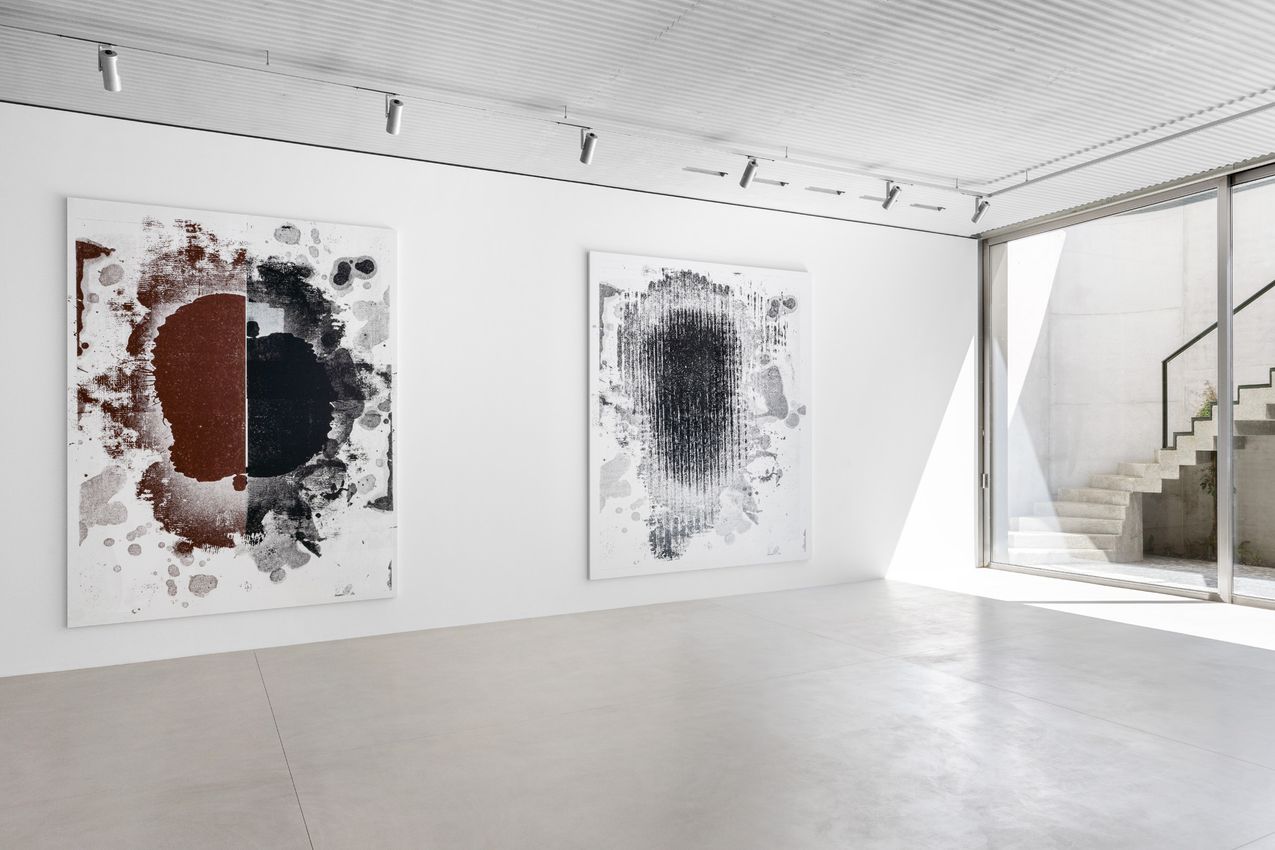
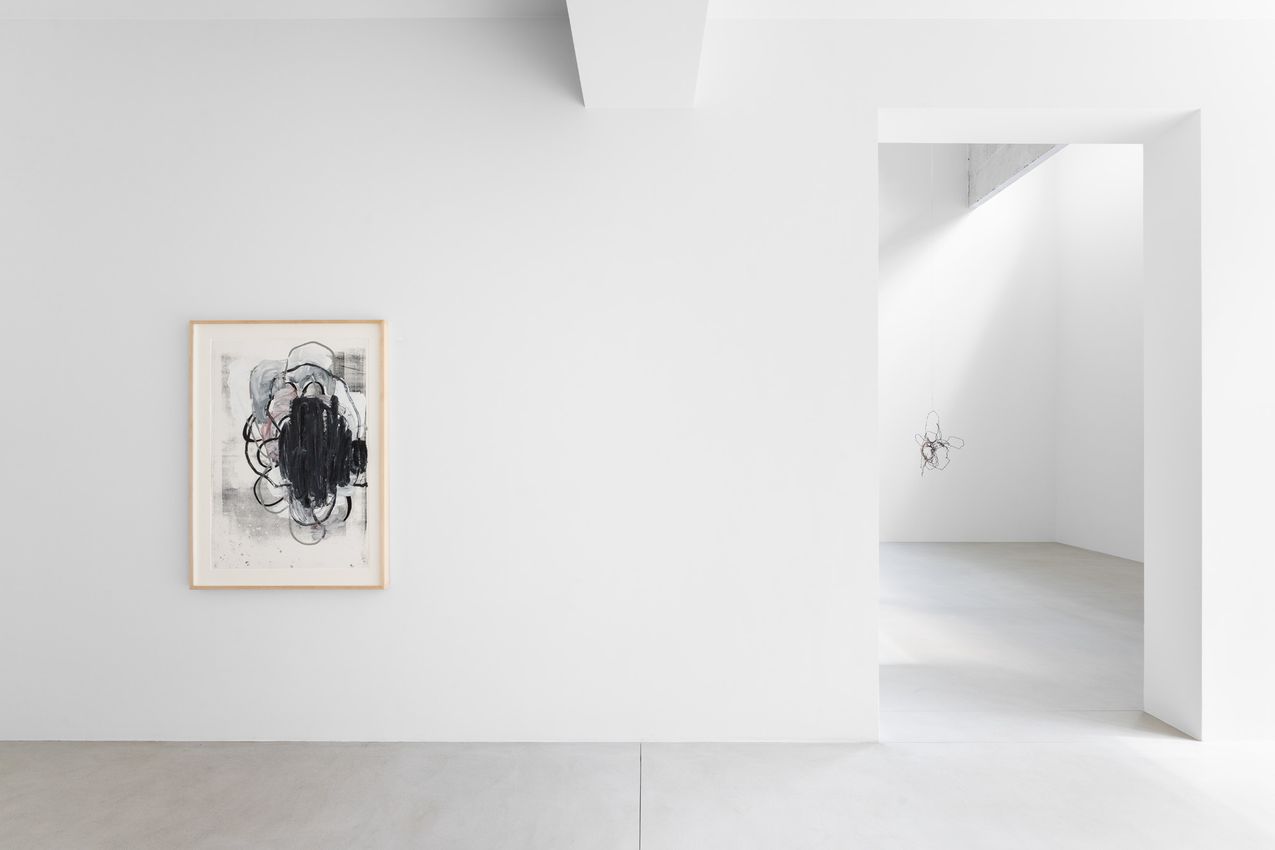
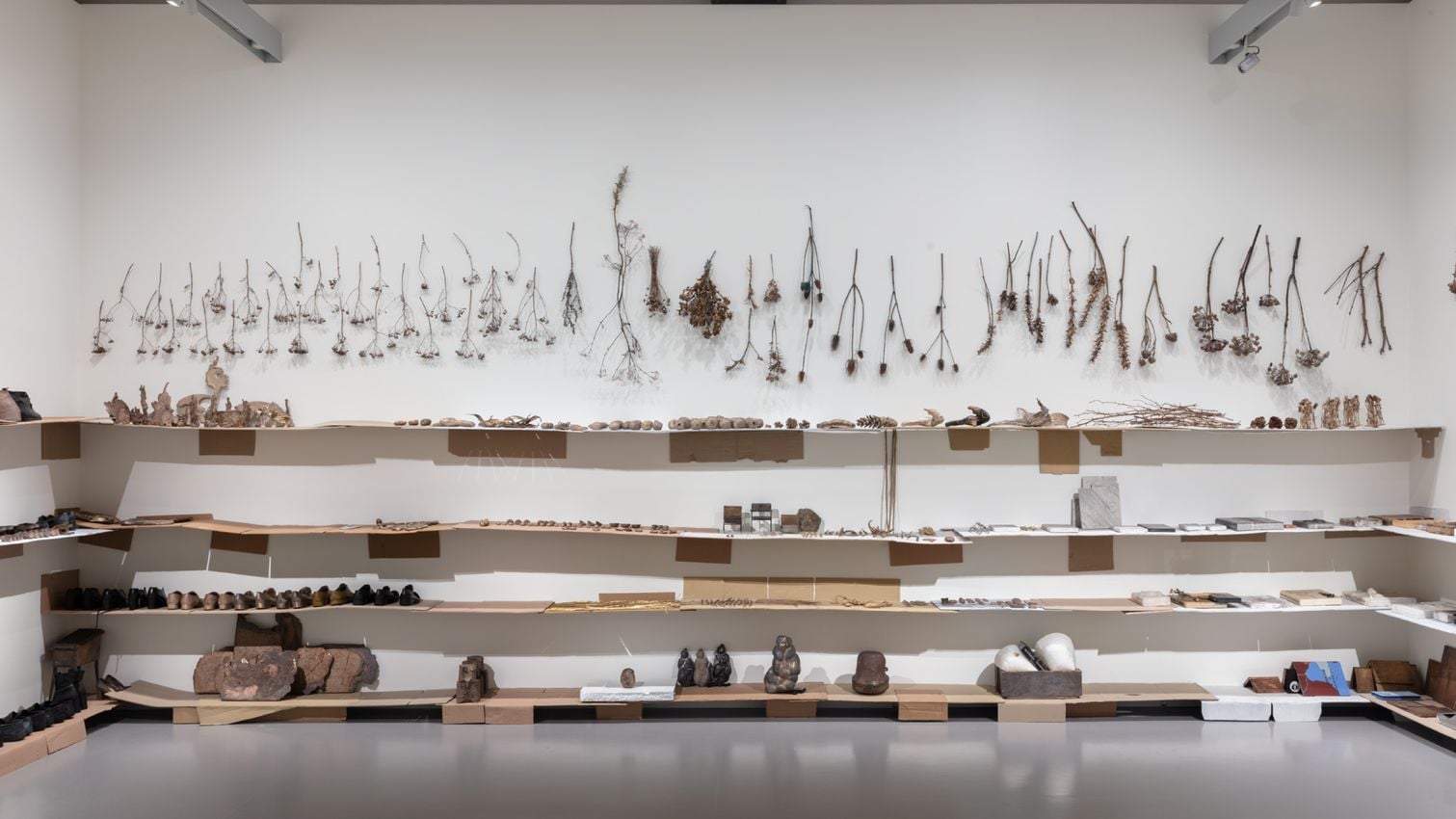
Xavier Hufkens is pleased to announce the opening of the new St-Georges gallery with a large-scale exhibition by American artist Christopher Wool (b. 1955). Spanning four floors of the new building designed by Robbrecht & Daem architects, the comprehensive presentation charts the recent evolution of Wool’s oeuvre. Curated by Anne Pontégnie, who has worked extensively with the artist for over two decades, the exhibition brings together several distinct bodies of work: a group of paintings (the first to come out of his studio in five years), new works on paper, a series of bronze and wire sculptures and four groups of photographs. Focusing on recent developments in Wool’s practice and the processes of reproduction employed by the artist across media, this is the first exhibition in Europe to showcase the full range of his work.

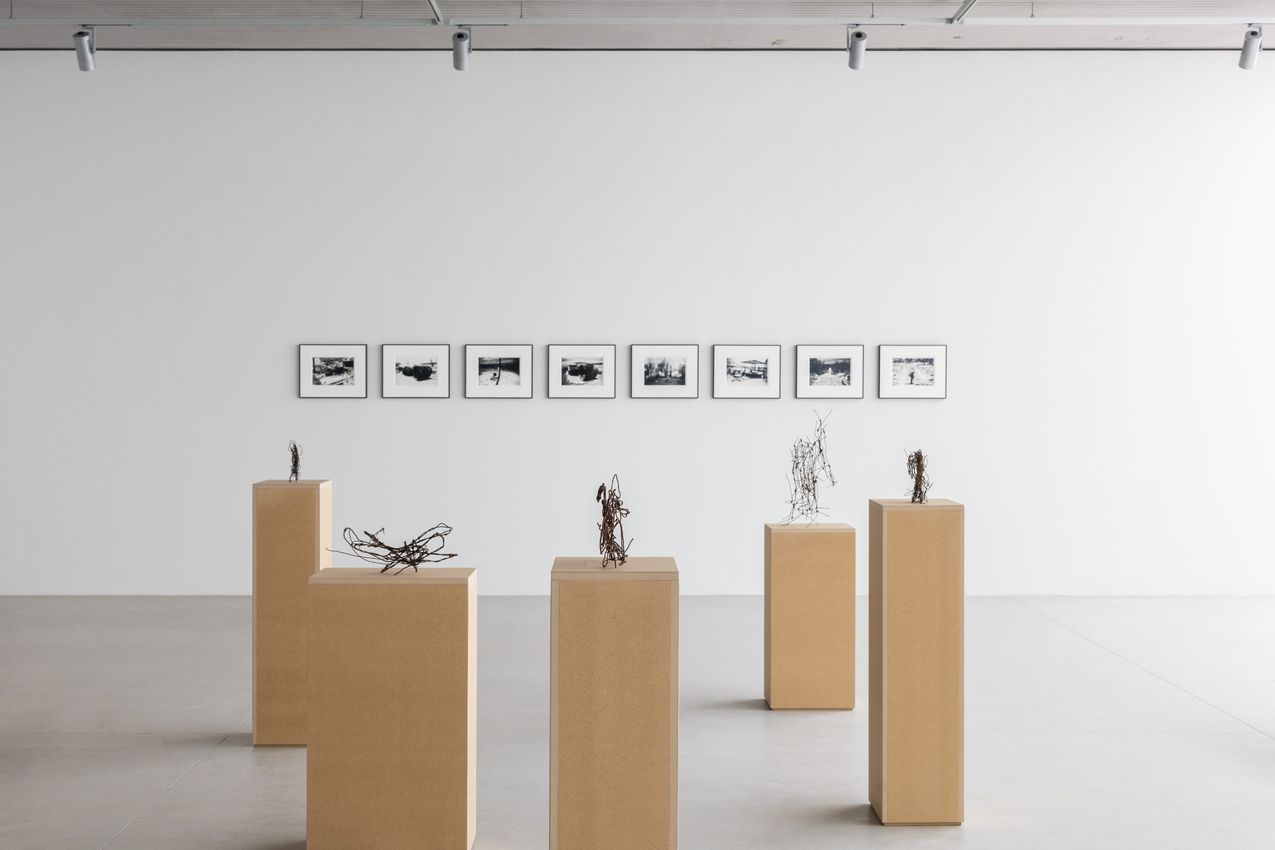
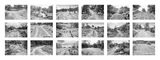
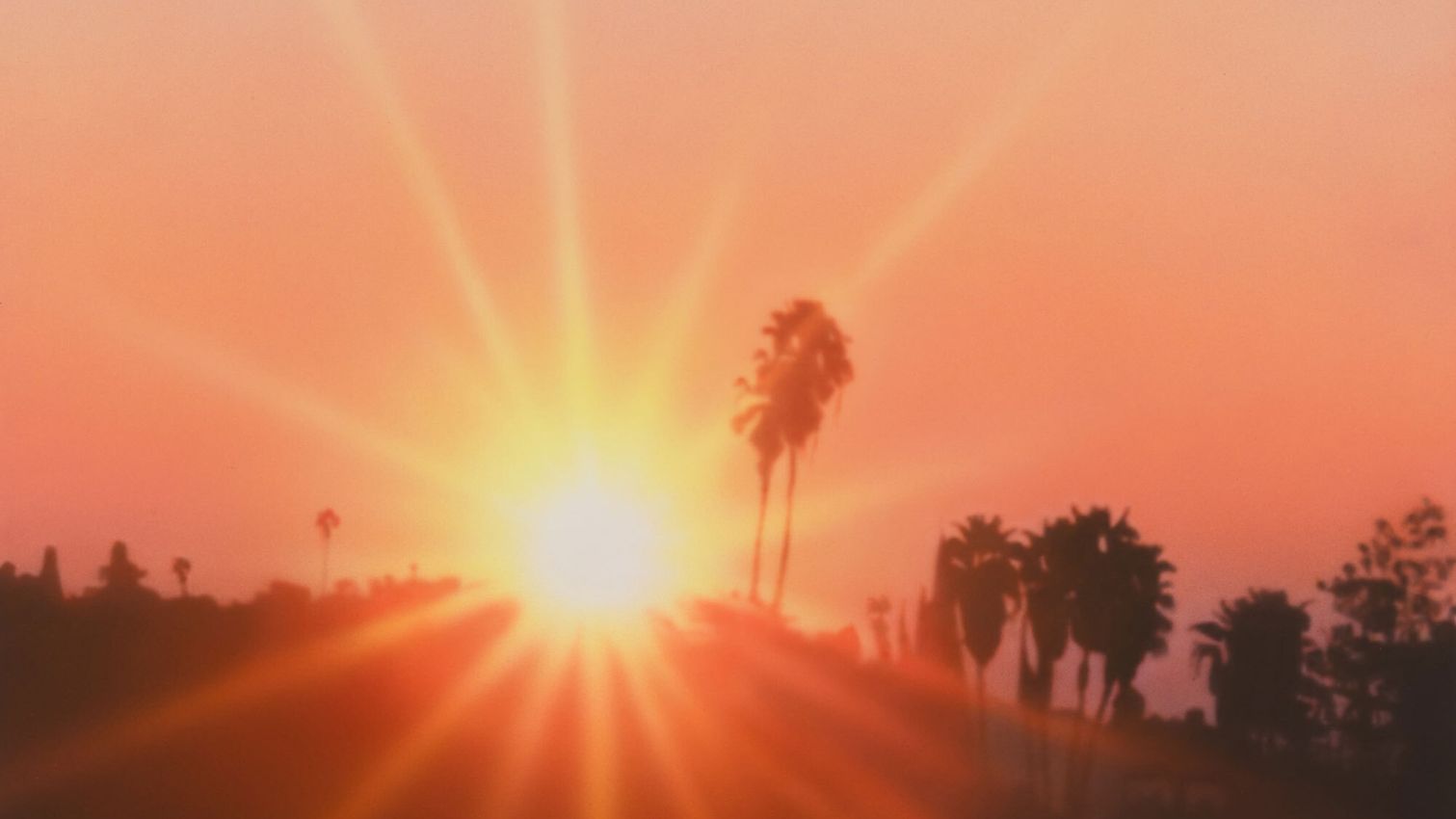
Over the last fifteen years, Wool has spent an increasing amount of time in the desert landscape of West Texas. The aridity, emptiness and loneliness of that environment has permeated his work, just as the streets of New York’s Lower East Side did in the 1990s. Despite the literal and figurative distance between these locations, Wool’s repetitive images, as seen in Road (2018), are not so much a departure from his earlier photographic work but more an extension of his highly specific gaze. Typically using a low camera angle, his images communicate the desolate, poor and neglected aspects of his immediate surroundings. Yard (2018) is noteworthy for the use of double exposures: a technique whereby two different shots are layered into a single image.

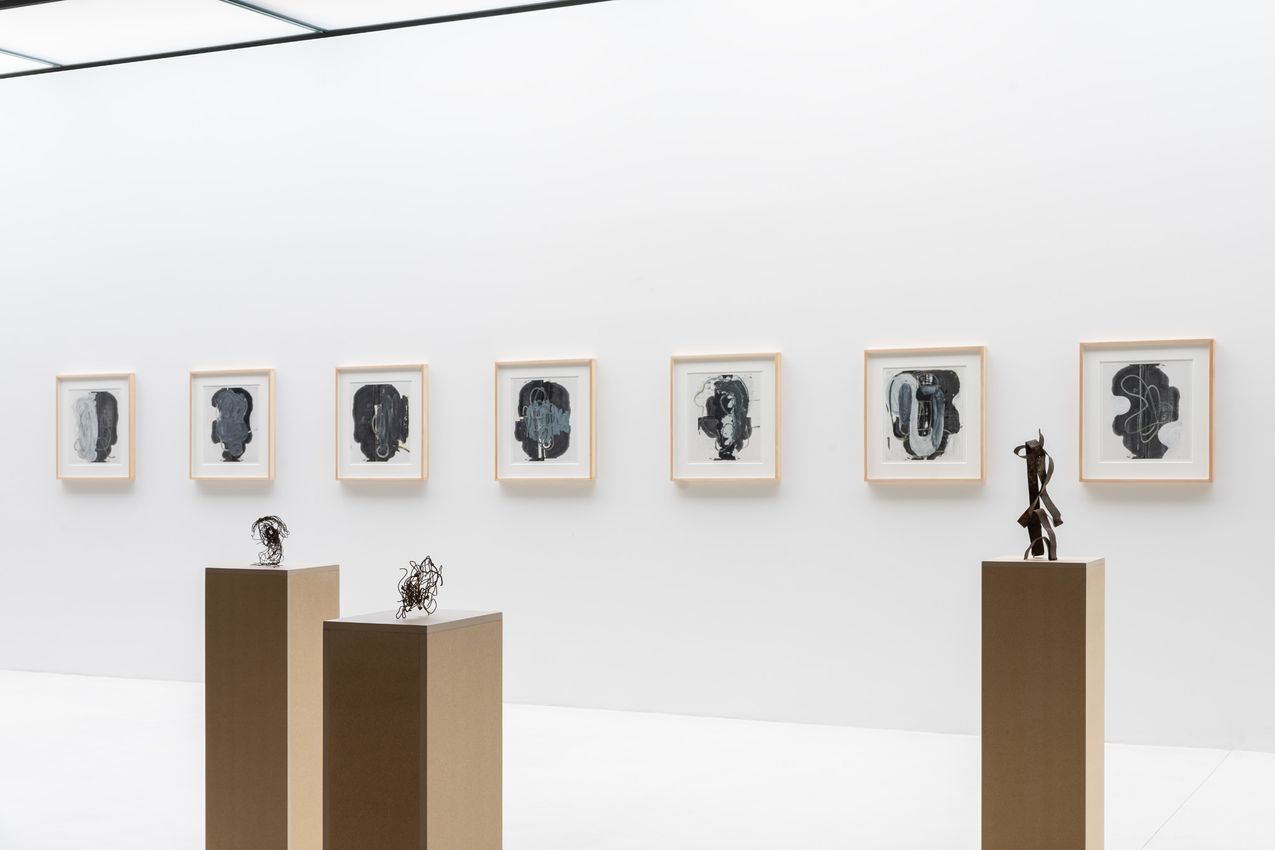
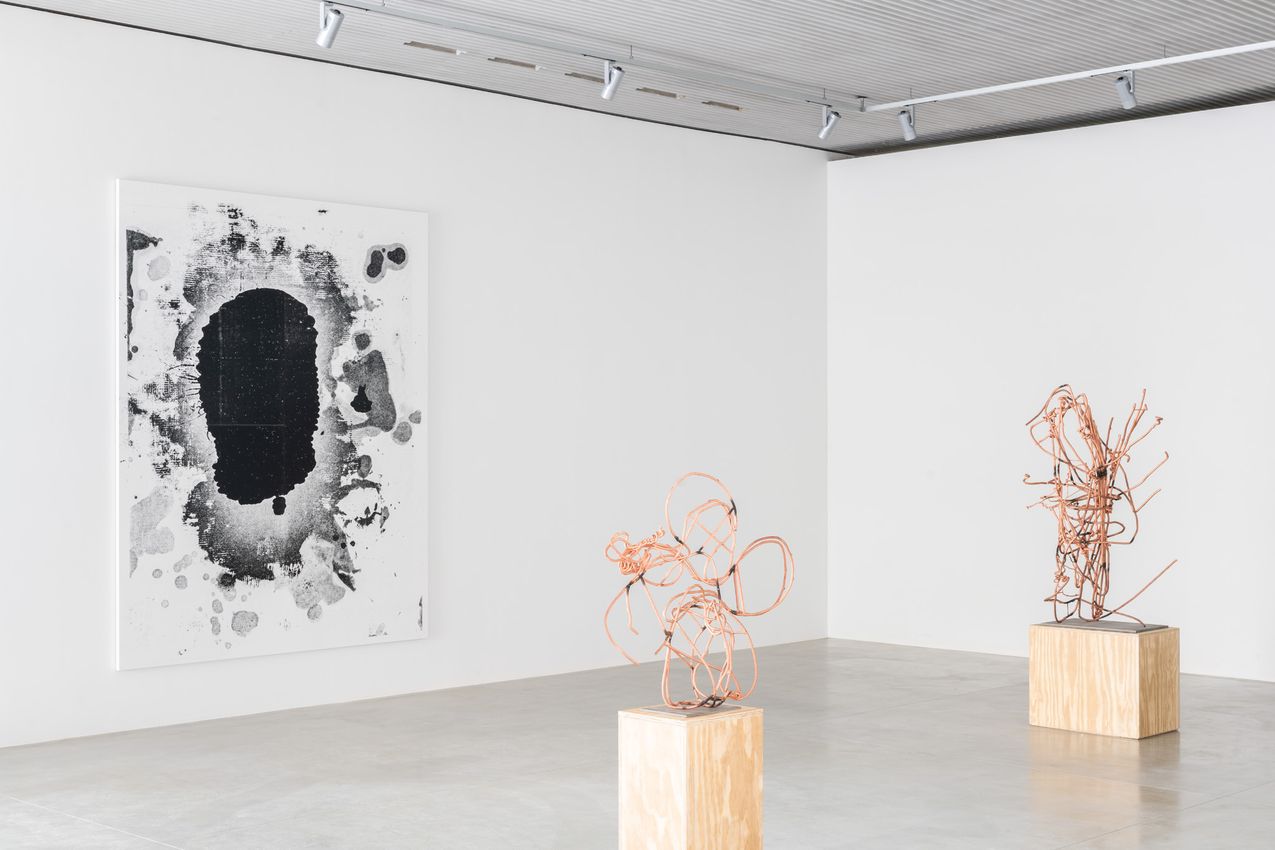
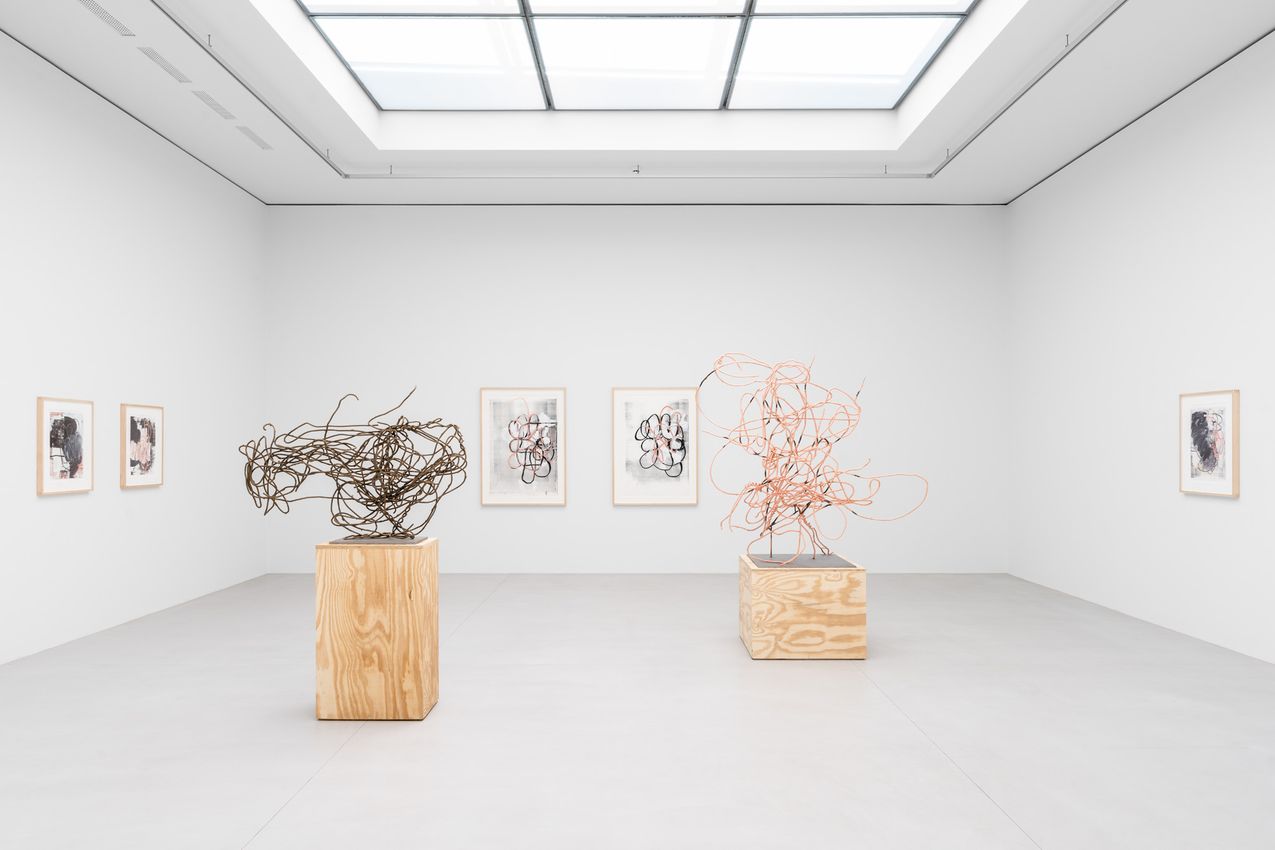
The four paintings in the exhibition all have the same silkscreened background: a magnified photographic detail from one of Wool’s earlier monotypes. To create paintings on this scale, four silkscreen panels are joined into a grid (an observant viewer will notice the quadrants). Superimposed onto this background, denser areas of paint block access to the primary layer, creating a tension that characterises Wool’s abstraction. The images have been digitally manipulated (enlarged, overpainted, the colouration altered, for example). The sequence of these actions, and the precise order in which the works are constructed, is hard, if not impossible, to unravel. This, however, can never be fully controlled by the artist; inks can unexpectedly change colour, images might print too faintly, or be misregistered, for example. Wool embraces these ‘mishaps’ as a creative tool, one that reveals chance and control to be two sides of the same coin. In this series, and many others, the artist subverts mechanical reproduction techniques–conventionally used to make multiple identical copies of an image–to create unique and unrepeatable works. And while Wool’s abstract paintings have a gestural and haptic quality, they can also be read as firm rebuttals of pictorial self-expressiveness. Addition and subtraction, image manipulation, layering, erasure and concealment, not to mention the recapitulation of existing works, are the defining elements of Wool’s pictorial language. His recent investment in large works on paper painted over pages of books, which depict former works, extend this creative practice. New works are made by defacing others.

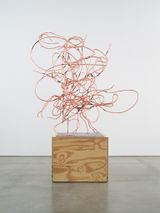
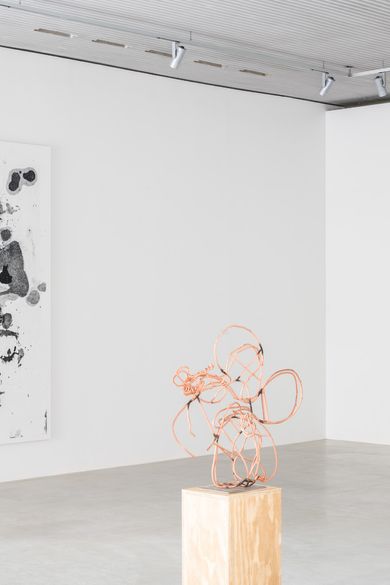
The photographs entitled Bad Rabbit (2022) are shot in a similarly detached style to Yard (2018), Road (2018) and Westtexaspsychosculpture (2018) but with one key difference: the subject is the artist’s own work. We see a seriesof barbed wire sculptures in an indeterminate landscape. They could bediminutive or monumental; it isn’t clear. Wool’s foray into three-dimensionalwork is also related to the desert landscape and, more specifically still, the discarded lengths of wire that litter the terrain. After collecting a piece one day, he twisted it into a looping sculptural form. This became the catalyst for an ongoing series of bronze sculptures that echo the fluid linearity of therecent paintings and prints. Wool’s monumental 3-metre-high bronze–oneof the highlights of the exhibition–also began life as a wire sculpture. As inhis paintings and graphics, an original image is digitally manipulated andenlarged, with the casting process being analogous to the role of the silkscreenin his two-dimensional work.

Read More

Installation Views

Xavier Hufkens Inaugurate New St-Georges Gallery With Christopher Wool Show Opinion Xavier Hufkens Inaugurate New St-Georges Gallery With Christopher Wool Show Xavier Hufkens have just re‑opened their flagship space at 6 rue St‑Georges in Brussels, marking the gallery’s 35th anniversary. Read the story
About the Artist

Christopher Wool (b. 1955) is widely regarded as one of contemporary art’s most innovative and influential American painters. Born in Chicago, he moved to New York City in 1973 where he studied painting and immersed himself in the city’s underground culture. Since the early 1980s, Wool has pushed abstract painting’s limits through a rigorous practice that addresses contemporary experience through formal invention. Be it printing, layering, stamping, smearing, or erasing, the artist continuously seeks to confront painting’s core qualities. Wool is known for his seminal text-based and graphic stencilled works as well as his large-scale abstracted canvases that combine silkscreen and painted gestures. His art practice also extends to sculpture, photography, and artist books. Wool lives and works between New York City and Marfa, Texas. His work is included in the collections of major museums internationally. In 2013, a retrospective on his work was held at the Guggenheim Museum, traveling to the Art Institute of Chicago (2014). A career survey opened at the Museum of Contemporary Art, Los Angeles in 1998 and subsequently travelled to the Carnegie Museum of Art and Kunsthalle Basel. Other important solo exhibitions include Musée d’Art Moderne de la Ville de Paris (2012), Museum Ludwig (2009), and Museu de Arte Contemporânea de Serralves (2008). International exhibitions include the Whitney Biennial (1989), Documenta (1992), the Lyon Biennial (2003), and the Venice Biennale (2011). Among many honours, Wool has been named a Fellow of the American Academy in Rome, served as a DAAD Berlin Artist-in-Residence, and received the Wolfgang Hahn Prize Cologne.

View Artist Profile

Also Exhibiting at Xavier Hufkens

About the Gallery
Xavier Hufkens is one of Europe’s leading galleries for contemporary art. Located in Brussels, the gallery maintains a diverse exhibition programme with solo exhibitions of the gallery artists as well as group exhibitions and special projects. The gallery deals in a distinctive combination of painting, drawing, sculpture, photography, video and installation-based work.

The origins of the gallery date back to 1987, when Xavier Hufkens opened a gallery space in an un-refurbished warehouse in the neighbourhood of the South Station (Midi) in Brussels. During the early years, the focus of the gallery was upon mid-career and emerging artists and the gallery is known for having introduced some of the most influential contemporary artists to Brussels at a time when they were still relatively unknown. British sculptor Antony Gormley, who is still affiliated with the gallery, Felix Gonzalez-Torres and Rosemarie Trockel all showed in Belgium for the first time with Xavier Hufkens (Gormley in 1987; Gonzalez-Torres in 1991 and Trockel in 1993).

In 1992, the gallery moved to a 19th-century townhouse at 6 rue Saint-Georges, close to the Avenue Louise. Completely renovated by Belgian architects Paul Robbrecht, Hilde Daem and Marie-José Van Hee, the house quickly gained a reputation for being not just one of the most beautiful contemporary art spaces in the Belgian capital, but also one of the most interesting. The expanded exhibition programme coincided with the additional representation of a number of established artists from Belgium and abroad, including Richard Artschwager, Thierry De Cordier and Jan Vercruysse. In 1997, Hufkens expanded the gallery further by annexing the adjacent building and a number of new artists joined the gallery, including Louise Bourgeois, Roni Horn and Thomas Houseago.

A second space in the same street, at 107 rue Saint-Georges, opened in spring 2013. Located in the Galerie Rivoli, a mixed-use commercial development from the 1970s, the new gallery space was designed by Swiss architect Harry Gugger, who was previously in partnership with Herzog and De Meuron. Slegten & Toegemann, Brussels, managed the project. A third space opened in spring 2020, located at 44 Rue Van Eyck, designed by architect Bernard Dubois.

An eclectic but very clear vision underpins all of the gallery’s activities: ‘The definition of the gallery was established from the start. The common thread, then and now, is quality over and above everything else, which I find more intellectually challenging than a forced definition. From the early days I juxtaposed established artists such as Michelangelo Pistoletto with someone like Felix Gonzalez-Torres when he was totally unknown. Today I still mix my work: I have no problem showing Malcolm Morley … alongside Robert Ryman, or Willem de Kooning.’ [Xavier Hufkens in The Art Newspaper, Issue 220, January 2011, published online: 20 January 2011]

Xavier Hufkens represents some thirty artists from different generations. He was part of the six-member selection committee for Art Basel during seven years and also participates in up to five international Arts Fairs annually. The gallery has partnerships with the estates of Louise Bourgeois, Willem de Kooning, Robert Mapplethorpe and Alice Neel.
View Gallery Profile
Address
6 rue St-Georges
St-Jorisstraat
Brussels
Belgium
Opening Hours
Tuesday – Saturday
11am – 6pm
(1)
Brussels 6 rue St-Georges
Xavier Hufkens
6 rue St-Georges, St-Jorisstraat, Brussels, Belgium

Opening hours
Tuesday – Saturday
11am – 6pm
The art world in focus
