Press Release

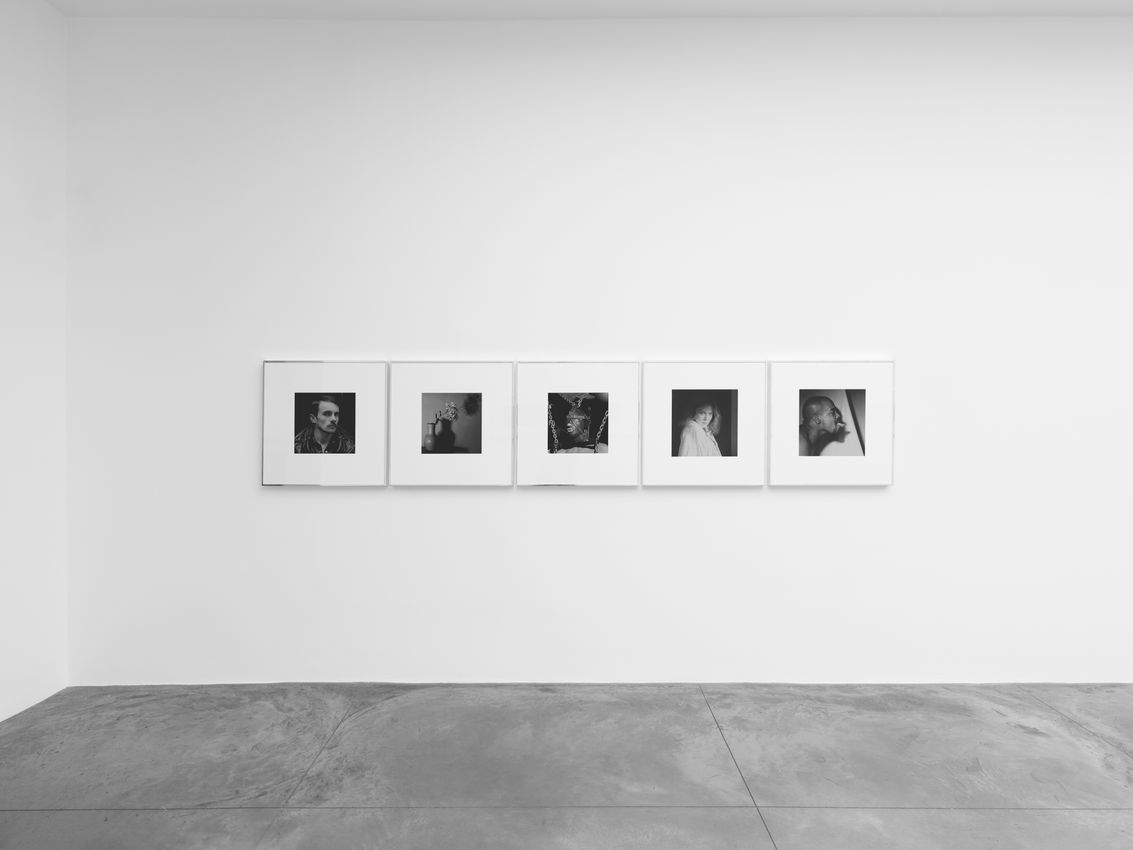
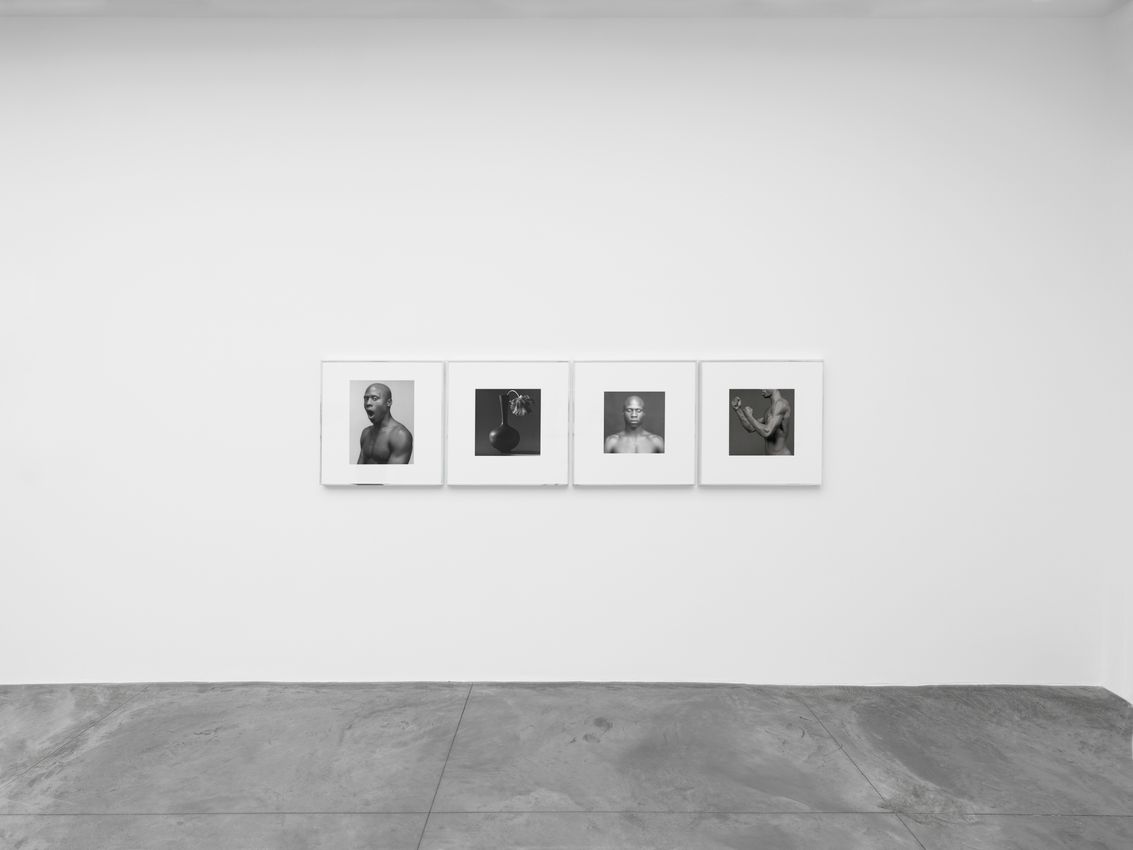
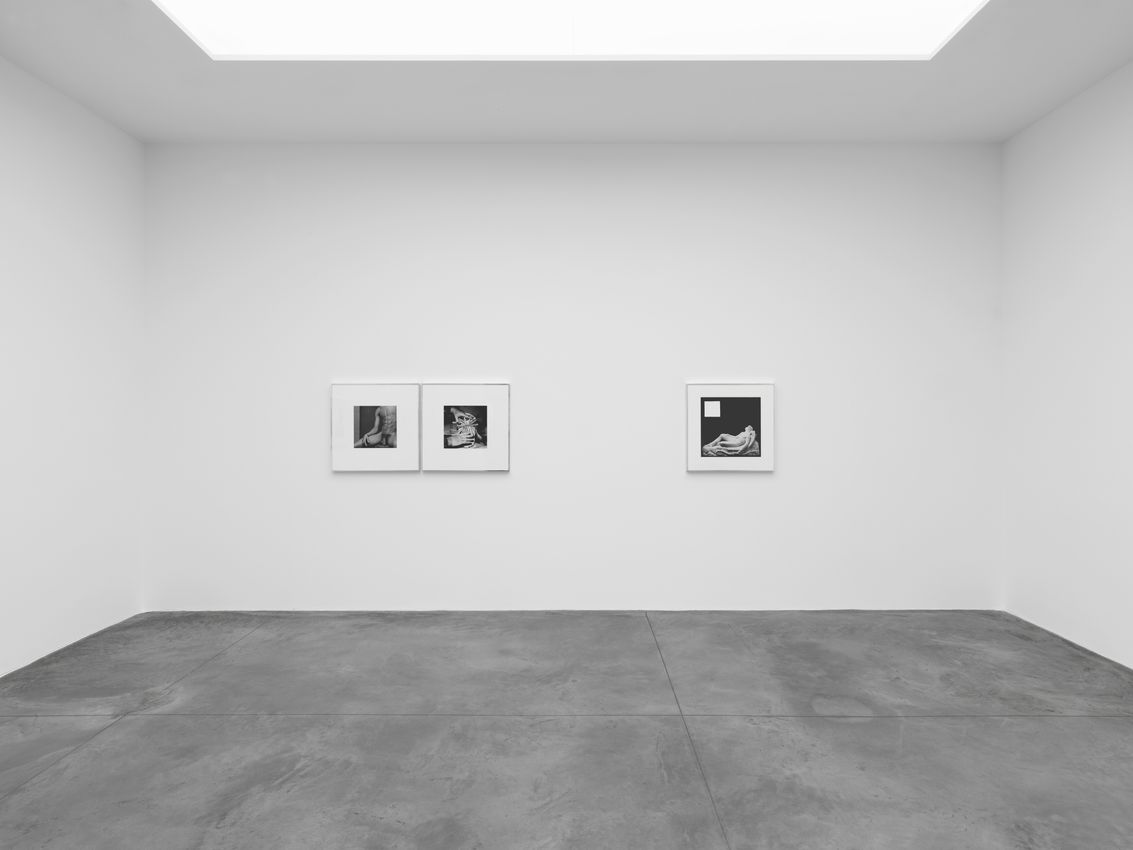
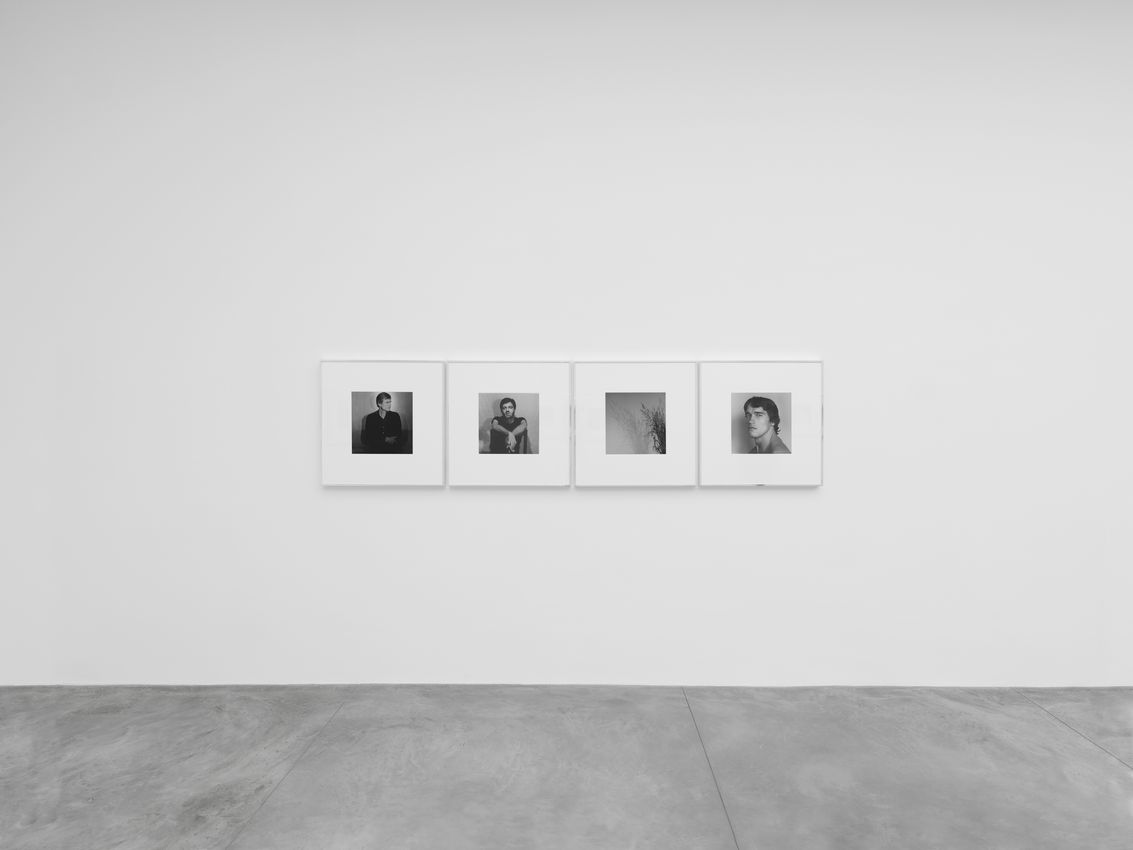
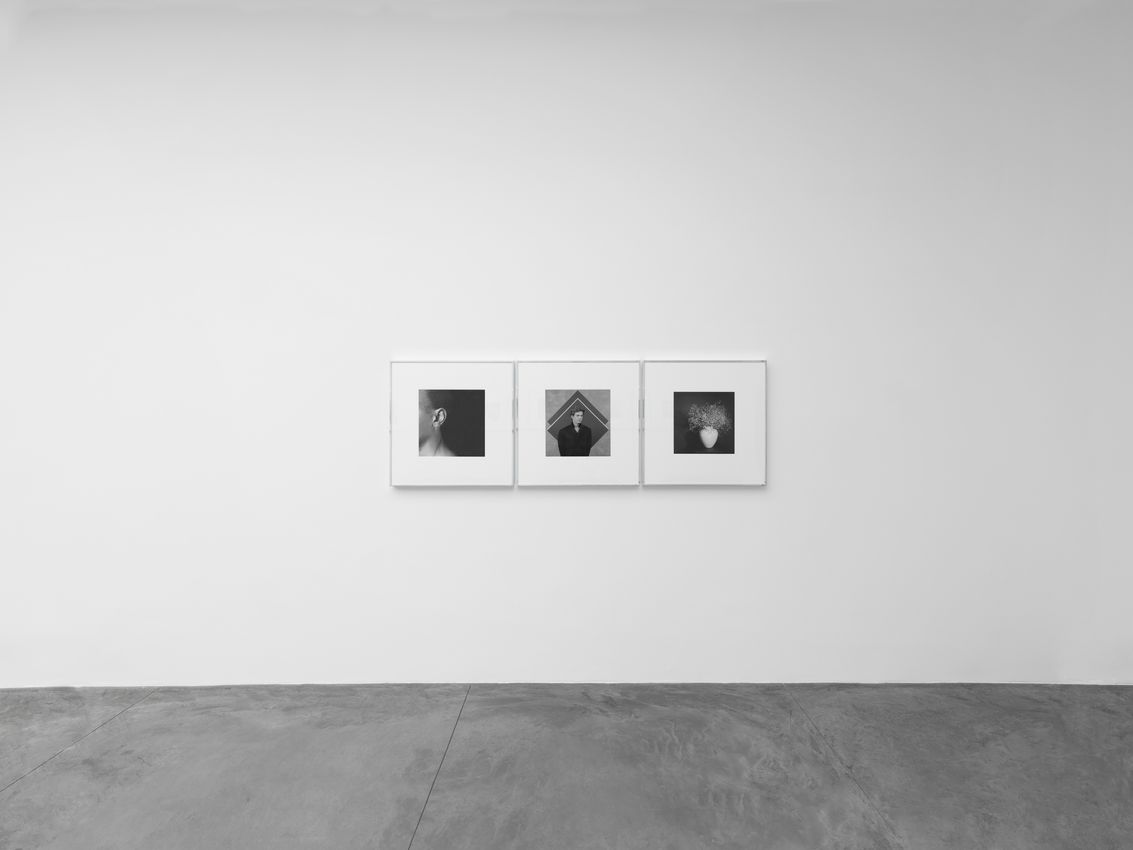
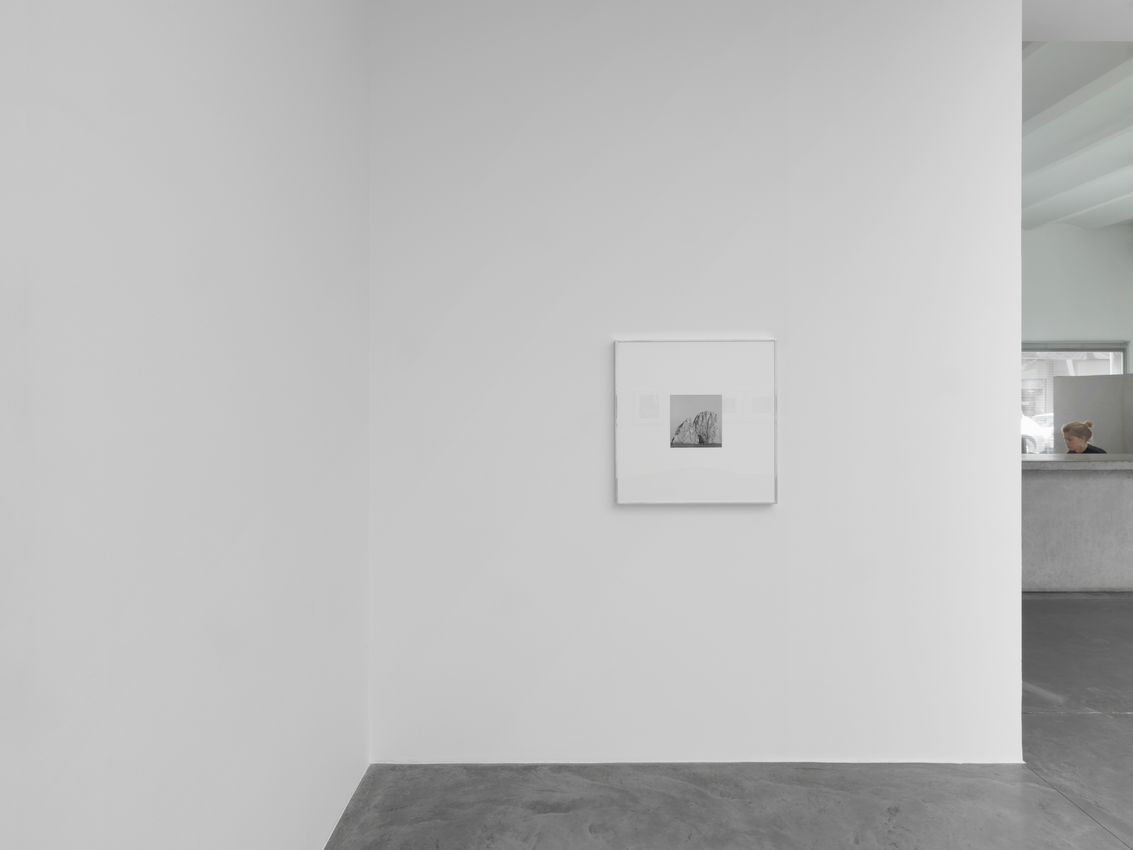
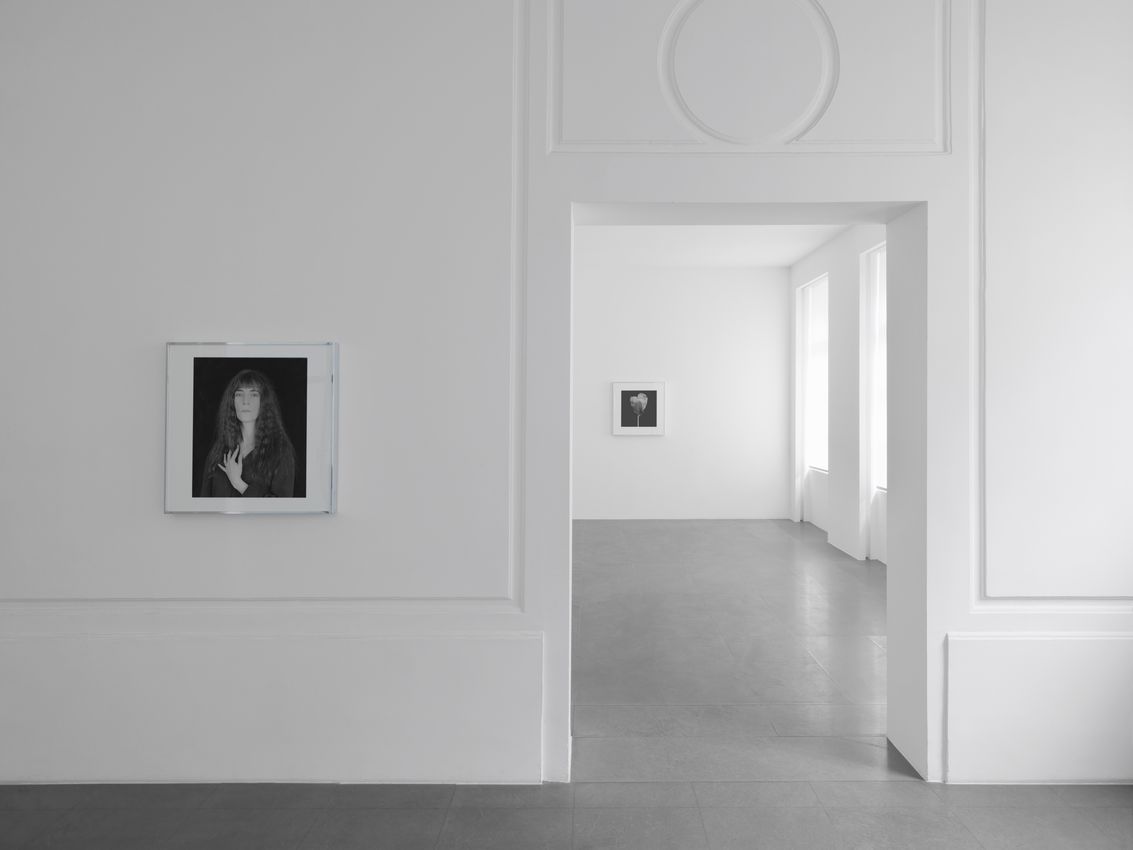
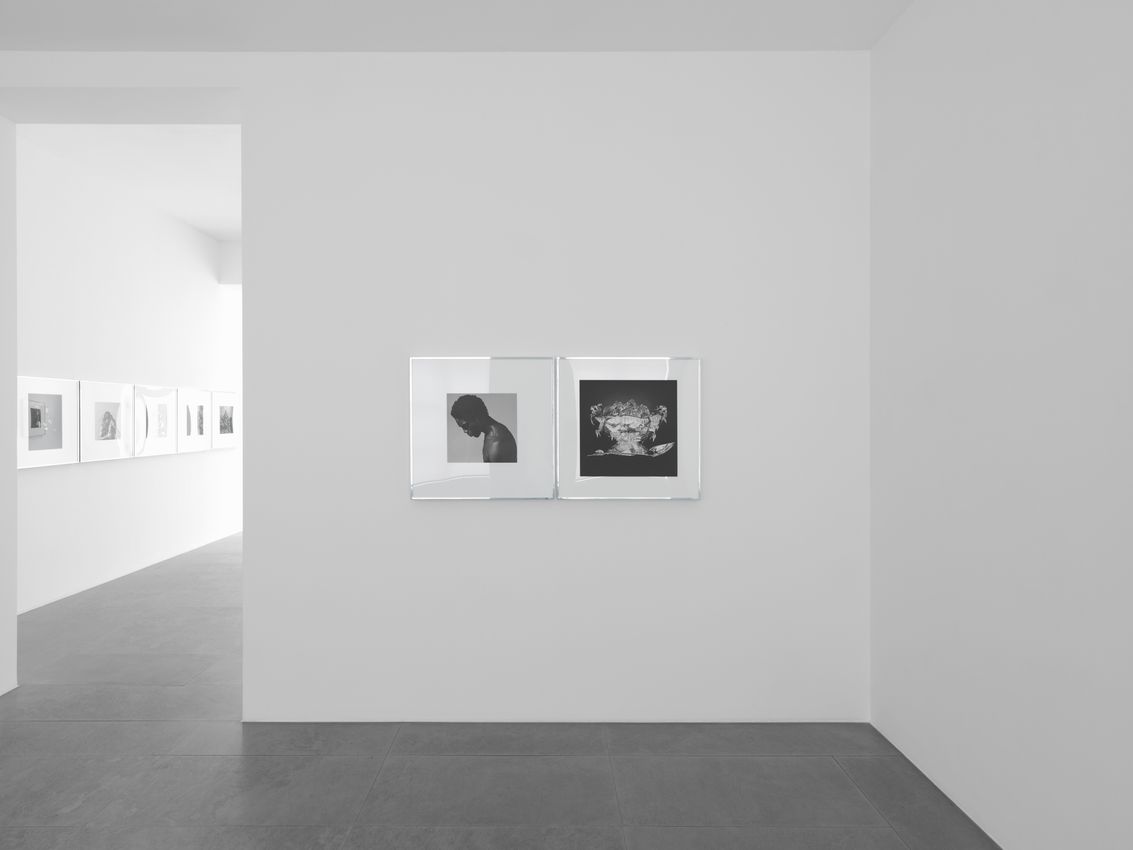
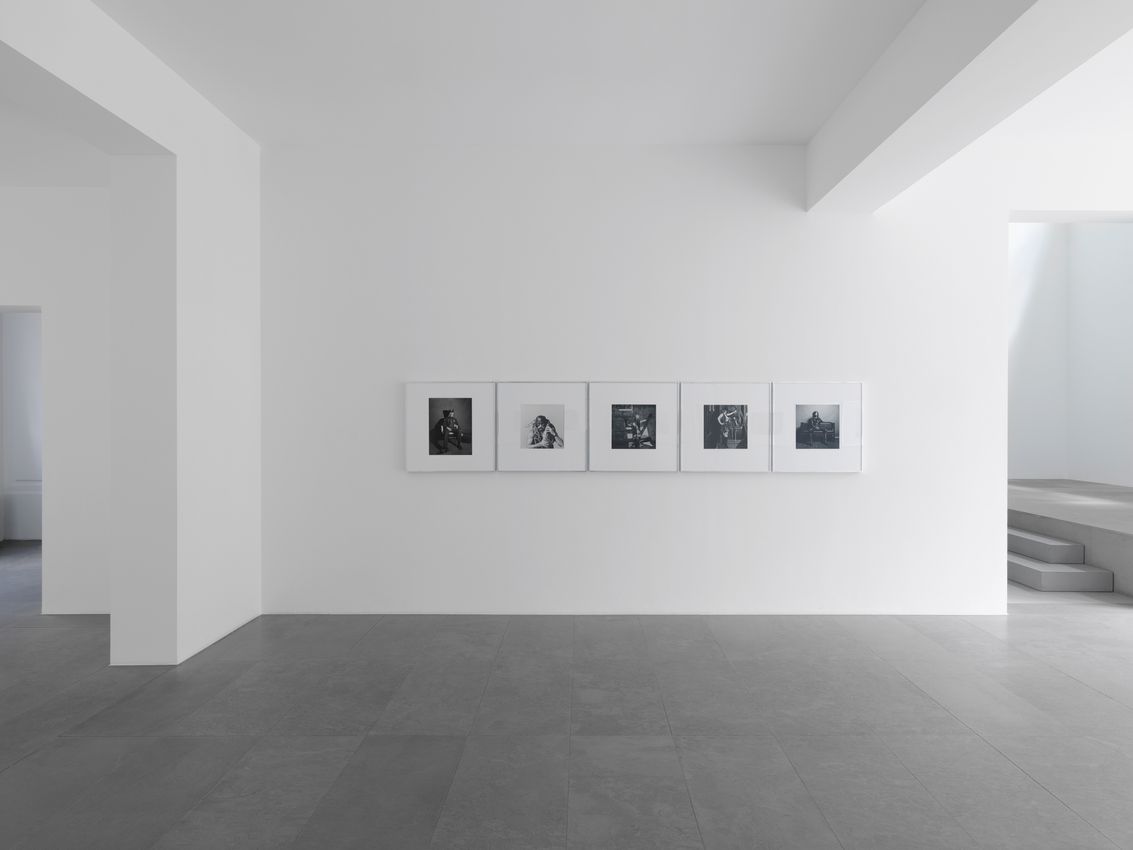
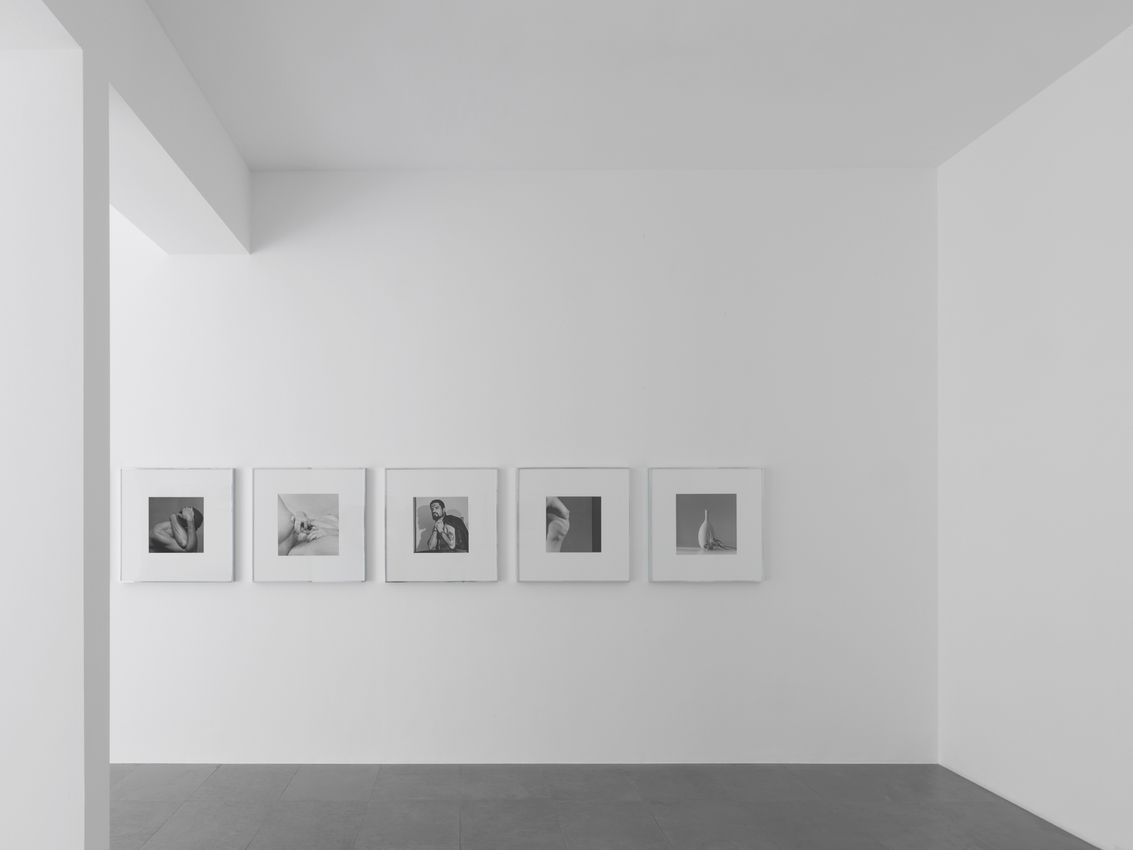
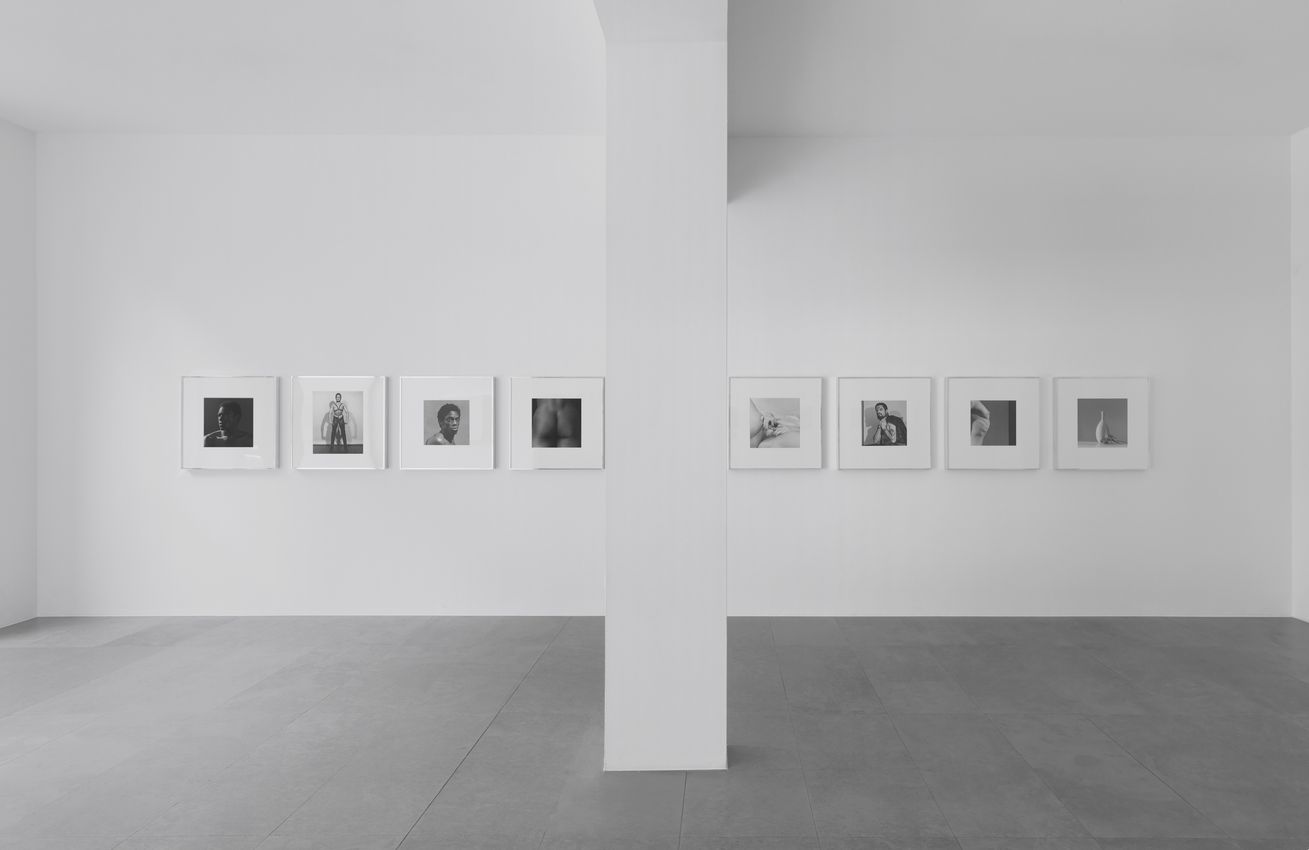
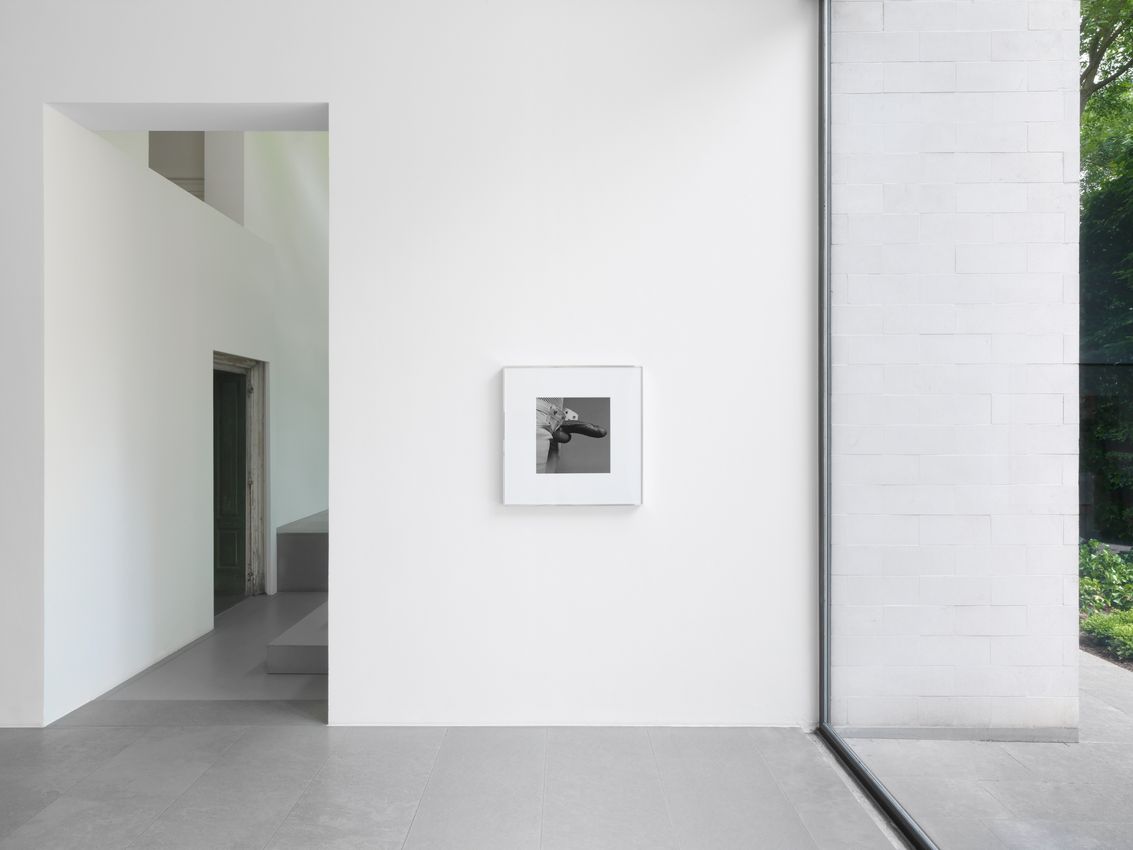
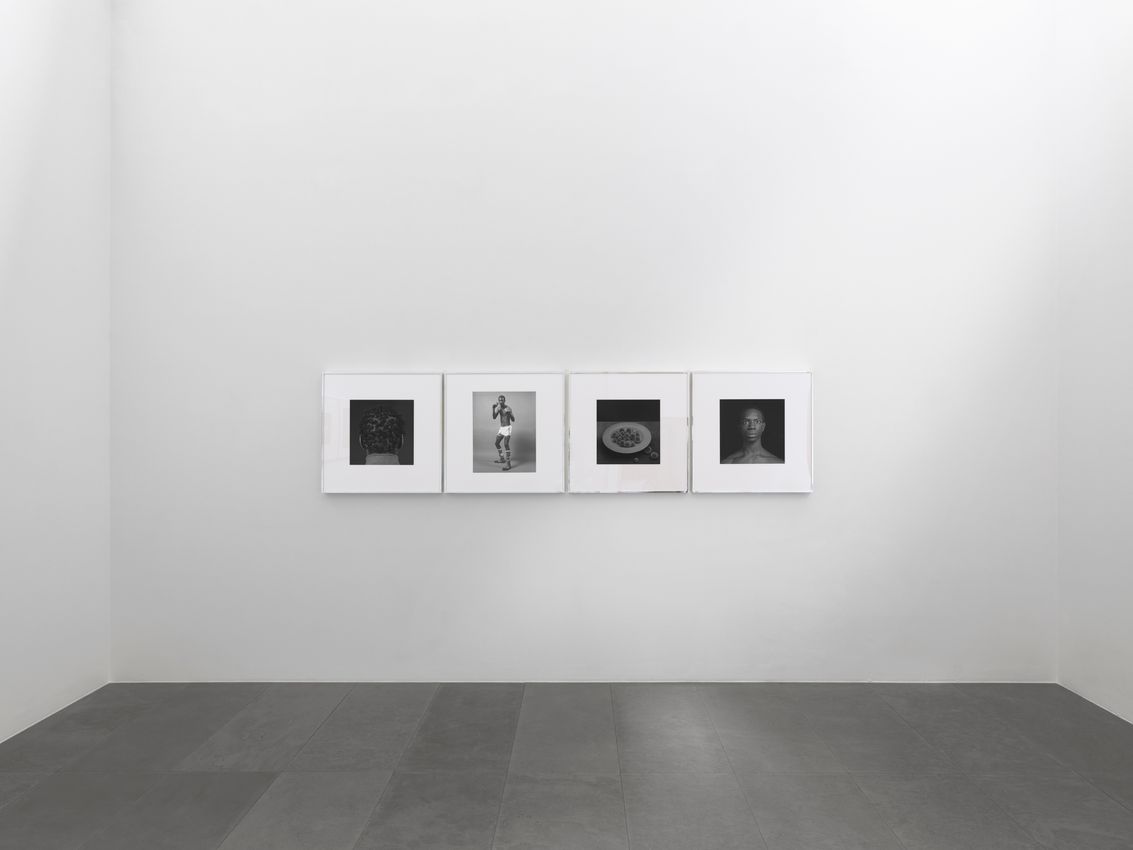
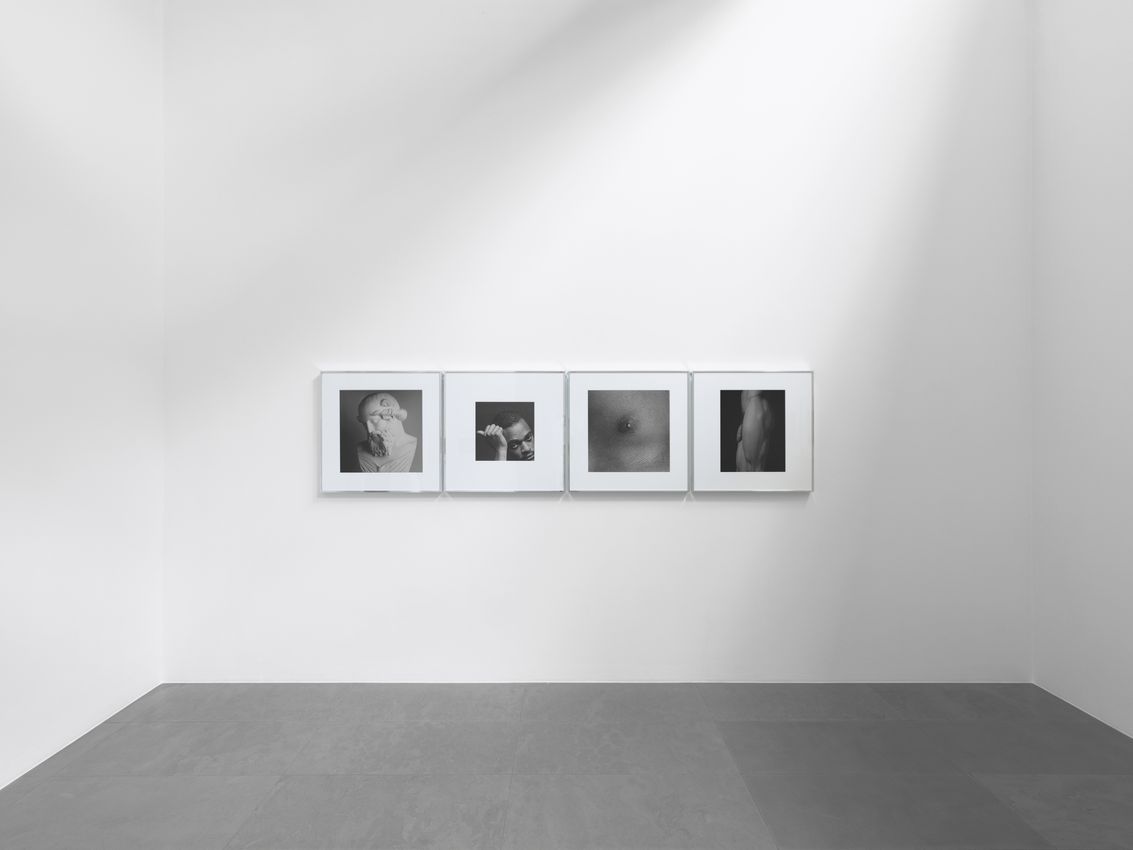
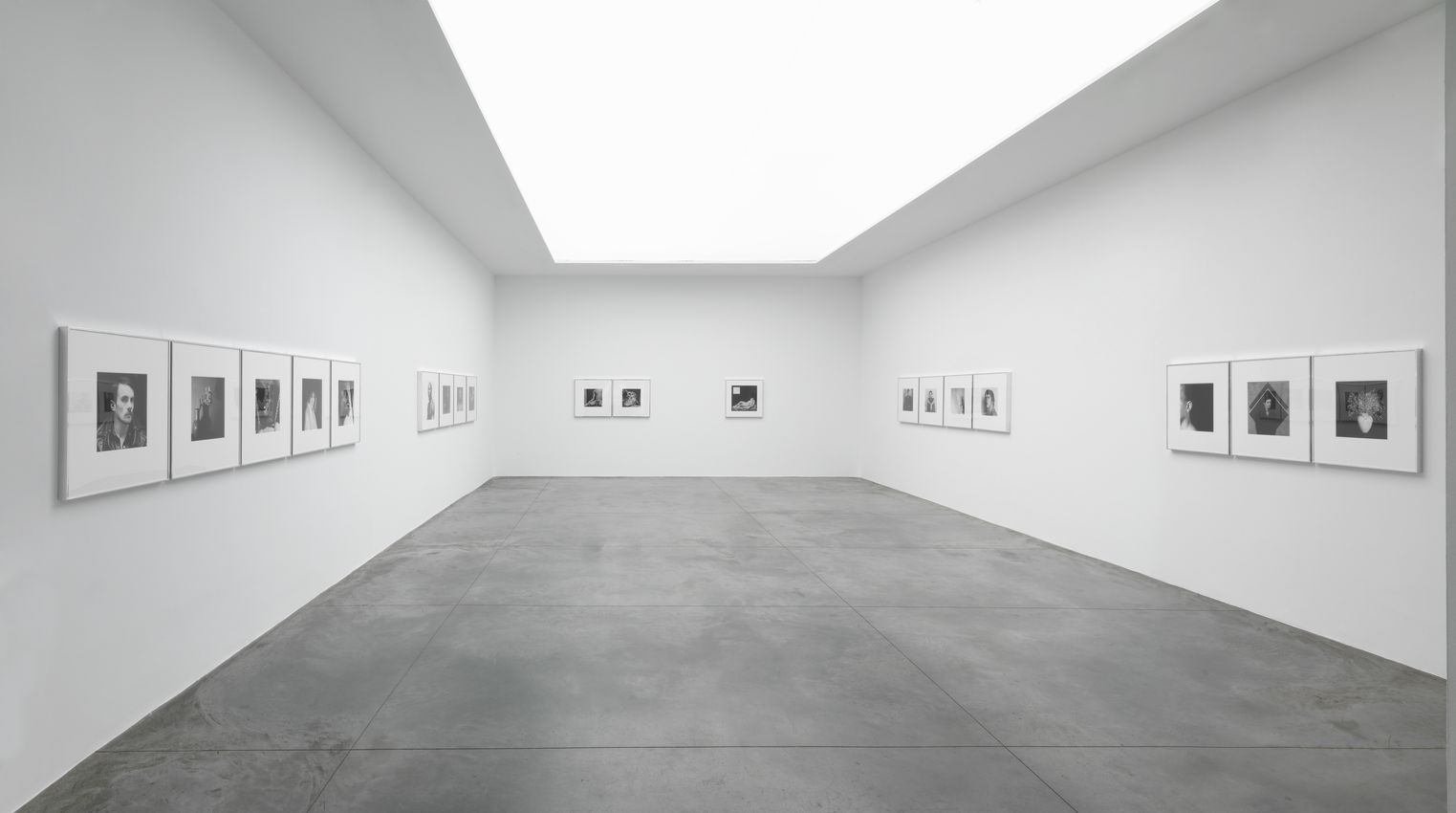
Xavier Hufkens is delighted to announce a new exhibition dedicated to the work of the American photographer Robert Mapplethorpe (1946–1989). Comprising some forty prints, the presentation spans every stage of the artist’s working life and includes representative examples of the defining themes within his oeuvre, most notably portraits, self-portraits, flowers, figure studies and bondage tableaux.

Mapplethorpe’s career was as glittering as it was controversial. Feted and vilified in equal measure, he ran a hugely successful commercial studio while also producing some of the most contentious and hotly-debated photographs of the twentieth-century. Although his unflinching depictions of homosexuality, S&M and bondage provoked a fierce moral backlash at the time (gay sex was not legalised in NY until 1980), these are now amongst his most legendary and sought-after works.

The prints in this exhibition encapsulate the multiple facets of Mapplethorpe’s practice. Provocative images, such as Clothespinned Mouth (1978), date from the period in which the photographer became increasingly interested in the New York S&M scene. In pictures such as these, a tension arises between the confrontational subject matter and Mapplethorpe’s undisputed mastery of the photographic medium. Of these images, he said: ‘I don’t like that particular word “shocking”. I’m looking for the unexpected. I’m looking for things I’ve never seen before... I was in a position to take those pictures. I felt an obligation to do them.’ Together with the portraits of celebrities (Arnold Schwarzenegger, Kathleen Turner) and those of the artist’s friends and lovers (Patti Smith, Sam Wagstaff), Mapplethorpe documented the world around him in all its dazzling brilliance and extremes. Bacchus (1988), on the other hand, dates from the latter years of Mapplethorpe’s career when his focus shifted towards male and female nudes, classical sculpture and still-life compositions. Balance, unity and radiant light, as well as a subtle eroticism, become ever more emphatic in these works.

One can also examine the prints from a technical perspective. In so doing, a link can be made between even the most antithetical images. The leitmotiv is Mapplethorpe’s obsessive quest for perfection of form, his focus on the sculptural (be it the curve of the human body or the analogous line of a petal) and a consistent visual style that is instantly recognisable: simple forms set against neutral backgrounds, a razor-sharp focus and opulent, tonal gradations ranging from inky, velvety black to luminous silver-white. Working almost exclusively in his studio—nothing was ever left to chance—Mapplethorpe was a proponent of a formal classicism that had been all but forgotten during his lifetime. He was also an aesthete: a photographer who divined the beauty in every subject—even the darkest—and sought to make it visible.

Roland Barthes’ landmark text on photography, Camera Lucida (1980), offers yet another prism through which to approach the material. The French philosopher instantly gauged the measure of Mapplethorpe’s genius. In his description of a self-portrait, (written some thirty-seven years ago), he formulated an observation that might equally be applied to the entire oeuvre: ‘the photographer has caught the boy’s hand... at just the right degree of openness, the right density of abandonment: a few millimetres more or less and the divined body would no longer have been offered with benevolence... the photographer has found the right moment, the Kairos of desire.’ And it is precisely this—Mapplethorpe’s unfailing ability to pinpoint the ‘perfect moment’ (Kairos)—that shines forth from every print.

Xavier Hufkens represents the Robert Mapplethorpe Foundation, NY, from whose archive the works in this exhibition have been selected.

Robert Mapplethorpe (b. New York, USA, 1946; d. Boston, USA, 1989) mounted over fifty solo exhibitions during his lifetime, including numerous museum shows in the USA, Europe and Japan. Since his death, his work has continued to be exhibited and acquired by major international art institutions. Robert Mapplethorpe is currently the subject of a major touring retrospective The Perfect Medium, which opened at the J. Paul Getty Museum and Los Angeles County Museum of Art (LACMA), Los Angeles in 2016, has recently toured to Montreal Museum of Fine Arts, Canada and will
next be shown at the Art Gallery of New South Wales, Sydney, Australia (October 2017-February 2018). His work can also currently be seen in Robert Mapplethorpe, a perfectionist, Kunsthal Rotterdam, Rotterdam (on view until 27 August 2017). Other recent exhibitions include: On the Edge, ARoS Aarhus Kunstmuseum, Aarhus, Denmark (2016); Mapplethorpe + Munch, The Munch Museum, Oslo (2016). Mapplethorpe is also the subject of a recently released, Emmy-nominated, HBO documentary Look at the Pictures (2016).

Read More

Installation Views

About the Artist

Robert Mapplethorpe became one of the most well known American photographers of the 20th century. He began taking photographs in the 1970s using a Polaroid camera and showed his work for the first time at the Light Gallery, New York, in 1973. In 1976, he purchased a Hasselbald medium-format camera and, working primarily in the studio, began producing large-scale still lifes (of subjects such as lilies and skulls), interiors, nudes, portraits and self-portraits. His studio-based work is notable for its great formal precision. Mapplethorpe also photographed his circle of friends and celebrities, including Patti Smith, and he occasionally produced pictures for Andy Warhol's Interview magazine. In the late 1970s, he documented the New York sadomasochistic scene and published the X Portfolio in 1978 (a group of thirteen silver gelatin prints depicting homoerotic and sadomasochistic subjects). In 1988, the inclusion of some of these explicit images in his major retrospective at the Whitney Museum of American Art ignited a fierce public debate in America about censorship and the public funding of the arts. Several series of his photographs were collated into now-famous books, including Lady, Lisa Lyon with Bruce Chatwin (1983), Black Book with Ntozake Shange (1986), 50 New York Artists (1986), Some Women with Joan Didion (1989) and Flowers (1990).

View Artist Profile

Also Exhibiting at Xavier Hufkens

About the Gallery
Xavier Hufkens is one of Europe’s leading galleries for contemporary art. Located in Brussels, the gallery maintains a diverse exhibition programme with solo exhibitions of the gallery artists as well as group exhibitions and special projects. The gallery deals in a distinctive combination of painting, drawing, sculpture, photography, video and installation-based work.

The origins of the gallery date back to 1987, when Xavier Hufkens opened a gallery space in an un-refurbished warehouse in the neighbourhood of the South Station (Midi) in Brussels. During the early years, the focus of the gallery was upon mid-career and emerging artists and the gallery is known for having introduced some of the most influential contemporary artists to Brussels at a time when they were still relatively unknown. British sculptor Antony Gormley, who is still affiliated with the gallery, Felix Gonzalez-Torres and Rosemarie Trockel all showed in Belgium for the first time with Xavier Hufkens (Gormley in 1987; Gonzalez-Torres in 1991 and Trockel in 1993).

In 1992, the gallery moved to a 19th-century townhouse at 6 rue Saint-Georges, close to the Avenue Louise. Completely renovated by Belgian architects Paul Robbrecht, Hilde Daem and Marie-José Van Hee, the house quickly gained a reputation for being not just one of the most beautiful contemporary art spaces in the Belgian capital, but also one of the most interesting. The expanded exhibition programme coincided with the additional representation of a number of established artists from Belgium and abroad, including Richard Artschwager, Thierry De Cordier and Jan Vercruysse. In 1997, Hufkens expanded the gallery further by annexing the adjacent building and a number of new artists joined the gallery, including Louise Bourgeois, Roni Horn and Thomas Houseago.

A second space in the same street, at 107 rue Saint-Georges, opened in spring 2013. Located in the Galerie Rivoli, a mixed-use commercial development from the 1970s, the new gallery space was designed by Swiss architect Harry Gugger, who was previously in partnership with Herzog and De Meuron. Slegten & Toegemann, Brussels, managed the project. A third space opened in spring 2020, located at 44 Rue Van Eyck, designed by architect Bernard Dubois.

An eclectic but very clear vision underpins all of the gallery’s activities: ‘The definition of the gallery was established from the start. The common thread, then and now, is quality over and above everything else, which I find more intellectually challenging than a forced definition. From the early days I juxtaposed established artists such as Michelangelo Pistoletto with someone like Felix Gonzalez-Torres when he was totally unknown. Today I still mix my work: I have no problem showing Malcolm Morley … alongside Robert Ryman, or Willem de Kooning.’ [Xavier Hufkens in The Art Newspaper, Issue 220, January 2011, published online: 20 January 2011]

Xavier Hufkens represents some thirty artists from different generations. He was part of the six-member selection committee for Art Basel during seven years and also participates in up to five international Arts Fairs annually. The gallery has partnerships with the estates of Louise Bourgeois, Willem de Kooning, Robert Mapplethorpe and Alice Neel.
View Gallery Profile
Address
6 rue St-Georges
St-Jorisstraat
Brussels
Belgium
Opening Hours
Tuesday – Saturday
11am – 6pm
(1)
Brussels 6 rue St-Georges
Xavier Hufkens
6 rue St-Georges, St-Jorisstraat, Brussels, Belgium

Opening hours
Tuesday – Saturday
11am – 6pm
The art world in focus