






DAVID DIAO
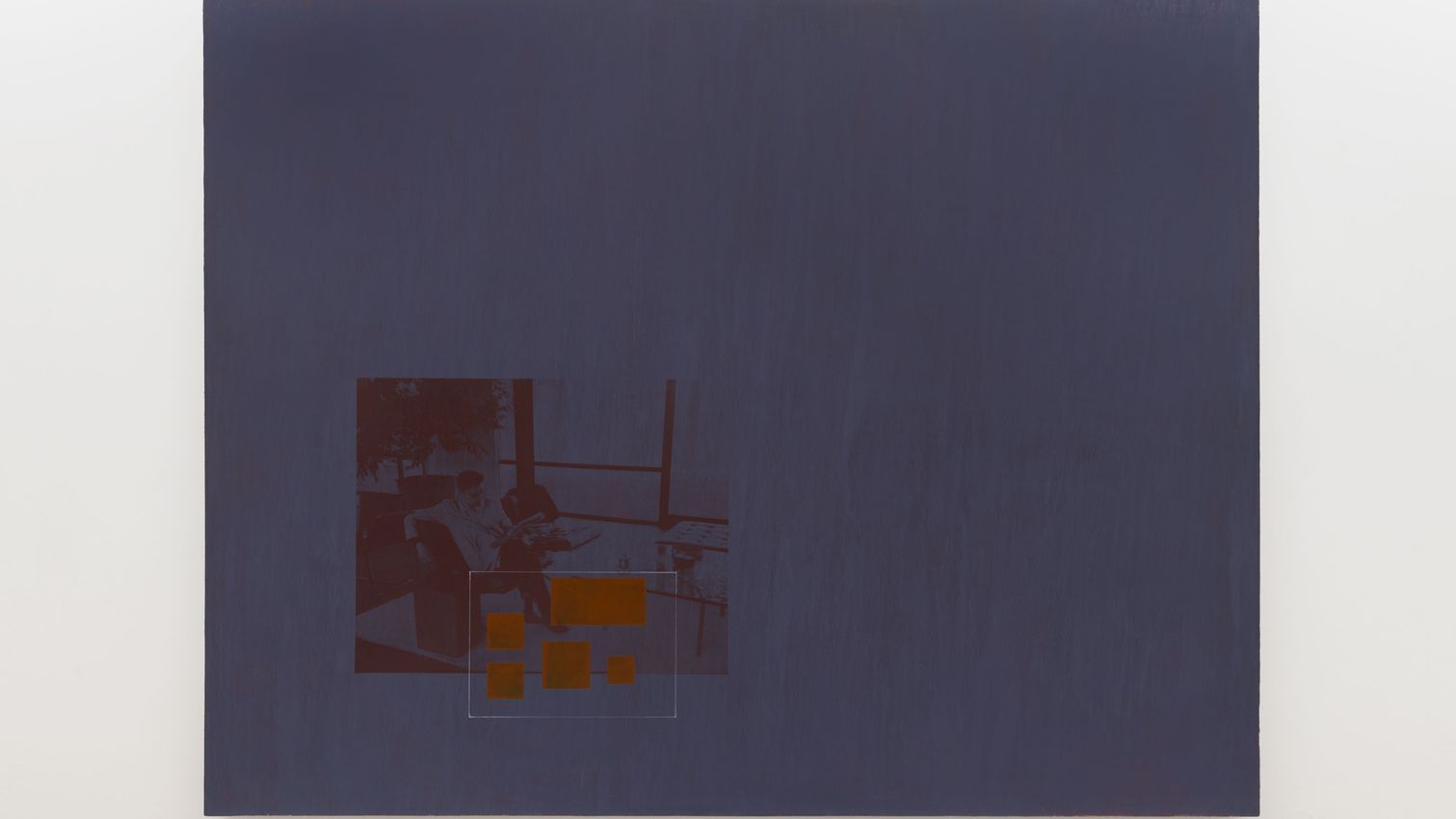
b. 1943, ChinaOver five decades, David Diao’s paintings have dismantled the tenets of modernism from within, exploring the shadow side of its reductive geometries as a source of untapped potential. “Since 1985, if not earlier, I have sought to question that abstract painting has no referent other than itself,” he has said. “Almost all my work has a backstory.” Those accounts stem from a rigorous approach that resists Conceptual art’s veneer of detached neutrality, relying instead on deeply personal investments in art history and his own place within it.
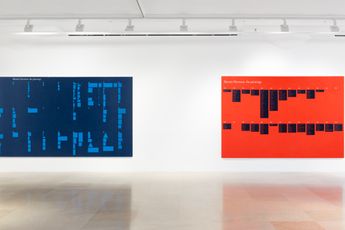
Diao’s earliest works from the late 1960s challenged then-hegemonic ideas of the means and process of gestural painting, and by the ‘80s, more pronounced veins of dissent emerged in his practice. Reworking canonic motifs from the history of abstraction—from Suprematist shapes to Barnett Newman zips and de Stijl icons of industrial design—Diao’s paintings conjure past masters and reckon with the levers of power that govern the art world. As long-serving faculty at the Whitney Independent Study Program, versed in debates on appropriation and institutional critique, Diao’s work of the ‘90s began to parse how value is consigned—who is included in the dominant narrative and who is not. Paintings tally his sales and auction records or list the addresses of his studios, charting the fluctuations in his reception and market performance with disarming candor. Just outside the frame, Diao’s experience as an artist of color is palpable: paintings of fictional invitations to retrospectives he wasn’t offered point up major museums’ systemic exclusions, while other works of this period broach how those institutions fetishize the non-white artists they would otherwise overlook.
Born in China’s Sichuan province in 1943, Diao fled the Chinese Communist Party’s takeover of his family home for Hong Kong in 1949 before immigrating to the United States in 1955. Themes of dislocation and loss appear in recent works that have mined this cultural heritage and reconstructed lost archives from his childhood. Throughout, his silken application and elegantly brazen way with color keep abstraction vital, despite his doubts: as fellow painter Thomas Lawson wrote on the eve of Diao’s long-awaited retrospective in 2015, “David Diao’s working life as a painter is a model for us all: a serious and tumultuous fifty-year engagement with the unreliabilities of art.”
Courtesy Greene Naftali

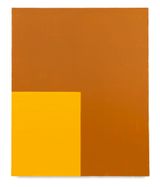
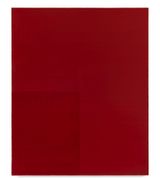
Works at Greene Naftali





Recently Exhibited


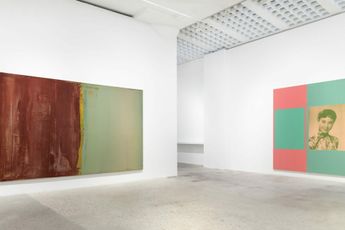

Works Elsewhere





Explore and Follow Artists Shaping Contemporary Art
A respected voice in contemporary art discourse.
Focusing on ambitious storytelling and insightful art-world commentary. Ocula Magazine publishes in-depth interviews, critical essays and timely analysis on the artists, exhibitions and ideas driving the global art world.
Learn more about Ocula Magazine
Showcasing the best of the art world.
Ocula partners with galleries from around the world to highlight their artists, artworks and exhibitions. Gallery membership is by application and invitation, with each member vetted by an independent panel.
Learn more about Ocula Membership
Specialises in the sale of major artworks.
Led by a team with deep ties to the world’s leading auction houses, galleries and collectors. Ocula’s advisory team offers bespoke services to high-net-worth clients from around the world who are looking to acquire the best of contemporary and modern art.
Learn more about our team and services