






ILEANA GARCÍA MAGODA
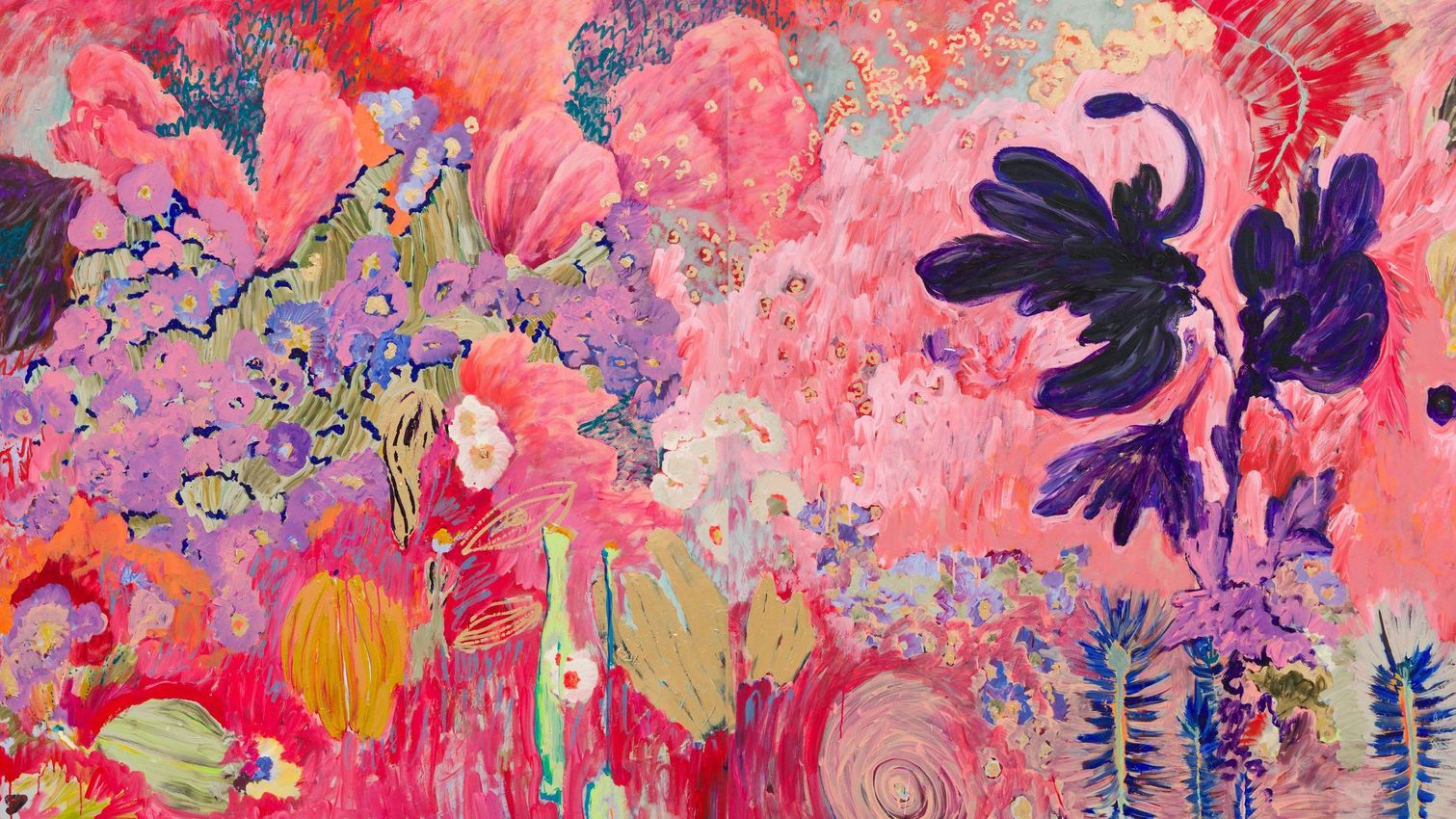
b. 1985, MexicoIleana García Magoda’s works explore what she calls “the inherent paradox of plant life”—its fragility, yet also its strength. The Mexican artist has the congenital spinal condition Occult Spinal Dysraphism and for her, the act of painting is a way of visualising her chronic pain. García Magoda paints in bright acrylics, translating her somatic sensation into colour.
Early Years
Born in Mexico City in 1985 to a textile-engineer father and a seamstress mother, Ileana García Magoda studied Graphic Design at the National Autonomous University of Mexico in Mexico City between 2003–2008. She has had Occult Spinal Dysraphism her whole life, which influences her artistic practice, both in terms of considering how the skin absorbs light and also how the repetitive movements of painting become a way of translating her pain into artwork. Before concentrating solely on painting, García Magoda had a successful career as an electronic music artist, recording under the name Smurphy.
Ileana García Magoda: Artworks
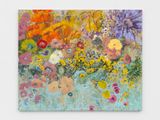
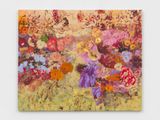
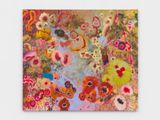
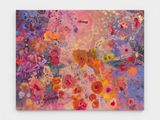
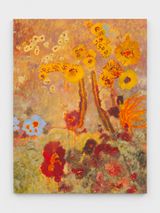
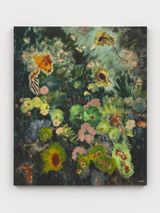
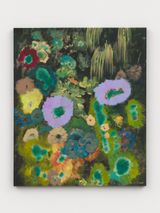
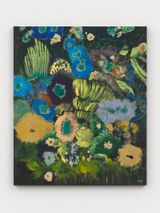
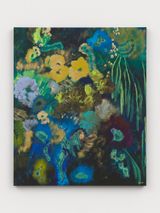
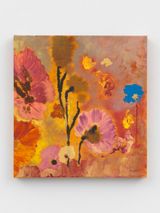
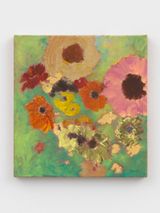
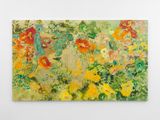
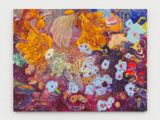
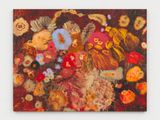
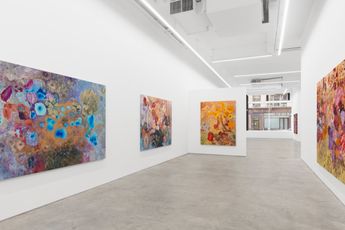
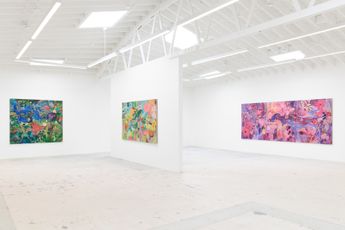
Characterised by their bright colour palette, Ileana García Magoda’s paintings of nature initially appear beautifully dreamlike, but closer inspection reveals imperfection, asking viewers to consider the reality of tensions between idealised botanical shapes and the vulnerability of nature. Flowers, plants and leaves provide García Magoda with a structure for consideration of transformation, resilience and how we inhabit bodies with vulnerabilities. García Magoda’s artistic routine is influenced by her congenital spinal condition: she paints in short sessions to avoid hurting her back and also practices yoga before painting.
- Her Daughter of Life series, begun in 2024, was sparked by the changes she experienced moving from the urban landscape of Mexico City to a more isolated environment, surrounded by nature. She was inspired by the limitlessness of plants, learning to forget her own limits in terms of walking and back pain.
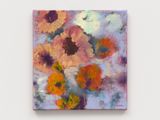
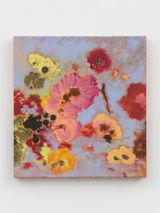
- García Magoda painted Something is flowering nearby, smelling sweet and fresh (2025) on linen: pale pink flowers and fronds of dark red emerge from a green-hued background.
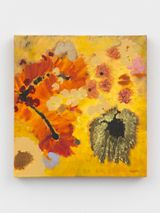
- Chasing the Dawn and the Dusk (2026) is a large-scale acrylic painting in which bright orange blooms pop out of a lighter background reminiscent of a morning sky.
Ileana García Magoda: Select Exhibitions
Select Solo Exhibitions
- In the Body of Light, Anat Ebgi, New York City (2026)
- Without this Longing, Emma Donnersberg Gallery, Paris (2025)
- Agua di Vida, Anat Ebgi, Los Angeles (2025)
- Angels of Power, Angels of Beauty, Bernheim Gallery, Zurich (2024)
- Crystallizations, Finca Don Porfirio Independent Space, Mexico City (2023)
- The Healing Power of Image, Radio Nopal Independent Space, Mexico City (2022)
- Formas Rituales, Momoroom Independent Space, Mexico City (2021)
Select Group Exhibitions
- 80 years of Elle: A tribute to women artists, Osaka/Bangkok/New York City/Paris (2025)
- Search for Tomorrow, Bernheim Gallery, Frieze Week, London (2025)
- Sanctuaries, EDJI Gallery, Brussels (2024)
- BOLD, The Black Piglet at Foro La Paz, Mexico City (2024)
- From Nature, Art Basel Paris (2024)
- Naturalezas Microscópicas, Amalgama Independent Space, Guadalajara (2023)
- Troubling Postures, Open Call, ASC Studios, London (2023)
- MOONI, Gallery of Emerging Art, Mexico City (2022)
Further reading
- Ileana García Magoda’s website
- Ileana García Magoda’s Instagram
- A 2026 interview from Hyperallergic about García Magoda’s studio space
- A 2024 interview from Whitewall, via Bernheim Gallery
Ileana García Magoda FAQs
What are Ileana García Magoda’s influences?
García Magoda is heavily influenced by her surroundings: her studio overlooks a forest and she works in her garden tending plants. She has said that touching soil has given her “clarity” and that while she may not know the names of individual plants, she notices their detail and the space they occupy.
What materials does Ileana García Magoda use?
Although primarily known for painting in vibrant acrylics, García Magoda has said that she also enjoys working with raw fabric, cotton and linen. She prefers raw canvas to pre-primed canvas. García Magoda also loves ceramics, but has said that she finds clay limiting when it hardens, so instead she has experimented with papier-mâche.
What is the condition Ileana García Magoda has?
Ileana García Magoda has Occult Spinal Dysraphism, a congenital spinal condition. Her chronic pain is intertwined with her artistic practice: her works consider transformation and resilience. The vibrant flora and fauna that appear in her artworks highlight the delicate balance of life.
Ocula

View Ileana García Magoda's Artworks






















Explore and Follow Artists Shaping Contemporary Art
A respected voice in contemporary art discourse.
Focusing on ambitious storytelling and insightful art-world commentary. Ocula Magazine publishes in-depth interviews, critical essays and timely analysis on the artists, exhibitions and ideas driving the global art world.
Learn more about Ocula Magazine
Showcasing the best of the art world.
Ocula partners with galleries from around the world to highlight their artists, artworks and exhibitions. Gallery membership is by application and invitation, with each member vetted by an independent panel.
Learn more about Ocula Membership
Specialises in the sale of major artworks.
Led by a team with deep ties to the world’s leading auction houses, galleries and collectors. Ocula’s advisory team offers bespoke services to high-net-worth clients from around the world who are looking to acquire the best of contemporary and modern art.
Learn more about our team and services