





ZADIE XA
b. 1983, CanadaZadie Xa’s work considers interspecies communication, diasporic identities and global histories, creating immersive installations combining elements of sound, performance, painting, sculpture and textile production. Xa’s artworks use storytelling, dance, music and image as a way of examining social politics, belonging, identity and cultural behaviours.
Early Years
Born in 1983 in Vancouver, Zadie Xa was raised by a single mother who encouraged her to try new things and to be happy. She was brought up in the Catholic church, the rituals and performance of which she has said led her to wanting to be creative. She has also said that her mother would tell her Korean folktales at bedtime, which is how she became interested in exploring this in her artistic practice. She graduated from the Emily Carr Institute of Art and Design with a BFA in 2007 then gained her MFA from the Royal College of Art in London in 2014. Xa has said that although she studied painting, she felt “weighed down” by the possibilities of paint on a two-dimensional canvas.
Zadie Xa: Artworks
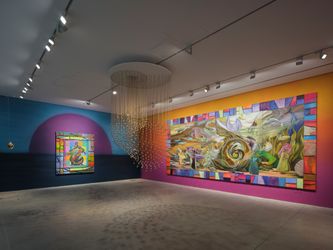
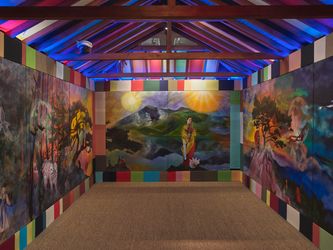
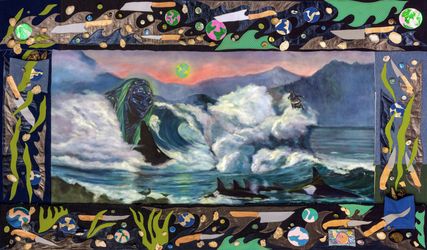
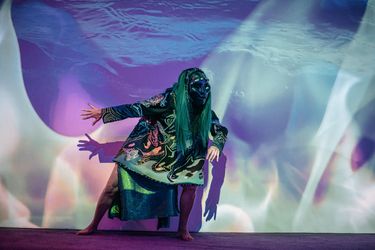
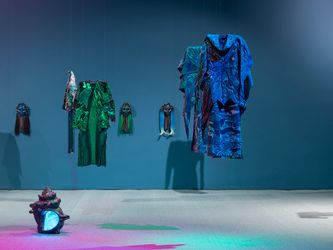
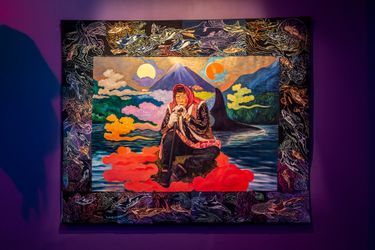
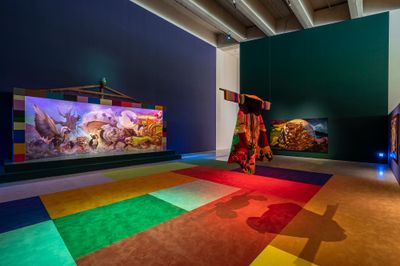
Combining painting, textiles, sound and performance art, in 2025 Zadie Xa said: “I actually think of myself as an installation artist.” Research is key to Xa’s work and she takes inspiration from a diverse set of global references, encompassing Korean mythology and Western pop culture. Her paintings are fantastical, creating other worlds and often inspired by the deep ocean and deep space, while she uses sounds inspired by Korean shamanic rhythms. Methods of textile production have gradually become an important element of Xa’s practice: Korean bojagi quilting, costumes and clothes are part of her ongoing examination of being a person living in a diaspora, as well as identity politics.
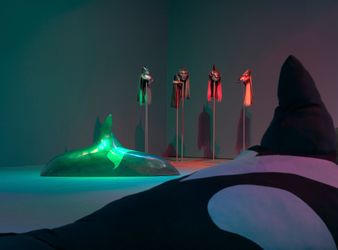
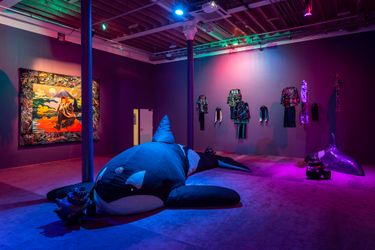
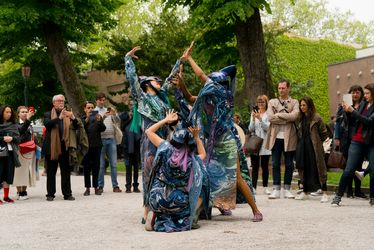
- 2019’s installation Child of Magohalmi and the Echoes of Creation is a playful reinterpretation of an ancient Korean myth, including dance performances and multimedia elements. Some of the costumes and masks in the exhibition also featured in Xa’s procession through the Giardini at the 58th Venice Biennale.
- For Somerset House Studios’ experimental sound, music and performance series in 2020, Xa developed and presented a six-part, cross-disciplinary piece: Moon Poetics 4 Courageous Earth Critters and Dangerous Day Dreamers. This online piece then became part of Xa’s solo show at Leeds Art Gallery. The performance uses the idea of animal kinship as a strategy to save an ailing planet, loosely based on the Korean shamanic story of Princess Bari.
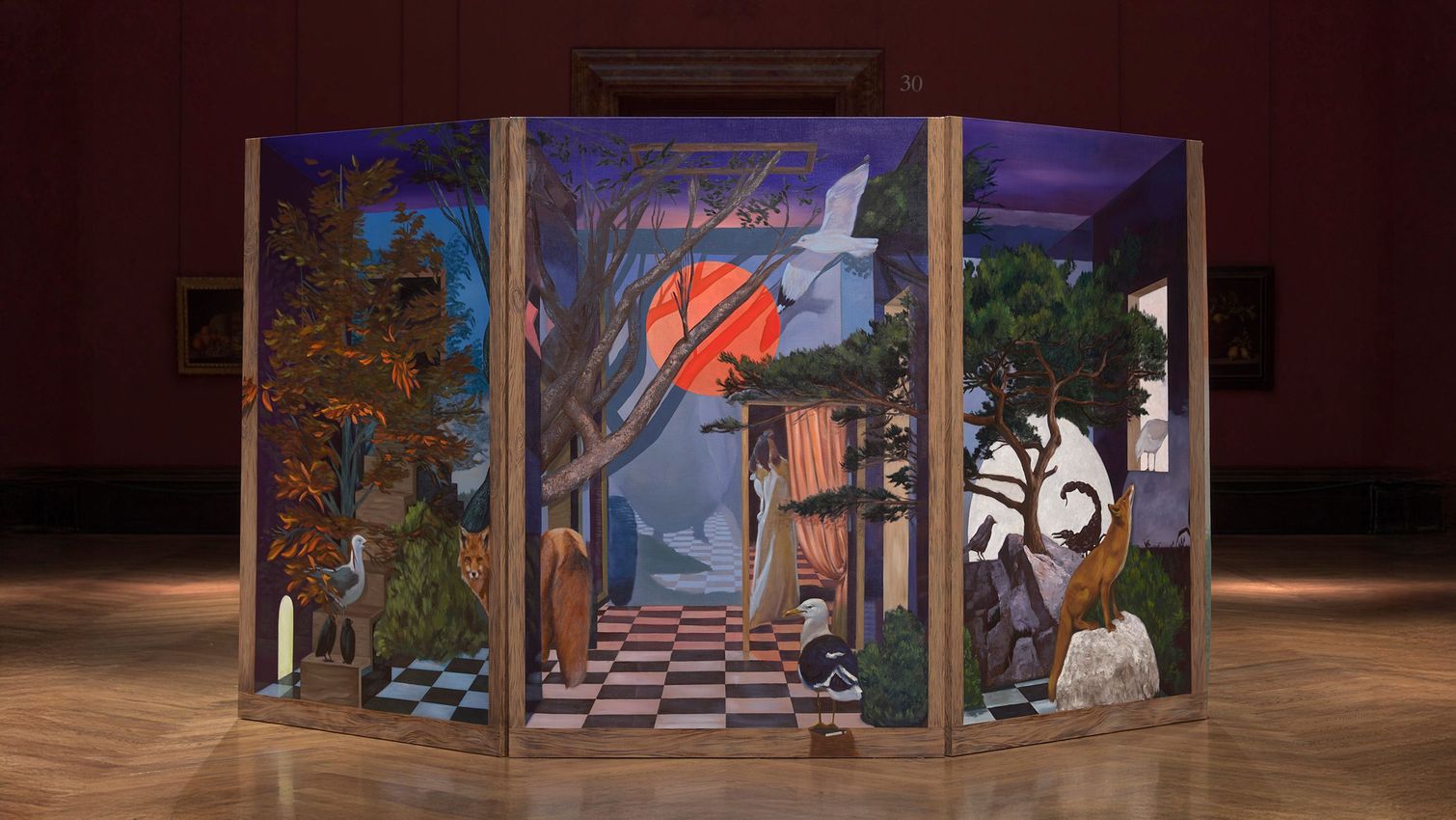
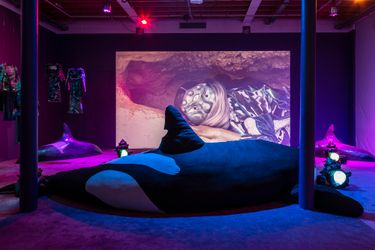
- Xa was nominated for the 2025 Turner Prize for Moonlit Confessions Across Deep Sea Echoes: Your Ancestors Are Whales, and Earth Remembers Everything, which uses sound, sculpture, painting and textiles to explore connections between the oceanic world, Korean shamanism and generational grief. She collaborated with her husband, the artist Benito Mayor Vallejo, on some of the design and sculptural elements of the piece.
Zadie Za: Select Exhibitions
Select Solo Exhibitions
- Guggenheim Bilbao (2026)
- Esker Foundation, Calgary (2026)
- Powerplant, Toronto (2026)
- Rough hands weave a knife, Thaddaeus Ropac, Paris Marais (2024)
- Nine Tailed Tall Tales: Trickster, Mongrel, Beast, Space K Seoul (2023)
- House Gods, Animal Guides and Five Ways 2 Forgiveness, Whitechapel Gallery, London (2022)
- Long ago when tigers smoked, The Box, Plymouth (2022)
- Child Of Magohalmi and the Echoes of Creation, De La Warr Pavilion, Bexhill-on-Sea/Tramway, Glasgow/Yarat Contemporary Art Space, Baku, Azerbaijan (2019)
- Soju Sipping on a Sojourn to Saturn, Galeria Agustina Ferreyra, Mexico City (2018)
- Homeboy 3030: Return the Tiger 2 the Mountain, Union Pacific, London (2018)
- The Conch, Sea Urchin and Brass Bell, Pump House Gallery, London, (2017)
Select Group Exhibitions
- Sharjah Biennial 16: to carry, Sharjah Art Foundation, Sharjah (2025)
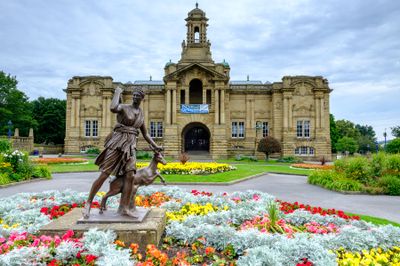
- Turner Prize 2025, Cartwright Hall Art Gallery, Bradford (2025)
- Make a Wish, Buk-Seoul Museum of Art, Seoul (2024)
- Eccentric: Aesthetics of Freedom, Pinakothek der Moderne, Munich (2024)
- Beautiful Repair: Mending in Art and Fashion, Copenhagen Contemporary (2023)
- Myths of Our Time (with Heemin Chung and Sun Woo), Thaddaeus Ropac Seoul (2023)
- Soy Dreams of Milk, Blindspot Gallery, Hong Kong (2022)
- The Condition of Being Addressable, ICA LA (2022)
- Bodies of Water (in collaboration with Benito Mayor Vallejo), 13th Shanghai Biennale (2020)
- Feedback Loops, Australian Centre for Contemporary Art (ACCA), Melbourne (2019)
- Living Room in the Tropics, NTU Centre for Contemporary Art, Singapore(2015)
- Silent Barn, Brooklyn (2015)
- Frosted and Defrosted, Albion 44, London (2014)
Further Reading
- Zadie Xa’s Instagram
- Zadie Xa’s official website
- Financial Times interview from 2023
- 2024 interview in Harper’s Bazaar
- Artist profile at Thaddeus Ropac
- 2020 conversation from Ocula
Zadie Xa FAQs
What materials and techniques does Zadie Xa use?
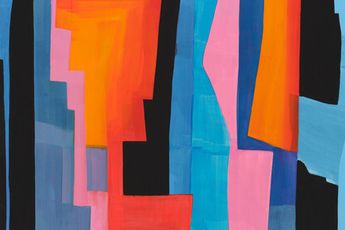
Zadie Xa paints with oil on linen and her hanging pieces are often inspired both by bojagi (traditional Korean quilting) and American Colour Field painting. However, in addition to painting and textiles, she also works in performance and sound. “I use sound and music to create intimate, inward spaces that operate as explorations into my dreams or inner monologues that I can’t translate through other mediums,” she told Ocula in 2025.
Who are Zadie Xa’s influences?
Zadie Xa’s work has been compared with that of Hieronymus Bosch because they both create fantastical worlds to explore their ideas. However, she has also said that she admires surrealists including Leonora Carrington, Dorothy Tanning and Max Ernst. She also cites the work of Leonor Fini, because of that artist’s relationship with her pets—in 2023, she used her own dog as inspiration for a haetae, a fantastical half-lion, half-goat creature.
What are the main themes in Zadie Xa’s work?
The worlds Zadie Xa creates are frequently inspired by Korean folk tales, highlighting matrilineal practices (shamanism, for example) to ask questions about how we relate to the planet we inhabit. Recurring motifs include shells found on Jeju island reimagined as emblems of nomadic identity.
Ocula


Representative Artworks
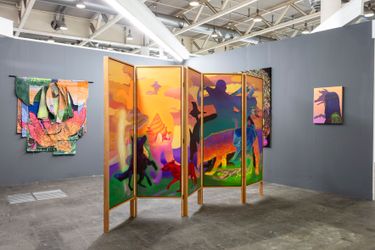
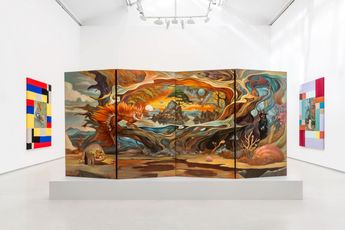
Works by Zadie Xa on view at Galeria Agustina Ferreyra, Liste, Basel (20–26 September 2021). Courtesy the artist and Galería Agustina Ferreyra, San Juan. © Zadie Xa. Photo: Renato Ghiazza.
View story
View story
View story
View story
View story
View story
View story
View story
View story
View story
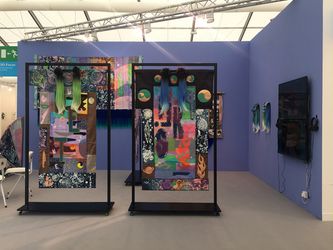
Works by Zadie Xa on view at Union Pacific, Frieze London (4–7 October 2018). Courtesy Union Pacific.
View story
Zadie Xa in Ocula Magazine







Explore and Follow Artists Shaping Contemporary Art
A respected voice in contemporary art discourse.
Focusing on ambitious storytelling and insightful art-world commentary. Ocula Magazine publishes in-depth interviews, critical essays and timely analysis on the artists, exhibitions and ideas driving the global art world.
Learn more about Ocula Magazine
Showcasing the best of the art world.
Ocula partners with galleries from around the world to highlight their artists, artworks and exhibitions. Gallery membership is by application and invitation, with each member vetted by an independent panel.
Learn more about Ocula Membership
Specialises in the sale of major artworks.
Led by a team with deep ties to the world’s leading auction houses, galleries and collectors. Ocula’s advisory team offers bespoke services to high-net-worth clients from around the world who are looking to acquire the best of contemporary and modern art.
Learn more about our team and services