Leeum Museum of Art presents a major survey exhibition of Lee Bul, one of the most influential figures in the development of Korean contemporary art. Since her sensational debut in the late 1980s with experimental works that responded to Korea’s turbulent sociopolitical context, Lee has, over the past four decades, established herself as a central voice in the global art scene through a multifaceted practice spanning performance, sculpture, installation, and two-dimensional works. Lee’s work broadly investigates the shifting relationships between body and society, humanity and technology, nature and civilization, as well as the mechanisms of power that shape them. Through this expansive inquiry, her ever-evolving oeuvre reflects deeply on the past and present of humanity, while offering speculative visions of possible futures.
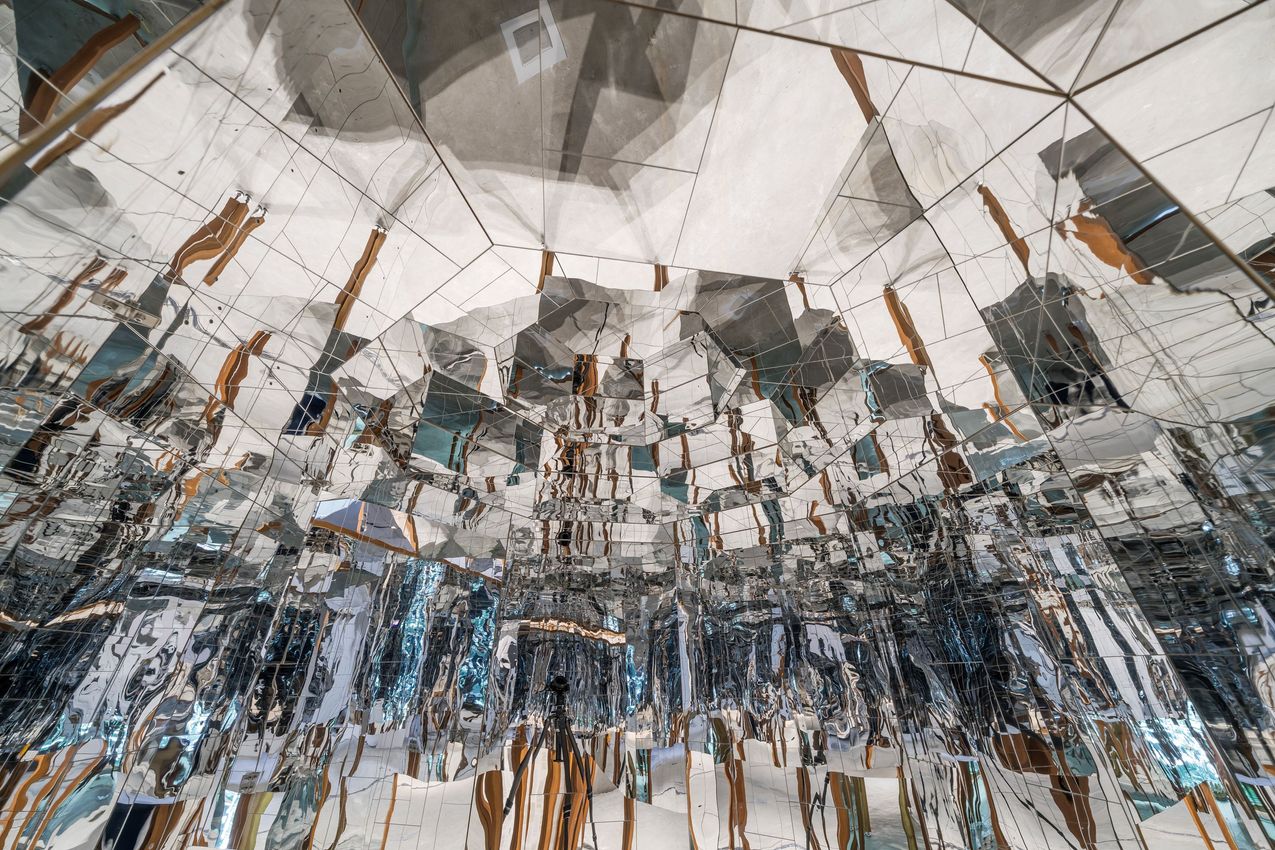
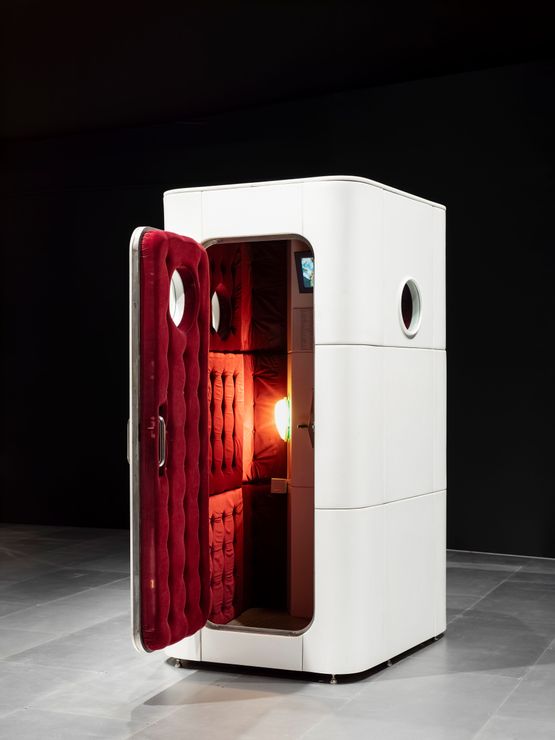
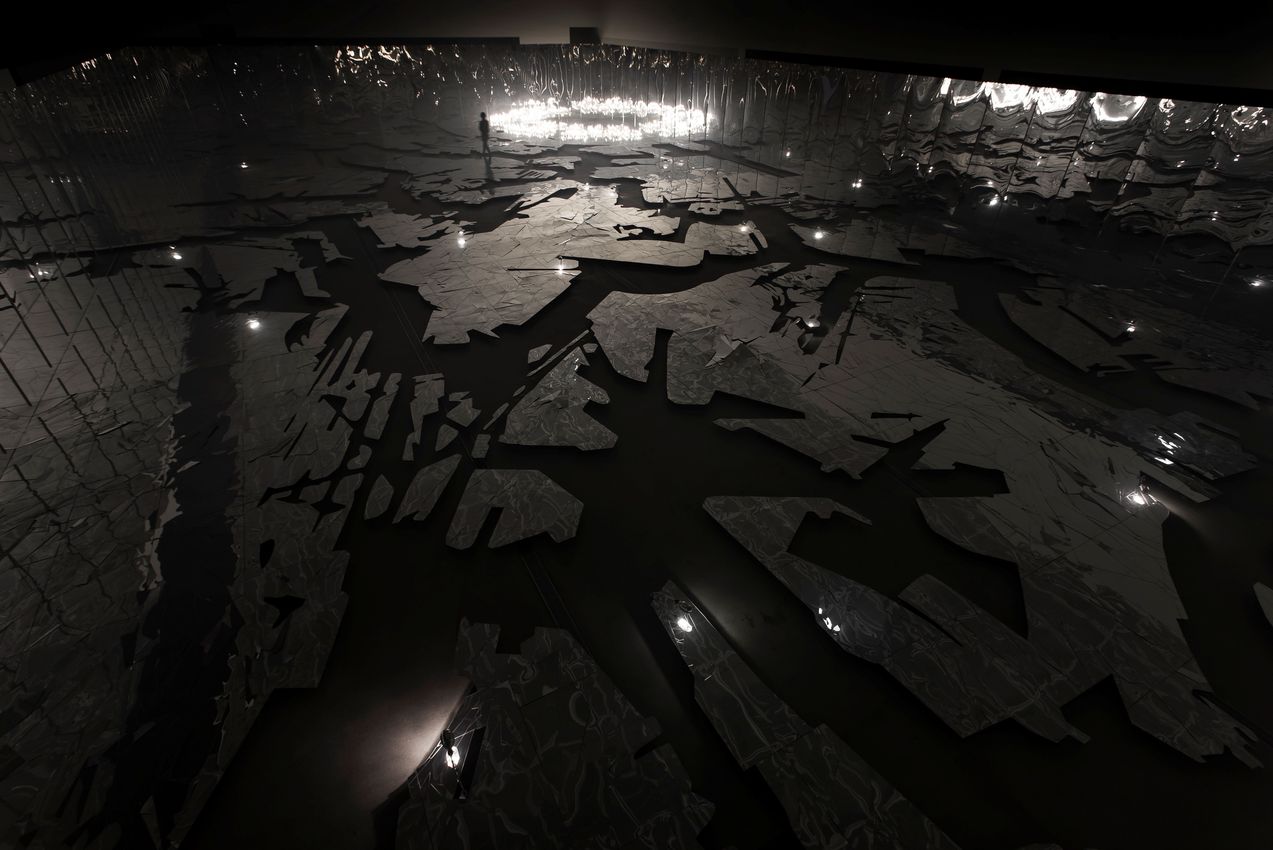
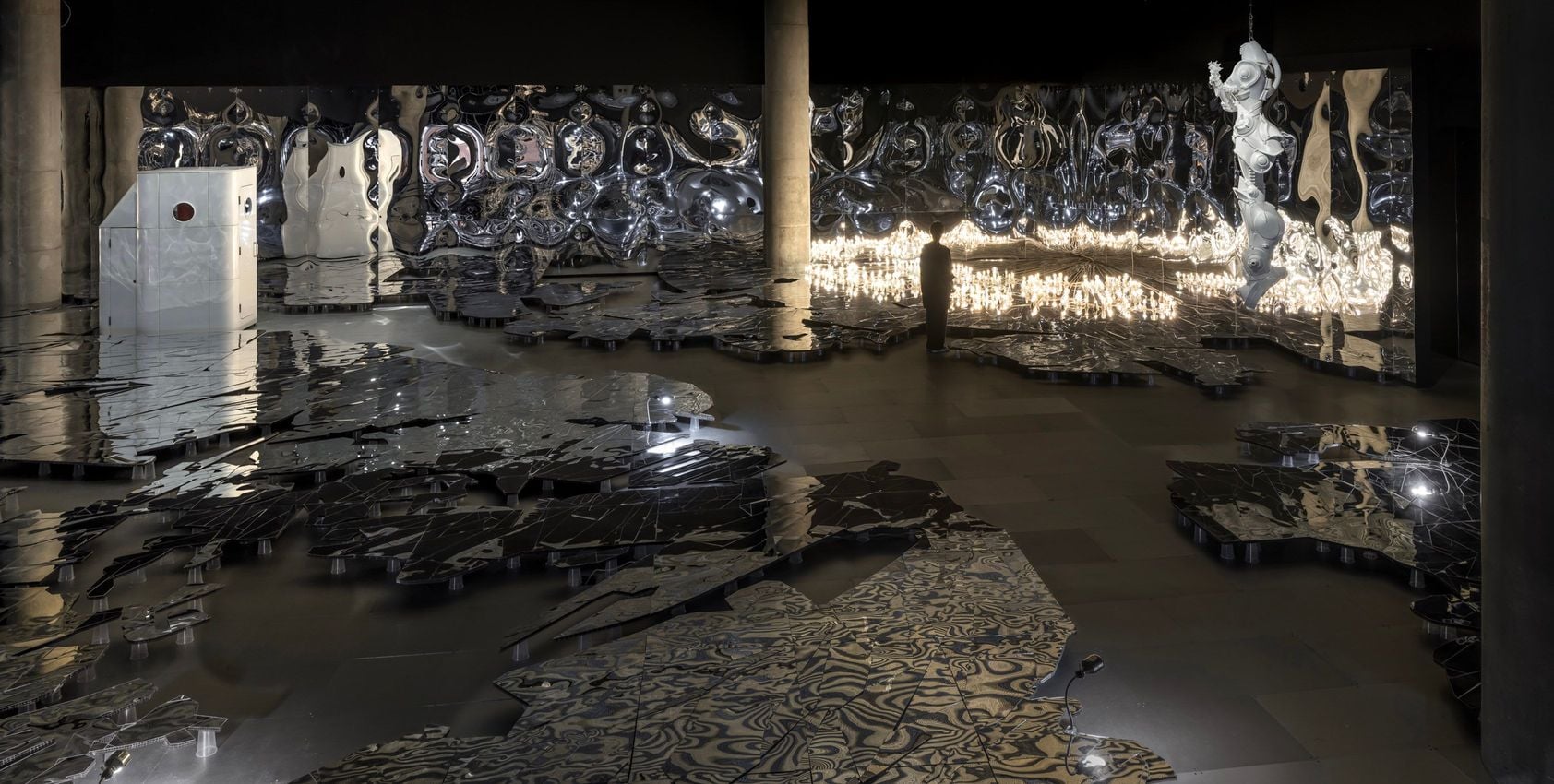
Lee Bul: From 1998 to Now offers a comprehensive overview of the important trajectories in Lee’s practice from the late 1990s to the present, bringing together approximately 150 works. The exhibition features a selection of her early Cyborg and Anagram series, along with a karaoke installation—works first introduced in major museum exhibitions and international biennales in the late 1990s, marking Lee’s rise to international prominence. Despite their radical differences in form, these works share a conceptual throughline: an inquiry into the human body within a technologically-mediated posthuman condition, and humanity’s enduring pursuit of immortality and perfectibility. In Black Box, these early works collide with Civitas Solis II, a large-scale mirrored installation, giving rise to a landscape of infinite reflections that serves as a disorienting and melancholic prelude to the exhibition.
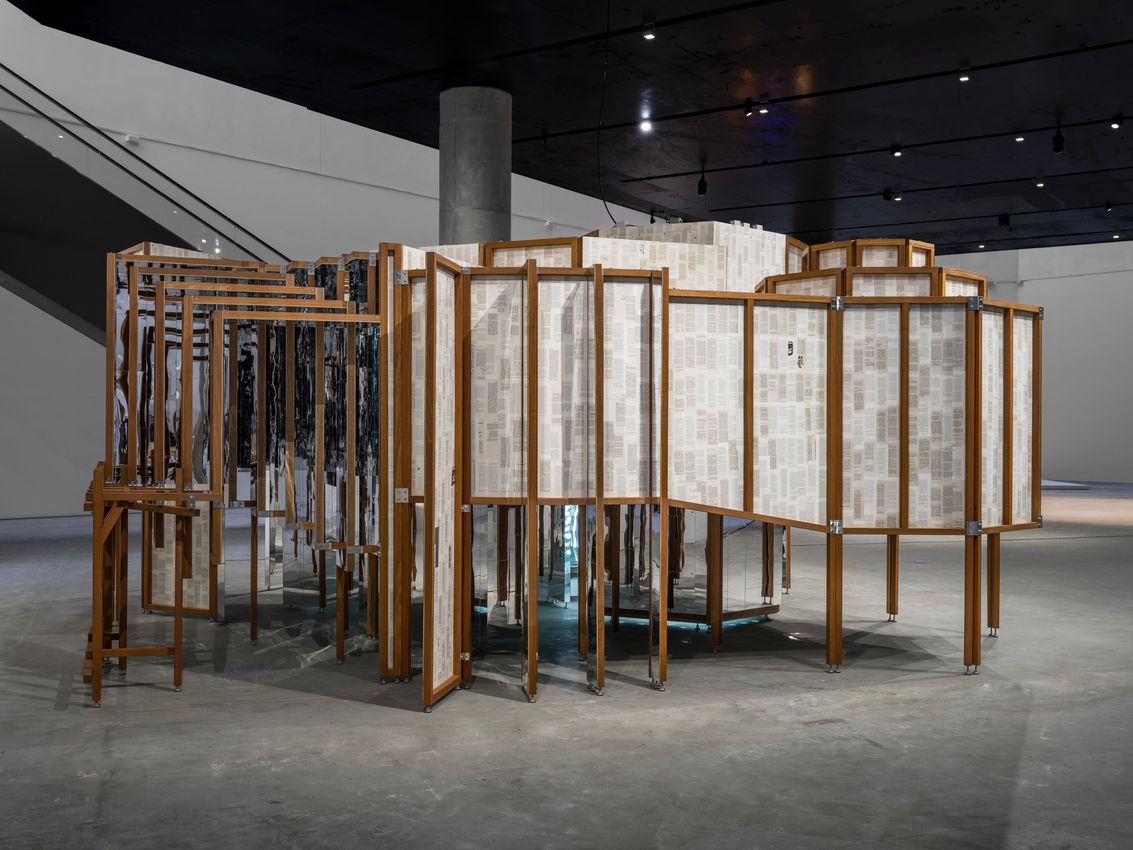
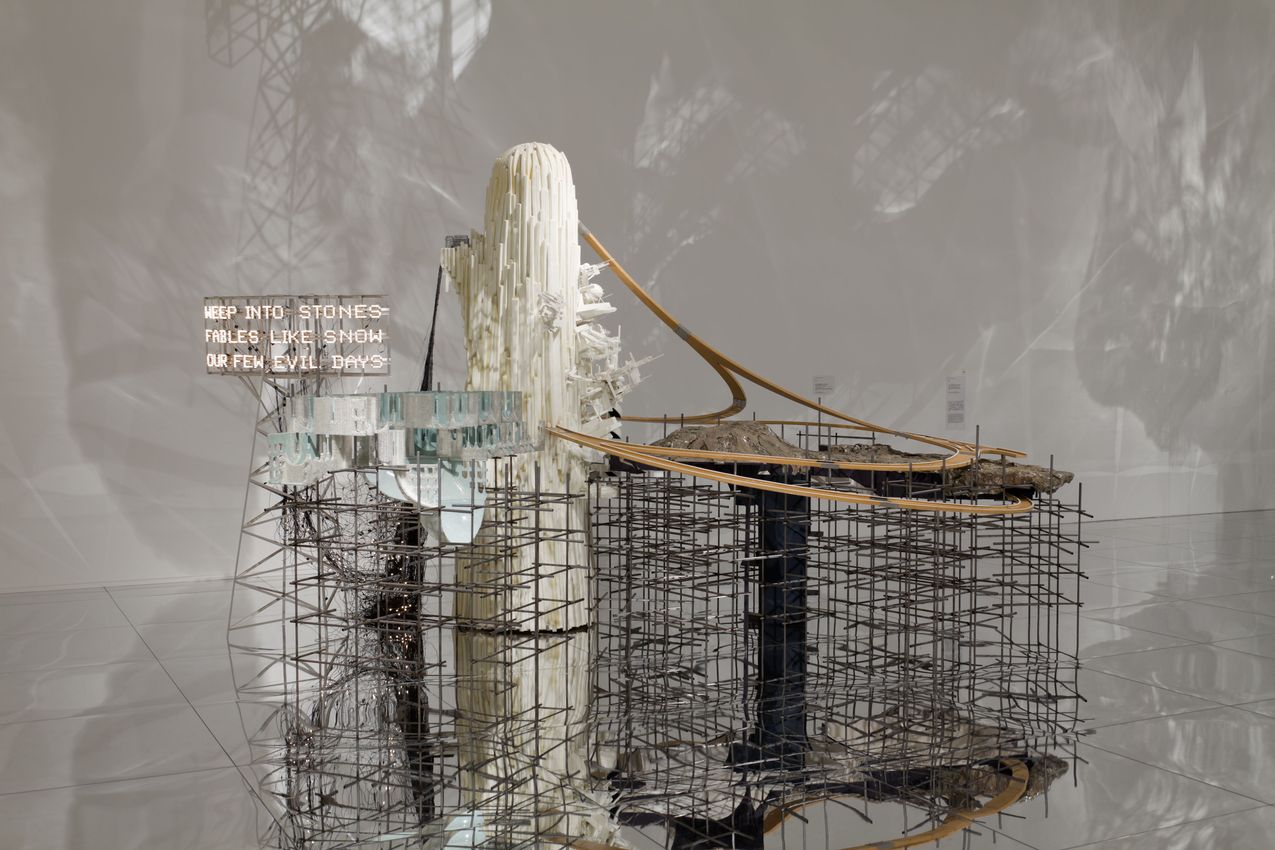
At the core of this exhibition is Mon grand récit, an ongoing series of architecturally scaled sculptural installations that Lee has developed since 2005. Through this body of work, Lee delves into the legacies of modernity and its lingering resonances, probing the paradoxes inherent in utopian aspirations and its inevitable disillusionment. The title alludes to Jean-François Lyotard’s notion of the collapse of the “grand récit,” which Lee reconfigures with irony and complexity. Drawing from a dense constellation of references—including autobiographical memories, historical narratives, and a wide array of sociocultural and political discourses—she constructs intricate allegorical topographies. These references span the Russian avant-garde and Constructivism, the visionary projects of Bruno Taut and other Expressionist architects, utopian literature, Romantic landscape paintings, and the historical context of modern and contemporary Korea. On view in Ground Gallery are landmark installations from Mon grand récit series, alongside numerous drawings and maquettes that provide insight into the artist’s imaginative and exploratory process. Also presented are two-dimensional works from her Willing To Be Vulnerable and Perdu series, both developed since the mid-2010s.
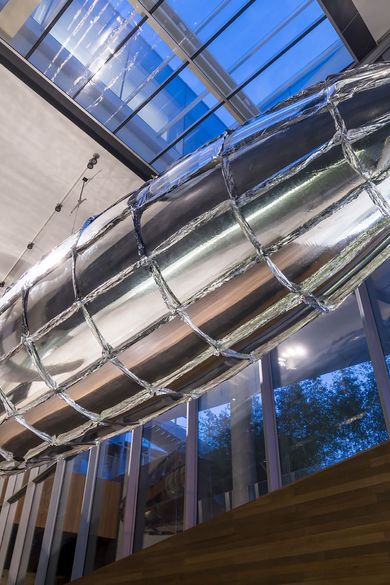
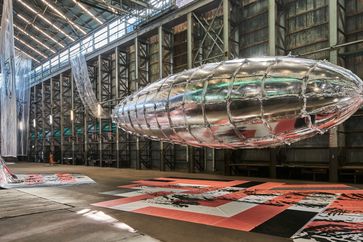
The exhibition unfolds as an unpredictable landscape that invites open-ended, multilayered encounters with Lee’s artistic world. This landscape reveals itself through nonlinear paths, enabling a journey that is at once physical, psychological, and speculative. Along the way, we come across fragile, hardened, or glistening surfaces; suspended, severed, and fractured structures; metropolitan ruins; bunkers and towers; mirrored labyrinths; a monumental metallic airship hovering in midair; distant stars; and imagined realms—coalescing into a richly layered experience that spans multiple dimensions of time and space.
Co-organized by Leeum Museum of Art and M+
Curated by June Young Kwak, Head of Exhibitions at Leeum, and Doryun Chong, Artistic Director and Chief Curator at M+, with Heyeon Kim, Curator at Leeum and Sunny Cheung, Curator of Design and Architecture at M+.
The exhibition at Leeum Museum of Art is held in partnership with Samsung Card.

Lee Bul (b. 1964, Yeongju, South Korea) works across performance, sculpture, drawing, painting, installation, architecture, and video. Her work engages themes of utopian and dystopian imagination, technological transformation, modernity’s failures, and the fragility of human ambition, often through cyborg bodies, architectural fragments, and speculative landscapes. She lives and works in Seoul and is widely regarded as one of the most influential artists of her generation.

The Leeum, Samsung Museum of Art opened, after several years of preparation, as an international art and cultural center for the display of both Korean art and world art.
A respected voice in contemporary art discourse.
Focusing on ambitious storytelling and insightful art-world commentary. Ocula Magazine publishes in-depth interviews, critical essays and timely analysis on the artists, exhibitions and ideas driving the global art world.
Learn more about Ocula Magazine
Showcasing the best of the art world.
Ocula partners with galleries from around the world to highlight their artists, artworks and exhibitions. Gallery membership is by application and invitation, with each member vetted by an independent panel.
Learn more about Ocula Membership

Specialises in the sale of major artworks.
Led by a team with deep ties to the world’s leading auction houses, galleries and collectors. Ocula’s advisory team offers bespoke services to high-net-worth clients from around the world who are looking to acquire the best of contemporary and modern art.
Learn more about our team and services