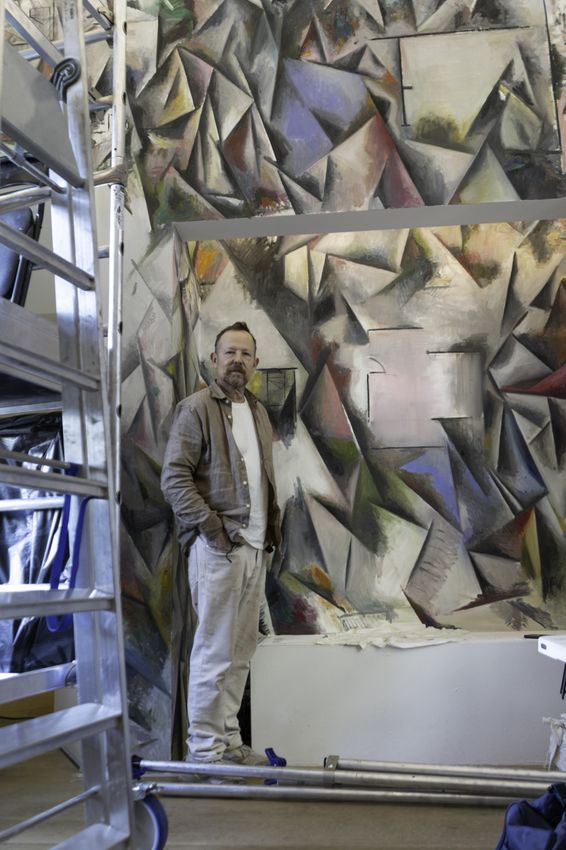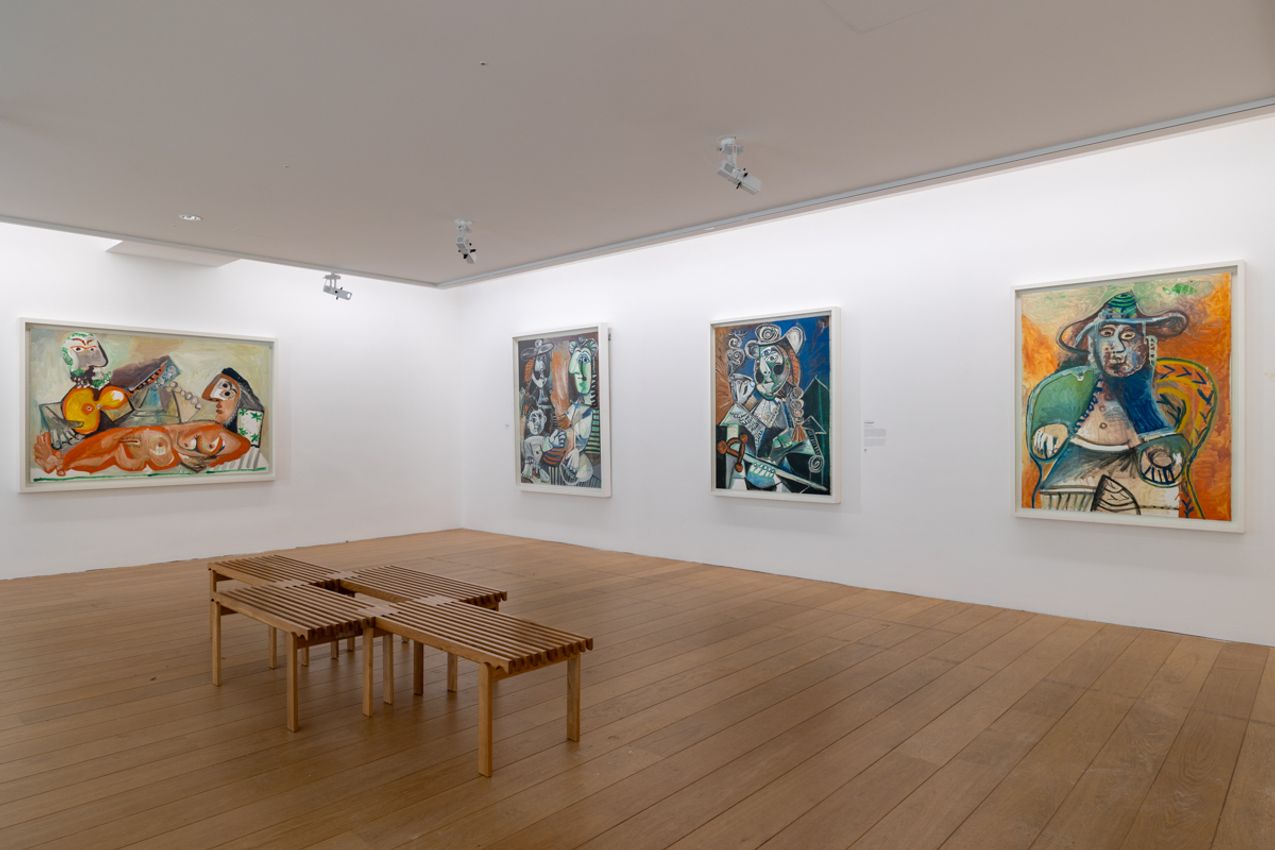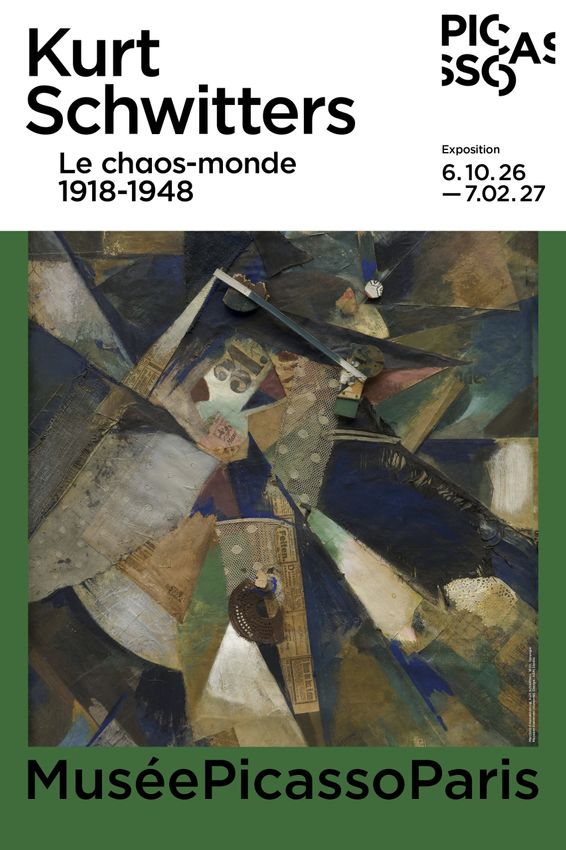
From 6 October 2026 to 7 February 2027, the Musée national Picasso-Paris presents the exhibition “Kurt Schwitters. Le chaos-monde. 1918–1948”, a major retrospective of an artist who stood apart from the Dada movement, from the constructivism and the German abstract art scene, and whose work has not been exhibited in France for over thirty years. Bringing together over three hundred works and documents – paintings, sculptures, blends, collages, drawings, sketchbooks, photographs, books and archives – the exhibition offers an immersion into an exceptional formal and conceptual richness world. It also highlights the link between Schwitters’ work to that of Picasso, particularly in their approach to experimentation, blend and transformation of everyday materials.
The work of the German artist, Kurt Schwitters (1887–1948), charts a unique path within the art of the first half of the 20th century, rooted in the collective experience of the destruction wrought by war and the iconoclastic, plastic reinvention characteristic of the radical German art scene of the 1920s and 1930s. A painter, assembler, poet, musician, sculptor, typographer, magazine editor and event organiser, this anarchist “one-man band” artist, whose work is inseparable from his life, defies categorisation and appears impossible to classify. Schwitters, who initiated unprecedented collaborations with Dada and the constructivists whilst formulating his own Merz movement, ranks among the key figures of the geometric abstraction movement, having participated in several historic events in Paris during the interwar period.
He is one of those artists who, like his contemporary Pablo Picasso and other figures from the Dada movement, helped to radically redefine the boundaries of art. He created his works from scrap and rubbish, transforming them into “harmonious” material, and developed an organic architecture of angles and recesses within his own home, the Merzbau. He also applied the technique of collage to the realm of poetry, composed and performed the extraordinary Ursonate – a sonata of primitive sounds – and created a magazine, typographic advertising slogans, blends and sculptures.
German artist Kurt Schwitters was a pivotal figure in the rise of avantgarde art movements in early 20th-century Europe. Living and working in Hanover, his revolutionary works—collages and constructions born out of urban detritus—placed him at the forefront of Dada and Constructivism and contemporary art.


The Musée Picasso is located in the Hôtel Salé, one of the most beautiful 17th century private mansions in Paris. The Musée Picasso collection comprises over 5,000 works and tens of thousands of archived pieces. For its quality and scope as well as the range of art forms it encompasses, this collection is the only one in the world to present both Picasso’s complete painted, sculpted, engraved and illustrated œuvre and a precise record of the artist’s creative process.

A respected voice in contemporary art discourse.
Focusing on ambitious storytelling and insightful art-world commentary. Ocula Magazine publishes in-depth interviews, critical essays and timely analysis on the artists, exhibitions and ideas driving the global art world.
Learn more about Ocula Magazine
Showcasing the best of the art world.
Ocula partners with galleries from around the world to highlight their artists, artworks and exhibitions. Gallery membership is by application and invitation, with each member vetted by an independent panel.
Learn more about Ocula Membership

Specialises in the sale of major artworks.
Led by a team with deep ties to the world’s leading auction houses, galleries and collectors. Ocula’s advisory team offers bespoke services to high-net-worth clients from around the world who are looking to acquire the best of contemporary and modern art.
Learn more about our team and services