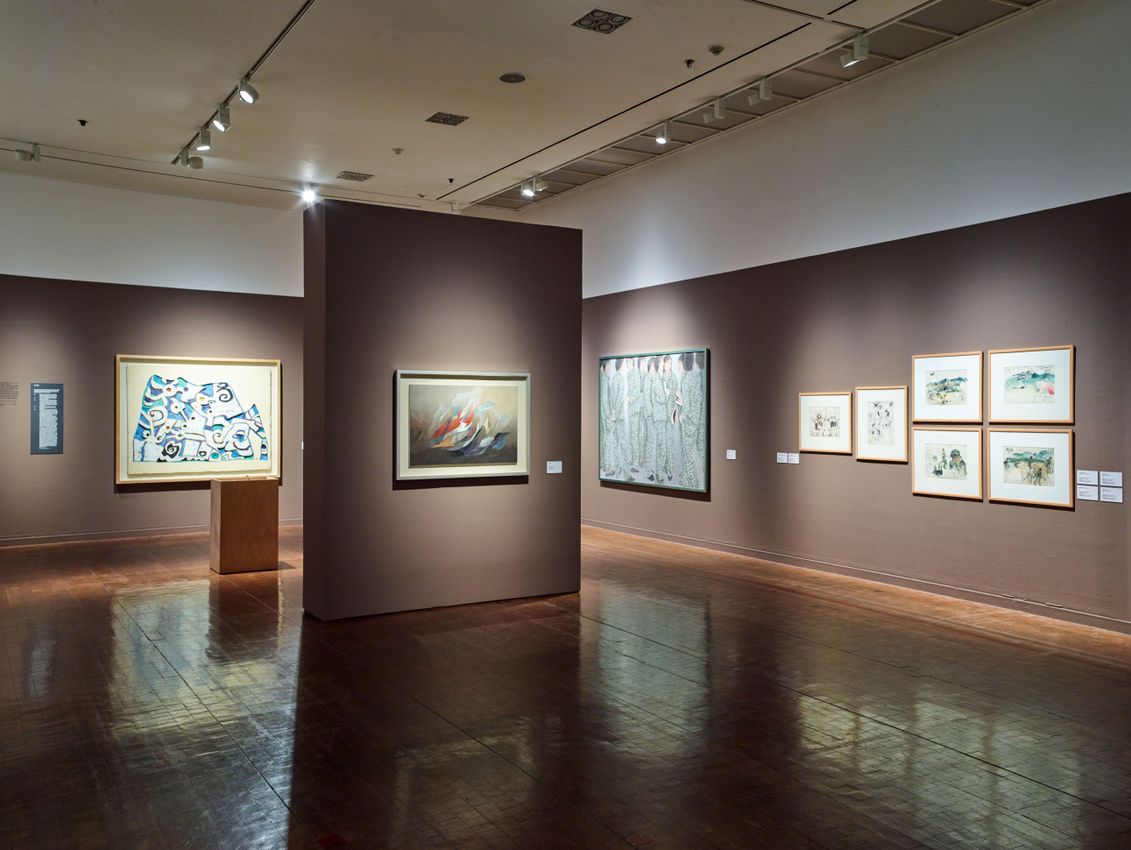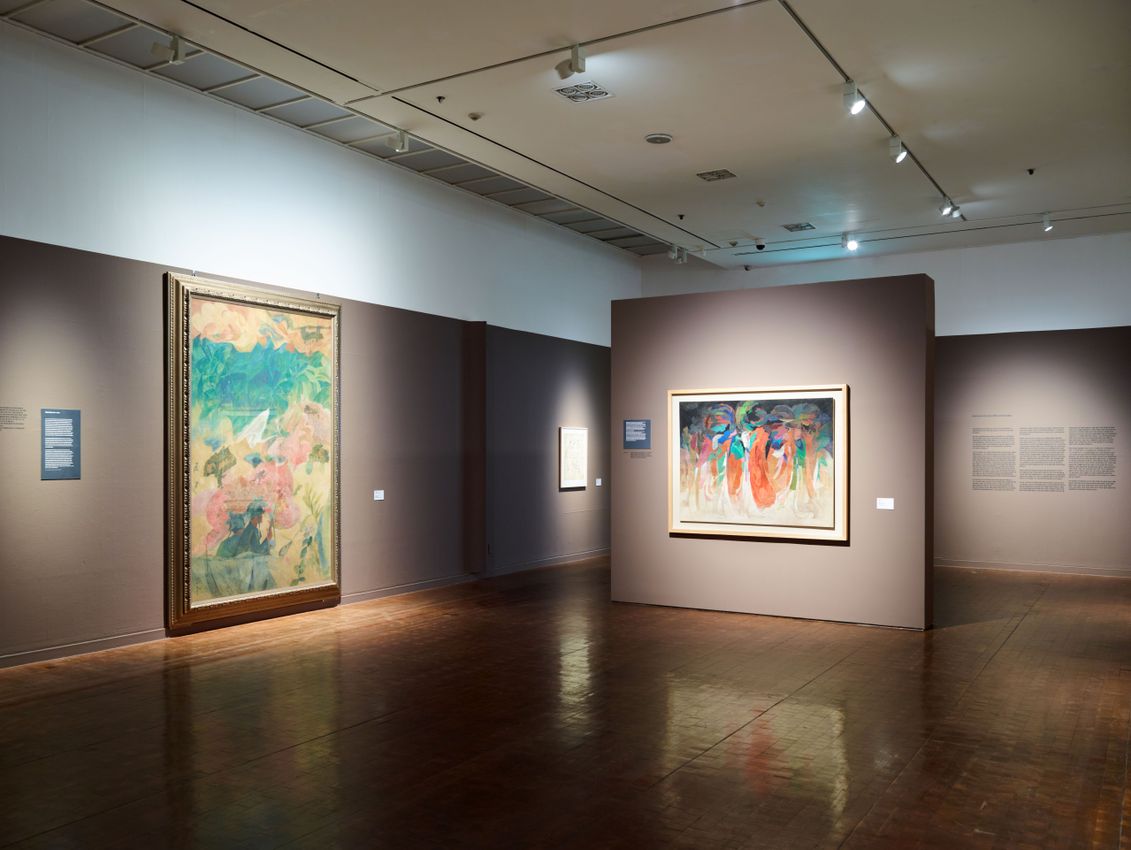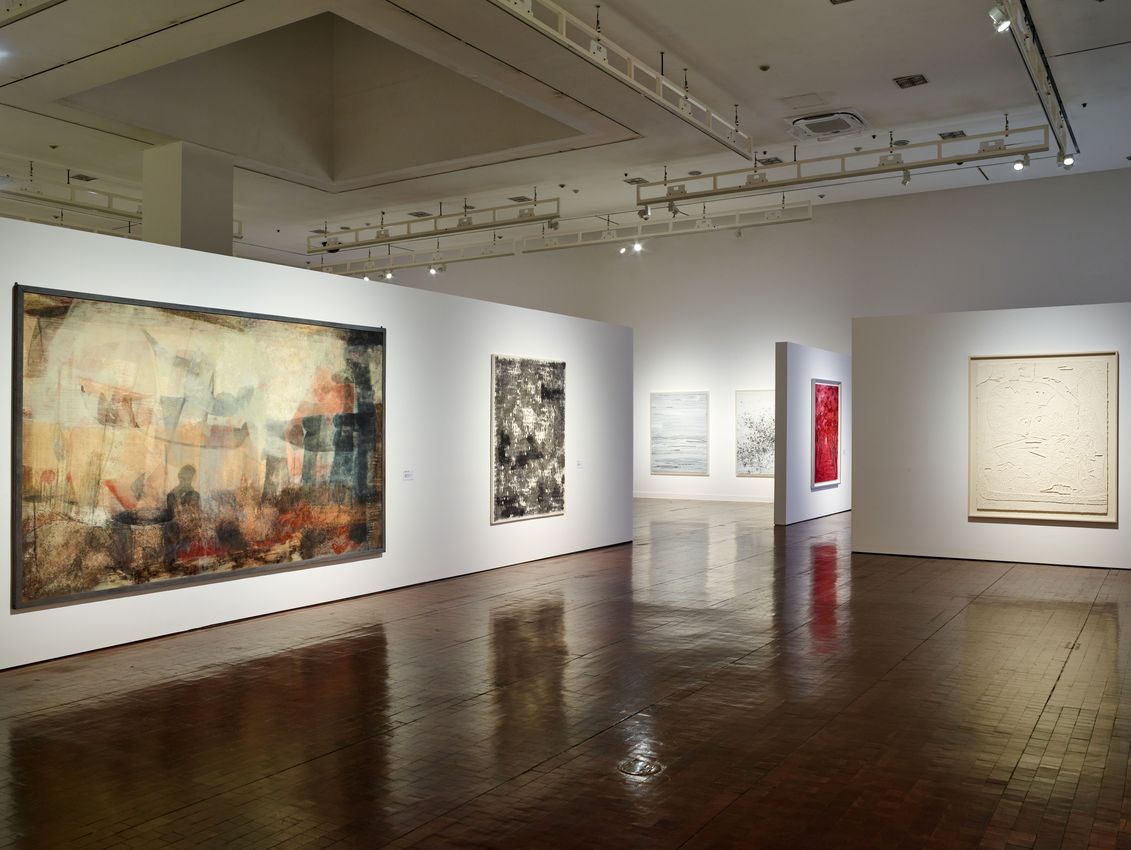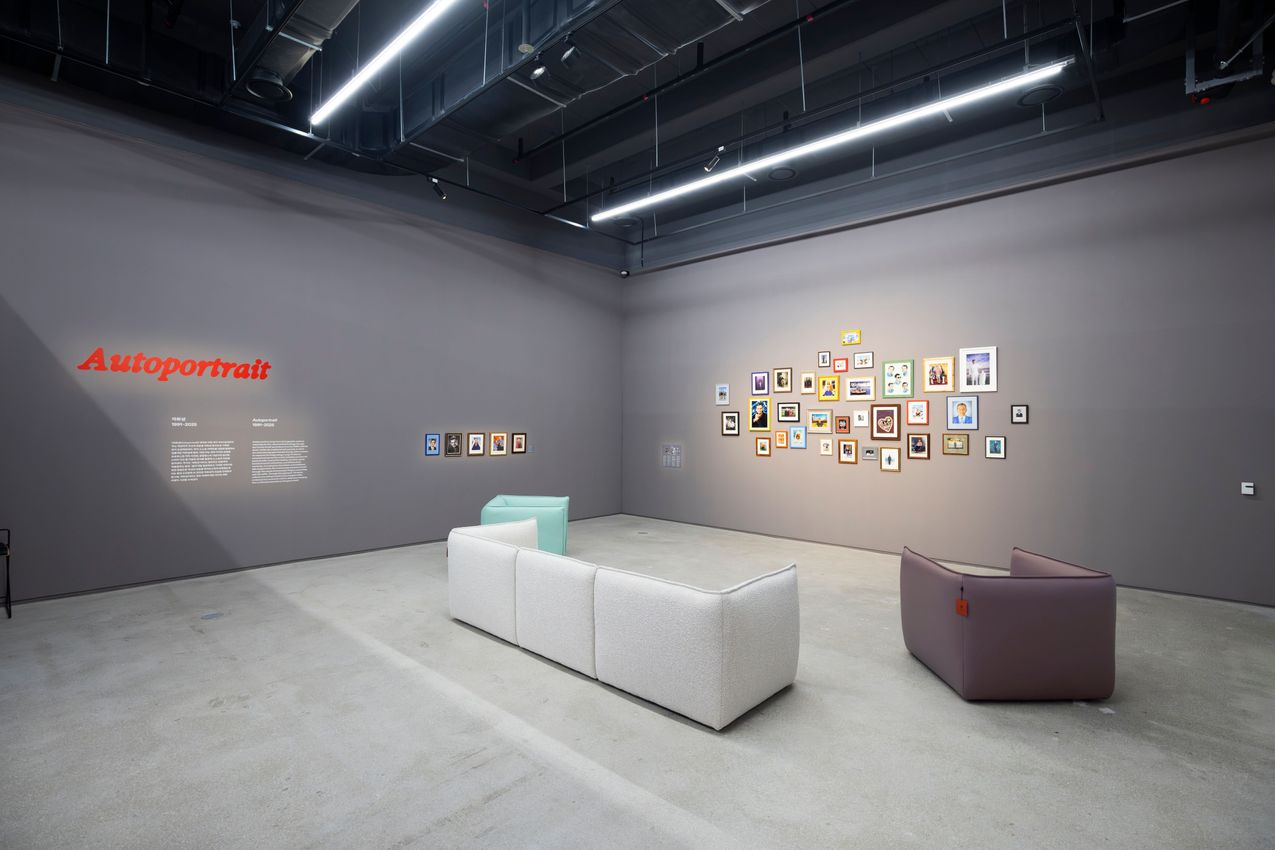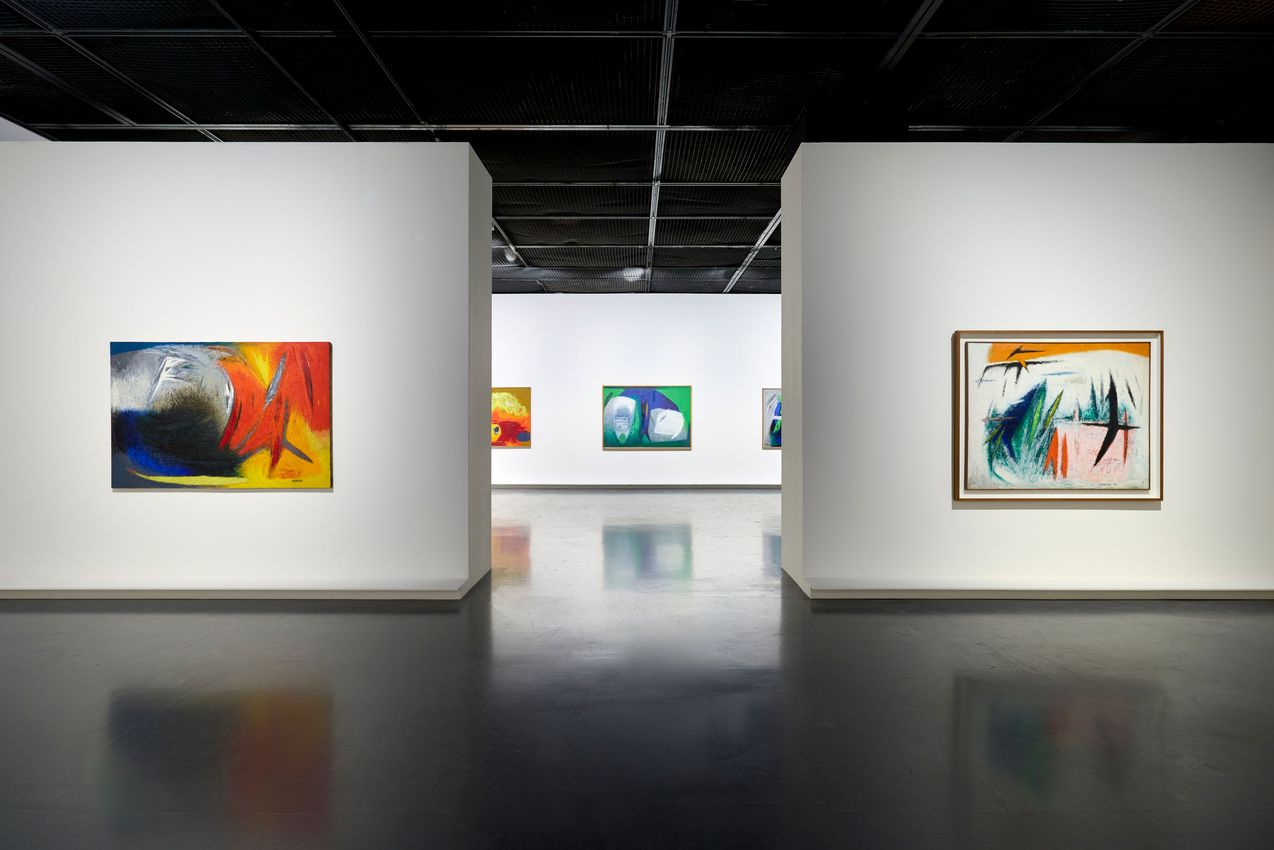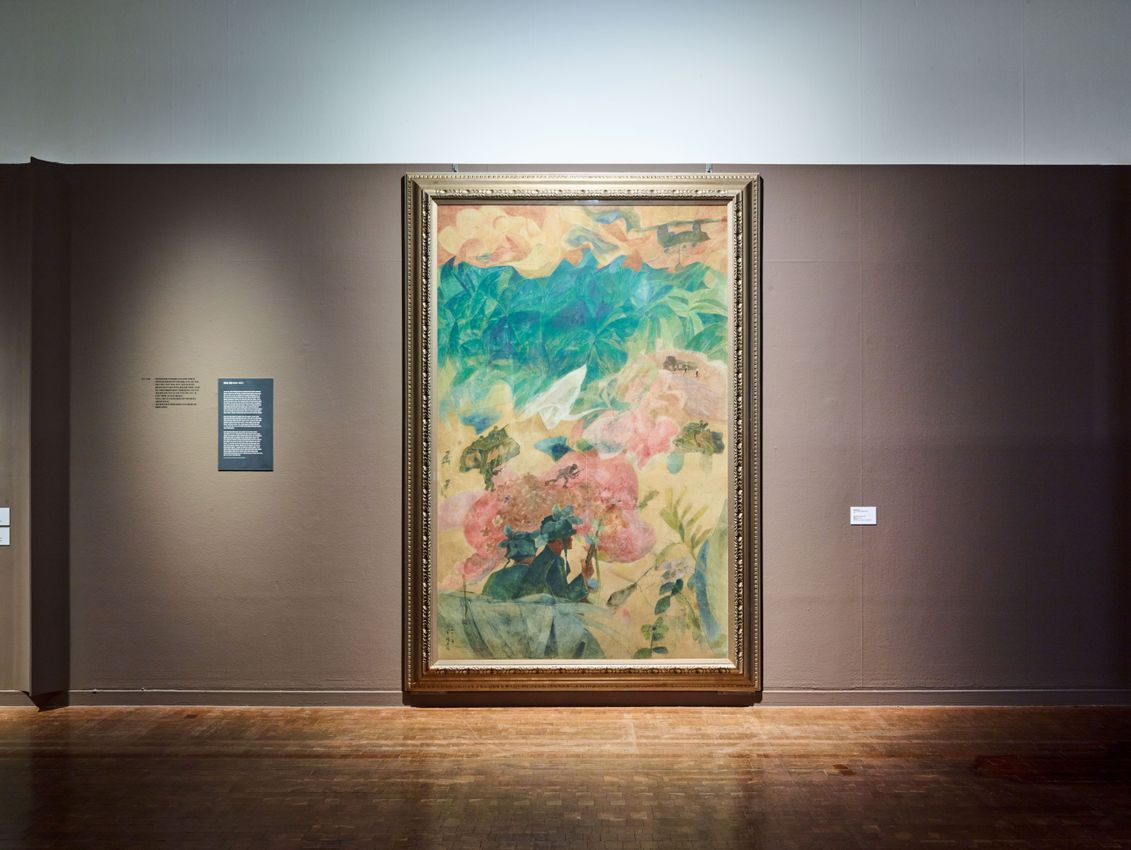
The Seoul Museum of Art (General Director, Choi Eunju) presents Turbulent Times: Women, Life, Art, an exhibition commemorating the 100th anniversary of the birth of CHUN Kyung-ja. The exhibition is on view on the 3rd floor of Seosomun Main Branch of SeMA through November 17, 2024.
A key artist of 20th Century Korea, CHUN Kyung-ja (1924-2015) deeply influenced artists of future generations with her distinct style of art in the field of Korean painting, and continues to receive much admiration today. From the onset of her career, CHUN valued “freedom in creativity and individuality” and did not confine her work within the frameworks of Oriental painting and Korean painting. Despite the biased opinion that color painting is essentially Japanese, CHUN stood apart from her contemporaries in that she was a true modernist who applied her very own unique artistic language and extraordinary sensitivity and sensibility in portraying her childhood memories, inspirations from music, literature, and film, romantic love and pain, and maternal love.
Turbulent Times: Life, Women, Art examines the art worlds of 23 women artists including CHUN and her contemporaries and pupils who lived in her time, along with their historical context including Japanese colonialism and the Korean War. The exhibition sheds light on how the modern spirit of CHUN Kyung-ja, who aspired to transcend the conventional categories of Korean painting or Oriental painting, deeply influenced the art world and future generations.
While juggling household chores and childrearing, women Oriental painters at the time were faced with questions in the Oriental painting world such as abandoning the Japanese style of painting after the liberation of Korea from Japan, and ways of passing down tradition and reflecting the consciousness of the people. This exhibition examines the process through which these “women Oriental painters” deviated from the conservative and standardized styles of the National Exhibition, to establish themselves as “artists” and construct their own unique art worlds intimately related to their lives through their individual artistic language.
In order to examine Oriental painting within the historical and art historical context, the museum researched the educational institutions and Joseon Art Exhibition (1922-1944) during the Japanese colonial era, and the educational institutions and National Art Exhibitions as well as other collectives and group activities after the liberation of Korea. The thorough research was applied to the detailed chronological timeline of the artists as well as the outline of changes in their works. The chronological timelines show not only CHUN Kyung-ja’s catalogues, newspaper clippings, theses and autobiographies, but also present the 22 artists featured in this exhibition, through their press articles, oral records, catalogues, pamphlets, and interviews with the artists themselves or the families of deceased artists.
The exhibition is organized to demonstrate the ways in which the political and social changes and systems of the times lived by the 23 artists impacted their life and works.
In regard to the exhibition, Choi Eunju, General Director of the Seoul Museum of Art, said, “While offering the public the opportunity to further understand CHUN Kyung-ja’s art world on this occasion of the 100th anniversary of the artist’s birth, the exhibition strives to focus on the women artists who lived in CHUN’s time, who dealt with timely issues in Oriental painting such as the succession of tradition and the expression of ethnicity, on top of all their duties as a housewife and mother.” Choi continued, “I hope this exhibition reilluminates the artistic spirit of CHUN Kyung-ja and invites the audience to reflect on the time that we have lived and explore how these artists capture their society and life in their works.”****
Exhibition Overview
Gallery 1: Turbulent Times
Gallery 2: Society and Arts Policy I: Japanese Colonialism, Art Education, and Joseon Art Exhibition (1922-1944), History of Cheongcheonhwasuk (Yi Sang-beom’s House and Atelier), Nakcheongheon, and Private Women’s School of Fine Arts in Tokyo, Japan | History of Joseon Art Exhibition and award-winning works
Gallery 3: Society and Arts Policy II: Post-liberation, Art Education and National Art Exhibition (1949–1981), History of Goamhwasuk, Ewha Womans University, Hongik University, Seoul National University, Seorabeol University of Arts, and Sudo Women’s University. | History of National Art Exhibition and award-winning works | Changgyeonggung Palace and Art | Flow of Oriental Painting Seen through the Press
Gallery 4: Oriental Painting Collectives
Gallery 5: Women, Life, ArtGallery 6 (Corridor): Detailed timeline of the artists and other materials


A respected voice in contemporary art discourse.
Focusing on ambitious storytelling and insightful art-world commentary. Ocula Magazine publishes in-depth interviews, critical essays and timely analysis on the artists, exhibitions and ideas driving the global art world.
Learn more about Ocula Magazine
Showcasing the best of the art world.
Ocula partners with galleries from around the world to highlight their artists, artworks and exhibitions. Gallery membership is by application and invitation, with each member vetted by an independent panel.
Learn more about Ocula Membership

Specialises in the sale of major artworks.
Led by a team with deep ties to the world’s leading auction houses, galleries and collectors. Ocula’s advisory team offers bespoke services to high-net-worth clients from around the world who are looking to acquire the best of contemporary and modern art.
Learn more about our team and services