Press Release

The Seoul Museum of Art (SeMA Director Choi Eunju) will present AMOR EX MACHINA, the 20th Anniversary Exhibition of the Nanji Residency SeMA, from April 30 (Thursday) through September 6 (Sunday), 2026, at the 2nd and 3rd floor galleries and the Crystal Gallery of the Seosomun Main Branch.

Celebrating its 20th anniversary this year, the Nanji Residency SeMA has consistently discovered and supported more than 600 emerging artists, researchers, and curators through a process-oriented approach to creative practice.

The exhibition will open to visitors at 10AM on opening day without a separate opening ceremony.

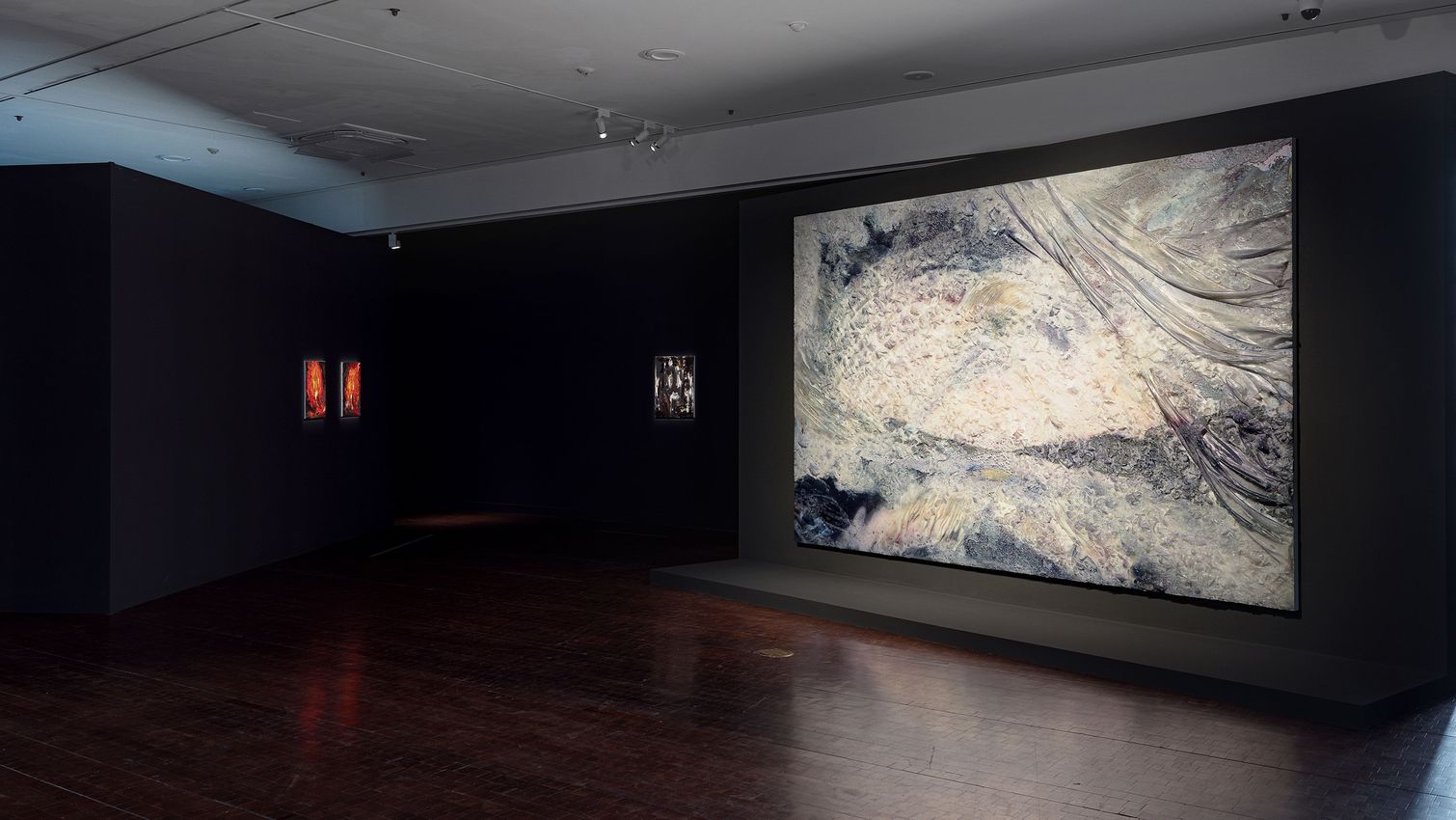
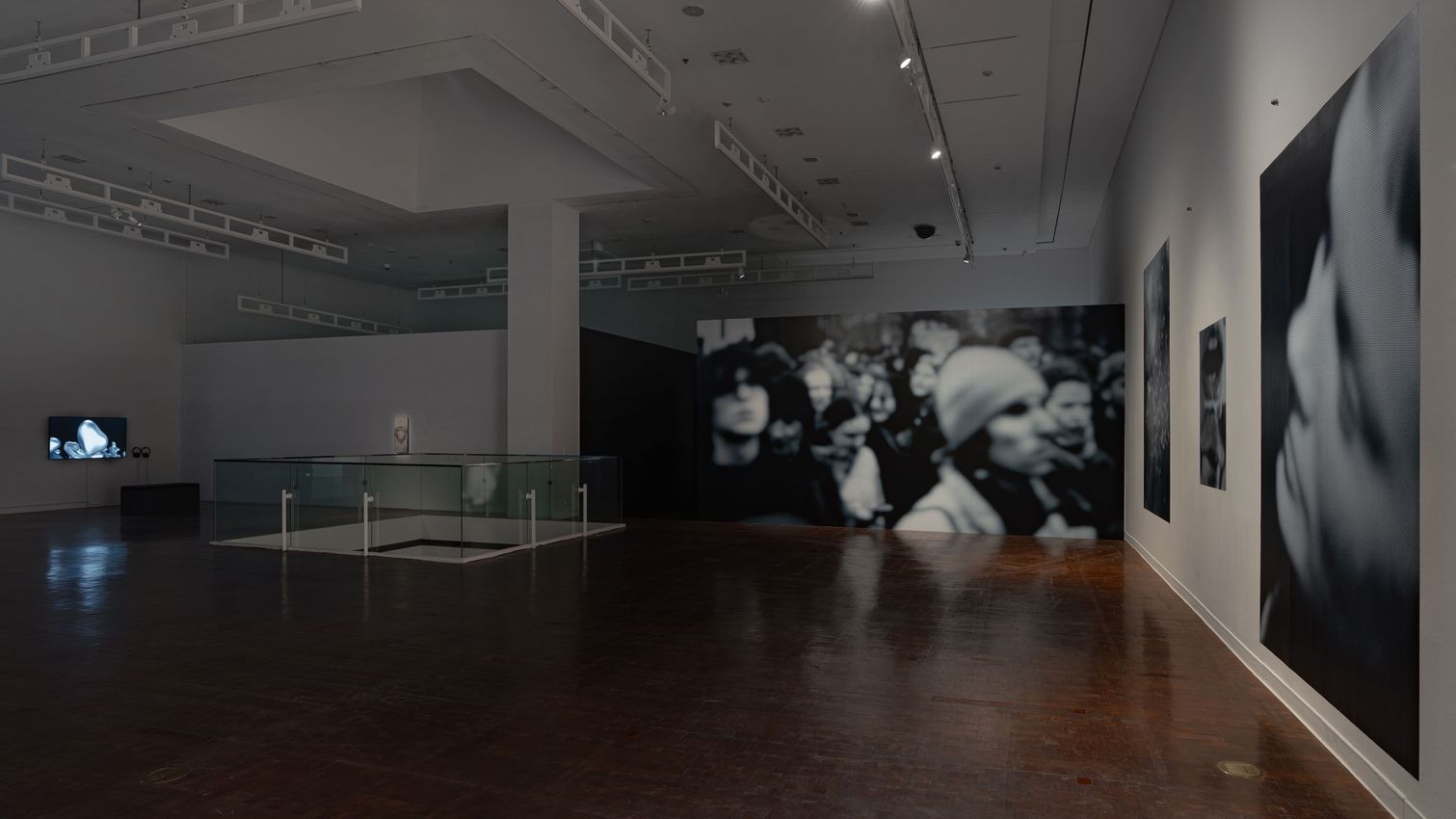
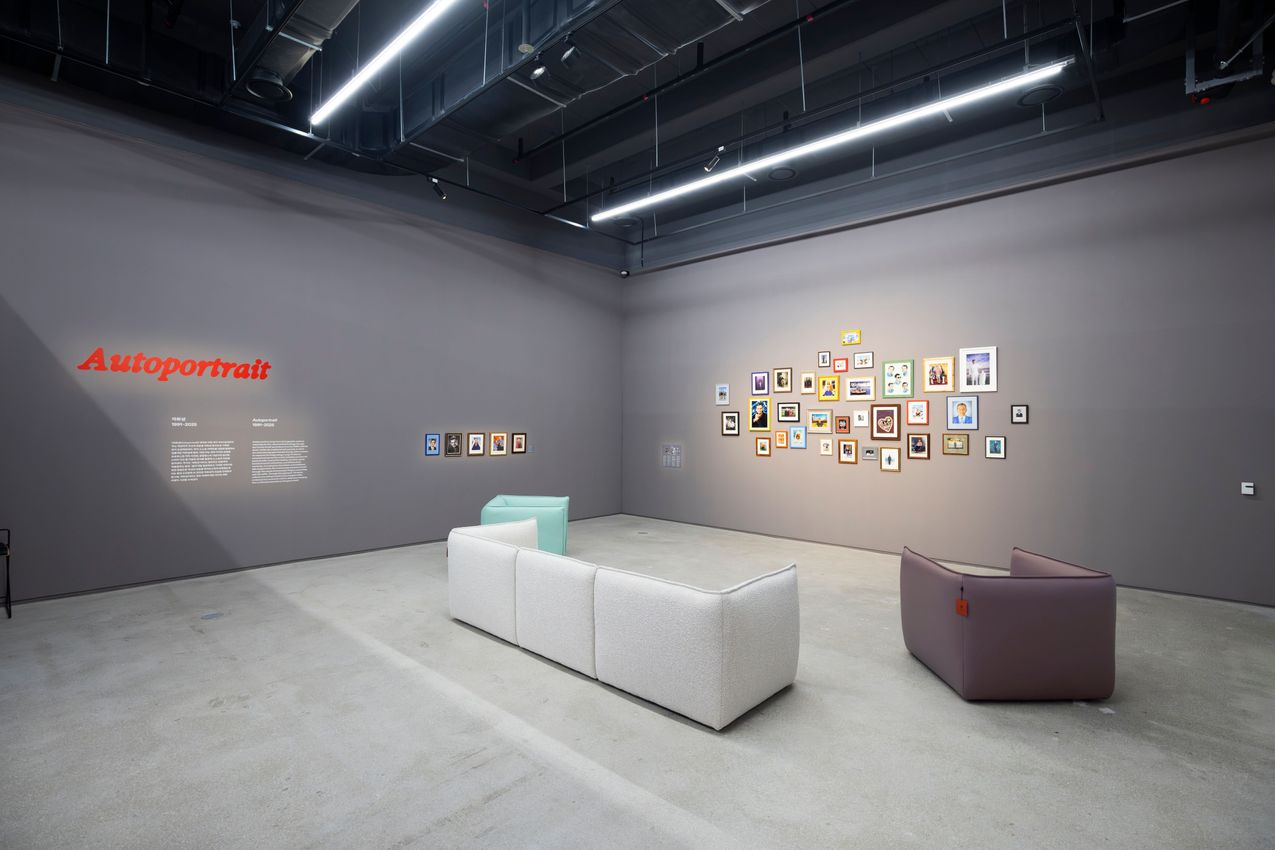
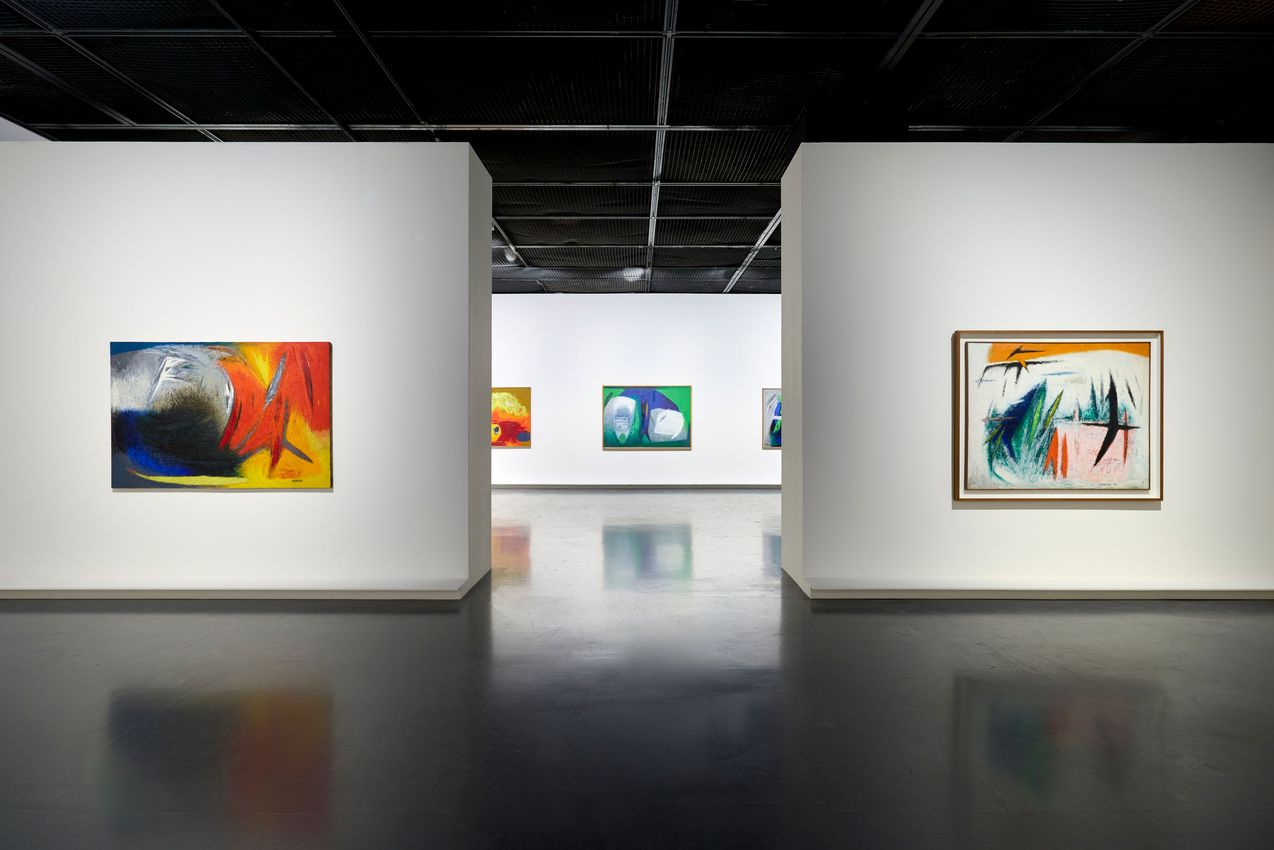
The exhibition brings together over 60 works—including photography, installation, video, and sculpture—by 17 artists and teams who have passed through the Nanji Residency SeMA. It explores how human nature and artistic creativity persist and transform within the contemporary technological environment where technology has become a condition of life.

Participating artists—Ji Hye Yeom, Jeamin CHA, Minha Park, Jiyoung Yoon, and others—are drawn from the 10th through 19th cohorts of Nanji Residency residents (17 artists/teams in total). The exhibition highlights their artistic worlds while surveying the creative trajectories that have continued after their residencies and the expanding possibilities of contemporary art.

The exhibition takes as its departure point the 2026 SeMA thematic agenda of “technology”—understood not merely as a tool but as an environment and a condition of life. Moving beyond optimism or pessimism about technology, the exhibition presupposes that human beings are entangled with technology, capital, media, and non-human entities, and addresses the emotions, relationships, and vulnerabilities that persist within that entanglement.

AMOR EX MACHINA reconfigures archetypal narratives that recur in classical myth, folklore, and theatrical tradition by connecting them to the contemporary technological environment. It references classical narratives such as the myth of Prometheus, the River Lethe, and the hero’s journey, rewriting them within the present technological landscape. Through science-fictional imagination and posthumanist perspectives, it re-examines human existence and poses questions about the modes of affect and relationality that persist beyond technology.

The exhibition is organized around four narrative sections. “Theft of Fire” addresses the conjunction of technology and the body, and the expansion and transformation of the senses. “River Lethe” explores questions of memory and data, and of life and preservation. “Strange Return” invokes beings outside the system—those living non-normative lives whom the system has failed to capture—and their struggles. “To the Origin” asks where humanity in the age of technology finds its place, and where the affect called love might reside.

The opening section, “Theft of Fire,” features Dew Kim (b.1985) with the commissioned new work The Succulent Gospel (2026), which rewrites narratives of creation and origin from a queer perspective, and Heemin Chung (b.1987) with the new painting Arcadian Dusk (2026), in which an idealized paradise overlaps with the landscape of data. Jiyoung Yoon (b. 1984) presents the votive series Ex-voto: Two Ears (2025) and Ex-voto: Missed (2025), shown in Korea for the first time, divided between the 2nd and 3rd floor galleries.

In “River Lethe,” Woohyeok Kang (b.1992) presents the new video Why Didn’t You Make a Plan for Me? (2026), which follows a deliberation among a cryonic preservation foundation, a life insurance company, and the bereaved, questioning the “complete guarantee” of death. Hyunseok Kim (b.1988) presents a newly remade version of LUCY 1.0 (2024/2026), which combines the skull of humanity’s earliest ancestor with a smartphone to reflect on the intersection of technology, humanity, and language. Young Ho Jeong (b.1989), who has traced the distance between directly witnessed scenes and screen-mediated images, reveals a new work with visible pixels; a second new darkroom-developed work continues into “Strange Return.”

In “Strange Return,” Yesul Kim (b.1989) presents the commissioned new work Offbeat (2026), a dance film performed by child and adolescent performers that embodies the movements of beings who elude the system’s capture. Shin Jungkyun (b.1986) presents the new video Fastest Word, Lingering Hand (2026), a cross-cut of interviews with a stenographer and a master of yutnori (a traditional Korean board game)—two figures whose occupations are vanishing into history. Ivetta Sunyoung Kang (b.1986) presents FREE FALL FLOCK (2024/2026), reinstalled within the spatial context of the Seosomun Main Branch, meeting audiences through six scheduled performances during the exhibition period.

The final section, “To the Origin,” which serves as an epilogue, is filled by the thoughts and footsteps of visitors who have traversed all three journeys. Exiting the gallery itself opens the exhibition’s final chapter—posing the question of what weight the value of “love” as a human quality will carry in each person’s everyday life, and extending the exhibition’s narrative into the time of lived reality.

Rather than presenting a technological spectacle or predictions about the future_, AMOR EX MACHINA_ returns to the question of what it means to be human in a life where technology has already become ordinary.

Alongside the exhibition, SeMA will present the programming includes regular site-specific performances by Ivetta Sunyoung Kang throughout the exhibition period, audience-participatory workshops, talks presented in collaboration with the Institute for Basic Science (IBS) where art and science intersect, and a multidisciplinary lecture series—all offered sequentially during the exhibition. Further details will be announced through the SeMA website and official social media channels.

Director Choi Eunju of the Seoul Museum of Art stated: ”AMOR EX MACHINA is a space to ask anew, through the language of contemporary artists, what it means to be human—built upon the archetypal stories and folktales of East and West. As the time of artists who have passed through the Nanji Residency SeMA comes together in one place, we hope visitors will follow the connections between us at their own pace, within a rapidly changing technological environment.”

Read More

Installation Views

Also Exhibiting at Seoul Museum of Art | SeMA

Address
61, Deoksugung-gil
Jung-Gu
Seoul
South Korea
Opening Hours
Tuesday – Friday
10am – 8pm

Weekends and National Holidays
March – October
10am – 7pm

November – February
10am – 6pm

Last admission 1 hour before closing.
Closed on Monday and New Year's Day. Open if Monday is a national holiday.
(1)
Seoul 61, Deoksugung-gil, Jung-Gu
Seoul Museum of Art | SeMA
61, Deoksugung-gil, Jung-Gu, Seoul, South Korea
+82 2 2124 8800
http://sema.seoul.go.kr

Opening hours
Tuesday – Friday
10am – 8pm

Weekends and National Holidays
March – October
10am – 7pm

November – February
10am – 6pm

Last admission 1 hour before closing.
Closed on Monday and New Year's Day. Open if Monday is a national holiday.
The art world in focus