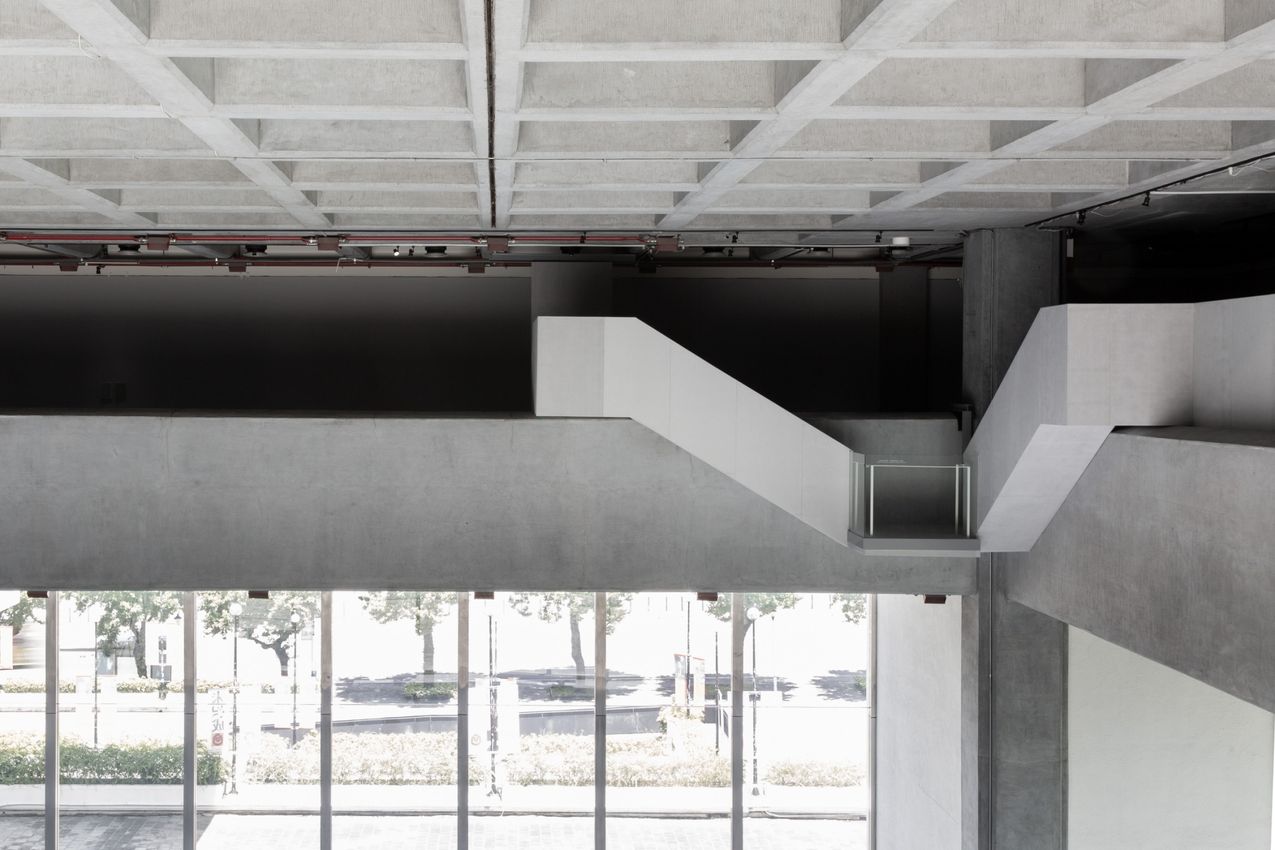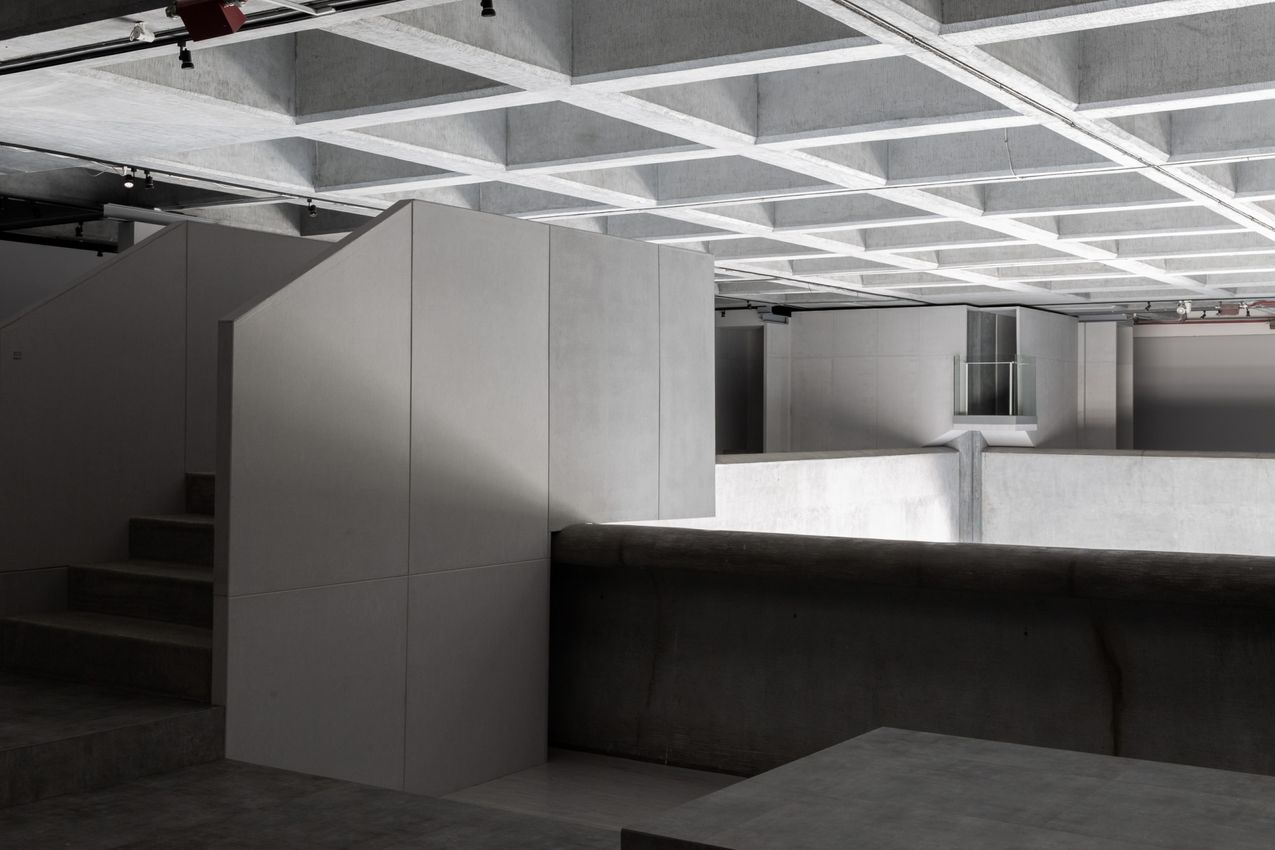




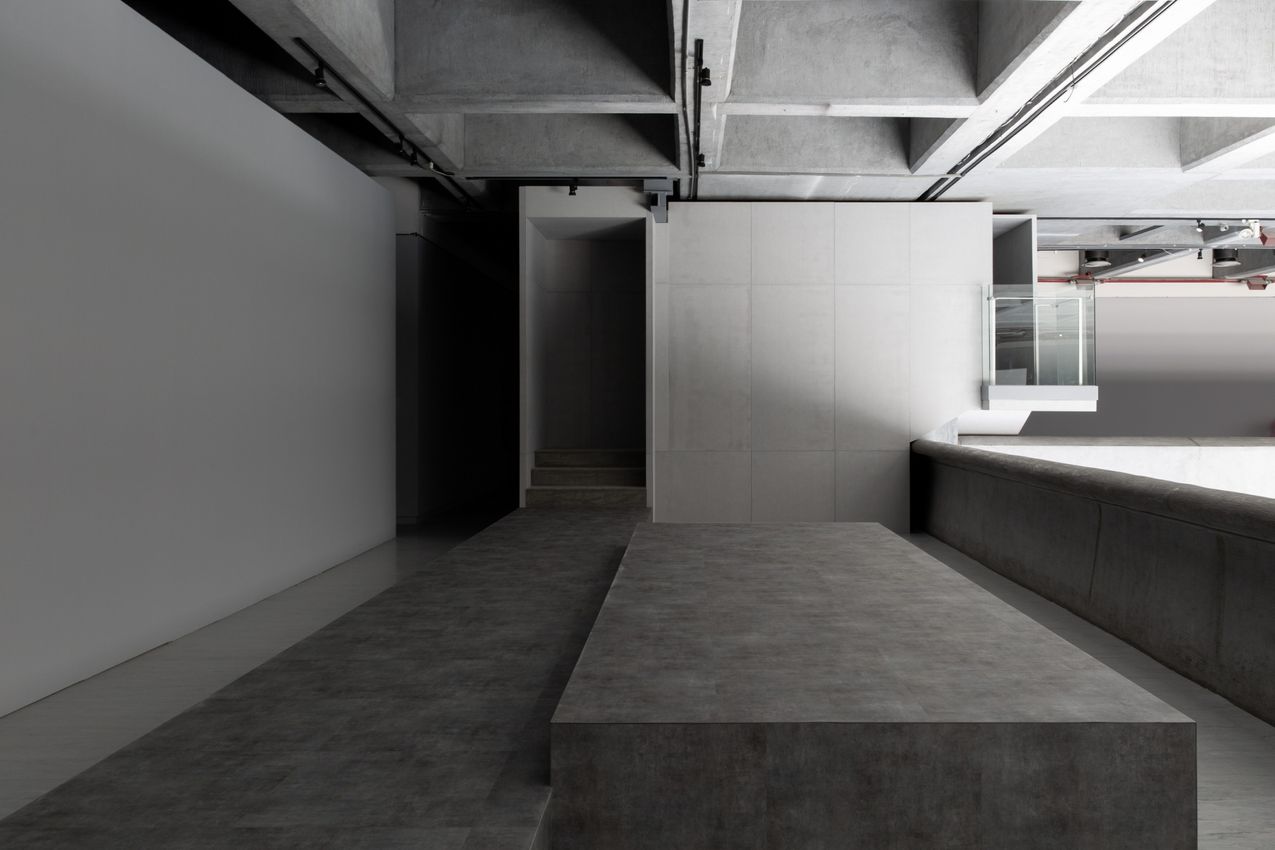
Space C on the third floor provides visitors an uninterrupted, panoramic view of the grand lobby of the Taipei Fine Arts Museum. It is different from the other exhibition galleries in its open and fluid qualities that underscore participation, as well as interaction, exchange and rumination initiated by visitors.
The latest project Closer is Lai Chih-Sheng’s site-specific installation highlighting Space C’s spatial characteristics and positioning. Looking down from the site, the Museum’s grand lobby is a pond permeated by light and wind, with the parapet of the corridor being its edge. In Closer, Lai proposes the idea of being ‘closer to light and wind.’
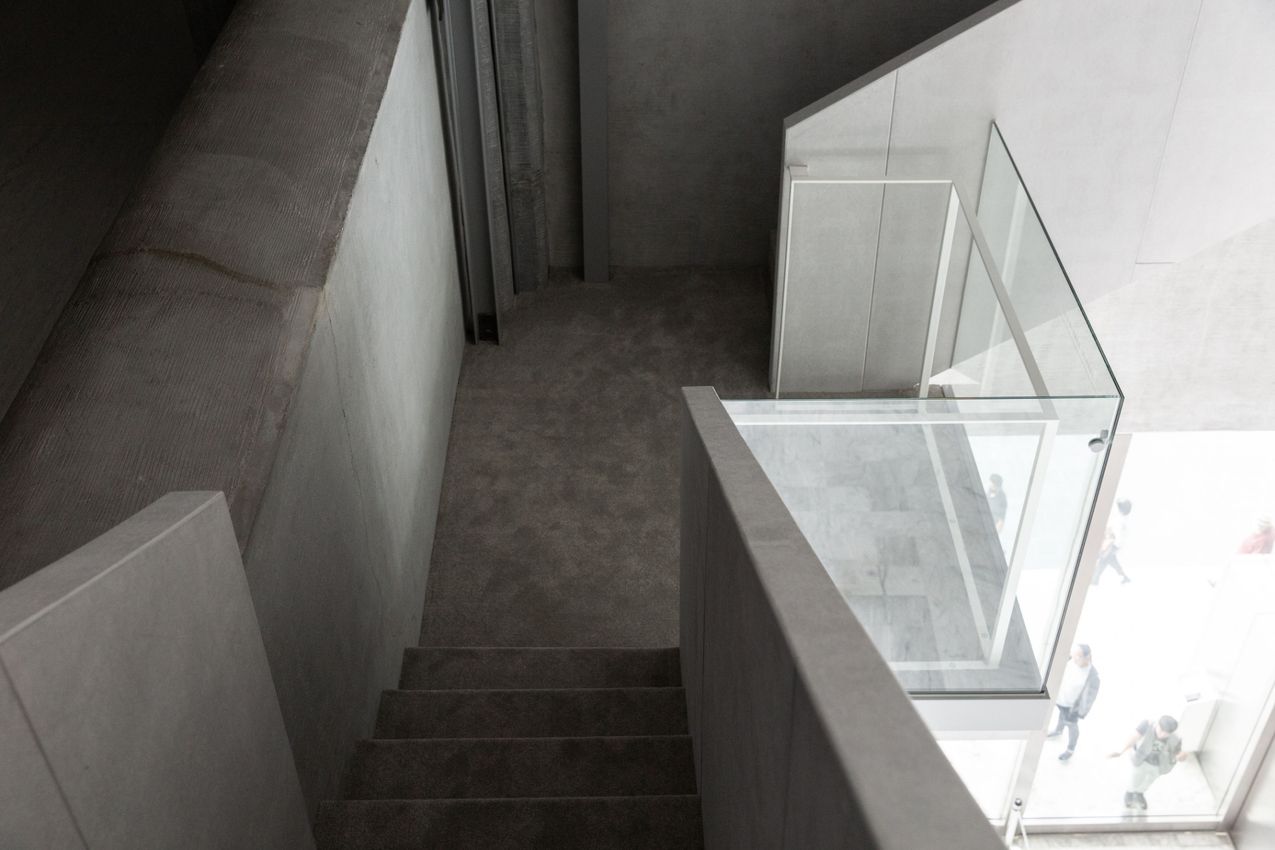
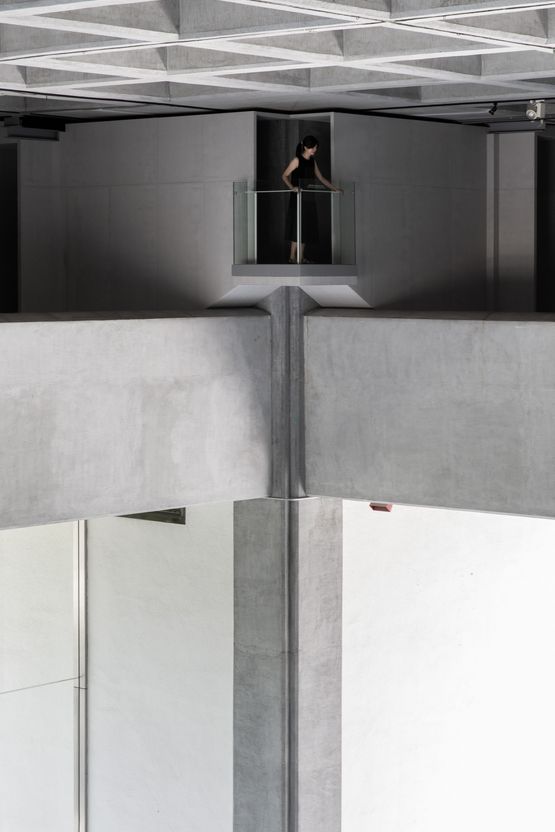
What is the idea behind Closer, to where can it lead us? For the sake of understanding the work, perhaps we can think of scenes commonly found in daily life: It is like a bird nest, a haven for survival, perched on a high ground; or a passage hanging between columns or high walls in a church, constructed into a platform on which worshipers can pray and soothe their souls. For Lai, the two columns that support the corridor are two towering trees, whereas the parapet is their branch. He designed uneven platforms to wrap around the columns and beams, even extending outwardly to encircle the entire corridor, and finally, probing into the ‘pond,’ a zone we could previously only look at yet never reach.
Closer unites spatial characteristics and audience’s view as a whole. In the work Lai sets out to invite an action on the part of his audience, a tip-toeing or stepping over, so that they can look out or touch something from a unique spot, thereby awakening a fresh new feeling towards the otherwise familiar space. Part of the Museum architecture, the space is the grand lobby of nothingness, but also the source of light and wind.


Lai Chih-Sheng is a Taiwanese contemporary artist known for subtle, site-specific interventions that increase viewers’ sensitivity to their environment, enabling new sensory experiences of space by reconfiguring the relationship between the body and its surroundings.

The mission of the Taipei Fine Arts Museum is to promote the preservation, research, development and popularization of Taiwanese modern and contemporary art; to keep abreast of global trends and establish a variety of channels for exchange; to raise the general public’s understanding of and participation in modern art; to help Taiwanese modern and contemporary art to thrive; and to cultivate fuller artistic attainment in the people, in the hope of forming a contemporary society with aesthetic sense and cultural perception.

A respected voice in contemporary art discourse.
Focusing on ambitious storytelling and insightful art-world commentary. Ocula Magazine publishes in-depth interviews, critical essays and timely analysis on the artists, exhibitions and ideas driving the global art world.
Learn more about Ocula Magazine
Showcasing the best of the art world.
Ocula partners with galleries from around the world to highlight their artists, artworks and exhibitions. Gallery membership is by application and invitation, with each member vetted by an independent panel.
Learn more about Ocula Membership

Specialises in the sale of major artworks.
Led by a team with deep ties to the world’s leading auction houses, galleries and collectors. Ocula’s advisory team offers bespoke services to high-net-worth clients from around the world who are looking to acquire the best of contemporary and modern art.
Learn more about our team and services