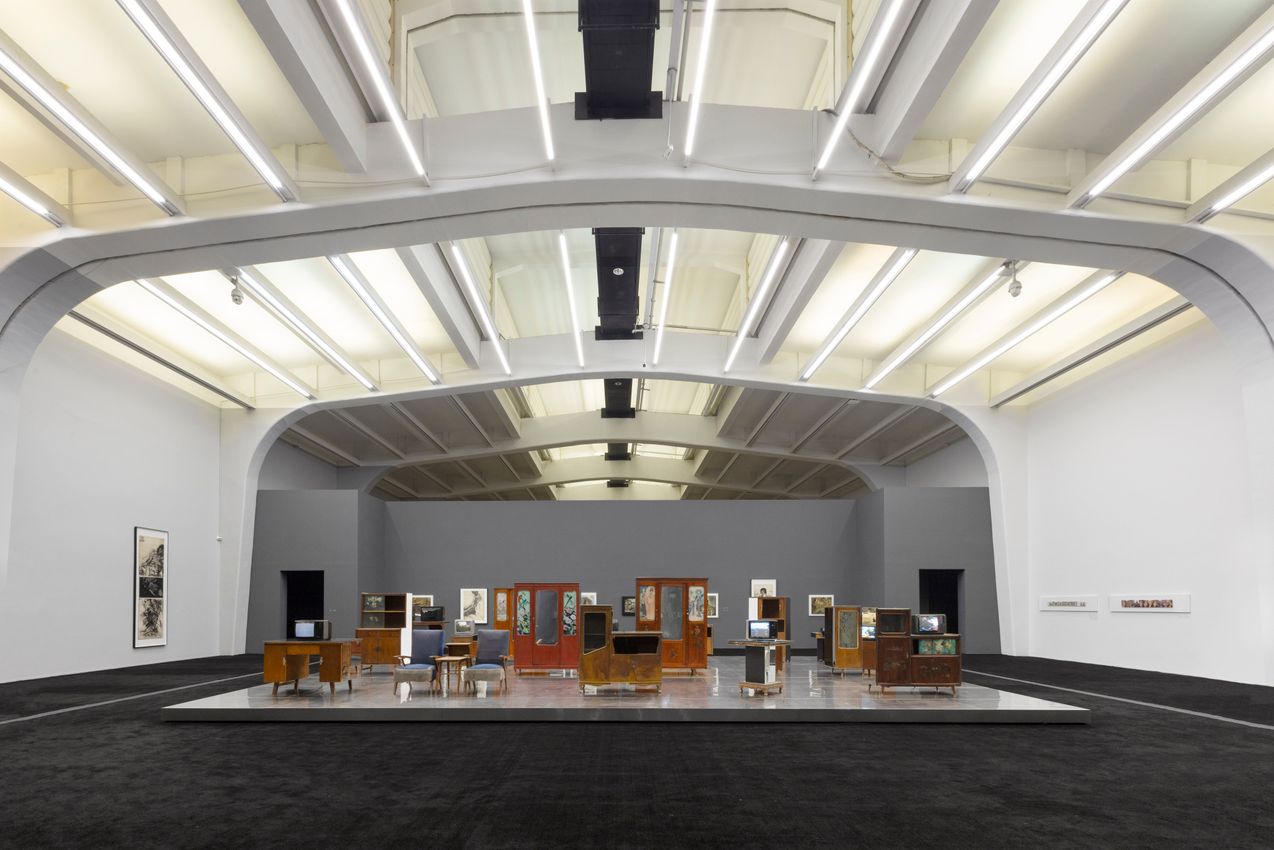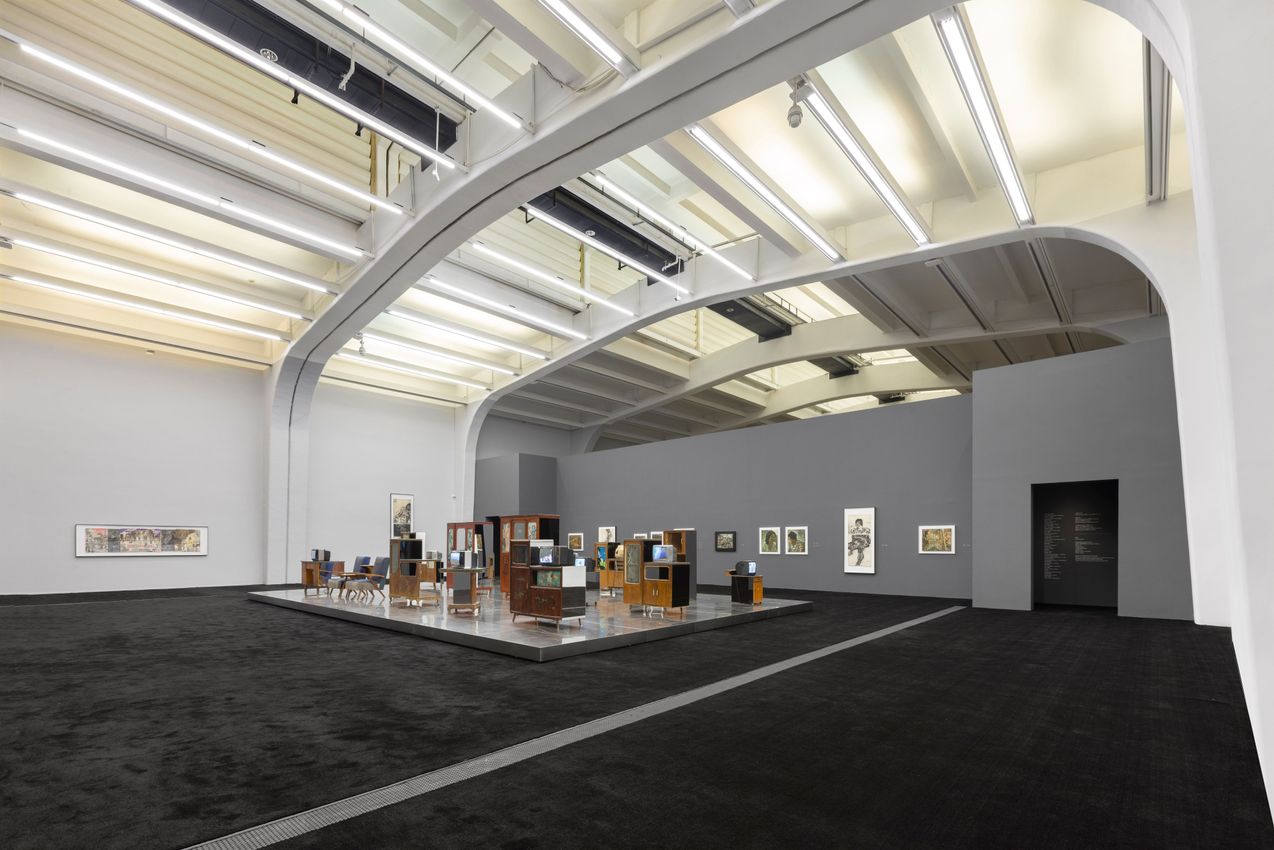
UCCA Center for Contemporary Art presents Yang Fudong: Fragrant River from 22 November 2025 to 5 May 2026, the artist’s first institutional solo in Beijing. Anchored by a newly completed, 15-channel video installation of the same title, named after the artist’s hometown near Beijing, the exhibition brings together a selection of Yang’s most recent creations alongside early works. Through a constellation of media, Yang Fudong: Fragrant River explores the layered perceptions of time, growth, and memory, unfolding a rich set of metaphorical scenarios interwoven with personal emotion, shared memory, and historical temporality.
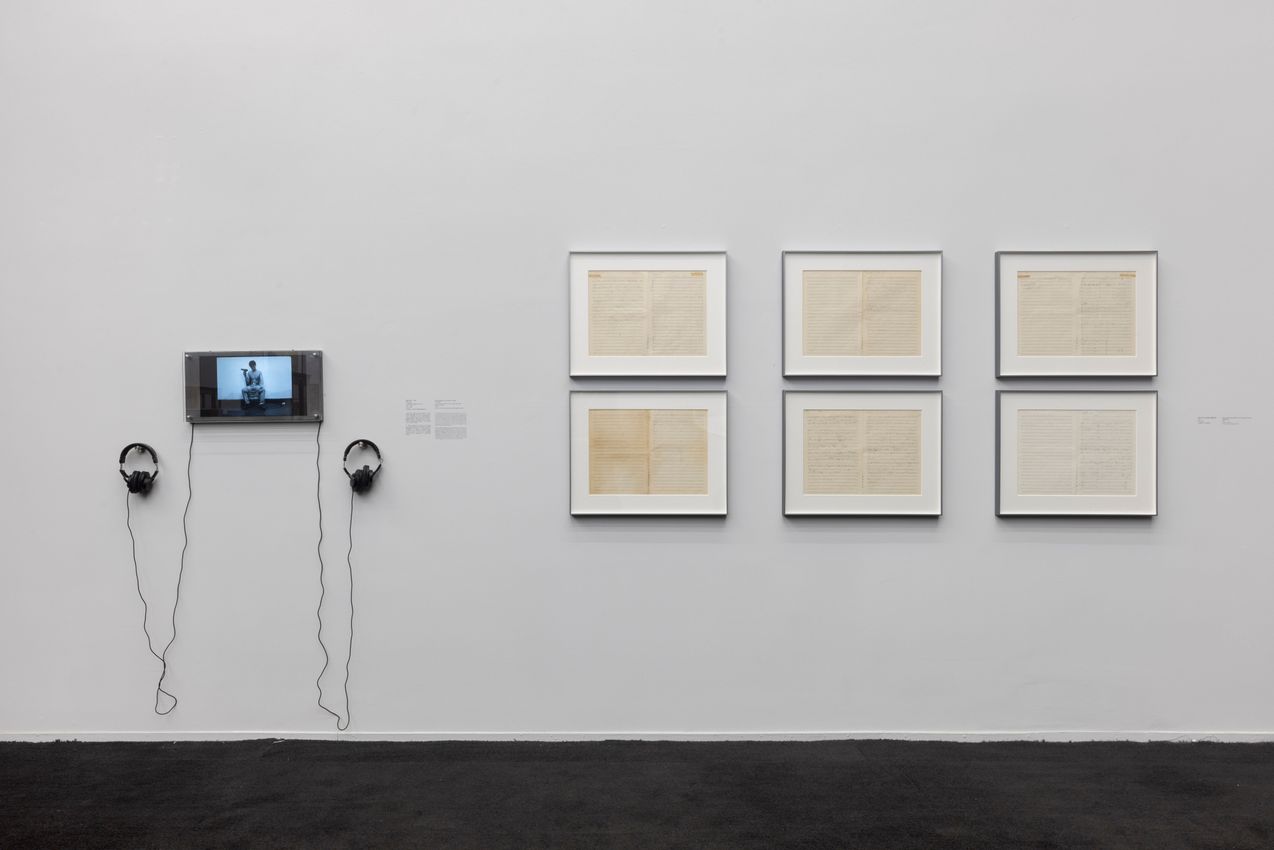
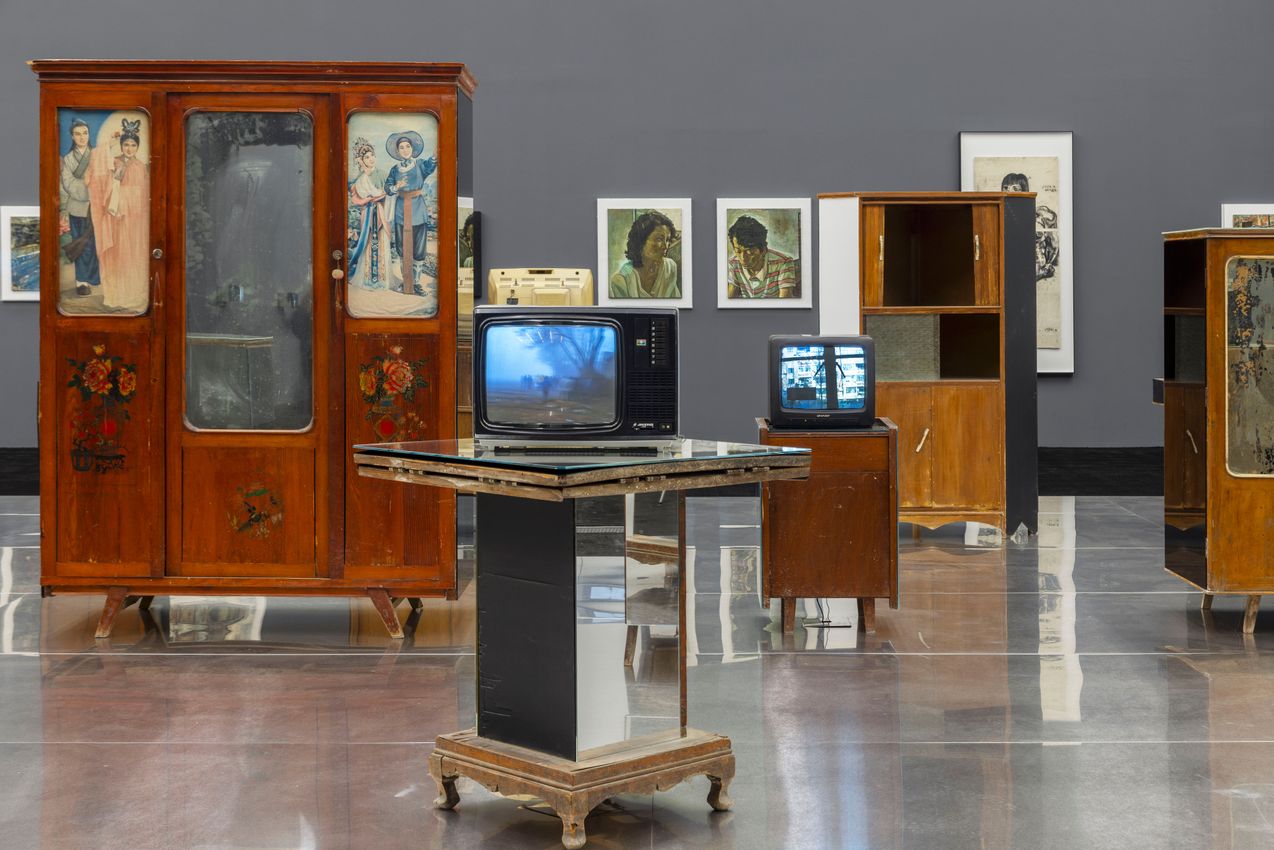
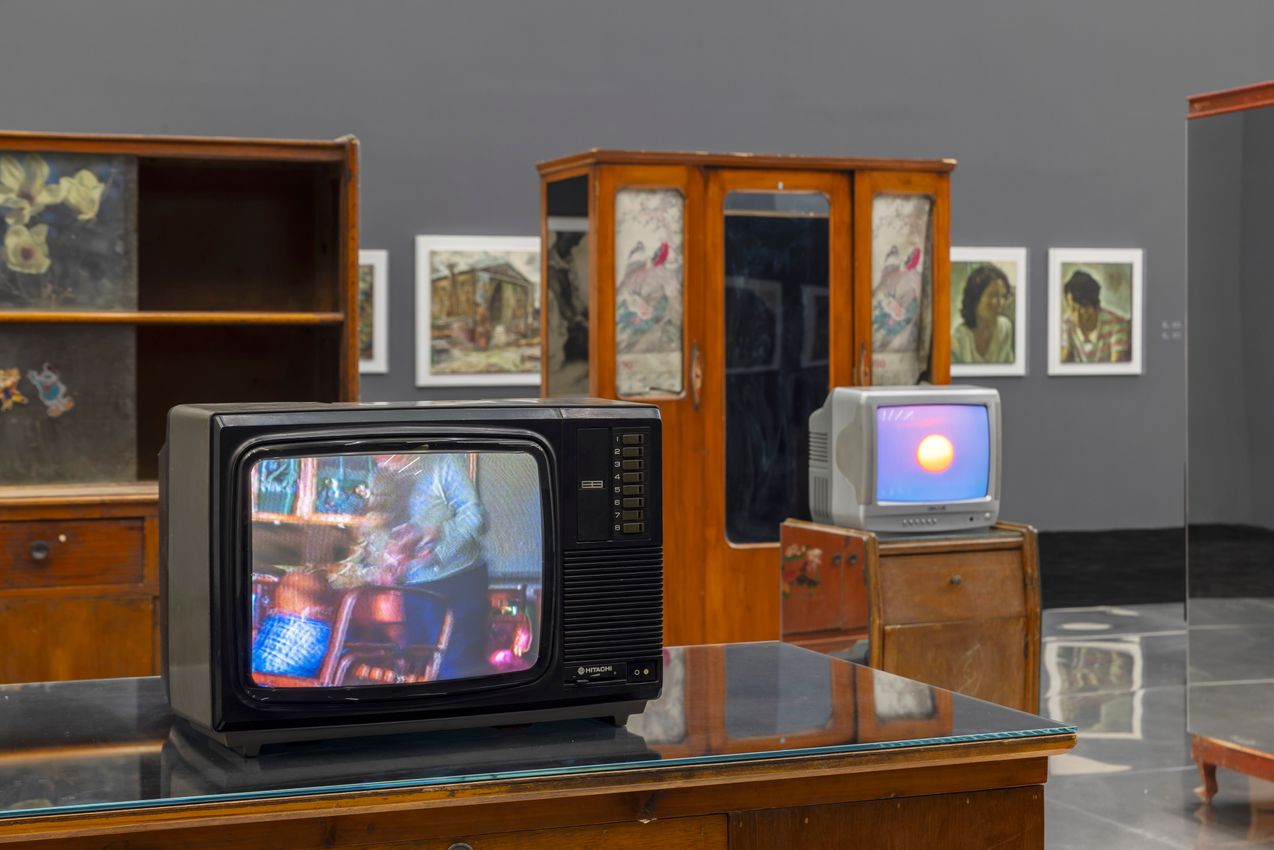
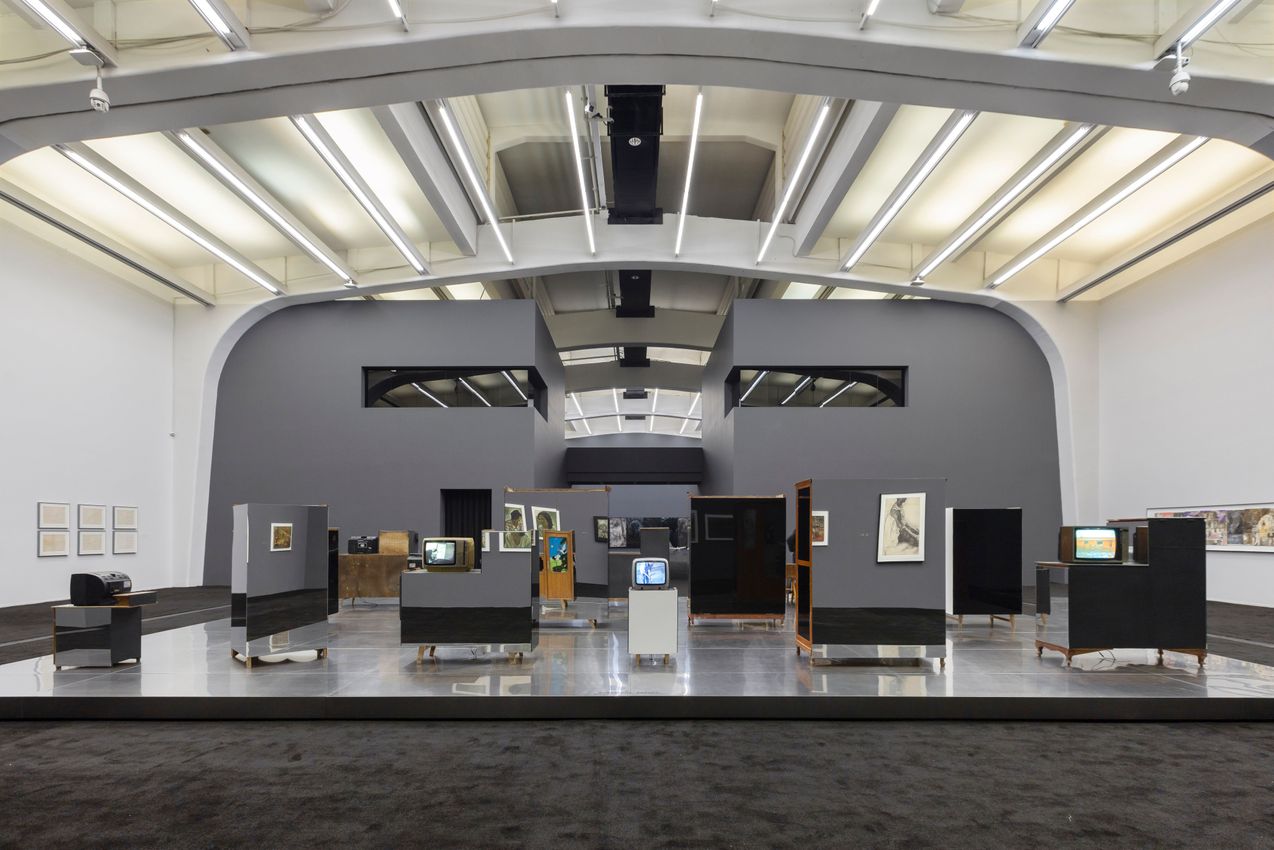
From 22 November 2025 to 5 May 2026, UCCA Center for Contemporary Art presents “Yang Fudong: Fragrant River,” the first institutional solo exhibition in Beijing by the celebrated Chinese contemporary artist. Marking Yang Fudong’s (b. 1971, Beijing) most comprehensive presentation to date, the exhibition features six newly created video works, a large-scale painting installation, a furniture-and-video installation, and a selection of early paintings, videos, and archival materials. Through the reconstruction of fragmented memory, the estrangement of lived reality, the re-fictionalization of image-based narratives, and the symbolic construction of spatial environments, Yang transforms UCCA’s Great Hall into a stage set in temporal dislocation—an experience at once theatrical and uncannily remote, in which past and present, emotion and reality, intertwine and unfold in shifting configurations. This exhibition is co-curated by UCCA Director Philip Tinari and UCCA Curator Chelsea Qianxi Liu.
Widely regarded as one of the most significant figures to emerge from China’s contemporary art scene in the twenty-first century, Yang Fudong is known for a distinctive narrative approach and a highly aestheticized visual language. His works often draw together the poetics of Eastern philosophy, the idioms of modern cinema, and the visual logic of contemporary culture. Employing slow, extended takes, fragmented plotlines, and a lyrical yet restrained image quality, Yang’s creations hold an aesthetic tension that hovers between dream and reality. The artist describes his method as “the cinema of implication,” constructing emotional circuits through rhythm, breath, and sustained gaze, inviting viewers to experience a meditative flow of thought as they watch. In his work, time is decomposed and dilated into a perceptible spiritual dimension, while film itself becomes a living organism—its grain, flickering light, and mechanical sound manifesting time in tangible form.
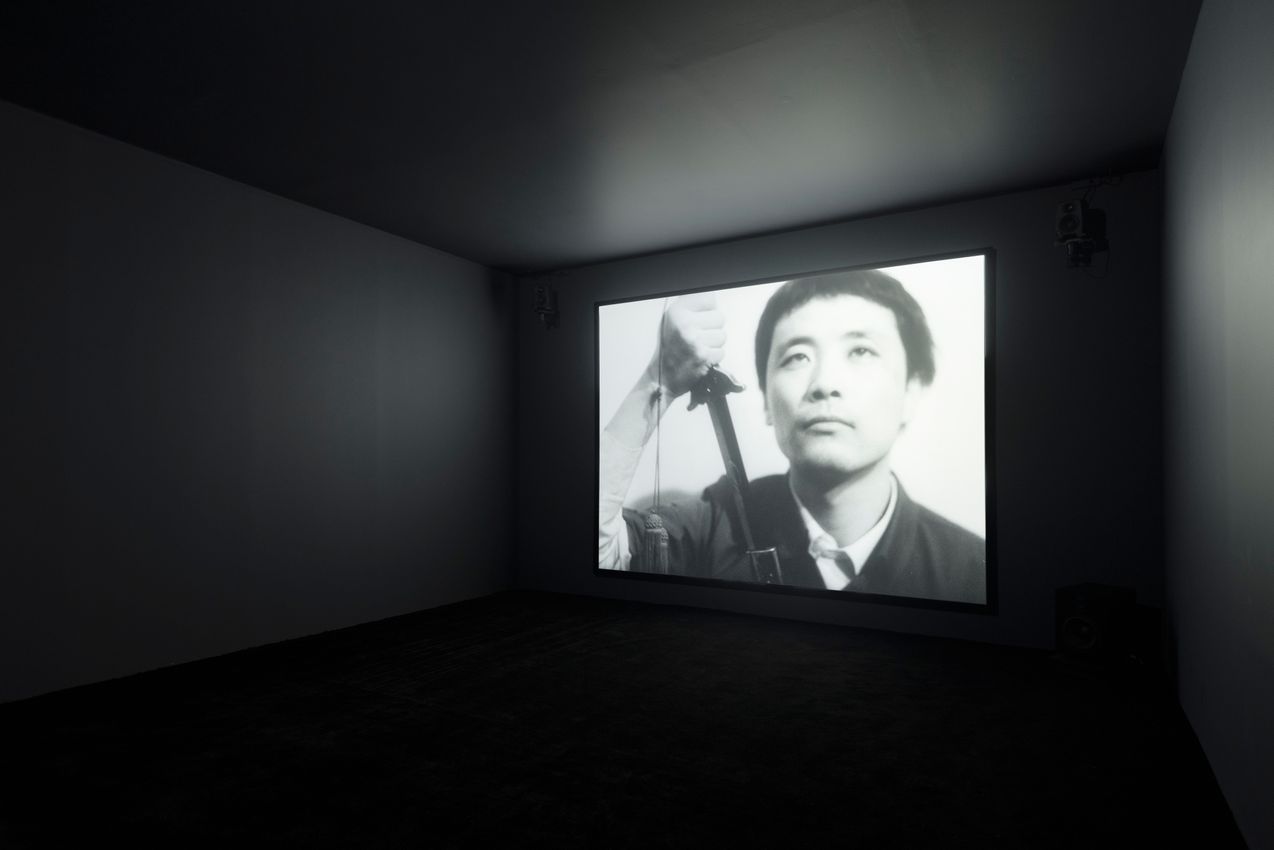
The exhibition’s title, “Fragrant River,” is the literal translation of Yang Fudong’s hometown—Xianghe County in Hebei Province. Yet within the exhibition, the artist dissolves its literal geographic reference, abstracting it into a metaphor interwoven with personal sentiment, collective memory, and historical time. At the center of the exhibition is the 15-channel black-and-white video installation Fragrant River (2016–2025), a work that reflects more than twenty-five years of conceptualization and artistic practice. The idea first emerged in 1997, shortly after Yang completed his debut feature An Estranged Paradise. In 2016, the artist and his team filmed for 47 days in Xianghe’s county seat and surrounding villages, with post-production continuing until the autumn of 2025.
The work unfolds around the daily life of a young mother preparing for Spring Festival celebrations. Fragmented scenes of birth, aging, and death appear alongside depictions of manual labor and communal life, presenting a northern Chinese rural landscape that is at once deeply real and strangely unfamiliar as it shifts through light and shadow. Time is measured through repetitive work, while moments of the surreal open onto another temporal dimension, brief apertures resembling ruptures in a dream.
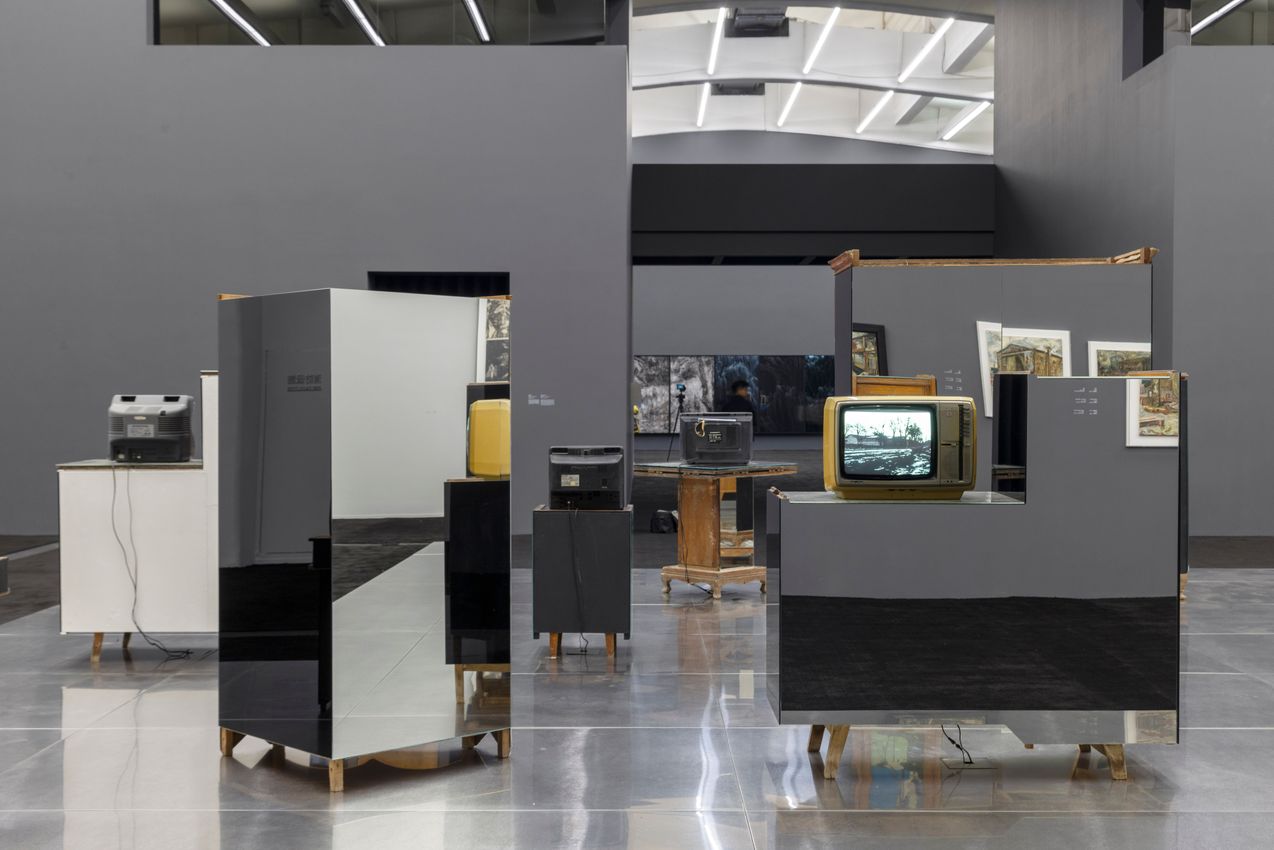
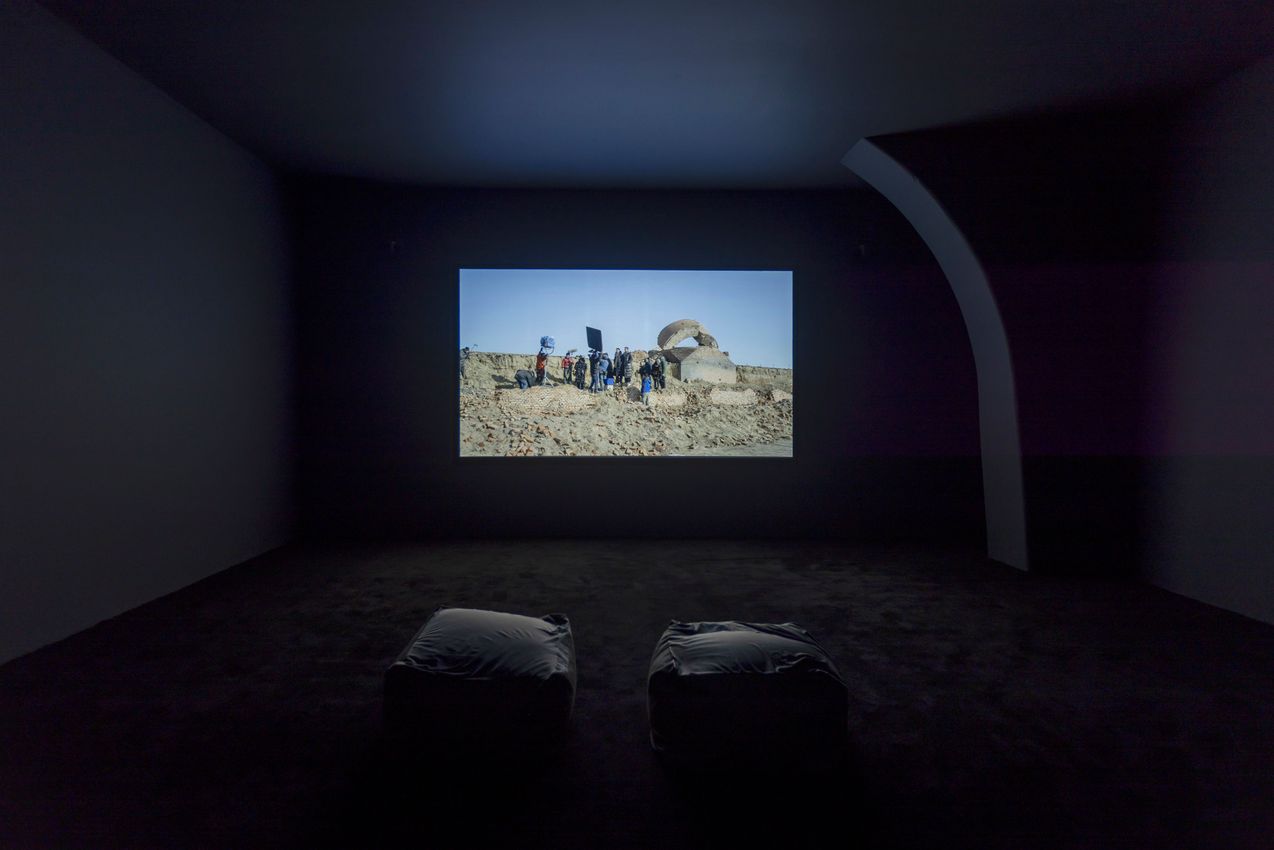
Fragrant River is at once a spiritual return to the terrain of personal growth and homesickness, and a sustained meditation on time itself. Fifteen screens are dispersed across nine interlocking, nested chambers, forming a labyrinth of memory. As viewers navigate these spaces, their movement becomes a means through which time unfolds, positioning them as participants within the work’s narrative structure. The exhibition also includes a documentary on the making of this work, offering insight into how the artist transforms personal recollections into moving-image narratives that resonate with shared human emotion. As the inaugural chapter of Yang’s long-term “Library Film Project,” Fragrant River serves as a point of entry into the artist’s expansive inquiry into the inner life of the individual. The works assembled within this framework comprise an intensely personal catalogue of images, while remaining open, waiting to be read by each viewer.
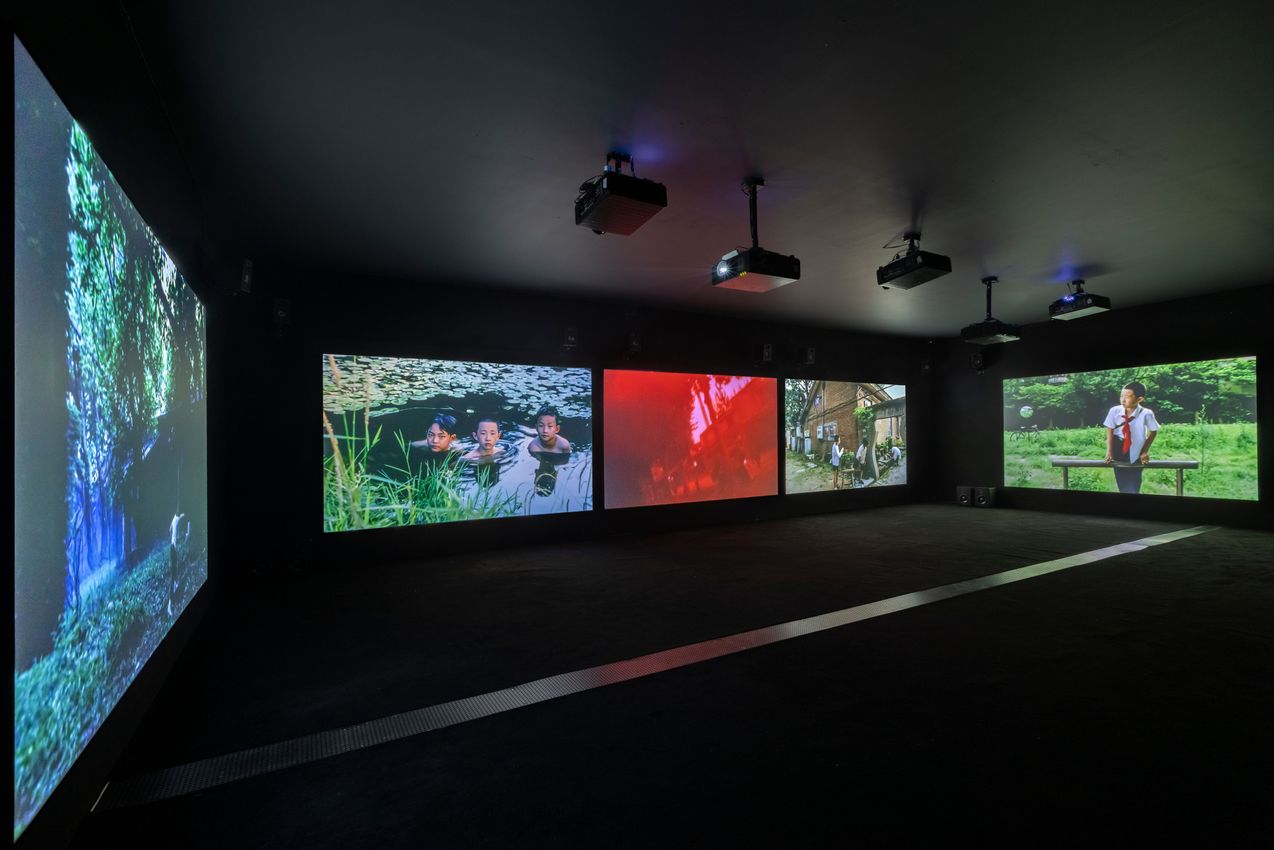
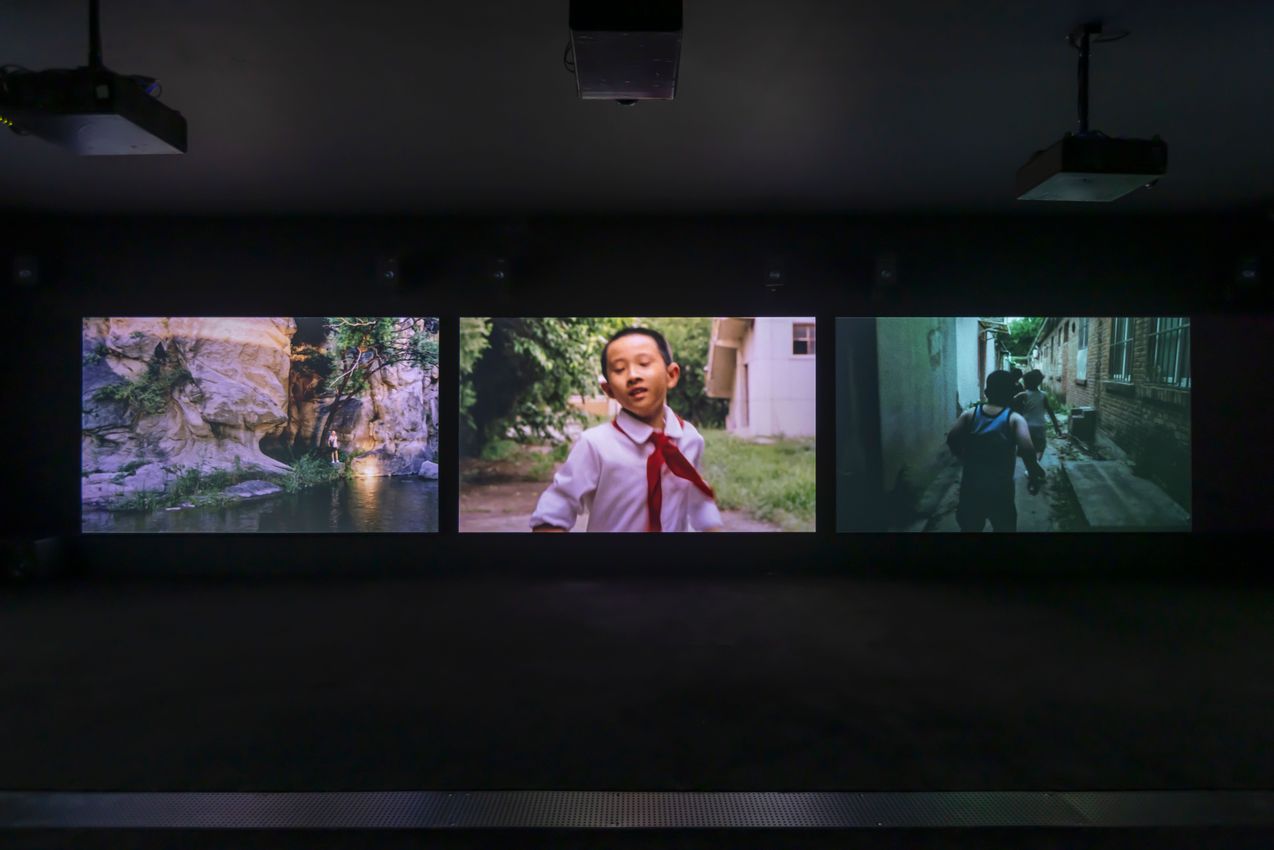
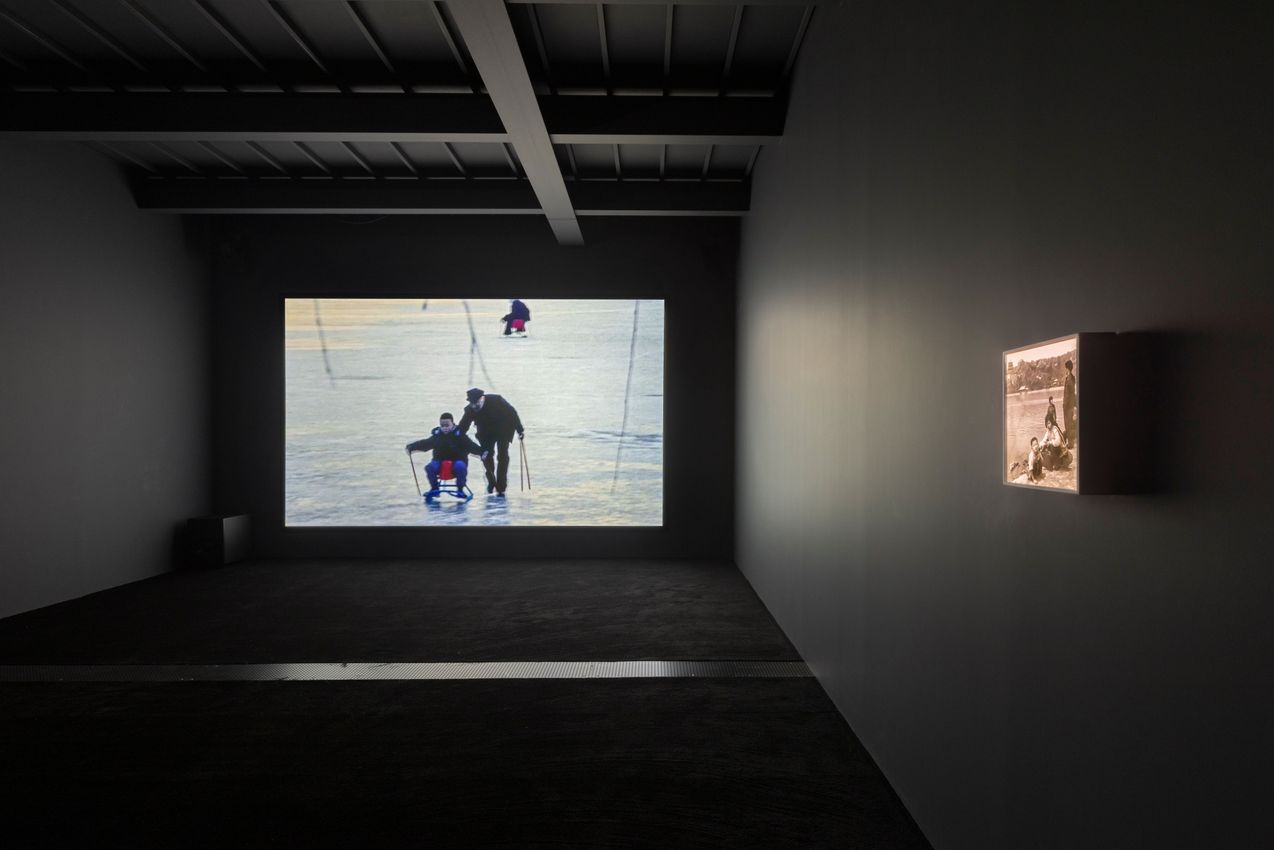
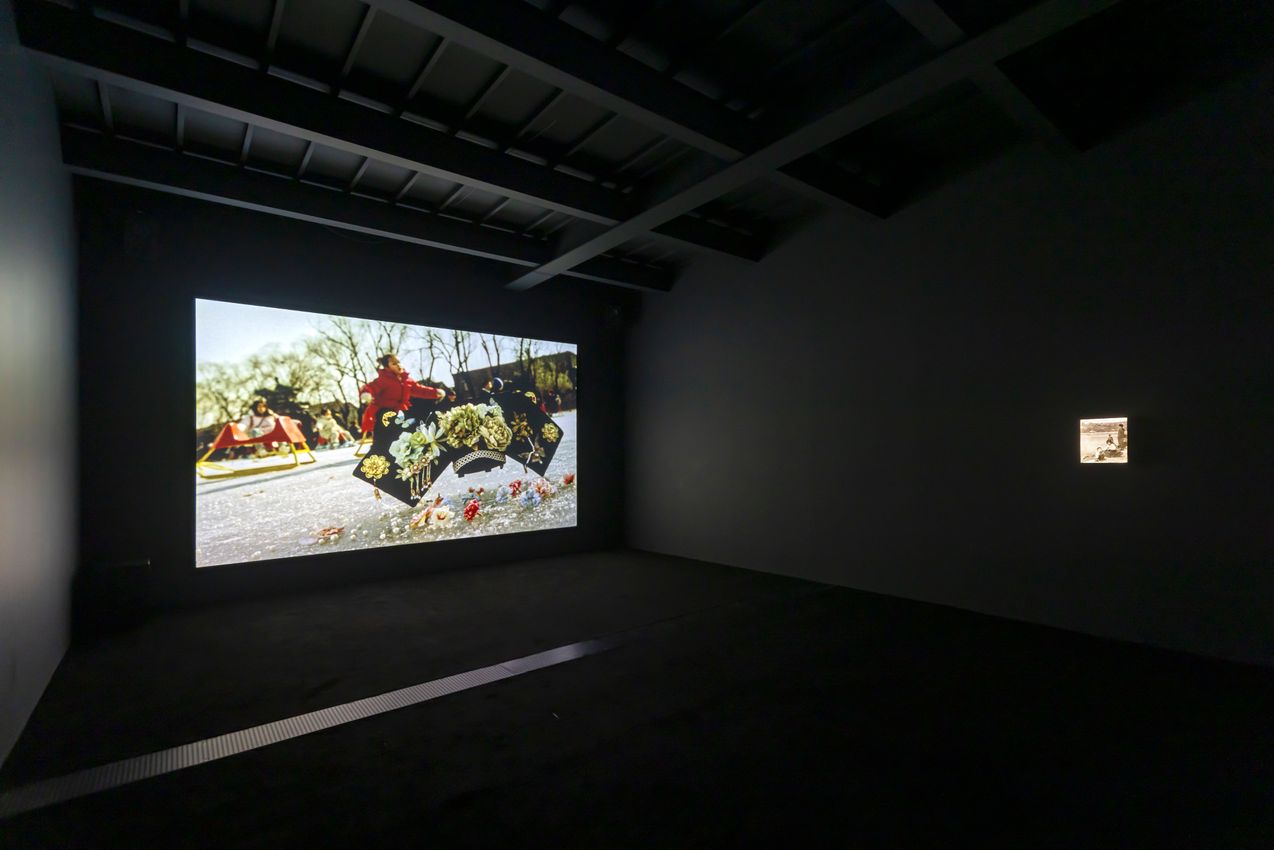
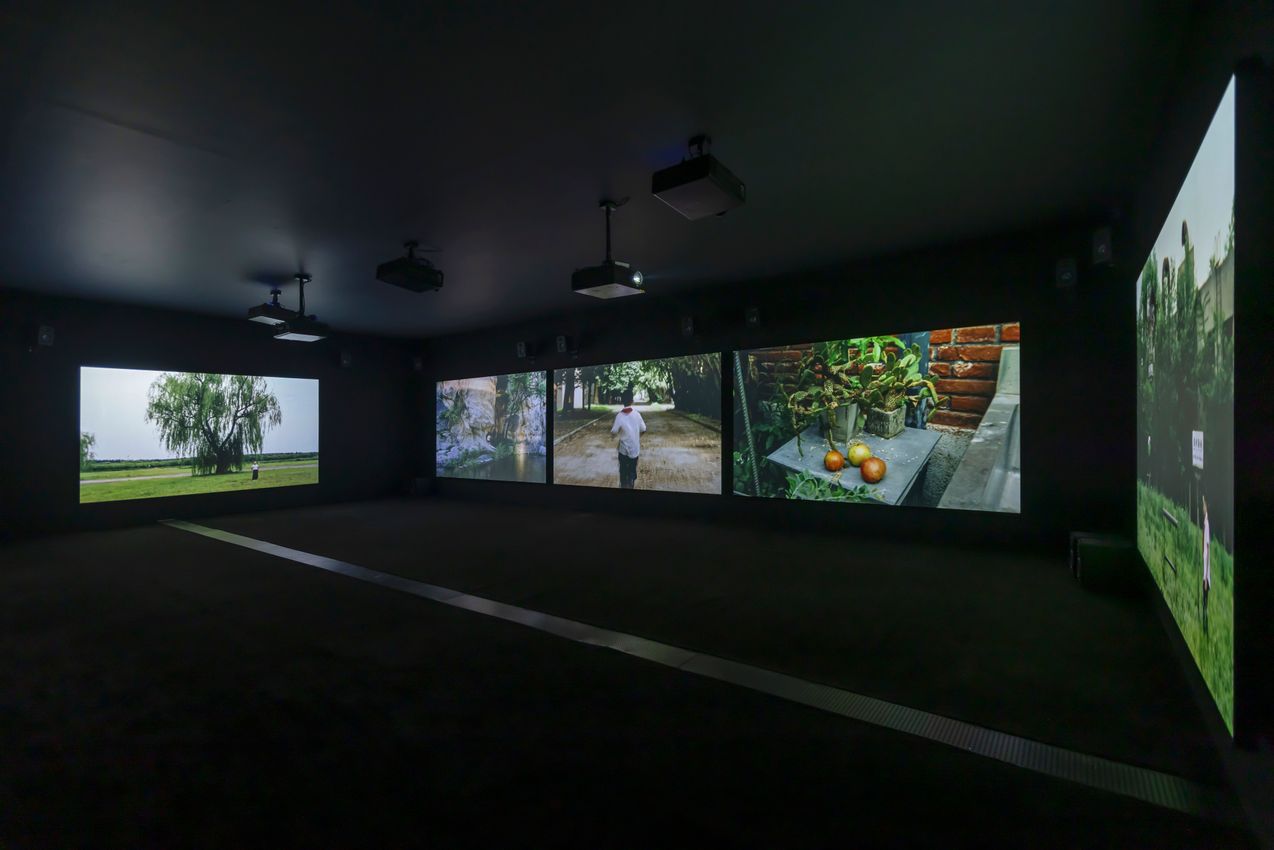
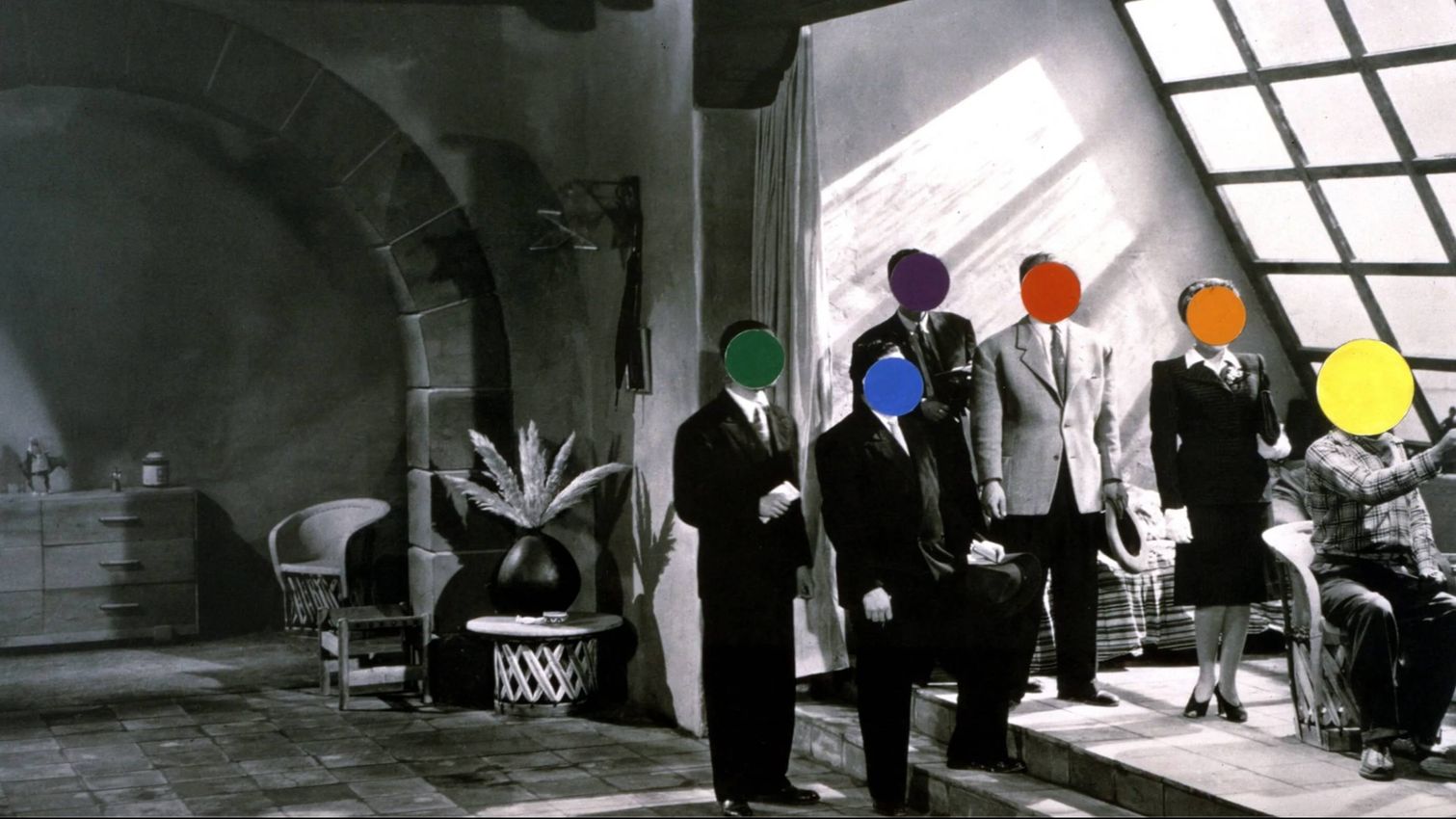
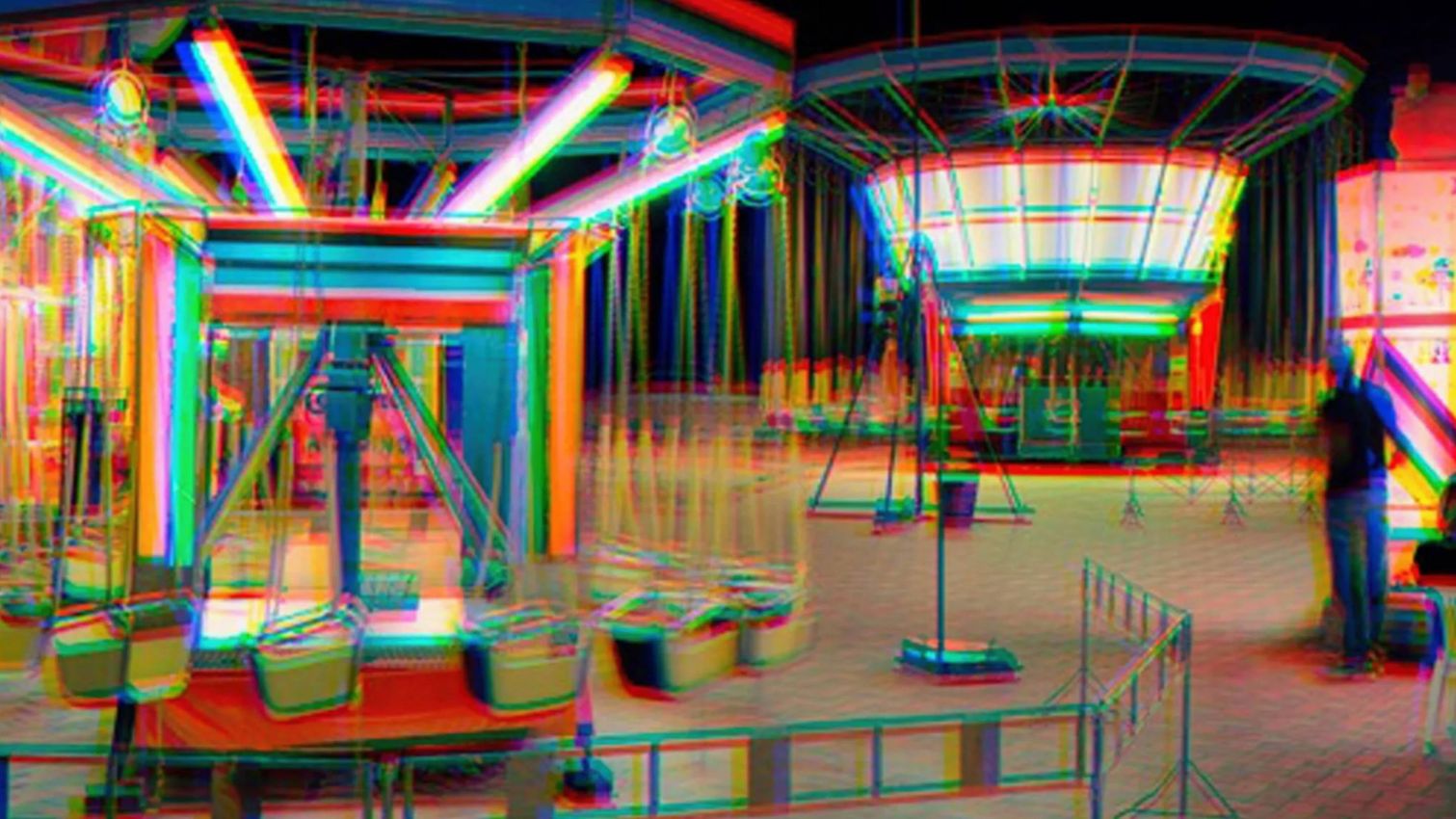
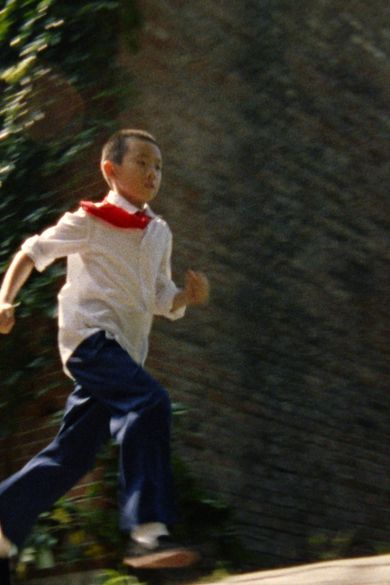
Alongside the titular work, the exhibition debuts five further new works, which alongside a selection of earlier pieces, which collectively reflect the artist’s ongoing inquiry into the relationship between image, memory, and life. Young Man, Young Man (2025), a five-channel video installation shot on 16mm color film, reconstructs, in a dispersed and nonlinear manner, fragments of Yang’s youth growing up in a military residential compound in Beijing during the 1980s. The boys in the film run, practice martial arts, wait for buses, swim, and walk through cornfields, as if inhabiting a long summer that will never end. Here, Yang reflects on how moving images hold memory: moments of innocence, longing, and solitude become suspended within the material trace of celluloid. Also shot on 16mm color film, the single-channel work At the Summer Palace (2024–2025) follows a man and a young boy as they wander through the grounds of the Summer Palace. Time quietly slips out-of-joint, like a half-waking dream on a languid afternoon. In the single-channel County Magistrate, County Magistrate (2024–2025), an unspecified collective migration unfolds. Villagers move along mountain paths at dusk, while empty homes retain the warmth of recent habitation—history and the present moment converge into an imagined local chronicle of home. In Backyard - Hey! Sun is Rising (2001), men dressed in old military uniforms wander through the early hours of a city, as if sleepwalking, reflecting Yang’s early explorations of how moving images can give form to mood and dream.
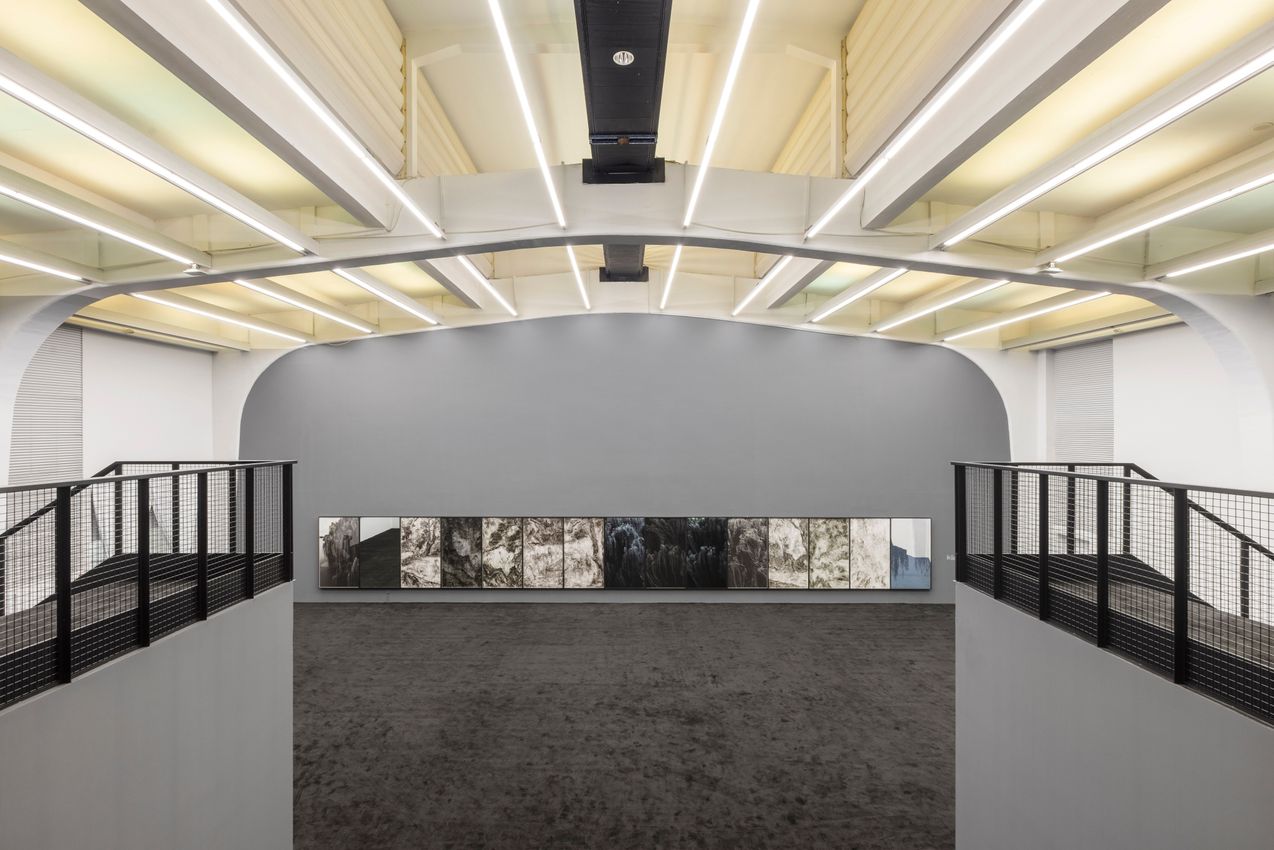
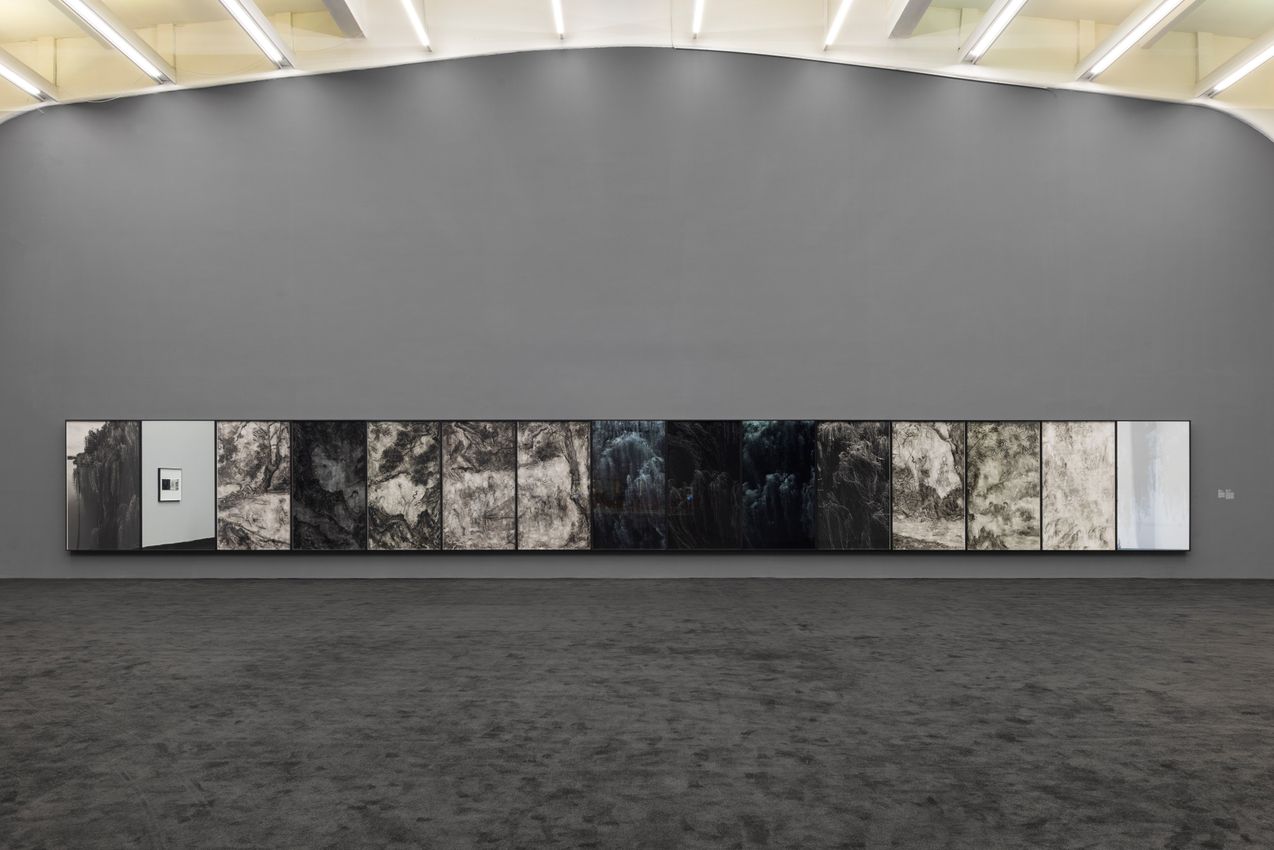
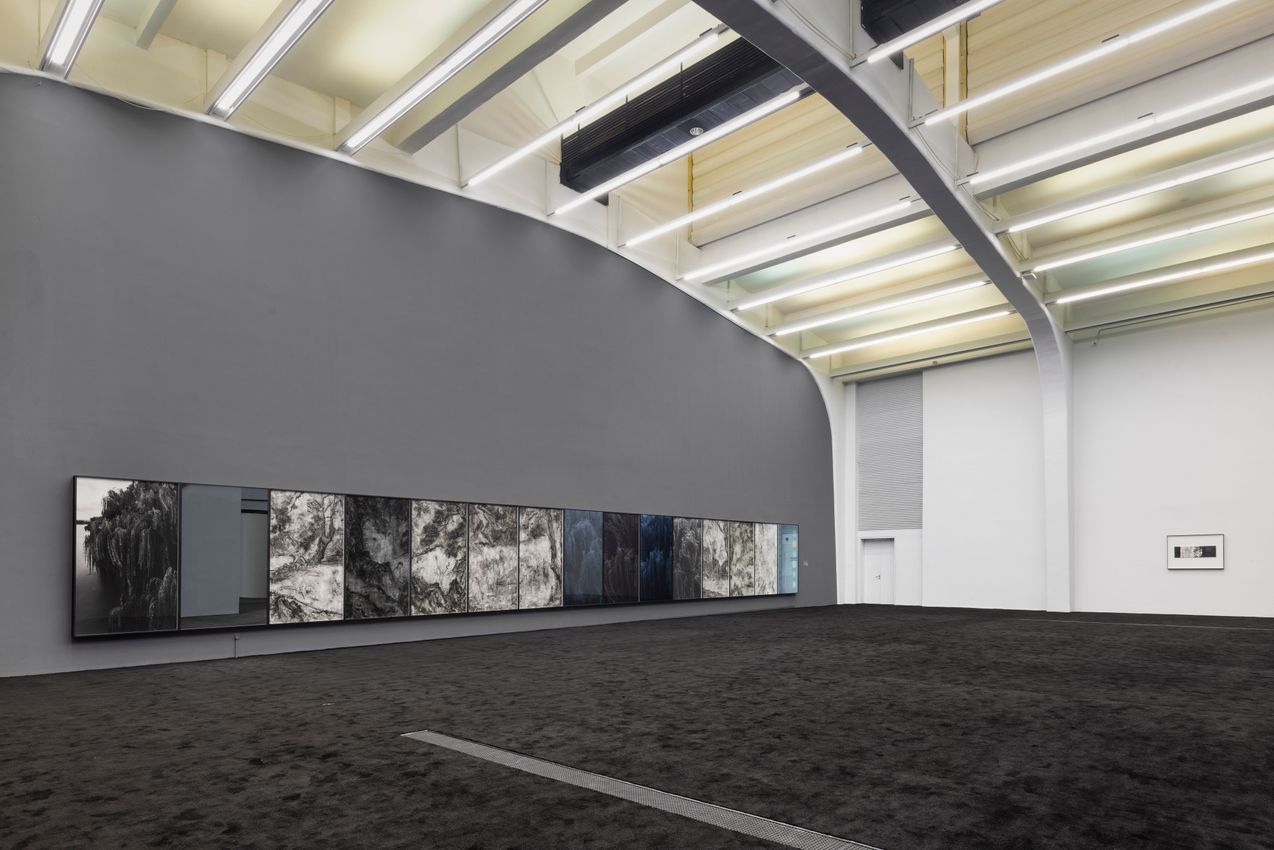
The exhibition also features a 15-panel installation comprising painting, media, and photography. Private Notes from a Land of Bliss (2025) is inspired by Elegant Gathering in the Western Garden, a handscroll by Southern Song painter Ma Yuan. Employing a highly personal visual language, Yang evokes the classical motif of the literati excursion, echoing the labyrinthine setting of Fragrant River situated at the other end of the gallery. The sequential logic of the fragmented images corresponds to the traditional mode of viewing a handscroll segment by segment, yet it also recalls the structure of film: discrete yet continuous shots. The work constitutes another chapter in Yang’s ongoing exploration of what he terms “painterly cinema.”
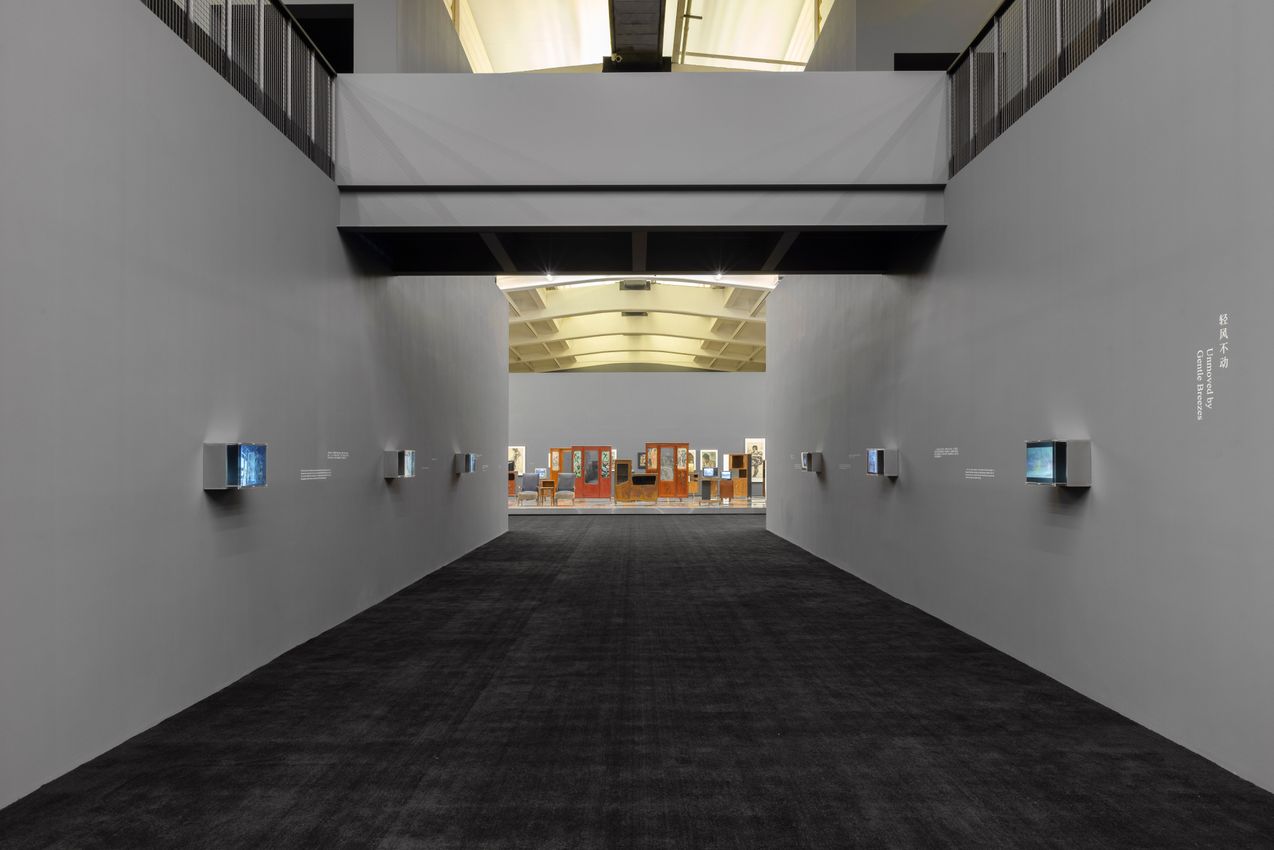
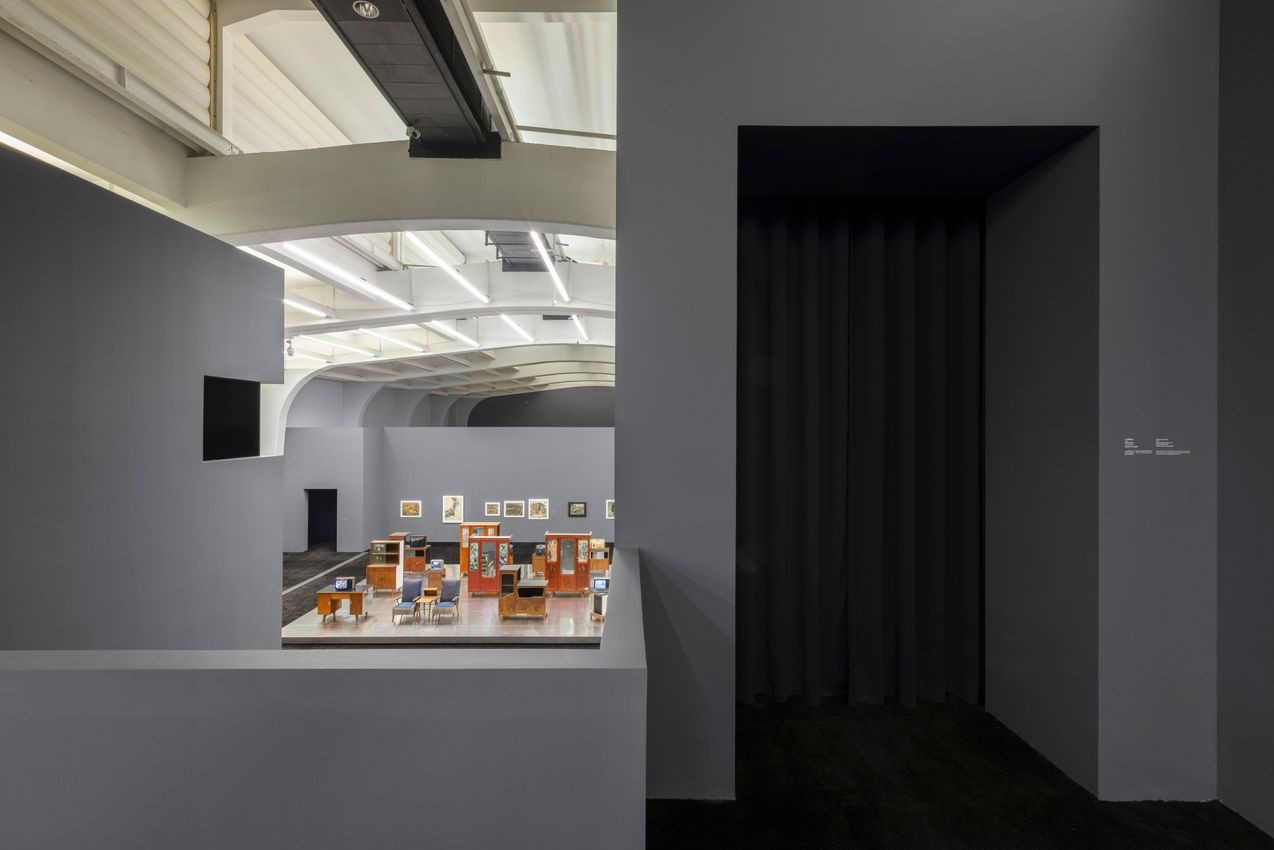
The exhibition architecture takes shape through symbolic spatial typologies—“maze,” “city tower,” and “square”—rendered in gradients of black, white, and layered greys, forming a setting that is at once structured and poetic. Rejecting a prescribed viewing route, Yang orchestrates a multi-directional spatial layout that encourages viewers to wander, double back, or even lose their sense of orientation, moving through a field with no fixed beginning or end. The use of light further intensifies this experience of temporal dislocation, aligning the narrative of the image with the narrative of space to suggest a form of sensory perception that is blurred and multi-dimensional. The exhibition design is led by UCCA Exhibition Designer Anna Yang.

Yang Fudong’s natural talent in drawing led him to train as a painter and he graduated from the Oil Painting department of the China Academy of Art in 1995. However, it is film and photography that he is now best known for. Through often lateral, fragmented and surreal means, Yang presents different ways of being in the complex socio-political landscape of his nation, often centring his concerns in the conflict between tradition and modernity.


UCCA Center for Contemporary Art is China’s leading contemporary art institution. Committed to the belief that art can deepen lives and transcend boundaries, UCCA presents a wide range of exhibitions, public programs, and research initiatives to a public of more than one million visitors each year. UCCA Beijing sits at the heart of the 798 Art District, occupying 10,000 square meters of factory chambers built in 1957 and regenerated in 2019 by OMA. UCCA Dune, designed by Open Architecture, lies beneath the sand in the seaside enclave of Aranya in Beidaihe.
A respected voice in contemporary art discourse.
Focusing on ambitious storytelling and insightful art-world commentary. Ocula Magazine publishes in-depth interviews, critical essays and timely analysis on the artists, exhibitions and ideas driving the global art world.
Learn more about Ocula Magazine
Showcasing the best of the art world.
Ocula partners with galleries from around the world to highlight their artists, artworks and exhibitions. Gallery membership is by application and invitation, with each member vetted by an independent panel.
Learn more about Ocula Membership

Specialises in the sale of major artworks.
Led by a team with deep ties to the world’s leading auction houses, galleries and collectors. Ocula’s advisory team offers bespoke services to high-net-worth clients from around the world who are looking to acquire the best of contemporary and modern art.
Learn more about our team and services