The art world in focus
Subscribe to our newsletter for news and insights on artists, galleries and exhibitions.

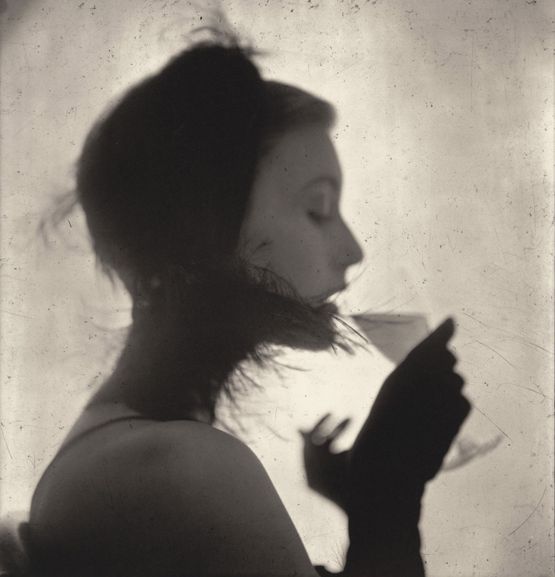
As early as 1960, when many photographers were still fighting for their work to be recognised as contemporary art, Irving Penn’s images could already be found on gallery walls. By 1978 he was showing with Marlborough Gallery—now sadly defunct, but for many years a power house. He was, in the words of Joshua Chuang, director of photography at Gagosian, leading the way among imagemakers.
This Saturday in Gagosian’s Gstaad space in Switzerland, the gallery opens its debut presentation of Penn’s work, including several photographs that have never previously been exhibited. Though best known for his contributions to modern fashion, portraiture and still life, the show focuses on Penn’s work as a printer, craftsman, and alchemist of photographic process.
‘From the beginning, Penn oversaw the printing done by studio assistants with the same exacting eye he brought to composing his portraits or still lifes,’ Chuang tells Ocula. ‘For the most part, these prints were made for the purpose of being reproduced in pages of magazines. But in the mid-1960s, after witnessing the slow decline of magazine production quality… Penn adopted a new ethos: the fine, handmade print as an end in itself.’
However, even before this time, Penn’s dedication to the photograph as an object was clear. Beginning in 1951, he obsessively returned to the image Seine Rowboat, France, printing it using various processes including dye transfer, gum bichromate and platinum-palladium. Three of the outcomes of this decades-long experiment can be seen in the exhibition.
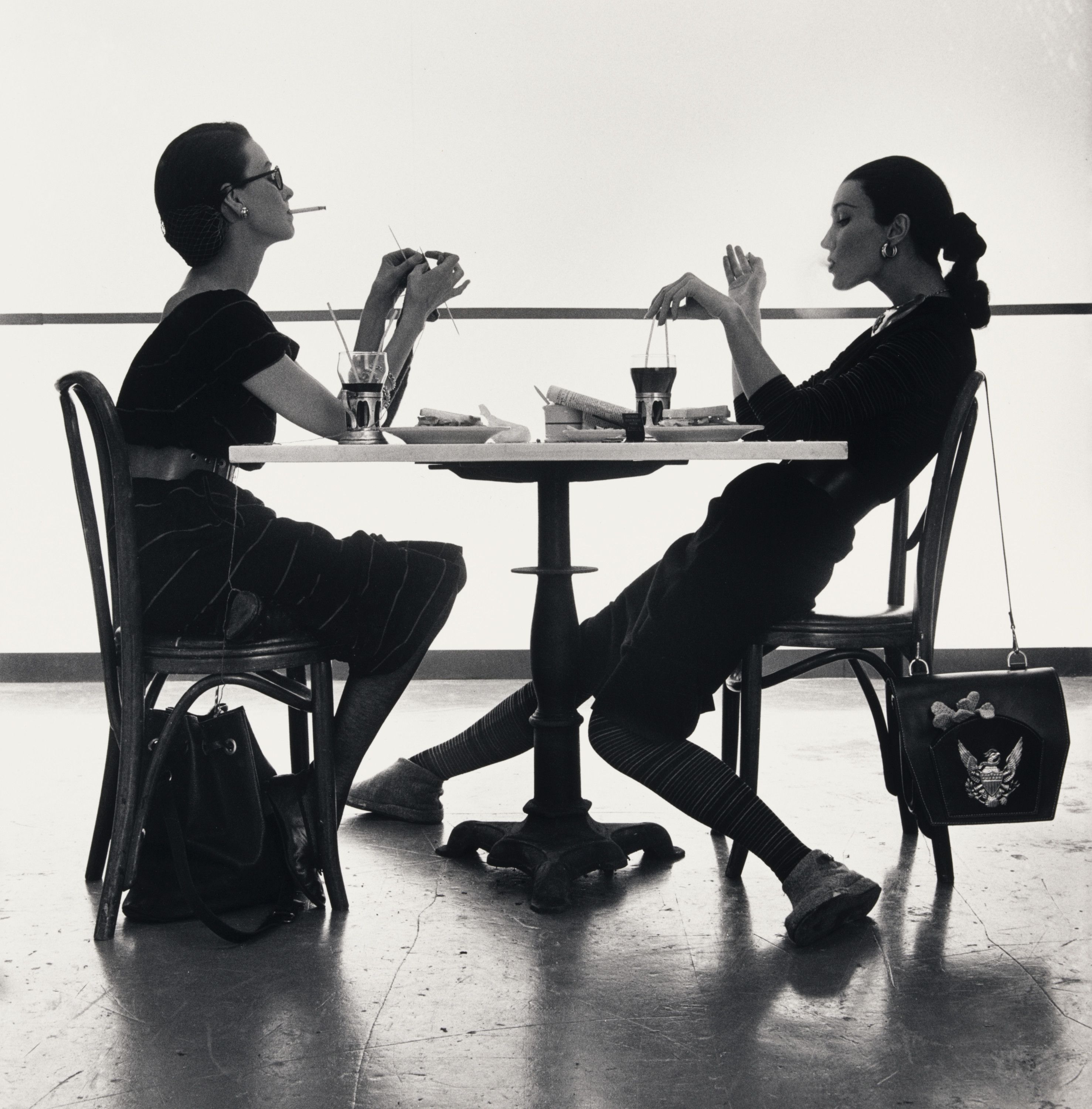
The show also includes a selection of black-and-white images in the witty style that defined Penn’s career and, arguably, an entire era of Vogue magazine. However, they are not the most recognisable of the photographer’s works—it was important to Chuang that the show resist such obvious choices.
‘Many of Penn’s works have been iconic for so long that their formal intelligence and risk tend to get flattened by familiarity,’ he says. ‘So I set myself the goal of putting together a small survey that cuts across Penn’s seven decades in a way that evokes the sense of discovery and reverence I imagine viewers felt seeing these images for the first time in the pages of Vogue back in the day.’
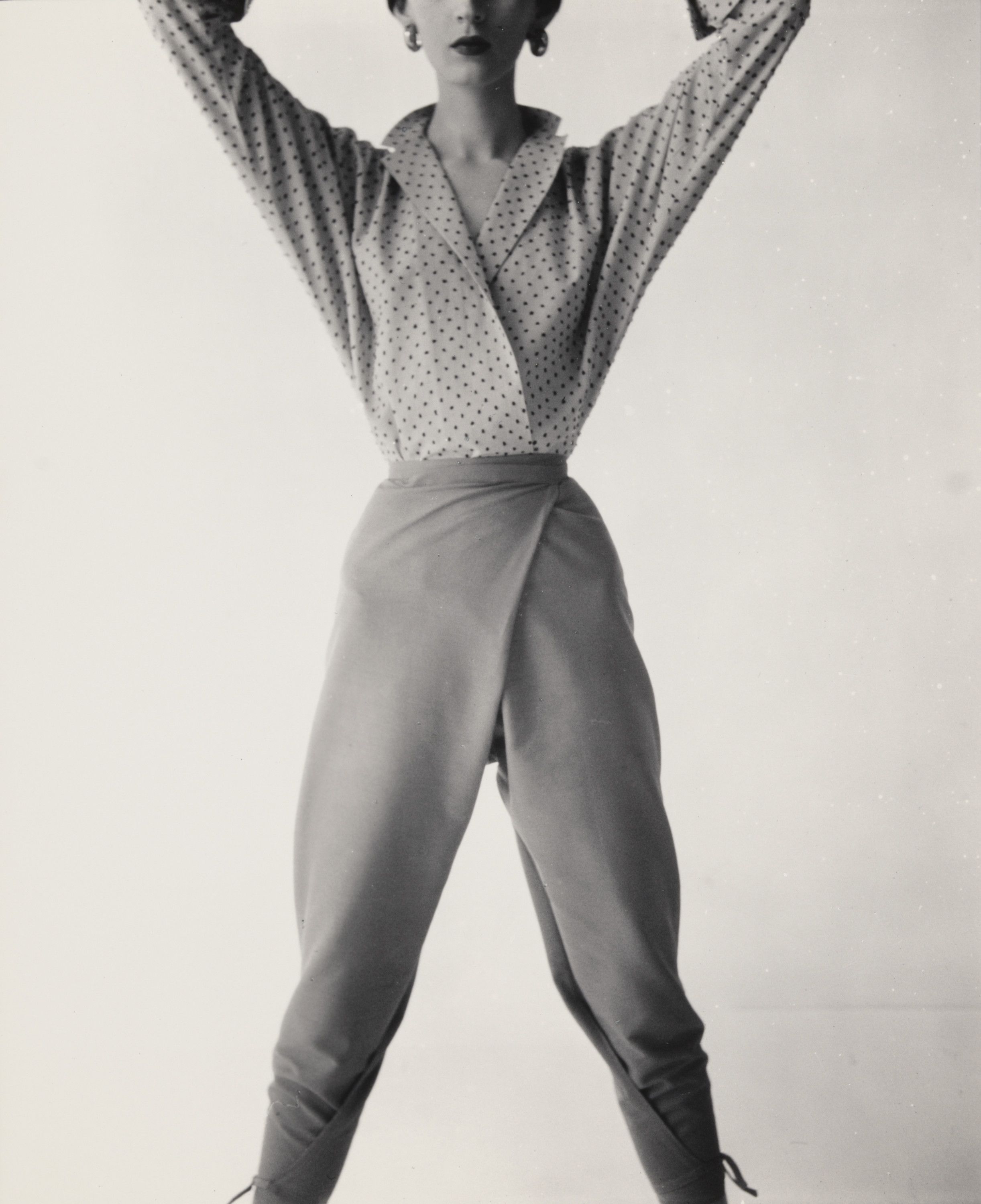
It was within these pages that Penn’s distinct approach to postwar fashion was developed. His use of backdrops, architectural compositions and stark lighting became a recognisable visual language, closely associated with top fashion designers of the time. Perhaps most famous is his ultra-high-contrast portrait of model Jean Patchett, wearing a dress inspired by Christian Dior’s era-defining New Look, published on the cover of Vogue in 1955.
It was by combining this distinct approach with his commitment to process, that the photographer went on to expand the possibilities of the photographic print. ‘He collapsed the distinctions between commercial and fine art, between image and object,’ Chuang says. ‘His legacy is not simply one of style, but of discipline, imagination, and endless curiosity.’ —[O]


A respected voice in contemporary art discourse.
Focusing on ambitious storytelling and insightful art-world commentary. Ocula Magazine publishes in-depth interviews, critical essays and timely analysis on the artists, exhibitions and ideas driving the global art world.
Learn more about Ocula Magazine
Showcasing the best of the art world.
Ocula partners with galleries from around the world to highlight their artists, artworks and exhibitions. Gallery membership is by application and invitation, with each member vetted by an independent panel.
Learn more about Ocula Membership
Specialises in the sale of major artworks.
Led by a team with deep ties to the world’s leading auction houses, galleries and collectors. Ocula’s advisory team offers bespoke services to high-net-worth clients from around the world who are looking to acquire the best of contemporary and modern art.
Learn more about our team and services