





The art world in focus
Subscribe to our newsletter for news and insights on artists, galleries and exhibitions.

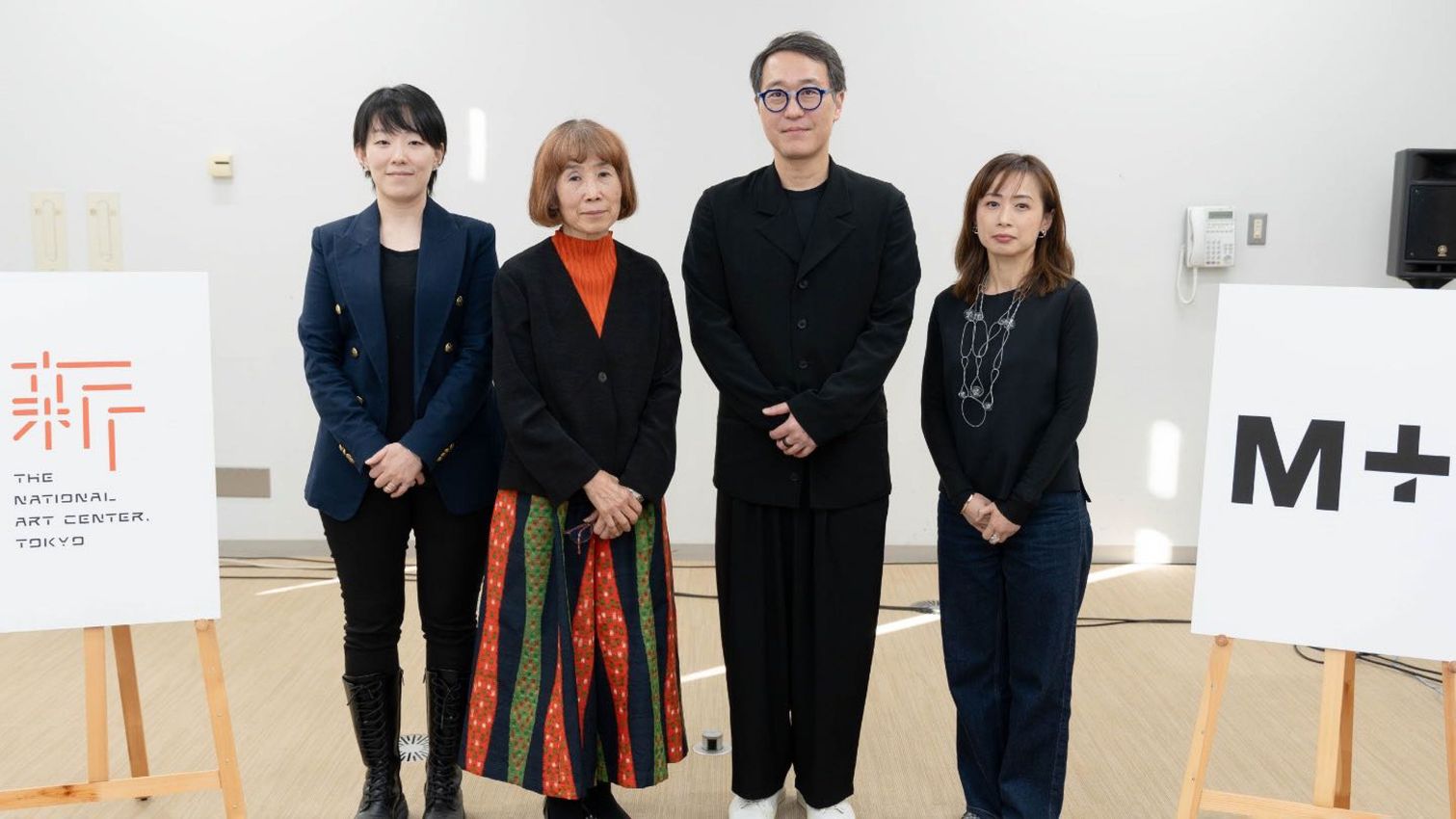
National Art Center, Tokyo (NACT) and M+ in Hong Kong will present a survey that reframes Japanese contemporary art from international perspectives next September. The exhibition will mark a milestone in the institutional relationship between Hong Kong and Japan.
Opening at NACT on 3 September 2025, Japanese Contemporary Art and the World 1989–2010 will examine the international networks that defined Japanese art during a pivotal period of globalisation. For M+, which has established itself as Asia’s first global museum of contemporary visual culture, this collaboration represents one of its inaugural international partnerships.
‘We are cracking open the idea of Japanese contemporary art as more than just territorially bound,’ M+ Chief Curator Doryun Chong explained during the symposium How has Japanese contemporary art changed since 1989?, held at NACT last month, which brought together different curators to discuss the topic.
Foreshadowing the diverse perspectives the exhibition seeks to introduce, New York curator Kathy Halbreich shared her experiences in Japan that shaped her approach to cross-cultural research and curatorial work in the United States, while researcher and curator Yukie Kamiya traced the evolution of Japanese art since the 1980s. Pi Li, Head of Art at Tai Kwun Contemporary, Hong Kong, highlighted cross-border collaborations between Japan and China and the complexities of globalisation in the art world.
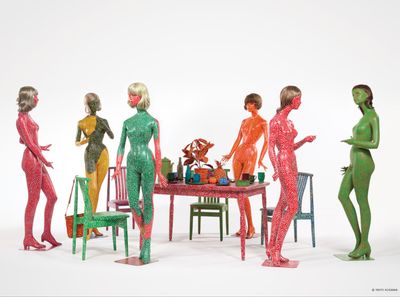
A turning point in global politics, 1989 witnessed not only the end of the Shōwa era in Japan but also the fall of the Berlin Wall, the Tiananmen incident, and the looming collapse of the bubble economy. These events underscored shifting power, culture, and identity dynamics that influenced Japanese artists. The exhibition explores how they engaged with themes from gender fluidity, postmodern eclecticism, to critiques of Western imperialism and traditional Japanese aesthetics.
’[We are] looking at different vectors and facets of what constituted the internationalism of art in Japan,’ Chong said.
The exhibition also focuses on diasporic Japanese artists, international artists working in Japan, and art inspired by Japanese identity and culture, including Matthew Barney‘s tea ceremony-inspired Drawing Constraint 9 (2005).
The curatorial approach deliberately challenges conventional narratives to ‘detour’—a key word stressed by M+ curator and panellist Isabella Tam—expectations of how Japanese art has been and can be perceived. ‘We hope visitors will discover that Japanese contemporary art is more complex than expected—truly diverse and integral to global art history,’ Tam said.
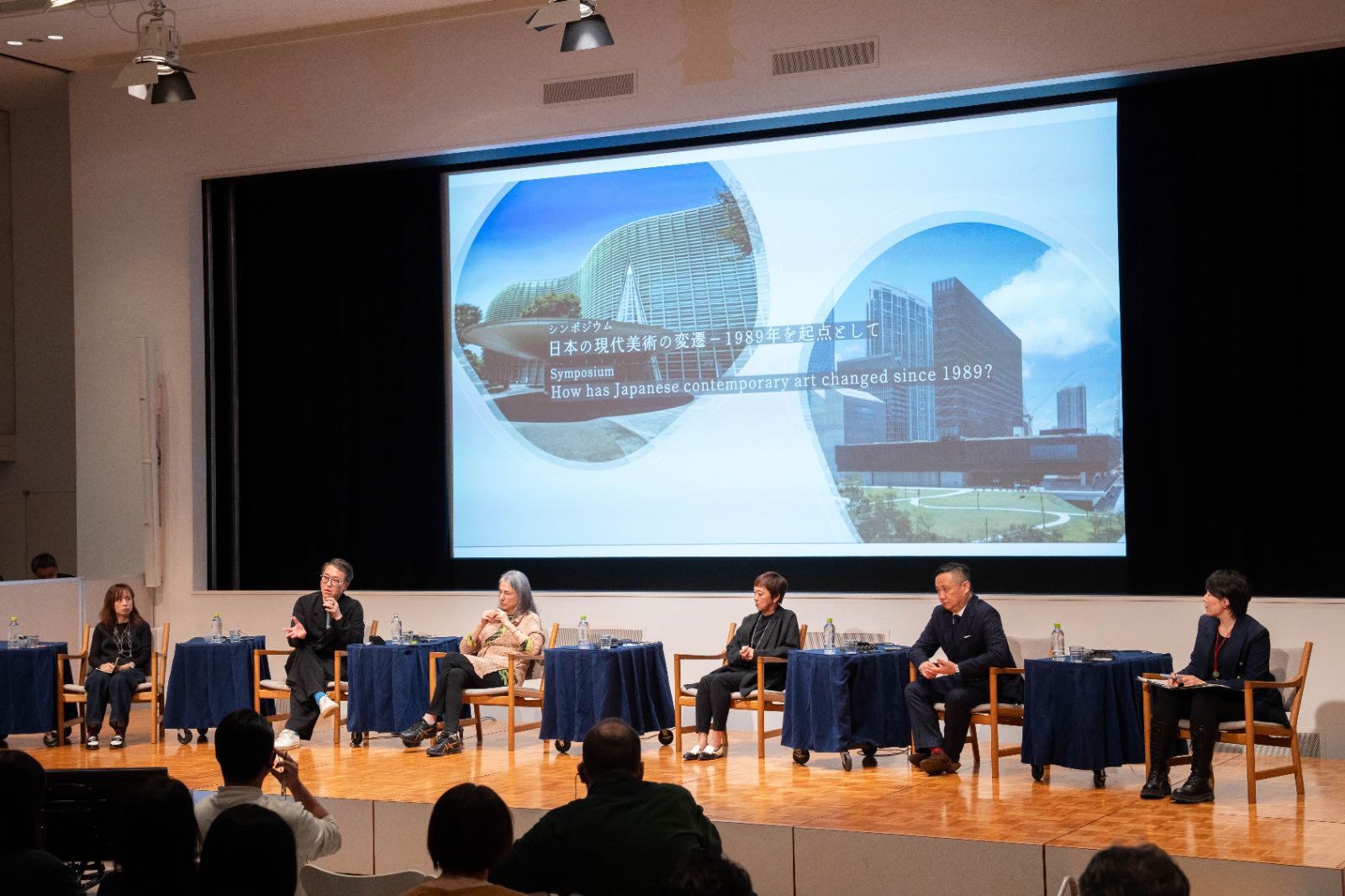
NACT curator Jihye Yun noted that the non-Japanese curatorial team, including Chong, Tam, and herself is ‘somewhat a drawback’, but also a strength that will enable them to present Japanese art through a lens that illuminates its international connections and influence. —[O]
A respected voice in contemporary art discourse.
Focusing on ambitious storytelling and insightful art-world commentary. Ocula Magazine publishes in-depth interviews, critical essays and timely analysis on the artists, exhibitions and ideas driving the global art world.
Learn more about Ocula Magazine
Showcasing the best of the art world.
Ocula partners with galleries from around the world to highlight their artists, artworks and exhibitions. Gallery membership is by application and invitation, with each member vetted by an independent panel.
Learn more about Ocula Membership
Specialises in the sale of major artworks.
Led by a team with deep ties to the world’s leading auction houses, galleries and collectors. Ocula’s advisory team offers bespoke services to high-net-worth clients from around the world who are looking to acquire the best of contemporary and modern art.
Learn more about our team and services
