





Processing the Traumas of Fascism? Get Surreal
An exhibition at the Henry Moore Institute in Leeds will explore Surrealist strategies of women artists from German‑speaking countries, including Pipilotti Rist, Meret Oppenheim, and Ursula. Save to My Ocula
A century ago, in 1924, Yvan Goll and André Breton published their Surrealist Manifesto. The exhibition The Traumatic Surreal (22 November 2024–16 March 2025) at the Henry Moore Institute both marks this anniversary and considers the movement’s enduring critical potency in the sculptures of women artists from Germany, Austria, Switzerland, and Luxembourg.
‘This exhibition demonstrates the fascinating ways these radical artists use surrealist sculptural practices and traditions to critique post-war patriarchy’s treatment of women and address their traumatic experiences,’ said Patricia Allmer, Professor of Modern and Contemporary Art History at the University of Edinburgh and co-curator of The Traumatic Surreal.
Artists Renate Bertlmann, Birgit Jürgenssen, Bady Minck, Meret Oppenheim, Pipilotti Rist, Ursula, and Eva Wipf use found objects, collage, and assemblage in surprising and challenging ways.
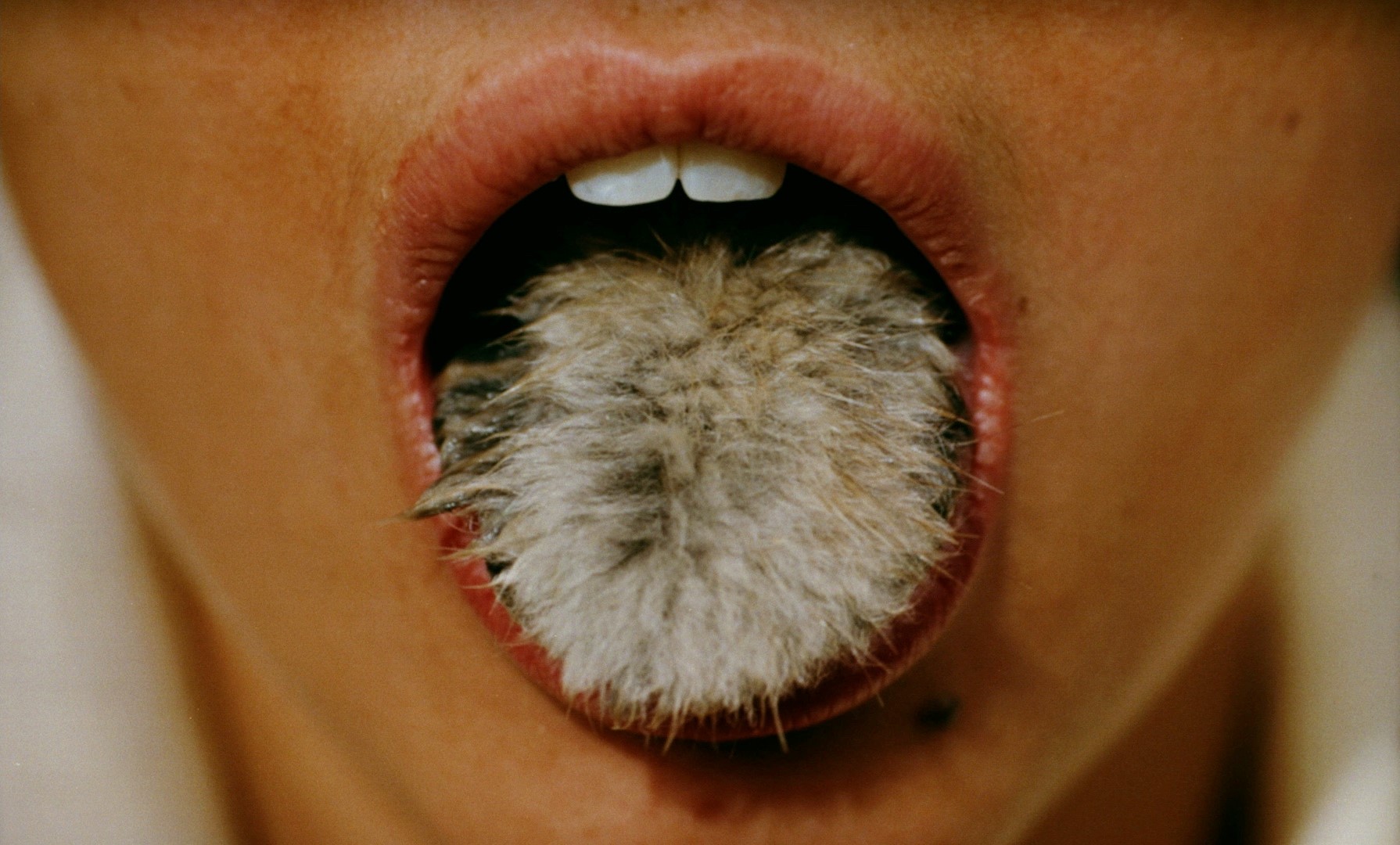
Fur, hair, and feathers—such as the furry tongue in Bady Minck’s film La Belle est la Bête (2005)—are a recurring motif, a perversion of what the curators describe as the cultural fetishisation of animals, such as ‘Hitler’s obsession with wolves’.
Far from projecting strength, Birgit Jürgenssen’s Untitled (Dog) (1972), pictured top, is a ceramic doberman whose intestines—nylon stockings stuffed with chemical fertiliser—spill grotesquely from its side.
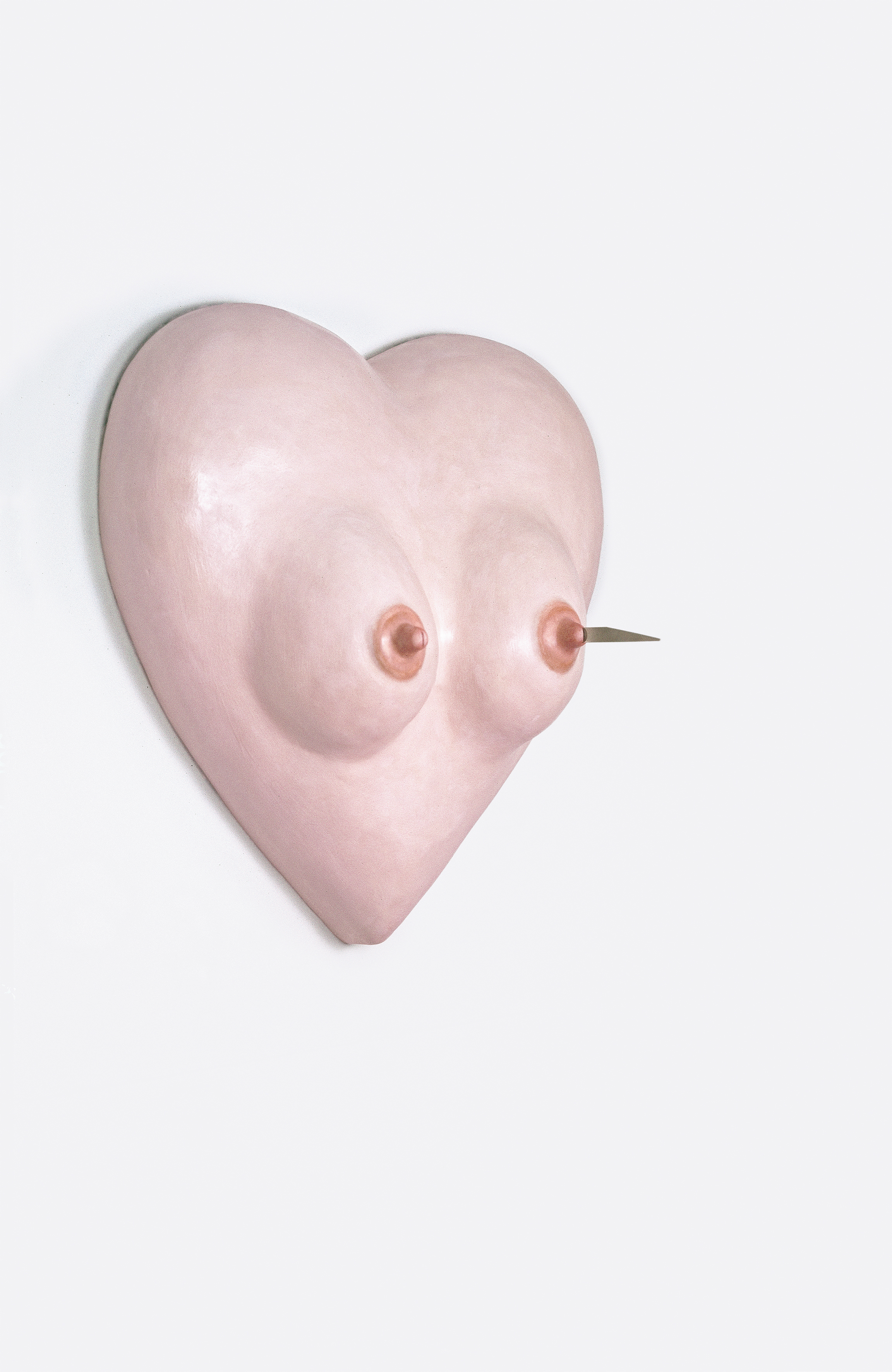
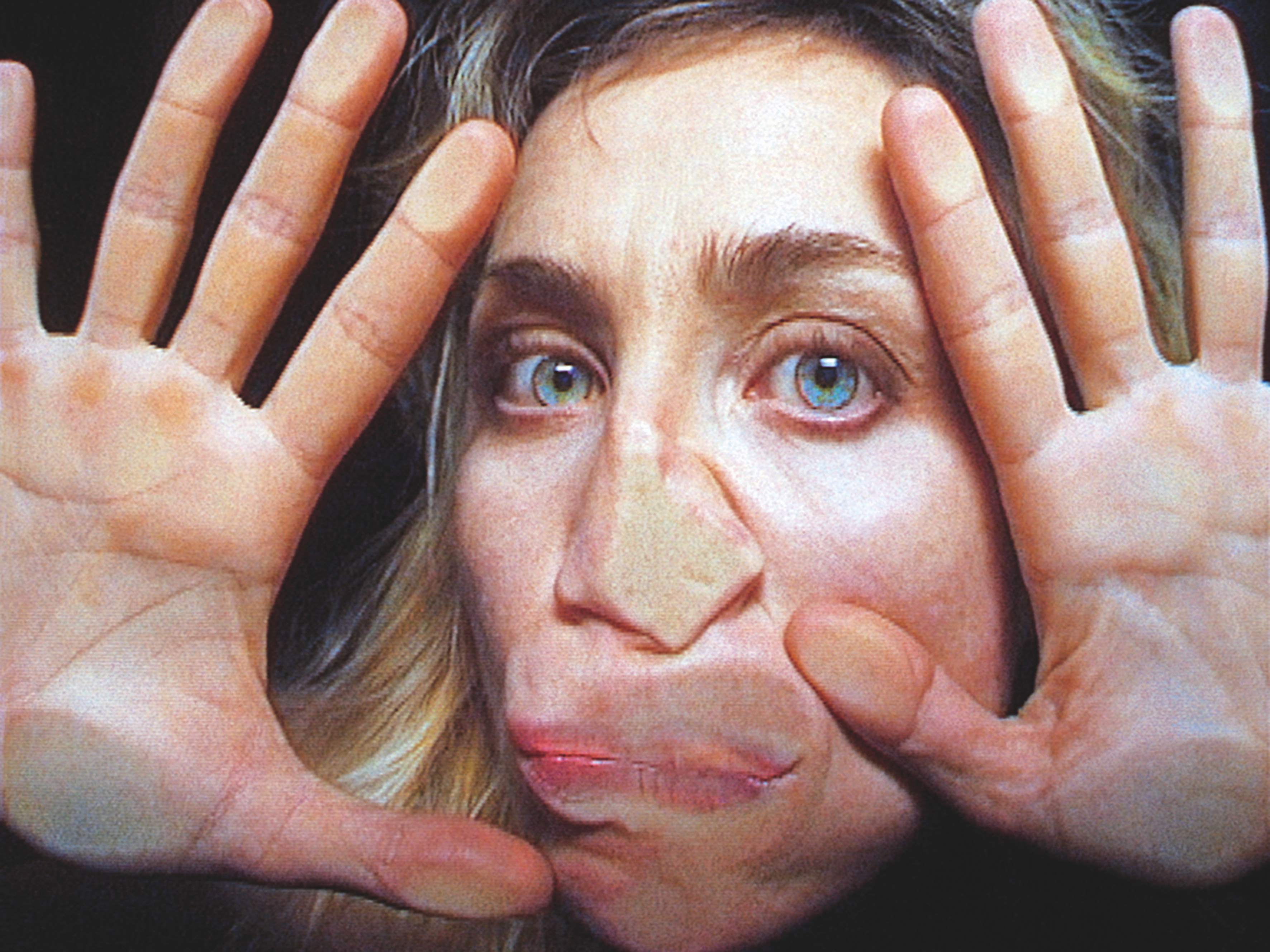
Received notions of femininity are undermined in Pippilotti Rist’s unpretty self-portraits, pressed against an invisible boundary, and Renate Bertlmann’s Fur Heart with Knife (1987) and Ex Voto (1985), sculptures that equip female anatomy with knives in defence against patriarchal presumption.
Meret Oppenheim’s Word Wrapped in Poisonous Letters (Becomes Transparent) (1970) is a simple sculpture made from stiffened string, as if wrapped around an invisible box, that casts a shadow suggestive of a swastika.
‘In a period when women’s rights are under threat across the world, and politics in many places is lurching to the right, exploring these powerful critiques of fascism and patriarchy is particularly timely,’ said Dr Clare O’Dowd, Henry Moore Institute Research Curator and co-curator of the exhibition. —[O]
Main image: Birgit Jürgenssen, Untitled (Dog) (1972). Ceramics, chemical fertiliser, nylon, gauze bandages. 51 x 45 x 21 cm. Estate Birgit Jürgenssen (s54). © Birgit Jürgenssen, Estate Birgit Jürgenssen / Bildrecht Vienna, 2024 / DACS 2024; Courtesy Galerie Hubert Winter. Photo: Simon Veres.


A respected voice in contemporary art discourse.
Focusing on ambitious storytelling and insightful art-world commentary. Ocula Magazine publishes in-depth interviews, critical essays and timely analysis on the artists, exhibitions and ideas driving the global art world.
Learn more about Ocula Magazine
Showcasing the best of the art world.
Ocula partners with galleries from around the world to highlight their artists, artworks and exhibitions. Gallery membership is by application and invitation, with each member vetted by an independent panel.
Learn more about Ocula Membership
Specialises in the sale of major artworks.
Led by a team with deep ties to the world’s leading auction houses, galleries and collectors. Ocula’s advisory team offers bespoke services to high-net-worth clients from around the world who are looking to acquire the best of contemporary and modern art.
Learn more about our team and services