





Why the Seoul Museum of Art Keeps Expanding

Seoul Museum of Art General Director Eunju Choi. Courtesy Seoul Museum of Art.


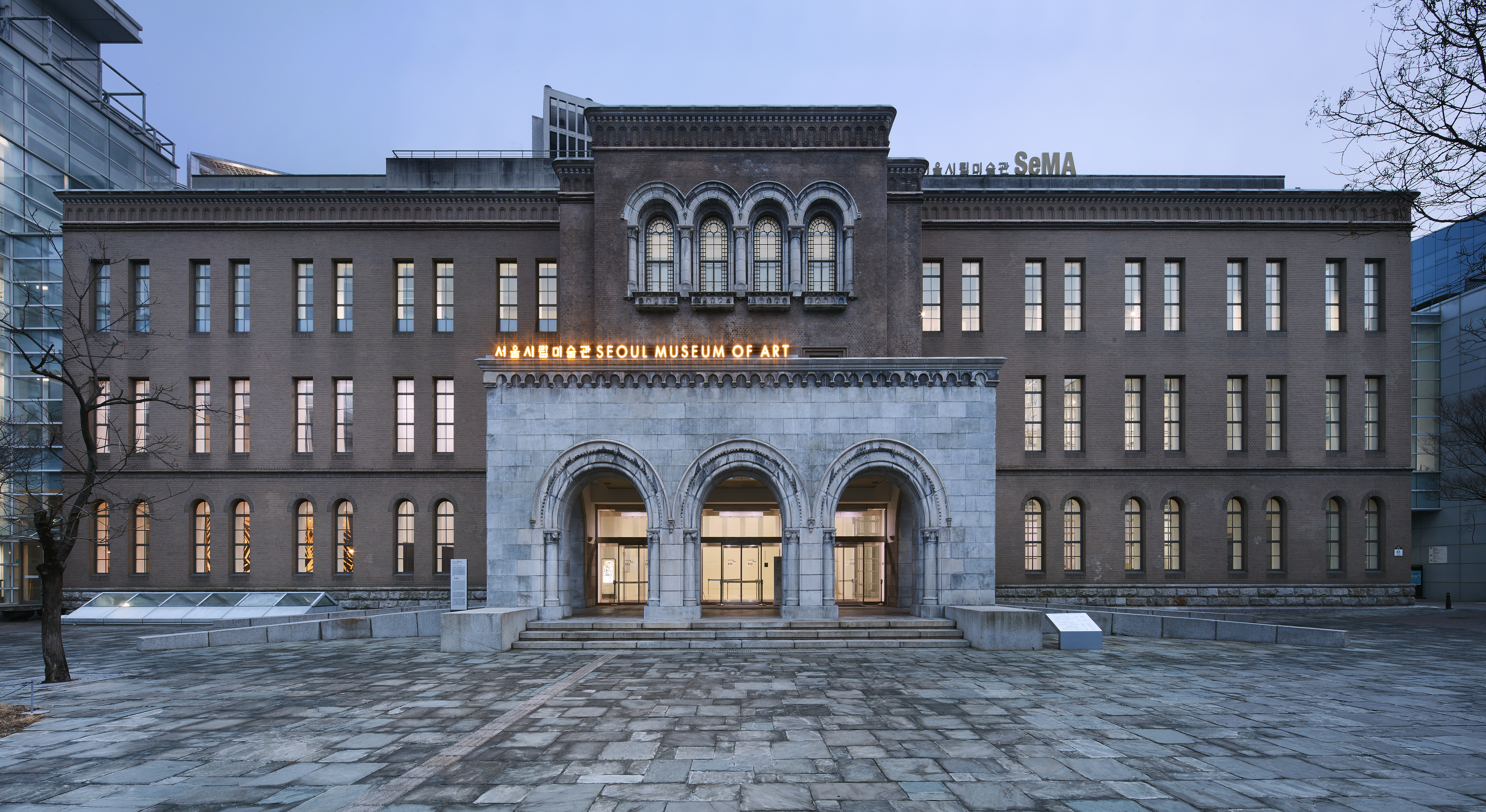
Led from its main branch in the former Supreme Court buildings near Deoksugung Palace, Seoul Museum of Art (SeMA) is a constellation of seven art museums operated by Seoul Metropolitan Government. That’s almost double the four branches of Korea’s National Museum of Contemporary Art.
General Director Eunju Choi, who joined SeMA last year, has announced plans to expand the museum even more. An institution called ‘Photography, Seoul Museum of Art’ will open May 2025 in Chang-dong, and Seo-Seoul Museum of Art, focused on media art, is currently under construction in the southwest of the city with a view to open mid or late 2025.
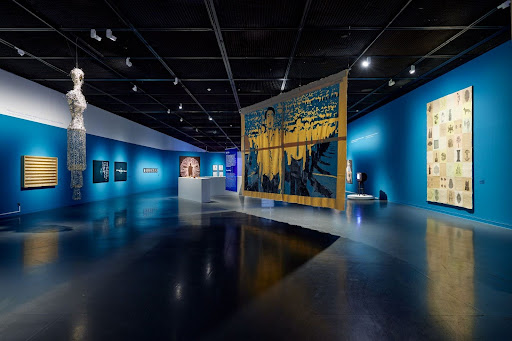
SeMA’s breadth is reflected in its current exhibition series, SeMA Omnibus, an ambitious undertaking presented across four locations with works by contemporary Korean artists from SeMA’s collection and archives.
In this interview, conducted during Seoul Art Week (2–8 September 2024), Choi introduced SeMA’s activities, including the 2024 Korean Art Workshop for Overseas Curators and plans for the 13th Seoul MediaCity Biennale (26 August–30 November 2025).
You took over as General Director in March 2023. For those who aren’t familiar with SeMA, what is it, and why were you interested in taking the role?
Seoul Museum of Art opened in 1988 and has operated for over 30 years now.
Because the museum arrived rather late on the scene to collect modern Korean art, it has prioritised collecting contemporary art from the 1990s and 2000s. That’s why works from these periods make up around 60% of SeMA’s collection.
As a result, SeMA has been able to acquire key works by artists who are sensitive to aesthetics specific to Korea as well as discourses within international contemporary art. Based on this foundation, SeMA has held important exhibitions, presenting significant contemporary Korean artists at least once every year.
Another initiative that cemented SeMA’s reputation is the Seoul MediaCity Biennale (SMB).
In short, SeMA is a noteworthy museum not only to Seoul citizens but also Koreans and international art world professionals.
What are the advantages and challenges of being across so many different museums?
There are many advantages to the branch system. Firstly, it is able to accommodate large-scale exhibitions that one small museum cannot. During the SMB, works are often spread across SeMA’s branches.
Secondly, each location can be given a distinct character, representing the many different facets of contemporary art. Buk-Seoul Museum of Art, for example, opened around 10 years ago with an emphasis on community in the commuter town of Nowon-gu. It has many more public and educational programmes compared to the main branch, and they attract more local participants. It’s also larger than the main location by 1.2 times and has more storage.
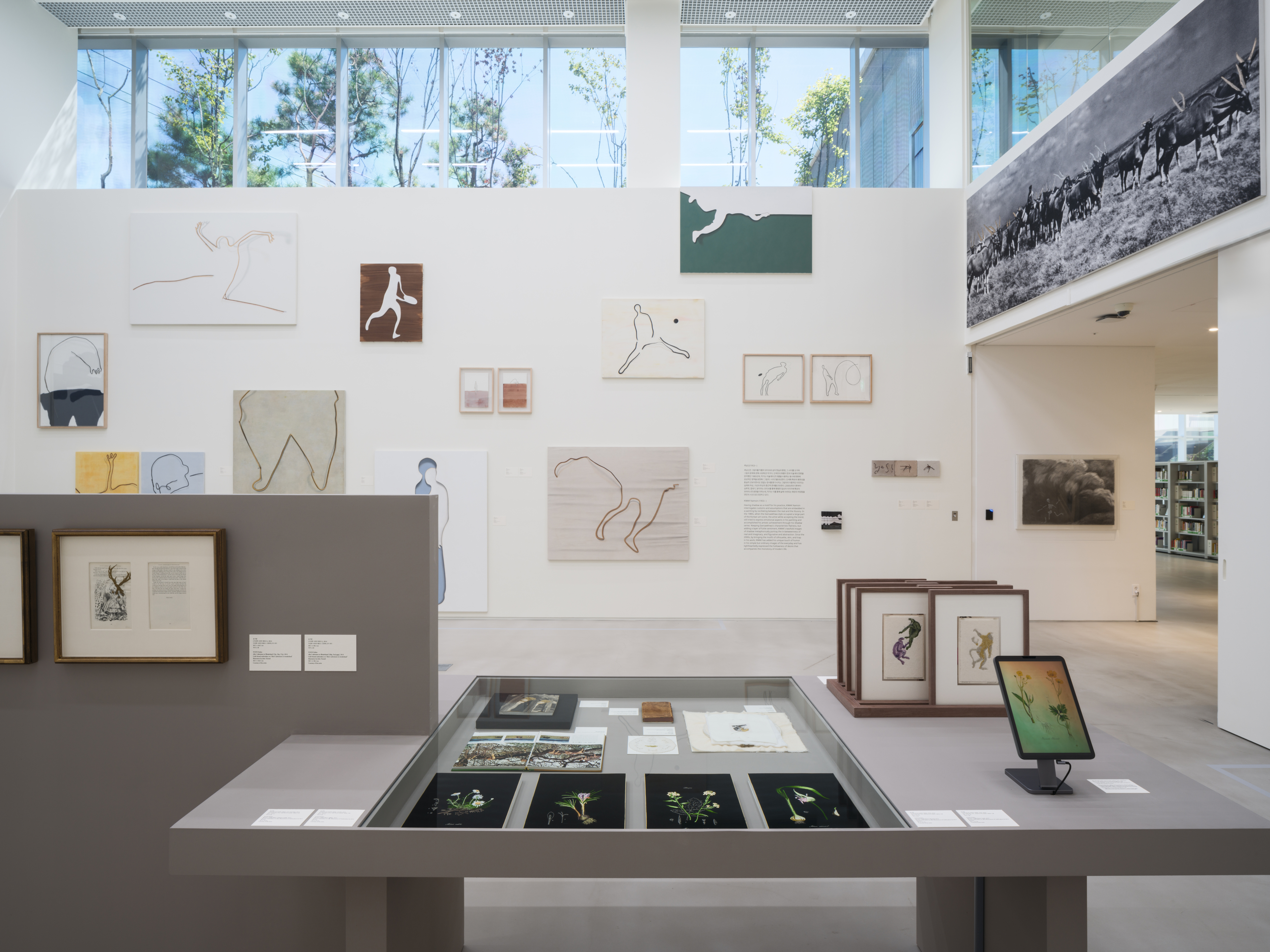
Another SeMA space with a unique personality is the Art Archives. Usually, when there’s an archive in an art museum, it occupies a small corner or a floor. In Seoul, the Art Archives is in Pyeongchang-dong and occupies three buildings. There are Moeum-dong, which is literally a space for archiving; Baeum-dong, a space for learning from the archive; and Nanum-dong, which is designated for sharing. Archives of such scale are rare, which is why many directors or curators from overseas museums first visit the Art Archives when they’re in Seoul.
I’d also like to mention the Nanji Residency. I’ve been surprised that overseas art lovers are more familiar with Nanji than they are with SeMA. When I asked them how they knew of it, they told me that it’s very famous—the residency programme runs internationally several times a year, and a number of international artists have had good experiences with it.
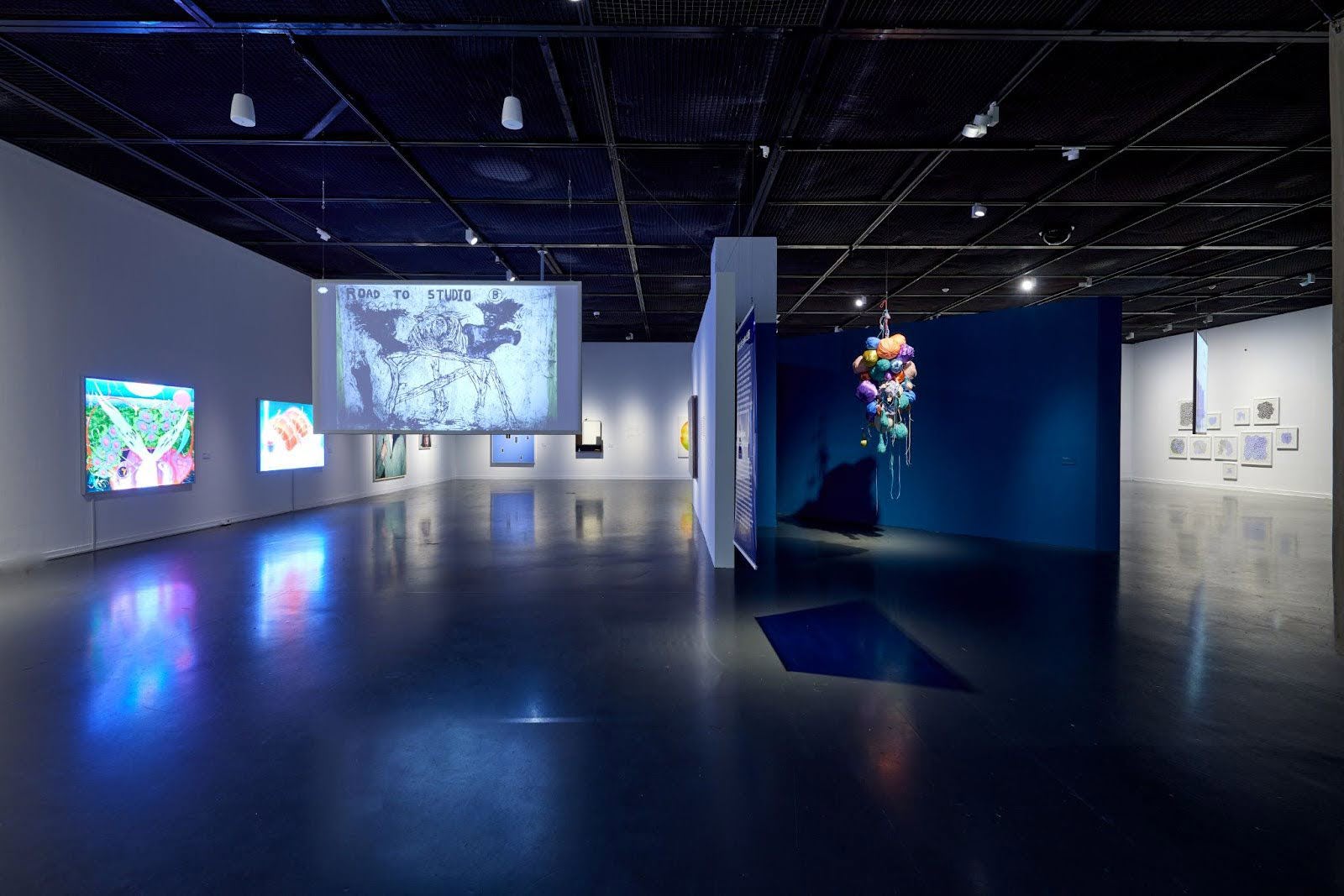
One of your big initiatives is the ‘SeMA Omnibus’ exhibition series, which is currently playing out across four SeMA museums through November 2024. How do the four exhibitions work together?
I wanted to create exhibitions highlighting Korean artists and their representative works in time for Frieze Seoul. This wasn’t going to be an exhibition borrowing works from artists, however, but one that studied and featured works in the museum collection.
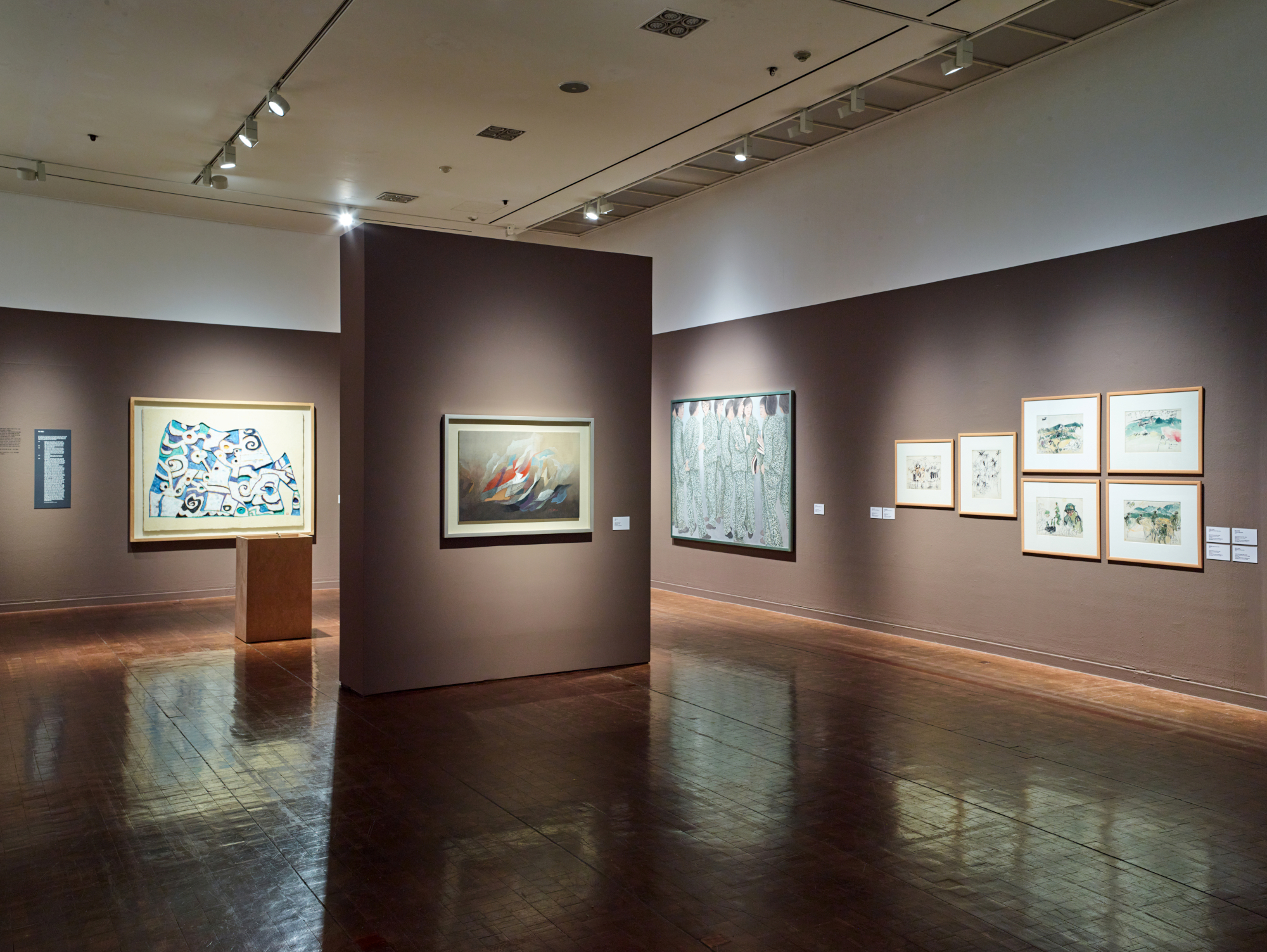
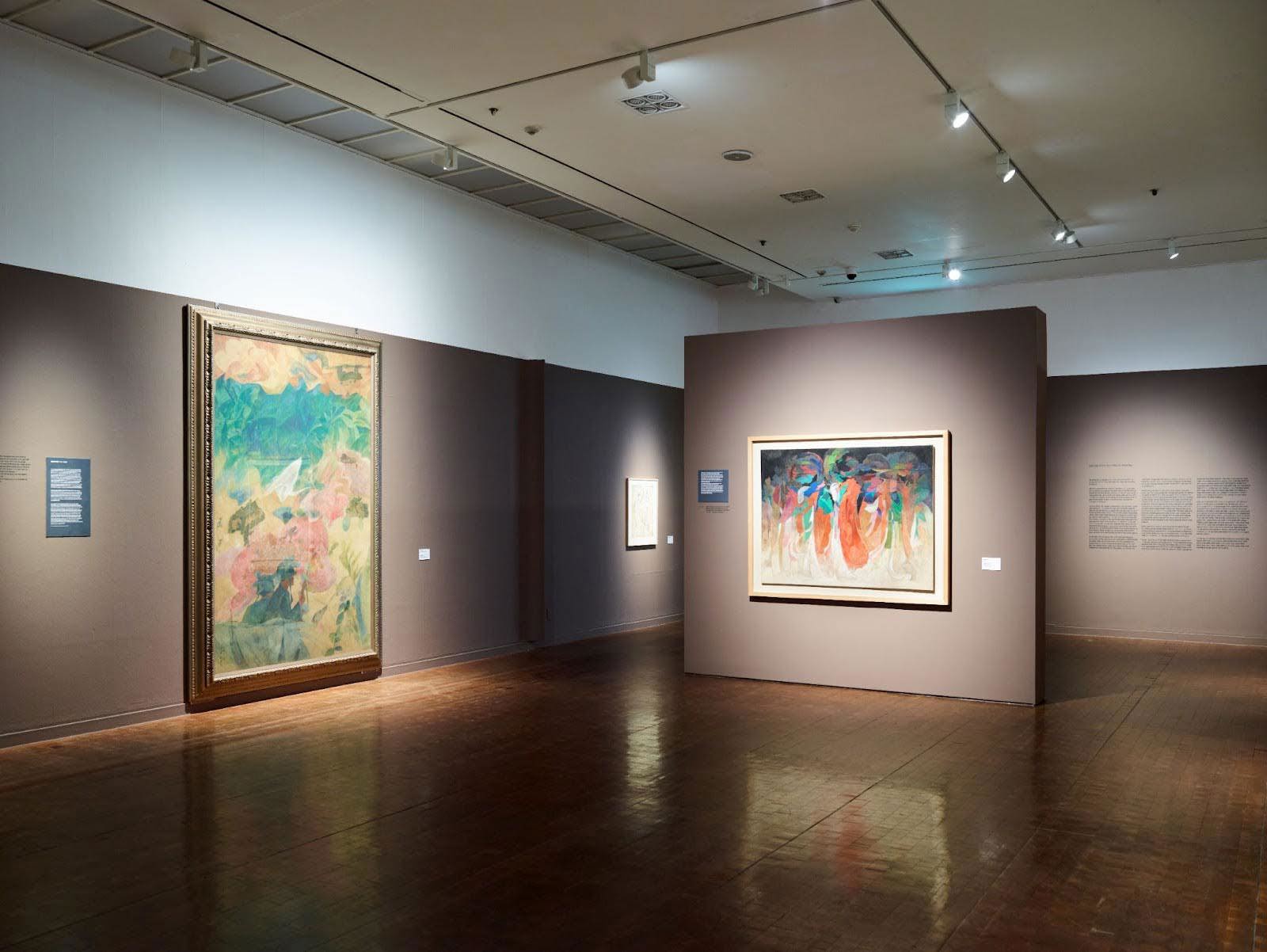
As its title says, SeMA Omnibus tells independent stories that are joined together as one. The title At the End of the World Split Endlessly at the main branch references Korean contemporary artists’ active engagement with material experimentation. They developed their practices by working with unorthodox media.
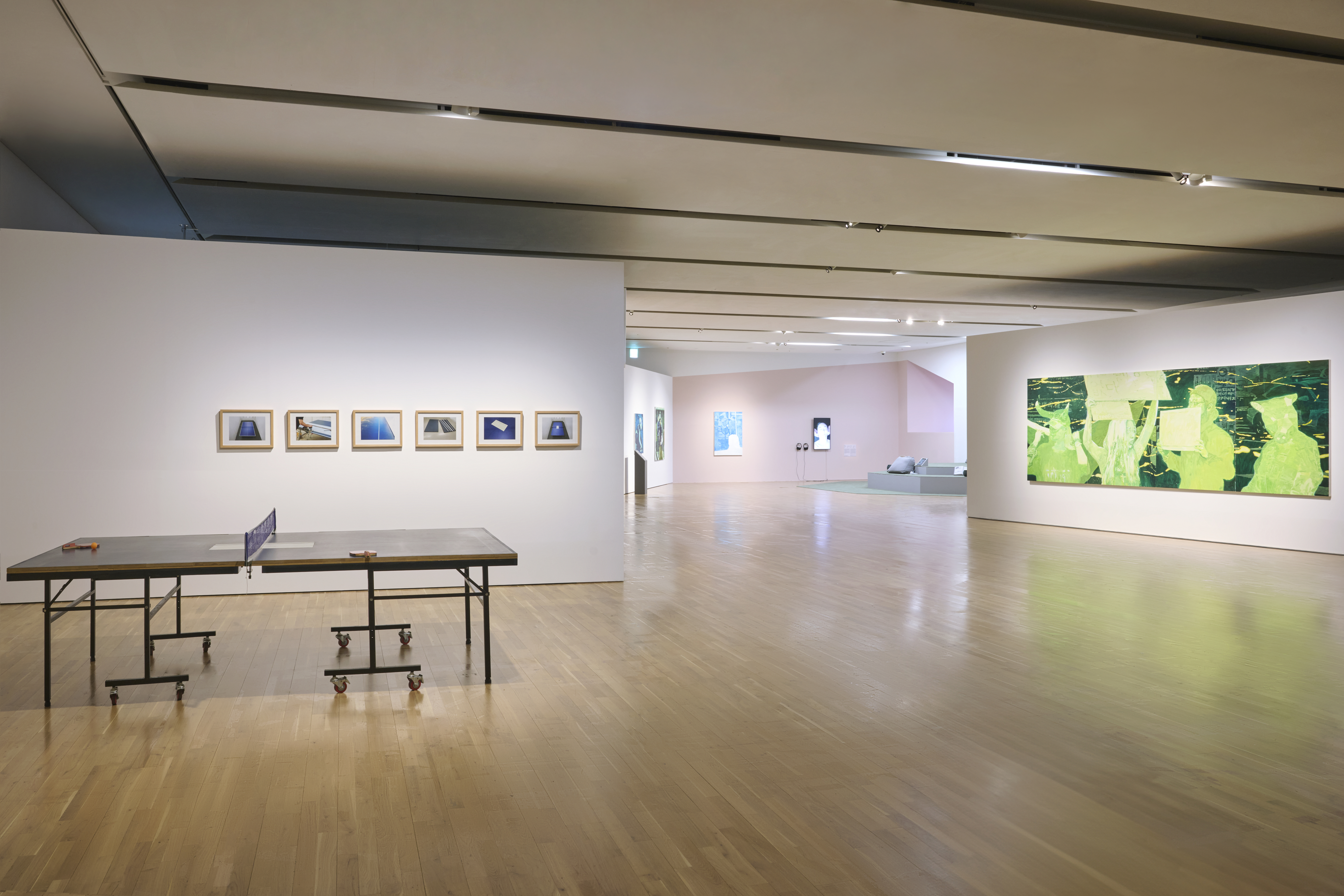
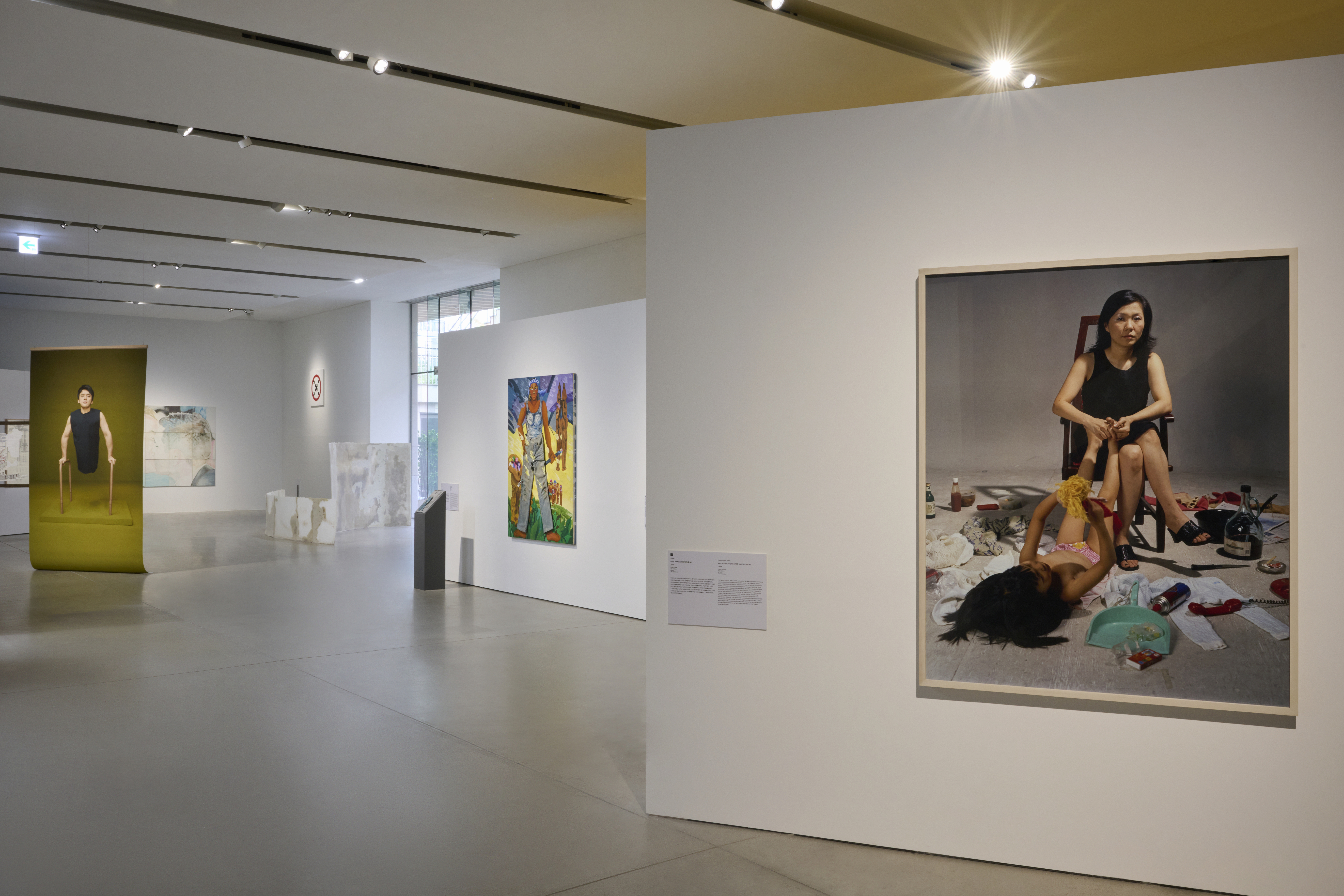
Because Buk-Seoul Museum of Art emphasises community, I Want to Love Us addresses the discourses surrounding the marginalised in our society: disabled people, LGBTQIA+, and multicultural families.
Fantasia of the Archives at Art Archives features works from the archives of six contemporary artists, with the idea that it is not just the artworks in a museum collection but also what’s recorded in the archives that completes their stories.
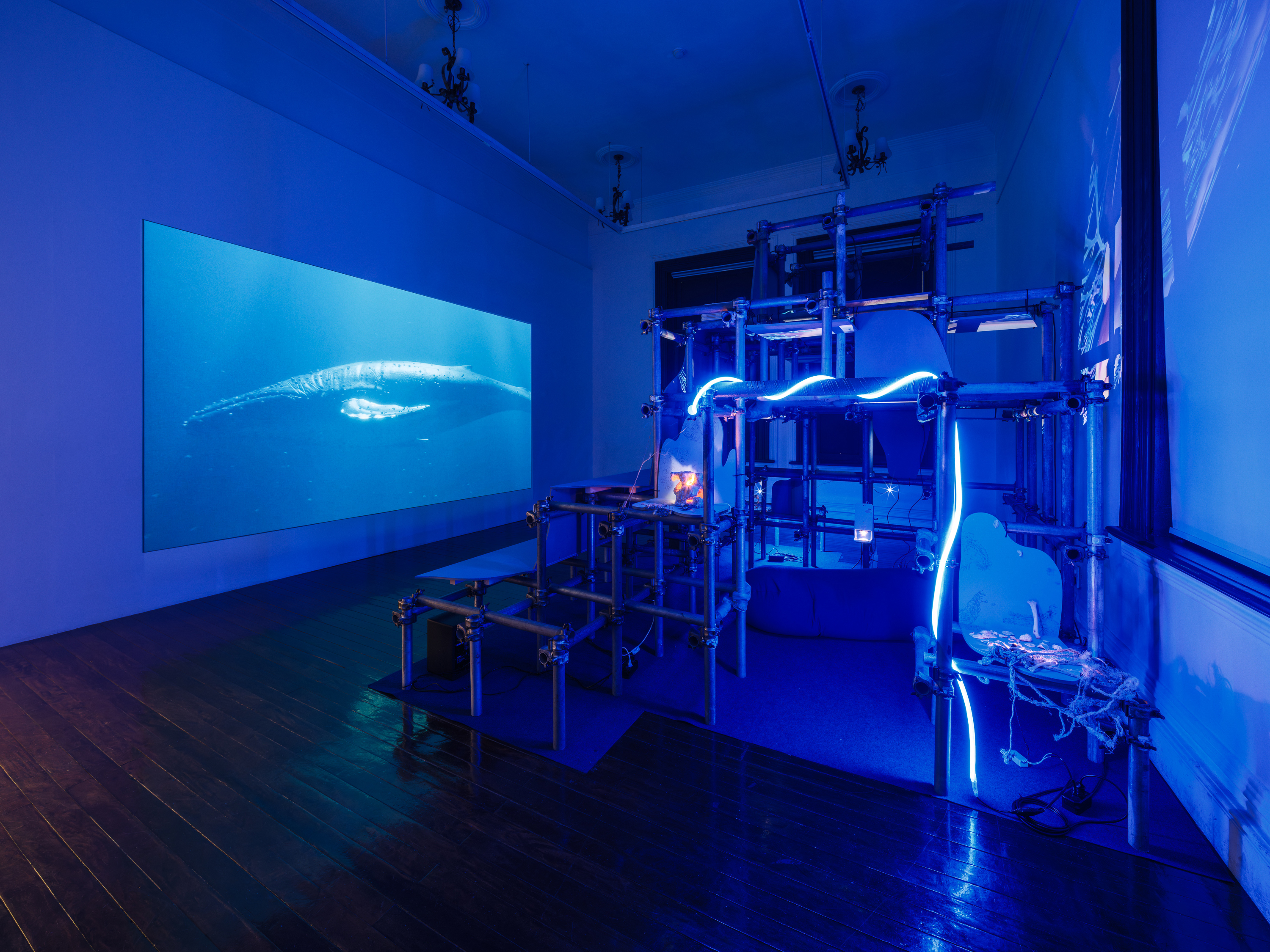
Planet Nine at Nam-Seoul Museum of Art was the first SeMA Omnibus exhibition to open. We’re currently living on Planet Eight. Astronomers think there’s a ninth planet and that the search for it could provide the answer to humanity’s future. We live in the fear that this Planet Eight might meet its end. There are artists who’ve thought about that end before everyone else and their works are in Planet Nine, which is about humans and nonhumans.
I’d recommend seeing SeMA Omnibus at all four locations. That’s what omnibus films are like. You have to see all of them to understand—they’re standalone stories, but what the director wants to say comes across the clearest when you’ve seen everything.
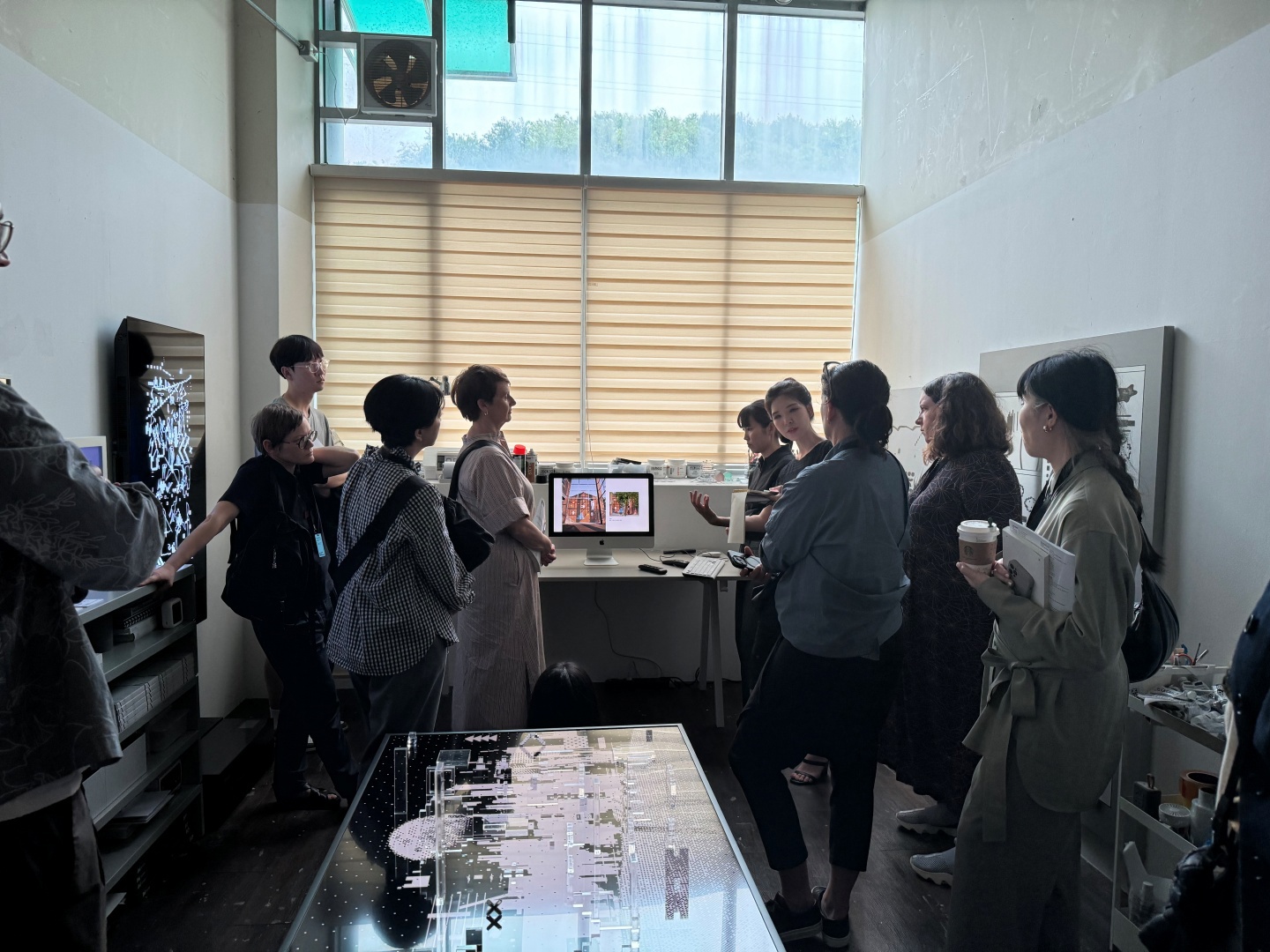
SeMA hosted the 2024 Korean Art Workshop for Overseas Curators from 1–7 September. How did it come to be?
Last year, Korea Foundation (KF) asked for my advice on their annual curator workshop. I suggested we co-organise the event this year in September and host it at the SeMA main branch because it’s near City Hall (Sichung) station—an easily accessible location.
Now we needed a topic. KF is more experienced with historical art; I radically advocated for contemporary art. SeMA has an abundant database of contemporary art and we could develop the programme at our end. Twenty-nine curators came from museums all over the world, including Centre Pompidou, Philadelphia Museum of Art, New South Wales Museum, and Tate Modern.
Can you share some highlights of the week?
All workshop participants attended the SeMA Omnibus exhibition—they all saw the works in the SeMA collection and we were able to have very thorough and curatorial conversations about them.
There are also two exhibitions featuring Chun Kyung-Ja’s work—one permanent, one special—coinciding with Seoul Art Week, and the participants described her idiosyncratic philosophy as a surprising discovery. I’ve also heard they were impressed by the special exhibition Turbulent Times: Women Life Art, which shows works by Chun Kyung-Ja and 22 women artists who were influenced by Chun and went on to study Korean painting and Oriental painting.
So, the workshop enabled us to promote modern Korean artists and Korean women artists, as well as artistic milestones of Korean contemporary art. Some participants said they found presentations easier to understand because they had a background knowledge of [Korean art history] from having been to SeMA.
The workshop included a lecture on the Seoul Mediacity Biennale, which is one of Seoul Museum of Art’s most exciting and ambitious events. What were the main takeaways of the presentation?
The lecturer of this workshop was none other than Kwon Jin, project director of the SMB team. Kwon gave an overview of the history of the Biennale and shared plans of reconstructing Biennale database as public resources for the future.
We’re currently in the process of selecting the new artistic director for the 13th edition and the announcement will be made in mid-October. —[O]
Main image: Seoul Museum of Art General Director Eunju Choi. Courtesy Seoul Museum of Art.

A respected voice in contemporary art discourse.
Focusing on ambitious storytelling and insightful art-world commentary. Ocula Magazine publishes in-depth interviews, critical essays and timely analysis on the artists, exhibitions and ideas driving the global art world.
Learn more about Ocula Magazine
Showcasing the best of the art world.
Ocula partners with galleries from around the world to highlight their artists, artworks and exhibitions. Gallery membership is by application and invitation, with each member vetted by an independent panel.
Learn more about Ocula Membership
Specialises in the sale of major artworks.
Led by a team with deep ties to the world’s leading auction houses, galleries and collectors. Ocula’s advisory team offers bespoke services to high-net-worth clients from around the world who are looking to acquire the best of contemporary and modern art.
Learn more about our team and services